Mục lục bài viết (10)
- What is specialized pharmacy management software for independent drugstores?
- How is a drugstore POS solution for mid-sized chains (10-50 branches) different?
- Who is the hybrid system (cloud + on-premise) suitable for?
- Detailed comparison table of 3 drugstore POS solutions in 2026
- Which solution to choose based on business scenario?
- Advantages and disadvantages of each solution
- Important criteria when choosing pharmacy management software
- ROI and payback period of pharmacy management software
- Frequently asked questions about pharmacy management software
- Conclusion: Choosing the right pharmacy management software
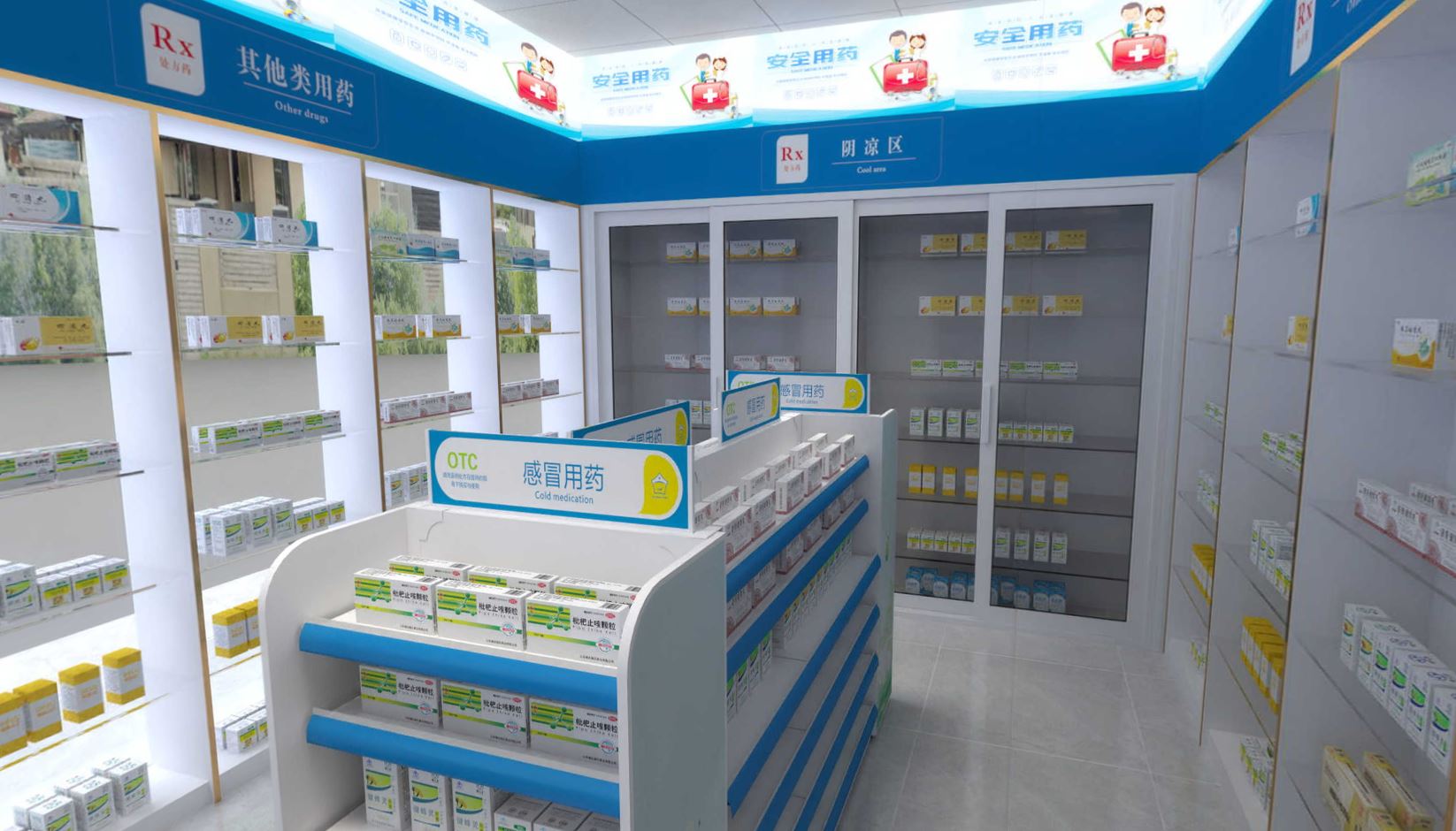
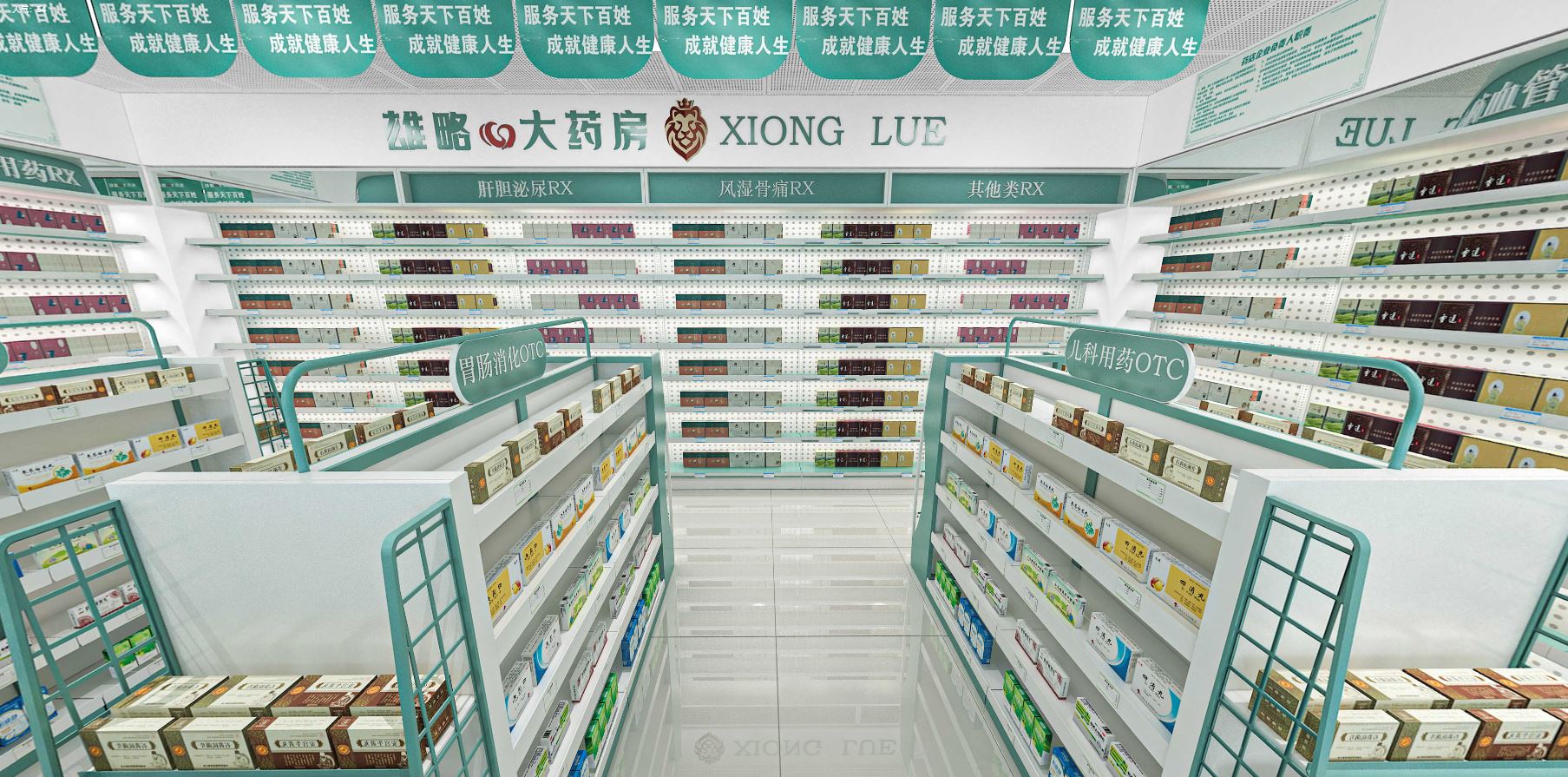
Pharmacy management software is not just a cashier tool — it must meet GPP regulations, manage batch/expiry accurately, control inventory in real-time, and support electronic prescriptions. In Vietnam, 3 drugstore POS solutions dominate the market: specialized platforms for independent chains, systems for mid-sized chains (10-50 branches), and hybrid solutions for GPP pharmacies. This article provides a detailed comparison to help you choose the right one for your business scale.
What is specialized pharmacy management software for independent drugstores?
Independent drugstore software focuses on core features: batch/expiry inventory management, prescriptions, multi-channel payments, and GPP compliance reports. It is not a general retail POS but is designed specifically for the pharmaceutical sector — sensitive goods, strict regulations, and high risk if errors occur.
How is a drugstore POS solution for mid-sized chains (10-50 branches) different?
Mid-sized chains need the ability to synchronize inventory across branches, manage distributed personnel, generate consolidated revenue reports by store, and integrate with centralized accounting systems. This software supports multi-branch, user permissions, and API connections to other systems.
Bạn đang tìm sản phẩm cho chủ đề này?
Việt POS phân phối chính hãng — bảo hành 24-36 tháng, hỗ trợ kỹ thuật 24/7.

Who is the hybrid system (cloud + on-premise) suitable for?
Pharmacies with high data security requirements, or those in the process of digital transformation, often choose hybrid. Batch/expiry and sales data are stored locally (secure), but GPP reports are pushed to the cloud for verification. Costs are higher, but it offers flexibility and security.
Detailed comparison table of 3 drugstore POS solutions in 2026
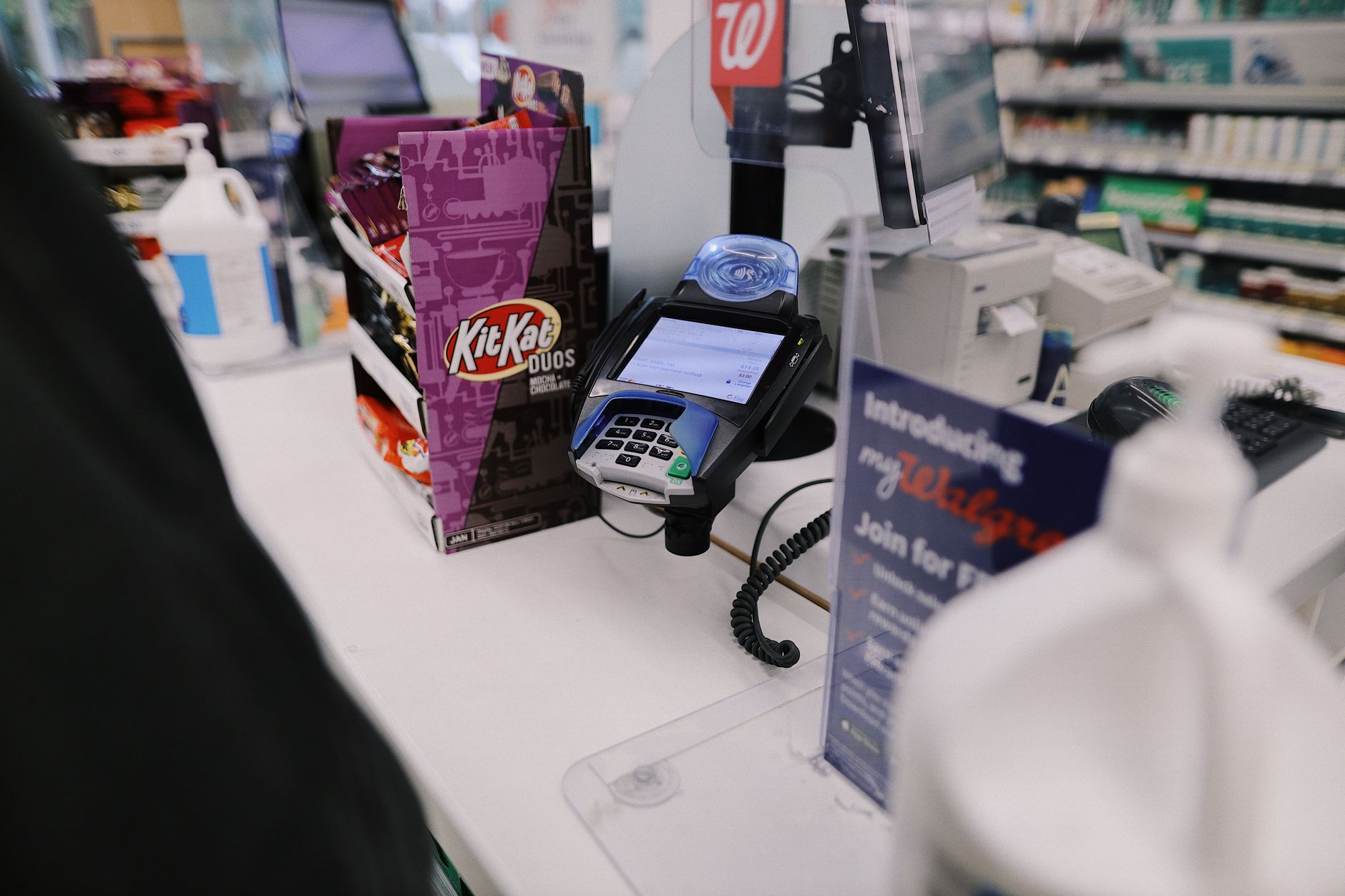
The table below compares 6 criteria: batch/expiry management, GPP compliance, multi-branch, startup cost, ease of deployment, and electronic prescription support. Each solution has its own strengths depending on needs.
| Criteria | Independent Drugstore | Mid-Sized Chain (10-50) | Hybrid (Cloud+Local) |
|---|---|---|---|
| Batch/Expiry Management | Best — Automatic expiry alerts, pre-expiry sale reminders | Good — Batch synchronization between branches, centralized reporting | Best — Local batch storage, real-time cloud reporting |
| GPP Compliance | Adequate — Regulatory reports, basic audit trail | Best — Detailed reports, distributed user control | Best — High compliance, automatic backup, full traceability |
| Multi-Branch Support | No — Single store only | Best — Easy management of 10-50 branches | Good — Supported, but requires additional configuration |
| Startup Cost (1 year) | 5-12 million VND — Cheapest, suitable for startups | 25-50 million VND — Calculated per branch + user | 40-80 million VND — Most expensive, but high ROI |
| Ease of Deployment | Best — 1-2 weeks, minimal configuration | Average — 3-8 weeks, requires training for many users | Difficult — 8-12 weeks, requires IT support |
| Electronic Prescription (E-Rx) | Basic — Save only, no integration | Best — Built-in integration, send to doctors via API | Good — Integrated, but requires configuration |
Which solution to choose based on business scenario?

Each pharmacy has different needs. The section below helps you identify the right solution based on scale, budget, and specific business goals.
Use case 1: Newly opened independent drugstore (1 store, 2-3 employees)
Recommended: Independent drugstore software (5-12 million VND/year)
Reason: Low startup cost, quick deployment (1-2 weeks), sufficient features (batch/expiry management, billing, basic reports). Example: La Me pharmacy in District 3, Ho Chi Minh City, with monthly revenue of 200-300 million VND, chose this solution, reducing checkout time from 30 minutes to 5 minutes per shift, inventory accuracy at 99.2% (previously 85%).
Use case 2: Drugstore chain of 15-30 branches, annual revenue of 5-10 billion VND
Recommended: Mid-sized chain POS solution (25-50 million VND/year)
Reason: Real-time inventory synchronization across branches, centralized revenue reporting, distributed personnel management, electronic prescription support. Example: Tan Phat chain (27 branches in Ho Chi Minh City + Binh Duong) uses this solution, saving 15 hours/week compared to manual report consolidation, detecting cross-branch inventory issues within 24 hours.
Use case 3: Large chain (50+ branches) or enterprise-level security requirements
Recommended: Hybrid system (cloud + on-premise) (40-80 million VND/year)
Reason: Batch/expiry data stored locally (high security), GPP reports automatically pushed to cloud, verifiable, strict regulatory compliance. Example: Doi Cat chain (62 branches, 450 employees) needs to meet quarterly Ministry of Health inspections; hybrid allows full audit trail creation, automatic backup, and traceability of who/when batch data was modified.
Advantages and disadvantages of each solution
Each solution has its own strengths and limitations. Below is a detailed comparison to help you carefully consider before deciding.
Independent Drugstore
✓ Advantages:
- Lowest cost (5-12 million VND/year)
- Fast deployment (1-2 weeks)
- Full core features (batch/expiry, billing, reports)
- Easy to learn, less complex
✗ Disadvantages:
- No multi-branch support
- Basic reports, not detailed
- Difficult to scale if adding branches later
- Weak electronic prescription support
Mid-Sized Chain (10-50 branches)
✓ Advantages:
- Real-time inventory synchronization
- Detailed reports, analysis by branch
- Centralized personnel management
- Good electronic prescription support
✗ Disadvantages:
- High cost (25-50 million VND/year)
- Long deployment (3-8 weeks)
- Requires training for many users
- Complex configuration, dependent on vendor
Hybrid (Cloud+Local)
✓ Advantages:
- Highest security, batch data stored locally
- Strict GPP compliance, full audit trail
- Flexible scaling (50+ branches)
- Optimal electronic prescription support
✗ Disadvantages:
- Highest cost (40-80 million VND/year)
- Longest deployment (8-12 weeks)
- Requires specialized IT support
- Complex, prone to errors if misconfigured
Important criteria when choosing pharmacy management software

Beyond the 3 main solutions, you need to check additional factors: GPP compliance, electronic prescription support, barcode scanner integration capability, receipt printers, and after-sales support services.
- Accurate batch/expiry management: The software must automatically alert for expiry, remind for pre-expiry sales, and prevent sales of expired goods. This avoids legal issues with the Ministry of Health.
- Full GPP compliance: Audit trail reports, user control, automatic backup, and the ability to create inventory records as per regulations.
- Device integration: The software must support receipt printers (Epson, Bixolon), barcode scanners (Zebra, Datalogic), to optimize the sales process.
- Electronic prescription support: If the pharmacy plans to connect with doctors/clinics, the software needs to support an electronic prescription API.
- Support services: Choose a vendor with 24/7 hotline, online training, and regular updates on new regulations.
ROI and payback period of pharmacy management software

Although the initial cost is high, pharmacy management software typically pays for itself within 6-12 months through labor savings, error reduction, and increased revenue.
- Labor savings: Reduces 15-25 hours/week compared to manual calculations, equivalent to 1-1.5 employees. Employee cost: ~8-10 million VND/month → savings of 96-120 million VND/year.
- Reduced inventory errors: Inventory accuracy from 80-85% to 98-99%, reducing spoilage and unexpected stockouts → revenue increase of 5-8%.
- Increased sales speed: Checkout time reduced from 5-10 minutes to 1-2 minutes per customer → customer satisfaction, increased transactions per shift.
- Specific example: A pharmacy with monthly revenue of 300 million VND, choosing a 12 million VND/year solution, saves 96 million VND/year + increases revenue by 24 million VND/year (8% × 300M × 12) = 120 million → payback in 1.2 months.
Frequently asked questions about pharmacy management software
Is pharmacy management software required to comply with GPP?
Yes. According to Circular 35/2015/TT-BYT and Decree 43/2017/ND-CP, all pharmacies must have a management system that complies with GPP, including audit trail, user control, data backup, and reports as required by the Ministry of Health. The software must fully support these requirements; otherwise, it may result in fines or temporary closure.
Is electronic prescription (E-Rx) mandatory from 2026?
Not yet fully mandatory, but the Ministry of Health is piloting it in major cities (Ho Chi Minh City, Hanoi, Da Nang). It is advisable to choose software that supports E-Rx to be ready for upcoming regulations. Doctors/clinics are already using E-Rx, so pharmacies that support it will attract more customers.
Can pharmacy management software integrate with receipt printers?
Yes. Most software supports integration with thermal receipt printers (Epson TM-T82, Bixolon SLP-DX 420EG) via USB or network ports. This optimizes sales speed and reduces printing errors. You should confirm with the software vendor that they support the printer models you use.
Does the cost of pharmacy management software include after-sales support?
It depends on the vendor. Some include training, 24/7 hotline, updates on new regulations, and technical support. Others charge extra fees. It is best to clarify before signing a contract to avoid surprises. Good software will have a clear SLA (Service Level Agreement), with a response time of ≤ 2 hours, and support for quarterly updates on new Ministry of Health regulations.
Should I choose cloud or on-premise software for a pharmacy?
Cloud is good for mid-to-large pharmacies (10+ branches) because it is easy to synchronize, has automatic backup, and does not require IT support. On-premise is good for independent pharmacies or those with high security requirements (data stored locally). Hybrid is a balanced solution: batch/expiry stored locally, reports in the cloud. Choose based on your specific needs.
Conclusion: Choosing the right pharmacy management software
Pharmacy management software is an important investment for any pharmacy. Carefully evaluate your business scale, budget, and specific needs before deciding. Independent pharmacies choose cheap and easy-to-use solutions; mid-sized chains choose multi-branch; large chains choose hybrid for high security. All must comply with GPP, support batch/expiry, and be ready for electronic prescriptions.
Are you looking for a POS solution for your pharmacy or retail chain? Việt POS provides sales management software, POS machines, receipt printers, and barcode scanners optimized for pharmacies, mini marts, and supermarkets. Contact us now at 0935 498 384 for a consultation on the right solution for your business scale.
Cần tư vấn thiết bị/giải pháp cụ thể?
Việt POS phản hồi trong 30 phút · Hotline 4 vùng · Khảo sát miễn phí.
Sản phẩm liên quan

Bài viết cùng chủ đề