Mục lục bài viết (5)
- What items does the RFID raw material warehouse investment cost include?
- Detailed price list of 3 RFID raw material warehouse investment packages 2026
- How to optimize RFID raw material warehouse investment costs?
- Which hidden costs are often overlooked when investing in RFID?
- When is the RFID raw material warehouse investment cost recovered?
RFID for raw material warehouse is a system that uses radio waves to automatically identify and control inventory in real time, supporting FIFO management and line-side issuance. In Vietnam, the investment cost of RFID for raw material warehouse in 2026 ranges from 150 million to 800 million VND depending on warehouse scale, number of reading portals, and level of software integration.
The investment cost of RFID for raw material warehouse 2026 in Vietnam ranges from 150-800 million VND depending on scale and solution package. Basic package (1 fixed portal, 500 tags, software) about 150-250 million; standard package (2-3 portals, 2000 tags) 300-500 million; advanced package (WMS/ERP integration) 500-800 million. Optimize costs by using fixed portals instead of mobile ones, choosing tags suitable for metal/liquid, and implementing in phases.
Table of Contents
- What items does the RFID raw material warehouse investment cost include?
- Detailed price list of 3 RFID raw material warehouse investment packages 2026
- How to optimize RFID raw material warehouse investment costs?
- Which hidden costs are often overlooked when investing in RFID?
- When is the RFID raw material warehouse investment cost recovered?
- Limitations of RFID raw material warehouse to know before investing
- Notes on frequency compliance when investing in RFID in Vietnam
- Frequently Asked Questions
What items does the RFID raw material warehouse investment cost include?
The RFID raw material warehouse investment cost includes 5 main items: hardware (fixed readers, antennas, RFID printers), RFID tags (periodic consumables), management and integration software, deployment and installation costs, and operation and maintenance costs. Among these, RFID tags account for 20-30% of the total budget and are a recurring cost that needs careful calculation.
Hardware: Fixed readers and antennas
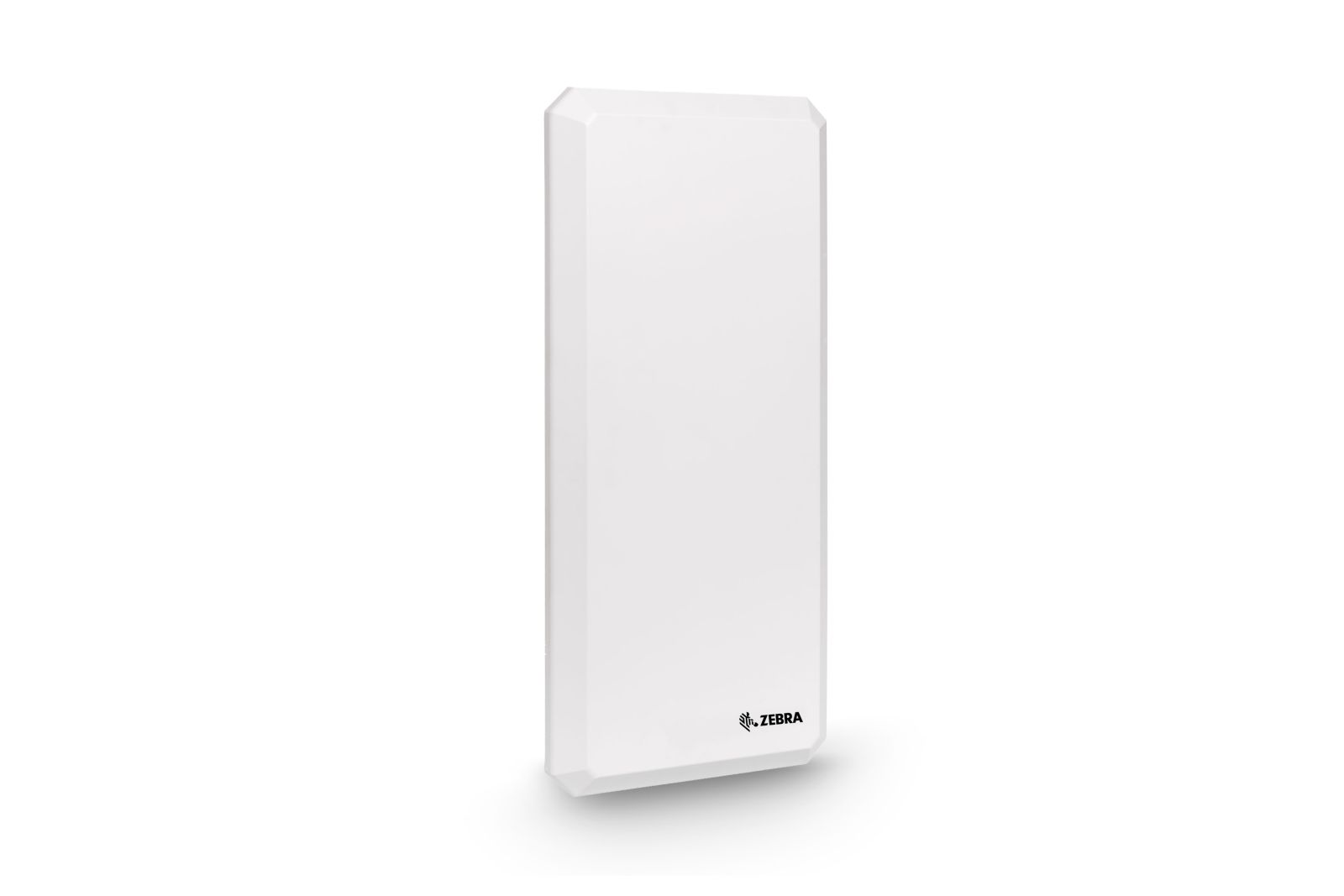
Hardware is the largest investment, accounting for 40-50% of total cost. A fixed RFID portal (including 1 reader + 2-4 antennas) in Vietnam costs from 45-85 million VND for genuine imported equipment such as Zebra FX9600, with AN480 or AN440 antennas. If the warehouse needs 2-4 portals to control multiple entry/exit points, hardware costs will increase linearly.
RFID tags: Recurring cost to calculate in advance
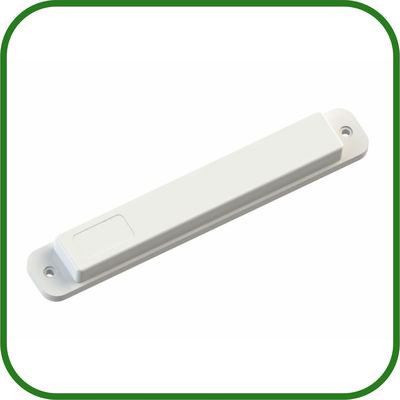
RFID tags are consumables — each pallet or package needs 1 tag, and tags are typically used once or reused 3-5 times depending on type. Common passive UHF RFID tag prices range from 2,500-6,000 VND/tag when purchasing in bulk (500-5,000 tags). For a raw material warehouse with 2,000-10,000 SKUs, initial tag costs range from 10-50 million VND, and you should reserve 10-15% for damaged tags during operations.
Software and system integration
RFID management software (middleware) and integration with existing WMS/ERP account for 15-25% of the total budget. This cost includes: software license (30-80 million), API integration work (20-50 million), and customization of FIFO processes according to raw material warehouse specifics. If the business does not yet have a WMS, additional costs for implementing a basic warehouse management system should be added.
Detailed price list of 3 RFID raw material warehouse investment packages 2026
Related Products
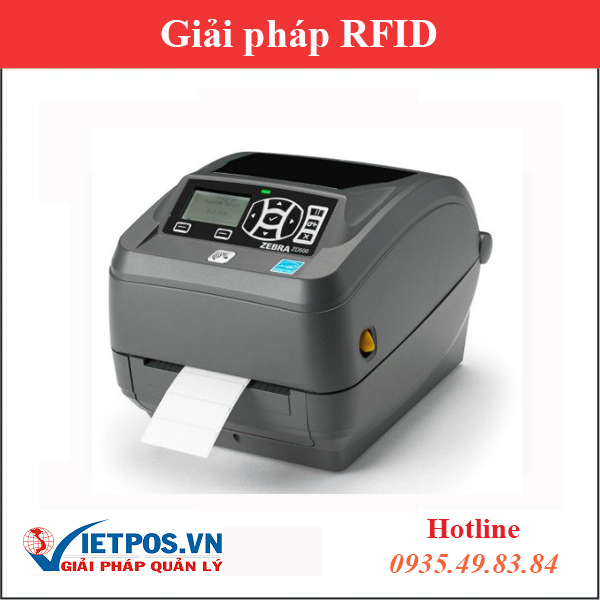

Below is a reference price list for 3 RFID raw material warehouse investment packages in Vietnam in 2026, categorized by warehouse scale and automation level. Prices include hardware, RFID tags, software, and basic deployment costs, excluding VAT.
| Item | Basic Package (200-500m² warehouse) | Standard Package (500-1500m² warehouse) | Advanced Package (1500m²+ warehouse) |
|---|---|---|---|
| Number of fixed RFID portals | 1 portal | 2-3 portals | 4-6 portals |
| Reader + antennas | 45-85 million VND | 90-200 million VND | 180-350 million VND |
| RFID tags (quantity) | 500 tags (2-4 million VND) | 2,000 tags (8-15 million VND) | 5,000+ tags (20-50 million VND) |
| RFID printer | None or rental | 1 printer (35-60 million VND) | 2 printers (70-120 million VND) |
| Software + integration | 35-60 million VND | 70-120 million VND | 150-250 million VND |
| Installation + training | 15-25 million VND | 30-50 million VND | 60-100 million VND |
| Total estimated | 150-250 million VND | 300-500 million VND | 500-800 million VND |
How to optimize RFID raw material warehouse investment costs?

The most effective cost optimization method is using fixed reading portals instead of mobile ones — fixed portals are 30-40% cheaper and do not require operating personnel. Additionally, choosing the right tag type based on raw material characteristics (metal-resistant, liquid-resistant tags) reduces read error rates and avoids replacement waste.
Choose fixed portals over mobile ones
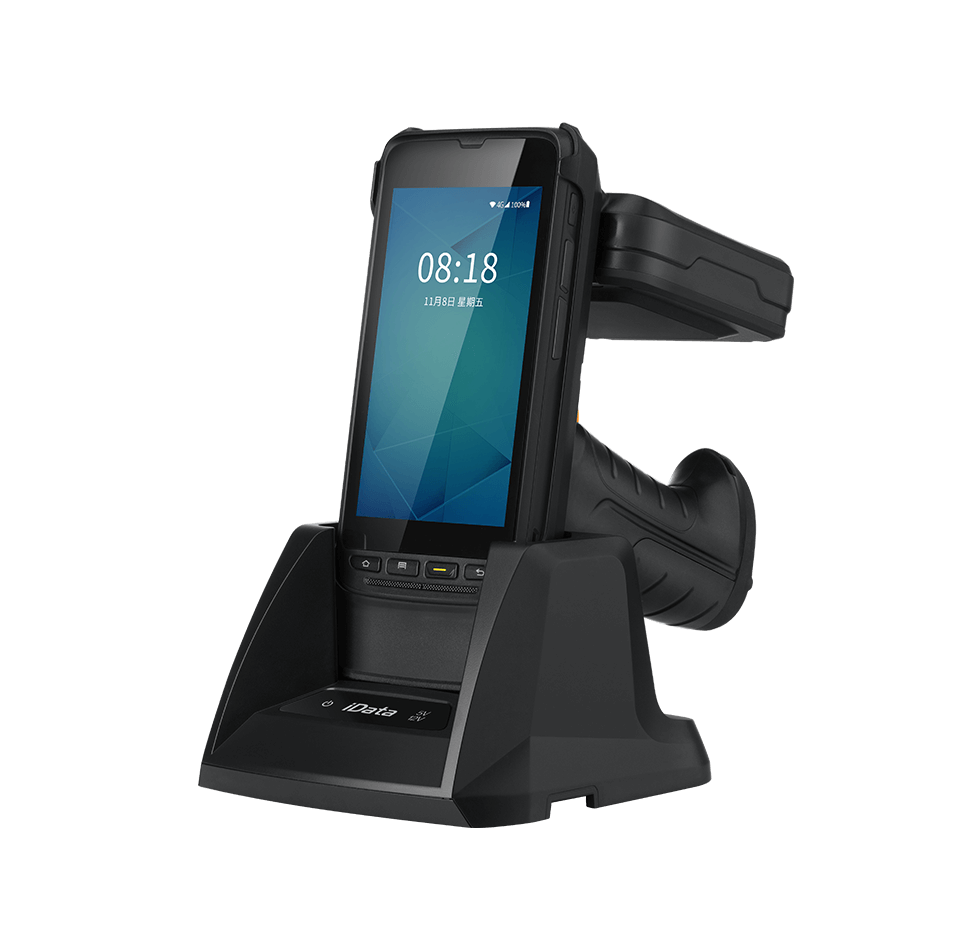
Many businesses new to this often choose handheld readers because they think they are more flexible. However, for raw material warehouses with fixed inbound/outbound processes, fixed reading portals installed at warehouse doors or conveyor belts deliver higher efficiency: automatically reading 100% of passing pallets without manual operation, while costing 30-40% less than mobile readers with the same configuration. Handheld readers should only be used as a supplement for periodic inventory checks.
Select RFID tags suitable for raw material characteristics
Metal raw materials (components, steel blanks) or those containing liquids (chemicals, bottled food) interfere with UHF RFID signals. Using specialized on-metal RFID tags priced at 8,000-15,000 VND/tag will be 2-3 times more expensive than regular tags, but ensures a read rate above 95% — avoiding hidden costs from read errors and manual recounts. Carefully survey the composition of raw materials before finalizing the quantity and type of tags.
Implement in phases to reduce budget pressure
Instead of investing in the entire system at once, businesses can implement in 2-3 phases: phase 1 (months 1-3) install 1 portal at the receiving area to control FIFO; phase 2 (months 4-6) expand with additional shipping portals and integrate WMS; phase 3 (months 7-12) expand to the entire warehouse and add mobile inventory checks. This approach allows businesses to operate and measure actual effectiveness before expanding, reducing the risk of misdirected investment.
Which hidden costs are often overlooked when investing in RFID?
Common hidden costs include: tag application costs on pallets/packages (labor 2-3 seconds/tag), replacement costs for damaged tags (5-10%/year), costs for adjusting the reading zone when warehouse layout changes, and costs for retraining staff when processes change. These items can add 10-15% to the initial total budget.
When is the RFID raw material warehouse investment cost recovered?
The typical payback period for an RFID raw material warehouse system in Vietnam is 12-24 months. For warehouses with 2,000-5,000 SKUs and inventory value above 5 billion VND, savings from reduced inventory discrepancies (3-7%), faster inbound/outbound processing (30-50%), and reduced inventory labor (60-80%) are usually sufficient to recover the investment within 18 months.
Cần tư vấn thiết bị/giải pháp cụ thể?
Việt POS phản hồi trong 30 phút · Hotline 4 vùng · Khảo sát miễn phí.
