Mục lục bài viết (12)
- What items does the RFID production batch traceability investment cost include?
- Detailed price list for RFID traceability systems by factory scale 2026
- RFID hardware costs: readers, antennas, and tag printers
- UHF RFID tag costs: the deciding factor for recurring budget
- Middleware software and ERP/MES integration costs
- Deployment, installation, and annual maintenance costs
- Hidden costs when deploying RFID traceability in Vietnamese factories
- Comparing RFID investment costs with manual traceability methods
- When should you invest in RFID production batch traceability?
- Investment cost comparison table by factory scale
- How to optimize RFID production batch traceability investment costs
- Frequently Asked Questions
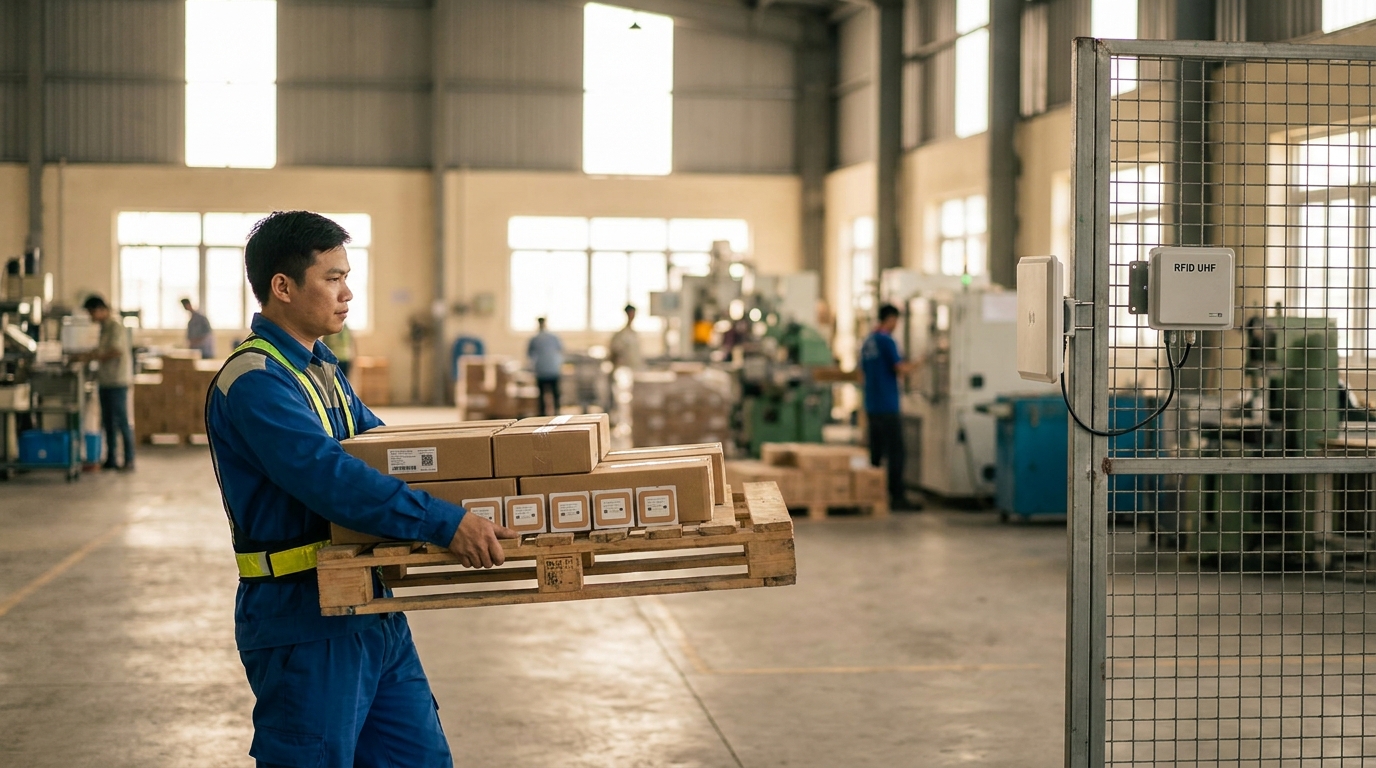
The investment cost of RFID production batch traceability is a budget comprising four main groups: reader hardware, RFID tags, integration software, and deployment-maintenance costs. In Vietnam, UHF equipment operates in the compliant frequency band 918.4–923 MHz (Circular 08/2021, power ≤ 500 mW ERP) — a technical factor that directly affects system pricing.
The 2026 investment cost of RFID production batch traceability ranges from 150 million VND for a small factory (1 read point, 5,000 tags) to over 1.2 billion VND for a large factory (8 read points, ERP/MES integration, 100,000 tags/year). Costs consist of 4 main groups: hardware (40–50%), RFID tags (15–25%), integration software (20–30%), deployment and maintenance (10–15%).
Table of Contents
- What items does the RFID production batch traceability investment cost include?
- Detailed price list for RFID traceability systems by factory scale 2026
- RFID hardware costs: readers, antennas, and tag printers
- UHF RFID tag costs: the deciding factor for recurring budget
- Middleware software and ERP/MES integration costs
- Deployment, installation, and annual maintenance costs
- Hidden costs when deploying RFID traceability in Vietnamese factories
- Comparing RFID investment costs with manual traceability methods
- When should you invest in RFID production batch traceability?
- Investment cost comparison table by factory scale
- How to optimize RFID production batch traceability investment costs
- Frequently Asked Questions
What items does the RFID production batch traceability investment cost include?
What items does the RFID production batch traceability investment cost include?
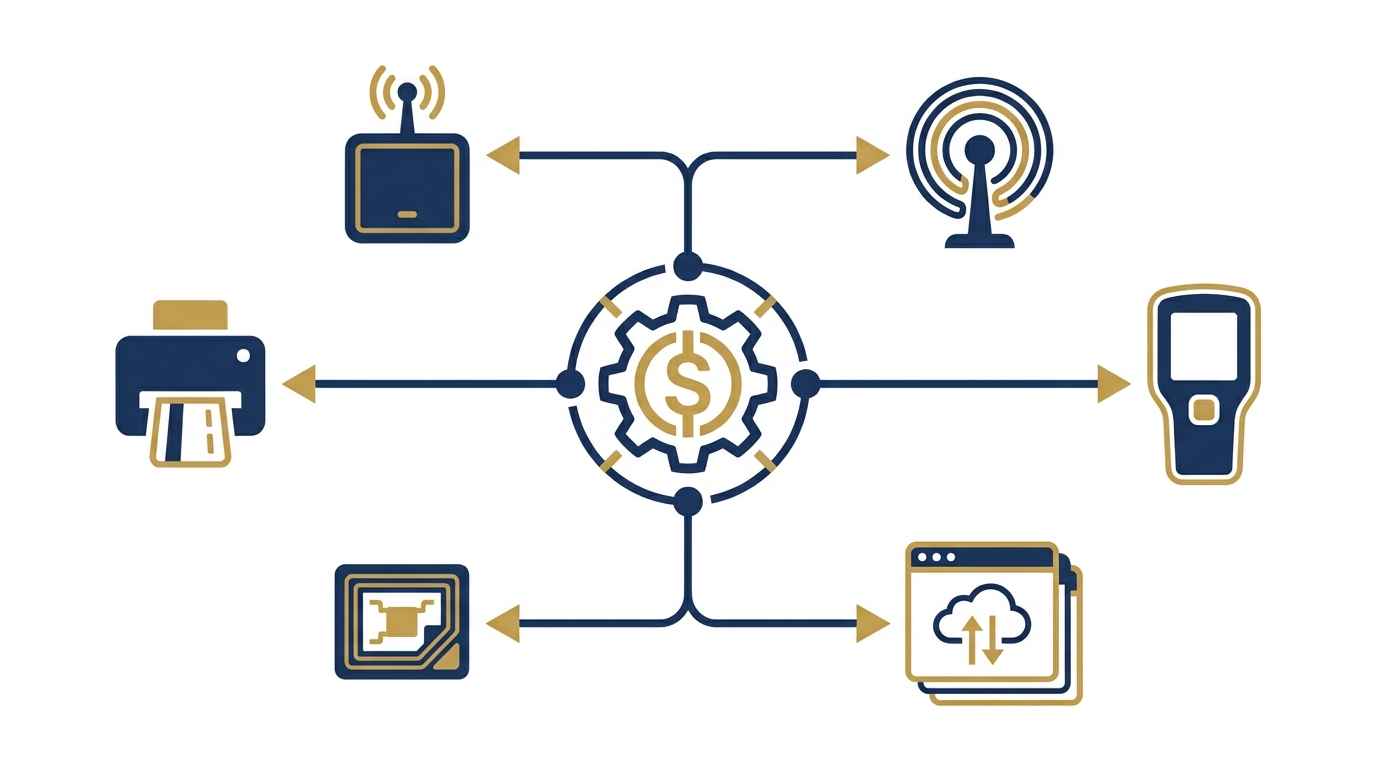
The investment cost of RFID production batch traceability includes 4 items: hardware (fixed readers, antennas, tag printers, handheld readers), UHF RFID tags (periodic replenishment), middleware software and ERP/MES integration, and finally deployment, installation, and annual maintenance costs. Hardware typically accounts for 40–50% of the total budget.
Unlike barcode systems, RFID traceability requires a larger initial investment but lower recurring operating costs because there is no need to print new labels for each batch. The specific cost structure:
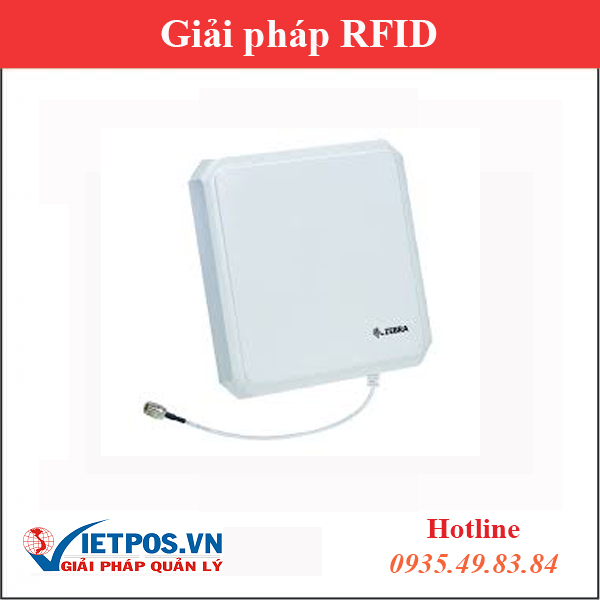
- Hardware (40–50%): fixed UHF readers (18–45 million VND/device depending on Zebra, Impinj brands), antennas (3–8 million VND/port), RFID tag printers (25–80 million VND), handheld readers (15–35 million VND).
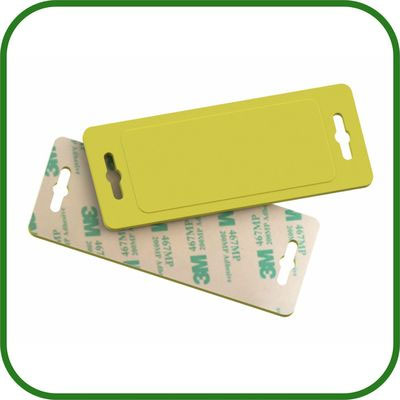
- UHF RFID tags (15–25%): pallet label tags from 3,500–8,000 VND/tag, heat-resistant tags for production ovens from 8,000–15,000 VND/tag.
- Software (20–30%): RFID middleware, traceability module, ERP/MES integration (50–300 million VND depending on complexity).
- Deployment & maintenance (10–15%): survey, installation, read point calibration (20–50 million VND) and maintenance fees of 5–10% of equipment value/year.
Detailed price list for RFID traceability systems by factory scale 2026
Related Products

Detailed price list for RFID traceability systems by factory scale 2026 The price list below estimates for 3 typical factory scales in Vietnam: small (under 500 batches/month), medium (500–2000 batches/month), and large (over 2000 batches/t
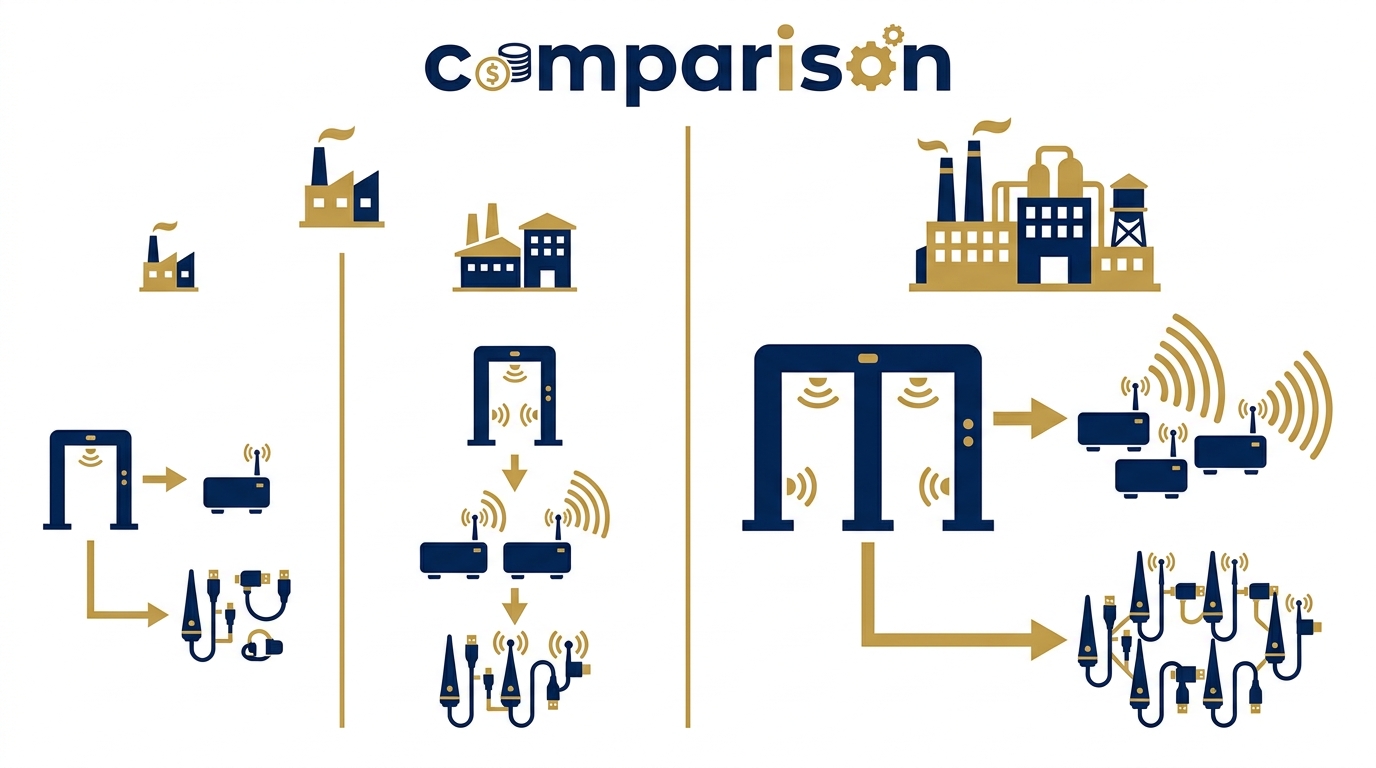
The price list below estimates for 3 typical factory scales in Vietnam: small (under 500 batches/month), medium (500–2000 batches/month), and large (over 2000 batches/month). Reference prices for 2026, excluding VAT, subject to variation by equipment brand and specific integration requirements.
| Item | Small factory | Medium factory | Large factory |
|---|---|---|---|
| Number of fixed read points | 1–2 ports | 4–6 ports | 8–12 ports |
| Fixed UHF readers | 18–45 million | 45–135 million | 135–270 million |
| Antennas + accessories | 6–16 million | 24–48 million | 48–96 million |
| Handheld readers | 1 unit: 15–25 million | 2 units: 30–50 million | 4 units: 60–100 million |
| RFID tag printer | 25–40 million | 40–60 million | 60–80 million |
| UHF RFID tags (first year) | 5,000 tags: 17–40 million | 20,000 tags: 70–160 million | 100,000 tags: 350–800 million |
| Middleware software + integration | 50–100 million | 100–200 million | 200–300 million |
| Deployment and installation | 20–30 million | 30–50 million | 50–80 million |
| Total estimate | 150–300 million | 350–700 million | 900 million – 1.7 billion |
Note: RFID tag costs are recurring — each new production batch requires new tags attached to pallets or packaging. If tags are reused (internal pallet circulation), this cost decreases by 50–70% after the first year.
RFID hardware costs: readers, antennas, and tag printers
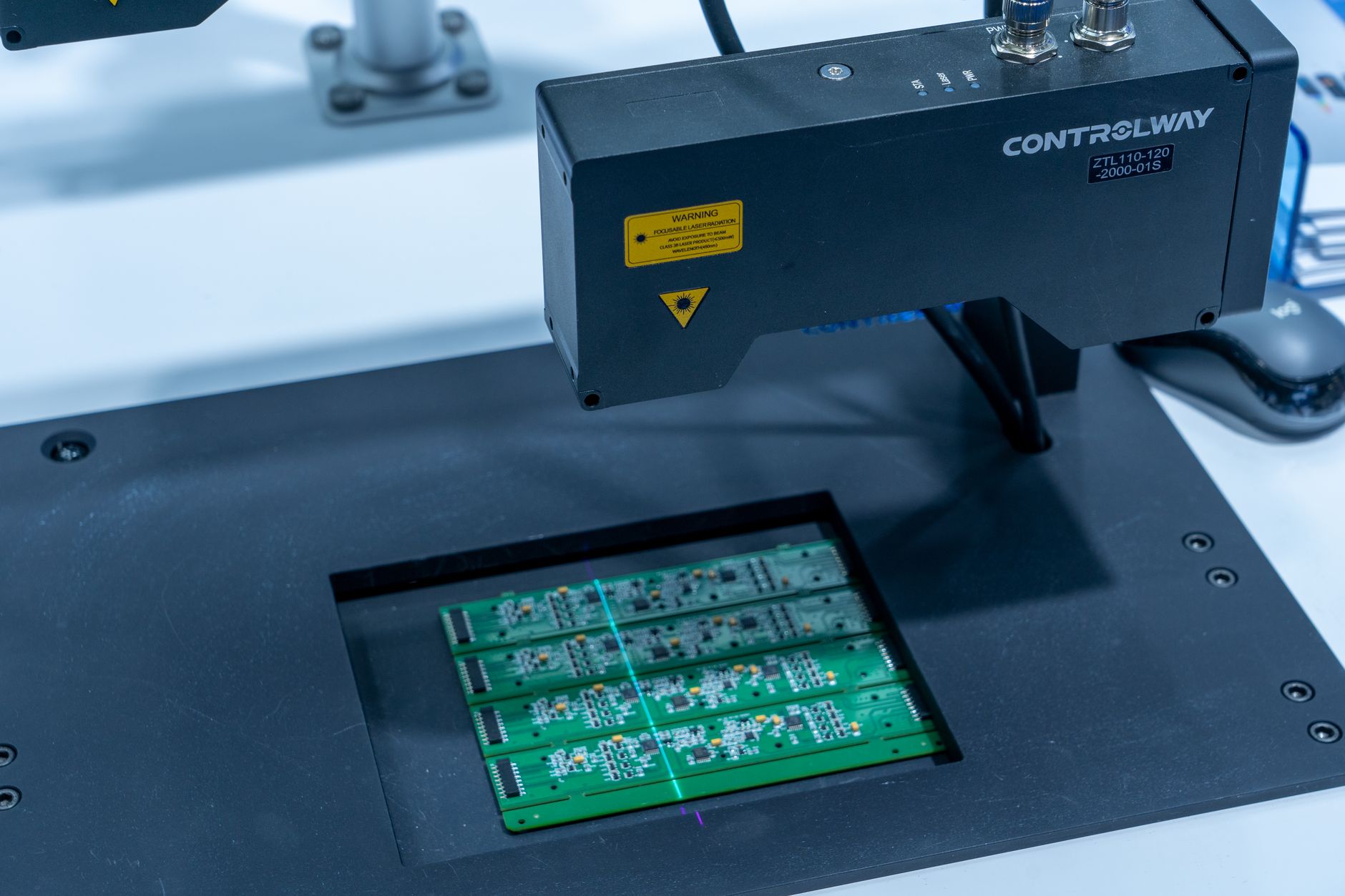
Hardware is the largest expense in the total budget. Fixed UHF readers range from 18–45 million VND/device, antennas 3–8 million VND/port, RFID tag printers from 25–80 million VND depending on print speed and label size. Prioritize equipment from Zebra, Impinj, or Honeywell to ensure stability.
When selecting hardware for the RFID production batch traceability investment cost, businesses should consider:
- Fixed readers: Zebra FX9600 (supports 4 antenna ports) suitable for medium factories; Impinj R700 (8 ports) for large factories. Price difference of 20–30% between brands.
- Antennas: circular polarization antennas read tags well at multiple angles, priced 4–8 million VND. Linear antennas are cheaper but require precise tag orientation.
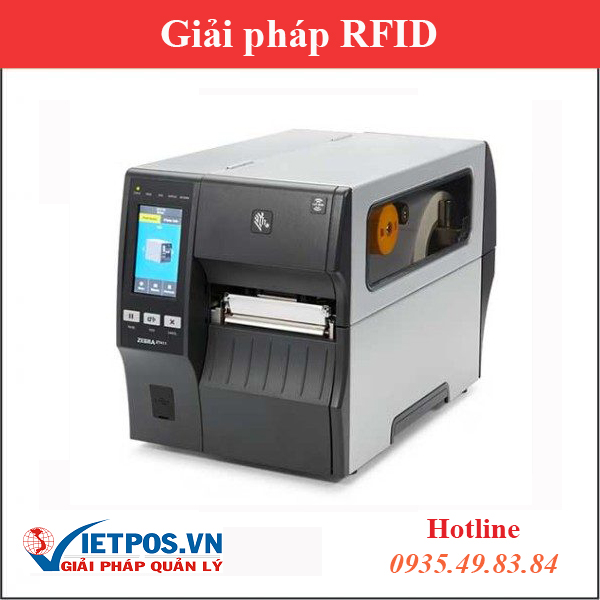
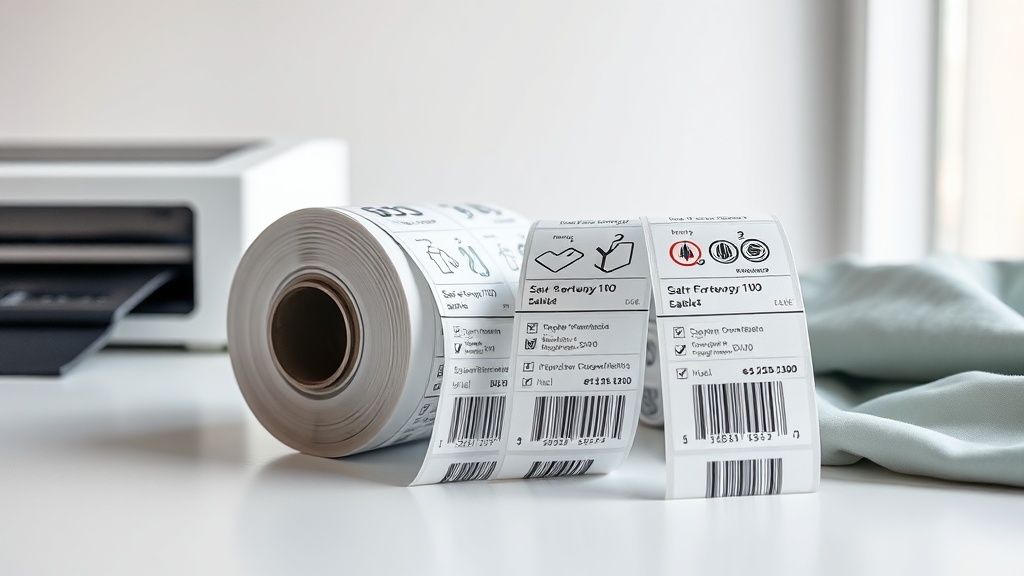
- Tag printers: Zebra ZD500R (prints 4 inches/second, priced around 25–40 million) for small factories; Zebra ZT411 (prints 10 inches/second, 40–60 million) for high volume.
- Handheld readers: used for inventory and batch reconciliation, choose Android-based models (Zebra MC3390R, Honeywell CT30XP) for easy integration with internal software.
UHF RFID tag costs: the deciding factor for recurring budget

RFID tags are the largest recurring cost. UHF pallet label tags typically cost 3,500–8,0
Middleware software and ERP/MES integration costs

Middleware software and ERP/MES integration costs range from 50–300 million VND depending on complexity. Standalone middleware starts at 50–100 million, ERP integration 100–200 million, and MES/SCADA integration 200–300 million. These costs include licensing, configuration, and data mapping.
Key considerations for software costs:
- Middleware: acts as a bridge between RFID readers and business systems. Basic versions handle data filtering and device management; advanced versions include rule engines and analytics.
- ERP integration: connects traceability data to inventory, production, and quality modules. Costs vary based on ERP vendor (SAP, Oracle, Microsoft Dynamics) and customization needs.
- MES integration: for real-time production tracking, requires deeper integration with shop floor systems, increasing costs by 50–100% compared to ERP-only integration.
- Cloud vs. on-premise: cloud-based solutions reduce upfront costs but incur monthly fees; on-premise requires server infrastructure but offers full data control.
Deployment, installation, and annual maintenance costs

Deployment and installation costs range from 20–80 million VND depending on factory scale, including site survey, mounting, cabling, and read point calibration. Annual maintenance fees are typically 5–10% of equipment value, covering firmware updates, spare parts, and on-site support.
Detailed breakdown:
- Site survey: 5–15 million VND, assesses physical layout, metal interference, and read zone optimization.
- Installation: 15–50 million VND, includes mounting readers/antennas, network cabling, and power supply setup.
- Calibration: 5–15 million VND, ensures optimal read rates at each portal.
- Maintenance contract: 5–10% of hardware value per year, with response time SLAs (e.g., 24-hour on-site support).
Hidden costs when deploying RFID traceability in Vietnamese factories

Hidden costs include: tag damage in metal/liquid environments (3–7% in packaging areas), production downtime during installation (1–3 days), labor for reconciliation in the first 2–4 weeks of operation, and network infrastructure upgrades if LAN is not available on the shop floor. Budget an additional 10–15% of the total budget for these items.
Common hidden costs in Vietnam:
- Environmental tag loss: tags may fail near metal or liquids, requiring re-tagging and increasing material costs.
- Downtime: installation and testing can halt production lines, impacting output and revenue.
- Training: staff training for new processes, typically 2–5 million VND per employee.
- Network upgrades: if the factory lacks robust Wi-Fi or LAN, additional cabling and switches may be needed.
Comparing RFID investment costs with manual traceability methods

Manual traceability (paper-based or barcode) has lower upfront costs but higher long-term operational costs due to labor, errors, and slower recall times. RFID requires higher initial investment but reduces labor costs by 50–70% and recall time from days to minutes.
Cost comparison over 5 years:
- Manual: initial cost 10–30 million VND (barcode printers, labels), annual labor cost 100–300 million VND, error rate 2–5%.
- RFID: initial cost 150 million – 1.7 billion VND, annual operating cost 20–50 million VND (tags, maintenance), error rate <0.5%.
- Break-even: typically 18–36 months, depending on factory scale and product value.
When should you invest in RFID production batch traceability?

Invest when: production volume exceeds 500 batches/month, recall response time is critical, regulatory requirements mandate traceability, or manual errors cause significant losses. For small factories with under 200 batches/month, barcode may be more cost-effective.
Signs it's time to invest:
- Regulatory pressure: export markets (EU, US) require full traceability for food, pharma, or electronics.
- Recall incidents: current recall process takes days, causing financial and reputational damage.
- Labor costs: manual data entry and reconciliation consume significant staff time.
- Growth plans: expected production increase will make manual methods unsustainable.
Investment cost comparison table by factory scale

The table below summarizes total investment costs, payback periods, and key considerations for each factory scale, helping businesses choose the right deployment size.
| Factory scale | Total cost (VND) | Payback period | Key considerations |
|---|---|---|---|
| Small (<500 batches/month) | 150–300 million | 24–36 months | Start with 1–2 read points, basic middleware, reusable tags if possible |
| Medium (500–2000 batches/month) | 350–700 million | 18–24 months | 4–6 read points, ERP integration, consider phased deployment |
| Large (>2000 batches/month) | 900 million – 1.7 billion | 12–18 months | 8–12 read points, full MES integration, negotiate volume discounts on tags |
How to optimize RFID production batch traceability investment costs

Optimize costs by: starting with a pilot (1–2 read points), using reusable tags for internal pallets, choosing a subscription model for software, and negotiating volume discounts on tags. Phased deployment spreads costs over 2–3 years.
Practical optimization strategies:
- Pilot first: test on one production line to validate ROI before full deployment.
- Tag reuse: for internal logistics, use durable tags that can be rewritten and reused.
- Software subscription: SaaS middleware reduces upfront costs, with monthly fees based on read points.
- Volume discounts: purchase tags in bulk (50,000+ units) to get 20–40% discounts.
- Phased rollout: deploy read points incrementally, aligning with production growth.
Frequently Asked Questions
Frequently Asked Questions
What is the minimum investment cost for RFID production batch traceability?
The minimum cost for a small factory (1 read point, 5,000 tags, basic middleware) is approximately 150 million VND, including: 1 fixed UHF reader (18–25 million), 1 antenna (4–6 million), 1 tag printer (25–40 million), 5,000 tags (17–40 million), software (50–80 million), and installation (20–30 million).
What is the cost of RFID tags for production batch traceability?
UHF RFID pallet label tags cost 3,500–8,000 VND/tag when purchasing 5,000+ tags. Heat-resistant tags (for component ovens) cost 8,000–15,000 VND/tag. Purchasing 50,000–100,000 tags at once yields 20–40% discounts. If reusing internal pallets, tag costs decrease by 50–70% after the first year.
Does the RFID production batch traceability investment cost include ERP integration?
Not automatically. ERP/MES integration is a separate item, accounting for 20–30% of the total budget: standalone middleware 50–100 million, ERP integration 100–200 million, MES/SCADA integration 200–300 million. Businesses should clearly define the desired integration level when requesting quotes to avoid unexpected costs.
What is the payback period for RFID production batch traceability investment?
The payback period depends on scale: small factories 24–36 months, medium 18–24 months, large 12–18 months. The deciding factor is the value of production batches and current losses due to slow traceability. Factories producing high-value products (electronics, pharmaceuticals) typically achieve payback 6–8 months faster.
Should I buy or subscribe to RFID equipment for traceability?
Buying is suitable for businesses with confirmed long-term needs (over 3 years) and available initial budget. Subscription (5–10 million VND/month/read point, including maintenance) suits businesses wanting to trial or unsure about expansion scale. After 24–36 months, subscription is typically 30–50% more expensive than buying.
Does the RFID production batch traceability investment cost include hidden costs?
Yes. Hidden costs include: tag damage in metal/liquid environments (3–7% in packaging areas), production downtime during installation (1–3 days), labor for reconciliation in the first 2–4 weeks of operation, and network infrastructure upgrades if LAN is not available on the shop floor. Budget an additional 10–15% of the total budget for these items.
Does RFID traceability work well in metal and liquid environments?
UHF RFID is interfered with when attached directly to metal surfaces or near liquids, reducing read rates. Solutions: use on-metal tags (2–3 times more expensive) or place tags 1–2 cm away from metal surfaces using spacers. For packaging areas with liquids, survey the read zone carefully before installing antenna portals.
Do imported UHF RFID devices need certification in Vietnam?
Yes. UHF devices must operate in the 918.4–923 MHz band, power ≤ 500 mW ERP per Circular 08/2021 of the Ministry of Information and Communications. Reputable suppliers handle certification procedures before handover. Note: Việt POS provides equipment infrastructure, not legal advice — businesses should request a copy of the certification when receiving equipment.
Cần tư vấn thiết bị/giải pháp cụ thể?
Việt POS phản hồi trong 30 phút · Hotline 4 vùng · Khảo sát miễn phí.
