
Mục lục bài viết (4)
RFID inventory locating & sorting in warehouses is a solution that uses UHF radio waves (918.4–923 MHz band in Vietnam) to automatically identify the location of pallets, cartons, and packages in real time. This technology is being deployed by distribution warehouses, logistics centers, and manufacturing plants in Vietnam to reduce search time, optimize storage space, and improve inbound/outbound accuracy.
Deploying RFID for warehouse inventory locating requires 7 steps: site survey, solution design (number of read portals, antenna positions), selecting compliant UHF equipment (918.4–923 MHz), installation, software configuration, real-world testing, and staff training. Starting costs range from 40-70 million VND for a 500-1000m² warehouse.
Table of Contents
- What is RFID inventory locating & sorting in warehouses?
- Why deploy RFID for warehouses in Vietnam?
- What steps does the RFID inventory locating & sorting deployment process include?
- Summary table: Essential equipment for a warehouse RFID system
- Common mistakes when deploying warehouse RFID
- What is the investment cost for RFID inventory locating & sorting in warehouses?
- Manual vs. RFID warehouse management: When to choose which?
- FAQs about RFID inventory locating & sorting deployment in warehouses
What is RFID inventory locating & sorting in warehouses?
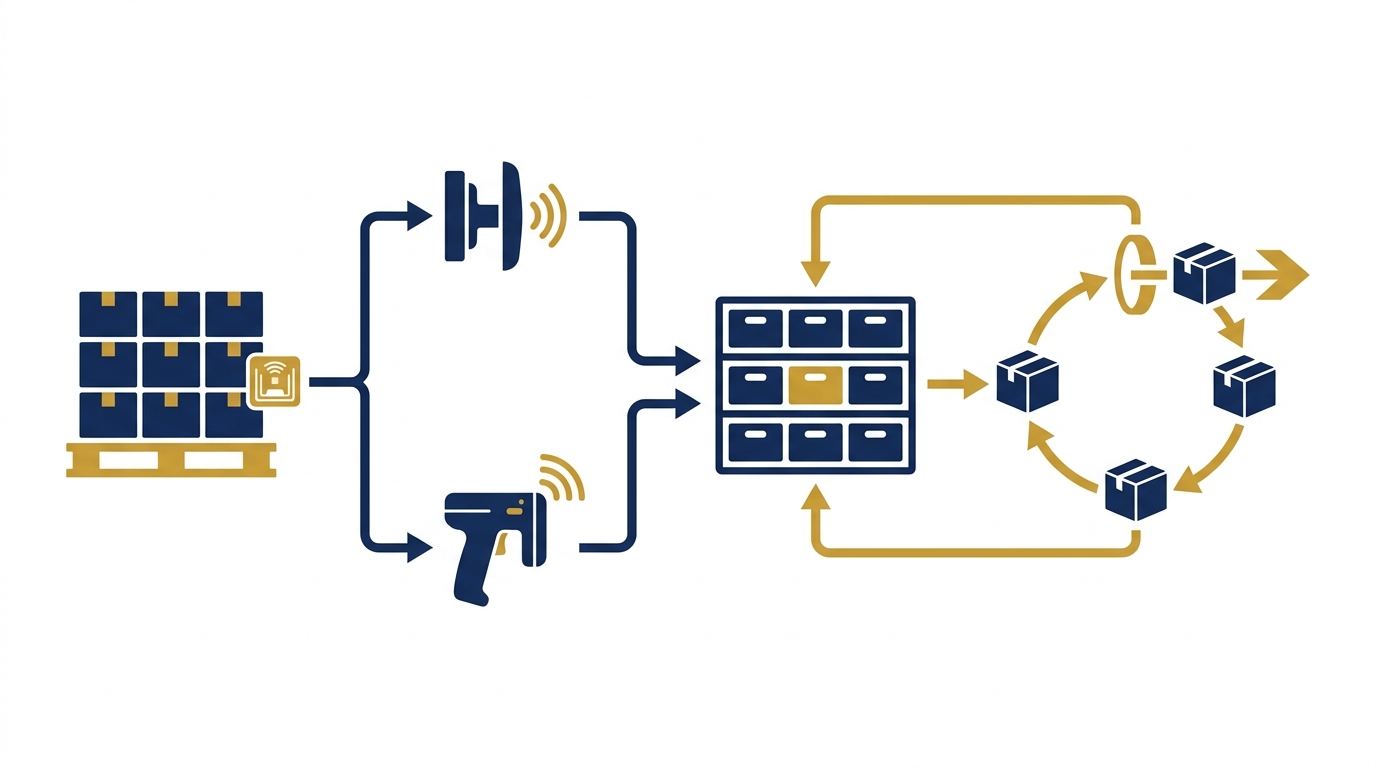
RFID inventory locating in warehouses (RFID-based inventory locating) is a system that attaches UHF RFID tags to pallets/cartons, combined with fixed or handheld readers to accurately determine the location of goods within the warehouse area. The system allows staff to locate items 3-5 times faster than manual methods, reduces location data entry errors, and supports warehouse sorting strategies like FEFO/FIFO.
Why deploy RFID for warehouses in Vietnam?
Related Products
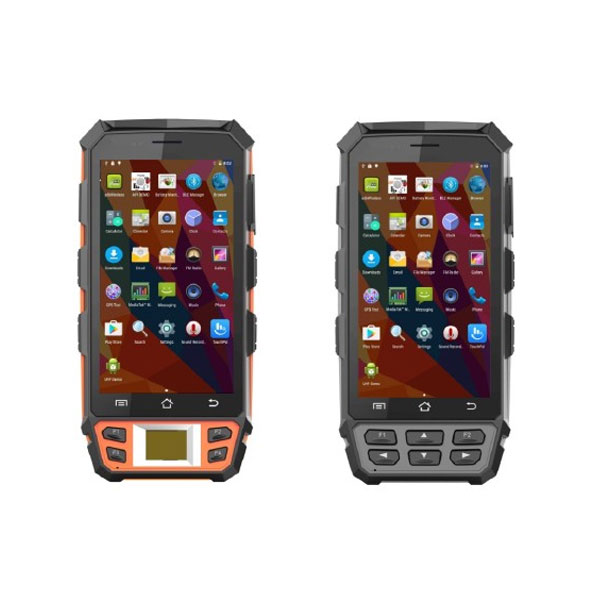
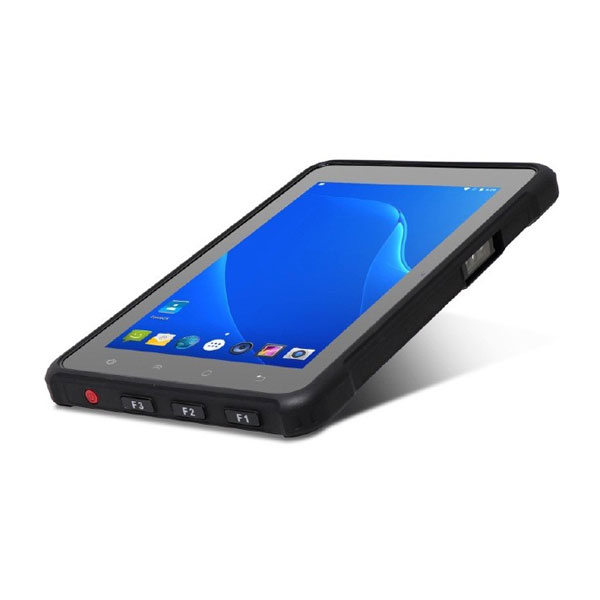

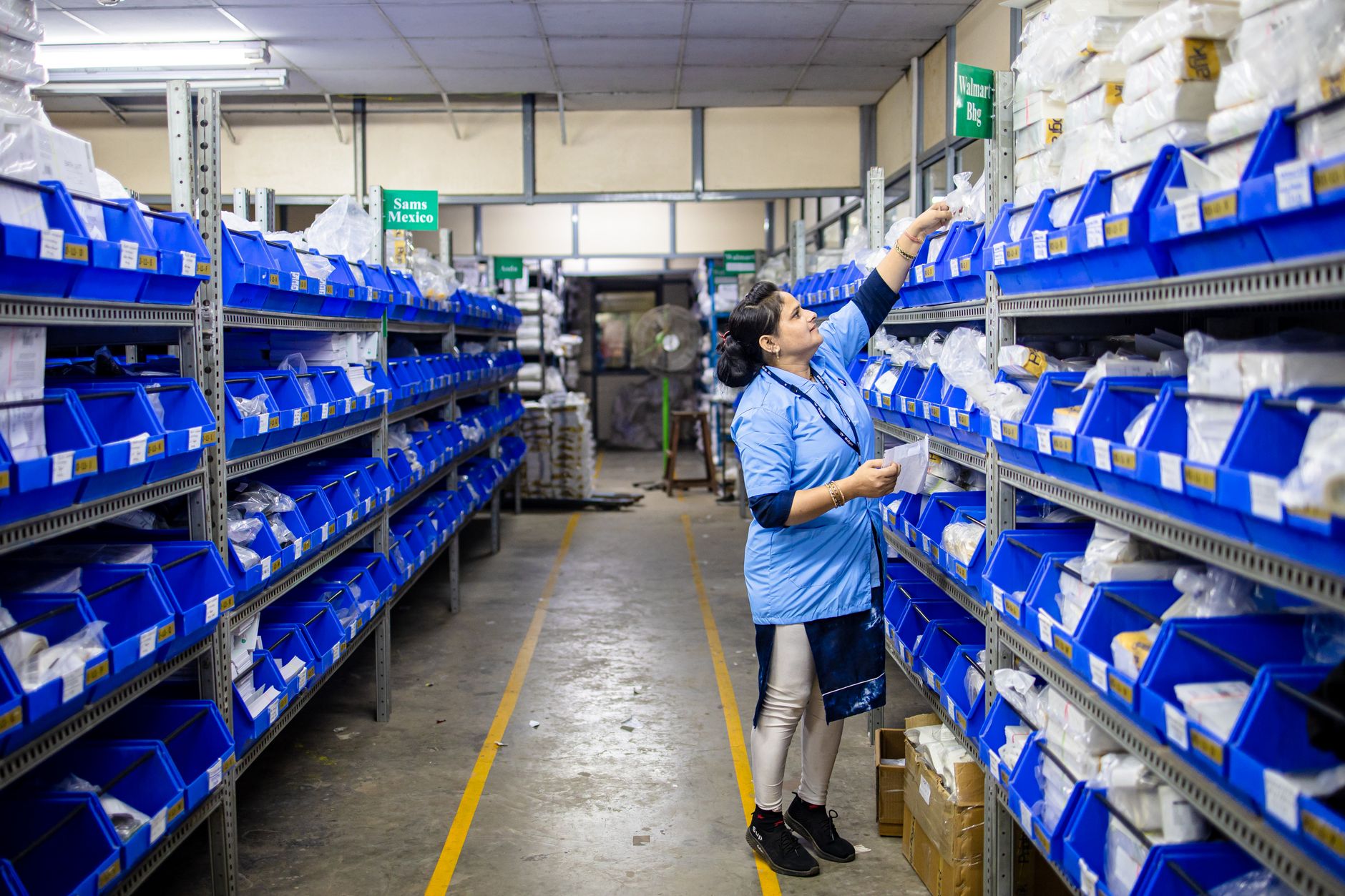
Vietnamese warehouses are facing labor costs rising 8-12% per year and pressure for fast delivery from e-commerce. RFID helps reduce goods search time by 30-50%, increases inventory accuracy to 95-99% compared to 80-90% with manual methods, and reduces errors in location data entry.
- Search time: from 10-15 minutes/package down to 1-2 minutes
- Inventory accuracy: increases from 80-90% (manual) to 95-99% (RFID)
- Data entry errors: reduced by 60-80% through automation
- Staff productivity: increases by 25-40% by reducing manual operations
What steps does the RFID inventory locating & sorting deployment process include?
What steps does the RFID inventory locating & sorting deployment process include?
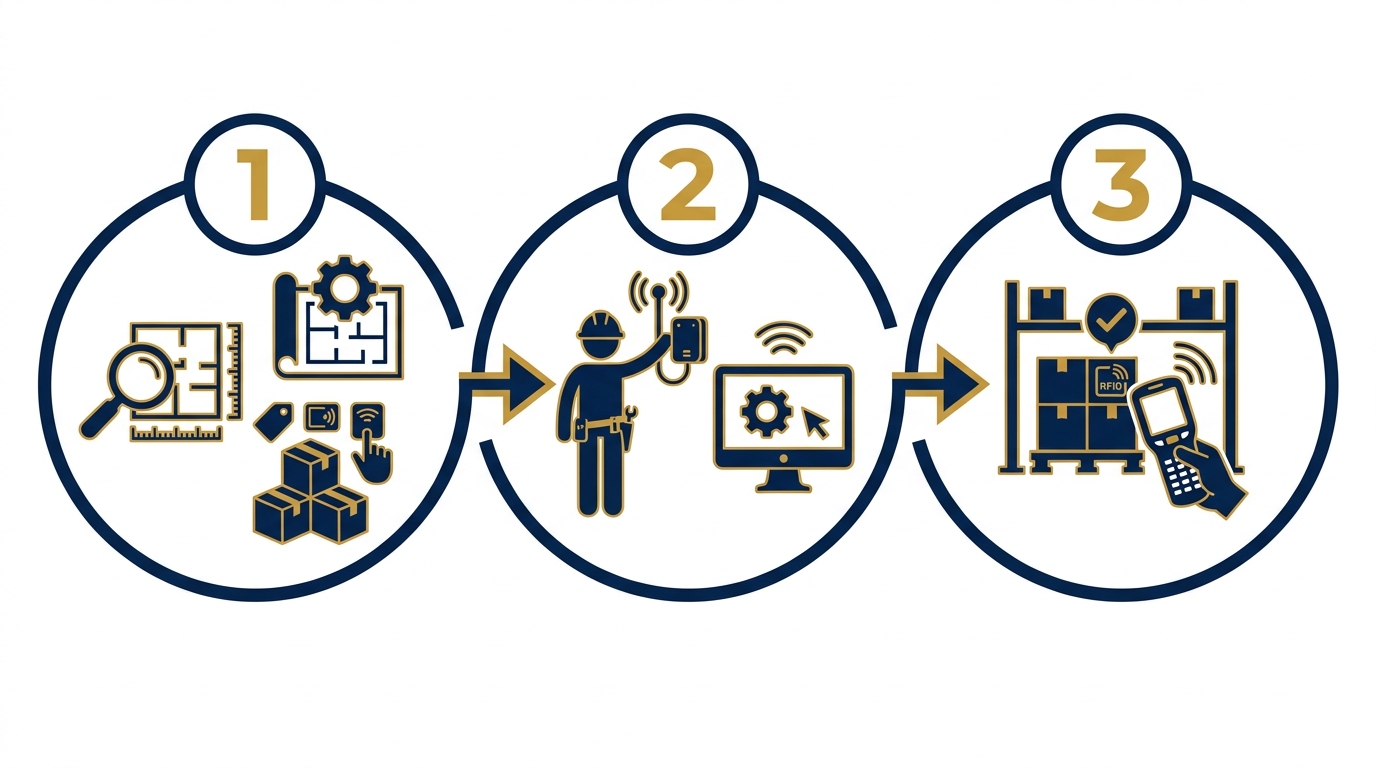
The RFID inventory locating & sorting deployment process includes 7 steps: site survey, solution design, equipment selection, infrastructure installation, software configuration, real-world testing, and staff training. Each step needs its own checklist to ensure the system operates stably and achieves the desired efficiency.
Step 1: Warehouse site survey
The survey is the foundation of the entire project. The technical team needs to assess warehouse area, rack structure, building materials (concrete, corrugated metal, metal), inbound/outbound door locations, and current operating processes. Pay special attention to areas with lots of metal or electronic equipment as they cause UHF RFID signal interference.
Step 2: Solution design and equipment quantity determination
Based on survey results, engineers will design the antenna layout diagram, determine the number of read portals, installation positions, and select appropriate tag types (metal-mount tag VP-T902 for metal surfaces, UHF pallet tags for wooden/plastic pallets). Each read portal typically covers a 3-5m wide zone, suitable for inbound/outbound doors or main aisles in the warehouse.
Step 3: Selecting compliant UHF RFID equipment
In Vietnam, UHF RFID equipment must operate in the 918.4–923 MHz band, with maximum transmit power ≤500 mW ERP according to Circular 08/2021 of the Ministry of Information and Communications. Popular reader lines include the Zebra FX9600 fixed reader for inbound/outbound portals, the VP-RX801 RFID tablet for warehouse staff, and handheld readers for periodic inventory.
Step 4: Infrastructure and equipment installation
Install antennas at designed positions, run network/power cables, install fixed readers, and connect to the server. For a warehouse of 500-1000m², installation typically takes 3-5 days, including conduit runs, cabling, and secure equipment mounting.
Step 5: Warehouse management software configuration
Warehouse management software (WMS) needs to be configured to receive data from RFID readers, map tag IDs to product information, and display locations in real time. The system needs to integrate with existing POS/accounting software. Việt POS provides the 123RFID Desktop software solution that supports managing fixed readers.
Step 6: Real-world testing and calibration
Run a pilot test with 50-100 RFID tags under real conditions, measuring read rates at different positions. Adjust antenna angles, transmit power, and installation positions if weak signal zones are detected. Testing typically lasts 1-2 weeks to ensure the system operates stably in all scenarios.
Step 7: Staff training and operation
Train warehouse staff on tag attachment procedures, using handheld devices, reading data from the management screen, and handling common errors. Staff need to be trained to verify on-screen confirmations before recording item locations into the system, avoiding errors from manual data entry.
Summary table: Essential equipment for a warehouse RFID system
Equipment Function Example products UHF RFID tags Attach to pallets/cartons for identification UHF Pallet RFID Tags, VP-T902 metal-mount tag Fixed readers Read tags at inbound/outbound doors, aisles Zebra FX9600, 123RFID Desktop Antenn
| Equipment | Function | Example products |
|---|---|---|
| UHF RFID tags | Attach to pallets/cartons for identification | UHF Pallet RFID Tags, VP-T902 metal-mount tag |
| Fixed readers | Read tags at inbound/outbound doors, aisles | Zebra FX9600, 123RFID Desktop |
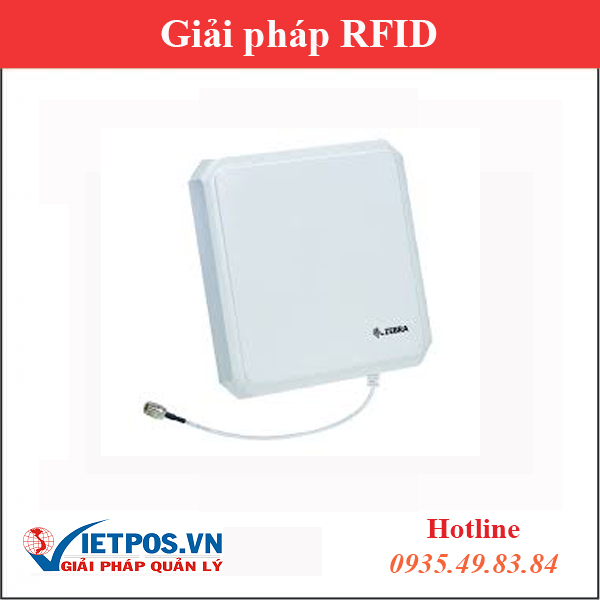
| RFID antennas | Transmit and receive radio waves | Zebra AN480, AN720 |
| Handheld devices | Inventory, mobile item search | VP-RX801, VP-RH272 |
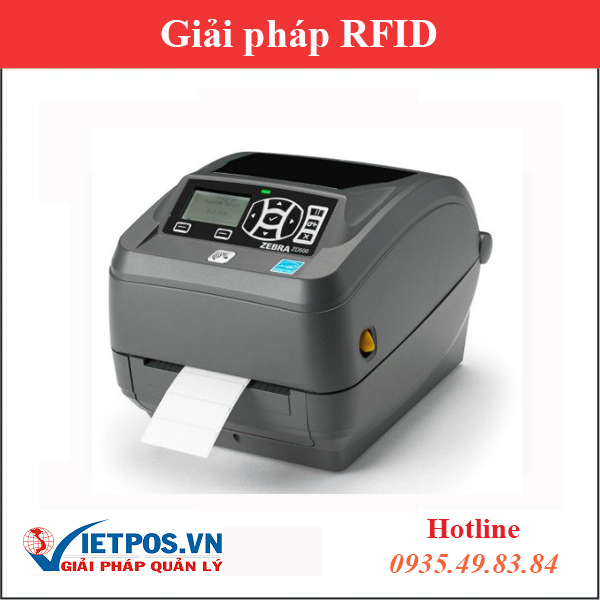
| RFID tag printers | Print and encode tags | Zebra ZD500R, ZT411 |
Cần tư vấn thiết bị/giải pháp cụ thể?
Việt POS phản hồi trong 30 phút · Hotline 4 vùng · Khảo sát miễn phí.
