
Mục lục bài viết (5)
RFID for gold stores is a solution that applies radio frequency identification technology to manage, inventory, and prevent loss of jewelry and precious metals in stores. In Vietnam, gold shops and jewelry chains are transitioning from manual counting to UHF RFID systems to optimize operations and increase accuracy in managing high-value assets.
Deploying RFID for gold stores in Vietnam involves 5 steps: current state survey, selecting anti-metal RFID tags, installing fixed/handheld readers, configuring management software, and training staff. Note the compliant frequency of 918.4-923 MHz (Circular 08/2021), power ≤500mW ERP. RFID enables inventory in 15-30 minutes instead of 3-5 hours manually.
Table of Contents
- Problems gold stores and jewelry shops are facing
- How does the RFID gold store solution work?
- Specific benefits of applying RFID for gold stores
- Step 1: Survey current state and define objectives
- Step 2: Select RFID tags suitable for jewelry
- Step 3: Install RFID reader equipment
- Step 4: Configure management software and integrate POS
- Step 5: Train staff and pilot operation
- Notes on compliant frequency and technical challenges
- Comparison of manual inventory vs RFID for gold stores
- Frequently asked questions
Problems gold stores and jewelry shops are facing
Problems gold stores and jewelry shops are facing Managing gold, silver, and jewelry manually is creating many operational pressures for gold store owners in Vietnam: ⚠ Time-consuming inventory: Each full inventory count takes 3-5 hours, requiring closing the store or working overtime, disrupting business.

Managing gold, silver, and jewelry manually is creating many operational pressures for gold store owners in Vietnam:
- ⚠ Time-consuming inventory: Each full inventory count of display cases takes 3-5 hours, requiring closing the store or working overtime, disrupting business.
- ⚠ Inventory discrepancies: Manual data entry is prone to product code errors, leading to 1-2% discrepancies between records and actual stock, making it difficult to trace causes.
- ⚠ Difficulty controlling displayed items: Jewelry displayed in glass cases is hard to track item by item; staff must open cases multiple times to check, increasing theft risk.
- ⚠ No real-time data: Store owners cannot immediately know which items have been sold, which are on display, and which are in the warehouse — they must wait for end-of-day reports.
- ⚠ Complex shift handover process: Manual counting between shifts takes 20-40 minutes, causing disputes when discrepancies arise.
How does the RFID gold store solution work?
Related Products
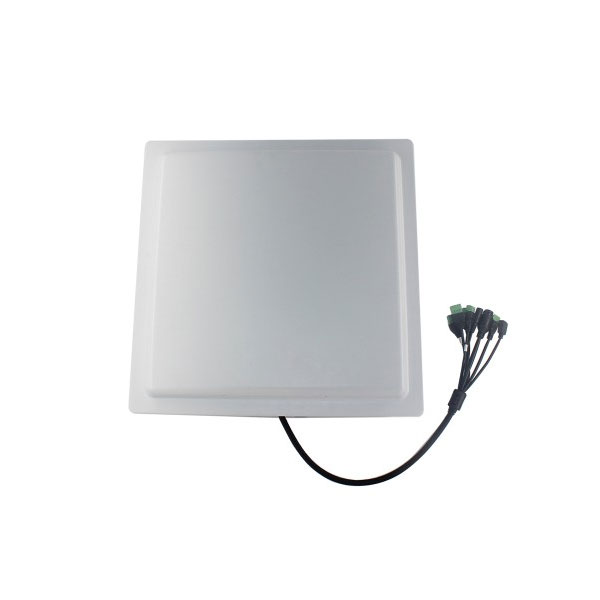
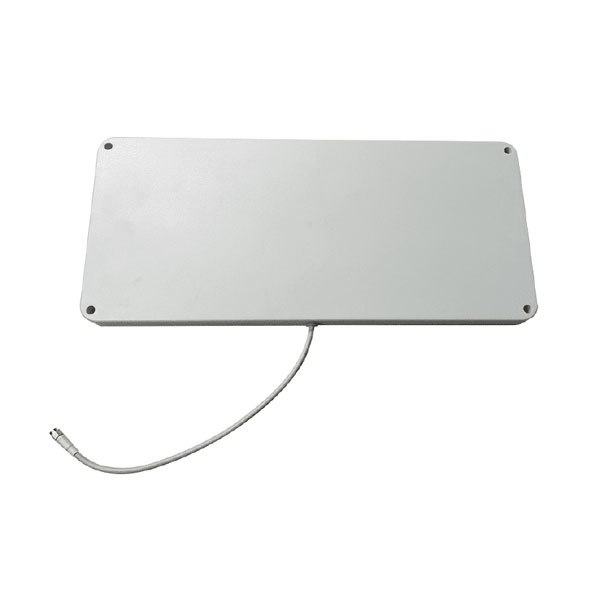
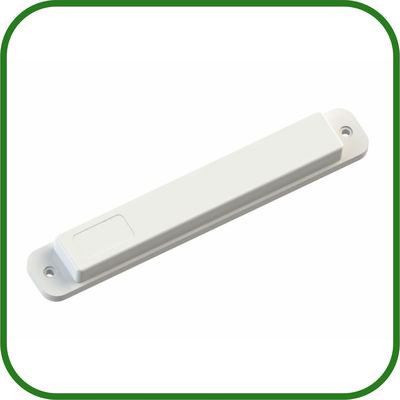
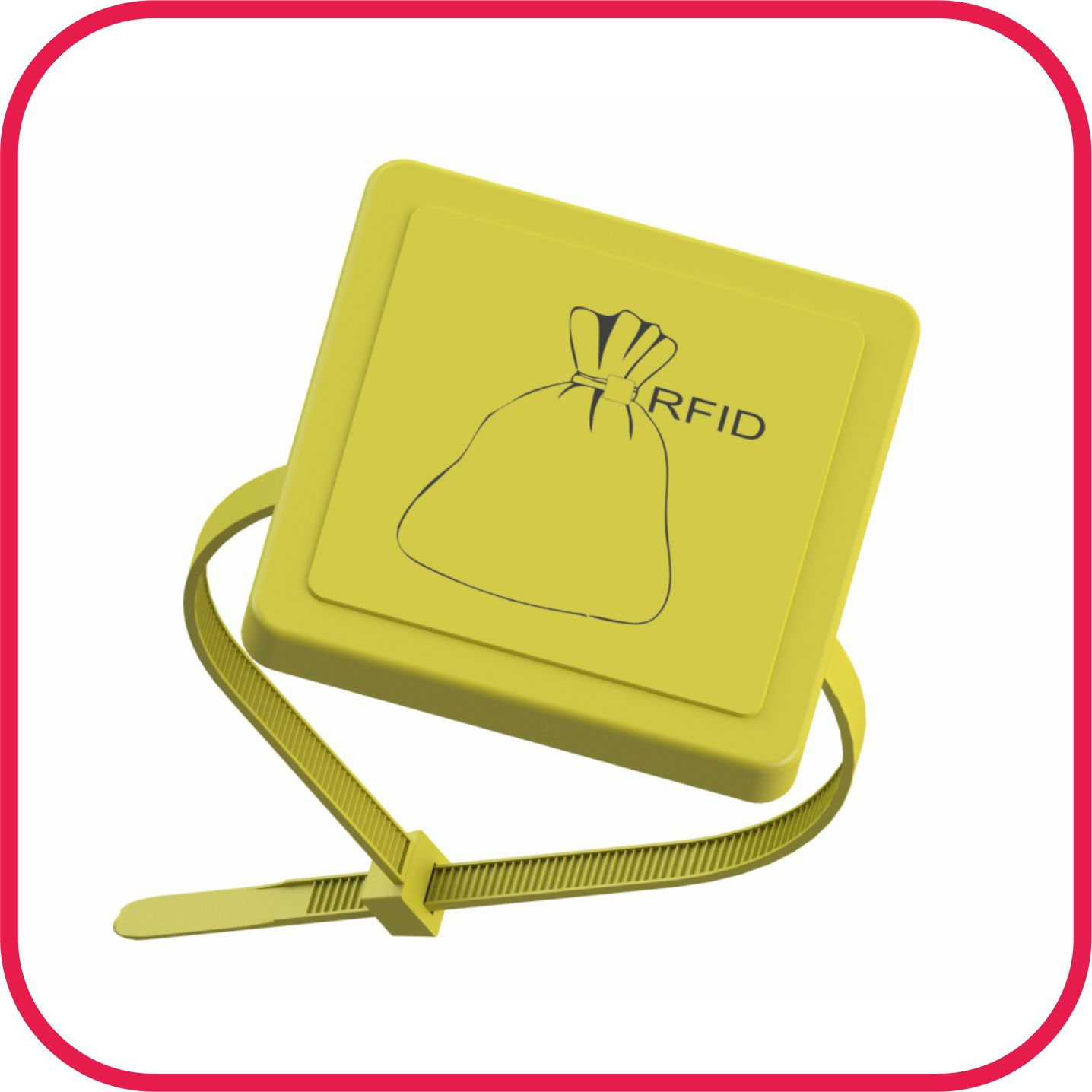

The RFID gold store system works by attaching UHF RFID tags (compliant frequency 918.4-923 MHz in Vietnam) to each jewelry item. Fixed readers installed at the checkout counter or handheld readers scan all tags within a 2-5 meter range, transmitting data to management software for real-time inventory updates.
- Attach RFID tags: Each jewelry item is fitted with an anti-metal UHF RFID tag (on-metal tag), encoding information such as product code, weight, and selling price.
- Install reader equipment: Fixed readers are installed at the checkout counter and doorways; handheld readers are used for periodic inventory.
- Connect software: Data from readers is transmitted to the POS management software via API or middleware, automatically updating inventory.
- Fast inventory: Staff use handheld readers to scan through display cases in 15-30 minutes; the system automatically reconciles with the inventory list.
- Automatic shift handover: Fixed readers at the checkout counter record each item when sold, automatically updating the shift handover sheet.
Specific benefits of applying RFID for gold stores
Specific benefits of applying RFID for gold stores ⏱ 10-20x faster inventory Reduces inventory time from 3-5 hours to 15-30 minutes for the entire store, including display cases and warehouse.

10-20x faster inventory
Reduces inventory time from 3-5 hours to 15-30 minutes for the entire store, including display cases and warehouse.
Near-absolute accuracy
Eliminates manual data entry errors; tag read rates reach 95-99% in store environments, reducing inventory discrepancies to below 0.5%.
Theft prevention
Readers at doorways immediately detect when unpaid jewelry is taken out of the store, reducing theft risk.
Real-time data
Store owners know immediately which items were just sold, which are still on display, and which need restocking — via phone or computer.
Transparent shift handover
Shift handover time drops from 20-40 minutes to 5-10 minutes, with automatic data, reducing disputes among staff.
Supports business decisions
Sales data by item and product group helps gold store owners analyze trends and optimize product assortment.
Step 1: Survey current state and define objectives

Before investing in RFID, gold store owners need to survey the store's current state: number of products, display case structure, sales process, and bottlenecks in inventory. Clearly define objectives: reducing inventory time, preventing theft, or optimizing shift handover — to design an appropriate solution.
The current state survey is the most important step but is often overlooked. For a gold store with 500-2,000 jewelry items on display, it is necessary to measure display case area, checkout counter location, and doorways to calculate the number of readers and installation positions. Also, assess the current process: how staff enter data, how long inventory takes, and the level of inventory discrepancy — to have a baseline for comparison after deployment.
Việt POS offers free on-site surveys, providing a current state report and solution recommendations tailored to scale and budget. Contact hotline 0935 498 384 to schedule a survey.
Step 2: Select RFID tags suitable for jewelry

Select RFID tags
Cần tư vấn thiết bị/giải pháp cụ thể?
Việt POS phản hồi trong 30 phút · Hotline 4 vùng · Khảo sát miễn phí.
