Mục lục bài viết (11)
- What is raw material warehouse RFID and how is it different from barcodes?
- Step 1: Survey current warehouse conditions and define FIFO processes
- Step 2: Select the right RFID tag type for each surface
- Step 3: Install read portals and RFID readers
- Step 4: Integrate RFID data into ERP and warehouse management software
- Step 5: Test read rates and calibrate before operation
- Step 6: Train staff and run line-side pilot operations
- Summary table of raw material warehouse RFID implementation process
- 5 common mistakes when implementing RFID for raw material warehouses
- Does raw material warehouse RFID really help control FIFO?
- Frequently Asked Questions
Implementing RFID for raw material warehouses is the process of integrating an automatic identification system using radio waves (UHF RFID) into the inbound – outbound – inventory process, enabling control of raw materials according to FIFO principles and accurate line-side issuance. In Vietnam, the compliant frequency band for UHF RFID devices is 918.4–923 MHz with a maximum transmit power of 500 mW ERP per Circular 08/2021/TT-BTTTT. This article provides a detailed 6-step roadmap for successful implementation, avoiding costly mistakes.
To implement RFID for raw material warehouses effectively, follow 6 steps: (1) survey current conditions and define FIFO processes, (2) select the right tag type (on-metal for metal surfaces, heat-resistant tags for plastic pallets), (3) install UHF read portals 918.4–923 MHz, (4) integrate data into ERP, (5) test read rates under real conditions, (6) train staff. The biggest mistake is skipping the survey and testing steps, leading to low read rates.
Table of Contents
- What is raw material warehouse RFID and how is it different from barcodes?
- Step 1: Survey current warehouse conditions and define FIFO processes
- Step 2: Select the right RFID tag type for each surface
- Step 3: Install read portals and RFID readers
- Step 4: Integrate RFID data into ERP and warehouse management software
- Step 5: Test read rates and calibrate before operation
- Step 6: Train staff and run line-side pilot operations
- Summary table of raw material warehouse RFID implementation process
- 5 common mistakes when implementing RFID for raw material warehouses
- Does raw material warehouse RFID really help control FIFO?
- Frequently Asked Questions
What is raw material warehouse RFID and how is it different from barcodes?

Raw material warehouse RFID is a system that uses RFID tags attached to pallets, boxes, or individual material rolls, combined with fixed or handheld readers to automatically identify and record location and quantity without scanning each barcode. Unlike barcodes that require line-of-sight, RFID can read from 3-8 meters away and read multiple tags simultaneously.
In Vietnamese manufacturing plants, raw material warehouses typically manage hundreds of SKUs across various types: plastics, metals, electronic components, and garment materials. Barcodes require staff to scan each box, taking 15-25 minutes for a small area inventory count. RFID can read 200-500 tags in 3-5 seconds, reducing inventory time to 5-10 minutes. However, RFID does not completely replace barcodes — the two technologies complement each other: barcodes for small units, RFID for pallets/lots.
Step 1: Survey current warehouse conditions and define FIFO processes
Related Products
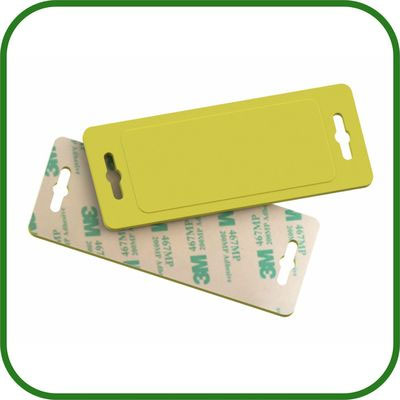
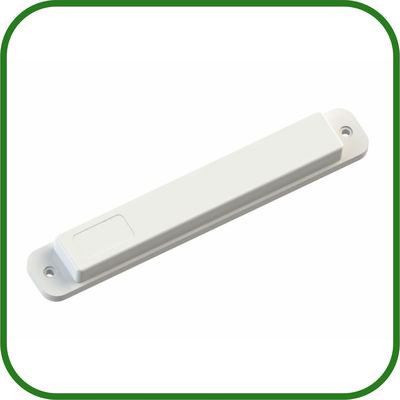
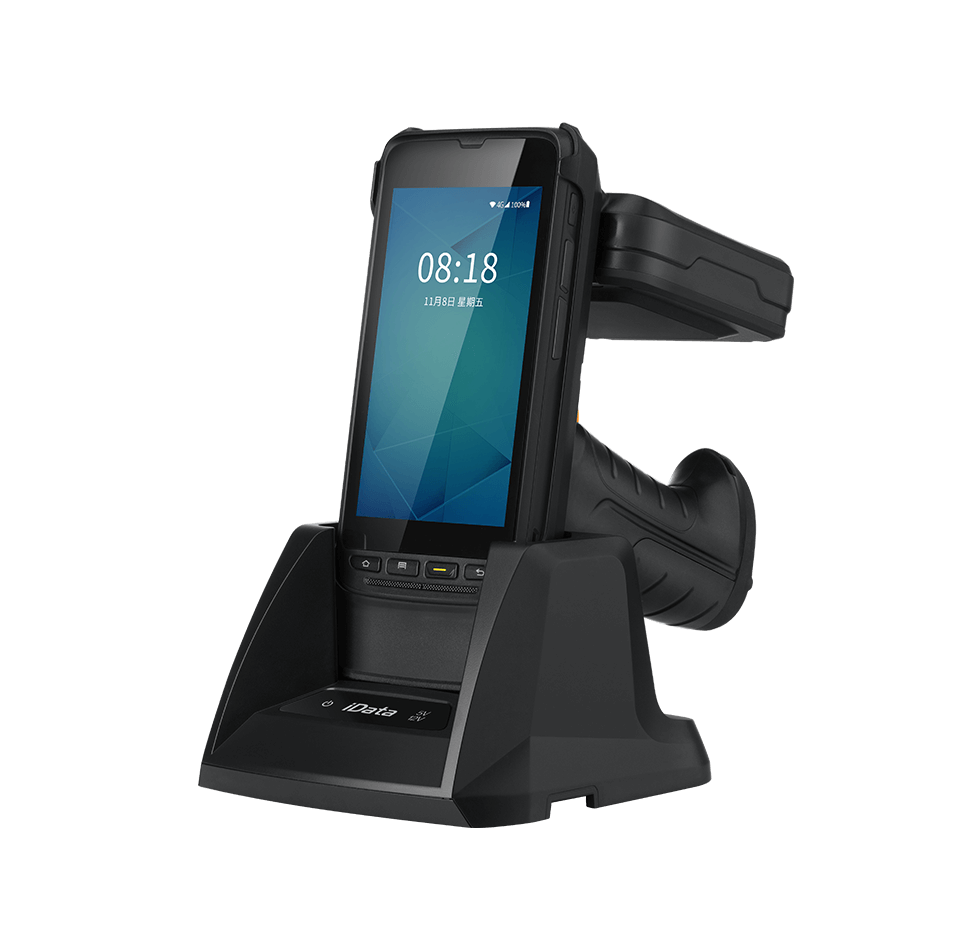

Before purchasing any equipment, you must survey the current warehouse conditions: area, rack height, rack material (metal or plastic), number of entry/exit points, current inbound-outbound processes, and which locations require FIFO control. This step determines 70% of the project's success.
The survey needs to answer 5 questions:
- What materials are stored? Metals, liquids, or materials with high water content will affect RFID wave readability.
- What material are the warehouse racks made of? Metal racks reflect waves, causing interference; you need to adjust antenna angles or use specialized tags.
- How many inbound/outbound portals are there? Each portal needs a read portal or handheld reader.
- What is the current FIFO process? Do staff use manual logs or software? Is data digitized?
- What ERP system is in use? RFID needs to integrate with ERP (such as SAP, Oracle, or internal software) for automatic data synchronization.
After the survey, you will have a warehouse floor plan and material flow diagram. This is the basis for designing read portal installation positions and selecting appropriate tag types. You can also refer to the finished goods warehouse & shipping RFID implementation process to compare differences between raw material and finished goods warehouses.
Step 2: Select the right RFID tag type for each surface

There is no single RFID tag type suitable for all raw materials. Tags attached to plastic pallets, cartons, or metal surfaces perform completely differently. Choosing the wrong tag is the #1 reason read rates drop below 60%.
The table below summarizes common tag types for raw material warehouses:
| Tag type | Suitable surface | Technical characteristics | Product example |
|---|---|---|---|
| Soft plastic tag (wet inlay) | Cartons, paper boxes, plastic bags | Low cost, flexible, read range 3-5m | UHF-10 RFID tag |
| On-metal tag (anti-metal) | Metal surfaces, steel containers, components | Has isolation layer, read range 2-4m | VP-T902 passive metal-mount RFID tag |
| Heat/impact-resistant tag | Plastic pallets, reusable plastic containers | Resists impact, temperature -20°C to 85°C | VP-RI942 passive RFID tag |
| Pallet tag (large, durable) | Wooden pallets, plastic pallets, containers | Large size, long read range 6-8m | UHF RFID pallet tag |
Important note: For reusable plastic pallets, tags must withstand friction and cleaning chemicals. For metal raw materials (steel coils, components), on-metal tags are mandatory — standard tags will suffer wave interference and fail to read. Ask the supplier for a trial test of 10-20 tags on actual surfaces before committing to a large purchase.
Step 3: Install read portals and RFID readers

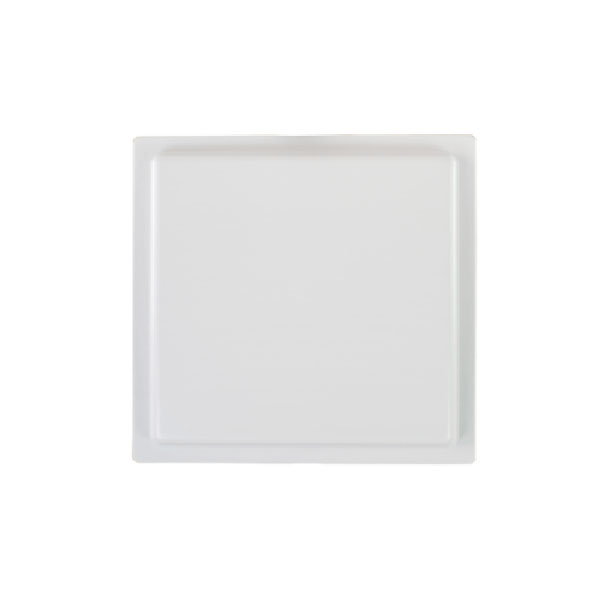
A read portal is a frame with antennas and a fixed reader, installed at warehouse entry/exit points to automatically identify pallets as they pass through. The installation position and antenna angle determine read accuracy.
When installing read portals, follow these principles:
- Position: Place the portal at a point where pallets definitely pass, typically at inbound-outbound doors or the entrance to line-side issuance areas. Avoid placing near industrial machinery that emits electromagnetic waves.
- Antenna height: Antennas should be placed at 1.5-2 meters height, angled down toward the pallet to cover the entire tag surface.
- Number of antennas: For portals wider than 3 meters, use 2-4 antennas (2 sides, 1 top) to ensure continuous coverage.
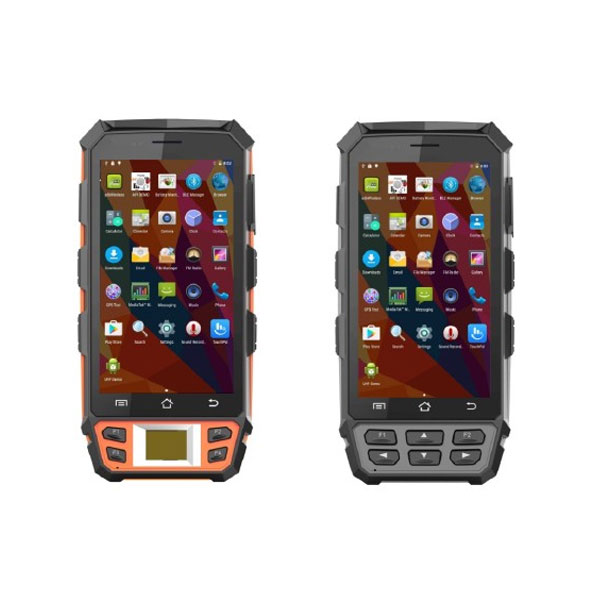
- Read distance: Fixed readers with 30 dBm power can read 6-10 meters; if the distance is shorter than 3 meters, you can use
Step 4: Integrate RFID data into ERP and warehouse management software
RFID data is only useful when integrated into ERP or WMS. The integration enables automatic inventory updates, FIFO tracking, and real-time visibility. This step requires close coordination between the RFID supplier and your IT team.
Integration typically involves:
- Middleware: RFID middleware (e.g., 123RFID Desktop) collects raw tag data and filters duplicates before sending to ERP.
- API/Interface: Use standard APIs (REST, SOAP) or database views to push/pull data between RFID system and ERP.
- Business rules: Define rules for receiving, issuing, and transferring materials to ensure FIFO logic is enforced.
- Testing: Run end-to-end tests with sample data to verify data accuracy and timing.
Step 5: Test read rates and calibrate before operation
Before going live, conduct thorough testing of read rates under real conditions. This includes testing with actual pallets, materials, and environmental factors. Calibration may involve adjusting antenna angles, power levels, or tag placement.
Key tests:
- Read rate test: Ensure at least 95% read rate for all tags in the portal zone.
- Interference test: Test with metal racks, liquids, and other materials that may affect RF signals.
- Speed test: Verify that tags are read correctly when pallets move at normal forklift speed.
- FIFO test: Simulate inbound and outbound sequences to confirm FIFO logic works.
Step 6: Train staff and run line-side pilot operations
Training is critical for adoption. Staff must understand how to handle tags, troubleshoot common issues, and use handheld readers. A pilot run in a limited area helps identify issues before full rollout.
Training topics:
- Tag handling: How to attach tags correctly, avoid damage, and replace faulty tags.
- Reader operation: Using handheld readers, charging, and basic troubleshooting.
- Process changes: New workflows for receiving, issuing, and inventory counts.
- System usage: How to view data in ERP/WMS and handle exceptions.
Pilot operations should run for 2-4 weeks, with daily monitoring and weekly reviews to address issues.
Summary table of raw material warehouse RFID implementation process
| Step | Key activities | Duration | Deliverables |
|---|---|---|---|
| 1. Survey | Site survey, process mapping, FIFO definition | 1 week | Floor plan, process diagram |
| 2. Tag selection | Tag testing on actual surfaces | 1-2 weeks | Tag specification, sample test report |
| 3. Portal installation | Install portals, antennas, readers | 1-2 weeks | Installed system, configuration |
| 4. ERP integration | Middleware setup, API integration | 2-3 weeks | Integrated system, data flow |
| 5. Testing | Read rate, interference, FIFO tests | 1-2 weeks | Test report, calibration |
| 6. Training & pilot | Staff training, pilot run | 2-4 weeks | Trained staff, pilot results |
5 common mistakes when implementing RFID for raw material warehouses
- Mistake 1: Skipping the site survey. Without understanding the warehouse environment, you risk buying the wrong equipment and tags.
- Mistake 2: Choosing the wrong tag type. Using standard tags on metal surfaces leads to unreadable tags.
- Mistake 3: Poor portal placement. Installing portals in wrong locations or with incorrect antenna angles reduces read rates.
- Mistake 4: Ignoring ERP integration. RFID data without ERP integration is just noise; you need proper integration for real-time inventory.
- Mistake 5: Inadequate testing. Skipping real-world tests leads to system failures after handover.
Does raw material warehouse RFID really help control FIFO?
Yes, RFID significantly improves FIFO control by automatically recording timestamps when materials enter and leave. The system can enforce FIFO by alerting staff when they attempt to issue materials that are not the oldest batch.
With RFID, each pallet or container has a unique ID with a timestamp. When issuing materials, the system checks the oldest batch first and prevents issuing newer stock if older stock exists. This reduces human error and ensures compliance with FIFO policies, which is critical for industries like food, pharmaceuticals, and electronics.
Frequently Asked Questions
Is RFID for raw material warehouses expensive?
Cost depends on scale: number of portals, tags, and software integration. Tags range from a few thousand to tens of thousands of VND each depending on type (on-metal tags are more expensive than standard tags). Fixed readers cost 30-80 million VND, handhelds 15-40 million VND. Total cost for a medium warehouse (1-2 portals, 5000 tags) is typically 150-400 million VND, excluding ERP integration. Request a detailed quote after the survey.
Can RFID read through plastic pallets?
Yes, UHF RFID waves (918-923 MHz) penetrate plastic, paper, carton, and fabric well. However, plastic pallets containing carbon black (for UV protection) can reduce readability. Test tags on actual pallets before purchasing in bulk. Attach tags at the pallet edge or use specialized pallet tags for optimal read rates.
Which RFID frequency is compliant in Vietnam?
Per Circular 08/2021/TT-BTTTT, the compliant band for UHF RFID in Vietnam is 918.4–923 MHz, with maximum transmit power of 500 mW ERP. Imported devices must have compliance certification (QCVN). This band differs from EU (865-868 MHz) and US (902-928 MHz), so avoid buying foreign devices without checking compatibility.
Does RFID completely replace inventory staff?
No. RFID automates data collection, reducing inventory time by 80-90% and reducing data entry errors. However, staff are still needed to handle damaged tags, confirm data before recording, process defective goods, and operate forklifts. RFID is a support tool, not a replacement. The effective model: staff handle complex tasks, RFID handles repetitive ones.
How do I know if the RFID system is working effectively?
Evaluate using 4 metrics: (1) Read rate must be above 95% in real conditions; (2) Inventory time reduced by at least 70%; (3) Inventory accuracy deviation below 2%; (4) FIFO compliance rate above 95%. If not achieved, check device configuration, tag quality, and operational processes. Request periodic evaluations from the supplier after handover.
How long does it take to implement RFID for a raw material warehouse?
On average, 6-10 weeks for a medium warehouse (1-2 portals, 3000-5000 tags). Survey takes 1 week, tag selection and testing 1-2 weeks, installation 1-2 weeks, ERP integration 2-3 weeks, testing 1-2 weeks, training and pilot 2-4 weeks (parallel with testing). Larger projects with multiple portals and complex MES/ERP integration can take 3-4 months. Speed depends on ERP data readiness and operational coordination.
Cần tư vấn thiết bị/giải pháp cụ thể?
Việt POS phản hồi trong 30 phút · Hotline 4 vùng · Khảo sát miễn phí.
