
Mục lục bài viết (9)
- What equipment is needed for RFID finished goods warehouse deployment?
- Step 1: How to survey the current state of the finished goods warehouse?
- Step 2: Design the RFID solution for the finished goods warehouse
- Step 3: Install equipment and test signals
- Step 4: Integrate RFID data with ERP/WMS
- Step 5: Train staff and run trial operations
- Comparison of manual and RFID shipping processes
- Common mistakes when deploying RFID in finished goods warehouses
- Frequently Asked Questions
Deploying RFID for finished goods warehouses is the process of integrating UHF radio frequency identification technology into post-production goods management workflows, automating the recording of inbound, outbound, and inventory counts. In Vietnam, small and medium-sized manufacturing plants are shifting from manual barcode scanning to RFID to reduce errors and increase order processing speed.
To deploy RFID for a finished goods warehouse, businesses need to follow 5 steps: (1) survey the current inbound/outbound process and pallet materials, (2) design a solution including fixed portals, RFID tag printers, and handheld readers, (3) install UHF equipment in the 918.4–923 MHz band per Circular 08/2021, (4) integrate data with ERP via middleware, (5) train staff and run a 2-4 week trial before official operation.
Table of Contents
- What equipment is needed for RFID finished goods warehouse deployment?
- Step 1: How to survey the current state of the finished goods warehouse?
- Step 2: Design the RFID solution for the finished goods warehouse
- Step 3: Install equipment and test signals
- Step 4: Integrate RFID data with ERP/WMS
- Step 5: Train staff and run trial operations
- Comparison of manual and RFID shipping processes
- Common mistakes when deploying RFID in finished goods warehouses
- Frequently Asked Questions
What equipment is needed for RFID finished goods warehouse deployment?
A complete RFID finished goods warehouse system consists of 4 main components: UHF RFID tags attached to pallets or cartons, an RFID tag printer for encoding data, fixed readers (RFID portals) or handheld readers, and middleware software that connects to the existing ERP/WMS system. Depending on warehouse scale, businesses can choose a minimal or full configuration.
- Passive UHF RFID tags: Used for finished goods pallets, withstand warehouse environments, priced from a few thousand to tens of thousands of VND depending on type. For goods containing metal or liquids, specialized on-metal tags are required.
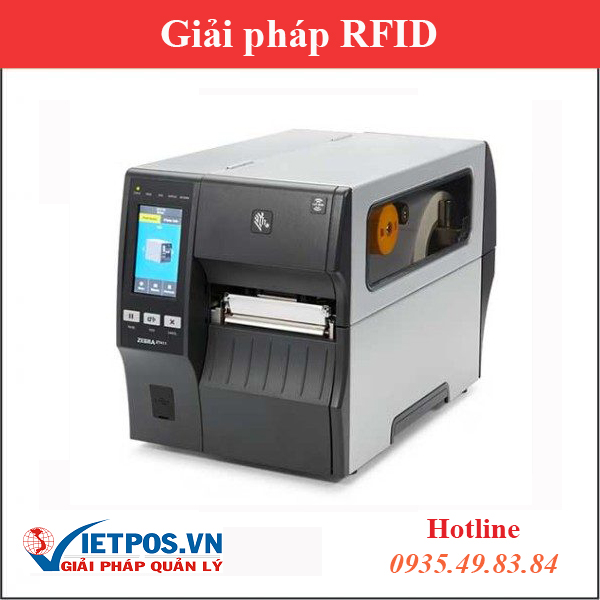
- RFID tag printers: Barcode printers with integrated RFID encoding modules, such as the Zebra ZD500R or ZT411 series, enabling barcode printing and chip encoding in one pass.
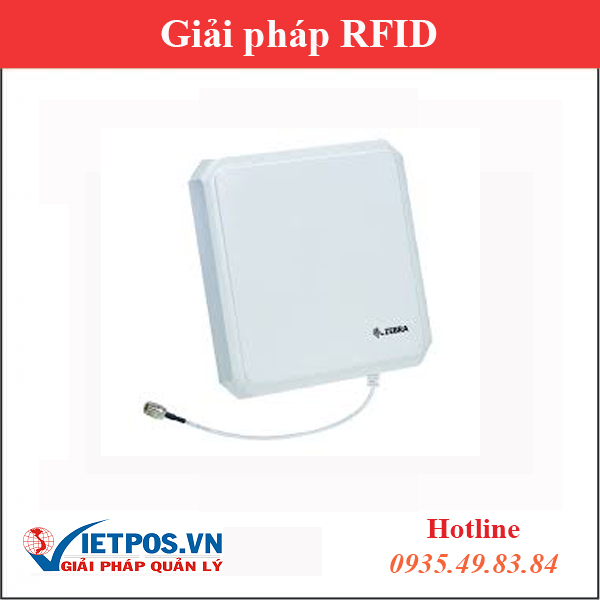
- Fixed readers (RFID portals): Installed at warehouse doors, shipping docks, or conveyor belts, automatically reading tags as pallets pass through without manual intervention.
- Handheld readers: Used for periodic inventory counts, locating goods in large warehouses, or spot checks at storage locations.
Step 1: How to survey the current state of the finished goods warehouse?
Related Products
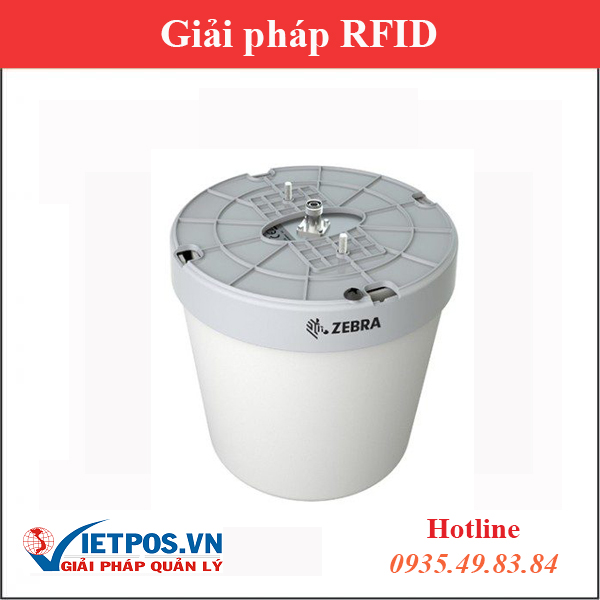
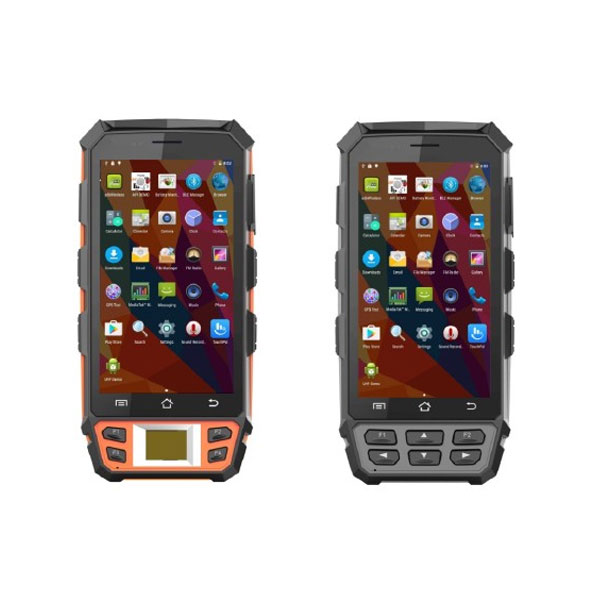
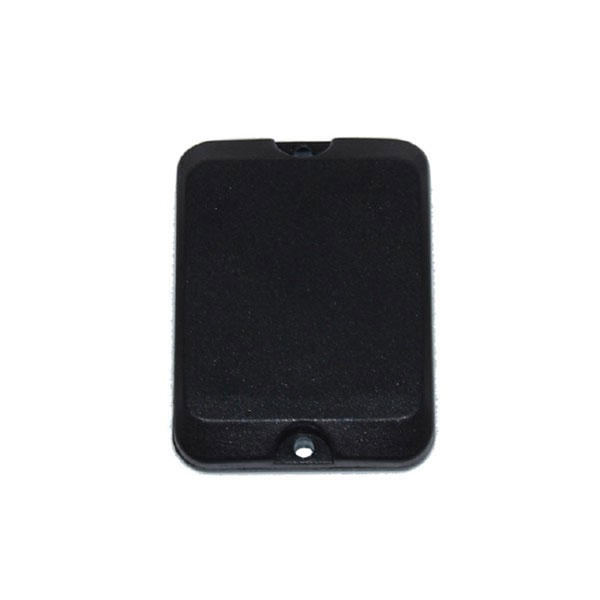
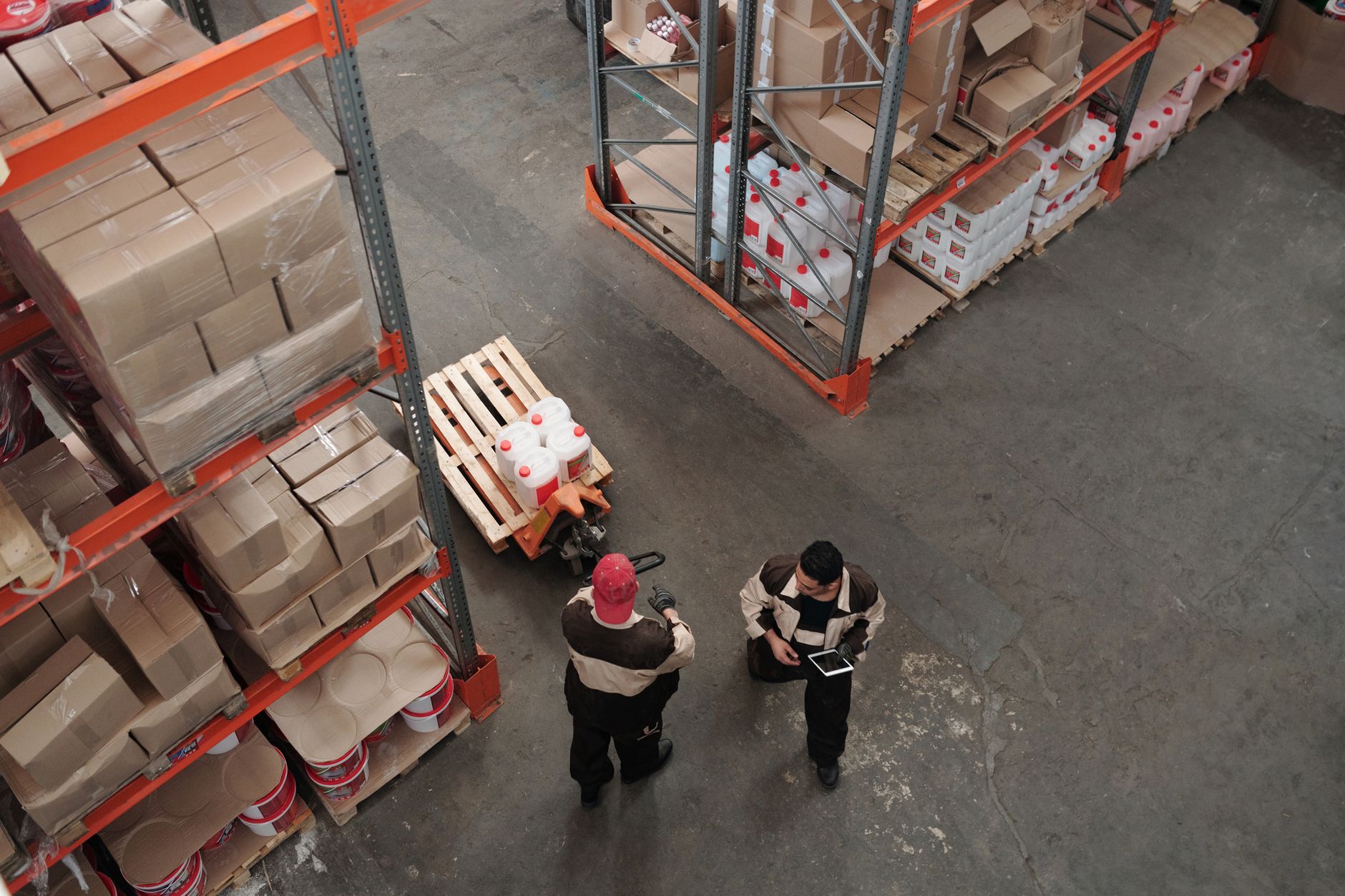
The site survey is the foundational step that determines the accuracy of the entire RFID system. You need to collect data on warehouse area, storage height, pallet materials (wood, plastic, metal), current inbound/outbound processes, and existing network infrastructure. The survey results will determine the placement of RFID portals and the appropriate tag type.
Site survey checklist
- Measure warehouse area, door widths, and storage rack locations.
- Identify pallet and packaging materials: wooden pallets, plastic pallets, cartons, or metal containers.
- Document the shipping process: by order, by batch, or by day.
- Check LAN/Wi-Fi network infrastructure at the warehouse door area and equipment installation zones.
- Assess the number of finished goods SKUs and average daily shipping volume.
- Interview warehouse staff about current bottlenecks and common errors.
Step 2: Design the RFID solution for the finished goods warehouse
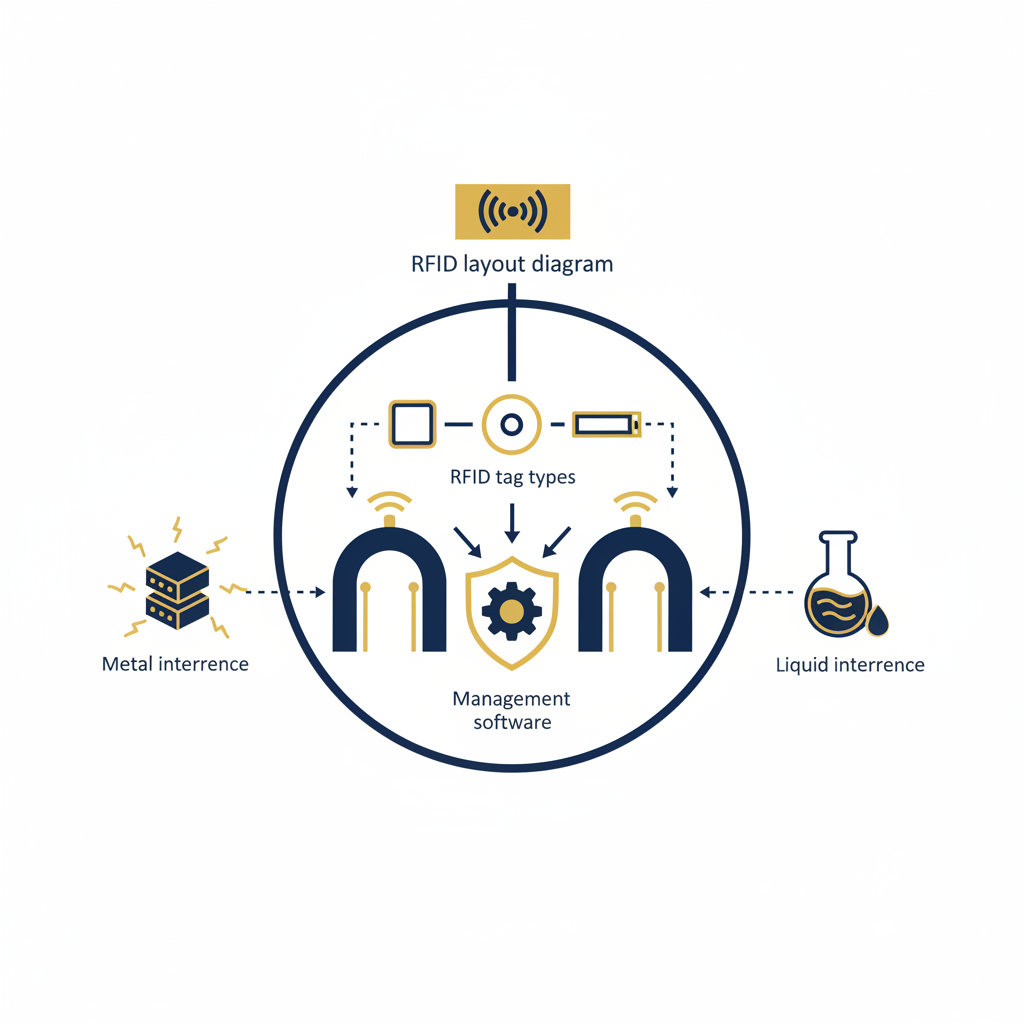
After obtaining survey data, you need to design a solution including equipment layout diagrams, RFID tag type selection, configuration of the number of read portals, and management software. The design must account for the specific characteristics of goods containing metal or liquids, as they cause signal interference, and include provisions for scalability as warehouse capacity grows.
Selecting UHF frequency per Vietnamese regulations
In Vietnam, UHF RFID equipment operates in the 918.4–923 MHz band with a maximum transmit power of 500 mW ERP, as stipulated in Circular 08/2021/TT-BTTTT of the Ministry of Information and Communications. Businesses must select equipment with type approval certification to avoid signal interference and ensure stable operation. Note: Việt POS provides infrastructure and equipment but does not offer legal advice on frequency matters.
Comparison of 3 common deployment models
| Model | Features | Suitable for |
|---|---|---|
| Fixed portal at warehouse door | Automatically reads as pallets pass through, no manual operation, fast processing speed | Factories with high shipping volume and fixed warehouse doors |
| Handheld reader | Flexible, low cost, staff manually scan each pallet | Small warehouses, low shipping frequency, limited budget |
| Combination of portal + handheld | Fixed portal at main door, handheld for inventory and auxiliary areas | Medium-sized factories needing a balance of cost and efficiency |
Step 3: Install equipment and test signals

Installation involves mounting RFID portals at the designed locations, setting up antennas, connecting power and network, then conducting signal tests with test pallets. This phase requires special attention to signal interference from metal, electric motors, and other transmitting devices in the factory.
Installation considerations
- Place RFID portals at least 1-2 meters away from large metal surfaces to avoid signal reflection.
- Check antenna coverage to ensure the entire pallet is read as it passes through.
- Configure transmit power within allowed limits (≤500 mW ERP) and verify reader sensitivity.
- Test with 10-20 pallets containing real goods to measure read rate and processing time.
- Adjust antenna tilt angle if blind spots or missed tags at pallet edges are detected.
Step 4: Integrate RFID data with ERP/WMS
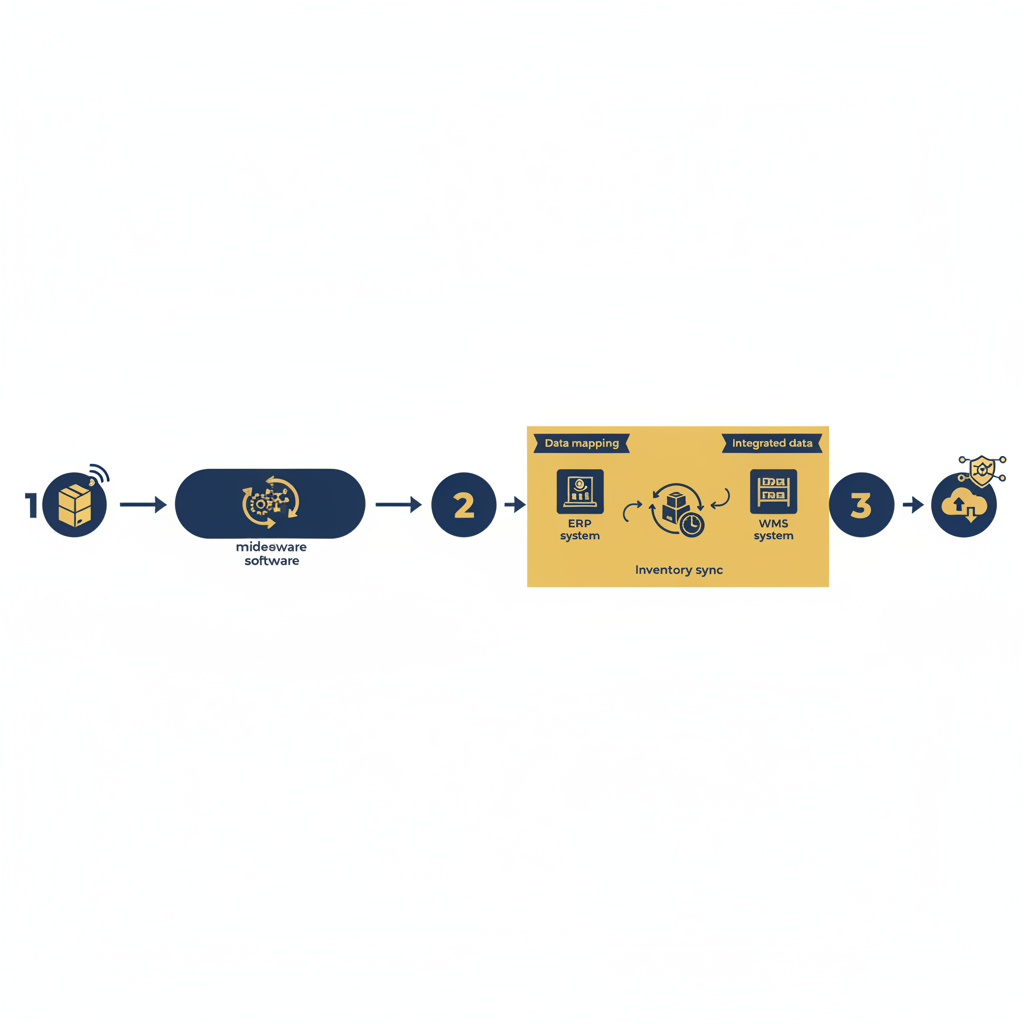
Data from RFID readers is only valuable when transferred into the existing ERP or WMS system. Integration is typically done through middleware software (e.g., 123RFID Desktop) to filter raw data, map tag IDs to product codes, and push inbound/outbound information into the management system. This process requires coordination between the RFID provider and the company's IT team.
Typical integration process
- Identify data points to synchronize: inbound, outbound, and inventory adjustments.
- Configure middleware to read tag data and map to product SKUs.
- Set up API or database connections between middleware and ERP/WMS.
- Test data flow with sample transactions to ensure accuracy.
- Document the integration and train IT staff on maintenance.
Step 5: Train staff and run trial operations

Training ensures that warehouse staff can operate the RFID system correctly, handle exceptions, and understand the new workflow. Trial operations should run for 2-4 weeks with real shipments to identify issues, fine-tune settings, and build confidence before full deployment.
Training content
- How to use handheld readers and interpret read results.
- How to handle read failures or missing tags.
- How to use the middleware interface for monitoring and troubleshooting.
- How to integrate RFID data into daily shipping and receiving processes.
Comparison of manual and RFID shipping processes
Manual shipping relies on barcode scanning and visual checks, which are time-consuming and prone to errors. RFID automates the process, enabling faster throughput and higher accuracy.
| Aspect | Manual | RFID |
|---|---|---|
| Time per pallet | 10-30 seconds | 1-3 seconds |
| Error rate | 1-3% | <0.1% |
| Labor required | 2-3 workers | 1 worker |
| Inventory count | Days | Hours |
Common mistakes when deploying RFID in finished goods warehouses
Avoid these pitfalls to ensure a successful deployment.
- Placing portals too close to metal surfaces, causing signal reflection.
- Skipping multi-pallet testing, leading to missed tags in real conditions.
- Choosing the wrong tag type for goods with metal or liquid content.
- Neglecting to integrate with existing ERP/WMS, resulting in data silos.
- Insufficient staff training, leading to operational errors.
Frequently Asked Questions
What is the cost of deploying RFID in a finished goods warehouse?
Cost depends on warehouse size, number of portals, tag type, and integration software. A basic system for a 500-1000m² warehouse with 1-2 portals, 1 tag printer, 2 handheld readers, and 10,000-20,000 tags can range from 150-400 million VND. UHF RFID tags typically cost 3,000-15,000 VND per tag depending on type and volume. Businesses should request a specific survey for an accurate quote.
Can RFID read goods containing metal or liquids?
Yes, but specialized on-metal tags or tags with special designs are required to reduce signal interference. For liquids, UHF waves are strongly absorbed, so real-world testing is essential before selecting a tag type. An experienced provider will recommend the appropriate tag based on your product characteristics.
How long does it take to recoup the investment in RFID for a finished goods warehouse?
Payback period depends on scale and automation level. For a factory shipping 200-500 orders per day, reducing 2-3 workers for counting and inventory, the payback period is typically 18-30 months. Additionally, reducing shipping errors saves costs on complaint handling and re-shipping.
Do we need to replace the entire existing barcode system?
Not necessarily. RFID can operate in parallel with barcodes. Many businesses use RFID tags with printed barcodes so staff can still scan manually when needed. Middleware handles both data types, ensuring a smooth transition without disrupting operations.
Does RFID work well in dusty factory environments?
UHF RFID tags and industrial readers are designed to operate in harsh environments with dust, humidity, and temperature variations. However, choose equipment with appropriate IP ratings (IP54 or higher) for production areas. Regular maintenance of antennas and readers ensures long-term stable performance.
How long does RFID deployment take?
Average deployment time is 4-8 weeks depending on scale, including 1-2 weeks for survey and design, 1-2 weeks for installation and configuration, 1-2 weeks for ERP integration, and 2 weeks for trial operation. For factories with existing network infrastructure and clear processes, the timeline can be shortened to 3-4 weeks.
Cần tư vấn thiết bị/giải pháp cụ thể?
Việt POS phản hồi trong 30 phút · Hotline 4 vùng · Khảo sát miễn phí.
