
Mục lục bài viết (4)
RFID for MRO (Maintenance, Repair, Operations) spare parts warehouses is a solution that automates the tracking, inventory, and search for replacement parts and maintenance tools within a factory. This technology uses radio waves to read tags attached to each item, eliminating manual barcode scanning and reducing search time to just a few seconds, instead of the 30-45 minutes required by traditional methods.
To implement RFID for an MRO spare parts warehouse, businesses need to follow 7 steps: survey the current warehouse state, select the appropriate tag type (on-metal for metal parts), design read zones, install UHF readers at 918.4–923 MHz, configure software, tag items, and train staff. Costs depend on the number of SKUs and warehouse area.
Table of Contents
- Why does an MRO spare parts warehouse need RFID when barcodes still work?
- Step 1: Survey the current warehouse state and define the implementation scope
- Step 2: Select RFID tags suitable for each item group
- Step 3: Design read zones and select readers
- Step 4: Install infrastructure and check coverage
- Step 5: Configure warehouse management software integrated with RFID
- Step 6: Attach RFID tags to items and enter data
- Step 7: Train staff and run pilot operations
- Common mistakes when implementing RFID in MRO warehouses and how to avoid them
- Related articles
- Frequently asked questions
Why does an MRO spare parts warehouse need RFID when barcodes still work?

MRO warehouses differ from finished goods warehouses in that they have a large number of SKUs (5,000-20,000), high value, and items are often scattered across many small bins and shelves. Barcodes require scanning each item individually, while RFID can read 50-100 tags simultaneously in 2-3 seconds, making it suitable for fast inventory and batch-based item search.
In reality, at Vietnamese factories, MRO warehouses are often a place where money quietly leaks. Items purchased are not recorded, spare parts deteriorate over time, and staff make duplicate purchases because they don't know the item is already in stock. RFID solves the root problem by attaching an electronic identifier to each item, helping managers know exactly what is where, how many are available, and how long they have been in use.
Compared to manual inventory methods, RFID has clear advantages. You can refer to the comparison of manual inventory vs. RFID for raw materials warehouses to see the difference in productivity.
4 common problems that MRO warehouses are facing:
- ⚠️ Severe spare parts shortages: Machines break down but there are no replacement parts, halting production for 2-4 hours, causing losses of tens of millions of VND.
- ⚠️ Inventory discrepancies of 20-30%: Records show items in stock but they are not actually there, or vice versa, leading to duplicate purchases or missed items.
- ⚠️ Wasted search time: Technicians spend 20-45 minutes each time looking for tools or parts in a large warehouse.
- ⚠️ Uncontrolled expiration: Lubricants, chemicals, and rubber gaskets past their shelf life are still used, creating safety risks.
Step 1: Survey the current warehouse state and define the implementation scope
Related Products

Before purchasing equipment, draw a floor plan of the warehouse, list the number of SKUs, assess the environment (temperature, humidity, dust, chemicals), and identify priority areas for implementation. For MRO warehouses, it is common to start with the most expensive and easily lost spare parts area.
The site survey is the step that determines 70% of the success. You need to answer the following questions:
- What is the warehouse area? How are shelves and cabinets arranged?
- How many SKUs are there? What percentage are metal parts (bearings, shafts, gears)?
- Do current warehouse staff manage with Excel or software? What are the inbound and outbound processes?
- Which area causes the most headaches: replacement parts, hand tools, or chemicals?
The survey results will help you choose the right tag type, number of readers, and software. For example, if the warehouse has many metal parts, you need specialized on-metal RFID tags instead of regular paper tags.
Step 2: Select RFID tags suitable for each item group

There is no single tag type for all MRO items. Metal parts require on-metal tags to prevent interference, small tools need compact tags, and chemicals require solvent-resistant tags. Choosing the wrong tag type is the number one reason RFID projects fail.
Tag classification by MRO item group
| Item group | Characteristics | Suitable tag type | Notes |
|---|---|---|---|
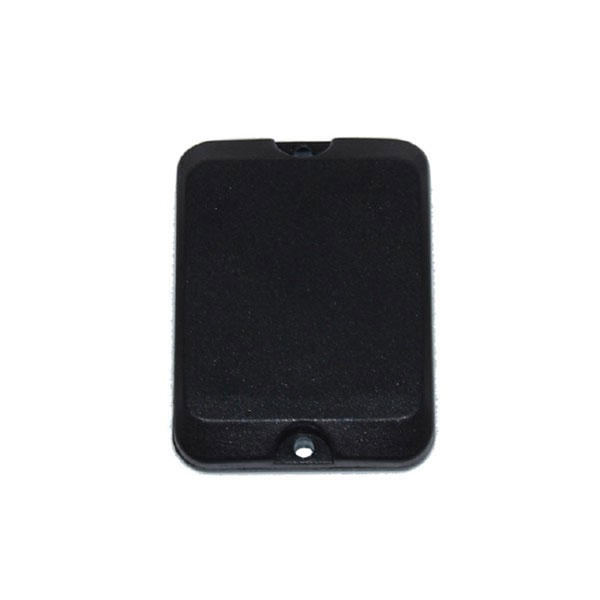
| Metal parts (bearings, shafts, gears) | Metal surface causes signal interference | On-metal tags VP-T902, VP-RI942 | Need 2-5mm gap between tag and metal surface |
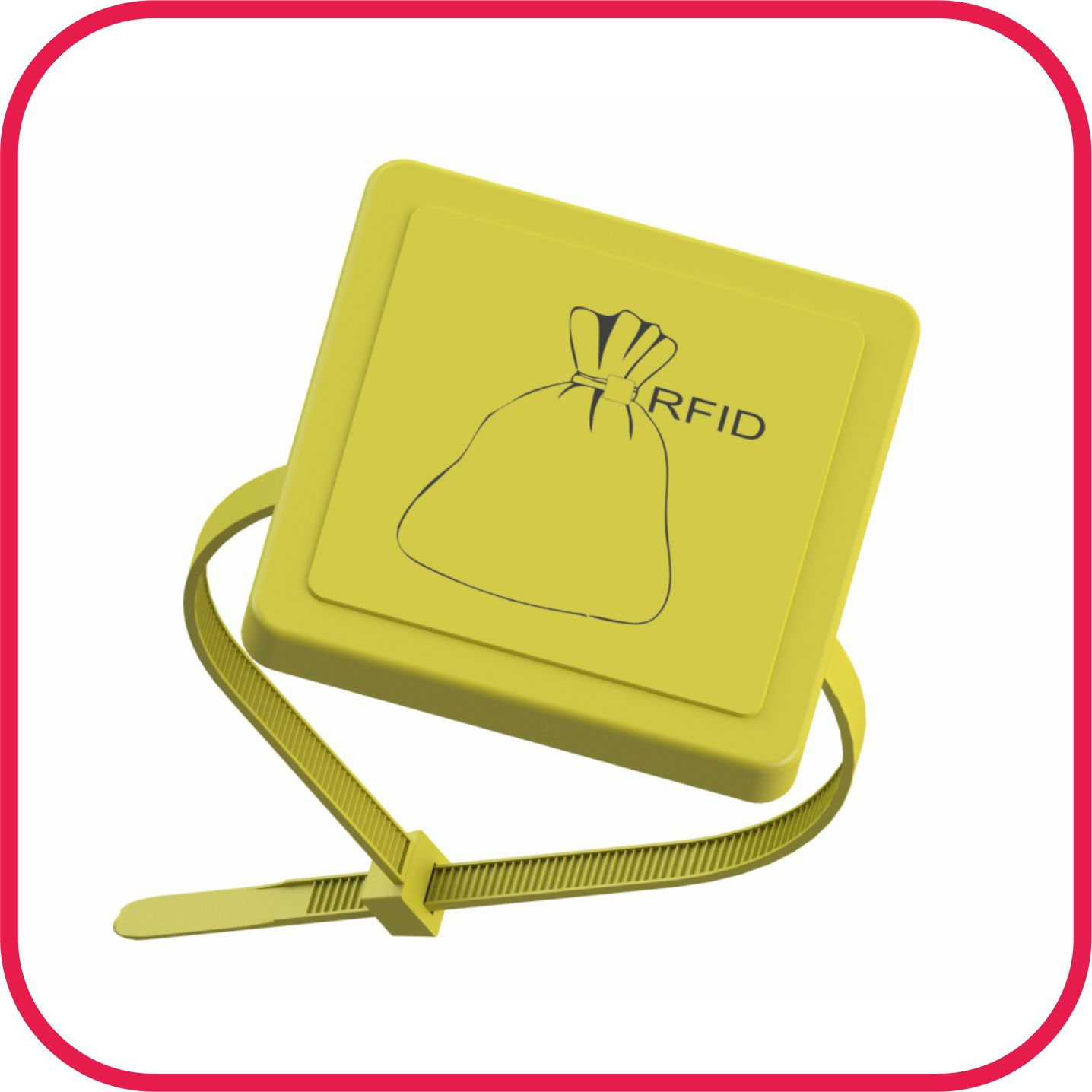
| Hand tools (wrenches, pliers) | Small size, frequent handling | Small button RFID tags, cable ties RCT-01 | Attach with cable ties or drill holes |
| Chemicals, lubricants | Liquids absorb signals | Chemical-resistant tags VP-RI947 | Check compatibility with solvents |
| Consumables (gaskets, filters) | Large quantity, low value | Low-cost paper tags VP-RI941 | Prioritize low cost |
For MRO warehouses, the tag budget typically accounts for 30-40% of the total project cost. Prioritize on-metal tags for expensive parts (which make up 20% of quantity but 80% of value), and use cheaper tags for consumables.
Step 3: Design read zones and select readers
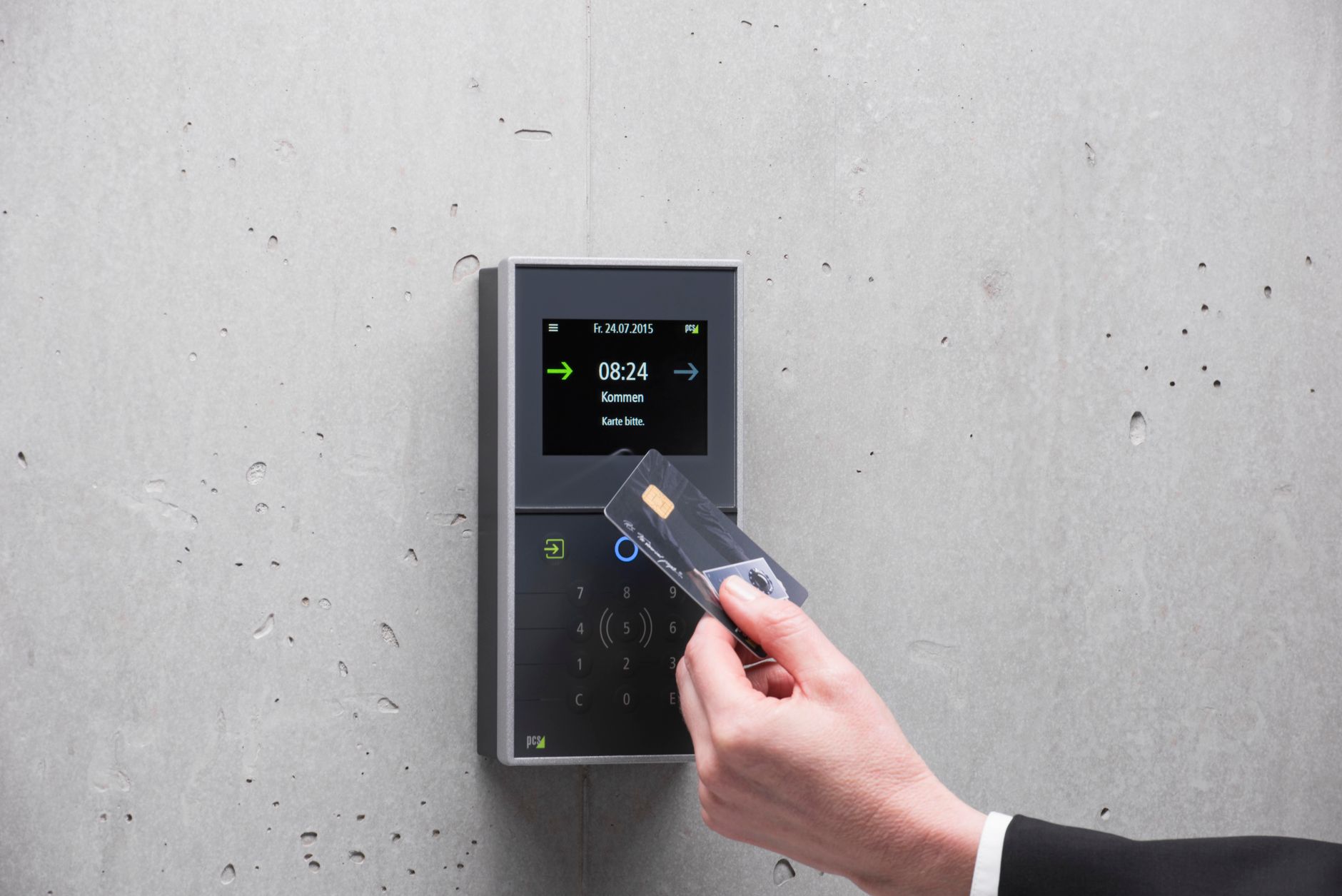
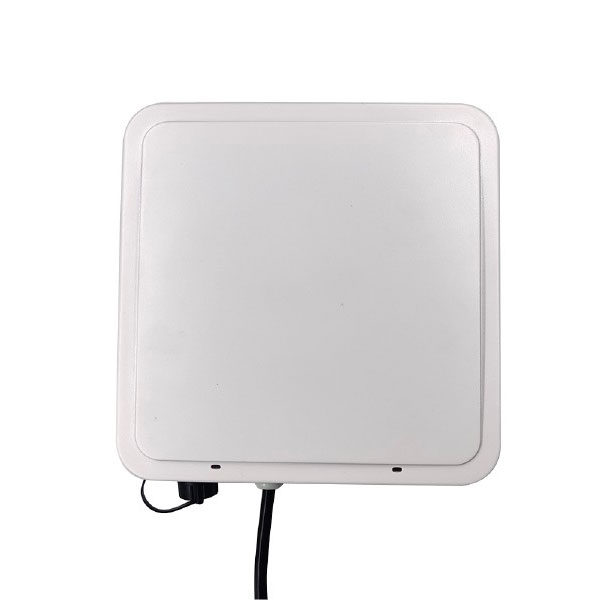
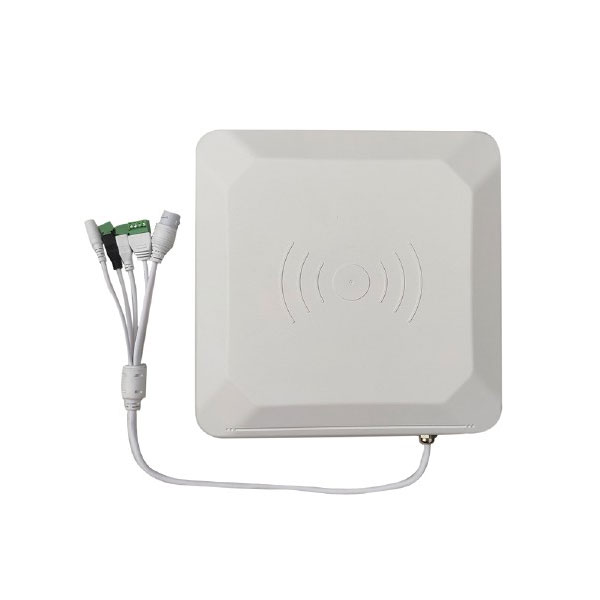
A read zone is the area where a reader can scan tags. For MRO warehouses, you need a combination of fixed readers at entry/exit points (for inbound/outbound control) and handheld readers for inventory and on-demand item search.
Two main reader types for MRO warehouses
- Fixed readers: Installed at warehouse doors and entry/exit points, automatically reading tags as items pass through. Suitable for inbound/outbound control and preventing loss.
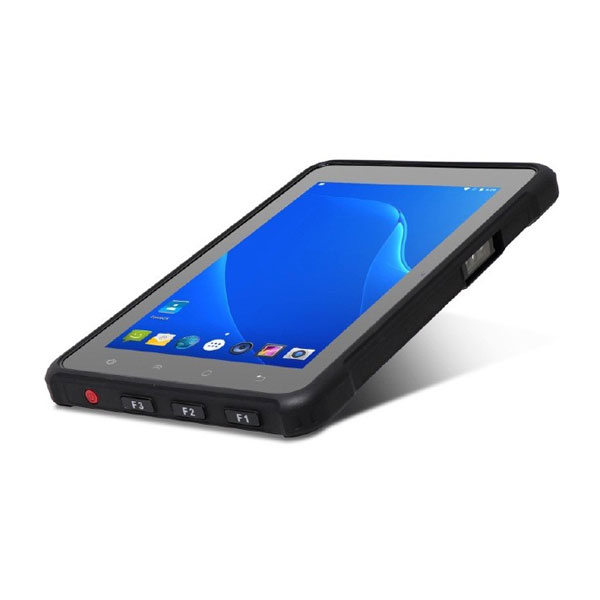
- Handheld readers: Carried by staff during inventory and item searches. Can scan from 3-8m away and read multiple tags simultaneously.
For an MRO warehouse of 200-500m², typically 1-2 fixed readers at the door and 2-3 handheld readers for warehouse staff are needed. If the warehouse has many shelves against metal walls, check coverage and adjust reader power.
In Vietnam, UHF equipment must operate in the 918.4–923 MHz frequency band, with power ≤500 mW ERP according to Circular 08/2021 compliance. Zebra FX9600 readers and RFID tablets
Cần tư vấn thiết bị/giải pháp cụ thể?
Việt POS phản hồi trong 30 phút · Hotline 4 vùng · Khảo sát miễn phí.
