Mục lục bài viết (5)
RFID WIP (Work-In-Progress) tracking is a solution that automatically collects data on in-process products at each production stage using radio waves, helping factories know exactly where a batch is, how many units there are, and which stages it has passed through. In Vietnam, this technology is being deployed in textile, mechanical, electronics, and processing factories to replace manual recording and barcodes.
Deploying RFID WIP tracking by process stage involves 7 steps: site survey, solution design, selecting compliant UHF equipment (918.4–923 MHz), installation, software integration, trial operation, and training. Costs depend on scale; equipment must comply with Circular 08/2021. RFID increases data accuracy and reduces manual errors.
Table of Contents
- Why do factories need RFID WIP tracking by process stage?
- How does an RFID WIP tracking system work?
- Specific benefits of applying RFID to WIP
- Step 1: Site survey and goal definition
- Step 2: Solution design and compliant frequency selection
- Step 3: Selecting suitable RFID equipment
- Step 4: Infrastructure and equipment installation
- Step 5: Management software integration
- Step 6: Trial operation and calibration
- Step 7: Staff training and expansion
- Technical challenges when deploying RFID WIP
- Frequently Asked Questions
- Related Articles
Why do factories need RFID WIP tracking by process stage?
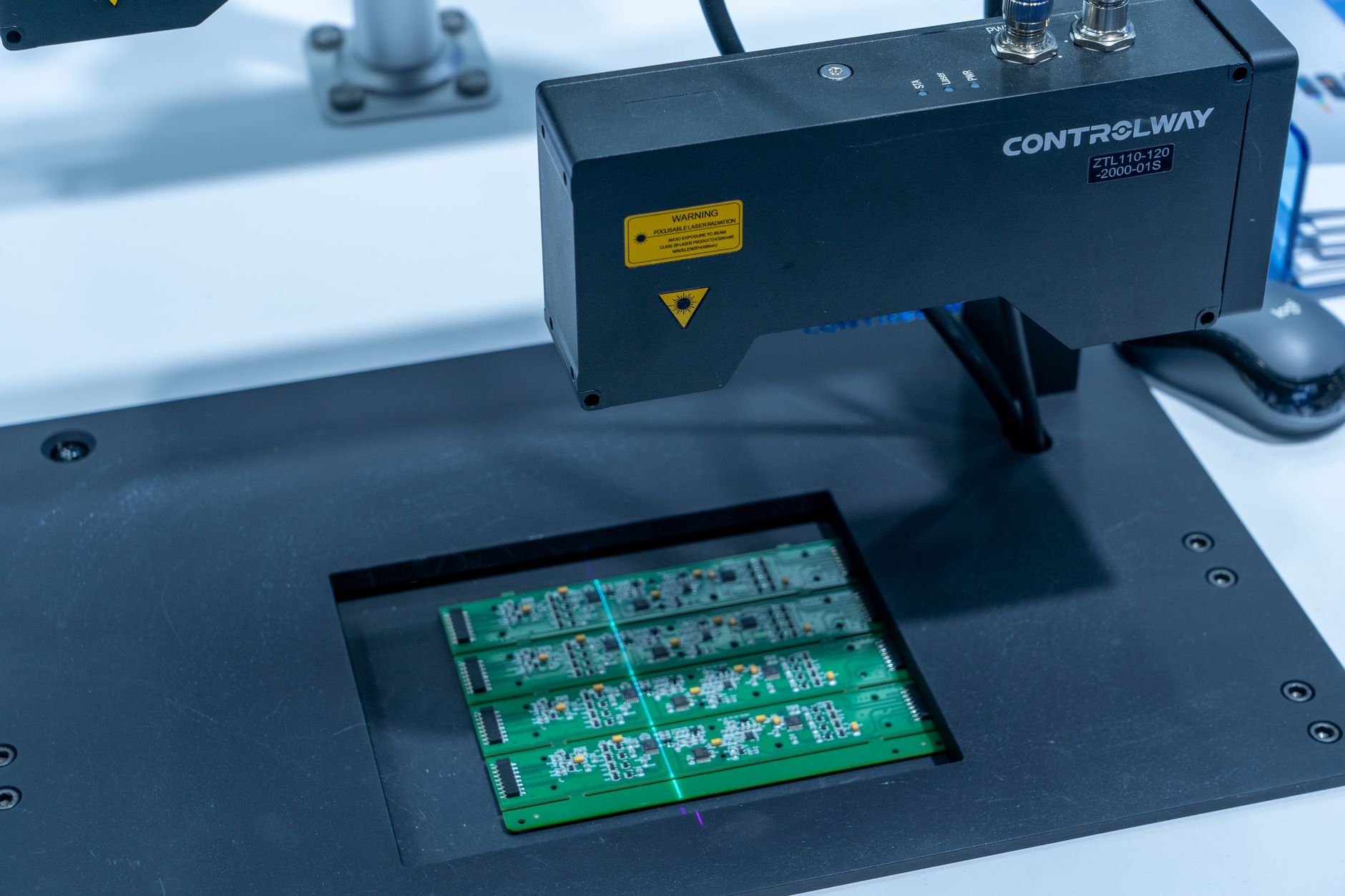
Factories need RFID WIP tracking because manual methods or barcodes cannot meet real-time data update requirements and are prone to errors at high production volumes. RFID enables batch reading without scanning each code, making production management more accurate and transparent.
Problems Vietnamese factories are facing:
- ⚠️ Losing track of in-process products: Not knowing exactly which stage a batch is at, leading to delivery delays.
- ⚠️ Manual data entry errors: Workers entering incorrect quantities or product codes, causing inventory discrepancies.
- ⚠️ Difficult traceability: When quality issues occur, it takes a long time to identify the cause and the responsible stage.
- ⚠️ Low productivity due to manual operations: Staff spend 15-30 minutes per shift just on recording and counting.
- ⚠️ Lack of real-time data: Management cannot see production progress at the moment coordination is needed.
How does an RFID WIP tracking system work?
Related Products
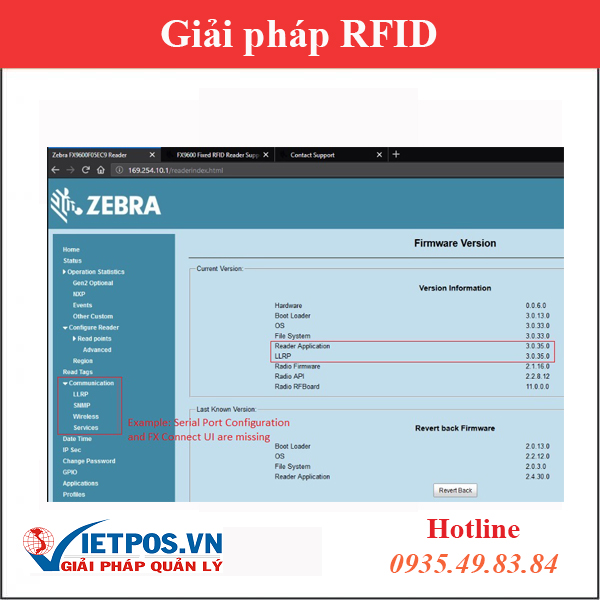
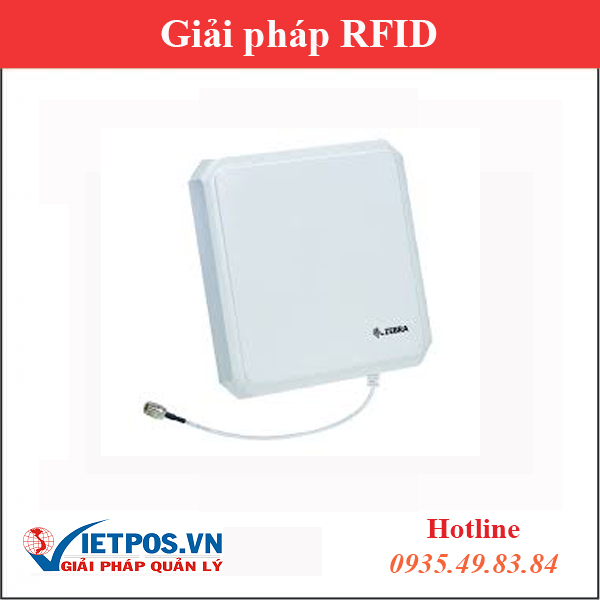
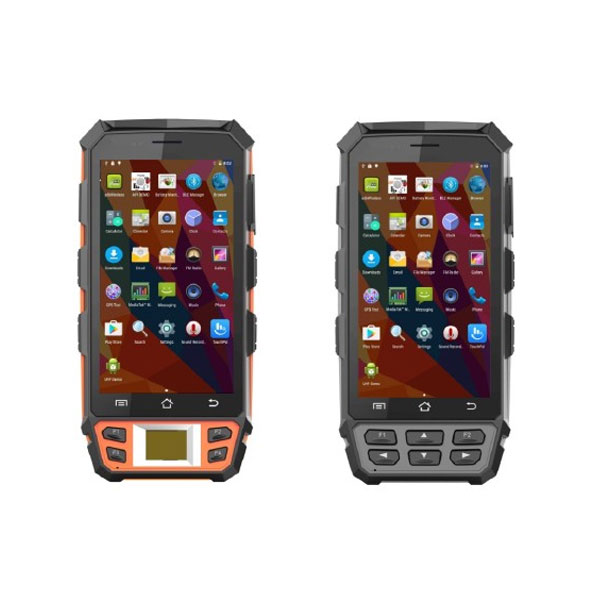
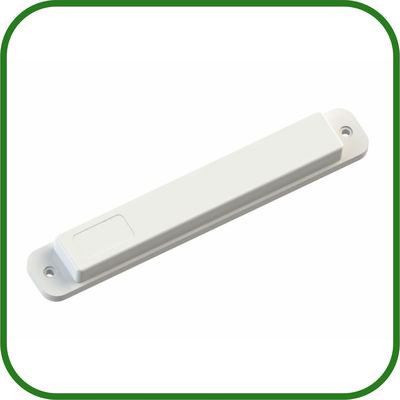


An RFID system consists of tags attached to products or containers, fixed readers placed at each stage, and data processing software. When a product passes through an RFID portal, the reader automatically captures the tag ID and records location and time, updating WIP status in real time.
- Attach RFID tags: Each tray or product is fitted with a UHF tag containing a unique identifier.
- Install fixed read portals: RFID portals (antenna + reader) are installed at the entry/exit of each production stage.
- Automatic data collection: When a tray passes through the portal, the reader records the tag ID, time, and stage.
- Software processing: Data is sent to the management software, updating WIP status in real time.
- Display and alerts: A dashboard shows progress and alerts if a product remains too long at a stage.
Specific benefits of applying RFID to WIP
RFID delivers clear benefits: increases data accuracy to 99%+, reduces counting time from 15-30 minutes to a few seconds, and provides real-time data for flexible production coordination. These benefits help factories operate more efficiently.
📈 Increased data accuracy
Eliminates manual entry errors; WIP data always reflects reality.
⚡ Time savings in counting
Batch reading in 1-3 seconds instead of scanning each barcode or manual counting.
🔍 Instant traceability
Quickly identifies the stage causing quality issues, reducing troubleshooting time by 70-80%.
📊 Real-time data
Management sees production progress immediately and can coordinate promptly.
🔄 Process optimization
Detects bottlenecks based on dwell time data at each stage.
✅ Reduced labor costs
Reduces 2-3 staff for recording and counting during production shifts.
Step 1: Site survey and goal definition

The first step is to survey the current production process, identify the stages to track, WIP volume, and specific goals (reducing errors, increasing speed, traceability). This helps design a solution suited to the factory's specifics.
The survey should record: number of main stages, distances between stages, production materials (metal, liquids affect RFID waves), conveyor speed, and existing power/network infrastructure. Goals should be clearly quantified, e.g., reduce counting time per shift by 3-5 times, or achieve data accuracy above 99%.
Step 2: Solution design and compliant frequency selection

Solution design determines RFID portal locations, tag types, and antenna configuration. In Vietnam, UHF equipment must operate in the 918.4–923 MHz band, with power ≤500 mW ERP per Circular 08/2021 of the Ministry of Information and Communications. Choosing the correct frequency avoids interference and ensures compliance.
According to Circular 08/2021/BTTTT, the 918.4–923 MHz band is permitted for UHF RFID equipment in Vietnam. Businesses must verify that equipment has a certificate of conformity before installation. VietPOS provides standards-compliant equipment infrastructure, but obtaining permits and complying with regulations is the responsibility of the enterprise.
Cần tư vấn thiết bị/giải pháp cụ thể?
Việt POS phản hồi trong 30 phút · Hotline 4 vùng · Khảo sát miễn phí.
