
Mục lục bài viết (10)
- What problems do libraries face with manual operations?
- How does the library & archive RFID solution work?
- What are the specific benefits of implementing library & archive RFID?
- Detailed 7-step library & archive RFID implementation process for public procurement projects
- RFID applications in school libraries
- RFID applications in storage centers and document warehouses
- Cost comparison table for library & archive RFID implementation by scale
- Notes on RFID frequency and compliance in Vietnam
- Limitations to know when implementing library & archive RFID
- Frequently asked questions about library & archive RFID implementation
Library & archive RFID is a solution that integrates radio frequency identification technology into library management systems, enabling automation of check-in/check-out, inventory, and document security processes. In Vietnam, the smart library model is being widely deployed in schools, public libraries, and storage centers in line with the national digital transformation orientation.
Implementing library & archive RFID requires 7 steps: site survey, solution design, RFID tagging, security gate installation, ILS software integration, training, and acceptance. The standard frequency in Vietnam is 918.4-923 MHz, power ≤500mW ERP, compliant with Circular 08/2021. Investment cost depends on the scale of the collection and the number of documents.
Table of Contents
- What problems do libraries face with manual operations?
- How does the library & archive RFID solution work?
- What are the specific benefits of implementing library & archive RFID?
- Detailed 7-step library & archive RFID implementation process for public procurement projects
- RFID applications in school libraries
- RFID applications in storage centers and document warehouses
- Cost comparison table for library & archive RFID implementation by scale
- Notes on RFID frequency and compliance in Vietnam
- Limitations to know when implementing library & archive RFID
- Frequently asked questions about library & archive RFID implementation
What problems do libraries face with manual operations?

Libraries operating manually face slow check-in/check-out processes (3-7 minutes per transaction), inventory taking 2-4 weeks for a collection of 10,000 titles, and uncontrolled document loss due to the lack of an effective security system. Staff are consumed by administrative tasks instead of serving patrons.
Typical bottlenecks:
- ⚠️ Manual check-in/check-out process: Each transaction takes 3-7 minutes, creating queues during peak hours, especially at school libraries during recess.
- ⚠️ Time-consuming inventory: Full inventory of a 10,000-document collection takes 2-4 weeks with 3-5 staff members, requiring the library to close.
- ⚠️ Uncontrolled loss: No effective anti-theft mechanism; documents are taken out without being checked out.
- ⚠️ Data discrepancies: Manual data entry is prone to errors; inventory data does not reflect reality.
- ⚠️ Lack of transparency in bidding: Difficult to determine technical standards and reasonable costs without prior technology implementation experience.
How does the library & archive RFID solution work?
Related Products
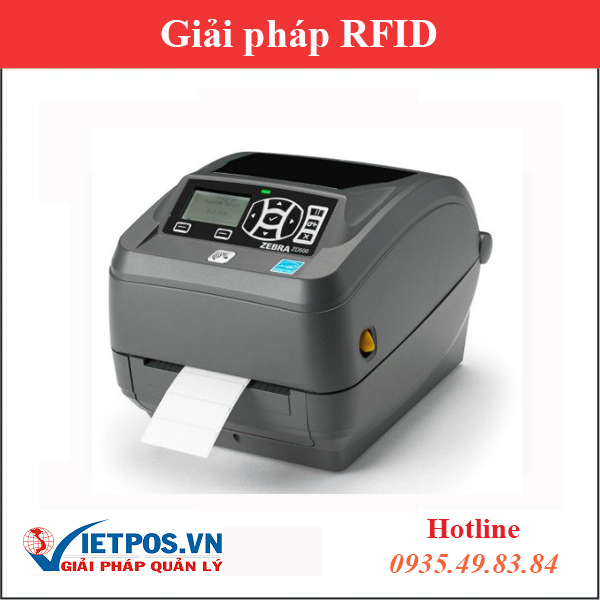
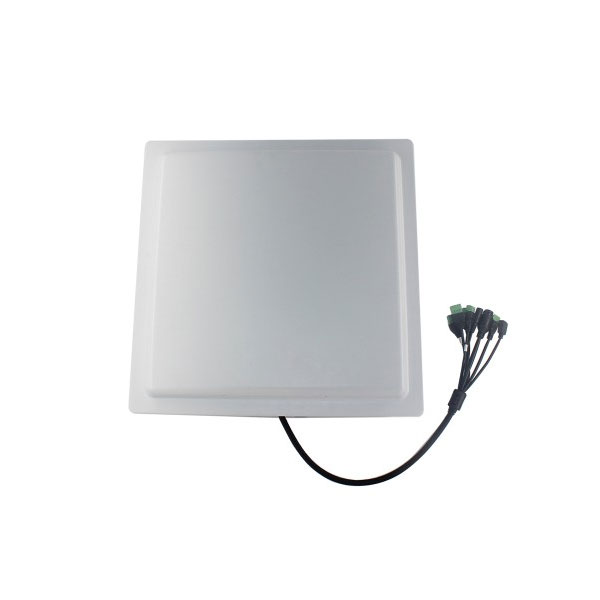
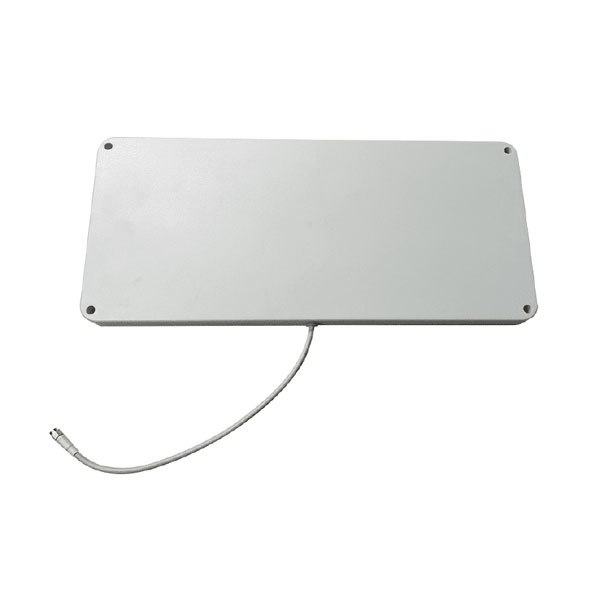
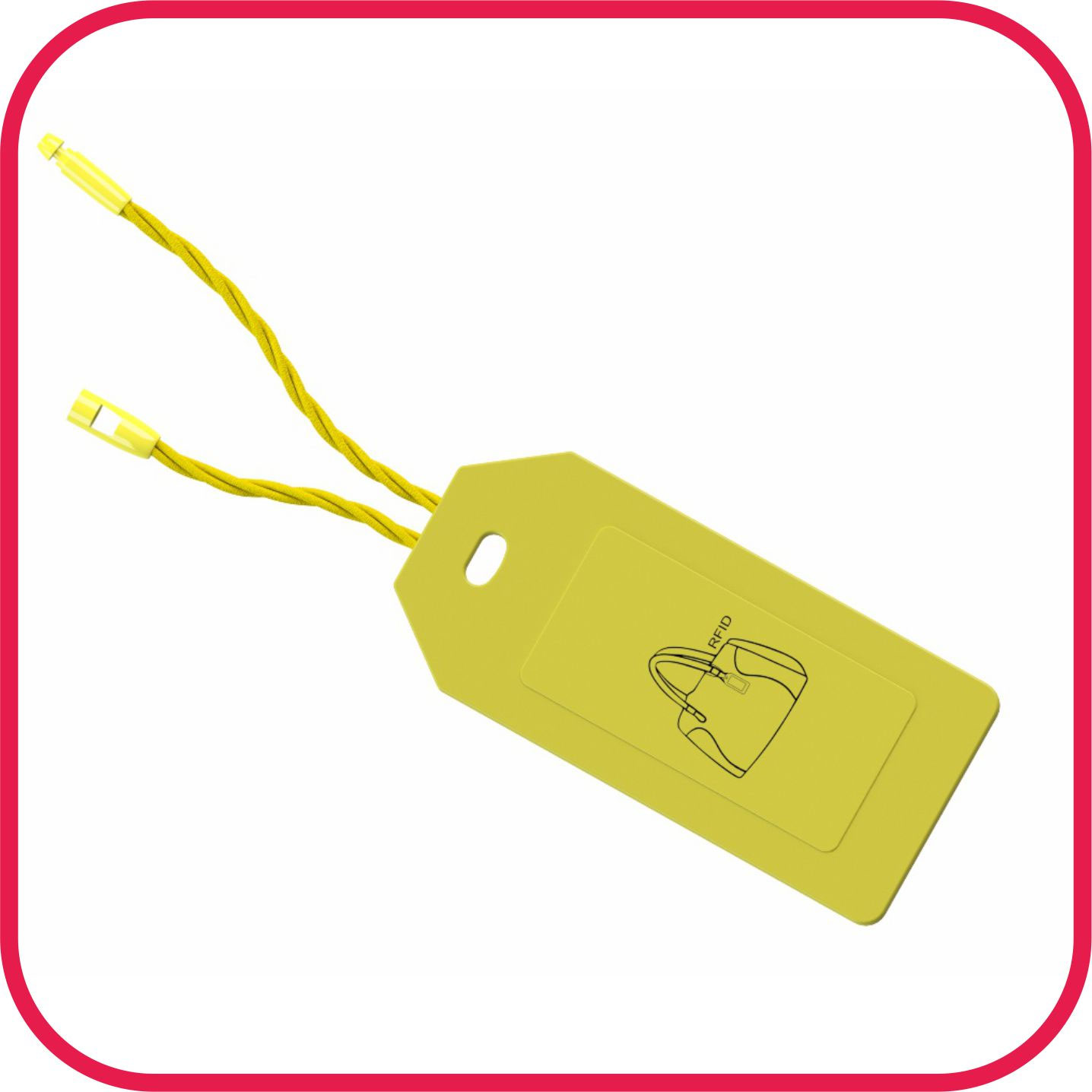
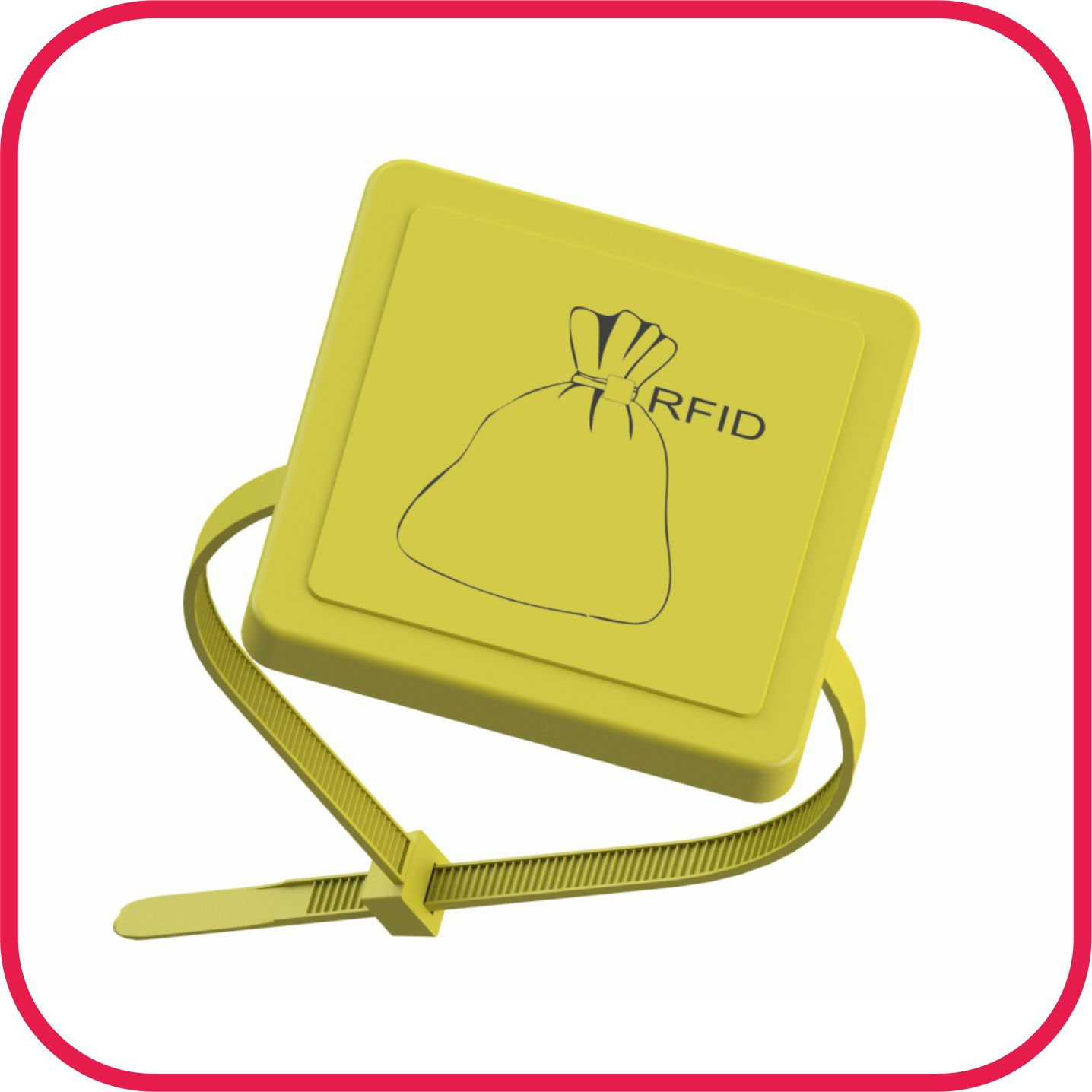
The library RFID system operates based on RFID tags attached to documents (typically UHF 918.4-923 MHz or HF 13.56 MHz tags), combined with security gates, self-service kiosks, and handheld readers. Data is synchronized with the library management software (ILS) in real time.
- Site survey: Assess collection size, infrastructure, current processes, and needs for each document category.
- Solution design: Select frequency, equipment, data structure, and installation layout suitable for the library architecture.
- RFID tagging: Attach tags to documents, encode unique IDs, and link to data in the ILS system.
- Infrastructure installation: Install security gates at entrances/exits, self-service kiosks, handheld readers, and network equipment.
- Software integration: Connect RFID devices to the library management software and test data flow.
- Staff training: Train librarians on daily operations and basic troubleshooting.
- Acceptance: Conduct comprehensive testing, verify technical specifications, and hand over.
What are the specific benefits of implementing library & archive RFID?

RFID reduces check-in/check-out time to under 20 seconds per transaction, shortens inventory from 2-4 weeks to 1-2 days for a collection of 10,000 documents, and increases data accuracy to over 99%. Document security is controlled 24/7 via RFID gates.
Automated check-in/check-out
Reduces processing time from 3-7 minutes to under 20 seconds per transaction with self-service kiosks, freeing staff for professional tasks.
Fast inventory
Handheld readers scan 300-500 documents per minute, shortening inventory from 2-4 weeks to 1-2 days for a collection of 10,000 titles.
24/7 security
RFID gates detect documents not properly checked out when passing through exits, reducing document loss.
High accuracy
Eliminates manual data entry errors; inventory data always reflects reality, supporting accurate reporting.
Better patron experience
Reduces wait times; patrons can self-check out/in, increasing satisfaction and library usage.
Usage data
Collects detailed data on usage frequency of each document, supporting decisions on adding or removing books.
Detailed 7-step library & archive RFID implementation process for public procurement projects
The standard implementation process for library RFID projects in Vietnam includes 7 steps: survey, design, tagging, installation, integration, training, and acceptance. Each step requires clear documentation and inspection criteria, especially important in the context of public procurement.
Step 1: Site survey and requirement gathering
The survey is the foundational step that determines project success. It is necessary to collect: the number of documents of various types (books, textbooks, theses, newspapers - magazines), physical facilities (storage area, entrance/exit locations, electrical - network systems), current operational processes, and the library management software (ILS) in use. For public procurement projects, the survey report must include a confirmation record between the consulting unit and the library.
Step 2: Solution design and technical specification
Based on the survey results, design a detailed solution including: frequency selection (UHF 918.4-923 MHz or HF 13.56 MHz), equipment list with technical specifications, data structure design (EPC encoding, AFI), installation layout, and integration plan with the ILS. For bidding projects, the technical specification must be detailed and clear to ensure at least 3 suppliers can meet the requirements.
Step 3: RFID tagging and data encoding
Tagging is the most labor-intensive step, accounting for 40-60% of total implementation time. The process includes: preparing documents (checking barcode/ID), printing and encoding tags, attaching tags to documents (usually on the back cover or inside the last page), and verifying data. For large collections, consider using high-speed RFID printers and a dedicated tagging team.
Step 4: Equipment installation and configuration
Install security gates at exits, self-service kiosks, handheld readers, and network infrastructure. Configure devices: set read power, antenna sensitivity, and test read range. Ensure equipment is installed in positions that do not interfere with each other and comply with safety regulations.
Step 5: Software integration and system testing
Integrate RFID devices with the ILS via SIP2 or NCIP protocols. Test the entire flow: check-in, check-out, security gate detection, inventory, and reporting. Conduct stress testing with a large number of documents to ensure system stability.
Step 6: Staff training and documentation
Train library staff on daily operations: using kiosks, handling errors, basic troubleshooting, and maintenance. Provide user manuals and video tutorials. For public projects, training should be conducted at least 2 sessions: basic and advanced.
Step 7: Acceptance and warranty
Conduct acceptance testing against the technical specifications in the contract: read range, read speed, accuracy, and system stability. Prepare acceptance records, handover documents, and warranty policies. For public procurement, require a warranty period of at least 12-24 months and support after acceptance.
RFID applications in school libraries
School libraries benefit from RFID by reducing queues during recess, enabling self-service check-out, and providing usage data to support book selection. RFID also helps reduce loss and simplifies annual inventory, saving staff time.
RFID applications in storage centers and document warehouses
In storage centers and document warehouses, RFID enables fast location of documents, automated check-in/out of files, and efficient inventory management. It is especially useful for archives with high-value documents requiring strict security.
Cost comparison table for library & archive RFID implementation by scale
The cost of implementing library & archive RFID depends on the scale of the collection and the level of automation. Below is a reference cost comparison table for different scales, excluding VAT and network infrastructure.
| Scale | Number of documents | Estimated cost (VND) | Included items |
|---|---|---|---|
| Small | ≤ 5,000 | 150 - 250 million | RFID tags, 1 security gate, 1 self-service kiosk, 1 handheld reader, software integration, tagging |
| Medium | 5,000 - 20,000 | 250 - 600 million | RFID tags, 2 security gates, 2 self-service kiosks, 2 handheld readers, software integration, tagging, training |
| Large | ≥ 20,000 | 600 million - 1.2 billion | RFID tags, multiple security gates, multiple kiosks, handheld readers, middleware, software integration, tagging, training, warranty |
Notes on RFID frequency and compliance in Vietnam
In Vietnam, UHF RFID must operate in the 918.4-923 MHz band with maximum power of 500mW ERP, as per Circular 08/2021. Equipment must be type-approved and comply with local regulations. HF 13.56 MHz is also allowed but has shorter read range.
Limitations to know when implementing library & archive RFID
RFID has limitations: higher cost than barcodes, potential interference from metal and liquids, and the need for staff training. Also, RFID tags can be damaged by bending or extreme conditions. It is important to choose quality tags and plan for maintenance.
Frequently asked questions about library & archive RFID implementation
What is the investment cost for library & archive RFID?
Cost depends on collection size and automation level. Small libraries (≤5,000 documents) cost about 150-250 million VND, medium (5,000-20,000) 250-600 million VND, large (≥20,000) from 600 million to 1.2 billion VND. Costs include RFID tags, security gates, self-service kiosks, handheld readers, software, and tagging. Prices exclude VAT and network infrastructure.
When should we invest in library & archive RFID?
Invest when manual check-in/out causes peak-hour congestion, manual inventory takes over 1 week for the entire collection, document loss is a concern, or the library needs to upgrade to a smart model. For collections under 2,000 documents, consider barcode solutions before investing in RFID.
Is library RFID compatible with existing library management software?
Most RFID devices support integration with common ILS software in Vietnam via API or middleware (SIP2, NCIP). Before implementation, identify the current software and ask the supplier to test compatibility. For bidding projects, the tender documents should clearly state integration requirements.
What is the average implementation time for library RFID?
Depending on scale, implementation takes 4-12 weeks. Small libraries (≤5,000 documents) take 2-4 weeks, medium (5,000-20,000) 4-8 weeks, large (≥20,000) 8-12 weeks. Tagging time accounts for 40-60% of total time. Public procurement projects need an additional 2-4 weeks for acceptance, testing, and training.
How does RFID compare to barcode in libraries?
RFID excels in 4 areas: reading multiple tags simultaneously, 5-10 times faster inventory, security gates detecting unchecked documents, and no need for line-of-sight reading. However, cost is 3-5 times higher. Libraries with under 2,000 documents can use barcodes first. Large collections and high automation needs should choose RFID.
Does RFID affect books and long-term stored documents?
Passive RFID tags have no battery and do not emit signals; they only respond when receiving signals from readers, so they do not damage documents. Use specialized library tags with durable adhesive that withstands temperature and humidity. For long-term storage, periodically check tag condition.
What is the warranty for library RFID equipment?
RFID equipment (security gates, kiosks, readers) typically has a 12-24 month warranty depending on the supplier. RFID tags have a lifespan of 5-10 years. Contracts should specify warranty periods for each device, remote support policies, response times, and post-warranty maintenance costs. Public procurement projects should require 3-6 months of support after acceptance.
Cần tư vấn thiết bị/giải pháp cụ thể?
Việt POS phản hồi trong 30 phút · Hotline 4 vùng · Khảo sát miễn phí.
