Mục lục bài viết (5)
RFID production batch traceability is a system that uses radio waves to automatically record and track information for each batch through stages: raw material intake, production, packaging, and warehouse dispatch. In Vietnam, this technology is being widely deployed in food, pharmaceutical, electronics, and textile factories to meet transparency requirements from partners and quality management regulations.
Implementing RFID production batch traceability involves 7 steps: site survey, data flow design, selecting compliant UHF tags/readers (918.4–923 MHz), ERP integration, pilot run, staff training, and scaling. Costs depend on scale; testing on metal/liquids is necessary to avoid signal interference.
Table of Contents
- Problems manufacturers face with manual traceability
- How does RFID production batch traceability work?
- Specific benefits of applying RFID traceability
- Step 1: Survey current state and define traceability scope
- Step 2: Design data flow and EPC code structure
- Step 3: Select suitable RFID tags and readers
- Step 4: Integrate middleware with ERP
- Step 5: Run pilot and calibrate
- Step 6: Train staff and standardize processes
- Step 7: Scale up and continuously optimize
- Applications in typical manufacturing industries
- FAQ about implementing RFID production batch traceability
- Related articles
Problems manufacturers face with manual traceability
Problems manufacturers face with manual traceability Manual notebook recording or Excel data entry makes batch tracking take 2-4 hours, with 3-5% errors, and fails to meet fast response requirements from customers. When quality issues occur, businesses cannot precisely determine the affected scope for timely product recall.

Manual notebook recording or Excel data entry makes batch tracking take 2-4 hours, with 3-5% errors, and fails to meet fast response requirements from customers. When quality issues occur, businesses cannot precisely determine the affected scope for timely product recall.
⚠ Typical bottlenecks:
- 2-4 hours lost searching for batch information across stacks of notebooks or scattered Excel files.
- 3-5% errors from manual entry of batch codes, quantities, production dates — errors propagate down the entire chain.
- Cannot precisely identify which raw material batch was used for which product when safety alerts occur.
- Workers busy with recording instead of focusing on production operations.
- Difficult to scale when adding new lines or factories, data becomes more fragmented.
How does RFID production batch traceability work?
Related Products
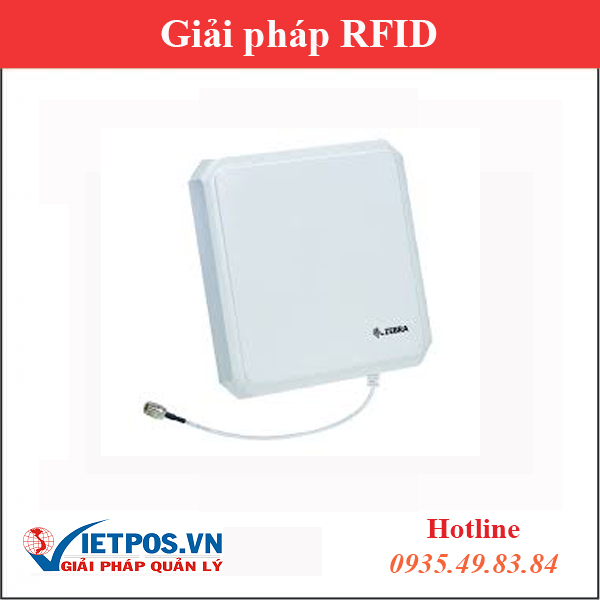
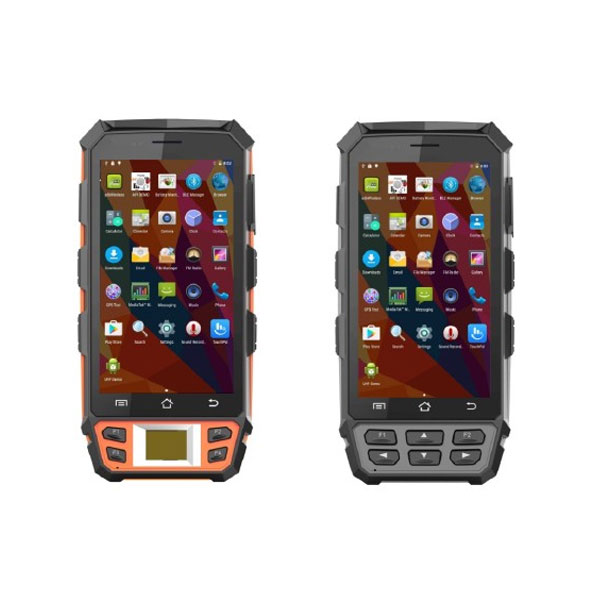
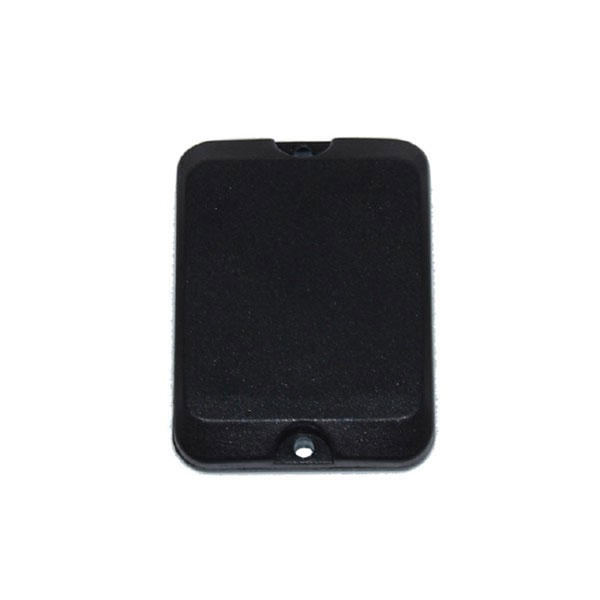
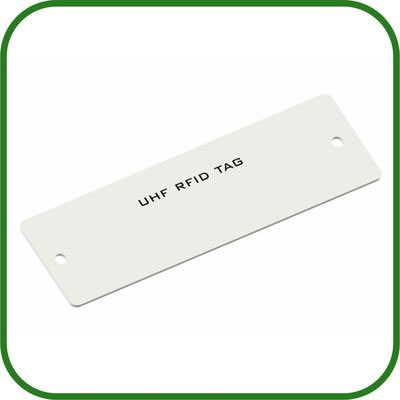
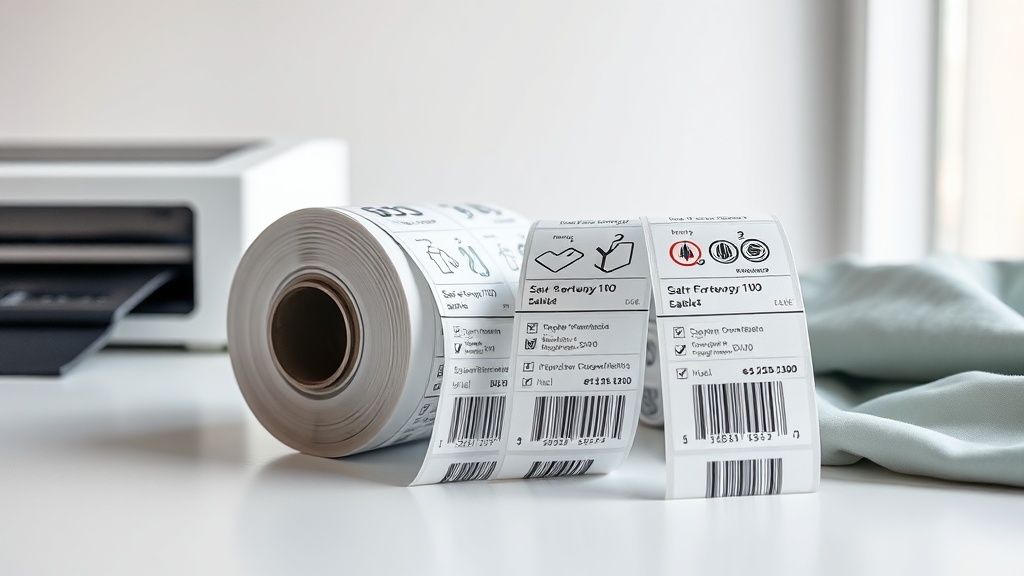
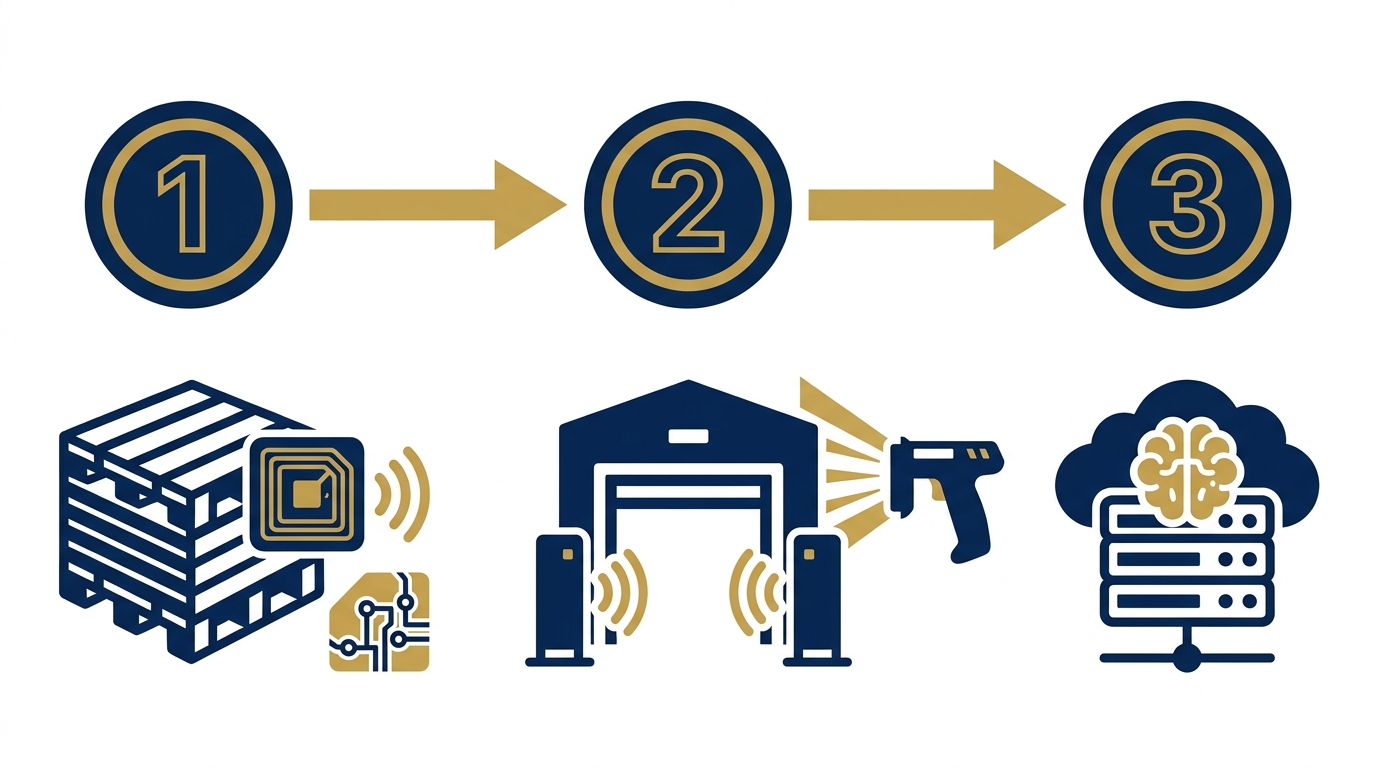
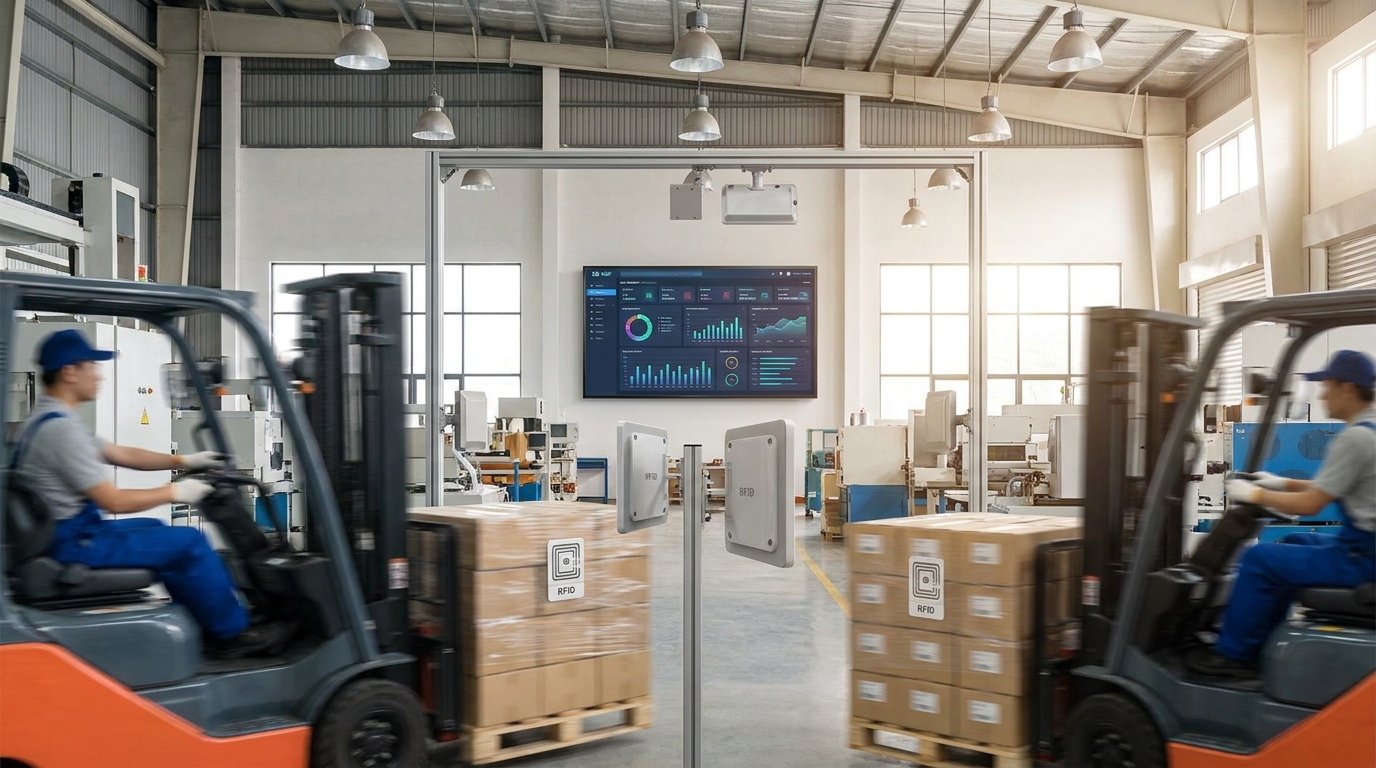
The system consists of RFID tags attached to pallets/cartons, fixed or handheld readers, and management software connected to ERP. Each tag contains a unique EPC identifier; when passing through read points at each stage, data is automatically recorded with location, time, and status without scanning each barcode.
- Attach RFID tags to pallets/raw material cartons upon warehouse entry, recording supplier batch codes.
- Install fixed read points at transition points: warehouse gates, line start, line end, packaging area.
- Data automatically recorded when pallets pass through gates — the system knows which batch passed which stage and when.
- Software reconciles information with production orders, product codes, quantities, timestamps — syncing to ERP.
- Trace backward/forward in just 15-30 seconds: enter batch code to get the full product journey.
Specific benefits of applying RFID traceability
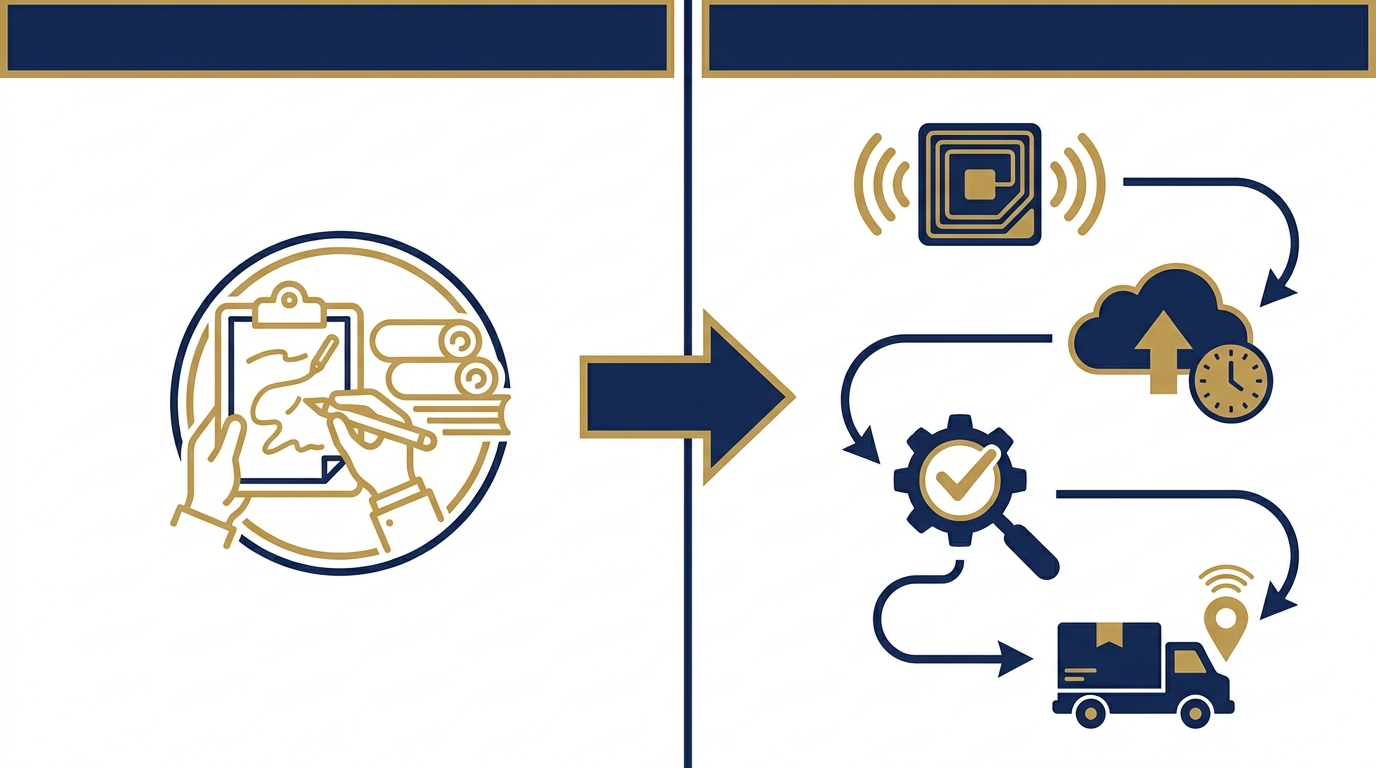
Compared to manual recording, RFID cuts trace time from hours to under 1 minute, eliminates data entry errors, and provides real-time data for management. Businesses become more proactive in incident handling and meeting partner audit requirements.
Identify batch journey in 15-30 seconds instead of 2-4 hours manually.
Eliminates manual entry errors; read rates reach 95-99% with proper configuration.
Management knows which batch is at which stage immediately, no end-of-day reports needed.
When alerts occur, precisely identify affected batches for targeted recall, minimizing losses.
Provide transparent traceability reports, enhancing credibility in bidding or export.
Shared architecture for multiple plants, easy to add stages or integrate IoT.
Step 1: Survey current state and define traceability scope
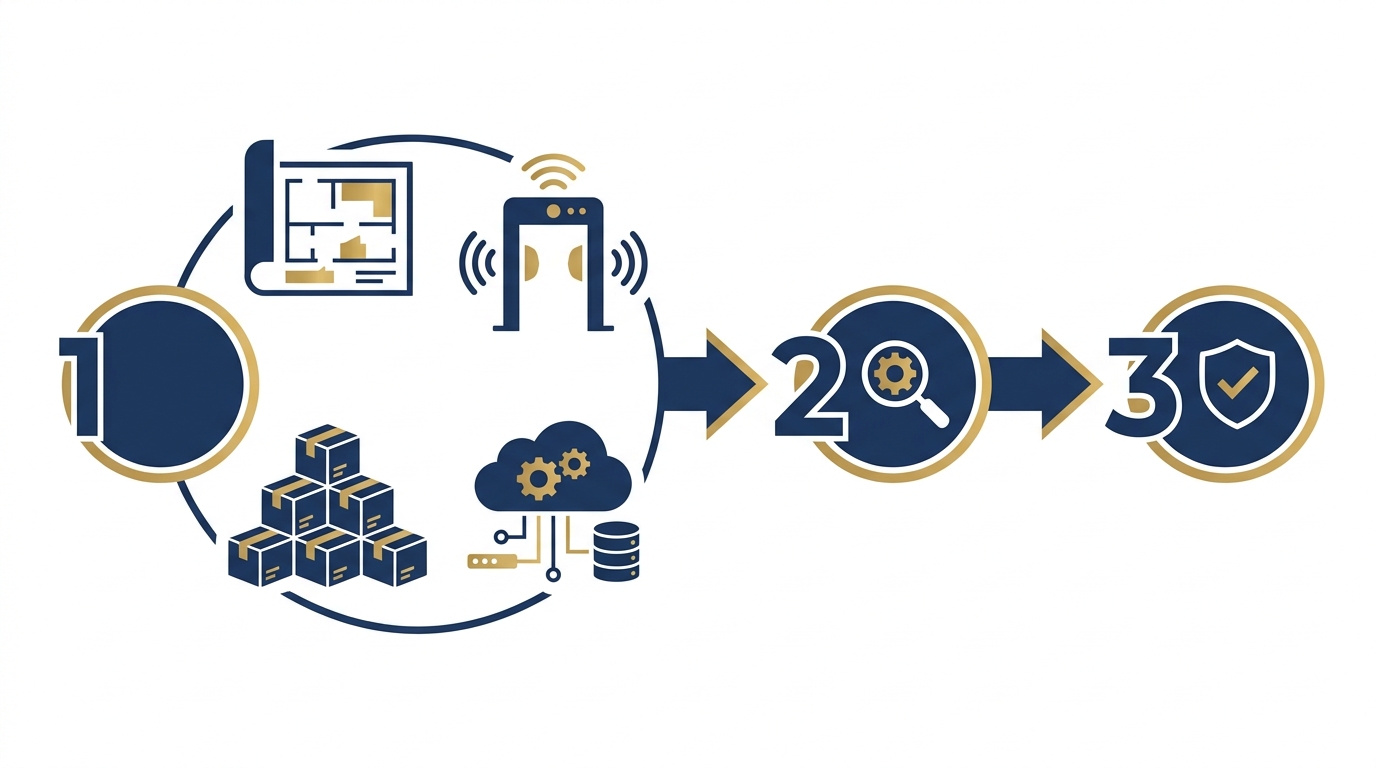
Before purchasing equipment, businesses need to map the entire production process, identify the start and end points of each batch, and the stages requiring information recording. This helps select the number of read points and appropriate tag types, avoiding waste.
The survey must answer 4 questions: (1) At what level is a batch defined — pallet, carton, or individual product? (2) How many transition points need recording? (3) Does the working environment contain metal, liquids, or high temperatures? (4) Does the current ERP have an API ready to receive data? Survey results form the basis for solution design and cost estimation.
Current state survey checklist
- List at least 5 main stages from warehouse intake to dispatch.
- Identify packaging materials: cartons, plastic pallets, wooden pallets, or metal racks.
- Measure distances between read points and conveyor speed.
- Note sources of signal interference: motors, welding machines, industrial Wi-Fi equipment.
- Check API access rights of ERP/ production management software.
Step 2: Design data flow and EPC code structure
Cần tư vấn thiết bị/giải pháp cụ thể?
Việt POS phản hồi trong 30 phút · Hotline 4 vùng · Khảo sát miễn phí.
