Mục lục bài viết (4)
RFID WIP tracking by process stage is a solution that applies radio frequency identification (UHF) technology to automatically record the location and status of work-in-progress items as they move through production stages. In Vietnam, garment, mechanical, and electronics factories are deploying this technology to replace manual recording, reduce inventory discrepancies, and control progress in real time.
You should invest in RFID WIP tracking by process stage when your factory has a WIP inventory discrepancy rate above 5%, time spent searching for work-in-progress items over 30 minutes per shift, or manual recording causing data delays. ROI is calculated by dividing total benefits from labor savings, reduced inventory discrepancies, and increased productivity by investment costs. Expected payback period is 18-30 months with costs of 250-800 million VND depending on scale.
Table of Contents
- What is RFID WIP tracking by process stage?
- 5 signs your factory needs to transition to RFID WIP tracking?
- How to calculate ROI for RFID WIP tracking by process stage?
- What is the investment cost for RFID WIP tracking by process stage in 2026?
- How does RFID WIP tracking by process stage work?
- Comparison of manual WIP tracking and RFID?
- Common mistakes when investing in RFID WIP tracking?
- Summary table of key terms?
- Frequently Asked Questions
What is RFID WIP tracking by process stage?
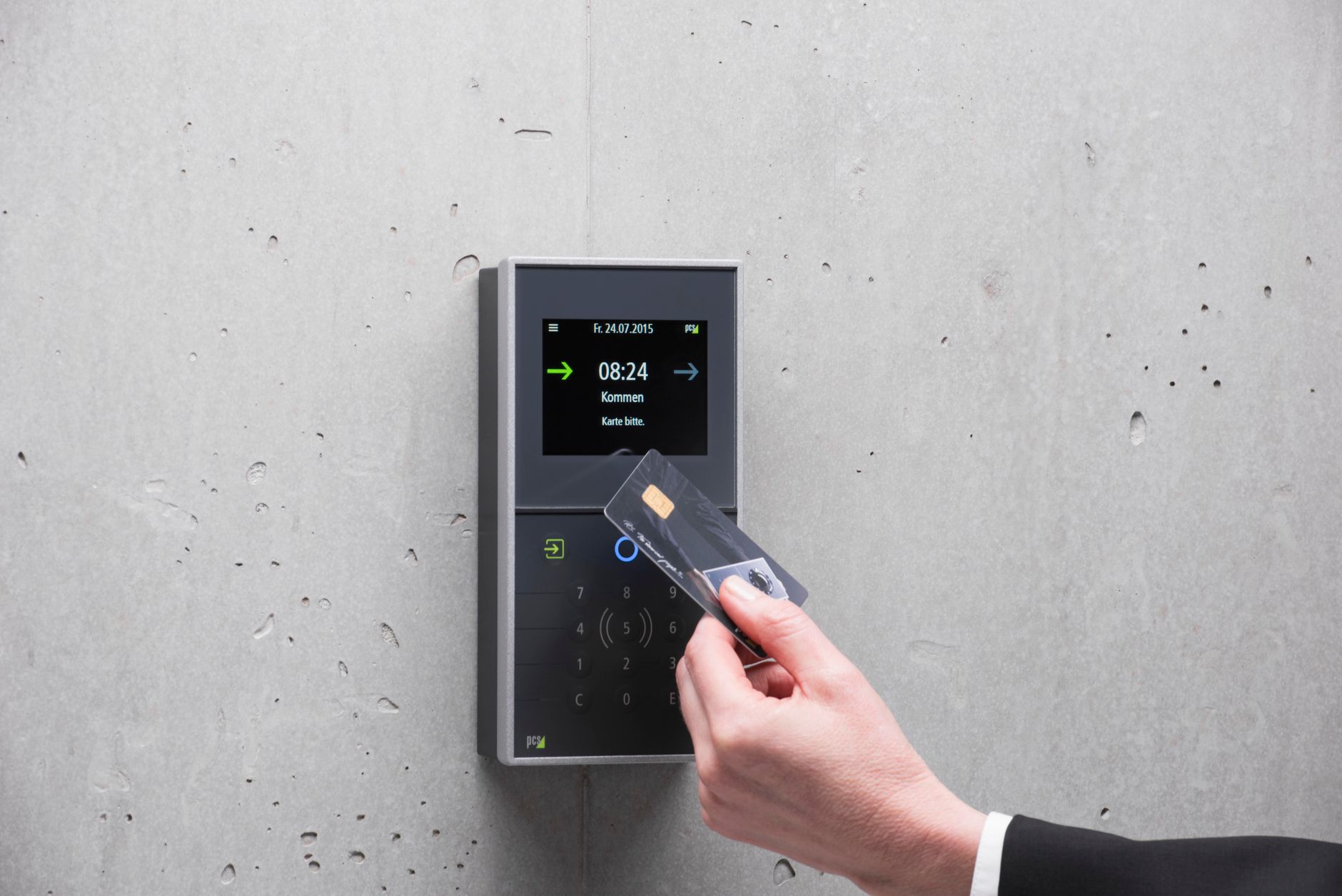
RFID WIP (Work-In-Progress) tracking by process stage is a system that uses RFID tags attached to pallets, trays, or individual products to automatically record the time when work-in-progress items enter and exit each stage. Data is collected via RFID portals or handheld readers and synchronized to production management software in real time.
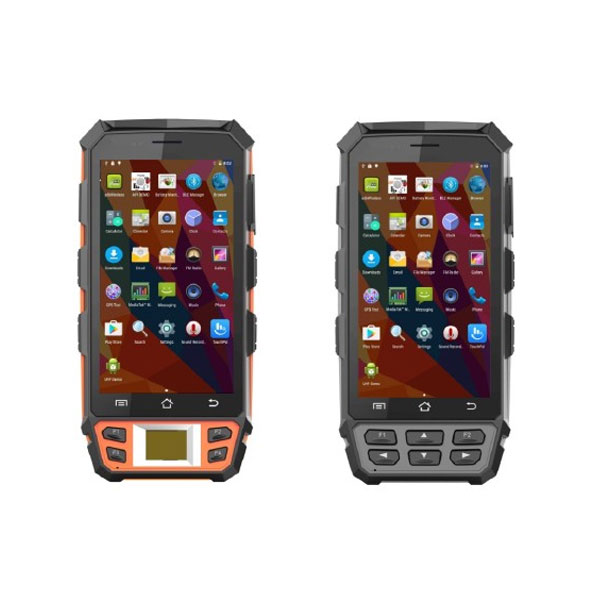
The system consists of three main components: UHF RFID tags attached to work-in-progress items, fixed or handheld readers placed at process stations, and data management software. When a pallet passes through an RFID portal, the system automatically records product code, time, and location without manual intervention. The key difference from barcodes is the ability to read multiple items at distances of 3-8 meters without requiring line-of-sight scanning.
5 signs your factory needs to transition to RFID WIP tracking?
Related Products



Your factory should consider investing in RFID WIP tracking when experiencing at least 2 of the following 5 signs: WIP inventory discrepancy rate above 5%, time spent searching for work-in-progress items over 30 minutes per shift, data recording delayed 4-8 hours compared to actual conditions, difficulty tracing quality defect origins, and low productivity due to waiting time between stages.
- WIP inventory data discrepancy above 5%: End-of-month inventory checks reveal significant differences between records and actual counts, causing difficulties in production planning and raw material purchasing.
- Time spent searching for work-in-progress items over 30 minutes per shift: Workers or supervisors spend time locating the position of in-progress batches between stages, disrupting production flow.
- Manual recording delayed 4-8 hours: Data on paper or Excel is re-entered after the shift ends, not reflecting current production status.
- Difficulty tracing quality defect origins: When defective products are found, the exact stage and time of occurrence cannot be identified for thorough corrective action.
- Low productivity due to waiting: Stages must wait for each other because the location of work-in-progress items is unknown, leading to wasted time and labor.
How to calculate ROI for RFID WIP tracking by process stage?
ROI = (Total annual benefits - Annual operating costs) / Initial investment cost × 100%. Benefits include labor savings from recording, reduced inventory discrepancies, increased productivity from reduced waiting time, and lower quality defect handling costs. Initial investment costs include RFID tags, readers, software, and deployment.
Specific ROI formula for a process-stage manufacturing factory:
- Determine initial investment costs: Includes UHF RFID tags (3,000-8,000 VND/tag depending on quantity), fixed readers at process portals (15-40 million VND/portal), handheld readers (20-50 million VND/device), management software (50-150 million VND), and integration deployment costs.
- Calculate labor savings benefits: Number of manual recording labor hours per day × labor rate × working days. Example: 2 workers × 2 hours/shift × 50,000 VND/hour × 26 days = 5.2 million VND/month.
- Calculate benefits from reduced inventory discrepancies: Average WIP inventory value × current discrepancy rate × expected discrepancy reduction rate (typically 60-80%).
- Calculate benefits from increased productivity: Reduced waiting hours per shift × average productivity × number of shifts.
- Calculate payback period: Initial investment cost / (Annual benefits - Annual operating costs).
Example: A garment factory with 200 workers invests 500 million VND in an RFID WIP tracking system. Estimated annual benefits of 250-350 million VND from labor savings, reduced inventory discrepancies, and increased productivity. Payback period is approximately 18-24 months.
What is the investment cost for RFID WIP tracking by process stage in 2026?
What is the investment cost for RFID WIP tracking by process stage in 2026?
The investment cost for RFID WIP tracking by process stage in 2026 ranges from 250-800 million VND depending on factory scale and number of stages. Costs include RFID tags (from 3,000 VND/tag), fixed readers at portals (15-40 million VND/portal), handheld readers (20-50 million VND), management software (50-150 million VND), and ERP/MES integration costs.
| Item | Small segment (50-100 workers) | Medium segment (100-300 workers) | Large segment (300+ workers) |
|---|---|---|---|
| UHF RFID tags | 15-30 million VND | 30-80 million VND | 80-200 million VND |
| Fixed readers (4-8 portals) | 60-120 million VND | 120-240 million VND | 240-400 million VND |
| Handheld readers (2-5 devices) | 40-100 million VND | 100-250 million VND | 250-500 million VND |
| Software + deployment | 50-100 million VND | 100-200 million VND | 200-400 million VND |
| Total cost | 165-350 million VND | 350-7 |
Cần tư vấn thiết bị/giải pháp cụ thể?
Việt POS phản hồi trong 30 phút · Hotline 4 vùng · Khảo sát miễn phí.
