Mục lục bài viết (10)
- What are the 5 signs that a business needs to invest in RFID production batch traceability immediately?
- What cost items are included in the investment for RFID production batch traceability?
- How to calculate the 6-month ROI for RFID traceability?
- Case study: Product recall saving 2 billion VND thanks to RFID production batch traceability
- Manual vs. RFID traceability: How big is the productivity difference?
- RFID traceability technology limitations: Metal, liquids, and operational errors
- Vietnam's compliant RFID frequency: 918.4–923 MHz per Circular 08/2021
- 6-month RFID production batch traceability implementation roadmap: 5 practical steps
- When should you invest in RFID production batch traceability? Decision formula
- Frequently Asked Questions
RFID production batch traceability is a system that uses radio waves to record and track the entire lifecycle of a batch — from incoming raw materials, through each production stage, to warehouse dispatch. In Vietnam, this technology is being widely deployed in food, pharmaceutical, electronics, and consumer goods manufacturing plants to meet traceability compliance requirements and optimize operational costs.
Invest in RFID production batch traceability when inventory discrepancies exceed 10%, product recall time exceeds 3 days, or the business faces traceability compliance requirements. A 6-month ROI is achieved when total labor costs for inventory counting, inventory discrepancies, and recall risks exceed the investment cost of equipment, RFID tags, and software.
Table of Contents
- What are the 5 signs that a business needs to invest in RFID production batch traceability immediately?
- What cost items are included in the investment for RFID production batch traceability?
- How to calculate the 6-month ROI for RFID traceability?
- Case study: Product recall saving 2 billion VND thanks to RFID production batch traceability
- Manual vs. RFID traceability: How big is the productivity difference?
- RFID traceability technology limitations: Metal, liquids, and operational errors
- Vietnam's compliant RFID frequency: 918.4–923 MHz per Circular 08/2021
- 6-month RFID production batch traceability implementation roadmap: 5 practical steps
- When should you invest in RFID production batch traceability? Decision formula
- Frequently Asked Questions
What are the 5 signs that a business needs to invest in RFID production batch traceability immediately?
What are the 5 signs that a business needs to invest in RFID production batch traceability immediately?
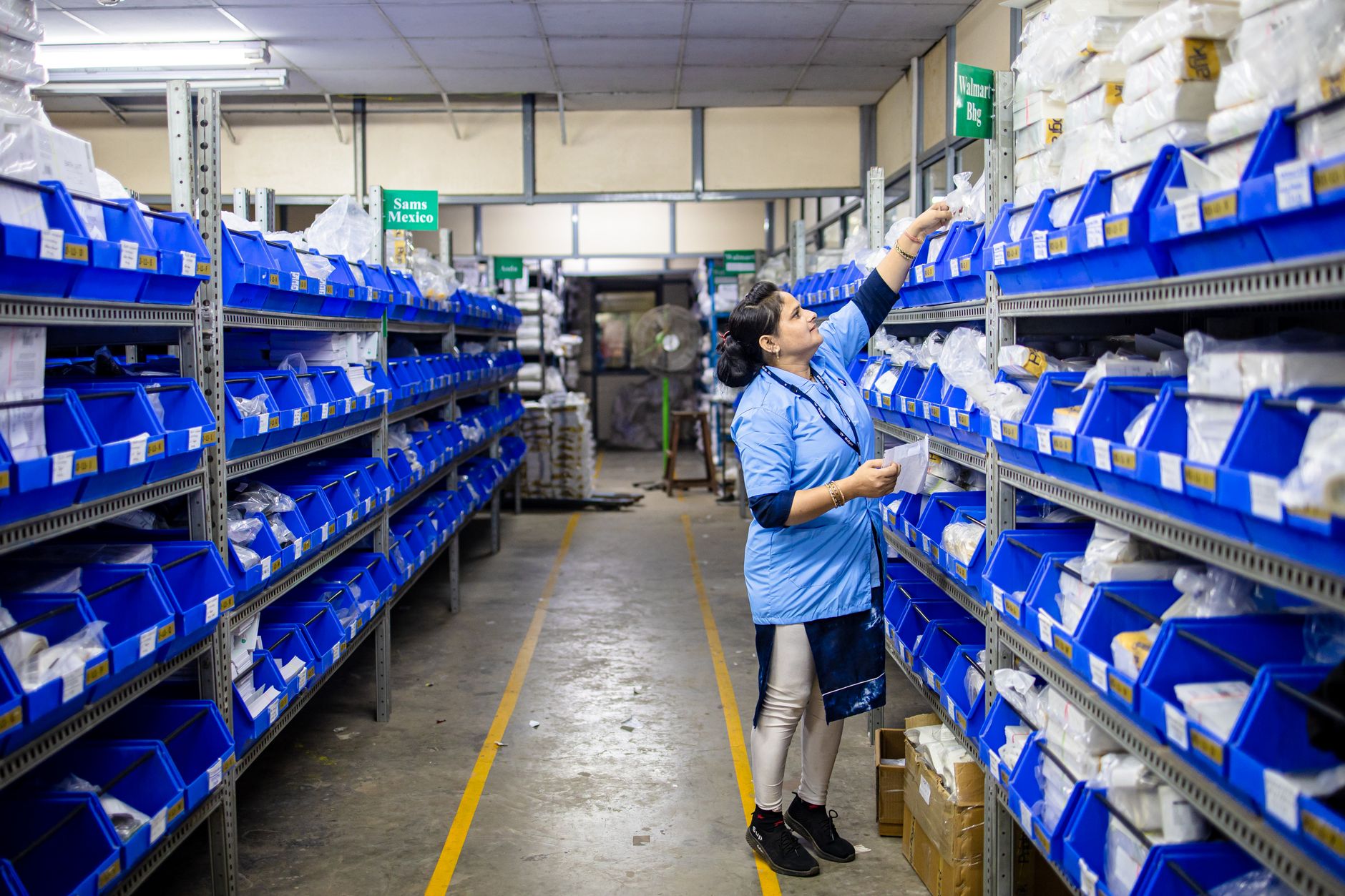
Five clear signs: (1) inventory discrepancies over 10% between records and actual stock, (2) product recall time dragging on for 5-7 days, (3) failure to meet traceability compliance requirements from partners or regulatory authorities, (4) labor costs for inventory counting exceeding 2% of revenue, (5) loss of traceability data when batches are returned.
When any of these five signs appear, hidden costs have already begun eating into profit margins. Manufacturing businesses in Vietnam typically detect the problem through periodic inventory discrepancies or when regulatory authorities request unscheduled traceability reports. RFID production batch traceability helps shift from manual control to automation, reducing inventory counting time from days to hours.
What cost items are included in the investment for RFID production batch traceability?
Related Products

What cost items are included in the investment for RFID production batch traceability?
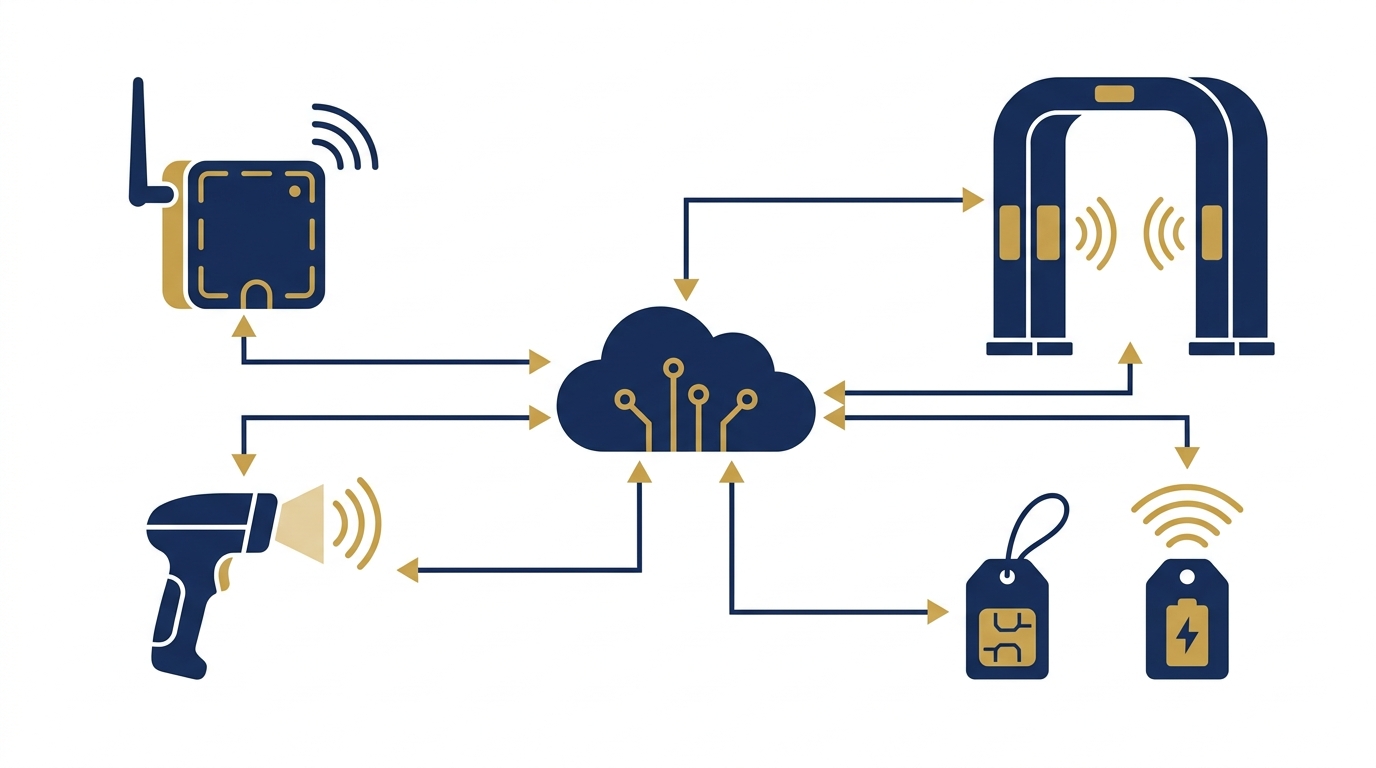
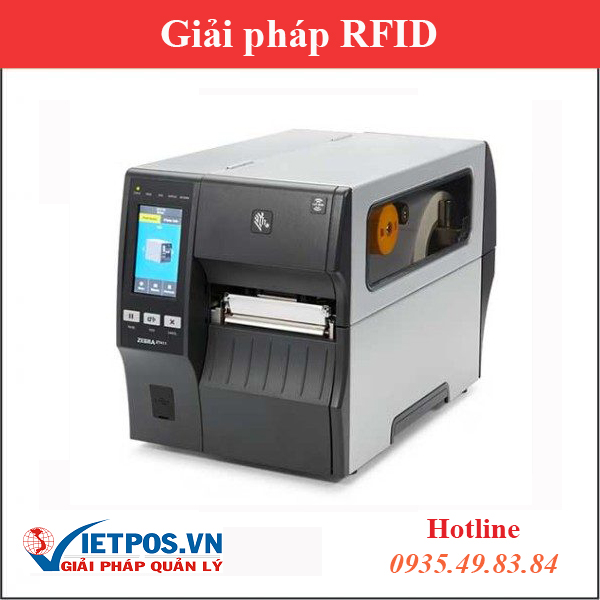
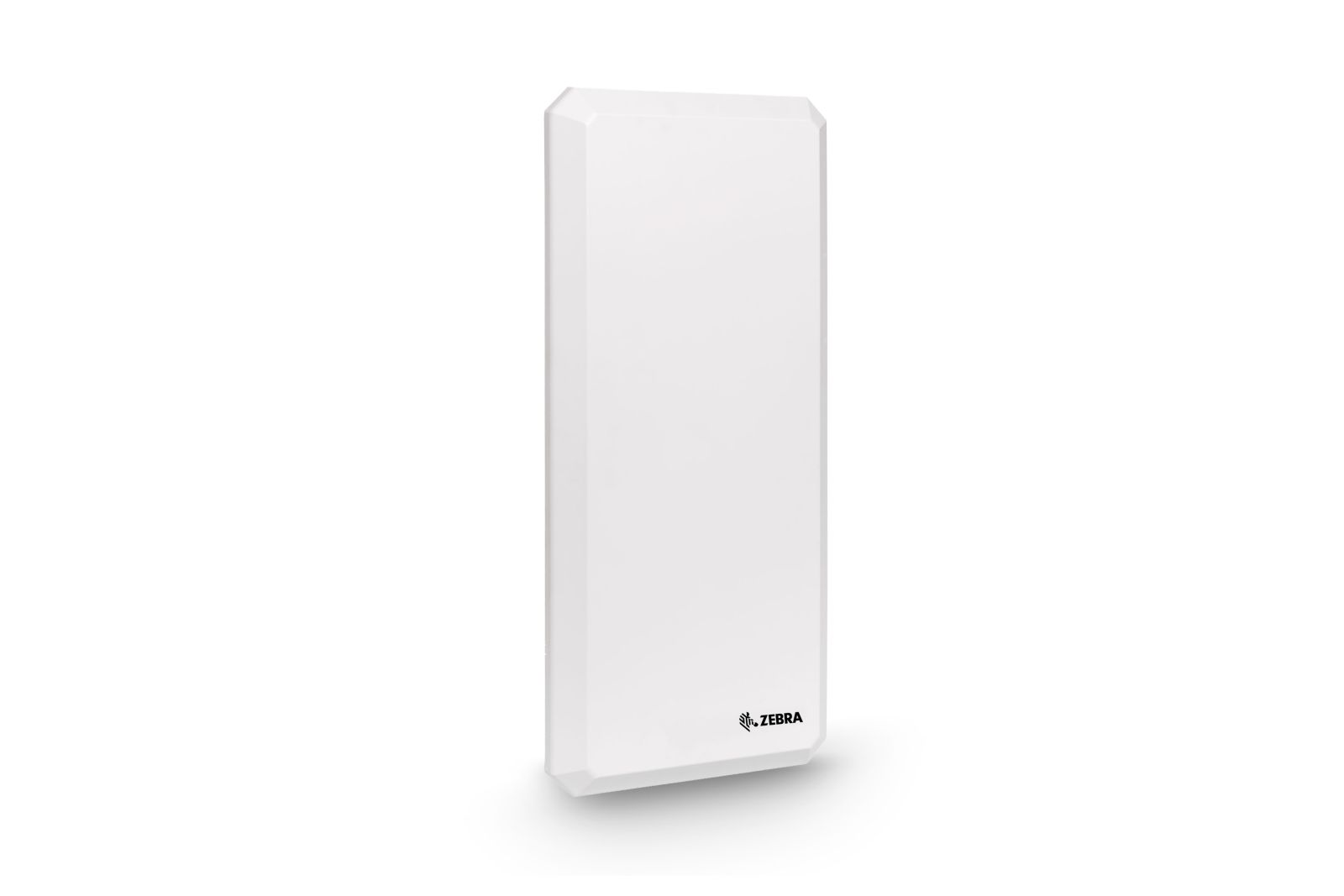
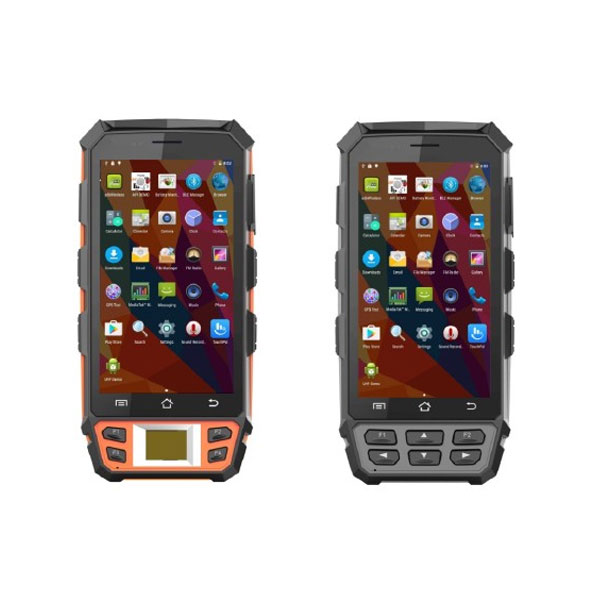
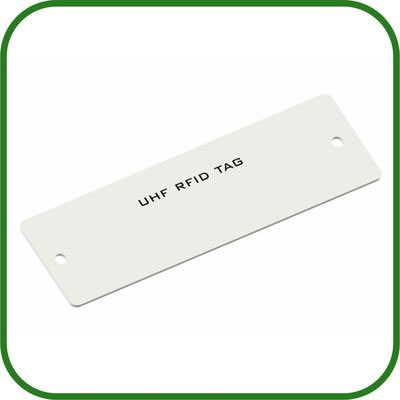
The investment cost includes 5 main items: reading equipment (fixed readers, handheld readers, RFID portals), RFID tags (passive or active), traceability management software, ERP/WMS integration costs, and implementation and training costs. For medium scale, total investment ranges from 200-800 million VND depending on the number of reading points and tag quantity.
Detailed cost structure for a medium-sized manufacturing business (200-500 SKUs):
- Reading equipment: Fixed UHF readers installed at warehouse gates or conveyor belts, handheld readers for inventory counting — accounting for 40-50% of total cost.
- RFID tags: Passive UHF tags priced at 2,000-8,000 VND/tag depending on type, quantity depends on batch turnover.
- Software: Traceability management system, integrating production data — accounting for 20-30% of cost.
- ERP/WMS integration: Connecting RFID data with existing systems, cost varies by complexity.
- Implementation & training: Installation, configuration, and training of operational staff.
Compared to annual manual inventory labor costs and inventory discrepancy risks, this investment level typically breaks even within 6-12 months if the business has high inventory turnover.
How to calculate the 6-month ROI for RFID traceability?
How to calculate the 6-month ROI for RFID traceability?
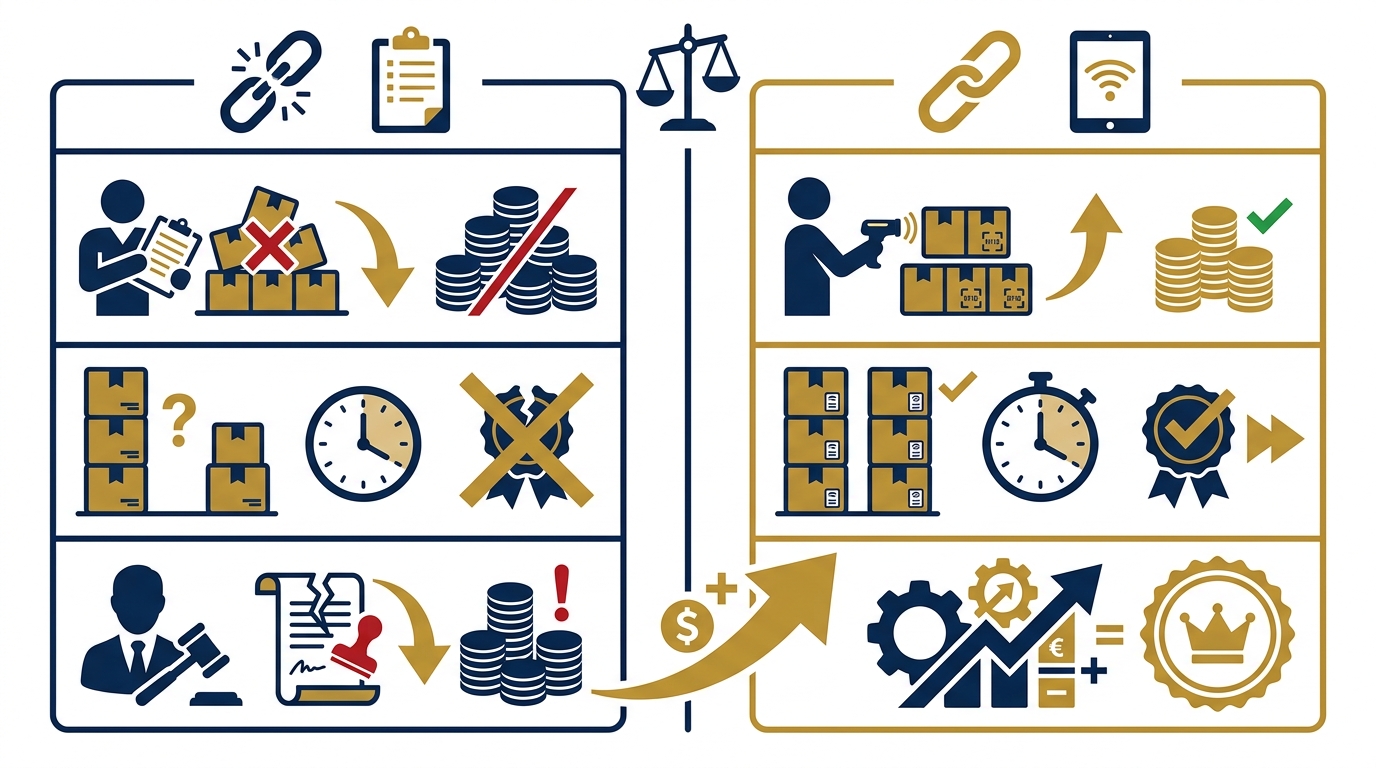
ROI formula = (Total 6-month benefits - Total investment cost) / Total investment cost × 100%. Benefits include: labor cost savings from inventory counting, reduced inventory discrepancies, reduced product recall time, and avoided compliance violation costs.
Example of a medium-sized food manufacturing business:
| Item | Manual cost (6 months) | Cost with RFID (6 months) | Savings |
|---|---|---|---|
| Inventory labor | 180 million VND | 45 million VND | 135 million VND |
| Inventory discrepancy (shrinkage) | 250 million VND | 80 million VND | 170 million VND |
| Product recall | 200 million VND (1 batch, 5 days) | 40 million VND (1 batch, 1 day) | 160 million VND |
| Compliance costs | 50 million VND (fines/audits) | 10 million VND | 40 million VND |
| Total | 680 million VND | 175 million VND | 505 million VND |
With a total investment of 400 million VND, 6-month ROI = (505 - 400)/400 × 100% = 26.25%. From month 7 onward, the entire annual savings of 505 million VND is additional profit. This formula can be adjusted according to specific scale and industry.
Case study: Product recall saving 2 billion VND thanks to RFID production batch traceability
Case study: Product recall saving 2 billion VND thanks to RFID production batch traceability La Me Food Company (300 employees) detected a raw material defect in one production batch.
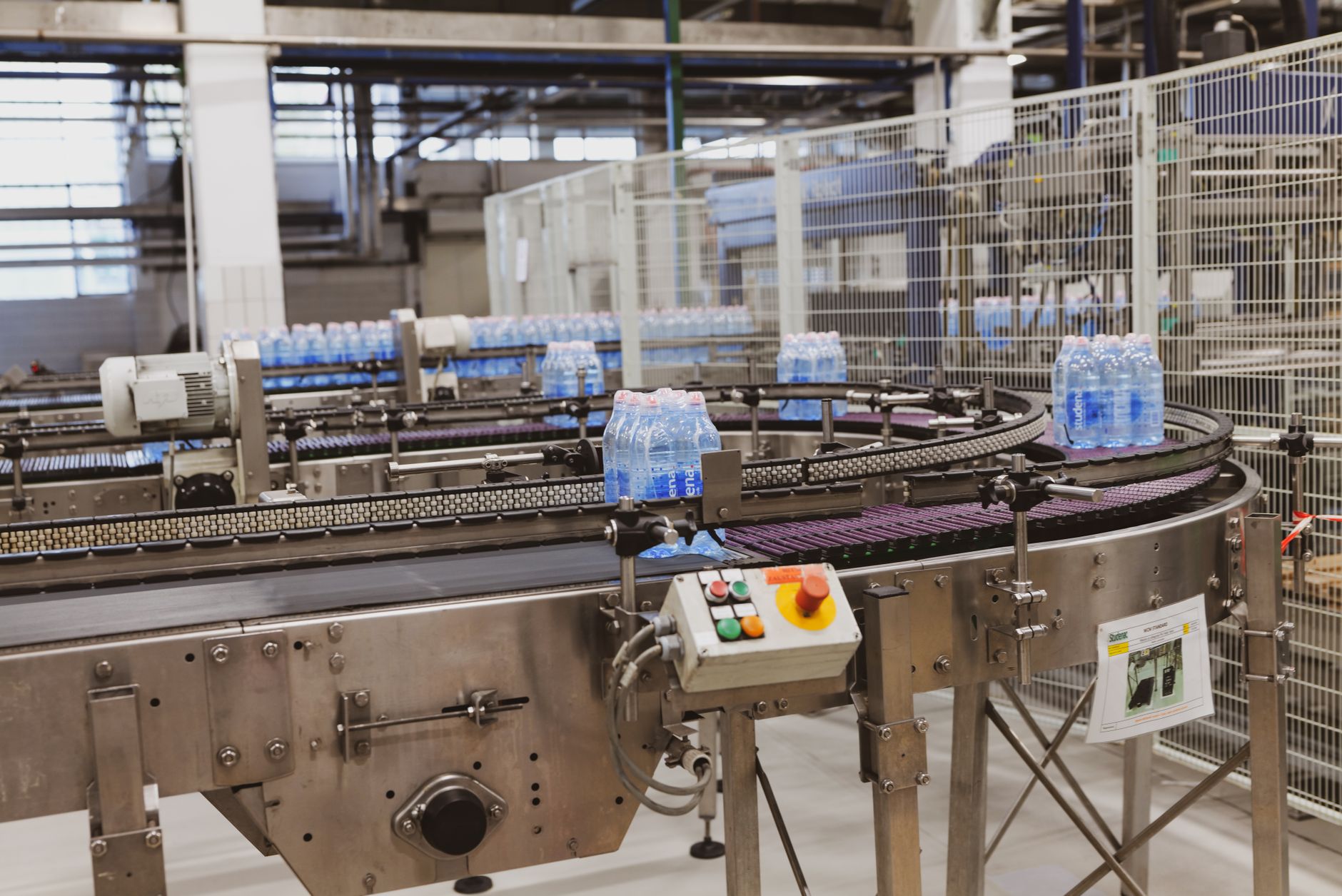
La Me Food Company (300 employees) detected a raw material defect in one production batch. With the RFID production batch traceability system, the company precisely identified 1,200 affected products within 45 minutes and completed the recall in 1 day, saving 2 billion VND compared to recalling all 50,000 products.
Before implementing RFID, La Me took 5-7 days to search through paper records and Excel data, forcing them to recall all products in the affected period. After implementing RFID, the system automatically recorded batch codes, production times, and warehouse locations. When the defect was detected, the system queried the exact batch, identified affected pallets, and generated a recall list in under an hour. The recall was completed within 24 hours, minimizing brand damage and regulatory penalties.
Manual vs. RFID traceability: How big is the productivity difference?
Manual vs. RFID traceability: How big is the productivity difference?
The productivity difference is significant: manual inventory counting takes 3-5 days for 10,000 SKUs, while RFID takes 2-4 hours. Manual data entry has an error rate of 1-3%, while RFID reading accuracy reaches 98-99%. Manual traceability queries take hours to days, while RFID queries return results in seconds.
Detailed comparison table:
| Criteria | Manual | RFID |
|---|---|---|
| Inventory counting time (10,000 SKUs) | 3-5 days | 2-4 hours |
| Data entry error rate | 1-3% | 0.1-0.5% |
| Traceability query time | Hours to days | Seconds |
| Recall scope | Entire batch or period | Exact affected products |
| Labor cost per inventory count | 30-50 million VND | 5-10 million VND |
| Data loss risk | High (paper/Excel) | Low (centralized database) |
For a medium-sized business, switching from manual to RFID reduces traceability-related labor by 70-80% and eliminates most data entry errors. The productivity gain directly translates into lower operating costs and faster response times for recalls or audits.
RFID traceability technology limitations: Metal, liquids, and operational errors
RFID traceability technology limitations: Metal, liquids, and operational errors
RFID has three main limitations: (1) metal surfaces reflect radio waves, reducing read range by 50-80%, (2) liquids absorb RF energy, causing read failures, and (3) operational errors such as mis-tagging or unread tags can break the traceability chain. These require careful tag selection and placement.
For metal or liquid products, specialized tags are required: on-metal tags with a foam spacer or ferrite layer, and liquid-resistant tags designed for high-dielectric environments. These tags cost 3-5 times more than standard tags. Additionally, staff must be trained to verify tag reads at each checkpoint to prevent data gaps. Despite these limitations, with proper design, RFID traceability still delivers significant value in most manufacturing environments.
Vietnam's compliant RFID frequency: 918.4–923 MHz per Circular 08/2021
Vietnam's compliant RFID frequency: 918.4–923 MHz per Circular 08/2021
Vietnam's Ministry of Information and Communications regulates RFID UHF frequency band at 918.4-923 MHz, as specified in Circular 08/2021/TT-BTTTT. This aligns with the Asia-Pacific region's UHF RFID band, allowing the use of standard UHF RFID equipment from major vendors.
When purchasing RFID equipment for Vietnam, ensure the devices support the 918-923 MHz frequency range. Most global UHF RFID readers and tags operate in the 860-960 MHz range and can be configured to Vietnam's band. However, some imported devices may be locked to other regional frequencies (e.g., EU 865-868 MHz or US 902-928 MHz). Verify frequency compatibility before purchase to avoid compliance issues and operational failures.
6-month RFID production batch traceability implementation roadmap: 5 practical steps
6-month RFID production batch traceability implementation roadmap: 5 practical steps
A 6-month implementation roadmap includes 5 steps: (1) Month 1: Assessment and planning, (2) Month 2: Equipment selection and procurement, (3) Month 3: Pilot deployment on one production line, (4) Months 4-5: Full deployment and ERP/WMS integration, (5) Month 6: Training, optimization, and go-live.
Detailed breakdown:
- Month 1: Conduct a site survey, identify reading points, define data fields, and estimate costs. Select a pilot line with high error rates.
- Month 2: Choose vendors, order equipment (readers, tags, antennas), and prepare the site (power, network).
- Month 3: Install and configure equipment on the pilot line. Test read rates and adjust tag placement. Train pilot staff.
- Months 4-5: Expand to all production lines and warehouses. Integrate RFID data with ERP/WMS. Develop dashboards and alerts.
- Month 6: Full training for all staff, fine-tune processes, and conduct a final audit. Measure ROI against baseline.
This roadmap minimizes disruption by starting with a pilot and scaling gradually. Most businesses see tangible results within the first 3 months, with full ROI achieved by month 6-12.
When should you invest in RFID production batch traceability? Decision formula
When should you invest in RFID production batch traceability? Decision formula
Invest when the total annual hidden costs (inventory labor + discrepancy losses + recall costs + compliance penalties) exceed 1.5 times the total RFID investment cost. The decision formula: if (Annual hidden costs × 0.6) > Total investment cost, then RFID is financially justified.
For example, if annual hidden costs are 1.2 billion VND and the RFID investment is 400 million VND, then (1.2 × 0.6) = 720 million > 400 million, so the investment is justified. This formula accounts for the fact that RFID typically saves 50-70% of hidden costs. Additionally, consider non-financial factors: regulatory pressure, brand reputation, and customer requirements. If any of these are critical, invest even if the financial formula is borderline.
Frequently Asked Questions
How does RFID production batch traceability work?
The system consists of RFID tags attached to pallets or products, readers at control points (inbound, work-in-process, outbound), and management software. Each tag contains a unique identifier linked to batch data in the system. When a tag passes through a read zone, the reader automatically records time, location, and status — creating a complete traceability chain without manual data entry.
What is the investment cost for RFID production batch traceability for a medium-sized business?
For a medium-sized manufacturing business (200-500 SKUs, 3-5 reading points), total investment ranges from 200-800 million VND. Specifically: fixed UHF readers 30-80 million/unit, handheld readers 15-40 million/unit, RFID tags 2,000-8,000 VND/tag, software 50-150 million, ERP integration and implementation 50-200 million. Actual costs depend on the number of reading points, tag types, and integration complexity. A site survey is recommended for an accurate quote.
How precise can RFID traceability be for product recalls?
RFID enables recall precision down to batch code, production date, production line, and even shift. For example, if a defect is found in the afternoon shift of March 15 on line 2, the system identifies the exact batch numbers, pallets, and current locations of each affected product. Accuracy reaches 98-99% if tag data is correctly entered and staff confirm before saving. Compared to manual methods that often recall entire shipments, RFID reduces recall costs by 70-90%.
Which industries should prioritize investing in RFID production batch traceability?
The top five priority industries: (1) Food and beverage — food safety compliance requirements, (2) Pharmaceuticals — expiry date management, rapid recalls, (3) Electronics — high-value components, complex batch codes, (4) Fast-moving consumer goods (FMCG) — high volume, fast turnover, (5) Construction materials — batch management, quality certifications. These industries have high batch values or strict compliance requirements, enabling faster ROI than low-value product sectors.
Does RFID traceability completely replace barcodes?
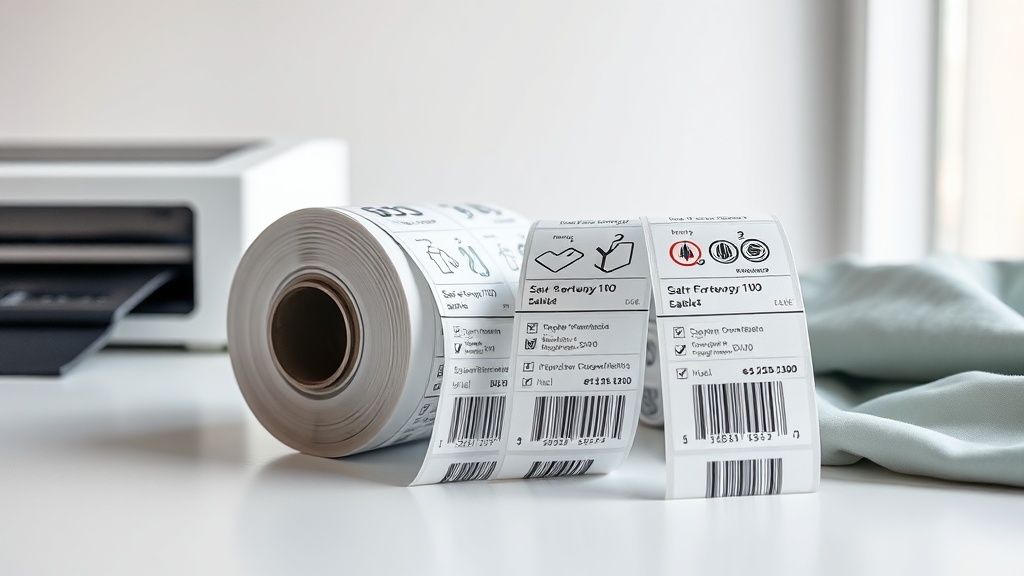
No — RFID complements rather than replaces barcodes in most cases. Barcodes are still needed for point-of-sale (POS) and partners without RFID infrastructure. RFID is typically deployed at pallet, carton, or container level for internal management, while barcodes on individual products serve retail. Some businesses use hybrid tags with both RFID and printed barcodes — enabling both automatic reading and traditional scanning. Hybrid tags cost 15-20% more but offer greater flexibility.
What is the typical payback period for an RFID production batch traceability project?
For businesses with clear investment triggers (inventory discrepancies over 10%, slow recalls), the typical payback period is 6-12 months. In favorable cases — high inventory turnover, large batch values — payback occurs in 4-6 months. In more challenging cases (low-value products, simple processes), it extends to 18-24 months. Estimation formula: payback (months) = Total investment cost / (Monthly hidden costs × Savings factor). The savings factor is typically 50-70% for labor costs and 70-90% for recall costs.
Cần tư vấn thiết bị/giải pháp cụ thể?
Việt POS phản hồi trong 30 phút · Hotline 4 vùng · Khảo sát miễn phí.
