Mục lục bài viết (7)
- What is an AI-Integrated Medical Kiosk? Definition and Operating Principle
- 5 Core Features of Smart Medical Kiosks in 2026
- Benefits of Deploying AI Medical Kiosks for Clinics
- Comparison of Popular Medical Kiosk Models: Which One to Choose for Your Clinic?
- Case Study: AI Medical Kiosk Deployment at Vinh Long Multi-Specialty Clinic
- Investment Cost and ROI for AI Medical Kiosk Deployment
- Frequently Asked Questions About AI-Integrated Medical Kiosks
An AI-integrated medical kiosk is an automated device combining a touchscreen, AI camera, and management software, allowing patients to independently perform registration and information lookup tasks without staff assistance. In Vietnam, this trend is being deployed by private clinics and public hospitals to reduce reception desk workload, enhance user experience, and optimize operational costs.
What is an AI-Integrated Medical Kiosk? Definition and Operating Principle
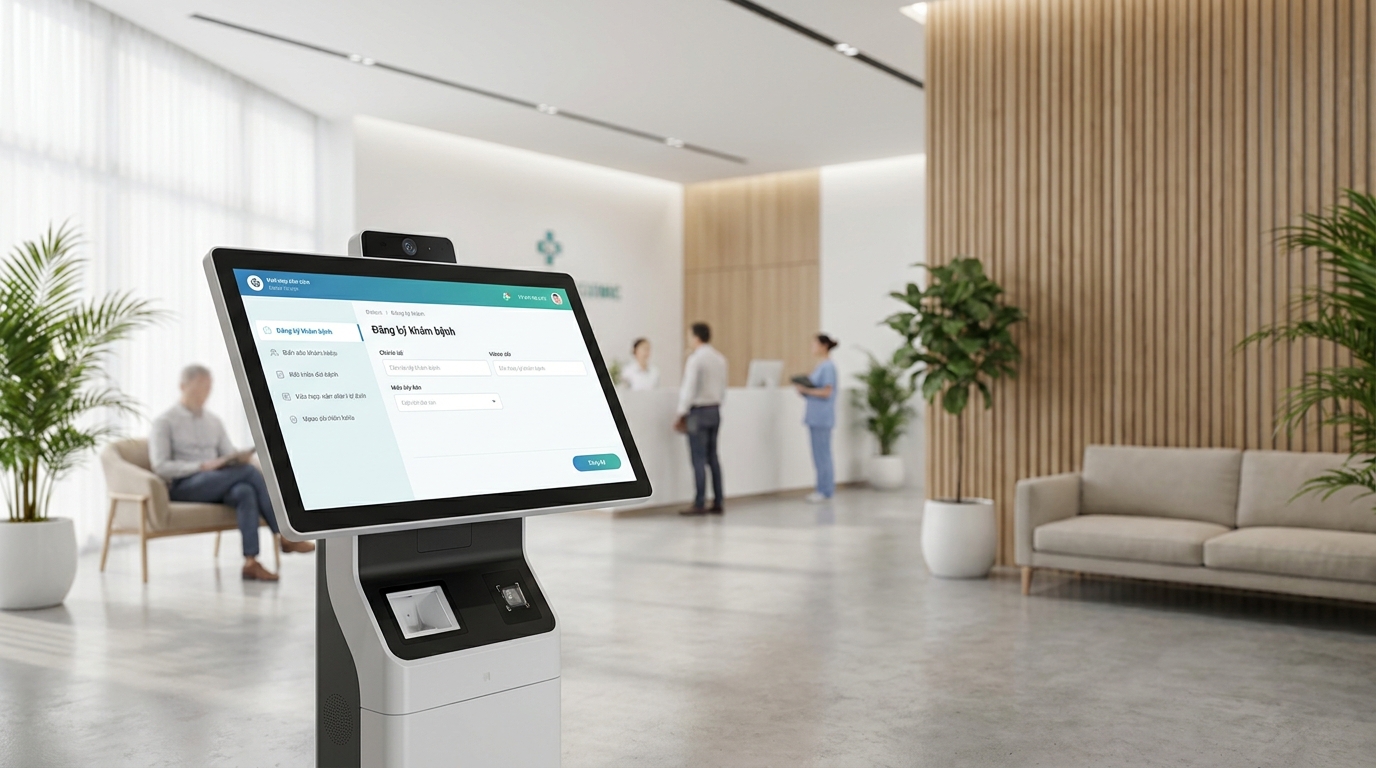
An AI-integrated medical kiosk is a self-service station equipped with a touchscreen, AI camera, chip-embedded citizen ID card reader, and facial recognition/natural language processing software. This device allows patients to self-register for appointments, look up test results, and pay hospital fees without direct interaction with medical staff.
The operating principle is based on three main technology layers: (1) Recognition layer — the AI camera scans the face or the NFC reader reads information from the chip-embedded citizen ID card to authenticate identity; (2) Processing layer — the AI-integrated software cross-references data with the Hospital Information System (HIS) or national database; (3) Interaction layer — the touchscreen displays a service menu, allowing patients to select a specialty, book an appointment, or look up results. The entire process takes 30-60 seconds, reducing waiting time by 70-80% compared to manual counters.
5 Core Features of Smart Medical Kiosks in 2026
Smart medical kiosks in 2026 integrate 5 main features: AI-based patient identification, smart appointment scheduling, test result lookup, cashless payment, and digital map navigation for departments. Each feature uses AI to personalize the experience.
Bạn đang tìm sản phẩm cho chủ đề này?
Việt POS phân phối chính hãng — bảo hành 24-36 tháng, hỗ trợ kỹ thuật 24/7.
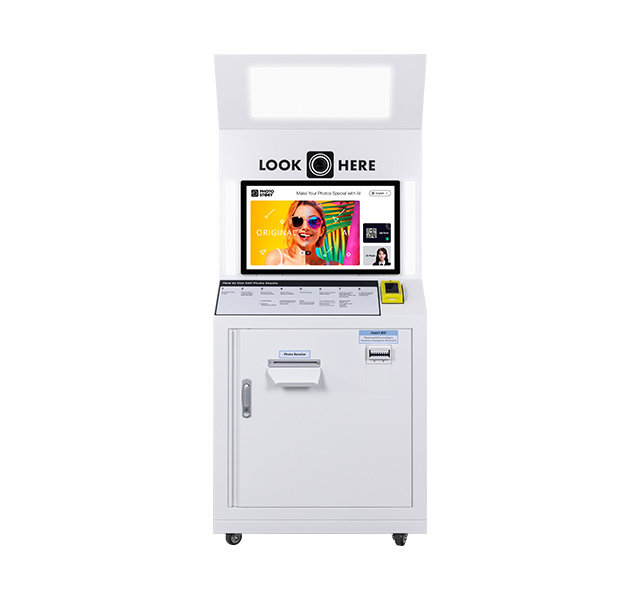
Photo Kiosk Hanasis — AI-Integrated Photo Kiosk
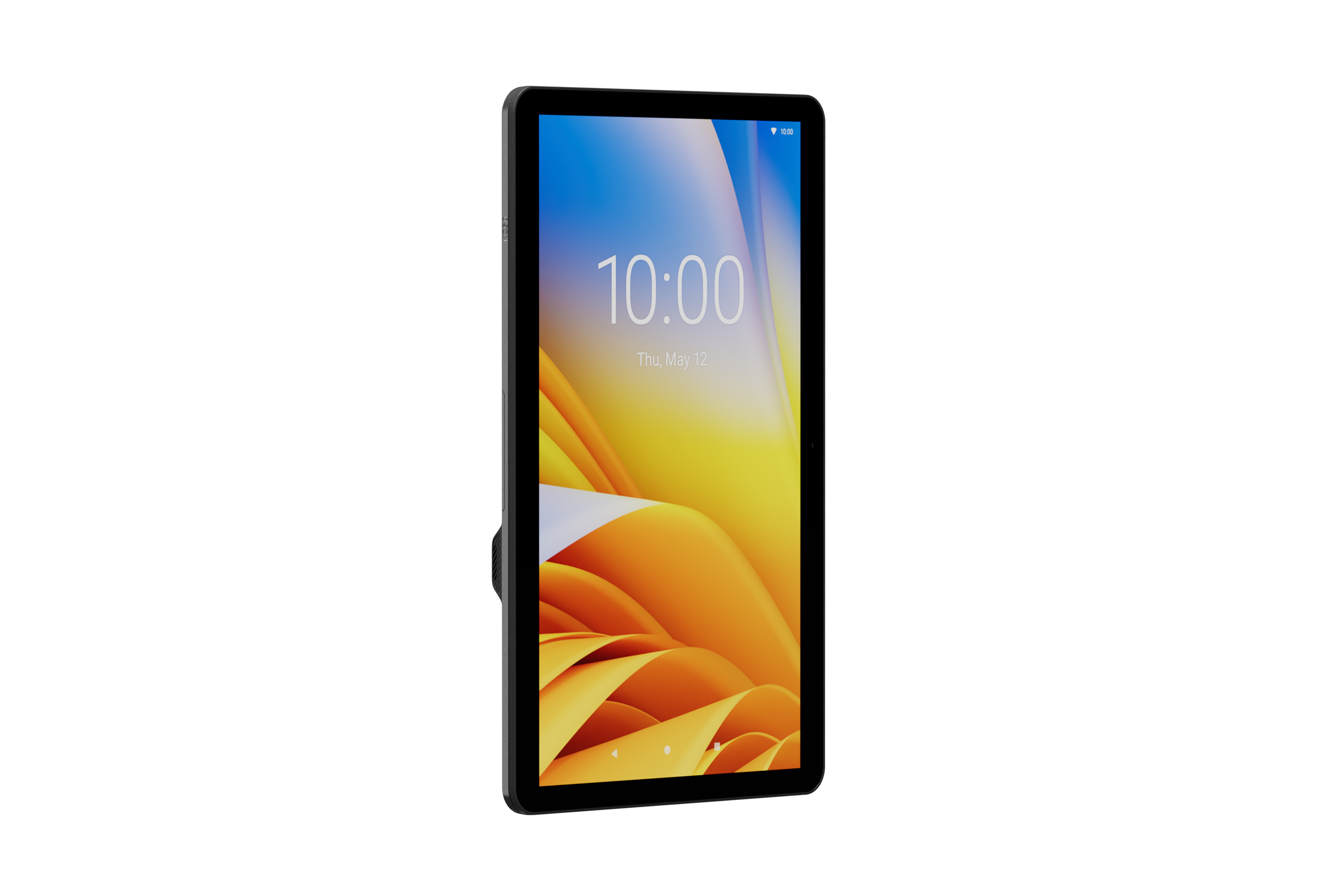
Zebra KC50 Kiosk Computer — Self-Service Kiosk with 15" or 22" Display
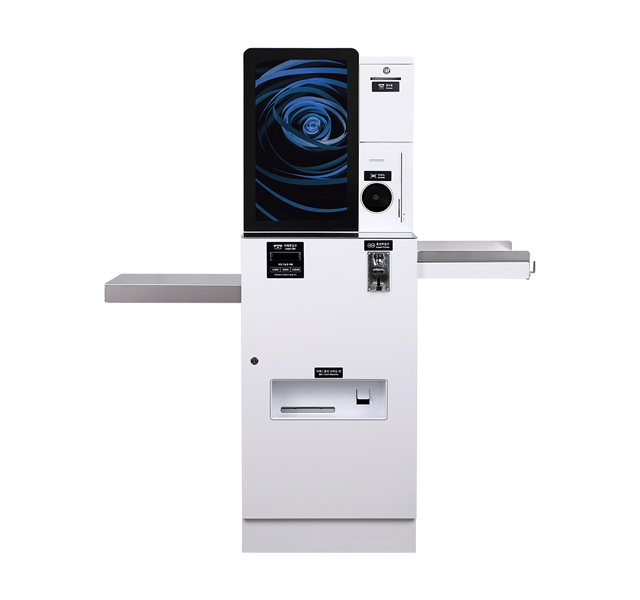
Hanasis Kiosk Machines - POS Kiosk & Vending Machine Devices
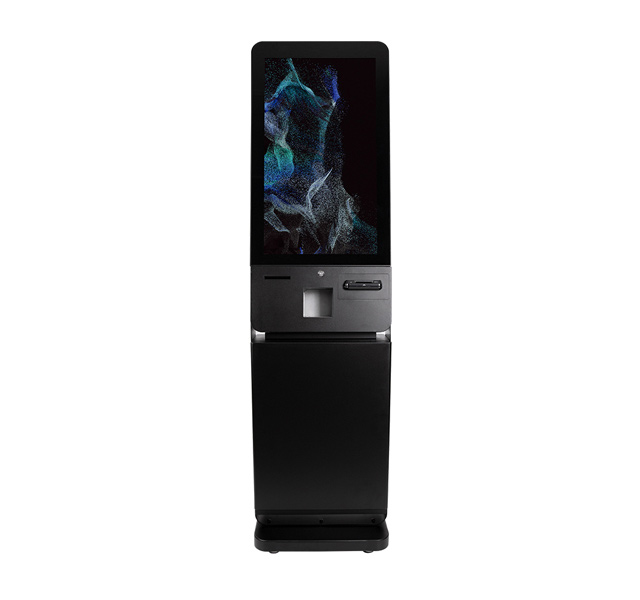
HANASIS K-320PC Kiosk — Modern Interactive Kiosk Design
- Multimodal Patient Identification: The AI camera performs facial recognition combined with a chip-embedded citizen ID card reader (NFC) or QR code from a mobile app. The system automatically retrieves the electronic medical record, displaying the patient's medical history.
- Smart Appointment Scheduling: AI analyzes historical data to suggest suitable time slots, prioritizing patients with chronic conditions or follow-up visits. The system syncs in real-time with the doctor's schedule.
- Automated Test Result Lookup: Patients scan the barcode on their appointment slip or enter a code; the kiosk displays test results and diagnostic imaging (X-ray, MRI) in visual chart format.
- Multi-Channel Payment: Integrated QR code scanner, NFC card reader (Visa, Mastercard), and e-wallets (MoMo, ZaloPay). The system automatically generates an electronic invoice and sends confirmation via email/SMS.
- Digital Map Navigation: The kiosk displays a 3D map of the hospital, locates the user's current position, and provides directions to the required department using dynamic arrows.
Benefits of Deploying AI Medical Kiosks for Clinics
Deploying AI medical kiosks delivers clear quantitative benefits: a 40-60% reduction in waiting time, 30-50% savings on reception staff, and a 25-35% increase in patient satisfaction rates. These figures are recorded from real projects at Vietnamese hospitals.
A multi-specialty clinic in Ho Chi Minh City deploying 2 KD215B kiosks recorded: average registration time dropped from 18 minutes to 4 minutes; daily patient volume increased by 35% without additional staff. In terms of cost, the initial investment for one kiosk is approximately 25-45 million VND, but the payback period is only 8-12 months thanks to labor savings and increased revenue from value-added services.
Comparison of Popular Medical Kiosk Models: Which One to Choose for Your Clinic?
Choosing the right kiosk depends on the clinic's scale, budget, and integration needs. Below is a comparison table of 4 popular kiosk models currently distributed by Việt POS.
| Criteria | KD215B (21.5") | GD156 (15.6") | S22 (21.5") | S30 (32") |
|---|---|---|---|---|
| Screen Size | 21.5 inch | 15.6 inch | 21.5 inch | 32 inch |
| Operating System | Android 11 | Android 10 / X86 | Windows 10 IoT | Windows 10 IoT |
| AI Integration | AI Camera (optional) | AI Camera (optional) | Built-in | Built-in |
| Citizen ID Reader | Yes (NFC) | Yes (NFC) | Yes (NFC + QR) | Yes (NFC + QR) |
| Reference Price (VND) | 25-30 million | 18-22 million | 35-40 million | 45-55 million |
| Suitable For | Small clinics | Reception desks | Multi-specialty clinics | Large hospitals |
Case Study: AI Medical Kiosk Deployment at Vinh Long Multi-Specialty Clinic
A project deploying 4 AI medical kiosks at a multi-specialty clinic in Vinh Long province (2024-2025) demonstrated outstanding results: a 65% reduction in waiting time, a 40% increase in examination capacity, and savings of 3 reception staff per shift.
The clinic used 2 KD215B kiosks in the main lobby and 2 GD215C kiosks in the waiting area. The system was integrated with the existing HIS software via API, enabling real-time patient data synchronization. Results after 6 months: the patient kiosk usage rate reached 78%, average registration time dropped from 22 minutes to 7 minutes, and operating costs decreased by 28% due to reduced reception staff.
Investment Cost and ROI for AI Medical Kiosk Deployment
The investment cost for one AI medical kiosk ranges from 18-55 million VND, depending on the configuration. The average payback period (ROI) is 8-14 months for clinics with 50-100 patient visits per day.
Detailed cost breakdown:
- Hardware: 15-40 million (kiosk, AI camera, citizen ID reader, thermal receipt printer).
- Software: 5-15 million (license, UI customization, API integration with HIS).
- Installation & Maintenance: 2-5 million/year (hardware warranty, software updates).
For a clinic with 100 visits/day, saving 2 reception staff (10 million/month) and increasing service revenue by 20% (estimated 15 million/month), ROI is achieved in 9-11 months. Additionally, deploying kiosks helps the clinic meet the Ministry of Health's digital transformation criteria and enhances brand reputation.
Frequently Asked Questions About AI-Integrated Medical Kiosks
Does an AI-integrated medical kiosk require an Internet connection?
Yes. Most AI medical kiosks require a stable Internet connection (WiFi or LAN) to synchronize data with the HIS system, authenticate citizen IDs via the national database, and update information in real-time. However, some high-end models have an offline backup mode, allowing temporary local data storage and synchronization when the connection is restored.
Can the kiosk integrate with an existing Hospital Information System (HIS)?
Yes. Modern kiosks support integration via RESTful or SOAP APIs, allowing connection with most popular HIS systems in Vietnam (VNPT HIS, Viettel HIS, or in-house software). Integration typically takes 2-4 weeks depending on the complexity of the existing system. Việt POS provides comprehensive consulting and integration programming services.
What is the annual maintenance cost for a medical kiosk?
The average maintenance cost is 2-5 million VND/year/kiosk, including: hardware warranty (screen, camera, reader), AI software updates, and remote technical support. Some providers offer premium maintenance packages (8-12 million/year) that include on-site component replacement within 24 hours.
Does the kiosk support Vietnamese and have an elderly-friendly interface?
Yes. The kiosk interface is designed in Vietnamese, with large fonts, intuitive icons, and voice guidance. The AI voice recognition feature allows users to interact with simple voice commands such as "I want to book an appointment" or "Look up test results." Some models also include a help mode with a virtual avatar (avatar) providing step-by-step guidance.
How long does delivery and installation of a medical kiosk take?
Standard delivery time is 7-14 working days for in-stock kiosks (KD215B, GD156 models). For custom kiosks (color, logo, specialized device integration), the time may extend to 20-30 days. On-site installation and trial operation take 1-2 days, including staff training.
For detailed consultation on AI-integrated medical kiosk solutions for your clinic, contact Việt POS immediately via hotline 0935 498 384 or email info@vietpos.vn. We provide free site surveys, configuration consulting, and quotations within 24 hours.
Cần tư vấn thiết bị/giải pháp cụ thể?
Việt POS phản hồi trong 30 phút · Hotline 4 vùng · Khảo sát miễn phí.
Bài viết cùng chủ đề