Mục lục bài viết (8)
- Why is Manual Fashion Shop Management 'Powerless' Against Size-Color Inventory?
- Criteria for Choosing Fashion Shop Management Software 2026
- Comparison of 5 Leading Fashion Shop Management Software 2026
- Case Study: 'Lá Me' Fashion Shop — From Chaos to Automation
- Fashion Shop Management Software Implementation Process
- Optimizing Omnichannel Sales for Fashion Shops
- Investment Costs and ROI for Digital Transformation
- Frequently Asked Questions
Fashion shop management software is a POS system that integrates multi-attribute inventory management (size, color, material) and synchronizes omnichannel sales (offline + online) on a single platform. In 2026, the Vietnamese fashion market grew 28% YoY (according to BMI Research), leading to an urgent need for specialized management tools for this industry.
Why is Manual Fashion Shop Management 'Powerless' Against Size-Color Inventory?
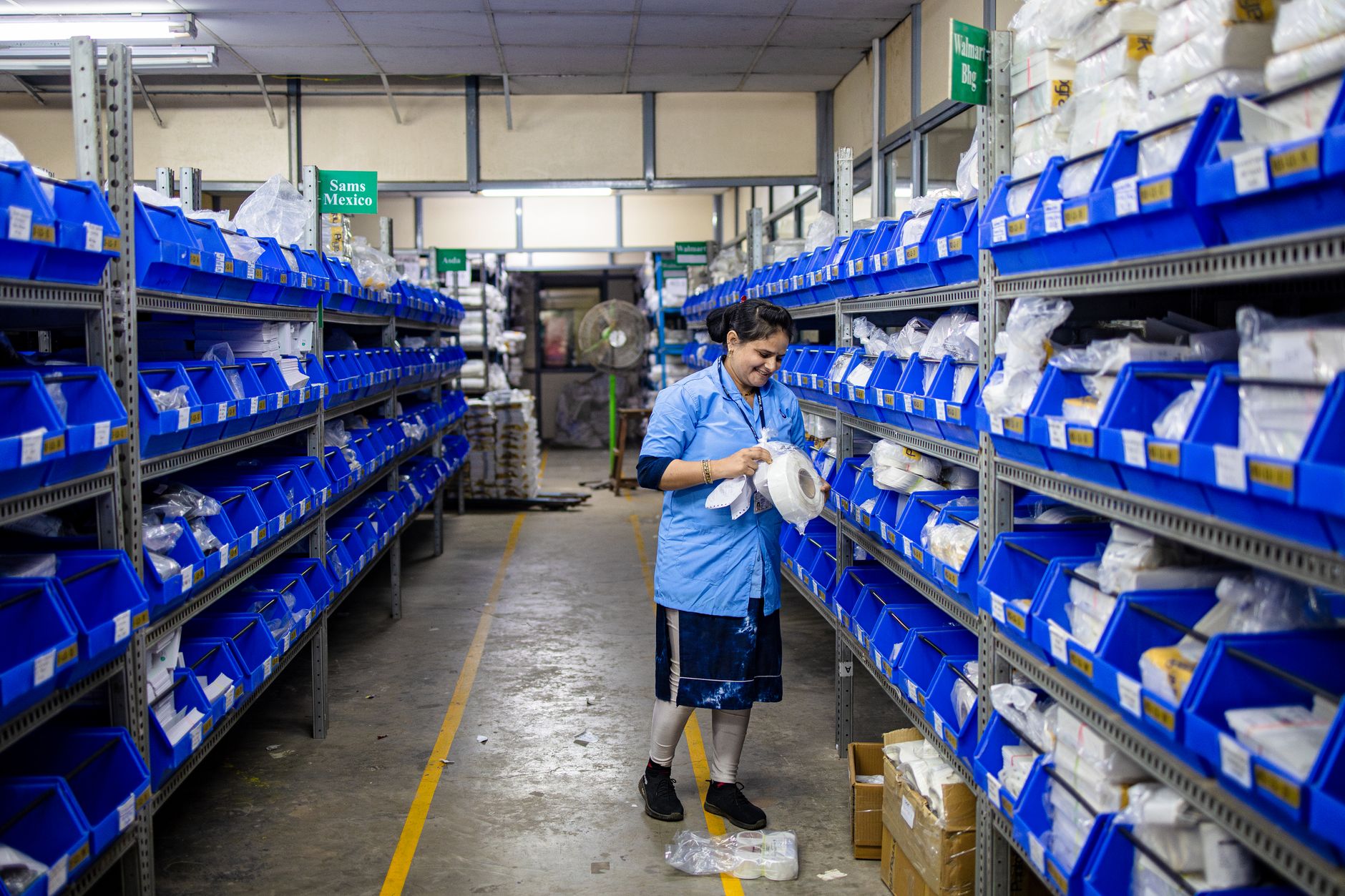
Fashion shops have a very large SKU characteristic: each design has 4-6 sizes, 3-5 colors, creating 15-30 variations for a single product. With 200-500 designs, the total SKUs can reach 3,000-15,000. Excel or manual ledgers cannot handle this volume without errors.
A survey of 120 fashion shops in Ho Chi Minh City and Hanoi (Q1/2026) revealed that 78% of shop owners experienced situations where online inventory showed items in stock, but the physical warehouse was empty, leading to order cancellations and loss of reputation. The average size-color inventory discrepancy rate was 12-18% in manually managed shops. The opportunity cost from this is estimated at 25-40 million VND/month for shops with 200-500 million VND in revenue.
Criteria for Choosing Fashion Shop Management Software 2026
Related Products


Fashion shop management software must meet 5 criteria: multi-attribute SKU management (size-color), real-time omnichannel inventory synchronization, support for offline-online sales, e-commerce platform integration, and size-color analytical reporting.
- Multi-attribute SKU Management: The system must allow creating parent products with separate size, color, and material variations, each variation having its own SKU, price, and inventory.
- Real-time Inventory Synchronization: When selling at the counter, online inventory (Shopee, Lazada, TikTok Shop) automatically updates within 1-3 seconds.
- Multi-branch Management: Supports transferring goods between stores and separate inventory checks for each branch.
- E-commerce Platform Integration: Synchronizes products, orders, and inventory with Shopee, Lazada, Tiki, TikTok Shop.
- Size-Color Reporting: Analyzes revenue, inventory, and sales rates by individual size and color to optimize purchasing.
Comparison of 5 Leading Fashion Shop Management Software 2026

Below is a detailed comparison table of 5 popular POS software for fashion shops in Vietnam, based on actual surveys and reviews from the shop owner community.
| Feature | Việt POS | Solution A | Solution B | Solution C | Solution D |
|---|---|---|---|---|---|
| Size-Color Management | Yes (unlimited) | Yes (max 3 attributes) | Yes | Yes (Pro version) | Basic |
| Real-time Inventory Sync | 1-2 seconds | 5-10 seconds | 2-5 seconds | 10-30 seconds | Not real-time |
| E-commerce Platform Integration | Shopee, Lazada, Tiki, TikTok | Shopee, Lazada | Shopee, Lazada, Tiki | Shopee, Lazada | No |
| Cost/month | 250.000-500.000đ | 399.000-799.000đ | 500.000-1.200.000đ | 350.000-600.000đ | Free (limited) |
| Size-Color Reports | Detailed by variation | Overview | Detailed | Average | No |
Note: The costs above are for the basic package for 1 branch, not including platform integration fees (if any). Việt POS offers a 30-day free trial package with all features.
Case Study: 'Lá Me' Fashion Shop — From Chaos to Automation

'Lá Me' women's fashion shop (District 3, Ho Chi Minh City) has 2 stores and online channels on Shopee and Facebook. Before using the software, they spent 10-12 hours/week on inventory checks, had an 18% size-color discrepancy rate, and frequently canceled orders due to inaccurate inventory.
After 3 months of implementing mini mart sales management software (customized for fashion), the results were: inventory check time reduced by 75% (to 2-3 hours/week), inventory discrepancy rate decreased to 2%, and online revenue increased by 35% due to accurate inventory synchronization. Ms. Lan (shop owner) shared: "Before, every sale season was stressful because I was afraid of overselling. Now everything is automated, I just need to open the app to know which sizes are in stock and which are out."
Fashion Shop Management Software Implementation Process
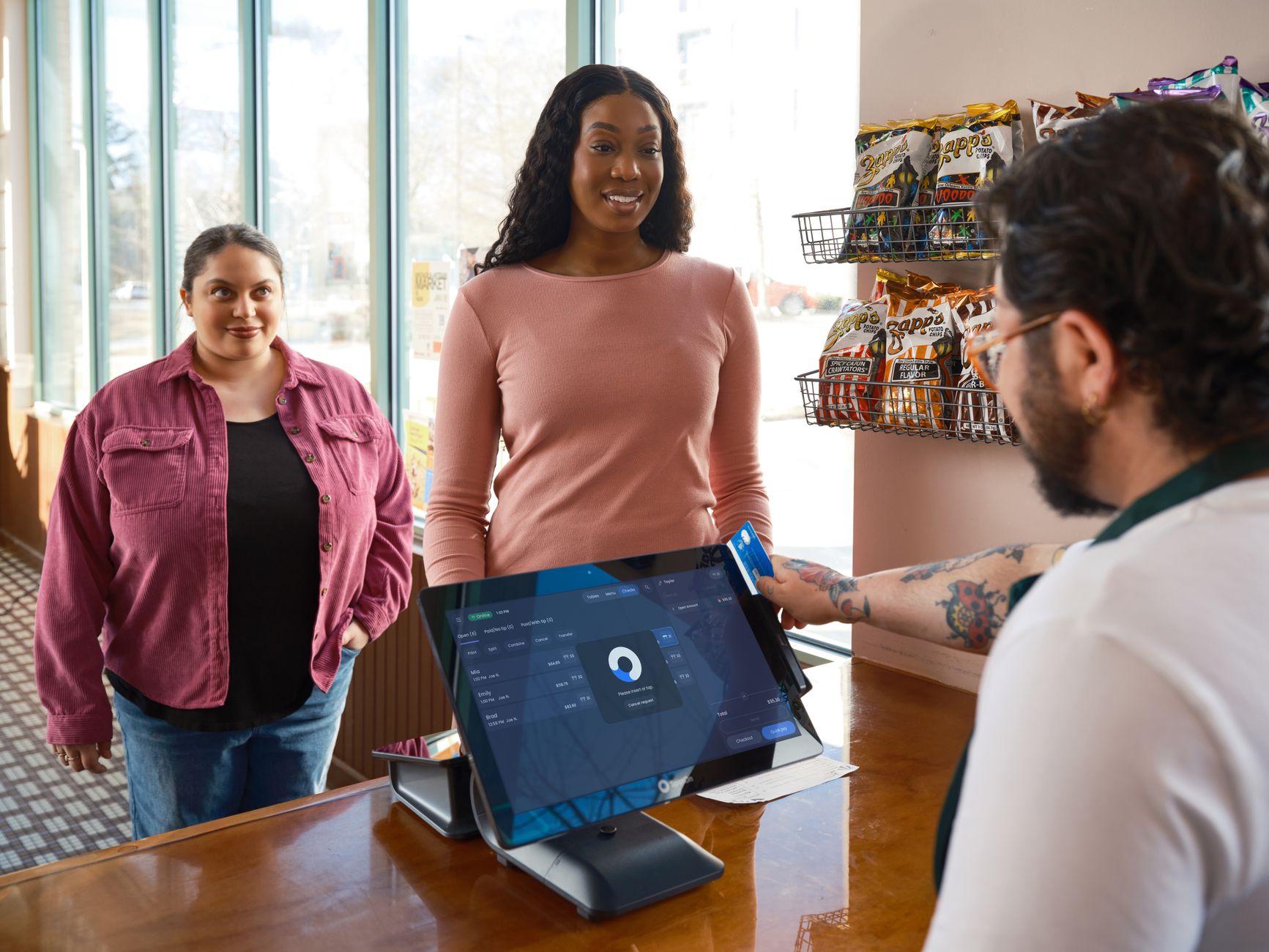
Implementing fashion shop management software involves 5 steps: current state assessment, product data entry, process configuration, staff training, and a 2-4 week trial operation.
- Step 1 — Assessment: Evaluate the number of SKUs, import-export processes, and current sales channels.
- Step 2 — Data Entry: Create product catalogs with complete sizes, colors, and SKUs. On average, 200-500 products take 1-2 days.
- Step 3 — Configuration: Set up inventory synchronization rules, e-commerce platform integration, and staff permissions.
- Step 4 — Training: 2-3 training sessions for sales staff and warehouse managers, each 60-90 minutes.
- Step 5 — Trial Operation: Run old and new systems in parallel for 2-4 weeks to cross-reference data.
Optimizing Omnichannel Sales for Fashion Shops
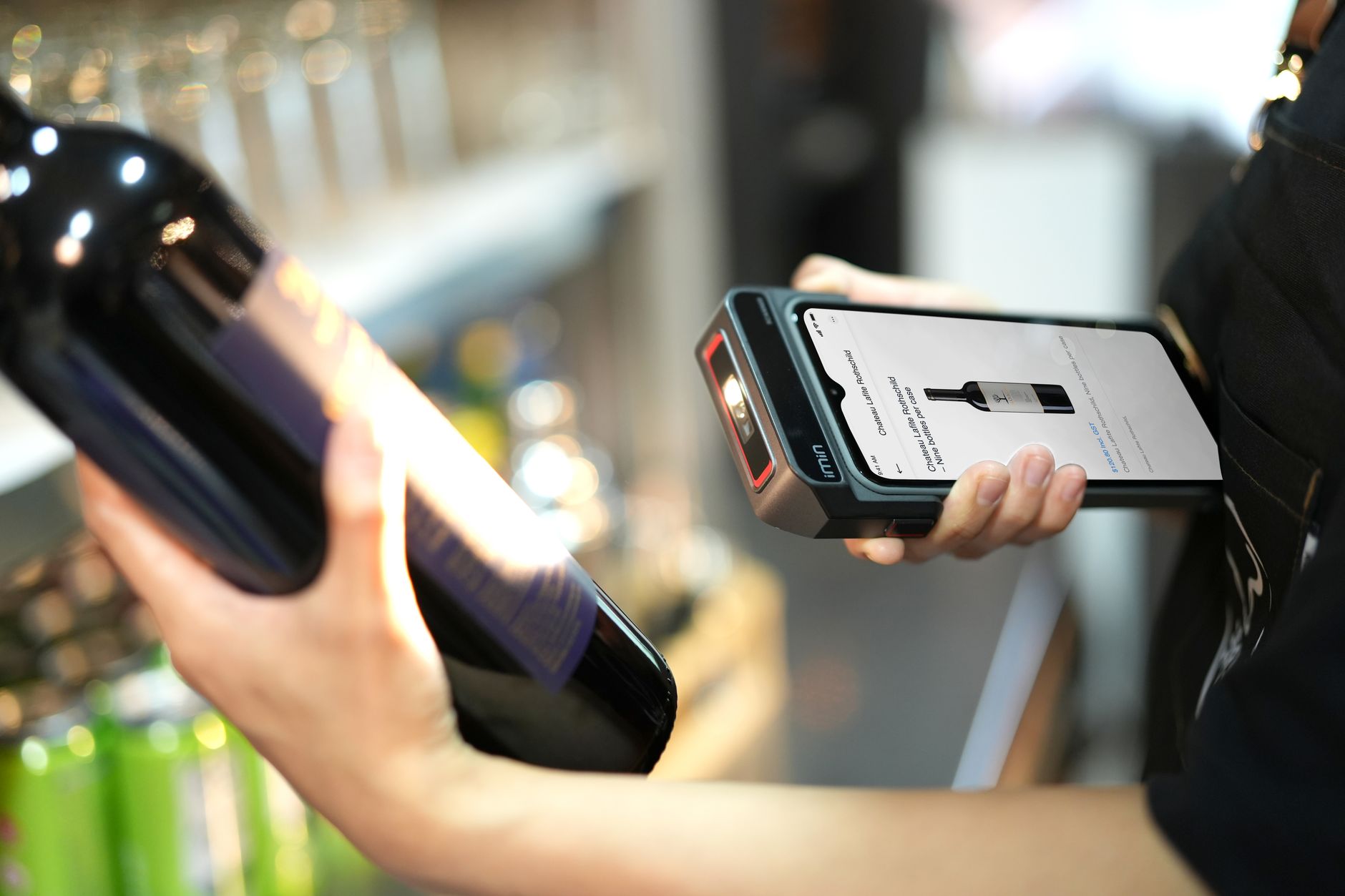
Effective omnichannel sales require real-time inventory synchronization, centralized order management, and smart product allocation strategies across channels.
For fashion shops, the return rate is quite high at 15-25%, so the software needs to support: flexible return processes (exchange size, color, or different item), automatic inventory updates upon receiving returned goods, and reports on return reasons. Additionally, the real-time revenue reporting feature helps shop owners adjust sales strategies within the same day.
Some practical tips: prioritize allocating hot items to channels with the highest profit margins; set minimum stock alerts for each size-color; use historical sales data to forecast seasonal demand.
Investment Costs and ROI for Digital Transformation
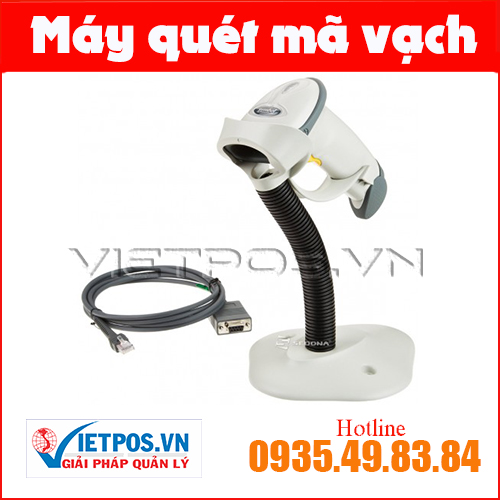
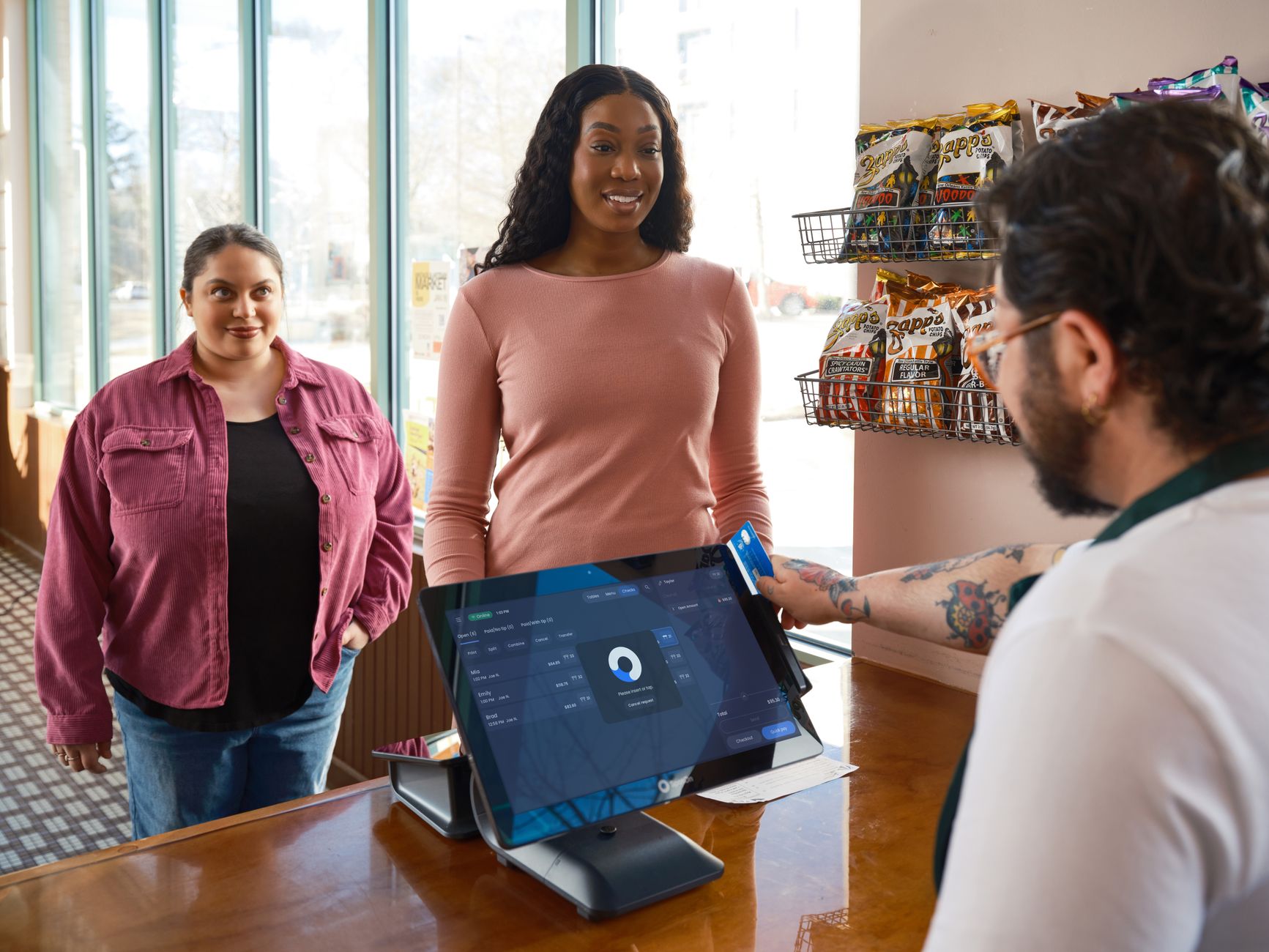
The average cost for a fashion shop management software solution in 2026 ranges from 250,000-1,200,000 VND/month for 1 branch, plus hardware costs (POS machine, bill printer, barcode scanner) of approximately 5-15 million VND.
ROI is typically achieved within the first 3-6 months. Specifically: 70-80% reduction in inventory check time (saving 6-10 hours/week), 10-15% reduction in dead stock costs due to accurate inventory reports, and 20-40% increase in online revenue thanks to real-time inventory synchronization. For a shop with 300 million VND/month in revenue, the estimated ROI is 200-400% in the first year.
Refer to management software comparison for an overview of POS solutions in the market.
Frequently Asked Questions
Can fashion shop management software manage both sizes and colors?
Yes, professional fashion shop management software (like Việt POS) allows creating products with multiple attributes: size (S, M, L, XL), color (black, white, red), and material. Each variation has its own SKU, selling price, cost price, and separate inventory. The system automatically calculates inventory for each variation and alerts when stock is low.
Does the software synchronize inventory with Shopee and Lazada?
Yes, most leading fashion POS software integrates real-time inventory synchronization with major e-commerce platforms in Vietnam: Shopee, Lazada, Tiki, TikTok Shop. When selling in-store, inventory on the platforms automatically decreases accordingly within 1-5 seconds, helping to
Cần tư vấn thiết bị/giải pháp cụ thể?
Việt POS phản hồi trong 30 phút · Hotline 4 vùng · Khảo sát miễn phí.
Bài viết cùng chủ đề