Mục lục bài viết (8)
- Problems pharmacies currently face with manual inventory management
- How does GS1 barcode work in drug inventory management?
- Specific benefits of implementing GS1 barcodes in pharmacies
- GS1 barcode applications in GPP pharmacies and pharmaceutical chains
- Choosing GS1 barcode scanning equipment for pharmacies
- Step-by-step GS1 barcode implementation process
- Related articles
- Frequently asked questions about GS1 barcodes and drug inventory management
GS1 barcodes are an international encoding standard that allows full drug information to be encoded: product code (GTIN), batch number, manufacturing date, expiry date, and supplier information in a single barcode. In Vietnam, this system is being widely deployed in GPP pharmacies, pharmaceutical chains, and hospitals to comply with the Ministry of Health's new drug management regulations, while minimizing errors in inventory management and expiry date control.
Problems pharmacies currently face with manual inventory management
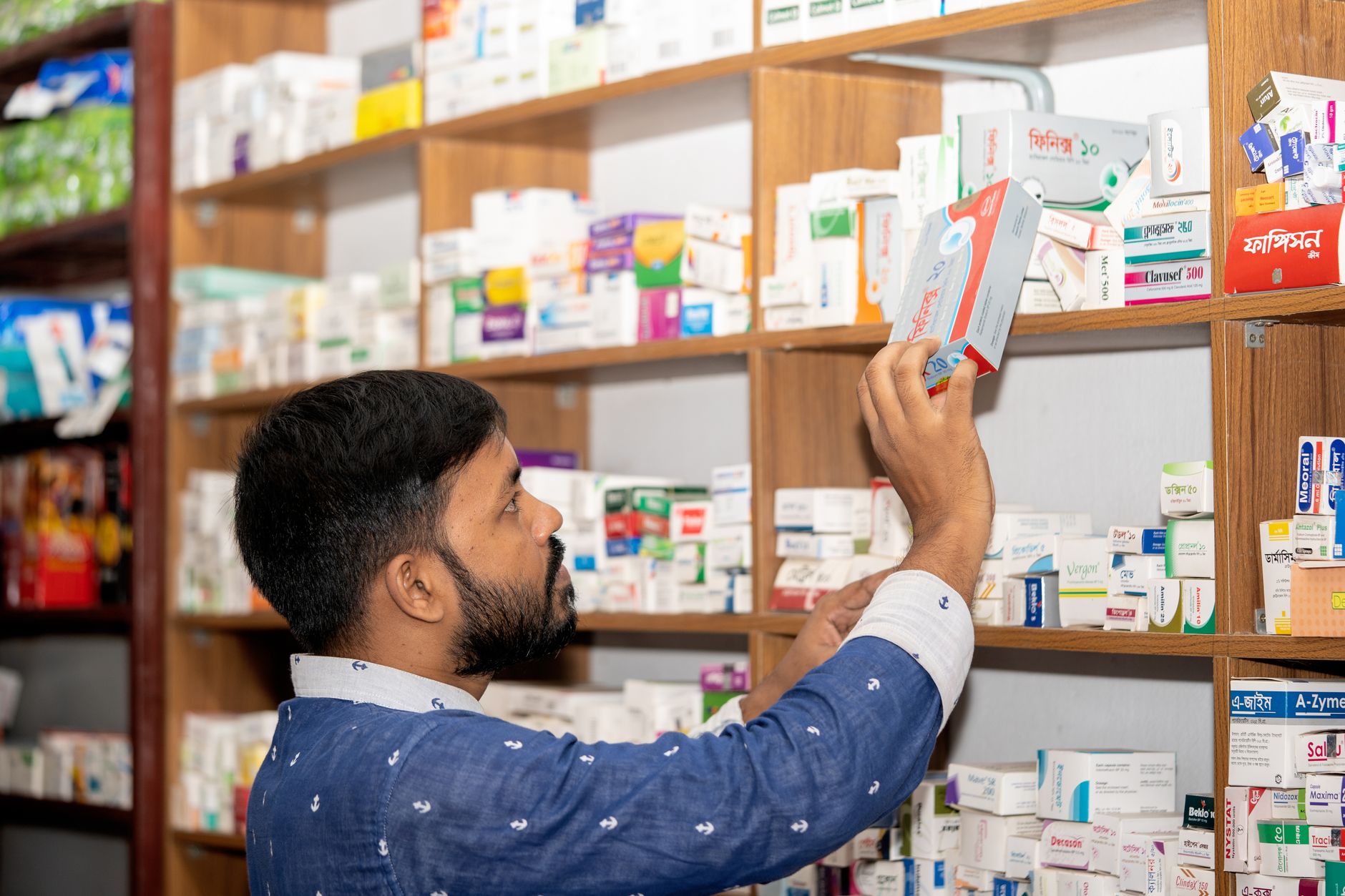
Vietnamese pharmacies today still use semi-manual or manual data entry inventory management methods, leading to many risks: inventory inaccuracies, difficulty controlling expiry dates, accidentally selling expired drugs, time-consuming periodic stocktakes, and failure to meet traceability requirements under GPP 2026 regulations.
⚠ Dispensing errors and selling expired drugs: When managed manually, confusion between drug batches is common, leading to selling drugs nearing or past their expiry date, causing legal risks and reputational damage to the pharmacy.
⚠ Inaccurate inventory: Manual stocktaking takes 3-5 hours per session, is prone to errors, and is not updated in real-time, making it difficult to adjust purchasing and forecast demand.
⚠ Non-compliance with GPP 2026 regulations: The Ministry of Health requires pharmacies to have a drug traceability system and automatic expiry date control — manual methods cannot meet this requirement.
⚠ Tightened working capital: Unclear inventory leads to excessive safety stock purchasing, tying up capital in slow-moving or soon-to-expire goods.
⚠ Long lookup times: When needing to find a specific drug batch or check an expiry date, staff must search through records or the warehouse, wasting customer service time.
How does GS1 barcode work in drug inventory management?

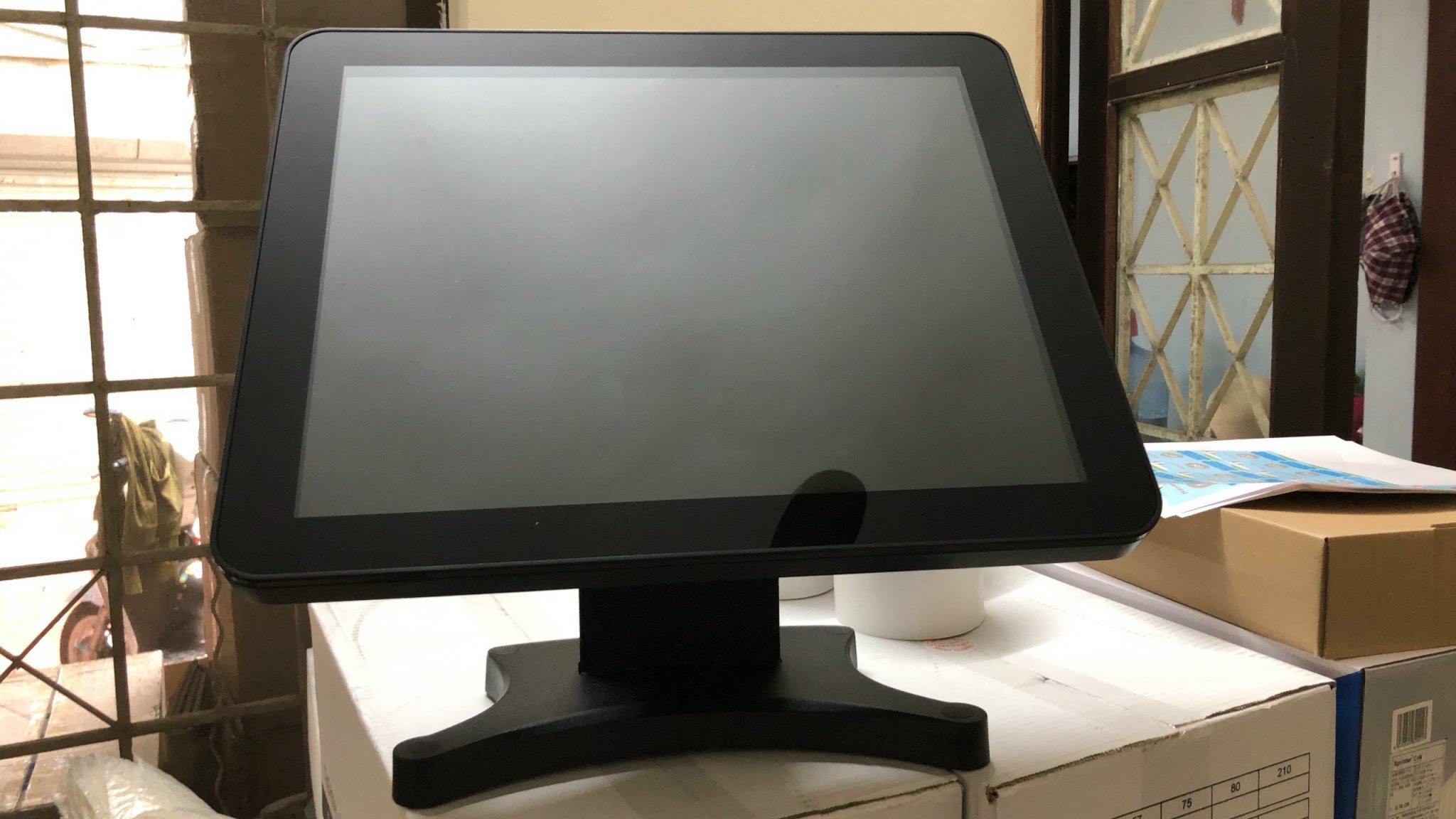


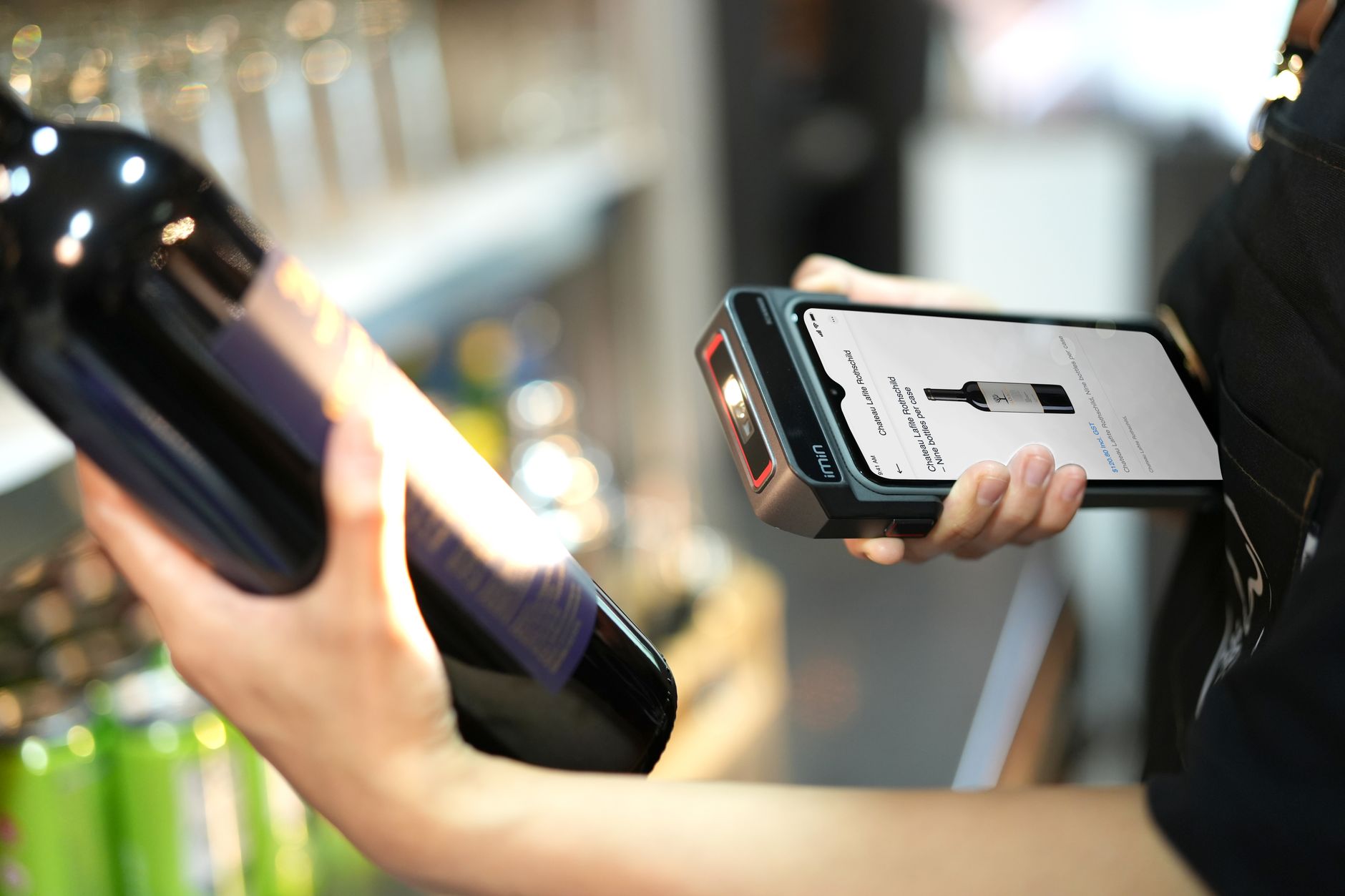
GS1 barcodes encode complete drug information according to international standards. When scanned with a dedicated scanner, data is automatically transmitted to the pharmacy management software, updating inventory, controlling expiry dates, and generating traceability reports automatically.
Bạn đang tìm sản phẩm cho chủ đề này?
Việt POS phân phối chính hãng — bảo hành 24-36 tháng, hỗ trợ kỹ thuật 24/7.

Zebex Z3151 Barcode Scanner (Reads 2D PDF 417 Codes)
SKU: Z3151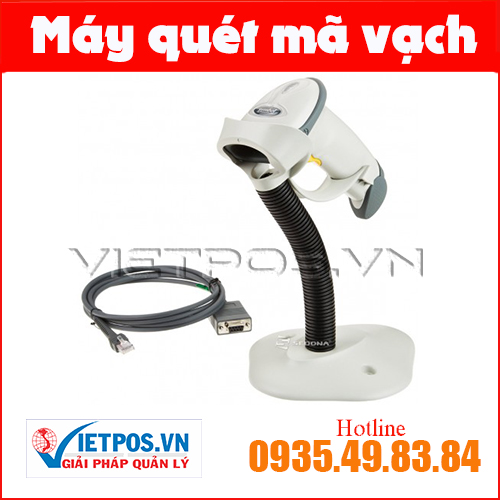
Zebra Symbol-LS2208 Barcode Scanner
SKU: ZEBRA SYMBOL LS2208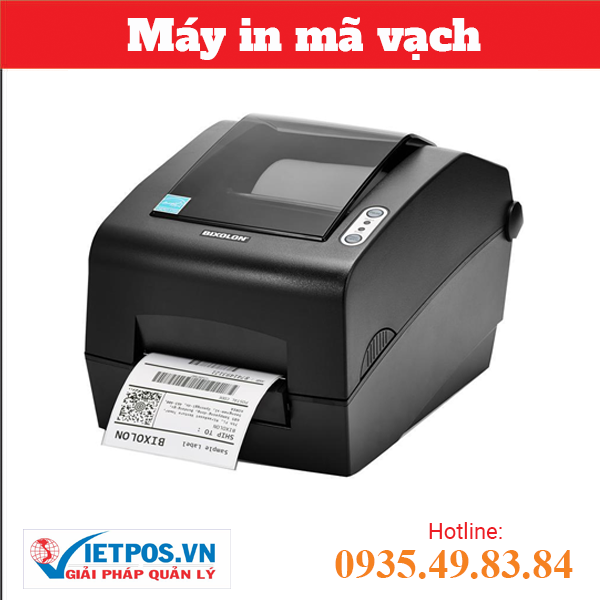
BIXOLON SLP-DX 420EG Barcode Printer
SKU: BIXOLON SLP-DX 420EG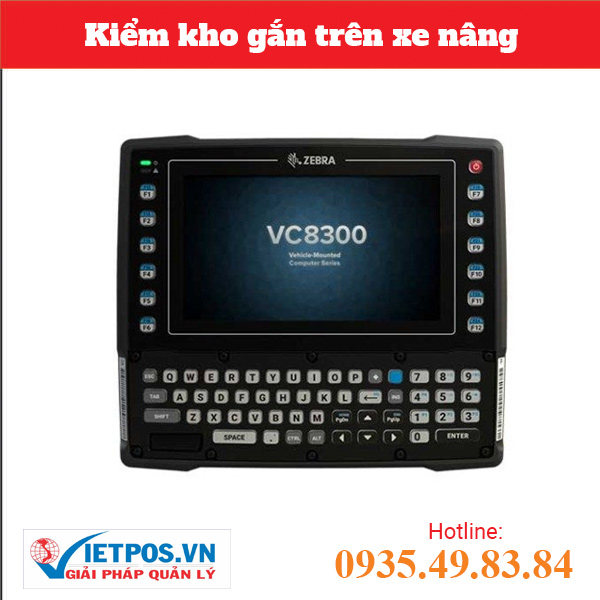
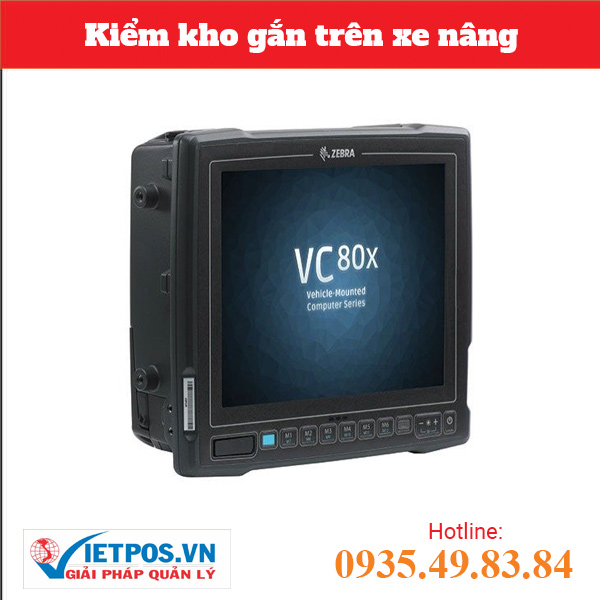
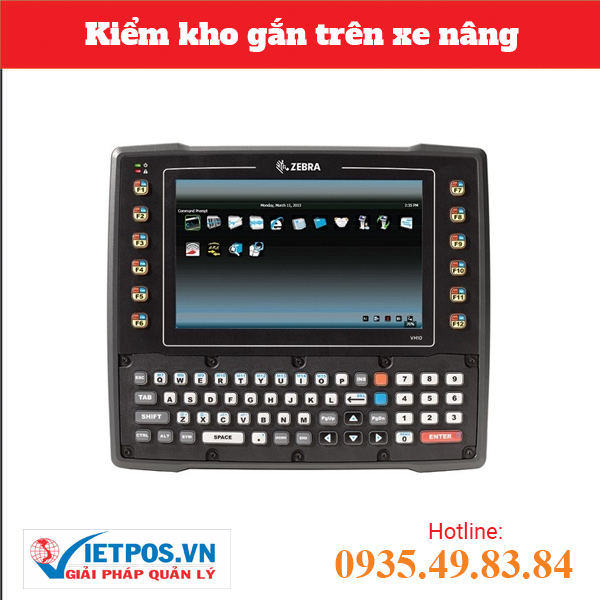
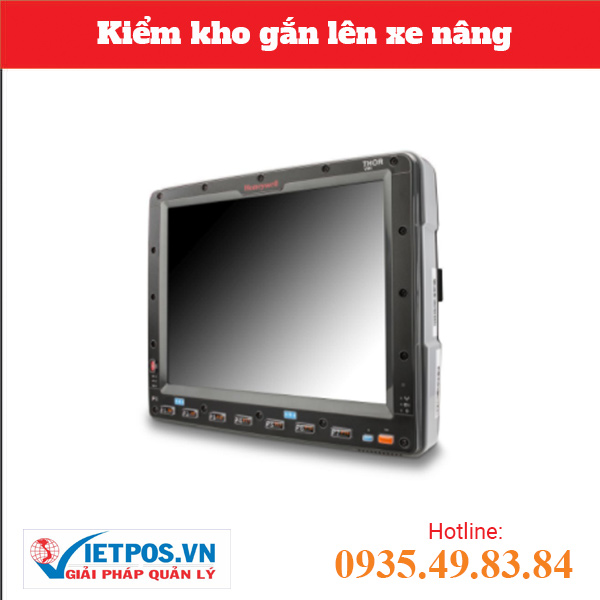
Zebra VC8300 - Forklift-mounted inventory management
- Step 1: Print GS1 barcodes on product labels or drug boxes — The barcode contains GTIN (product code), batch number, manufacturing date, expiry date, and supplier information in GS1-128 or GS1 DataMatrix format. Pharmacies can print their own or receive them from suppliers.
- Step 2: Scan barcodes upon goods receipt — Using a barcode scanner (Datalogic, Zebra, Honeywell, or Bixolon), data is automatically recorded: product code, batch number, expiry date, quantity received, and purchase price.
- Step 3: Pharmacy management software updates inventory in real-time — Data from the scanner syncs with the management software (Việt POS, Sapo, Misa...), inventory is updated instantly, and the system automatically arranges drugs by FIFO (First In First Out) to sell older stock first.
- Step 4: Automatic expiry date alerts — The management software will automatically alert when a drug is nearing its expiry date (e.g., 30 days), helping pharmacists prioritize sales or contact the supplier for returns.
- Step 5: Traceability reports — When needed, the system automatically generates reports: which batch was sold to which customer, sale date, sale price, and current inventory — meeting Ministry of Health inspection requirements.
Specific benefits of implementing GS1 barcodes in pharmacies

Implementing GS1 barcodes helps pharmacies reduce dispensing errors from 15-25% to under 2%, control expiry dates accurately, comply with GPP 2026 regulations, optimize working capital, and improve management efficiency.
✓ Reduced dispensing errors and expired drug sales
The system automatically controls sales; it is impossible to sell drugs nearing or past their expiry date, reducing legal risks.
✓ Fast and accurate stocktaking
Barcode-based stocktaking takes only 30-45 minutes instead of 3-5 hours, with 99%+ accuracy and real-time updates.
✓ GPP 2026 compliance
Automatic traceability system, easy audit reports, ready for Ministry of Health inspections.
✓ Optimized working capital
Accurate inventory, science-based purchasing using forecasts, reduced slow-moving stock, capital is not tied up.
✓ Faster customer service
Drug lookup, inventory check, and expiry date verification take only 5-10 seconds instead of 2-3 minutes, increasing customer satisfaction.
✓ Detailed management reports
Revenue by batch, by supplier, slow-moving item analysis, ROI per product — enabling faster business decisions.
GS1 barcode applications in GPP pharmacies and pharmaceutical chains
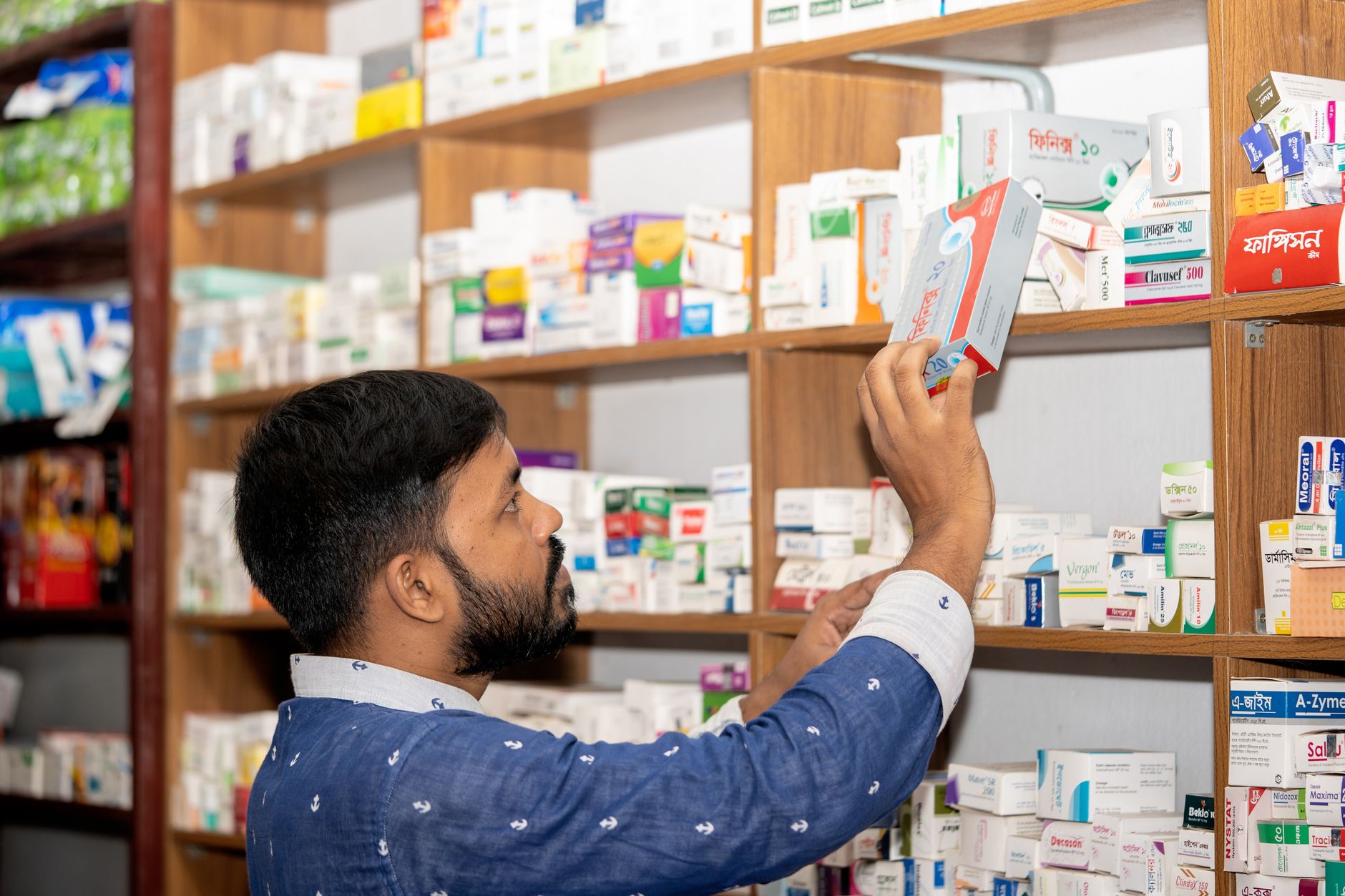
GPP pharmacies in Vietnam are required to comply with new drug management regulations, where GS1 barcodes are the primary tool for controlling expiry dates, traceability, and audit reporting. Major pharmacy chains such as Pharmacity, Đông Tây, and Bảo Linh have implemented this since 2023-2024, reducing dispensing errors by 18-22% and increasing profits by 8-12% through optimized inventory.
Example: Tân Phát Pharmacy (District 1, Ho Chi Minh City) with 1,200 SKUs previously conducted monthly stocktakes taking 4 hours, with 8-10 drug errors per session. After implementing GS1 barcodes + the Việt POS pharmacy management software, weekly stocktakes now take only 45 minutes, errors have dropped to <1%, expiry dates are automatically alerted 30 days in advance, and FIFO sales are automated. Result: working capital increased by 15%, profit increased by 9% in the first 6 months.
Choosing GS1 barcode scanning equipment for pharmacies

To implement GS1 barcodes effectively, pharmacies need to choose dedicated barcode scanners capable of reading GS1-128 and GS1 DataMatrix, with fast scanning speed (100+ scans/minute), high accuracy (>99.9%), and compatibility with existing management software. Scanners from Datalogic, Zebra, Honeywell, and Bixolon all meet these standards.
Handheld scanners (e.g., Datalogic QuickScan, Zebra DS3678) are suitable for medium-sized pharmacies, allowing staff to scan items during receiving, stocktaking, or sales. Fixed-mount scanners (e.g., Honeywell Stratos 2D) are suitable for point-of-sale, automatically scanning when customers pay. Handheld scanner prices range from 3-8 million VND, fixed-mount scanners from 2-5 million VND, depending on features and brand.
Integrating the scanner with pharmacy management software (e.g., Việt POS inventory management software) enables automatic data synchronization, eliminating manual data entry, saving 2-3 hours per day and reducing errors.
Step-by-step GS1 barcode implementation process
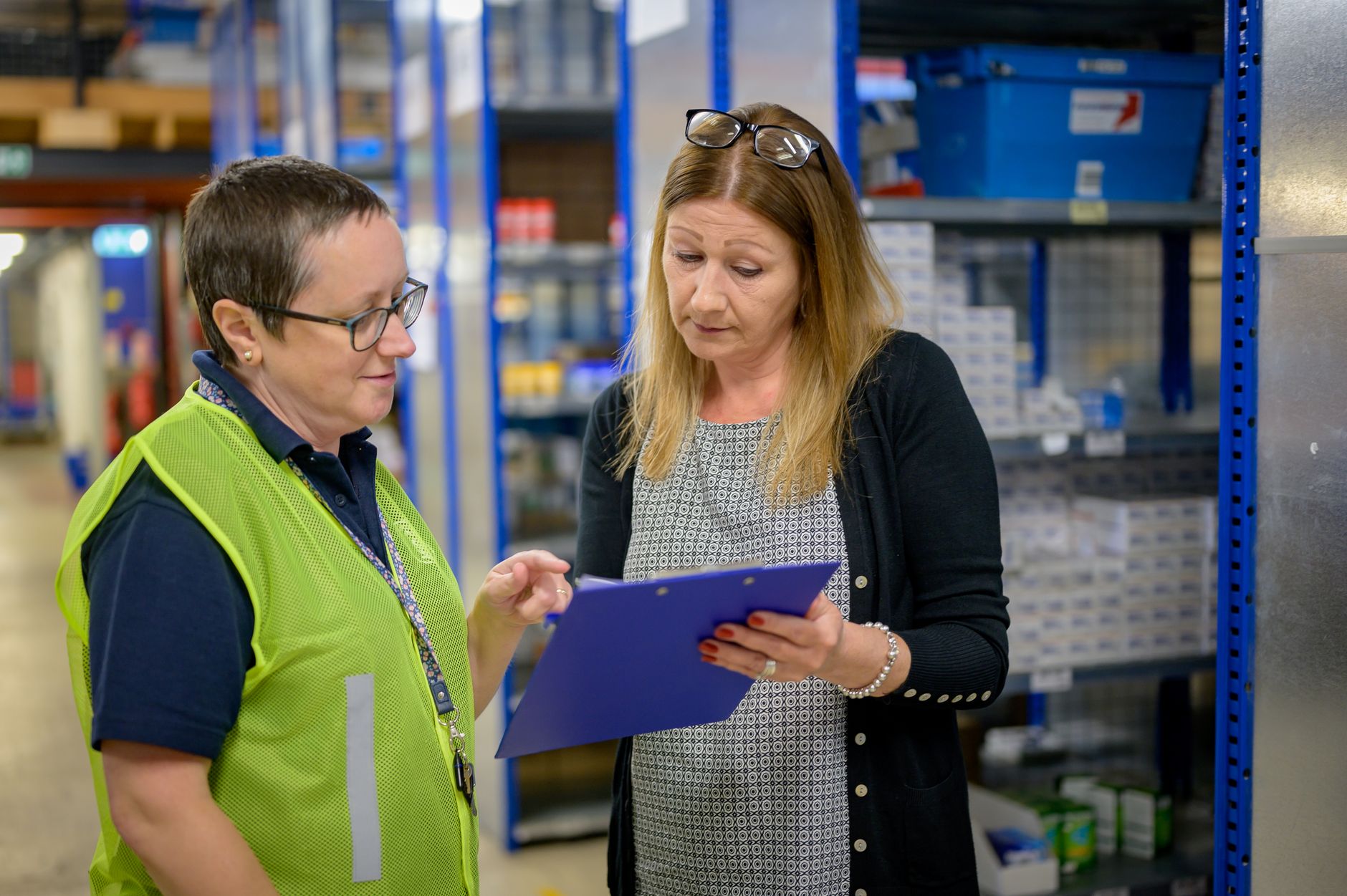
Implementing GS1 barcodes is not complex, but requires a clear plan: from assessing the current situation, selecting equipment and software, training staff, to monitoring and optimizing the process. Total implementation time is 2-4 weeks for a medium-sized pharmacy.
Week 1-2: Select GS1-compatible pharmacy management software (if not already available), purchase barcode scanners, check compatibility. Start with a pilot of 100-200 best-selling drug SKUs.
Week 2-3: Train staff: how to scan barcodes, how to check expiry dates, how to handle errors (incorrect scan, unclear barcode). Establish procedures: when to scan (receiving, stocktaking, sales), how to handle expiry date alerts.
Week 3-4: Convert all inventory to barcode management, conduct initial stocktake, compare with old records, correct discrepancies. Monitor for 1-2 weeks to detect and resolve issues.
🎯 Ready to implement GS1 barcodes for your pharmacy?
Việt POS provides a drug inventory management solution integrated with GS1 barcodes, dedicated scanners, and full-process staff training. Contact us now at 0935 498 384 for a free consultation on equipment, software, and implementation costs tailored to your pharmacy's scale.
Related articles
To better understand modern pharmacy management, you can refer to the following articles:
- Mini Mart POS management software
- Pharmacy and drug store management software
- Motorola LI4278 barcode scanner for pharmacies
- Barcode scanner supply in Ho Chi Minh City and Southern provinces
- Inventory and customer debt management software
Frequently asked questions about GS1 barcodes and drug inventory management
Below are common questions from pharmacy owners when implementing GS1 barcodes, along with detailed answers to help you make the right decision.
How is a GS1 barcode different from a regular barcode (EAN-13)?
A regular barcode (EAN-13) only contains a product code, with no batch or expiry date information. A GS1 barcode (GS1-128 or GS1 DataMatrix) encodes full information: product code (GTIN), batch number, manufacturing date, expiry date, supplier, and serial number — all in one barcode. This enables comprehensive traceability and automatic expiry date control.
What is the cost of implementing GS1 barcodes for a pharmacy?
Implementation costs include: (1) Barcode scanner: 3-8 million VND depending on brand; (2) Pharmacy management software: 2-10 million VND/year (SaaS model); (3) Barcode printing on product labels: 500-2,000 VND per code depending on volume; (4) Staff training: 1-2 million VND. Total for a medium pharmacy (500-1,500 SKUs): 8-25 million VND initially, then 3-6 million VND annually. ROI is typically achieved in 6-9 months through reduced dispensing errors and optimized inventory.
Which pharmacy management software best supports GS1 barcodes?
Leading pharmacy management software in Vietnam such as Việt POS, Sapo, and Misa all support GS1 barcode reading and automatic expiry date control. The choice depends on: (1) Pharmacy scale (number of branches, number of SKUs); (2) Integration requirements (connection with suppliers, insurance); (3) Price and support services. Việt POS has the advantage of a price suitable for medium pharmacies, a Vietnamese-language interface, and fast technical support.
If a pharmacy doesn't have a barcode scanner, can a phone be used to scan?
Yes, you can install a free barcode scanning app on your phone (e.g., QR code reader), but scanning speed is slower, accuracy is lower than a dedicated scanner, and it is difficult to integrate automatically with management software. Dedicated scanners (Datalogic, Zebra, Honeywell) remain the best choice due to 10-20 times higher speed, accuracy, and stability.
What will a GPP 2026 audit check regarding GS1 barcodes?
A GPP 2026 audit will check: (1) Does the inventory management system have complete batch and expiry date information?; (2) Are there detailed drug traceability reports (sold to whom, sale date, sale price)?; (3) Are there automatic expiry date alerts and procedures for handling expired goods?; (4) Are periodic stocktakes conducted and compared with records?. Pharmacies that have implemented GS1 barcodes + full management software will easily pass the audit.
Can a pharmacy start with a specific set of drugs before full implementation?
Yes, that is the best approach. Start with 100-200 best-selling drug SKUs (accounting for 60-70% of revenue), implement GS1 barcodes + management software, run a pilot for 2-4 weeks, review results, train staff, then gradually expand to the entire inventory. This method reduces risk, makes process adjustments easier, and gives staff time to adapt to the new system.
Cần tư vấn thiết bị/giải pháp cụ thể?
Việt POS phản hồi trong 30 phút · Hotline 4 vùng · Khảo sát miễn phí.
Sản phẩm liên quan
Bài viết cùng chủ đề