Table of contents (9)
- What is RFID in cold storage and what can it do?
- Why can't passive RFID tags measure temperature?
- When do you need a dedicated temperature logger?
- Two options: temperature loggers and sensor RFID tags
- How to combine RFID data with time-based temperature data
- Choosing RFID labels for cold environments: specifications to know
- Summary table: terminology and options
- Common mistakes when monitoring cold storage temperature with RFID
- Frequently asked questions

RFID and cold storage temperature monitoring are two different data layers: RFID identifies and locates shipments, while temperature requires a measuring sensor. Standard passive RFID tags only carry a code and do not measure temperature. Therefore, when temperature monitoring in cold storage is required, businesses must choose between a temperature logger placed in the storage room or in the container, or RFID tags with a temperature sensor (quoted separately). This article analyzes when a dedicated temperature logger is needed, how to combine RFID data with temperature data, and common mistakes.
Passive RFID tags only carry an identifier code and do not measure temperature. To monitor cold storage temperature, a temperature logger placed in the storage room/container is needed, or RFID tags with a temperature sensor (quoted separately). RFID data shows where a shipment is and for how long; combine it with temperature data over time for reconciliation when an incident occurs.
Table of contents
- What is RFID in cold storage and what can it do?
- Why can't passive RFID tags measure temperature?
- When is a dedicated temperature logger needed?
- Two options: temperature loggers and sensor RFID tags
- How to combine RFID data with temperature data over time
- Choosing RFID labels for cold environments: key specifications
- Summary table: terminology and options
- Common mistakes when monitoring cold storage temperature with RFID
- Frequently asked questions
What is RFID in cold storage and what can it do?

RFID in cold storage is the use of radio waves to read the identifier code of tags attached to containers or pallets, enabling automated stocktaking and shipment location tracking. Standard passive RFID tags only carry a code and do not measure temperature. They work in cold environments if the labels are suitably designed, but the tag itself is not a temperature sensor.
In cold storage, RFID addresses three main tasks: knowing which shipment is in which area, how long it has been in storage, and supporting fast stocktaking without opening each container. This is the foundation for combining with temperature data later. However, a clear distinction is needed: RFID identifies shipments; it does not replace temperature measuring devices.
For correct deployment, refer to Việt POS's RFID for fresh food cold chain solution, which analyzes both hardware and processes.
See the deployment approach, devices and phased roadmap on the RFID solution for cold chain and fresh food page.
Why can't passive RFID tags measure temperature?
Related products


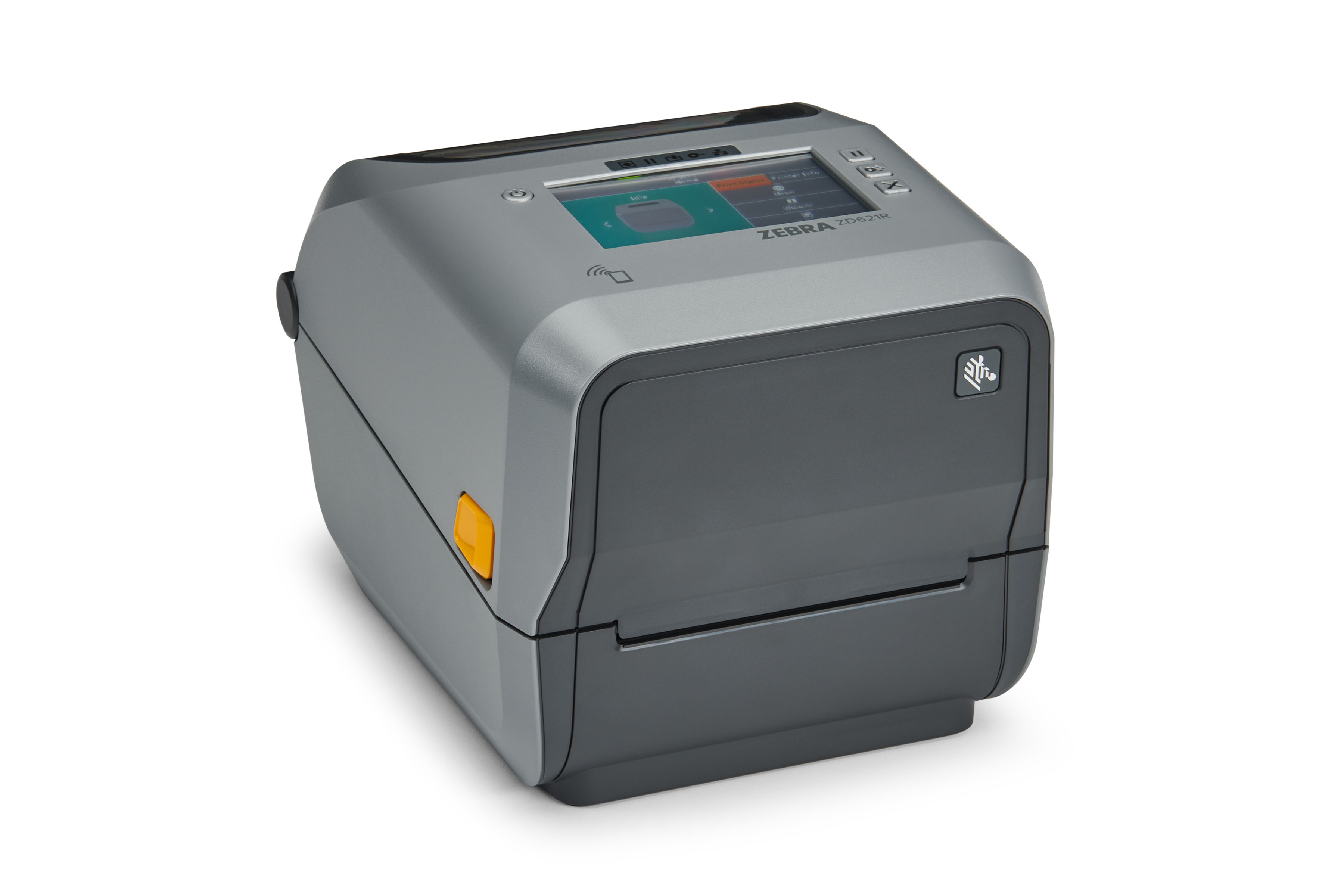
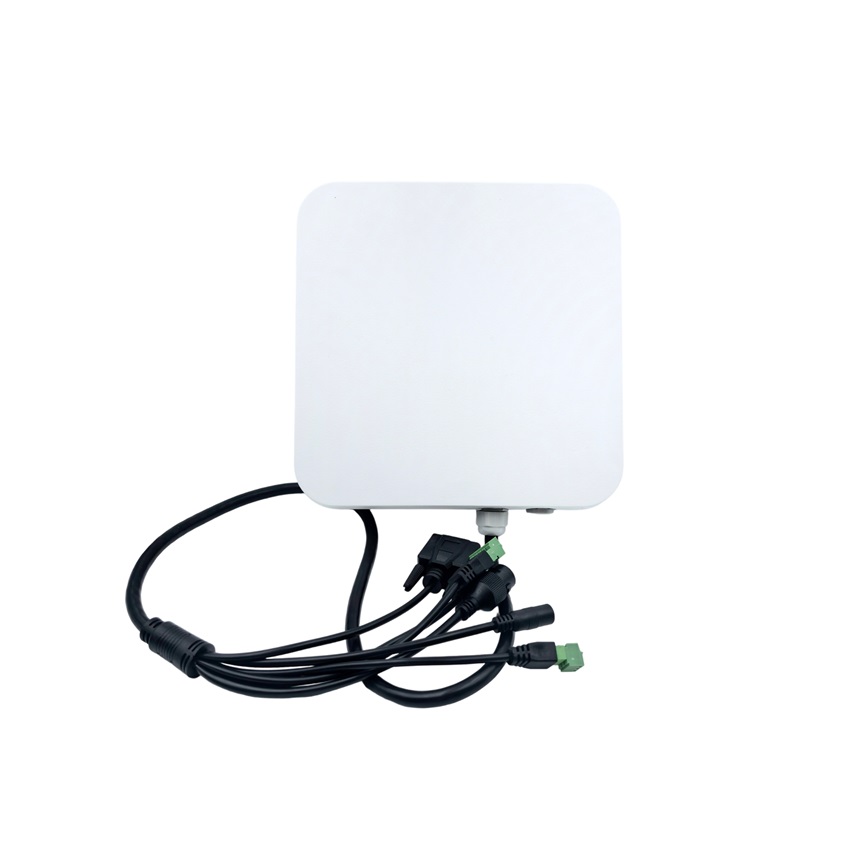
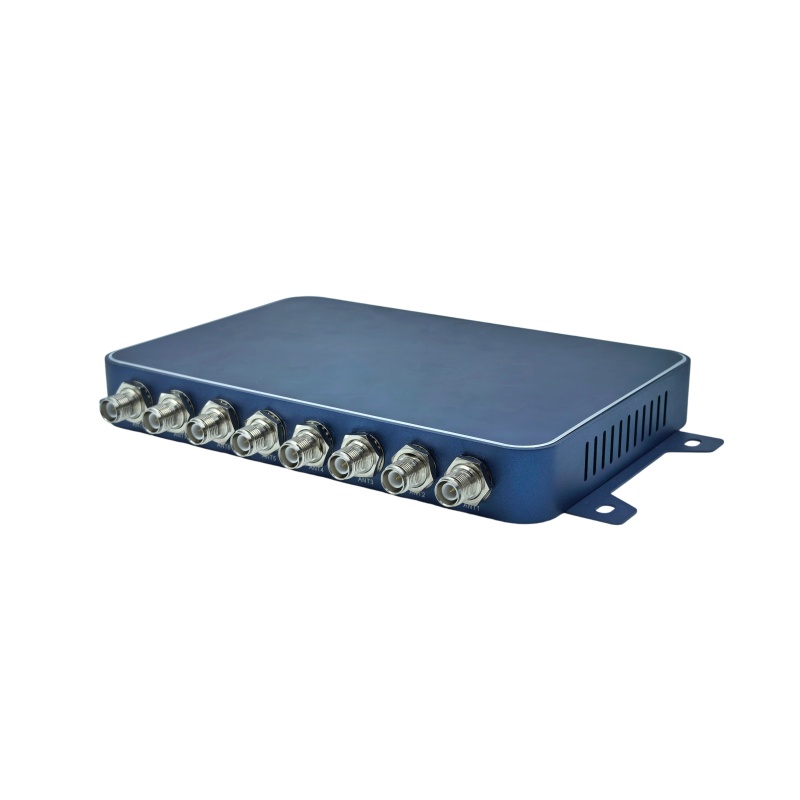
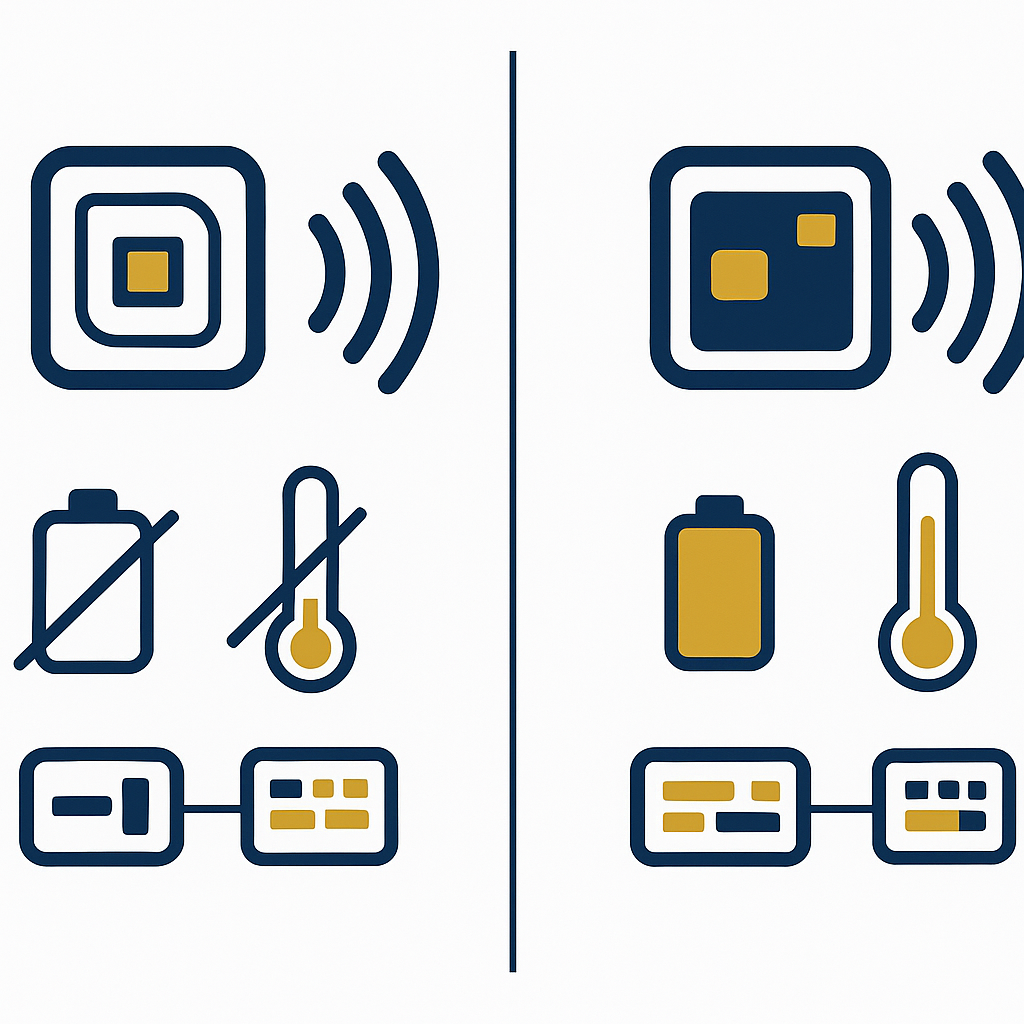
Passive RFID tags draw energy from the reader's waves to respond with a stored code. They have no dedicated battery and no temperature sensor. Some tags with temperature sensors are specialized types (semi-passive or active), typically battery-powered and more expensive, and require a separate quote. Therefore, standard passive tags cannot be expected to record temperature.
Passive tags contain only a memory chip and an antenna; the data written to the tag is an EPC/TID code, not a temperature value. To obtain temperature data, you must use a standalone temperature logger or a tag with a specialized sensor. This is a point that many operations teams misunderstand when buying low-cost RFID labels.
When do you need a dedicated temperature logger?
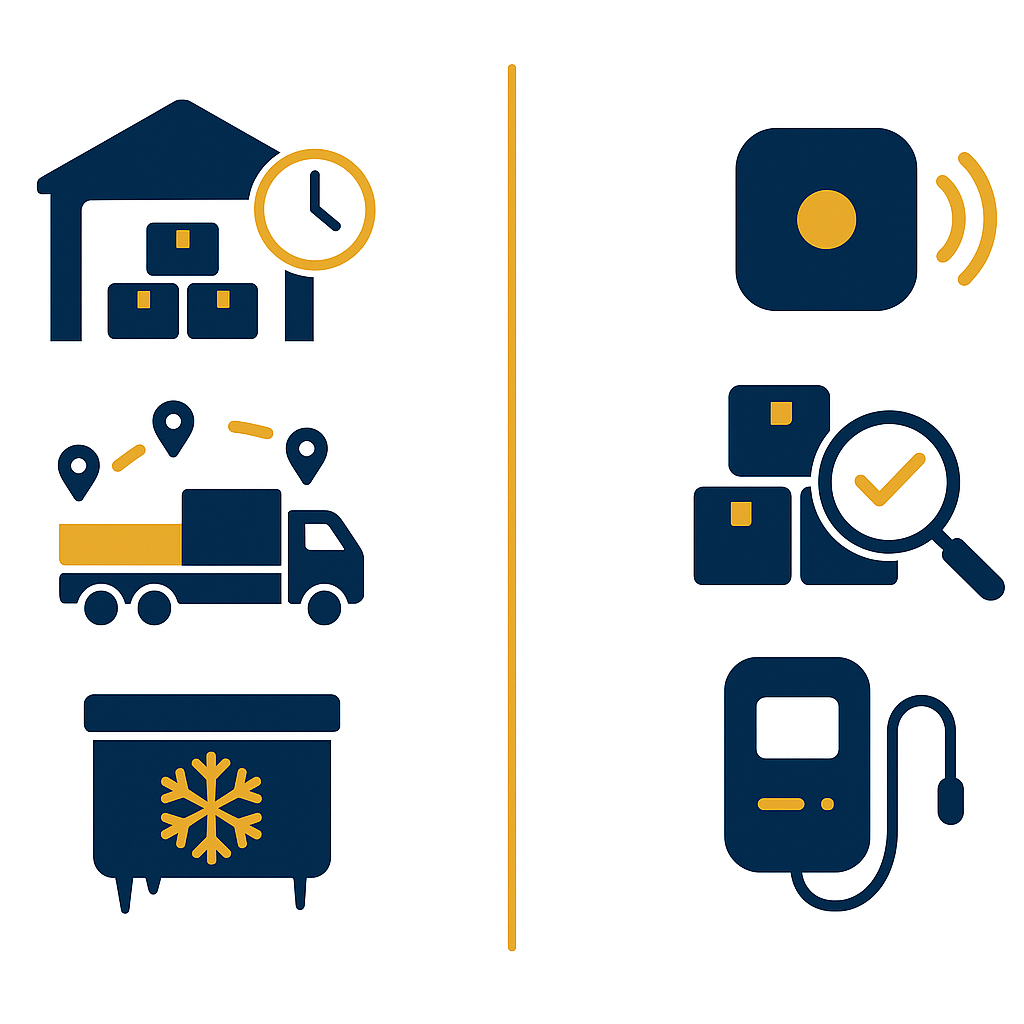
You need a dedicated temperature logger when your requirement is time-based temperature evidence, not just shipment location. Typical cases: long-term storage, inter-provincial transport, frozen goods that require traceability in the event of an incident, or the need to cross-check against regulations and manufacturer instructions. In those cases, a datalogger placed in the warehouse or in the container is a common choice.
Conversely, if you only need a quick stock count, to reduce stocktaking time, or to know which area a shipment is in, passive RFID is sufficient. Adding temperature data should be done when there is a clear requirement from operations or quality control.
- Need temperature evidence: use a datalogger or a sensor tag.
- Need location and stocktaking: use passive RFID.
- Need both: combine RFID and a datalogger, or use a sensor RFID tag.
Two options: temperature loggers and sensor RFID tags
There are two ways to add temperature data to an RFID system: (1) place a temperature logger (datalogger) in the warehouse or in the container, logging at intervals and reading it back when needed; (2) use an RFID tag with a temperature sensor, a specialized type that requires a separate quote. Each approach has advantages and disadvantages in terms of cost, coverage and how data is read.
Temperature loggers placed in the warehouse or in the container
Dataloggers are usually placed at a representative location in the warehouse, or in each container during transport. The device logs temperature at intervals, then exports the data via USB or software. Advantages: lower cost than sensor tags, easy to deploy. Disadvantages: not automatically linked to each shipment unless noted manually.
RFID tags with temperature sensors
Sensor RFID tags (semi-passive/active) can record temperature and transmit when activated. This type requires a separate quote and costs more, but is attached directly to the shipment. Suitable when temperature data is needed per container or per pallet throughout the journey.
How to combine RFID data with time-based temperature data
Combining RFID data with time-based temperature data is the step that turns two separate data sources into operational evidence. RFID shows which shipment is where, and for how long; the datalogger or sensor tag shows the temperature at the corresponding time. When an incident occurs, you cross-reference the two timelines to determine whether the shipment was within the affected area.
- Assign codes: each shipment has an EPC code on its RFID label, with the inbound date recorded.
- Record temperature: the datalogger logs at intervals, or the sensor tag stores temperature values.
- Synchronize time: ensure the reader and datalogger clocks use the same time zone.
- Cross-reference: when an alert occurs, filter the shipments present during the time window of the incident.
- Store: export reports and store them with the shipment records for later lookup.
This data combination is especially useful when traceability is required. You can also refer to the article batch-level traceability for fresh food to understand how to organize shipment data.
Choosing RFID labels for cold environments: specifications to know
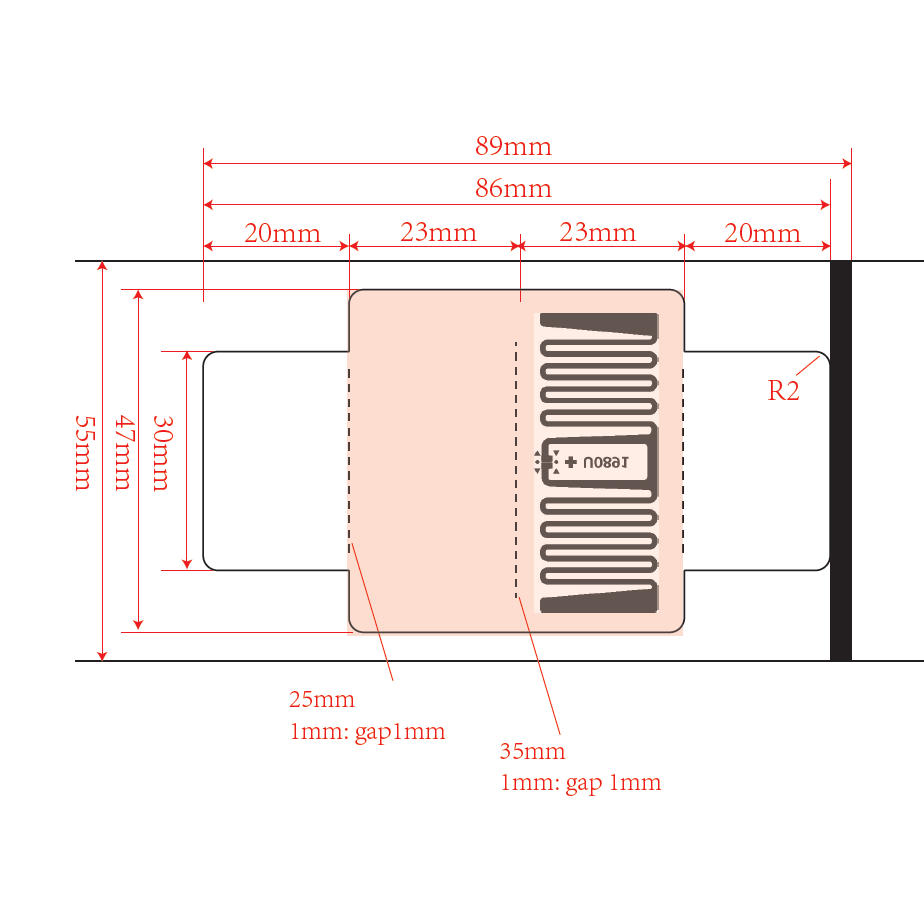
When choosing RFID labels for cold storage, you need to consider operating temperature, read range, substrate material and adhesion. The RL8647 cold-chain label (per manufacturer specifications) uses the Impinj MR6-P chip, PET substrate, label size 86 × 47 mm, antenna 44 × 16 mm, operating temperature -25 °C to 70 °C, read range 0–6 m. This is a passive label type and does not measure temperature.
Per manufacturer specifications, the RL8647 label can operate in the -25 °C to 70 °C range, suitable for many cold-storage areas. However, note the limitations: metal and liquids block waves, so you must test on real goods before wide-scale deployment. Choosing a label also requires considering the carton surface and how it is applied.
For advice on choosing suitable labels and readers, you can also see choosing RFID labels for cold storage: temperature, adhesive, condensation.
Summary table: terminology and options
Term Definition Example / option Passive RFID tag A battery-free tag that draws power from the reader's signal and carries only an identifier RL8647 label attached to the shipping carton Datalogger A device that records temperature at set intervals, read back via USB/software
| Term | Definition | Example / option |
|---|---|---|
| Passive RFID tag | A battery-free tag that draws power from the reader's signal and carries only an identifier | RL8647 label attached to the shipping carton |
| Datalogger | A device that records temperature at set intervals, read back via USB/software | Placed in the warehouse or in the carton during transport |
| Sensor RFID tag | A tag with a temperature sensor, usually battery-powered, requires a separate quote | Used when temperature data is needed per batch |
| Fixed RFID reader | A device that reads tags at the warehouse door or in a controlled area | FX9600 or Symo FR38A |
| Handheld RFID reader | A handheld device for stocktaking or reading tags in the warehouse | Chainway C61 Cold Storage |
Common mistakes when monitoring cold storage temperature with RFID
Expecting passive tags to measure temperature: passive tags carry only an identifier and have no sensor.
- Expecting passive tags to measure temperature: passive tags carry only an identifier and have no sensor. A datalogger or a separate sensor tag is required.
- Ignoring the effect of metal and liquids: RFID signals are blocked, reducing read range. Must be tested on actual goods.
- Not synchronizing time: temperature data and RFID data in different time zones cause incorrect reconciliation.
- Applying labels to damp or frosty surfaces: poor adhesive grip, labels peel off. A suitable adhesive type and surface cleaning are required.
- Not storing data centrally: scattered data, difficult to trace when an incident occurs.
Frequently asked questions
Can passive RFID tags measure temperature?
No. Passive RFID tags carry only an identifier and have no temperature sensor. To measure temperature, a separate temperature recording device or a dedicated sensor RFID tag is required (separate quote).
When should a datalogger be used instead of a sensor RFID tag?
A datalogger is suitable when temperature monitoring is needed at the warehouse level or per carton but not per batch. A sensor RFID tag is suitable when temperature data is needed per batch throughout the journey, but the cost is higher.
Does the RL8647 label measure temperature?
According to the manufacturer's specifications, the RL8647 is a passive RFID label with no temperature sensor. The label has an operating temperature of -25 °C to 70 °C, a read range of 0–6 m, and uses the Impinj MR6-P chip. The label is suitable for identifying batches in cold storage.
How do you match RFID data with temperature data?
Assign an EPC code to each batch and record the inbound time. The datalogger records temperature at set intervals. Synchronize the time between the reader and the datalogger. When an incident occurs, filter the batches present in the corresponding time window for reconciliation.
Is a dedicated RFID reader needed for cold storage?
It is advisable to use a device capable of operating at low temperatures, such as the Chainway C61 Cold Storage (according to the manufacturer's specifications: operates at -30 °C, 6400 mAh battery). Fixed readers such as the FX9600 or Symo FR38A can be placed at the warehouse door to read tags automatically.
What does the cost of deploying RFID for cold storage include?
The cost includes RFID labels, readers (fixed or handheld), temperature recording devices (if needed), management software, and installation labor. Sensor RFID tags cost more than passive labels and require a separate quote. An on-site survey should be conducted before preparing a budget.
To choose the right RFID and temperature recording equipment for cold storage, contact Việt POS via hotline 0935 498 384 for a survey and read-rate measurement on actual goods.
Need advice on specific equipment or a solution?
Việt POS replies within 30 minutes · Hotlines in 4 regions · Free site survey.
