
Mục lục bài viết (9)
- What is manual MRO spare parts management and who is it suitable for?
- What is RFID-based MRO spare parts management and who is it suitable for?
- Detailed comparison: Manual vs RFID on 6 criteria
- Hidden costs of manual management that enterprises often overlook
- Pros and cons of manual management
- Pros and cons of RFID systems
- Which solution should you choose for each use case?
- Hybrid solution: Combining manual and RFID
- Frequently Asked Questions
This article compares two methods of managing MRO (Maintenance, Repair, Operations) spare parts: manual using Excel/paper and automated using RFID technology. We analyze 6 criteria with survey data from Vietnamese enterprises in 2026, helping you determine the right option for your warehouse scale and budget.
Manual MRO spare parts management using Excel takes 2-3 days for a single inventory count of a 1000 SKU warehouse, with accuracy of only 70-80%. RFID reduces inventory time to 2-3 hours and increases accuracy to 95-99%, but initial investment costs are 3-5 times higher than barcode. Enterprises with fewer than 500 SKUs should use manual or barcode methods; those with over 2000 SKUs or strict traceability requirements should invest in RFID.
Table of Contents
- What is manual MRO spare parts management and who is it suitable for?
- What is RFID-based MRO spare parts management and who is it suitable for?
- Detailed comparison: Manual vs RFID on 6 criteria
- Hidden costs of manual management that enterprises often overlook
- Pros and cons of manual management
- Pros and cons of RFID systems
- Which solution should you choose for each use case?
- Hybrid solution: Combining manual and RFID
- Frequently Asked Questions
What is manual MRO spare parts management and who is it suitable for?

Manual MRO spare parts management is a method that uses ledgers, paper documents, and Excel spreadsheets to track inbound, outbound, inventory levels, storage locations, and usage history of spare parts. This method is suitable for enterprises with warehouse scales under 500 SKUs, low inbound/outbound frequency of fewer than 10 transactions per day, and limited budgets.
For small workshops or maintenance shops with 1-2 warehouse staff, using Excel is entirely acceptable. The cost is nearly zero, and staff do not need training on new technology. However, when the number of spare parts increases or traceability requirements become stringent, this method reveals many limitations in time and accuracy.
What is RFID-based MRO spare parts management and who is it suitable for?
Related Products
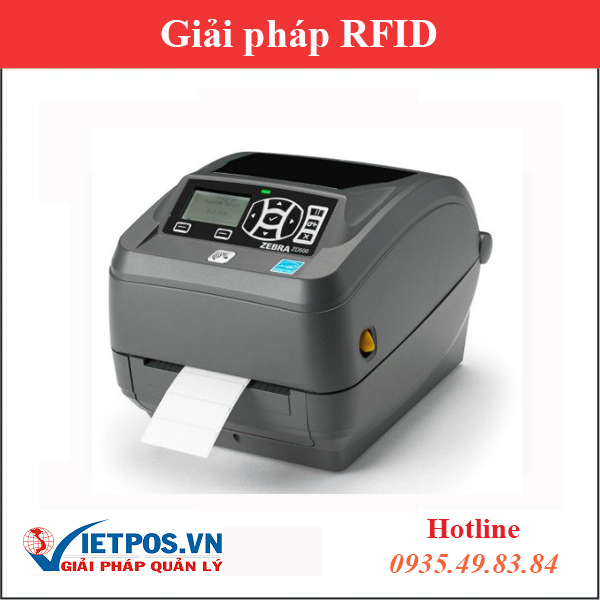
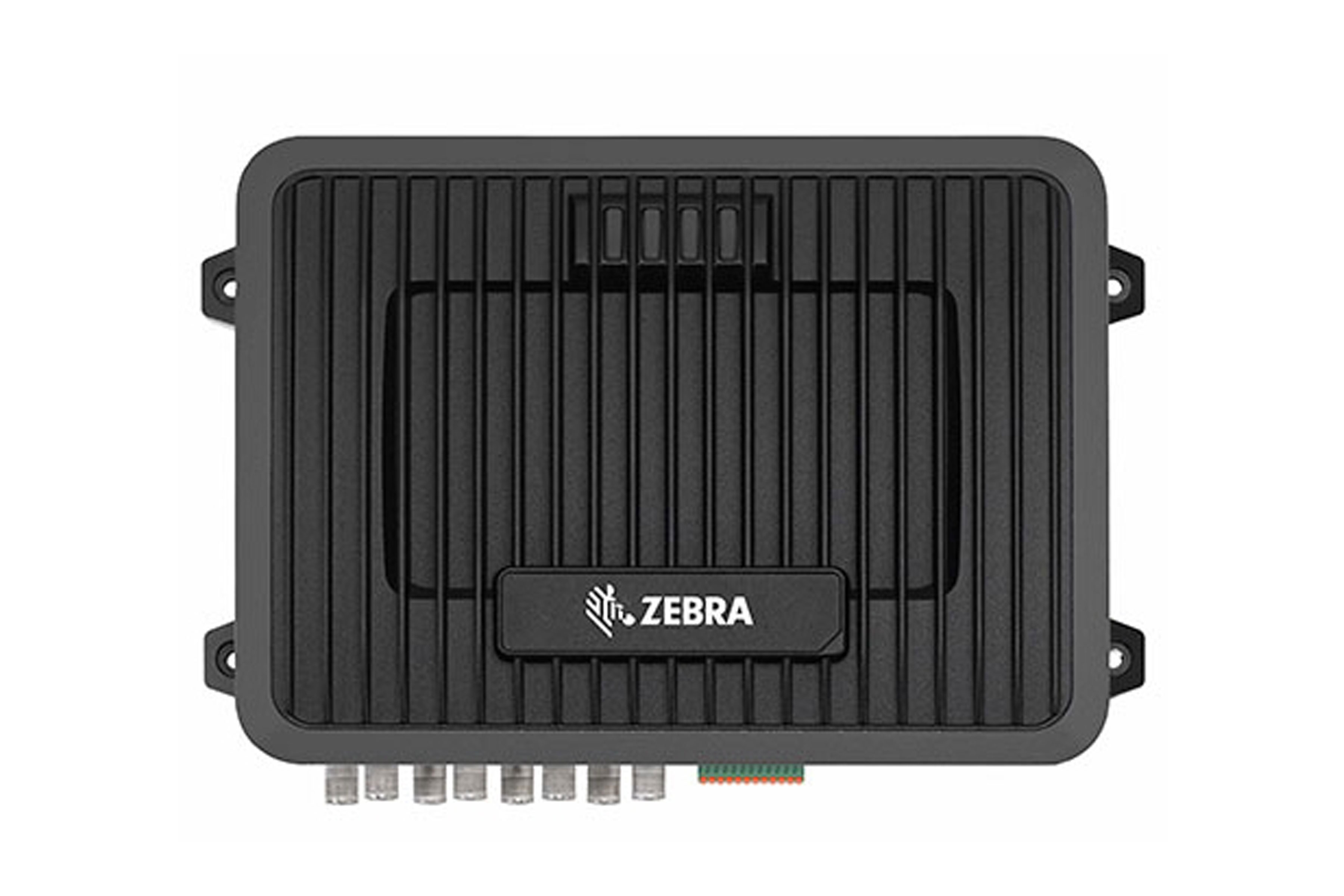
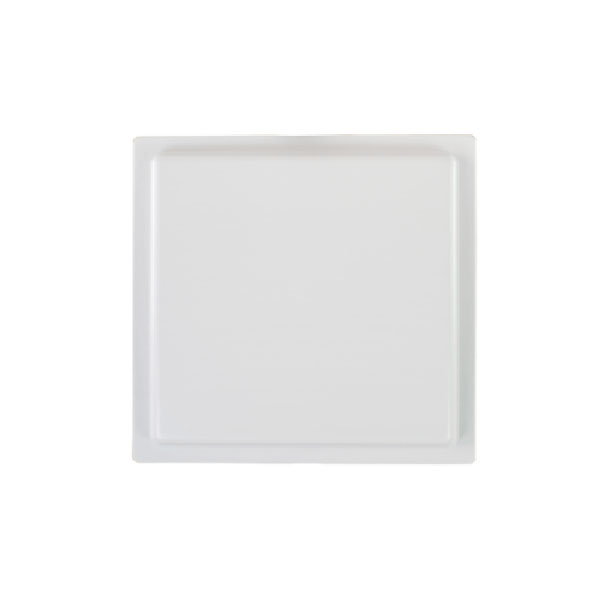
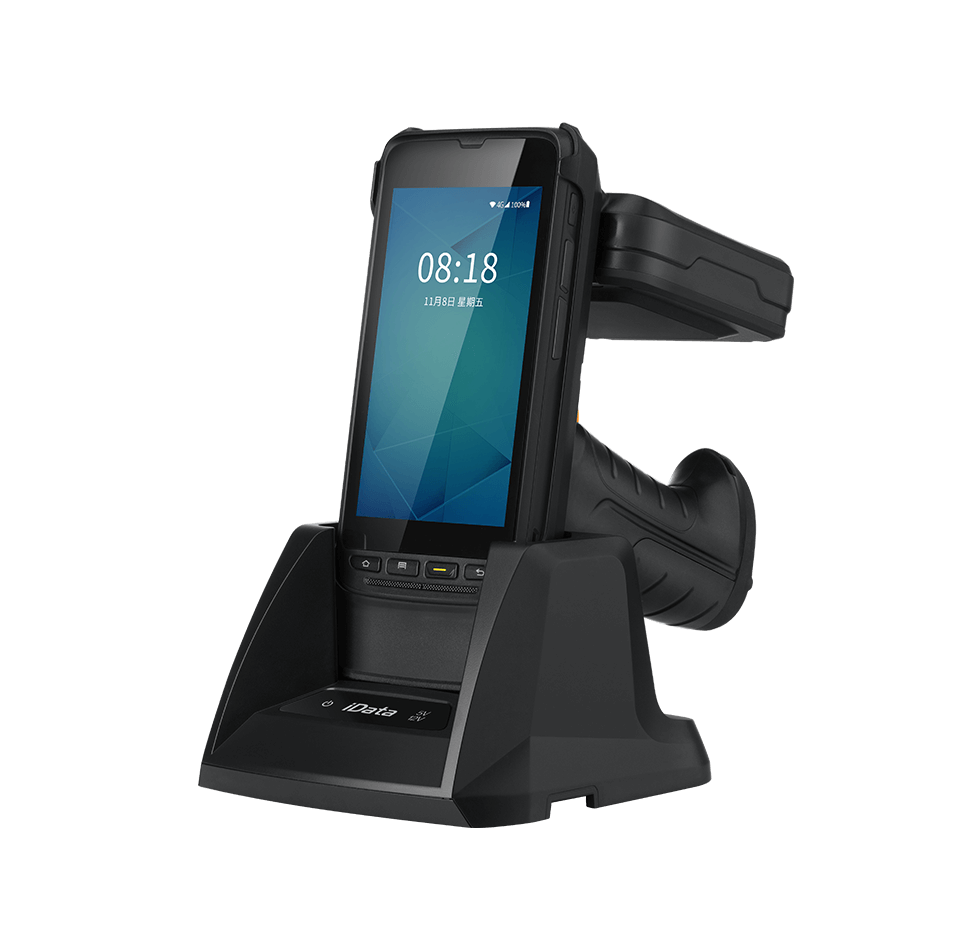



RFID (Radio Frequency Identification) uses radio waves to automatically identify and track tagged spare parts. The system consists of RFID tags, fixed or handheld readers, antennas, and management software. This solution is suitable for enterprises with warehouses of over 2000 SKUs, high inbound/outbound frequency, or requirements for fast and accurate inventory counts.
The strength of RFID is its ability to read multiple tags simultaneously without line-of-sight, enabling inventory counts 10-20 times faster than manual methods. In Vietnam, UHF RFID devices operate in the 918.4-923 MHz frequency band, with maximum power of 500 mW ERP according to compliance regulations (refer to Circular 08/2021 of the Ministry of Information and Communications). This system is suitable for manufacturing plants, large maintenance workshops, automotive spare parts warehouses, or logistics centers with large volumes of spare parts.
Detailed comparison: Manual vs RFID on 6 criteria

Below is a direct comparison table between the two methods based on survey data from 50 Vietnamese enterprises with MRO spare parts warehouses in 2025-2026. The data was collected from maintenance workshops in Binh Duong, Dong Nai, and Hanoi industrial zones.
| Criteria | Manual (Excel/Paper) | UHF RFID | Notes |
|---|---|---|---|
| Inventory time for 1000 SKUs | 2-3 days | 2-3 hours | Best: RFID |
| Data accuracy | 70-80% | 95-99% | Best: RFID |
| Search time for 1 spare part | 10-15 minutes | 1-3 minutes | Best: RFID |
| Initial investment cost | 0-5 million VND | 150-500 million VND | Best: Manual |
| Annual operating cost | 40-80 million (labor) | 15-30 million (maintenance, tags) | Best: RFID |
| History traceability | Difficult, time-consuming | Automatic, immediate | Best: RFID |
Survey results show that enterprises using RFID save an average of 60-100 labor hours per month on inventory and spare parts search activities. However, the initial investment cost for a basic RFID system (2-3 handheld readers, 5000 tags, software) ranges from 150-500 million VND, depending on equipment brands such as Zebra, Honeywell, or Impinj.
Hidden costs of manual management that enterprises often overlook

In addition to labor costs for warehouse staff salaries, manual management incurs several hidden costs: inventory discrepancies leading to over-ordering or under-stocking, machine downtime due to inability to find spare parts, and uncontrolled loss risks.
Surveys from manufacturing enterprises in Vietnam show that the average inventory discrepancy rate is 15-20% with manual management. This leads to over-ordering costs of approximately 5-10% of inventory value each year. For a spare parts warehouse valued at 2 billion VND, this equates to 100-200 million VND in unrecorded losses annually.
Another hidden cost is machine downtime. On average, each time a machine breaks down and requires a replacement part, warehouse staff spend 15-30 minutes searching. With 3-5 breakdowns per day, the total wasted time amounts to 1-2 hours per day, equivalent to 12-15 working days per month.
Pros and cons of manual management

Manual management has the advantages of low cost and easy implementation, but has major disadvantages in time, accuracy, and scalability. Below is a detailed analysis for your consideration.
- Advantages: Initial investment cost is nearly zero; no technology training required; flexible process changes; easy to correct errors when detected.
- Disadvantages: Takes 2-3 days for a single inventory count of 1000 SKUs; accuracy is only 70-80%; difficult to control actual inventory; no reliable historical data; completely dependent on staff discipline.
Pros and cons of RFID systems
RFID systems offer high accuracy, fast inventory, and strong traceability, but require significant investment and technical expertise. Below is a detailed analysis of the pros and cons.
- Advantages: Inventory time reduced by 10-20 times; accuracy up to 95-99%; automatic data collection without line-of-sight; real-time traceability; reduced labor costs; supports large-scale operations.
- Disadvantages: High initial investment (150-500 million VND); requires technical training; performance affected by metal and liquids; tag costs add up; requires compliance with Vietnamese frequency regulations.
Which solution should you choose for each use case?

The choice between manual and RFID depends on your warehouse scale, budget, and operational requirements. Below are specific recommendations for common use cases.
- Small warehouse (under 500 SKUs): Use manual or barcode. Investment is minimal, and the volume does not justify RFID costs.
- Medium warehouse (500-2000 SKUs): Consider barcode or hybrid approach. RFID may be cost-effective if traceability requirements are high.
- Large warehouse (over 2000 SKUs): RFID is recommended. The time savings and accuracy improvements justify the investment.
- High-value or critical spare parts: RFID for these items even in smaller warehouses, to ensure traceability and prevent loss.
- Strict regulatory compliance: RFID provides automatic, tamper-proof audit trails.
Hybrid solution: Combining manual and RFID

A hybrid approach allows enterprises to use RFID for critical or high-value items while maintaining manual or barcode methods for low-value items. This balances cost and efficiency.
For example, a warehouse might use RFID tags on high-value spare parts (e.g., motors, controllers) and barcode labels on standard consumables. Handheld readers like the Zebra MC3390R or Honeywell CK65 support both technologies, enabling seamless switching. This approach reduces initial investment while improving accuracy where it matters most.
Frequently Asked Questions

Here are answers to common questions about MRO spare parts management and RFID implementation.
What is the payback period for an RFID system in an MRO spare parts warehouse?
For enterprises with a warehouse of 2000-5000 SKUs, the average payback period is 18-24 months. This is based on savings of 100-150 labor hours per month (valued at 15-25 million VND) plus a 5-10% reduction in inventory discrepancy. For warehouses smaller than 1000 SKUs, the payback period may extend to 36 months or may not be economically viable.
Does RFID work well with metal spare parts?
Metal interferes with radio waves, reducing RFID tag readability. However, specialized on-metal RFID tags are designed to overcome this issue. These tags cost 2-3 times more than standard tags. Before deployment, a site survey is necessary to determine the appropriate tag type for each spare parts group.
What is the total cost for a basic RFID system?
A basic RFID system for an MRO spare parts warehouse includes: 2 handheld readers (40-80 million VND), 5000 UHF tags (15-40 million VND), management software (50-150 million VND), and implementation/training costs (20-40 million VND). The total ranges from 150-500 million VND depending on equipment brand and software customization scope.
Can enterprises use both barcode and RFID simultaneously?
Absolutely. Many enterprises use barcode for low-value items and RFID for critical spare parts. Most modern RFID readers, such as the Zebra MC3390R or Honeywell CK65, integrate both technologies, allowing flexible switching between the two management methods.
What are the compliance procedures for RFID devices in Vietnam?
UHF RFID devices in Vietnam must operate in the 918.4-923 MHz frequency band, with maximum power of 500 mW ERP, and must obtain compliance certification according to Circular 08/2021 of the Ministry of Information and Communications. When purchasing equipment, you should request the supplier to provide a copy of the compliance certificate to ensure legal operation.
Do warehouse staff need extensive training when switching to RFID?
Basic training for warehouse staff takes approximately 1-2 days. They need to learn how to use handheld readers, the scanning process for inbound/outbound transactions, and how to confirm data in the software. However, the key point is that staff must maintain the habit of confirming before recording to avoid errors from misreads or missed tags.
Cần tư vấn thiết bị/giải pháp cụ thể?
Việt POS phản hồi trong 30 phút · Hotline 4 vùng · Khảo sát miễn phí.
