Mục lục bài viết (10)
- Why are the hidden costs of manual WIP tracking higher than you think?
- What is manual WIP tracking and who is it suitable for?
- What is stage-by-stage RFID WIP tracking and who is it suitable for?
- Detailed comparison: Cost and efficiency of manual WIP vs RFID
- Which stage-by-stage WIP tracking method should you choose?
- Pros and cons of each WIP tracking method
- When should you invest in RFID for stage-by-stage WIP tracking?
- Vietnam's UHF RFID frequency regulations you need to know
- Effective roadmap for implementing RFID WIP tracking
- Frequently asked questions about comparing manual WIP and RFID
This article compares two methods of tracking WIP (Work-in-Progress / semi-finished goods) by process stage: the manual method using ledgers/Excel and the automated solution using UHF RFID technology. You will clearly see the hidden costs of the old approach and the real benefits of the new technology to make an informed investment decision.
This article compares the hidden costs of manual WIP tracking (errors, delays) with the benefits of stage-by-stage UHF RFID in Vietnam (918.4-923 MHz frequency, compliant with Circular 08/2021). RFID enables automated data collection, reduces labor, and increases accuracy, but has limitations with metal/liquids and requires staff confirmation before recording.
Table of Contents
- Why are the hidden costs of manual WIP tracking higher than you think?
- What is manual WIP tracking and who is it suitable for?
- What is stage-by-stage RFID WIP tracking and who is it suitable for?
- Detailed comparison: Cost and efficiency of manual WIP vs RFID
- Which stage-by-stage WIP tracking method should you choose?
- Pros and cons of each WIP tracking method
- When should you invest in RFID for stage-by-stage WIP tracking?
- Vietnam's UHF RFID frequency regulations you need to know
- Effective roadmap for implementing RFID WIP tracking
- Frequently asked questions about comparing manual WIP and RFID
Why are the hidden costs of manual WIP tracking higher than you think?

Manual WIP tracking exposes businesses to many hidden costs: data entry errors, time spent locating semi-finished goods, recording labor, and untimely data. These costs often do not appear on financial reports but erode profits every day.
The manual method records the location and status of semi-finished goods via ledgers or Excel spreadsheets. Employees must record and enter data manually after each stage. Based on real-world observations at Vietnamese factories, each shift can lose 30-60 minutes updating data, not including time spent searching when semi-finished goods are misplaced. Data entry errors account for 1-3% of all tracking slips, leading to inventory discrepancies and requiring recounts.
What is manual WIP tracking and who is it suitable for?
Related Products
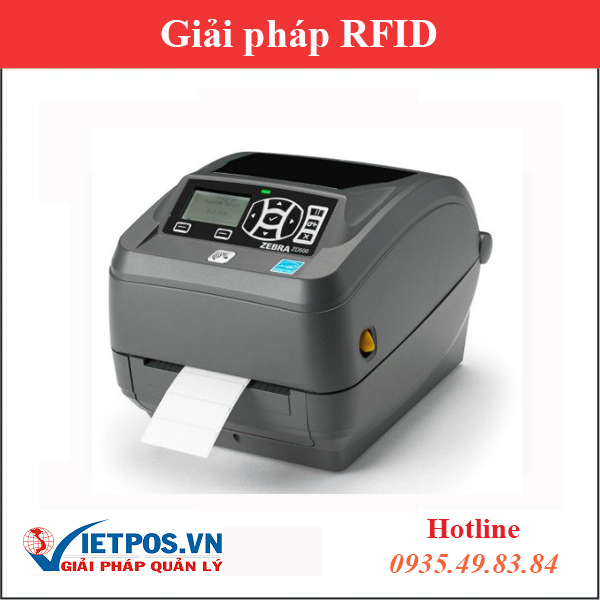
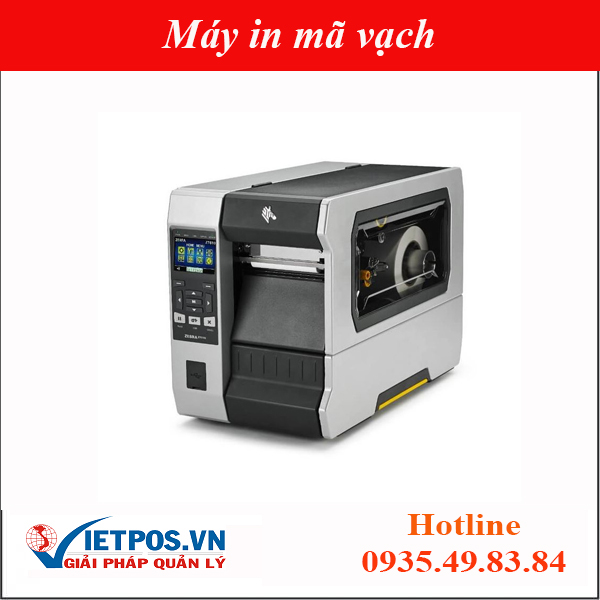
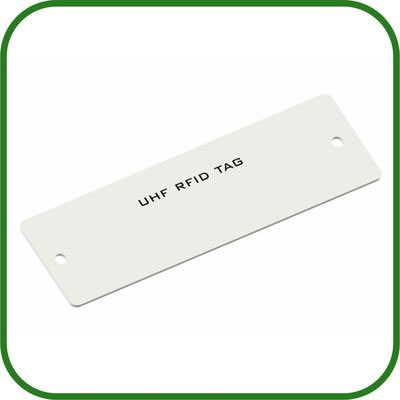



Manual WIP tracking involves recording the status and location of semi-finished goods via ledgers, paper slips, or Excel. It is suitable for factories producing single items, small-scale operations with under 50 employees, or stages with low volumes that do not require real-time feedback.
For factories producing small orders with few process stages, the manual method can meet basic needs. The initial investment cost is nearly zero. However, as production volume increases, the number of stages grows, and traceability requirements become stricter, this approach reveals many weaknesses. Employees make recording and data entry errors, data is not synchronized between shifts, and it is difficult to quickly answer the question "where is this semi-finished good?"
What is stage-by-stage RFID WIP tracking and who is it suitable for?

RFID WIP tracking involves attaching UHF RFID tags to semi-finished goods and using fixed or handheld readers to automatically collect data as products pass through each stage. It is suitable for medium to large factories with multiple stages and fast traceability requirements.
UHF RFID systems in Vietnam operate at 918.4-923 MHz, with power ≤500 mW ERP, in compliance with Circular 08/2021 of the Ministry of Information and Communications. When tagged semi-finished goods pass through read portals or are scanned with handheld readers, data is automatically updated in the management software. This enables the factory to know exactly which stage each batch is at, reducing search time and increasing accuracy. However, this technology has limitations: metal and liquids can block waves, and staff still need to confirm before recording to ensure absolute accuracy.
Detailed comparison: Cost and efficiency of manual WIP vs RFID

The comparison table below contrasts 5 key criteria between the two methods. RFID excels in accuracy and update speed; manual wins on initial cost. The choice depends on the scale and operational requirements of each factory.
| Criteria | Manual (ledger/Excel) | UHF RFID |
|---|---|---|
| Initial investment cost | Nearly zero | Medium to high (readers, tags, software) |
| Data accuracy | Low (1-3% data entry errors) | Best (automated collection, reduces human error) |
| Update speed | Slow (30-60 minutes/shift) | Best (real-time when passing through read portals) |
| Time to locate semi-finished goods | High (can take hours) | Best (quick location identification) |
| Operational labor cost | High (many record keepers) | Best (reduces manual operations) |
Note: RFID is not a complete replacement for human involvement. Staff still need to confirm before recording to ensure data accuracy. Additionally, UHF RFID tags perform poorly when attached directly to metal surfaces or near liquids; specialized tags or proper placement design are required.
Which stage-by-stage WIP tracking method should you choose?
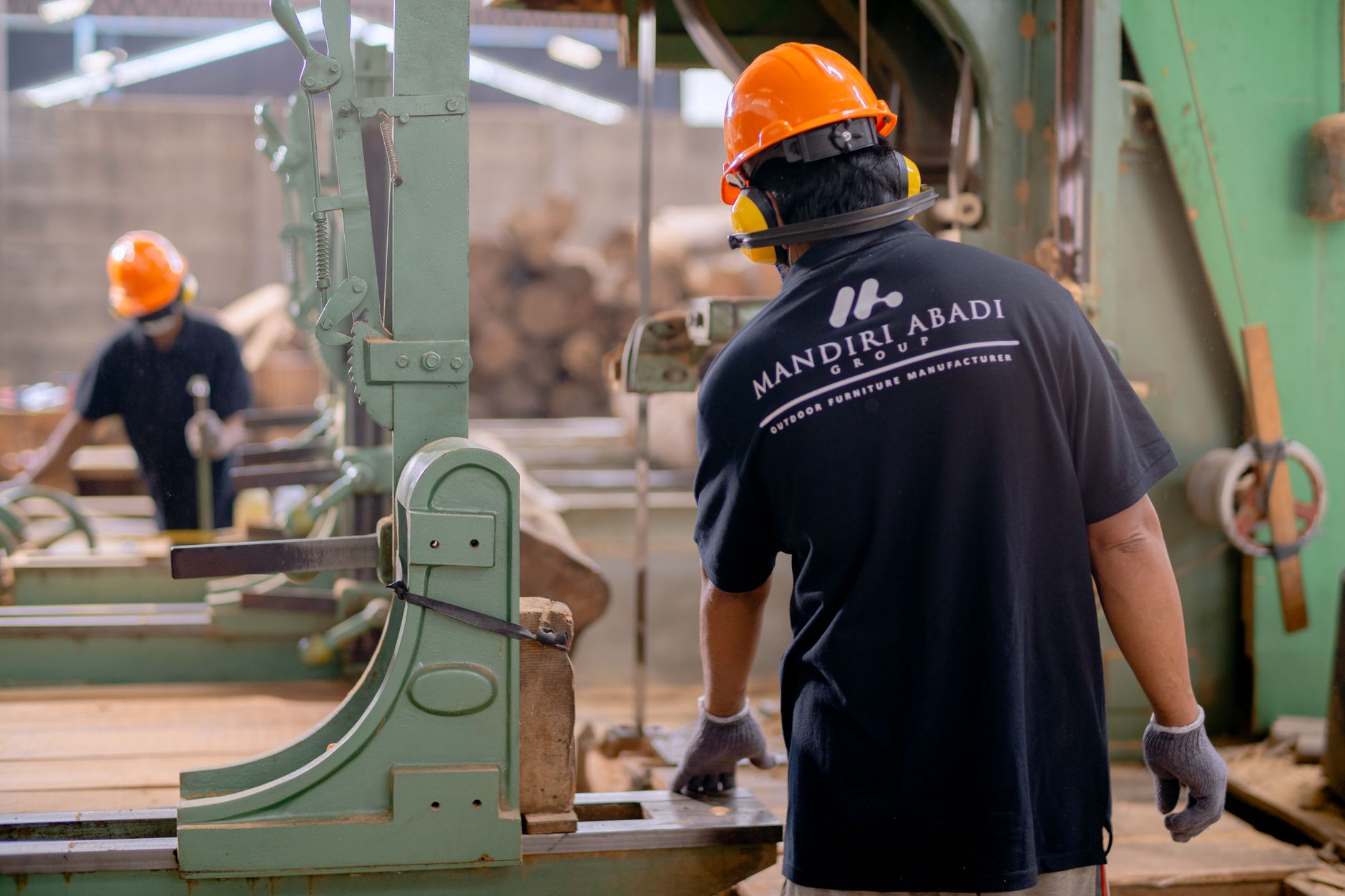
There is no one-size-fits-all solution for every factory. The choice depends on production scale, number of stages, and traceability requirements. Below are specific scenarios and suggested suitable options.
Scenario 1: Make-to-order factory, under 50 employees, fewer than 5 stages.
Suggestion: The manual method remains viable. Investment cost is low, and employees can manage well due to low volumes. Only consider RFID when facing issues with lost semi-finished goods or when customers require detailed traceability.
Scenario 2: Garment or mechanical factory, 100-500 employees, 10-20 stages.
Suggestion: RFID is the optimal choice. With many stages and high volumes, manual tracking becomes a bottleneck. RFID automates data collection, reduces errors, and provides real-time visibility. The payback period is typically 12-18 months.
Scenario 3: Factory with strict traceability requirements (export, automotive, electronics).
Suggestion: RFID is almost mandatory. Customers often require detailed traceability down to each batch and stage. RFID provides accurate, fast data, helping you meet requirements and avoid penalties.
Pros and cons of each WIP tracking method

Each method has distinct advantages and disadvantages. Manual tracking is simple and low-cost but error-prone and slow. RFID is accurate and fast but requires investment and has environmental limitations.
Manual WIP Tracking
Pros: Low initial cost, simple to implement, no special skills required.
Cons: High error rate, slow updates, labor-intensive, difficult to trace.
RFID WIP Tracking
Pros: High accuracy, real-time updates, reduced labor, fast traceability.
Cons: Higher investment, requires technical expertise, limitations with metal/liquids.
When should you invest in RFID for stage-by-stage WIP tracking?

Invest in RFID when you face frequent lost semi-finished goods, high error rates, customer traceability demands, or when manual tracking costs exceed RFID investment. A cost-benefit analysis is essential.
Signs that RFID is needed: frequent inventory discrepancies, long search times, customer complaints about traceability, or expansion to more stages. If your factory has over 10 stages and 100+ employees, RFID is often the right choice. Calculate the total cost of manual tracking (labor, errors, delays) versus RFID investment to make an informed decision.
Vietnam's UHF RFID frequency regulations you need to know

In Vietnam, UHF RFID devices must operate at 918.4-923 MHz with power ≤500 mW ERP, per Circular 08/2021. Ensure your equipment is certified to avoid legal issues and interference.
When purchasing RFID equipment, check for compliance certificates. Non-compliant devices can cause interference and legal penalties. Việt POS provides compliant equipment, but businesses should seek legal advice if needed.
Effective roadmap for implementing RFID WIP tracking

A successful RFID implementation follows a clear roadmap: survey current processes, design the solution, pilot in one area, then scale up. This minimizes risks and ensures smooth adoption.
- Survey: Map current production flow, identify bottlenecks and loss points.
- Design: Choose the right tags, readers, and software; plan placement.
- Pilot: Test in one workshop or stage; train staff and adjust.
- Scale: Expand to full factory; integrate with ERP/MES if available.
Frequently asked questions about comparing manual WIP and RFID

Here are answers to common questions about manual WIP tracking vs RFID, covering costs, technical limitations, and implementation steps.
Is the initial investment for RFID WIP tracking significantly higher than manual?
The initial investment for RFID is higher, including tags, readers, portals, and software. However, consider the hidden costs of manual methods: recording labor, search time, and data entry errors. For factories with over 10 stages, manual operating costs can exceed RFID investment within 1-2 years. Each business needs its own analysis for accurate figures.
Can RFID read semi-finished goods made of metal?
Metal is a major challenge for UHF RFID because it blocks waves. However, there are specialized on-metal tags that work effectively when attached directly to metal surfaces. These tags cost more than standard ones. Before implementation, conduct a thorough survey to choose the right tags and avoid read failures that disrupt production.
Do employees need to interact with the RFID system?
Yes. Although RFID automatically collects data when semi-finished goods pass through read portals, staff still need to confirm before recording to ensure absolute accuracy. For example, when moving semi-finished goods from cutting to sewing, staff confirm on a handheld reader or screen. This takes a few seconds but prevents errors from damaged or misplaced tags.
Does Vietnam's UHF RFID frequency comply with regulations?
Yes. UHF RFID devices in Vietnam must operate at 918.4-923 MHz, with power ≤500 mW ERP, per Circular 08/2021 of the Ministry of Information and Communications. When purchasing equipment, check for compliance certificates to avoid legal violations and interference. Việt POS provides compliant equipment, but businesses should seek legal advice when needed.
How do I start implementing RFID WIP tracking?
Start by surveying the current production process, identifying bottlenecks and where semi-finished goods are lost. Then, contact a consultant like Việt POS to design a suitable solution, select equipment, install, and train staff. Run a pilot in one workshop or stage before scaling to the entire factory to reduce risks.
Cần tư vấn thiết bị/giải pháp cụ thể?
Việt POS phản hồi trong 30 phút · Hotline 4 vùng · Khảo sát miễn phí.
