Mục lục bài viết (4)
Production batch traceability is an increasingly common requirement for Vietnamese enterprises, from food, pharmaceuticals to electronic components. This article directly compares two methods: manual recording (paper/Excel) and RFID systems — across 12 measurable criteria, helping you determine the right solution for your scale and budget.
Manual traceability takes 15-30 minutes per batch with an error rate of 2-5%, while RFID scans 200-500 tags simultaneously in 3-5 seconds with over 99% accuracy. RFID is suitable for manufacturers with 500+ batches per month or those with upstream traceability requirements. Initial investment is high, but payback time is 18-30 months.
Table of Contents
- What is manual traceability and who is it suitable for?
- How does an RFID production batch traceability system work?
- Manual traceability vs RFID: 12-criteria comparison table
- Which method to choose based on specific use cases?
- What are the pros and cons of manual traceability?
- What are the pros and cons of RFID traceability systems?
- What is the investment cost of RFID for production batch traceability?
- When should you invest in RFID for production batch traceability?
- RFID frequencies and compliance in Vietnam for production batch traceability
- Frequently Asked Questions
What is manual traceability and who is it suitable for?

Manual traceability is the process of recording production batch information using paper records or Excel spreadsheets, based on data entry by workers at each stage. This method is suitable for small manufacturing enterprises with fewer than 100 batches per month, or industries without mandatory traceability requirements from regulatory bodies.
With the manual method, each time raw materials are received, workers write the batch number on a tracking form or manually enter it into an Excel file. When traceability is needed, staff must flip through pages of records or use the search function (Ctrl+F) in the spreadsheet. This process takes 15-30 minutes per batch and depends heavily on each individual's recording discipline.
The only advantage of the manual method is that the cost is nearly zero — no hardware, software, or complex training investment required. However, as the number of production batches increases or upstream traceability requirements (from finished goods to raw materials) emerge, this method quickly reveals its limitations.
How does an RFID production batch traceability system work?
Related Products
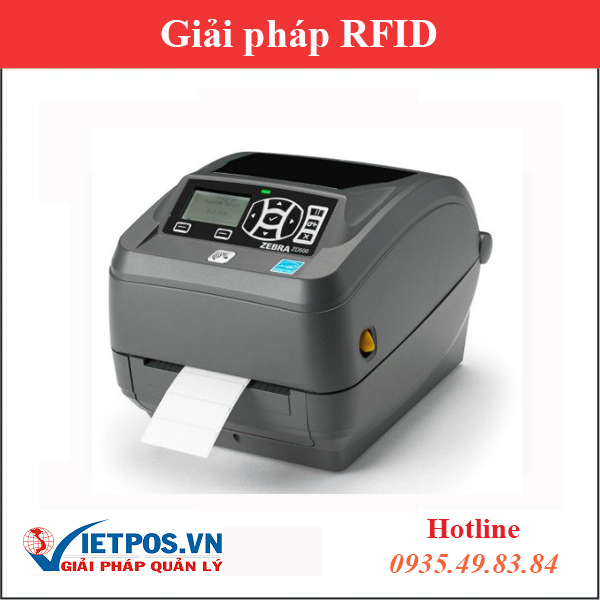
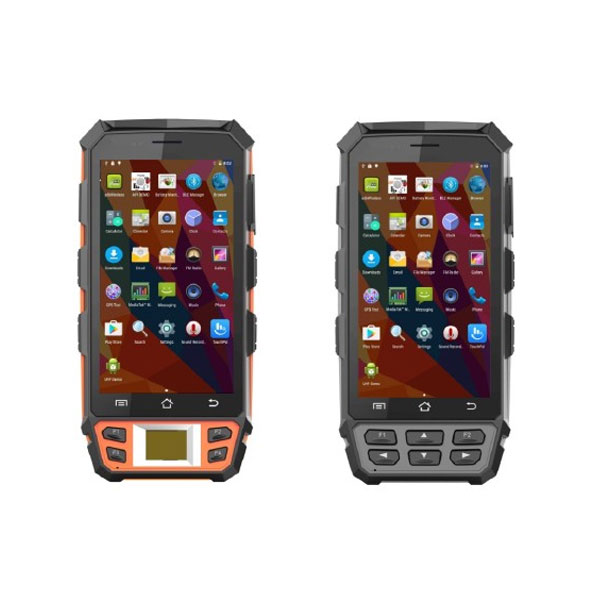
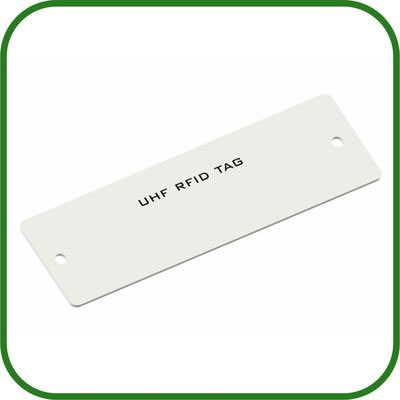

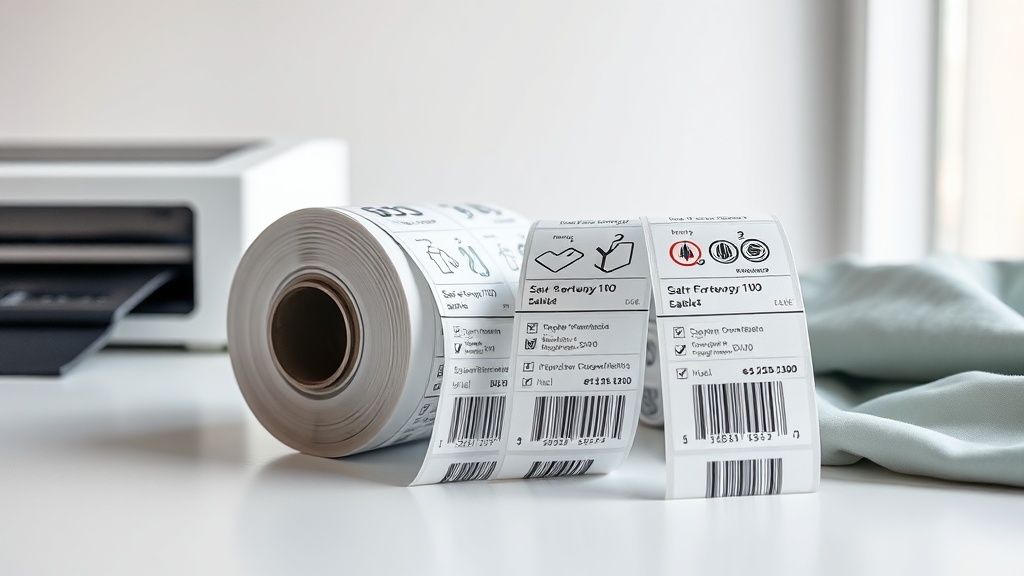
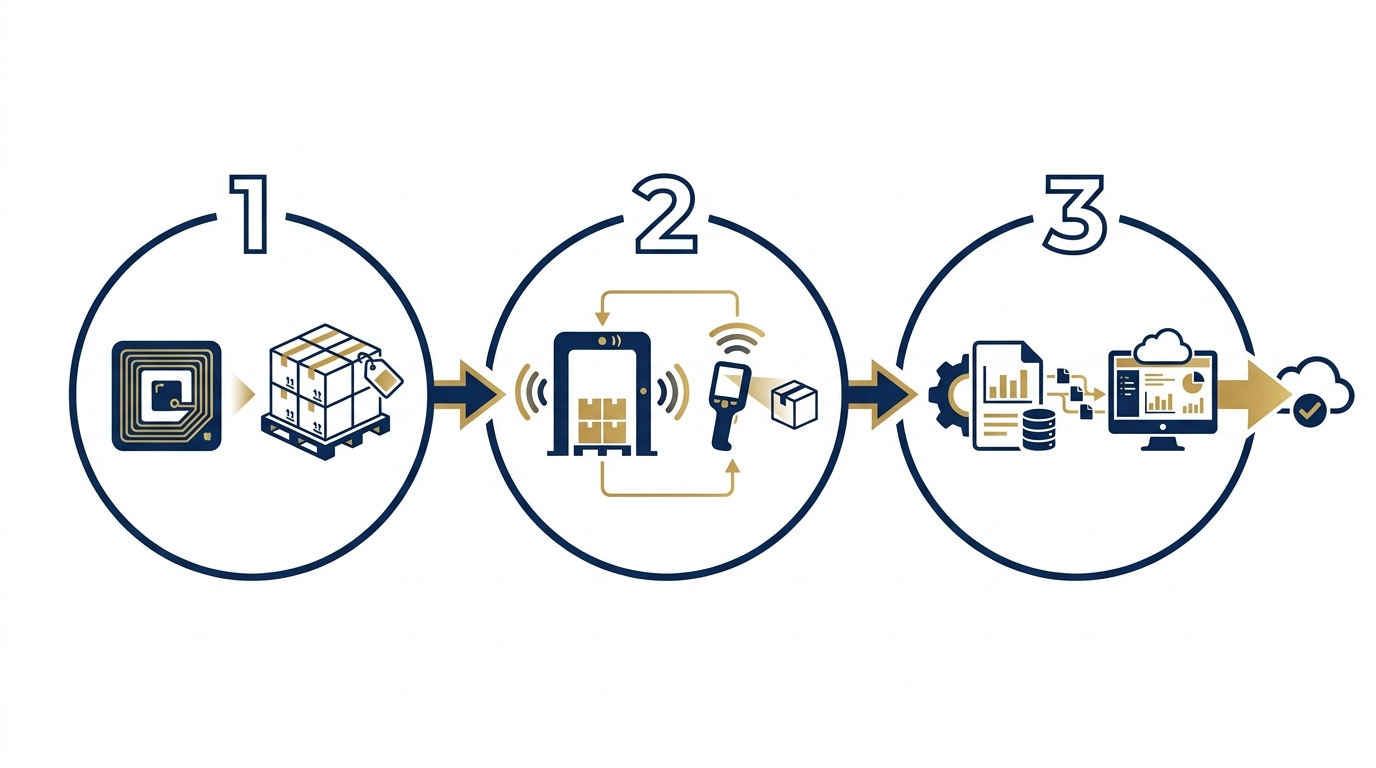
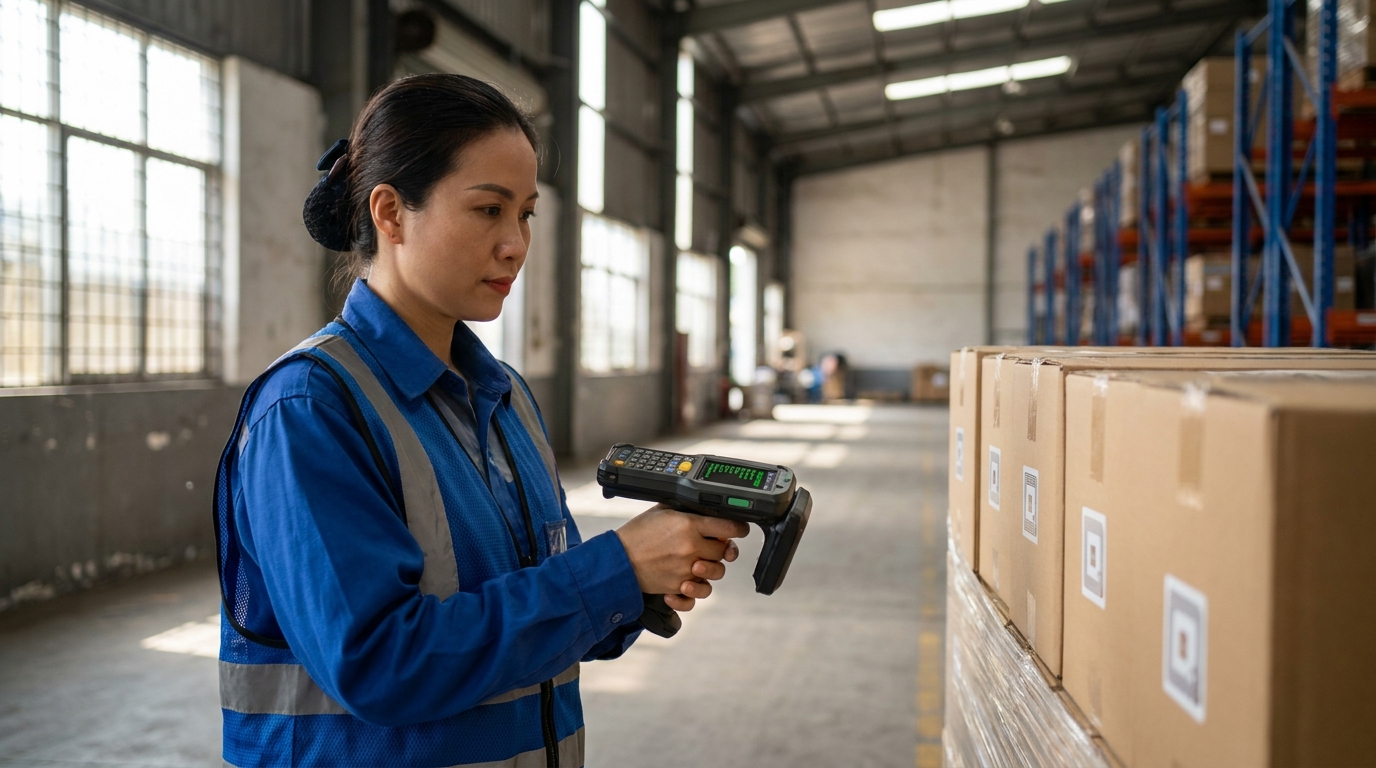
An RFID system for production batch traceability uses UHF RFID tags (918.4–923 MHz, compliant with Vietnam's Circular 08/2021) attached to pallets or cartons. Each tag contains a unique identifier; when passing through a reader portal or handheld reader, all batch information is automatically collected within 3-5 seconds for 200-500 tags simultaneously.
Unlike barcodes that require scanning each tag individually, RFID allows bulk reading without line-of-sight — tags inside cartons can still be read. Data is automatically synchronized to management software, forming a complete traceability chain from raw material intake, through each production stage, to finished goods dispatch.
Việt POS provides RFID infrastructure including fixed readers Zebra FX9600, antennas, RFID tags, and 123RFID Desktop software for traceability data management. This system is suitable for manufacturers with 500+ batches per month or those with supply chain transparency requirements.
Manual traceability vs RFID: 12-criteria comparison table
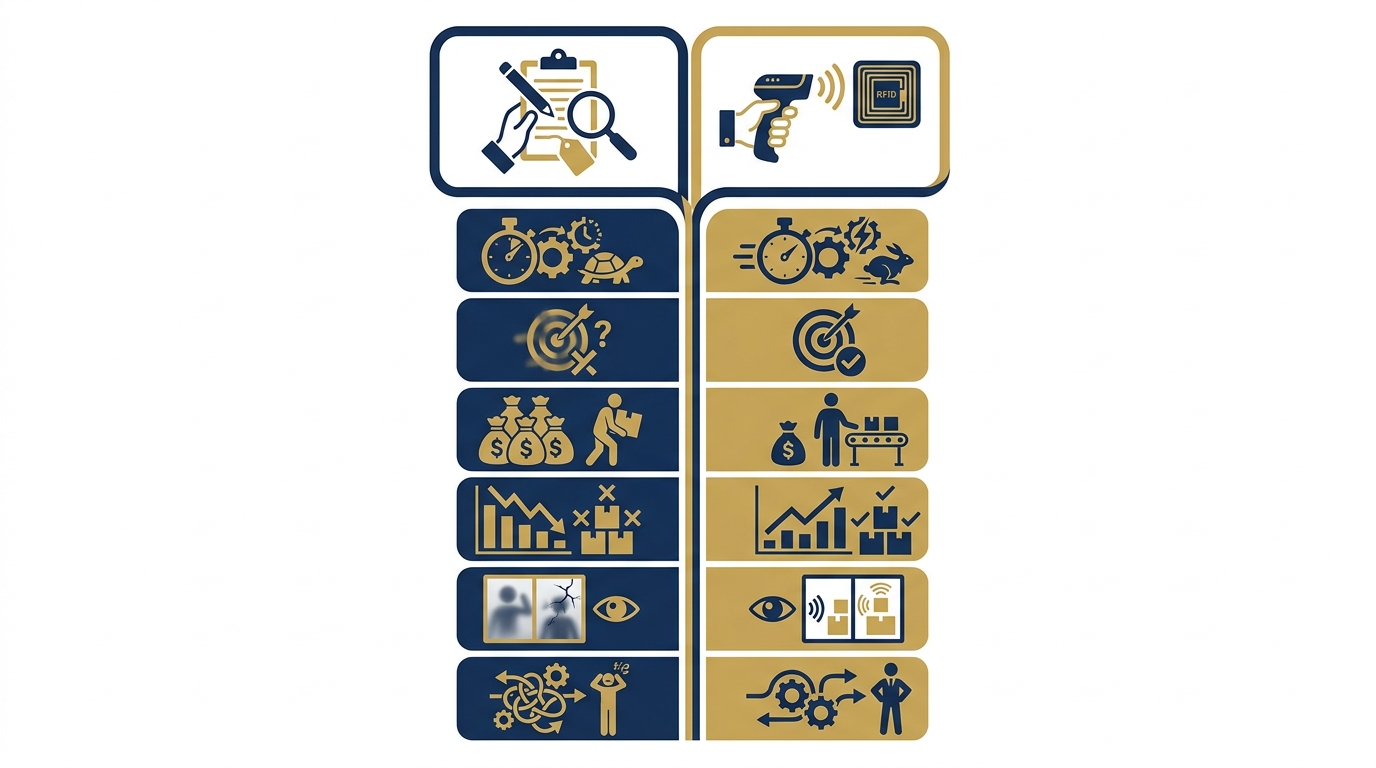
Below is a comparison table of the 12 most important criteria between the two methods. Data is based on real-world observations from deployments at small and medium manufacturing plants in Vietnam, not marketing numbers.
| Criteria | Manual Traceability | RFID | Note |
|---|---|---|---|
| Traceability speed per batch | 15-30 minutes | 3-5 seconds | Best: RFID |
| Data accuracy | 90-95% (errors due to manual entry) | Over 99% | Best: RFID |
| Operational labor costs | High — requires 1-2 dedicated recording staff | Low — automated | Best: RFID |
| Error rate during inventory | 2-5% | Under 0.5% | Best: RFID |
| Bulk reading capability | No — scan each carton individually | Yes — 200-500 tags per read | Best: RFID |
| Fraud resistance against data alteration | Low — easy to modify records | High — ID codes cannot be copied | Best: RFID |
| Warehouse inventory time | 2-3 days for 1000 SKUs | 2-4 hours for 1000 SKUs | Best: RFID |
| Initial investment cost | Nearly zero | 40-150 million VND depending on scale | Best: Manual |
| Monthly operating costs | 5-10 million VND (labor) | 1-2 million VND (maintenance, tag consumption) | Best: RFID |
| Cost of traceability errors | High — may require recalling entire batches | Low — precisely identifies scope | Best: RFID |
| Scalability with increased output | Poor — more labor, more errors | Good — only need to add RFID tags | Best: RFID |
| Compliance with partner traceability requirements | Limited — many partners refuse | Meets GS1 and international standards | Best: RFID |
The table above shows RFID excels in 11/12 criteria, except for initial investment cost. However, this figure should be considered in the context of payback time — typically 18-30 months for medium-sized manufacturers, calculated on labor costs and error costs saved.
Which method to choose based on specific use cases?
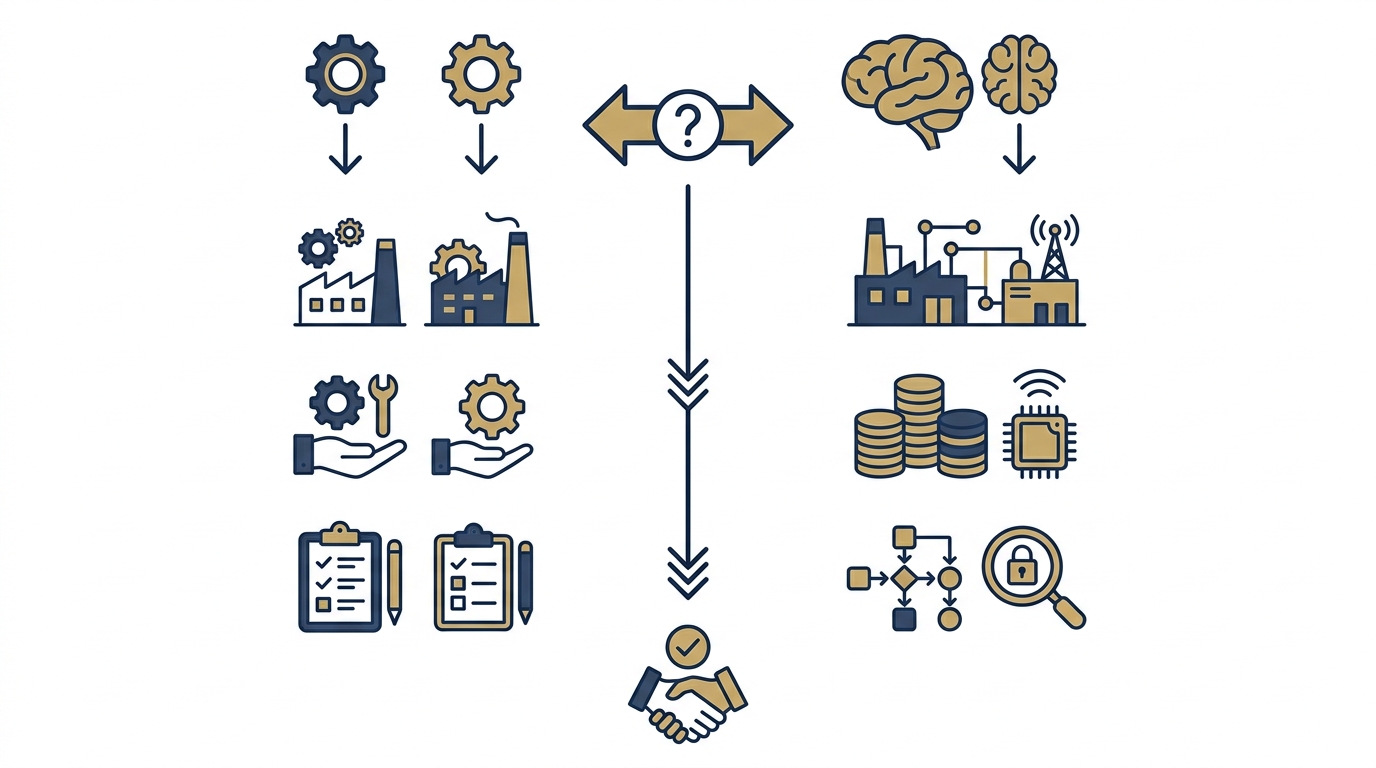
There is no absolute solution — the choice depends on production scale, partner requirements, and budget. Below is guidance for choosing based on 4 common scenarios at Vietnamese factories.
Use case 1: Small workshop, under 100 batches/month
Recommendation: Continue with manual, standardize processes. If there are no traceability requirements from partners, invest in standardizing form templates and clearly defining recording responsibilities. RFID costs are not yet justified at this scale.
Use case 2: Factory with 100-500 batches/month, with traceability requirements from major customers
Recommendation: Implement RFID at a minimum level.
Cần tư vấn thiết bị/giải pháp cụ thể?
Việt POS phản hồi trong 30 phút · Hotline 4 vùng · Khảo sát miễn phí.
