
Mục lục bài viết (5)
- What is the compliant UHF RFID frequency band in Vietnam?
- What are the Radio Frequency Department's regulations on UHF RFID equipment?
- How to avoid interference between RFID and other devices in the warehouse?
- How to configure antenna and power to optimize tag reading in finished goods warehouses?
- Summary table of key technical specifications
UHF RFID is an automatic identification technology that uses radio waves to read/write data from tags. In Vietnam, the compliant frequency band for UHF RFID is 918.4–923 MHz with a maximum transmit power of 500 mW ERP, as specified in Circular 08/2021/TT-BTTTT of the Ministry of Information and Communications. This article provides detailed guidance on frequency regulations, how to avoid interference, and how to optimize RFID system configuration for finished goods and shipping warehouses.
In Vietnam, UHF RFID operates in the 918.4–923 MHz band with a maximum transmit power of 500 mW ERP per Circular 08/2021/TT-BTTTT. Equipment must be type-approved and labeled before being put into use. To avoid interference and optimize tag reading in warehouses, configure channels, power, and antenna placement appropriately, and mitigate dead zones caused by metal/liquids.
Table of Contents
- What is the compliant UHF RFID frequency band in Vietnam?
- What are the Radio Frequency Department's regulations on UHF RFID equipment?
- How to avoid interference between RFID and other devices in the warehouse?
- How to configure antenna and power to optimize tag reading in finished goods warehouses?
- Summary table of key technical specifications
- Common mistakes when deploying UHF RFID in Vietnam
- RFID deployment process for finished goods and shipping warehouses
- When to choose a UHF RFID solution for finished goods warehouses?
- Frequently Asked Questions
What is the compliant UHF RFID frequency band in Vietnam?
The compliant UHF RFID frequency band in Vietnam is 918.4–923 MHz, within the 920 MHz band. The maximum allowed transmit power is 500 mW ERP. This regulation is specified in Circular 08/2021/TT-BTTTT issued on July 22, 2021, amending and supplementing Circular 04/2017/TT-BTTTT on the list of radio equipment permitted for use.
Compliance with the frequency band and power is mandatory. UHF RFID equipment imported and circulated in Vietnam must have a type approval certificate (QCVN) and be labeled accordingly before use. Non-compliant equipment may be confiscated and subject to administrative penalties.
What are the Radio Frequency Department's regulations on UHF RFID equipment?
Related Products
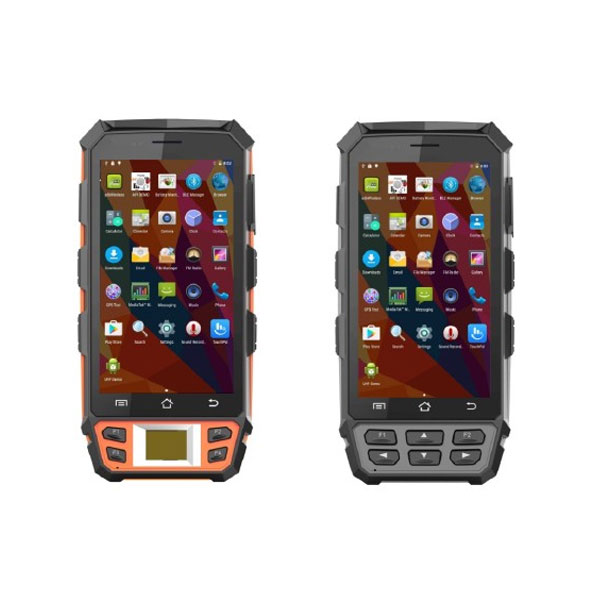
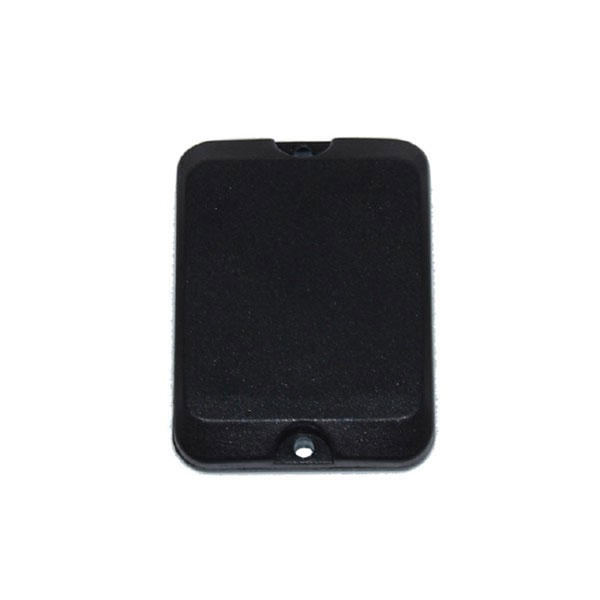
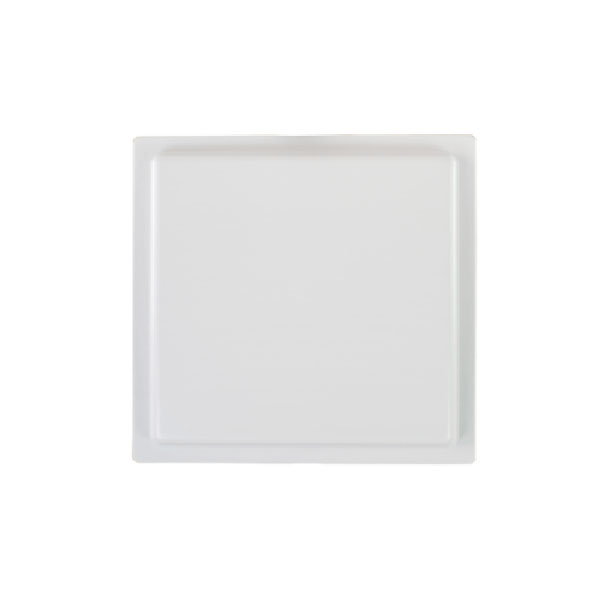
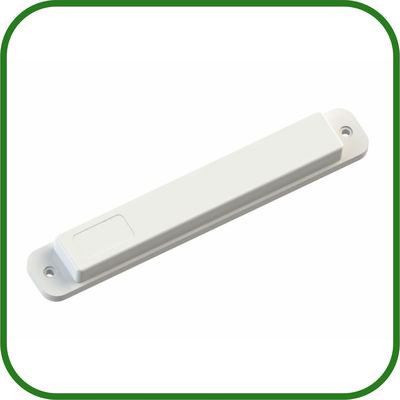


The Radio Frequency Department (under the Ministry of Information and Communications) manages frequency usage. For UHF RFID, equipment must meet the technical standards of QCVN 117:2021/BTTTT, including limits on radiated power (≤500 mW ERP), occupied bandwidth, and out-of-band emissions. User units must declare radio equipment if it falls under the category requiring a frequency license.
In practice, at warehouses and factories, most UHF RFID equipment from brands such as Zebra, Honeywell, and Impinj is designed with multiple channels and can be configured to the exact 918.4–923 MHz band before operation. VietPOS, as an infrastructure and equipment provider, supports customers with configuration and compliance checks but does not provide in-depth legal advice.
How to avoid interference between RFID and other devices in the warehouse?
UHF RFID interference often comes from other transmitting devices in the 900 MHz band, such as GSM mobile phones (900 MHz), IoT devices, or other RFID systems placed nearby. To avoid interference, conduct a spectrum survey, select a less contested operating channel, and physically separate transmitting systems.
- Spectrum survey before installation: Use a spectrum analyzer to identify channels currently experiencing interference within the 918–923 MHz range.
- Choose a low-interference channel: Configure the reader to operate on the channel with the lowest background noise level, typically the edge channels of the band.
- Time Division Synchronization: If multiple readers are in the same area, configure them to operate alternately over time to avoid collisions.
- Physical shielding: Use wave-absorbing materials or metal shields between areas where readers are placed.
- Reduce transmit power: Adjust power to just enough to read tags in the required zone, avoiding coverage beyond that which could interfere with other systems.
How to configure antenna and power to optimize tag reading in finished goods warehouses?
How to configure antenna and power to optimize tag reading in finished goods warehouses?

In finished goods warehouses, to optimize tag read rates, pay attention to antenna placement, coverage angle, transmit power, and polarization direction. Each area (shipping dock, storage racks, handheld inventory zones) will have different configurations.
- Shipping dock (dock door): Install 2–4 antennas on both sides, aimed at the center of the goods flow, tilted 30–45 degrees from the ground. Starting power at 26–28 dBm (equivalent to 400–630 mW ERP before antenna), fine-tune based on actual conditions.
- Storage racks: With metal racks, RF waves are reflected and shielded. Place antennas where there is a direct line of sight to tags, avoiding tags being blocked by metal. Use specialized tags for metal surfaces (on-metal tags).
- Handheld inventory: Use handheld readers with integrated antennas, scan in a zigzag pattern across racks, maintaining a distance of 1–2 meters to tags.
- Antenna polarization: For tags on cardboard boxes, use circular polarization antennas to read from multiple angles. For on-metal tags, linear polarization may be used.
Summary table of key technical specifications
Summary table of key technical specifications Parameter Vietnam compliant value Practical example Operating frequency band 918.4 – 923 MHz Zebra FX9600 reader configured to channel 918.4–923 MHz Maximum transmit power 500 mW ERP 6 dBi antenna, 28 dBm output power

| Parameter | Vietnam compliant value | Practical example |
|---|---|---|
| Operating frequency band | 918.4 – 923 MHz | Zebra FX9600 reader configured to channel 918.4–923 MHz |
| Maximum transmit power | 500 mW ERP | 6 dBi antenna, 28 dBm output power |
| Communication standard | EPC Gen2 (ISO 18000-6C) | UHF-10 tag, pallet tag |
| Legal document | Circular 08/2021/TT-BTTTT | QCVN 117:2021/BTTTT |
| Environmental limitations | Metal, liquids block waves | On-metal tag VP-T902 for metal tanks |
Cần tư vấn thiết bị/giải pháp cụ thể?
Việt POS phản hồi trong 30 phút · Hotline 4 vùng · Khảo sát miễn phí.
