
Mục lục bài viết (10)
- What is the 918.4–923 MHz RFID frequency and why is it suitable for MRO warehouses?
- Which compliance regulations apply to UHF RFID in Vietnam?
- Why does metal in MRO warehouses cause RFID signal interference?
- Which RFID tag type should be chosen for MRO metal spare parts?
- How to arrange readers and antennas to avoid interference?
- Summary table of key technical specifications
- Common mistakes when deploying RFID for MRO warehouses?
- Basic RFID deployment process for MRO warehouses?
- Comparison of manual inventory vs RFID for MRO warehouses?
- Frequently Asked Questions
UHF RFID is becoming an effective solution for managing MRO (Maintenance, Repair, Operations) warehouses, but choosing the right frequency and ensuring compliance is critical. In Vietnam, the 918.4–923 MHz band is licensed for UHF RFID applications, with a maximum transmit power of 500 mW ERP under Circular 08/2021 of the Ministry of Information and Communications.
The 918.4–923 MHz band is the compliance standard for UHF RFID in Vietnam under Circular 08/2021, with a maximum power of 500 mW ERP. MRO warehouses need specialized on-metal tags, fixed/handheld readers, and read zone design that avoids metal interference to achieve accuracy above 95%.
Table of Contents
- What is the 918.4–923 MHz RFID frequency and why is it suitable for MRO warehouses?
- Which compliance regulations apply to UHF RFID in Vietnam?
- Why does metal in MRO warehouses cause RFID signal interference?
- Which RFID tag type should be chosen for MRO metal spare parts?
- How to arrange readers and antennas to avoid interference?
- Summary table of key technical specifications
- Common mistakes when deploying RFID for MRO warehouses?
- Basic RFID deployment process for MRO warehouses?
- Comparison of manual inventory vs RFID for MRO warehouses?
- Frequently Asked Questions
What is the 918.4–923 MHz RFID frequency and why is it suitable for MRO warehouses?

The 918.4–923 MHz band belongs to the UHF (Ultra High Frequency) spectrum, designated specifically for RFID applications in Vietnam under Circular 08/2021. For MRO warehouses containing many metal spare parts, this frequency allows reading at distances of 3–8 meters and read speeds of 50–100 tags/second, suitable for rapid inventory and asset tracking.
Compared to lower frequency bands like 125 kHz or 13.56 MHz, UHF RFID at 918.4–923 MHz offers a wider read zone and much faster read speeds. This is especially important in MRO warehouses with thousands of spare part SKUs requiring periodic inventory. A single staff member with a handheld reader can scan an entire spare parts shelf in 15–20 minutes, instead of 2–3 hours with manual methods.
Which compliance regulations apply to UHF RFID in Vietnam?
Related Products
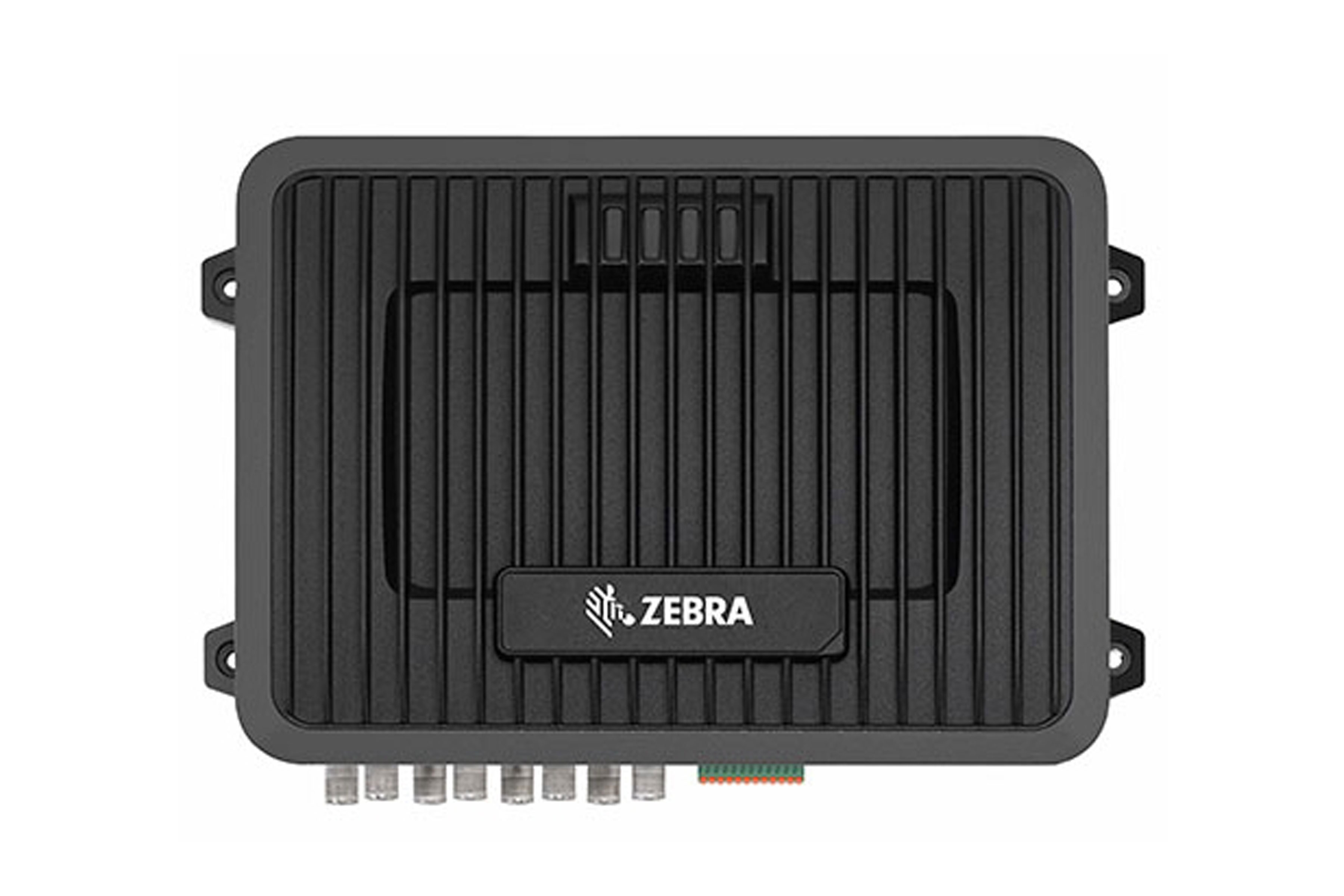
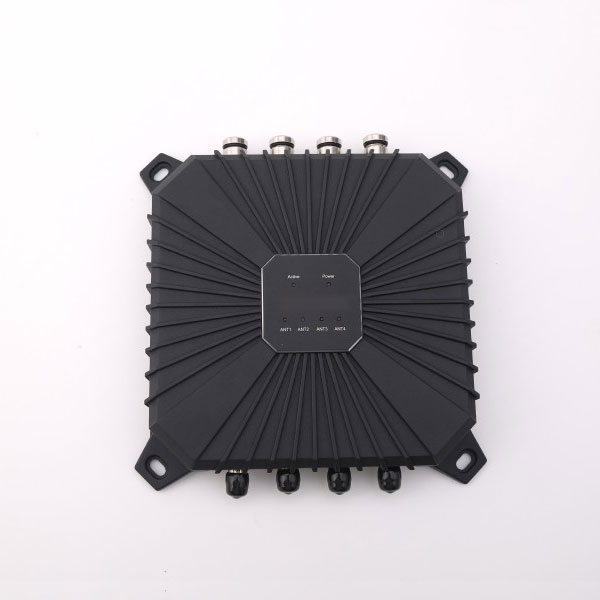
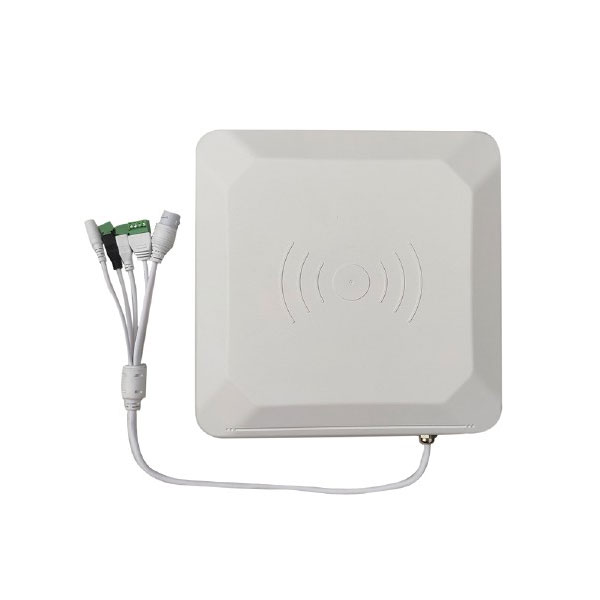




Circular 08/2021/TT-BTTTT of the Ministry of Information and Communications specifies the 918.4–923 MHz band for RFID equipment, with a maximum transmit power of 500 mW ERP. Imported equipment must have a conformity certification and declaration of conformity before being put into use.
When deploying RFID for MRO warehouses, businesses need to verify that equipment (readers, antennas, tag printers) has the appropriate conformity certification. Devices from Zebra, Impinj, or Honeywell are typically already certified for the Vietnamese market. Using non-compliant equipment can cause radio interference and may be penalized under Decree 109/2022/NĐ-CP.
Why does metal in MRO warehouses cause RFID signal interference?

Metal reflects and absorbs radio waves, significantly degrading UHF RFID signals. When an RFID tag is placed directly on a metal surface, read performance can drop by 60–80%, leading to missed tags or incorrect data reads.
In MRO warehouses, metal spare parts such as bearings, gears, shafts, and bolts create a complex wave environment. Reflected waves from multiple metal surfaces cause multipath effects, reducing location accuracy and read rates. The solution is to use specialized on-metal tags with an isolation spacer layer, which maintains stable read performance.
Which RFID tag type should be chosen for MRO metal spare parts?

On-metal RFID tags are a mandatory choice for MRO spare parts. Tag lines such as the VP-T902 on-metal passive RFID tag or VP-RI942 have a foam isolation layer that prevents interference from metal surfaces.
- Hard tags: suitable for large spare parts, impact-resistant, reusable — such as VP-RI943, VP-RI947.
- Flexible tags: for curved or uneven surfaces — such as VP-RF946.
- Chemical-resistant tags: for environments with grease and industrial chemicals — VP-RI941.
When selecting tags, check heat resistance, mechanical durability, and required read distance. On-metal tags typically cost 30–50% more than standard tags, but ensure stable read rates above 95% in metal environments.
How to arrange readers and antennas to avoid interference?
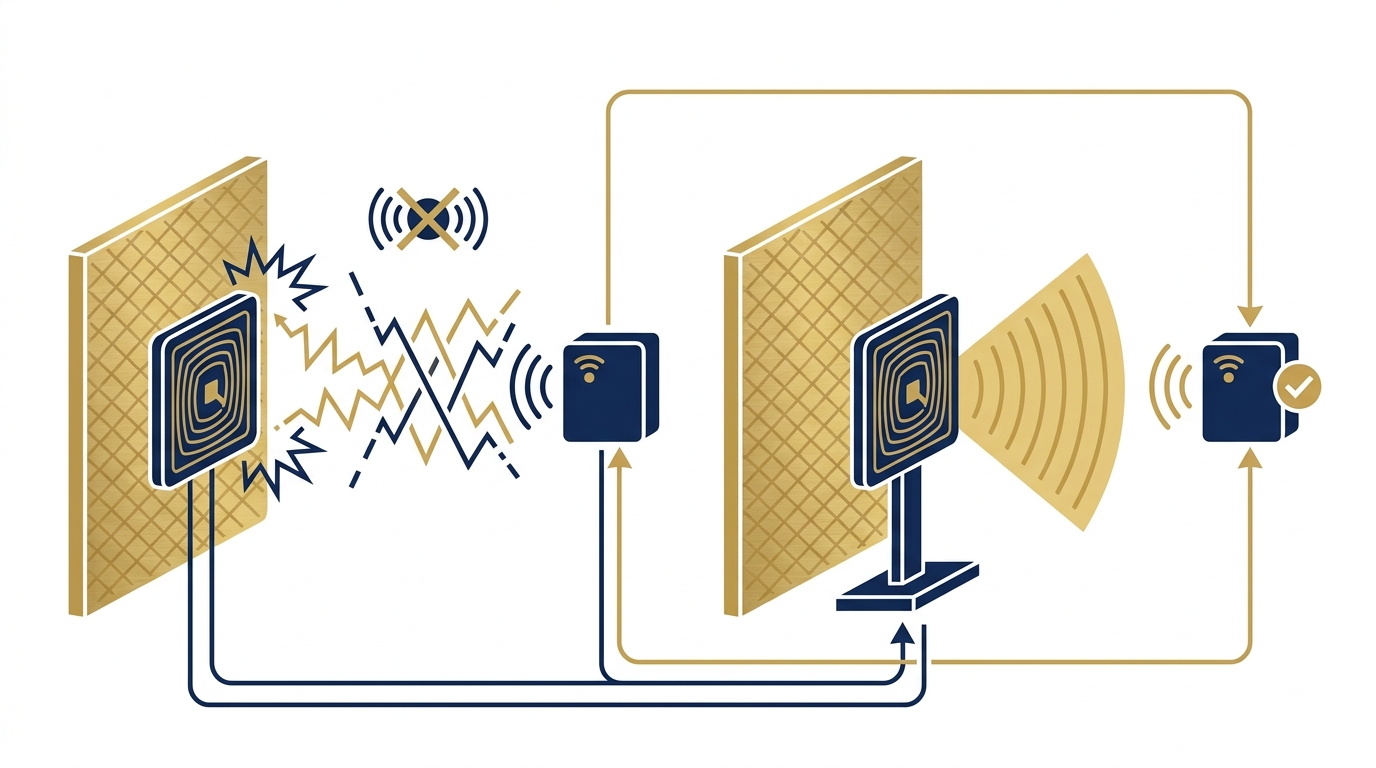
Proper reader and antenna placement helps minimize metal interference. Principles: maintain a minimum distance of 30–50 cm between antennas and metal surfaces, adjust the beam angle to 30–45 degrees, and use multiple antennas for wide read zones.
- Site survey: measure signal strength at shelf locations, identify interference zones.
- Select antenna positions: avoid placing near large metal surfaces, use non-metal mounting brackets.
- Adjust power: increase/decrease transmit power to match the desired read zone, not exceeding 500 mW ERP.
- Test trials: place tags in various positions, check read rates before full deployment.
For MRO warehouses with dense metal shelving, consider using the VP-RH272 handheld RFID reader or ceiling-mounted fixed readers with multiple antennas for comprehensive coverage.
Summary table of key technical specifications
Parameter Value Notes Compliance frequency band 918.4–923 MHz Per Circular 08/2021/TT-BTTTT Maximum power 500 mW ERP Must not exceed Read distance 3–8 meters (UHF) Depends on power, antenna Read speed 50–100 tags/second
| Parameter | Value | Notes |
|---|---|---|
| Compliance frequency band | 918.4–923 MHz | Per Circular 08/2021/TT-BTTTT |
| Maximum power | 500 mW ERP | Must not exceed |
| Read distance | 3–8 meters (UHF) | Depends on power, antenna |
| Read speed | 50–100 tags/second | With fixed readers |
| On-metal tags | Required for metal | VP-T902, VP-RI942, VP-RI943 |
Common mistakes when deploying RFID for MRO warehouses?

Common mistakes include using standard tags on metal surfaces, ignoring site surveys, placing antennas too close to metal, and not testing with actual spare parts. These lead to read rates below 80% and unreliable data.
- Using non-on-metal tags: standard tags fail on metal surfaces, causing missed reads.
- Skipping site surveys: without measuring signal strength, interference zones remain undetected.
- Poor antenna placement: antennas too close to metal or wrong angles reduce coverage.
- Ignoring environmental factors: temperature, humidity, and chemical exposure affect tag performance.
- Not testing with real parts: tags may perform differently on actual spare parts than in lab tests.
Basic RFID deployment process for MRO warehouses?

A basic deployment process includes: site survey, tag selection, reader installation, system integration, and pilot testing. Each step ensures the system meets performance and compliance requirements.
- Site survey: analyze warehouse layout, identify metal interference zones, and determine read zones.
- Tag selection: choose on-metal tags based on spare part size, material, and environment.
- Reader installation: install fixed readers and antennas, or configure handheld readers.
- System integration: connect RFID system to WMS or ERP software for data management.
- Pilot testing: run a small-scale test to verify read rates and adjust settings.
- Full deployment: roll out across the warehouse, train staff, and monitor performance.
Comparison of manual inventory vs RFID for MRO warehouses?

Manual inventory is time-consuming, error-prone, and labor-intensive, while RFID offers fast, accurate, and automated tracking. RFID reduces inventory time by up to 90% and improves accuracy to over 95%.
| Aspect | Manual Inventory | RFID Inventory |
|---|---|---|
| Time per shelf | 2–3 hours | 15–20 minutes |
| Accuracy | 85–90% | 95–99% |
| Labor required | High | Low |
| Real-time tracking | No | Yes |
| Error rate | 5–10% | <1% |
Frequently Asked Questions
Can UHF RFID read through metal?
UHF RFID cannot read through metal. Radio waves are blocked and reflected by metal surfaces, preventing the signal from reaching the tag. To read metal spare parts, use on-metal tags attached directly to the surface, or position the reader so that the wave hits the tag without obstruction.
What is the maximum transmit power for UHF RFID in Vietnam?
According to Circular 08/2021/TT-BTTTT, the maximum transmit power for UHF RFID equipment in Vietnam is 500 mW ERP (Effective Radiated Power). This power level is allowed to ensure no interference with other radio services operating in adjacent bands.
How do on-metal RFID tags work on metal surfaces?
On-metal RFID tags have an isolation layer (usually foam or dielectric material) between the antenna chip and the metal surface. This layer creates a physical distance that allows the antenna to operate normally without being short-circuited by the metal. As a result, the tag maintains stable read performance, with a read distance of 3–5 meters depending on the device.
What is the maximum read distance of UHF RFID at 918–923 MHz?
With 500 mW ERP power, the maximum read distance of UHF RFID is 8–10 meters in ideal conditions (no obstructions). In MRO warehouse environments with lots of metal, the actual distance drops to 3–5 meters. Using high-power fixed readers and directional antennas helps optimize the read zone.
Do I need any permits to deploy a UHF RFID system?
Imported UHF RFID equipment must have the appropriate QCVN conformity certification and declaration of conformity as required. Businesses using the equipment do not need a separate frequency license for indoor RFID, but must ensure the equipment is certified. Request a copy of the conformity certificate from the supplier when purchasing equipment.
How to reduce interference when placing multiple RFID tags close together on a shelf?
When multiple RFID tags are placed close together (less than 10 cm), coupling between antennas can cause interference, reducing read rates. Solutions: space tags at least 5–10 cm apart, use tags with anti-collision chips, and adjust reader power appropriately. For small parts, consider grouping them in a box with a single tag.
Cần tư vấn thiết bị/giải pháp cụ thể?
Việt POS phản hồi trong 30 phút · Hotline 4 vùng · Khảo sát miễn phí.
