
Mục lục bài viết (7)
- What is Vietnam's compliant RFID frequency 918.4–923 MHz?
- Why is the 918.4–923 MHz band important for gold stores?
- What are the technical challenges of reading RFID on metal?
- How to choose on-metal RFID tags for jewelry?
- Which RFID reader is suitable for gold stores?
- Summary table: RFID frequency comparison by region
- Common mistakes when deploying RFID for gold stores
Vietnam's compliant RFID frequency for UHF devices is 918.4–923 MHz, with a maximum transmit power of 500 mW ERP, per Circular 08/2021/TT-BTTTT. For gold and jewelry store management, reading tags on metal poses specific technical requirements regarding tag type, reader, and antenna placement.
Vietnam's compliant RFID frequency for UHF devices is 918.4–923 MHz, with power ≤500 mW ERP, per Circular 08/2021/TT-BTTTT. For gold stores, metal interferes with signals, so on-metal tags, UHF handheld readers, and integrated inventory management software are needed for fast, accurate stocktaking.
Table of Contents
- What is Vietnam's compliant RFID frequency 918.4–923 MHz?
- Why is the 918.4–923 MHz band important for gold stores?
- What are the technical challenges of reading RFID on metal?
- How to choose on-metal RFID tags for jewelry?
- Which RFID reader is suitable for gold stores?
- Summary table: RFID frequency comparison by region
- Common mistakes when deploying RFID for gold stores
- RFID deployment process for gold stores
- Legal considerations when importing RFID equipment
- Frequently Asked Questions
What is Vietnam's compliant RFID frequency 918.4–923 MHz?
This is the UHF band licensed by Vietnam's Ministry of Information and Communications for RFID devices, per Circular 08/2021/TT-BTTTT. This band differs from European (865–868 MHz) and North American (902–928 MHz) standards, so imported devices must be tuned to the correct frequency and certified before commercial operation.
The national technical regulation QCVN 95:2015/BTTTT specifies details on frequency bands, power, and testing methods for RFID devices. For the 918.4–923 MHz band, effective radiated power (ERP) must not exceed 500 mW. Imported devices must have a certificate of conformity before being circulated.
Why is the 918.4–923 MHz band important for gold stores?
Related Products
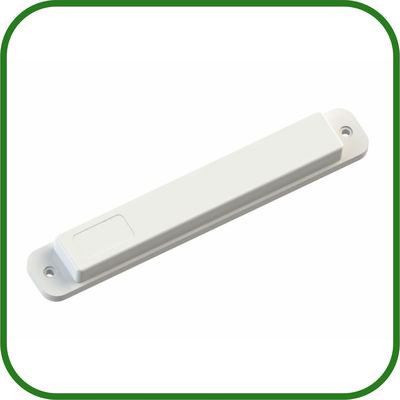



Gold stores manage high-value, small-sized, high-volume goods. UHF RFID in this band allows reading multiple tags simultaneously within 1–5 meters, enabling fast stocktaking of entire display cases without opening each drawer. However, gold and silver metals cause signal reflection, requiring specialized on-metal tags.
In a gold store environment, choosing the correct compliant frequency not only ensures legal compliance but also directly affects read performance. The 918.4–923 MHz band has a short wavelength (about 32 cm), suitable for reading small tags attached to jewelry, necklaces, rings, and earrings.
What are the technical challenges of reading RFID on metal?

Metal reflects and absorbs radio waves, degrading RFID signals. Standard (non-metal-resistant) tags when attached directly to gold or silver surfaces will detune, reducing read range to a few centimeters or becoming unreadable. The solution is to use on-metal tags with an isolation layer or special antenna structure.
Another challenge is the density of metal in display cases: many tags placed close together cause mutual interference (tag collision). Modern UHF readers support anti-collision algorithms, reading 100–200 tags simultaneously in 1–2 seconds. However, actual read speed depends on tag quality, placement angle, and distance.
How to choose on-metal RFID tags for jewelry?

On-metal RFID tags have a ferrite or foam spacer between the chip and the metal surface, maintaining the resonant frequency. When choosing tags for a gold store, consider size (must be small and flat to attach to boxes or hang tags), durability (moisture-resistant, scratch-resistant), and readability at 0.5–1 meter distances.
Two popular tag types for jewelry applications:
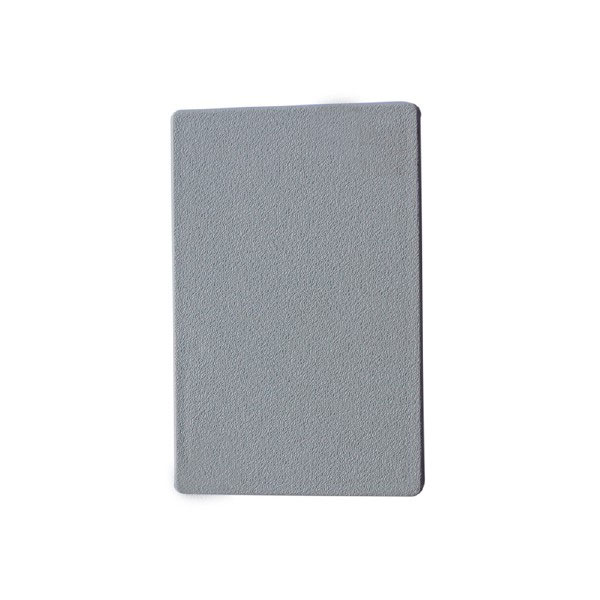
- Card-style on-metal tags — attached to product boxes or hang tags, sizes 22×22 mm or 30×30 mm, read range 0.5–1.5 meters.
- Cable tie tags — threaded through jewelry loops or chains, suitable for products with holes.
For very small items like earrings or rings, tags are typically attached to accompanying plastic cards, not directly on the product. This preserves aesthetic value and avoids signal interference.
Which RFID reader is suitable for gold stores?
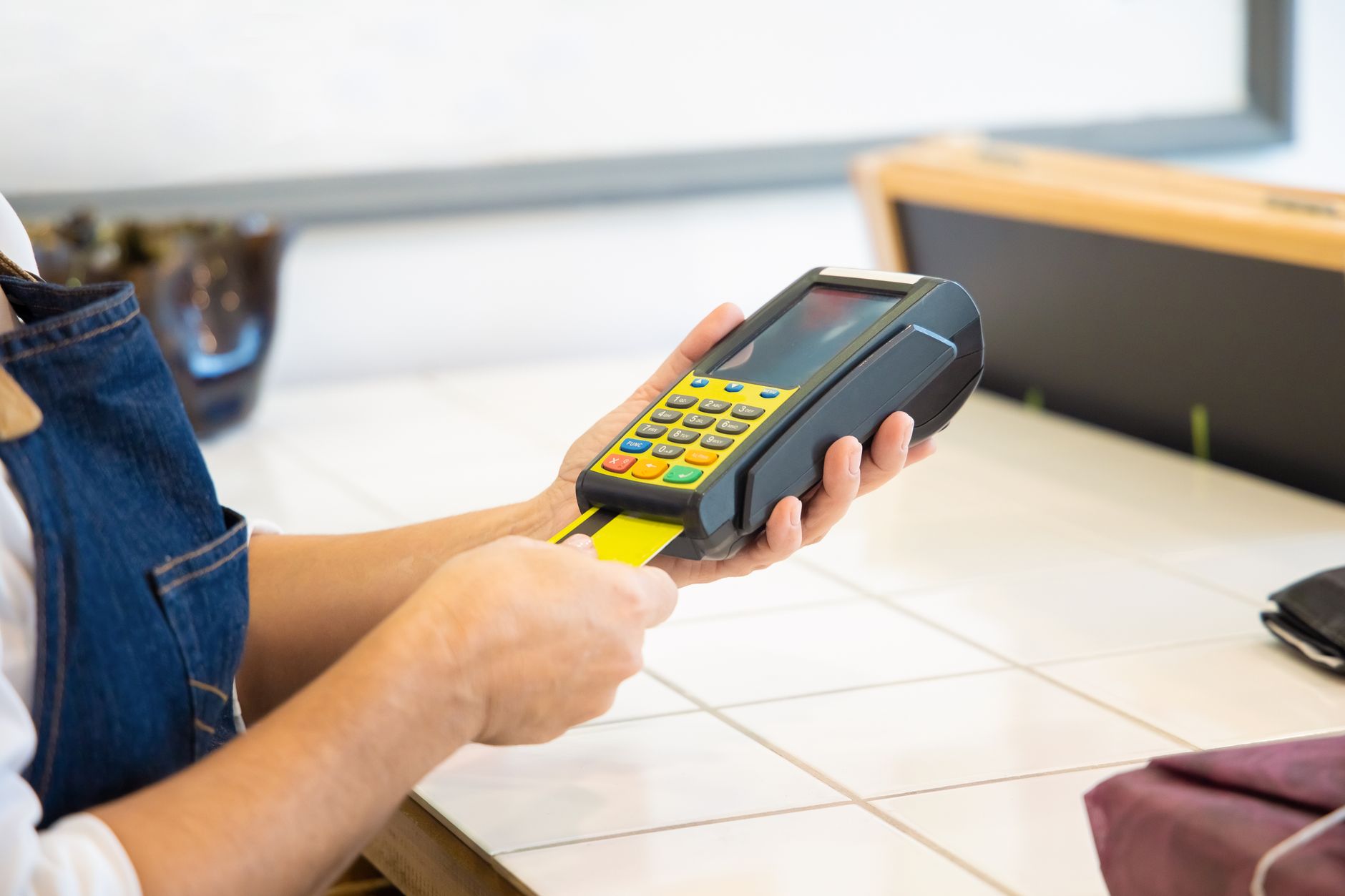
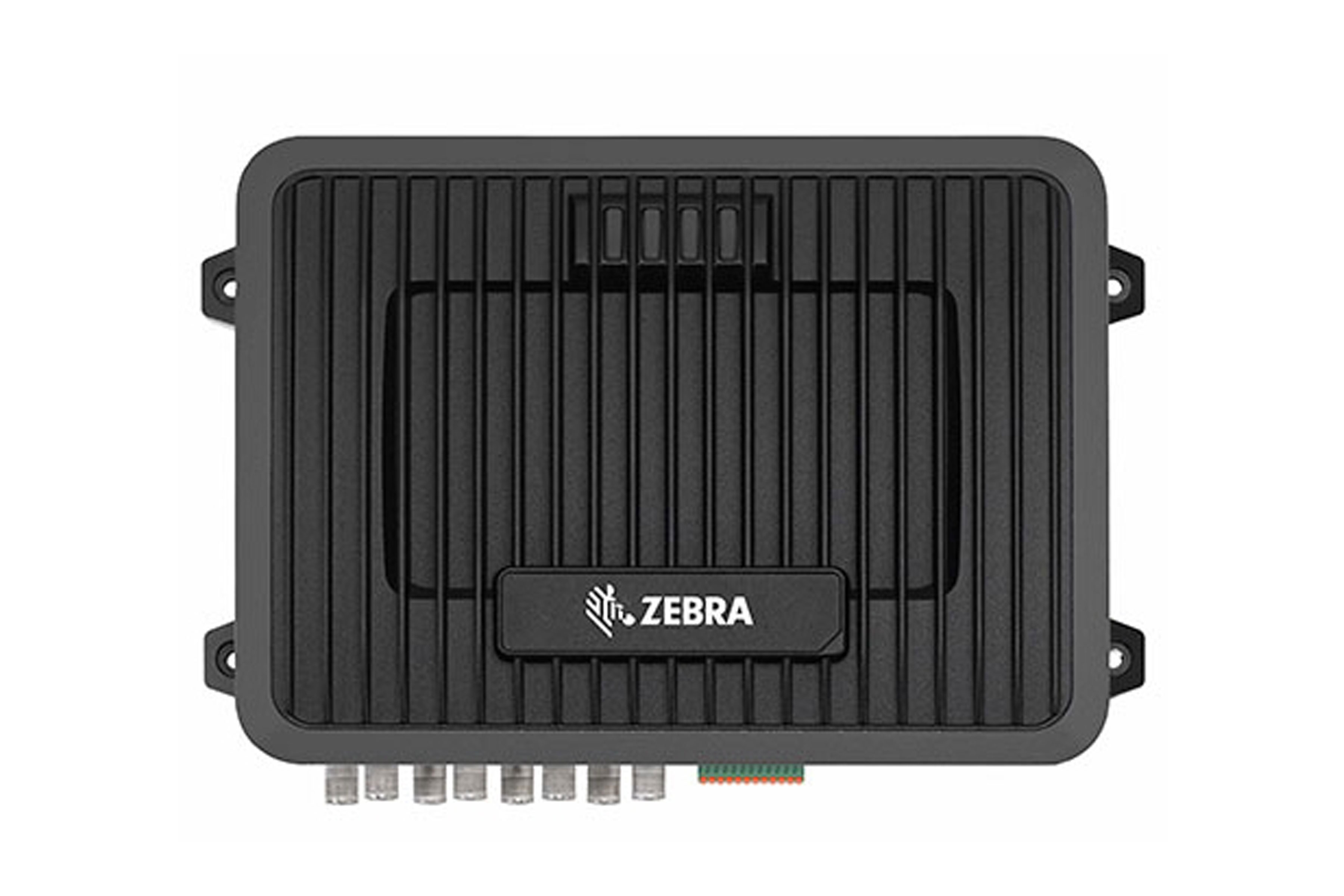
Gold stores need two types of readers: UHF handheld readers for periodic stocktaking and fixed readers installed at checkout counters or doorways. Handheld readers allow staff to scan each display case, while fixed readers automatically identify products as they pass through the scan zone.
Criteria for selecting UHF readers for gold stores:
- Supports the 918.4–923 MHz band (configured to Vietnam standards)
- Adjustable transmit power (max 500 mW ERP)
- Multi-tag reading capability (anti-collision)
- Battery life for handheld devices: 8–12 hours continuous use
- Wi-Fi/Bluetooth connectivity for data synchronization with management software
Summary table: RFID frequency comparison by region
Region UHF band Max power Applicable standard Vietnam 918.4–923 MHz 500 mW ERP Circular 08/2021/TT-BTTTT Europe 865–868 MHz 2 W ERP ETSI EN 302 208 North America 902–928 MHz 4 W EIRP FCC Part 15.247 Japan 916.8–92
| Region | UHF band | Max power | Applicable standard |
|---|---|---|---|
| Vietnam | 918.4–923 MHz | 500 mW ERP | Circular 08/2021/TT-BTTTT |
| Europe | 865–868 MHz | 2 W ERP | ETSI EN 302 208 |
| North America | 902–928 MHz | 4 W EIRP | FCC Part 15.247 |
| Japan | 916.8–923.4 MHz | 4 W EIRP | Japan MIC |
Common mistakes when deploying RFID for gold stores

Many gold stores import RFID equipment not tuned to Vietnam's frequency, use
Cần tư vấn thiết bị/giải pháp cụ thể?
Việt POS phản hồi trong 30 phút · Hotline 4 vùng · Khảo sát miễn phí.
