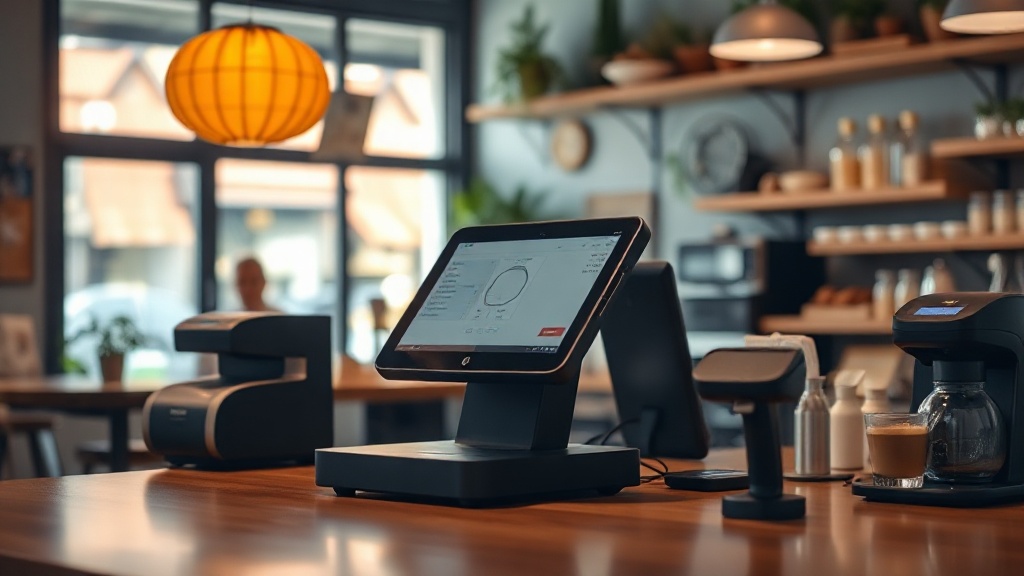
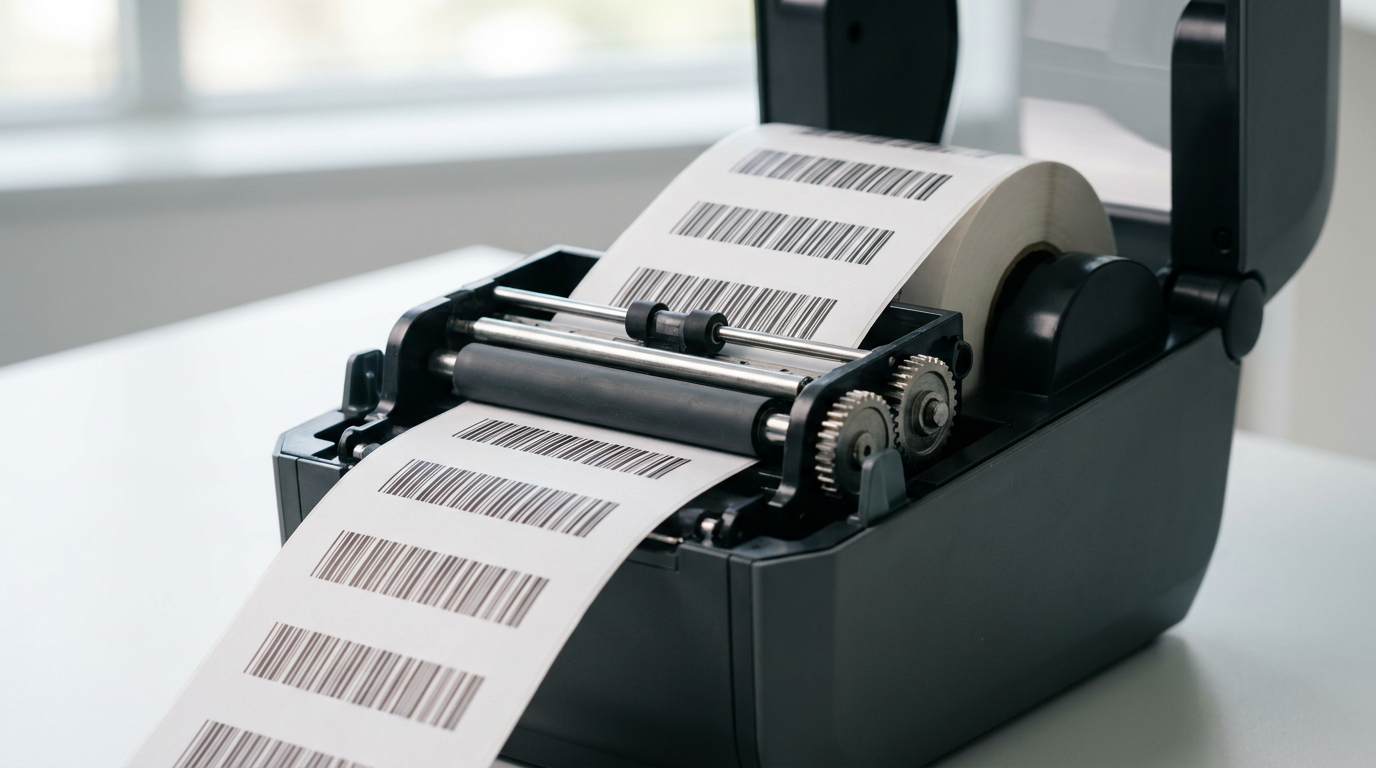
When your retail chain has 3 to 20 branches, operational pressure begins to manifest at each checkout counter: POS machines freeze during peak hours, slow receipt printers cause long queues, and barcode scanners fail to read wrinkled barcodes. Deploying synchronized POS equipment — standardizing POS terminals, thermal receipt printers, and barcode scanners — is a solution that helps chain owners control data quality, reduce IT costs, and train new staff in just 4 hours instead of 2-3 days.
What is Synchronized POS Equipment? Why Do Retail Chains Need Standardization?

Synchronized POS equipment is a hardware system at the checkout counter selected based on unified standards for models, connection ports, drivers, and replacement procedures. When a chain has 5 or more branches, using different brand components at each store (POS Sunmi at branch A, POS Elanda at branch B) creates 'data clutter' due to incompatible drivers, and IT staff spend 15-25 minutes per shift resolving minor errors.
POS standardization offers 3 quantifiable benefits: (1) reduces new employee training time by 20-30% due to identical hardware interfaces across branches; (2) cuts maintenance costs by 25% because only 1-2 centralized spare component sets are needed; (3) increases transaction speed by 15% through synchronized drivers and firmware optimized for the same POS software.
4 Criteria for Choosing POS Terminals for Retail Chains
Related Products

Cần tư vấn thiết bị/giải pháp cụ thể?
Việt POS phản hồi trong 30 phút · Hotline 4 vùng · Khảo sát miễn phí.
Bài viết cùng chủ đề