Mục lục bài viết (7)
- What is RFID for raw material warehouse management?
- 3 key benefits of RFID in raw material warehouse management
- RFID system architecture for raw material warehouses
- Case study: RFID application at a Vietnamese pharmaceutical plant
- 5 common mistakes when deploying RFID
- FAQ
- Solutions & related resources
RFID technology (Radio Frequency Identification) is becoming the optimal solution for raw material warehouse management in manufacturing plants. According to a MarketsandMarkets 2025 report, the global RFID market will reach $40.5 billion, with warehouse management applications accounting for 28% of the market share—reflecting the growing demand for internal supply chain digitization.
RFID automates raw material warehouse management in factories with 3 key benefits: accurate FIFO control, expiration date alerts, and instant line-side issuing. This technology uses compliant UHF RFID tags (918.4-923MHz), reducing inventory counting time by 90% compared to manual methods.
Table of Contents
- What is RFID for raw material warehouse management?
- 3 key benefits of RFID in raw material warehouse management
- RFID system architecture for raw material warehouses
- Case study: RFID application at a Vietnamese pharmaceutical plant
- 5 common mistakes when deploying RFID
- FAQ
What is RFID for raw material warehouse management?
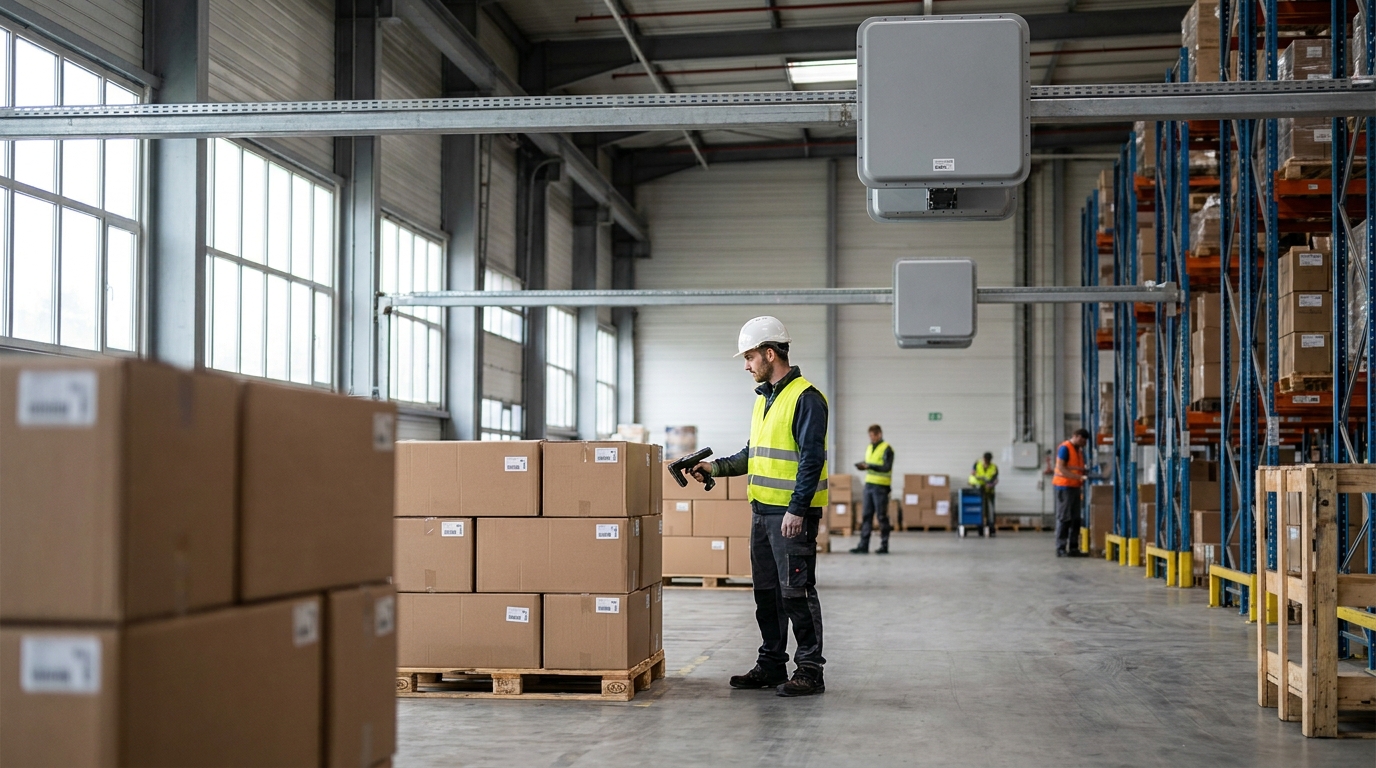
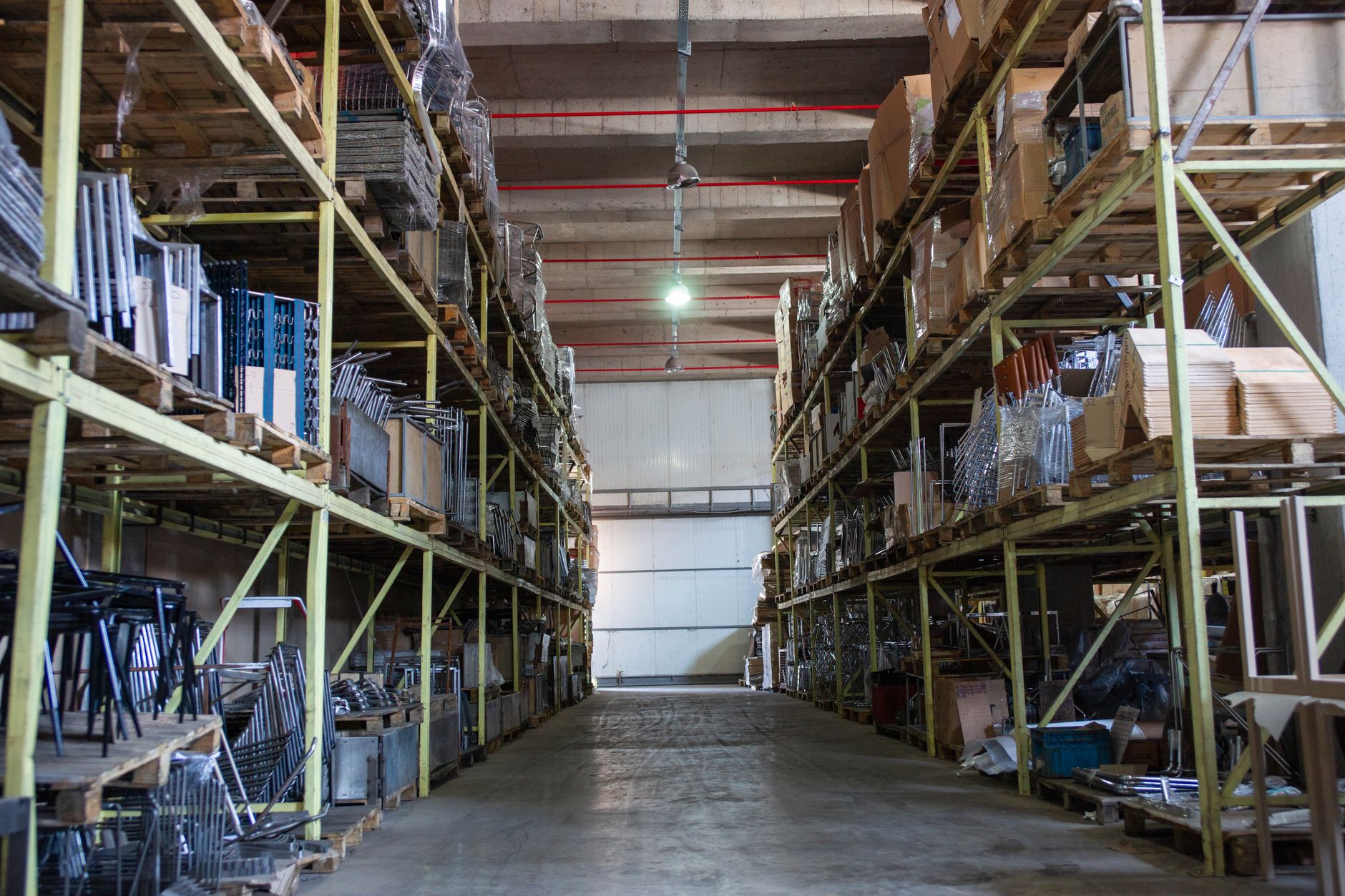
RFID is a technology that uses radio waves to automatically identify and track objects. In raw material warehouse management, an RFID system includes RFID tags attached to pallets/containers, RFID readers at control points, and central management software. When materials move past readers, the system automatically updates warehouse status in real time.
3 key benefits of RFID in raw material warehouse management
Related Products
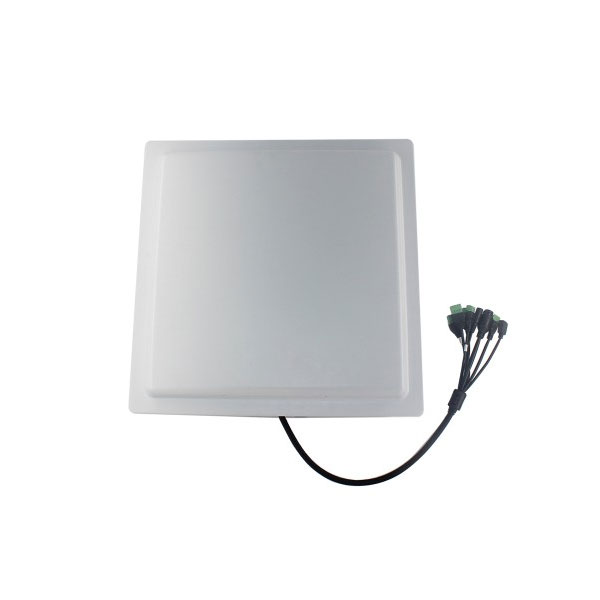
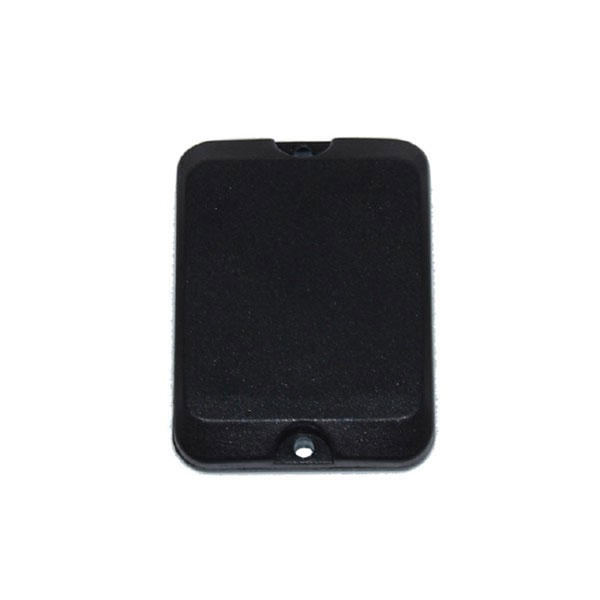
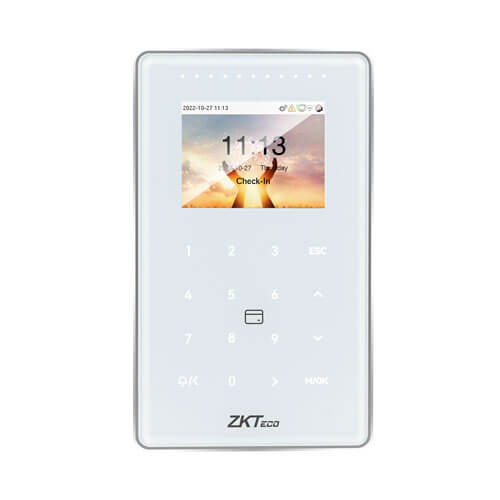
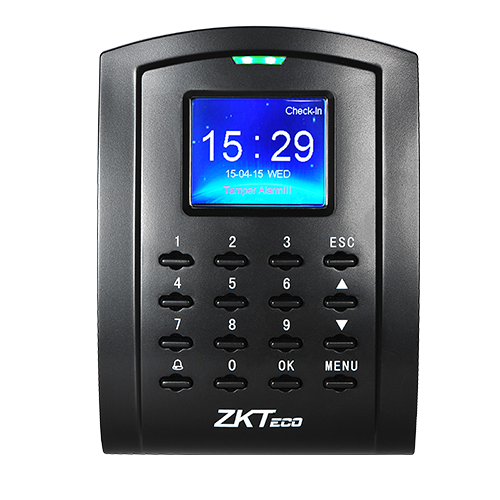
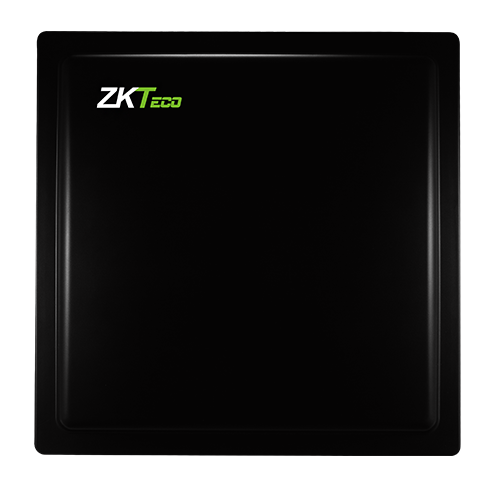
RFID delivers 3 core benefits for factories: (1) Accurate FIFO control, preventing waste of expired materials, (2) Automatic alerts when materials are nearing expiration, (3) Instant line-side issuing based on production requirements. This reduces material losses by 30-50% compared to manual methods.
Automated FIFO Control
- RFID tags store inbound date information
- The system automatically prioritizes issuing materials received first
- Eliminates manual errors
Effective Expiration Date Management
- Automatic alerts when materials are nearing expiration
- Classifies materials by shelf life
- Integrates with ERP systems for usage planning
RFID system architecture for raw material warehouses
Component Function Example Device RFID Tag Stores material information UHF Pallet RFID Tag RFID Reader Receives data from tags Fixed UHF RFID Reader Antenna Amplifies signal Zebra AN480 Antenna Management Software Processes and displays data 123RFID Desktop
| Component | Function | Example Device |
|---|---|---|
| RFID Tag | Stores material information | UHF Pallet RFID Tag |
| RFID Reader | Receives data from tags | Fixed UHF RFID Reader |
| Antenna | Amplifies signal | Zebra AN480 Antenna |
| Management Software | Processes and displays data | 123RFID Desktop |
Case study: RFID application at a Vietnamese pharmaceutical plant
Tan Phat Pharmaceutical Plant (Binh Duong) deployed an RFID system to manage 5,000 pallets of raw materials. After 6 months, the plant recorded: a 45% reduction in inventory counting time, FIFO errors dropping from 12% to 0.5%, and a 35% reduction in losses from expired materials.
5 common mistakes when deploying RFID
1. Choosing the wrong RFID frequency: In Vietnam, the UHF band 918.4-923MHz must be used per Circular 08/2021
2. Not accounting for the impact of metal/liquids on RFID waves
3. Lack of employee training processes for working with the new system
4. Not integrating with existing ERP systems
5. Over-investing beyond what is necessary for a small scope
FAQ
Does RFID work well with metal materials?
For metal materials, specialized RFID tags with a metal isolation layer are required, such as the VP-T902 Metal-Mount Passive RFID Tag. Read performance may decrease by 10-15% compared to standard tags.
How much does an RFID system investment cost?
The cost of deploying RFID for a 1,000m² warehouse ranges from 300-500 million VND, including RFID tags, readers, software, and deployment. ROI is typically achieved within 12-18 months through reduced losses and increased efficiency.
Does RFID completely replace barcodes?
RFID does not completely replace barcodes but complements applications requiring high automation. RFID is suitable for pallets/containers, while barcodes remain cost-effective for small units.
How can RFID be ensured to operate stably in a factory environment?
A site survey is necessary to determine optimal reader placement, select industrial-grade equipment with interference resistance, and train staff on proper operating procedures.
Is it necessary to change existing processes when deploying RFID?
Some processes need adjustment, such as attaching RFID tags upon inbound, periodic reader checks, and transaction confirmation on the system. However, RFID will automate 80-90% of manual steps.
For consultation on an RFID solution suitable for your raw material warehouse, contact Việt POS experts today via hotline 0935 498 384 or email info@vietpos.vn
Solutions & related resources
Cần tư vấn thiết bị/giải pháp cụ thể?
Việt POS phản hồi trong 30 phút · Hotline 4 vùng · Khảo sát miễn phí.
