Mục lục bài viết (5)
- What are UHF RFID tags for hotel laundry and how do they work?
- 5 specific benefits of using UHF RFID tags for hotel laundry
- Comparison table of UHF RFID tag models for hotel laundry
- Implementation process for UHF RFID tags for hotel laundry
- Frequently asked questions about UHF RFID tags for hotel laundry
UHF RFID tags for hotel laundry are a solution that attaches heat-resistant, waterproof RFID chips to each fabric item (towels, bed sheets, tablecloths, bathrobes) for real-time tracking via remote readers. In Vietnam, 4-5 star hotels are transitioning to this technology to reduce linen loss to below 3%, compared to the 15-25% rate with manual management.
What are UHF RFID tags for hotel laundry and how do they work?
UHF RFID tags for hotel laundry are small, flexible tags designed to withstand industrial washing temperatures (up to 85°C-95°C), detergents, and drying pressure. Each tag contains a UHF chip that stores a unique ID, allowing RFID readers to read them in bulk from a distance (3-5 meters) without direct contact.
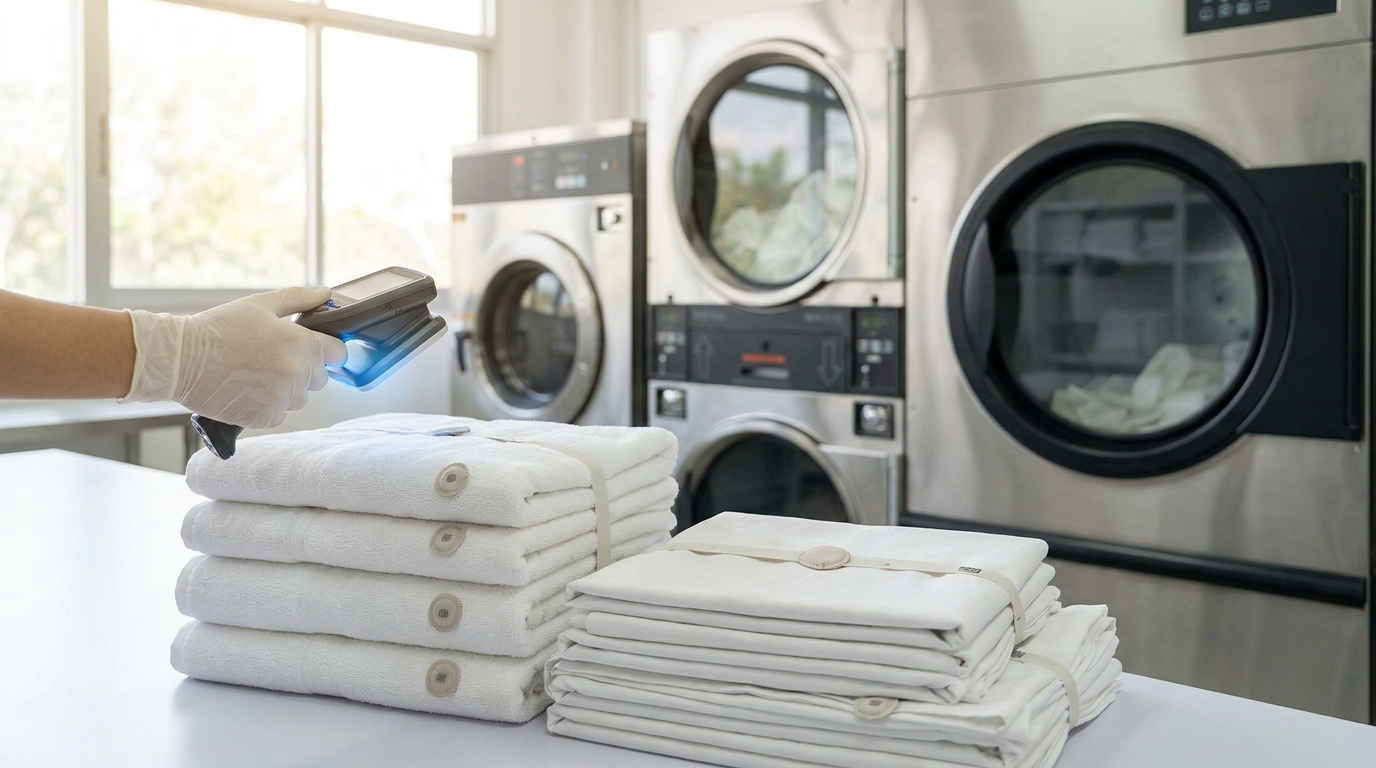
When tags are attached to each fabric item, laundry staff only need to pass a cart through an RFID gate or use a handheld reader to scan quickly — the entire quantity and fabric IDs are automatically recorded within 1-2 seconds. This process completely replaces manual counting that takes 30-45 minutes per inventory. Popular models like the UHF RFID Tie Tag RCT-03 or UHF RFID Tag-10 can withstand 200-300 industrial washes, with a 3-year warranty.
5 specific benefits of using UHF RFID tags for hotel laundry
A real-world survey at hotels that have implemented this technology shows 5 clear benefits: reduced linen loss, optimized inventory, labor savings, improved service quality, and easy integration with existing inventory management systems.
Bạn đang tìm sản phẩm cho chủ đề này?
Việt POS phân phối chính hãng — bảo hành 24-36 tháng, hỗ trợ kỹ thuật 24/7.
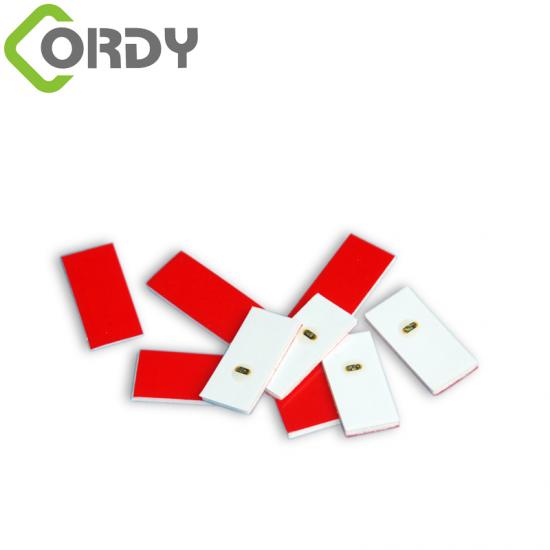
Custom UHF Alien H3 Printed RFID Tags for Jewelry Price Tagging
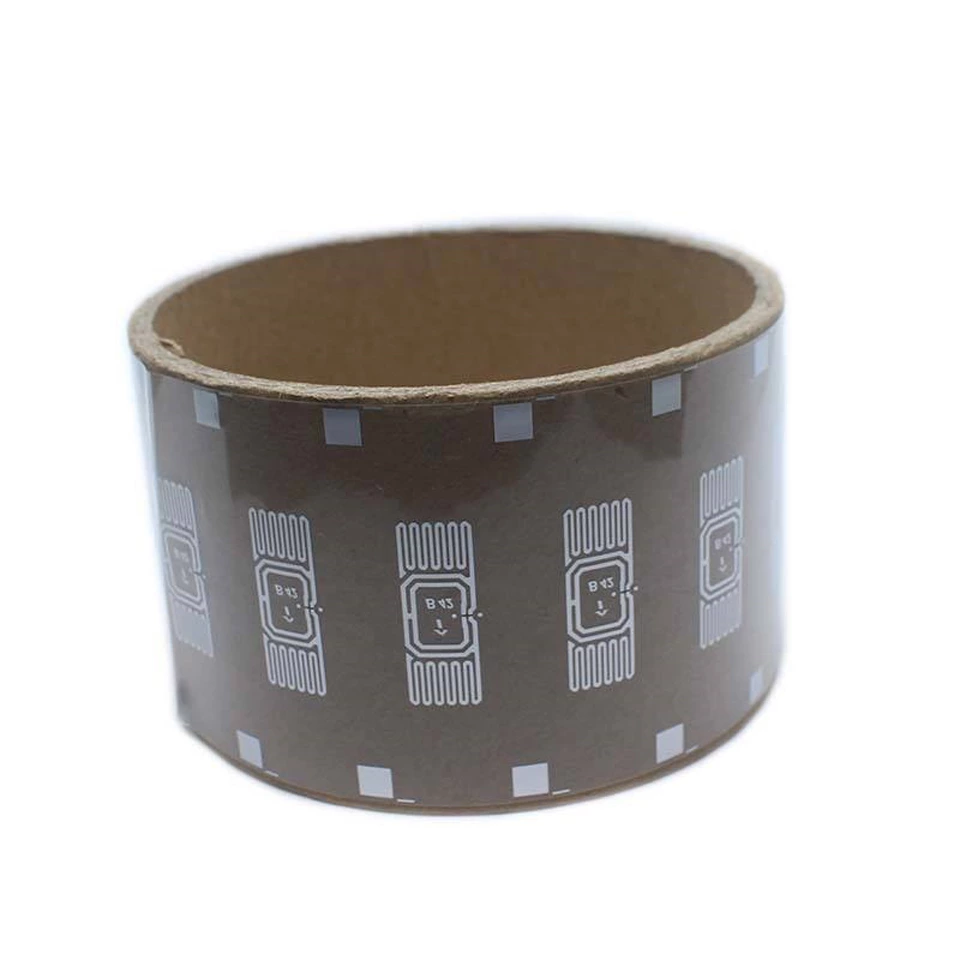
RFID Wet Inlay / Dry Inlay UHF Tags for Asset Management in Apparel, Metal, Medical, and Plastics
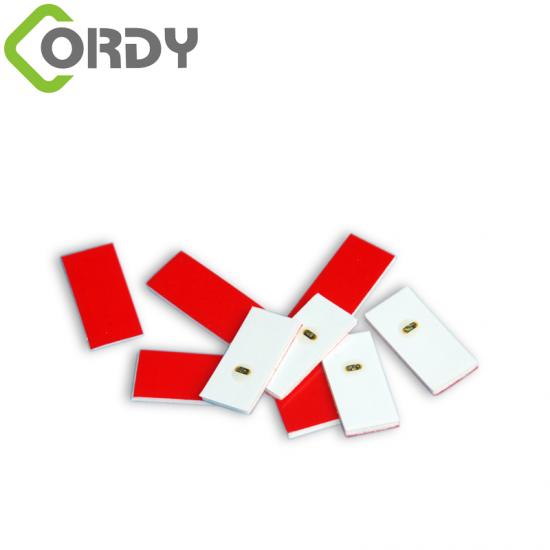
UHF RFID Plastic Jewelry Labels & Tags — Printed Jewelry Price Tags
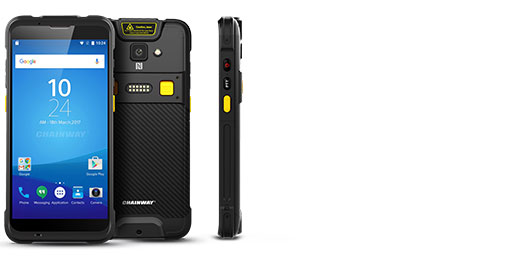
Chainway C5E UHF RFID Reader (Android 16) — Handheld RFID Reader
1. Reduce linen loss from 15-25% to below 3%
According to internal statistics from a 4-star hotel chain in Da Nang, after 6 months of deploying UHF RFID tags, towel loss dropped from 18% to 2.7%. The reason: each fabric item is tagged uniquely, and the system records in real-time when linens leave the laundry area, move to the room area, or go missing. If a shortage is detected, an automatic alert is sent to management within 5-10 minutes. Compared to manual methods (only month-end inventory), RFID tags enable timely intervention, significantly reducing financial losses.
2. Optimize inventory: read 200 tags/second instead of 45 minutes of manual counting
A 200-room hotel typically has 3,000-5,000 fabric items of various types. Manual inventory takes 3-4 staff working 2-3 hours. With UHF RFID tags, one staff member uses a handheld reader to scan the storage shelves — all data is updated automatically in 10-15 seconds. Read speed reaches up to 200 tags/second at a distance of 3-5 meters, with 99.9% accuracy. This allows hotels to perform weekly inventories instead of monthly, proactively detecting shortages early.
3. Save 40-60% on labor costs for the laundry department
According to a report from a 5-star resort in Phu Quoc, after applying UHF RFID tags for laundry, they reduced 2/3 of the workforce for counting and reconciliation. Staff no longer need to keep paper records or manually count each item. The system automatically generates reports on clean linen quantities, dirty linen, and damaged items per shift. The initial investment for tags and readers typically pays back within 8-12 months thanks to labor savings and reduced loss.
4. Enhance hotel image: linens always clean and fully stocked
A 5-star hotel cannot afford to run out of towels during peak hours or have bed sheets of the wrong size. UHF RFID tags enable real-time inventory management: when clean linen stock falls below a safety threshold (e.g., below 200 sets), the system automatically suggests additional washing schedules. This ensures 100% of rooms are always fully serviced, enhancing customer experience and OTA ratings.
5. Easy integration with existing inventory management and POS systems
Most UHF RFID tags support standard protocols (EPC Gen2, ISO 18000-6C), compatible with popular inventory management software. Data from RFID readers can be exported to Excel files or connected via API to the hotel's POS system. This synchronizes data between the laundry department, housekeeping, and accounting without manual data entry. If you are looking for a complete solution, see more 5 criteria for choosing barcode label paper for Zebra printers 2026 to understand more about compatible printing supplies.
Comparison table of UHF RFID tag models for hotel laundry
Below is a comparison table of 5 popular UHF RFID tag models in Vietnam, based on heat resistance, number of washes, read range, and reference price.
| Model | Max Heat Resistance | Number of Washes | Read Range | Reference Price (VND/tag) |
|---|---|---|---|---|
| UHF RFID Tie Tag RCT-03 | 85°C | 200 washes | 3-4 meters | 8,000 - 12,000 |
| UHF RFID Tie Tag RCT-05 | 95°C | 300 washes | 4-5 meters | 12,000 - 16,000 |
| UHF RFID Tag-10 | 90°C | 250 washes | 3-5 meters | 6,000 - 10,000 |
| UHF RFID Pallet Tag | 80°C | 150 washes | 5-6 meters | 15,000 - 20,000 |
| UHF RFID Tie Tag RCT-07 | 95°C | 300 washes | 4-6 meters | 14,000 - 18,000 |
Implementation process for UHF RFID tags for hotel laundry
To implement effectively, hotels need to follow 5 steps: survey current status, choose the right tag type, attach tags, install readers, and train staff. Average completion time is 2-4 weeks for a 100-200 room hotel.
- Step 1 – Survey the quantity and types of linens: inventory all towels, sheets, bathrobes, tablecloths. Classify by material (cotton, polyester) and washing frequency.
- Step 2 – Choose the appropriate UHF RFID tag: based on washing temperature and chemicals used. If washing at 95°C, choose the RCT-05 or RCT-07 series. If washing below 85°C, the UHF RFID Tag-10 can be used.
- Step 3 – Attach tags: tie-type tags are attached to the hem of towels or corners of bed sheets. They can be sewn, heat-welded, or placed in protective fabric pouches. Each tag is permanently attached to one fabric item.
- Step 4 – Install readers: install RFID gates at the entrance/exit of the laundry area, or use handheld readers for mobile inventory. Connect to management software.
- Step 5 – Training and trial operation: instruct staff on how to use readers and read reports. Run a trial for 1-2 weeks for adjustments.
Choosing the right tag and reader directly affects system accuracy and lifespan. See more comparison of wax resin vs resin barcode label paper to understand more about durable printing supplies.
Frequently asked questions about UHF RFID tags for hotel laundry
How many washes can UHF RFID tags withstand?
Depending on the model, tags can withstand 150-300 industrial washes at temperatures of 80-95°C. High-end models like RCT-05 and RCT-07 achieve 300 washes, with a 3-year warranty. After this number, the read range may decrease, but they still function.
What is the initial investment cost for the system?
For a 200-room hotel (approximately 4,000 fabric items), costs include tags (about 40-80 million VND), 2-3 handheld readers (15-30 million VND), and management software (10-20 million VND). Total investment is 65-130 million VND, typically paying back in 8-12 months through reduced loss and labor.
Do the tags affect fabric quality or cause skin irritation?
Tags are designed to be thin and flexible, attached to the hem or corner of the fabric, not in direct contact with guest skin. The silicone or heat-resistant plastic material does not cause irritation. Many 5-star hotels have used them without complaints.
Can it integrate with existing hotel management software?
Yes. Data from RFID readers can be exported as CSV/Excel files or connected via API to inventory management and POS software. Việt POS supports integration consultation with most popular systems in Vietnam.
How do I know which tag type is suitable for my hotel?
You need to determine the maximum washing temperature (check washing machine specifications), the type of chemicals used, and the washing frequency per item. If washing above 90°C, choose the RCT-05 or RCT-07 series. If below 85°C, use the UHF Tag-10. Contact hotline 0935 498 384 for free consultation.
Reduce linen loss and optimize laundry costs for your hotel today with the UHF RFID tag solution from Việt POS. Call hotline 0935 498 384 or email info@vietpos.vn for a quote and turnkey installation consultation within 2-4 weeks.
Cần tư vấn thiết bị/giải pháp cụ thể?
Việt POS phản hồi trong 30 phút · Hotline 4 vùng · Khảo sát miễn phí.
Bài viết cùng chủ đề