Mục lục bài viết (7)
- What is dynamic QR code time attendance?
- Operating mechanism of dynamic QR code for buddy punching prevention
- Comparing dynamic QR code with other time attendance methods
- Advantages and disadvantages of dynamic QR code time attendance
- Common mistakes when implementing QR code time attendance
- Case study: Dynamic QR code time attendance implementation at 5-cafe chain
- Frequently asked questions
Dynamic QR code time attendance is a solution that uses QR codes changing continuously every 5-10 seconds; employees must scan directly at a fixed device in the work area. This technology prevents buddy punching entirely—when an employee sends a QR code screenshot to a coworker to scan remotely. In Vietnam, the solution is being deployed at offices, retail stores, and restaurants with 20-200 employees, with investment costs 50-70% lower than traditional fingerprint time attendance machines.
What is dynamic QR code time attendance?
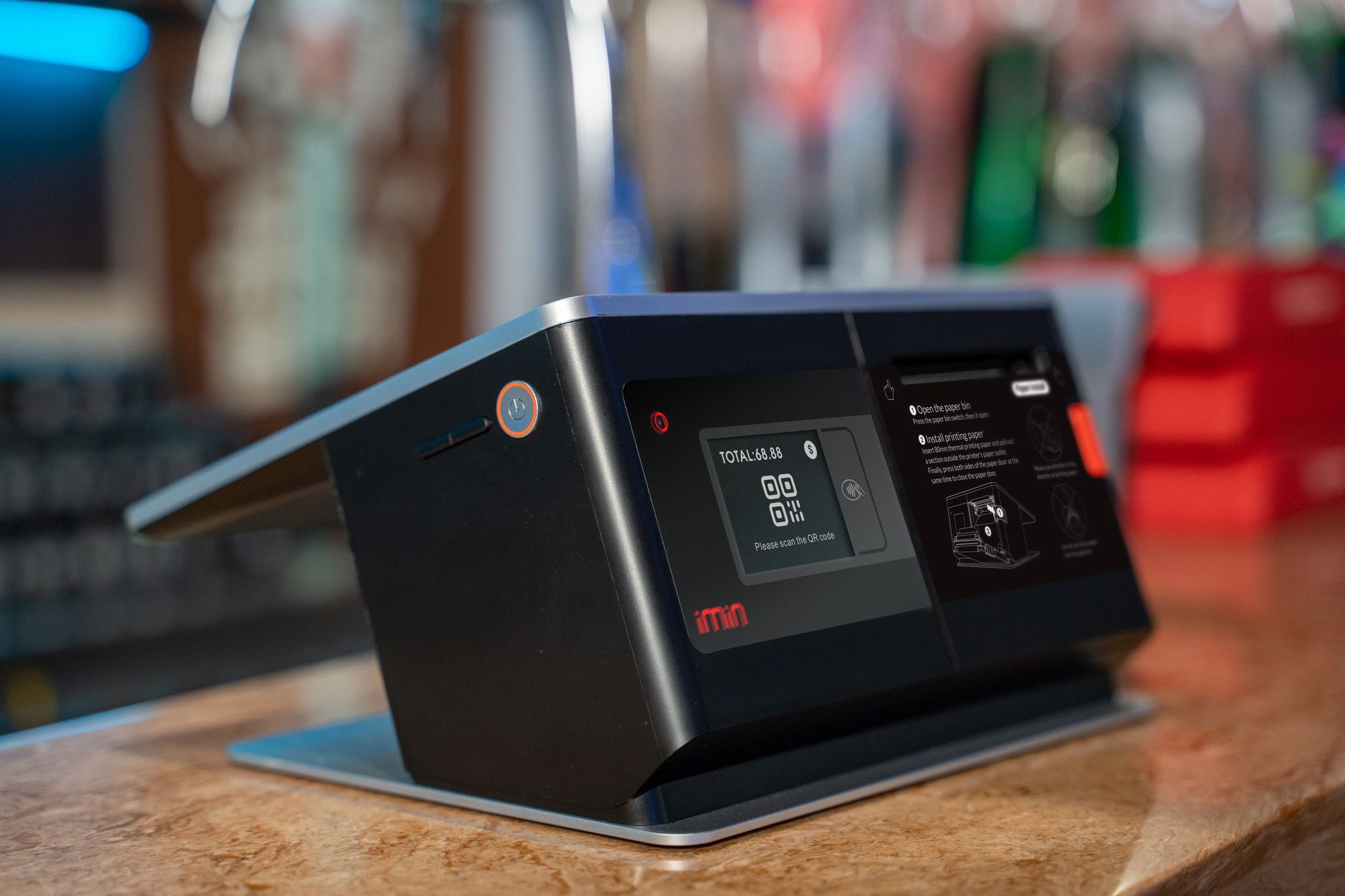
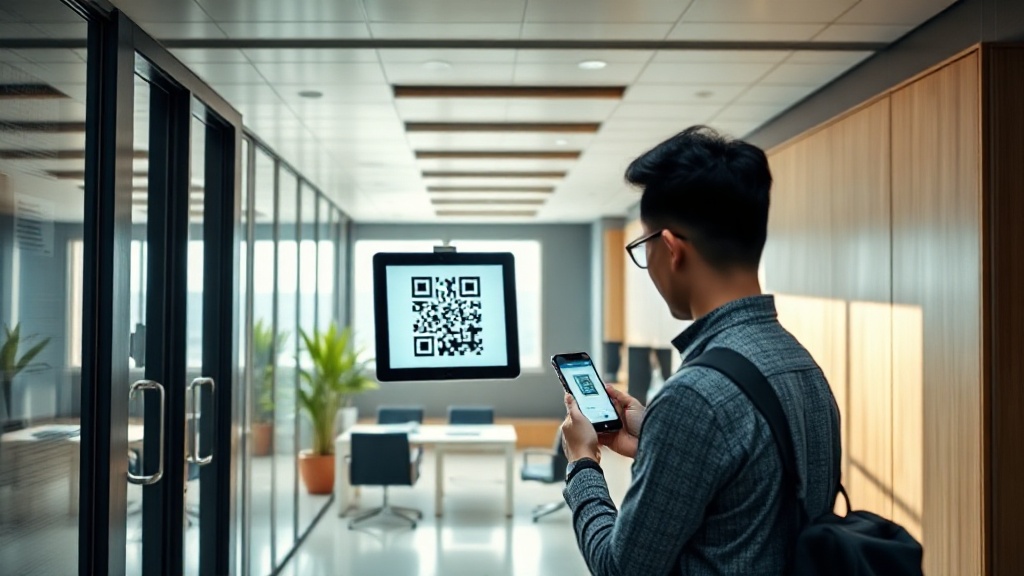
Dynamic QR code time attendance (Dynamic QR Time Attendance) is a method where employees scan a QR code displayed on a fixed device at an entrance or workstation. The QR code changes automatically on a short cycle (5-15 seconds); each code is valid for a single scan only, ensuring it cannot be reused or shared.
Unlike static QR codes (printed on paper or fixed stickers) that can easily be photographed and sent for remote scanning, dynamic QR codes require employees to be physically present at the device to scan. Each scan records real-time timestamp, IP address/internal network location, and employee information. Data syncs to the cloud in real time, automatically calculating working hours, overtime, and late/early departures.
Operating mechanism of dynamic QR code for buddy punching prevention



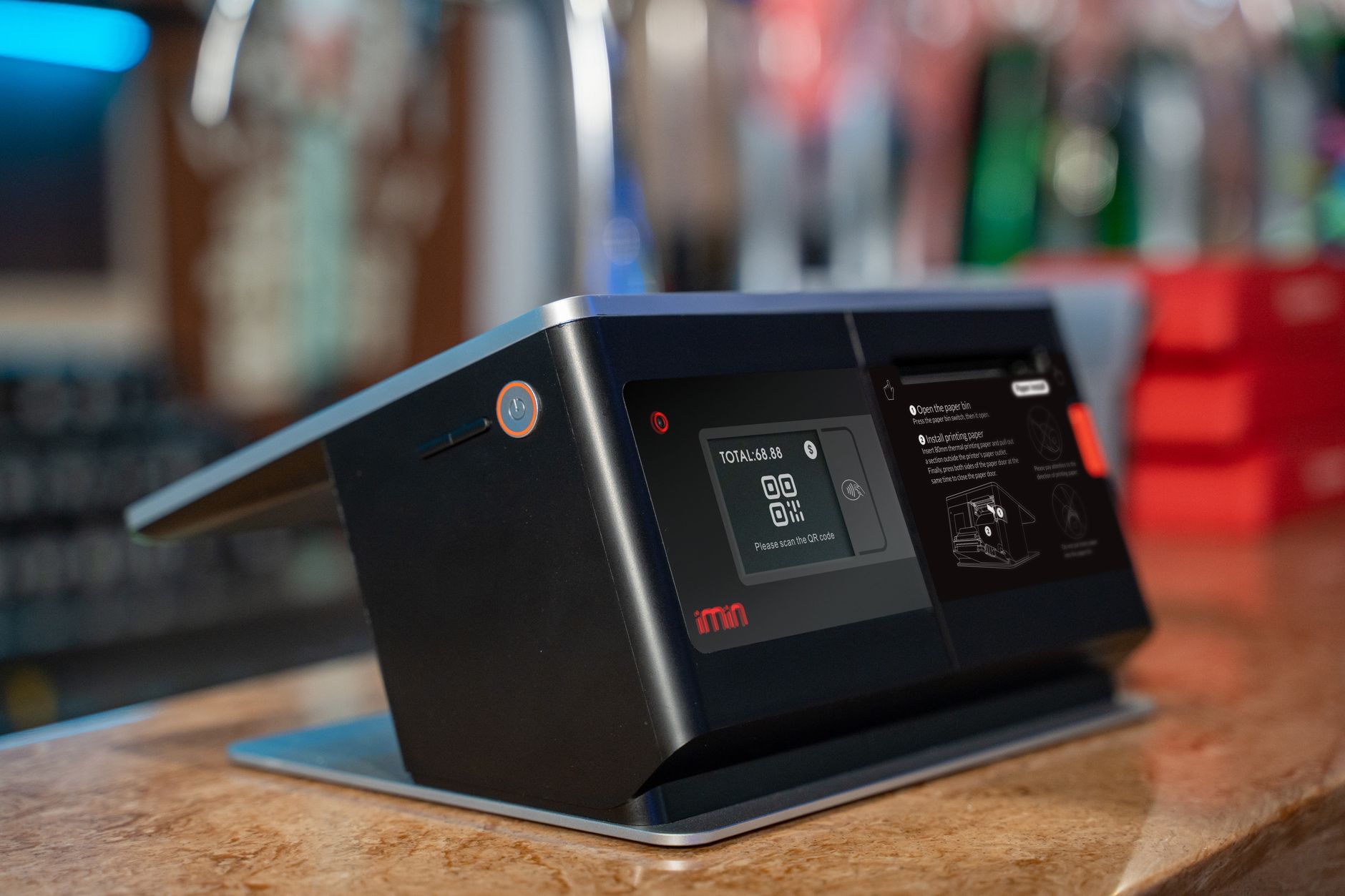
Dynamic QR code operates on a random code generation algorithm synchronized between server and display device. Each code exists for 5-10 seconds, then automatically expires and generates a new code. Employees cannot screenshot a code to scan later because the code has already expired.
Bạn đang tìm sản phẩm cho chủ đề này?
Việt POS phân phối chính hãng — bảo hành 24-36 tháng, hỗ trợ kỹ thuật 24/7.

Iclock260 Fingerprint Time Attendance Machine
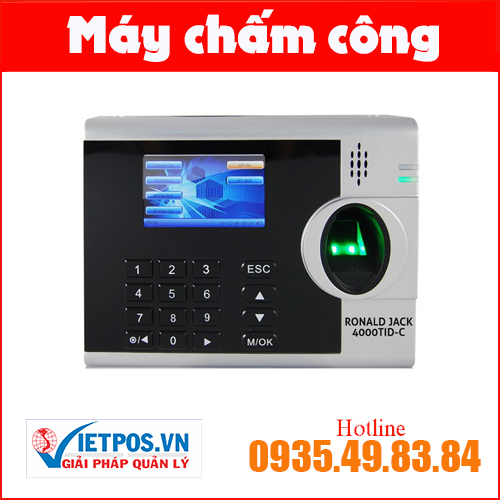
Fingerprint and proximity card time attendance machine Ronald Jack 4000TID–C

SUPREMA BIOLITE NET Access Control and Time Attendance System

Ronald Jack 5000AID Time Attendance Machine
Specific process:
- Display device: A tablet or touchscreen display positioned at the entrance or workstation, showing a continuously changing dynamic QR code.
- Scan code: Employee opens the time attendance app on their phone (iOS/Android) and scans the QR code on the display. The system verifies the code is valid within the 5-10 second window.
- Additional authentication: Some systems require employees to enter a PIN or authenticate via facial recognition after scanning, adding a security layer.
- Record and sync: Check-in/check-out data is sent to the cloud, automatically calculating working hours, overtime, late arrivals, and early departures.
Việt POS implements this solution with a dynamic QR code display device (tablet or touchscreen 7-10 inches), cloud-based time attendance management software, and a scanning app on employee phones. The system can integrate with existing POS and HR management software.
Comparing dynamic QR code with other time attendance methods
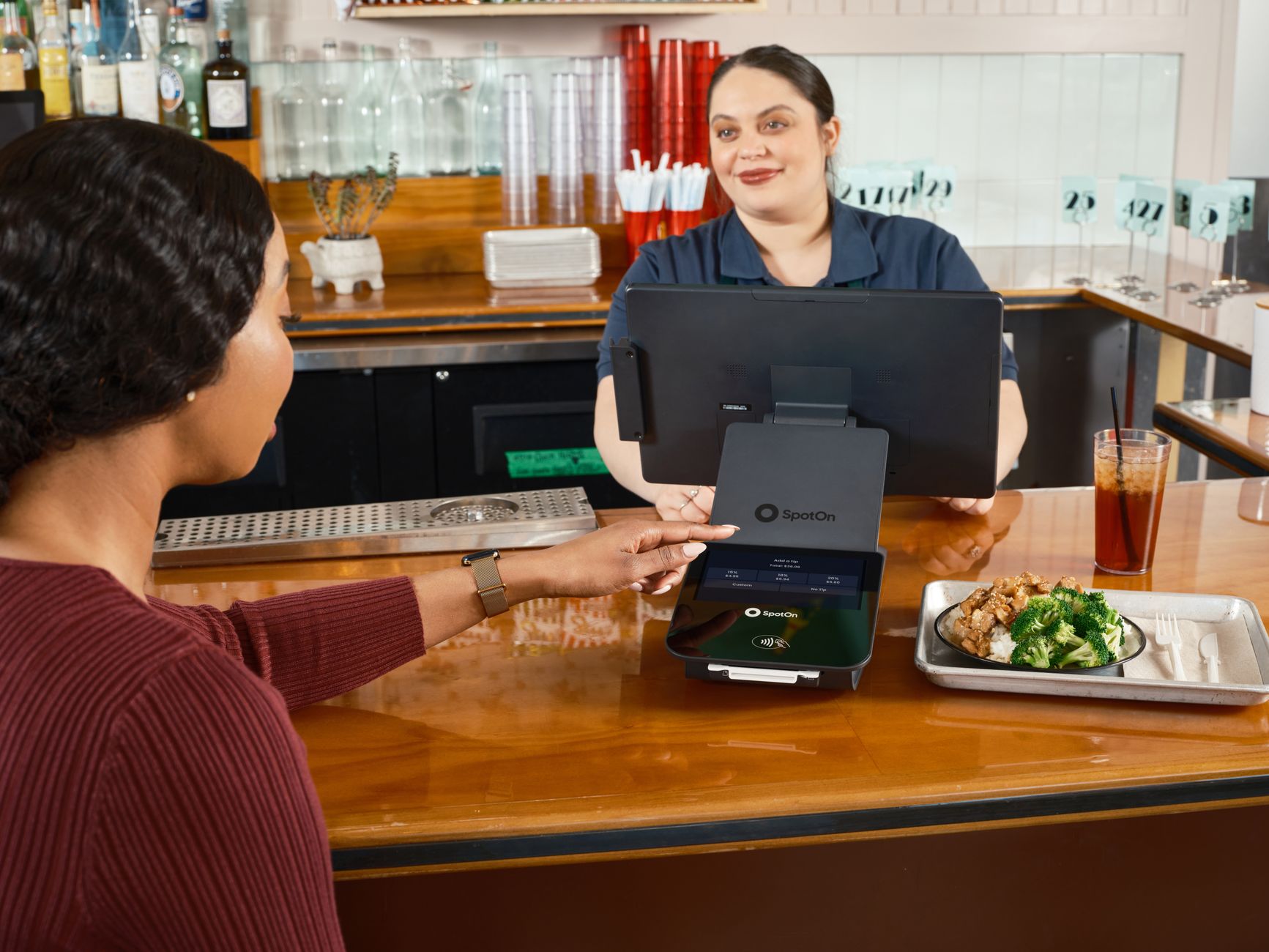
Dynamic QR code offers superior advantages in low cost, easy deployment, and effective buddy punching prevention, but requires employees to have smartphones and stable network connectivity. Here is a detailed comparison.
| Method | Investment cost (30 employees) | Buddy punching prevention | Equipment requirements | Maintenance |
|---|---|---|---|---|
| Dynamic QR code | 3-7 million VND | High (code changes continuously) | Employee phones + 1 display device | Low (cloud software) |
| Fingerprint | 10-20 million VND | Medium (vulnerable to silicon molds) | Fingerprint time machine | High (sensor cleaning, replacement) |
| AI facial recognition | 15-30 million VND | High (facial recognition) | AI camera + computer | Medium (software updates) |
| GPS | Free (app) | Low (location spoofing easy) | Employee phones | Low |
| Magnetic card | 5-10 million VND | Low (card loss/sharing) | Card reader + cards | Medium (replace damaged cards) |
Advantages and disadvantages of dynamic QR code time attendance
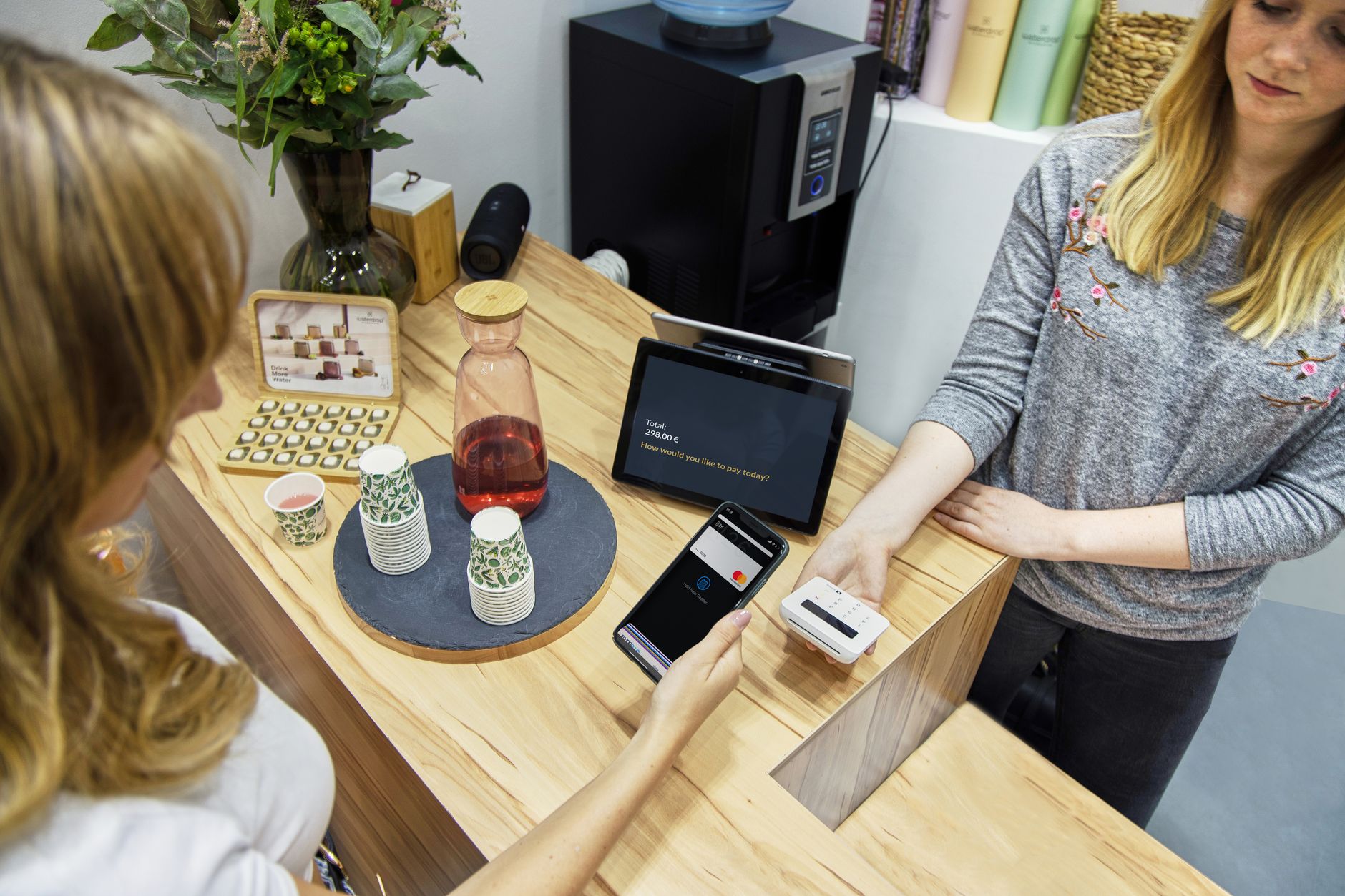
Main advantages: low cost, rapid deployment (1-2 days), effective buddy punching prevention, real-time cloud data. Disadvantages: dependency on employee phones and network connectivity; some older employees may struggle with app navigation.
Advantages
- Low investment cost: Only requires 1 QR code display device (tablet priced 2-4 million VND) and cloud software (500-1,000 VND per employee per month). No need to purchase dedicated time machines.
- Complete fraud prevention: QR code changes every 5-10 seconds, making screenshots and sharing impossible. System records real-time timestamp and IP address/internal network location.
- Real-time data: Managers view attendance reports, calculate pay instantly on the cloud dashboard without manual data entry.
- Easy integration: Can connect to existing POS, payroll, and HR management software.
Disadvantages
- Mobile device dependency: Employees need a smartphone and must install the attendance app. Businesses can provide shared tablets for employees without phones.
- Requires stable network: The system needs reliable Wi-Fi or 4G. Weak network may cause slow or failed scans.
- Challenge for older employees: Some employees unfamiliar with apps may need time to adjust. Training is needed (30-60 minutes).
Common mistakes when implementing QR code time attendance
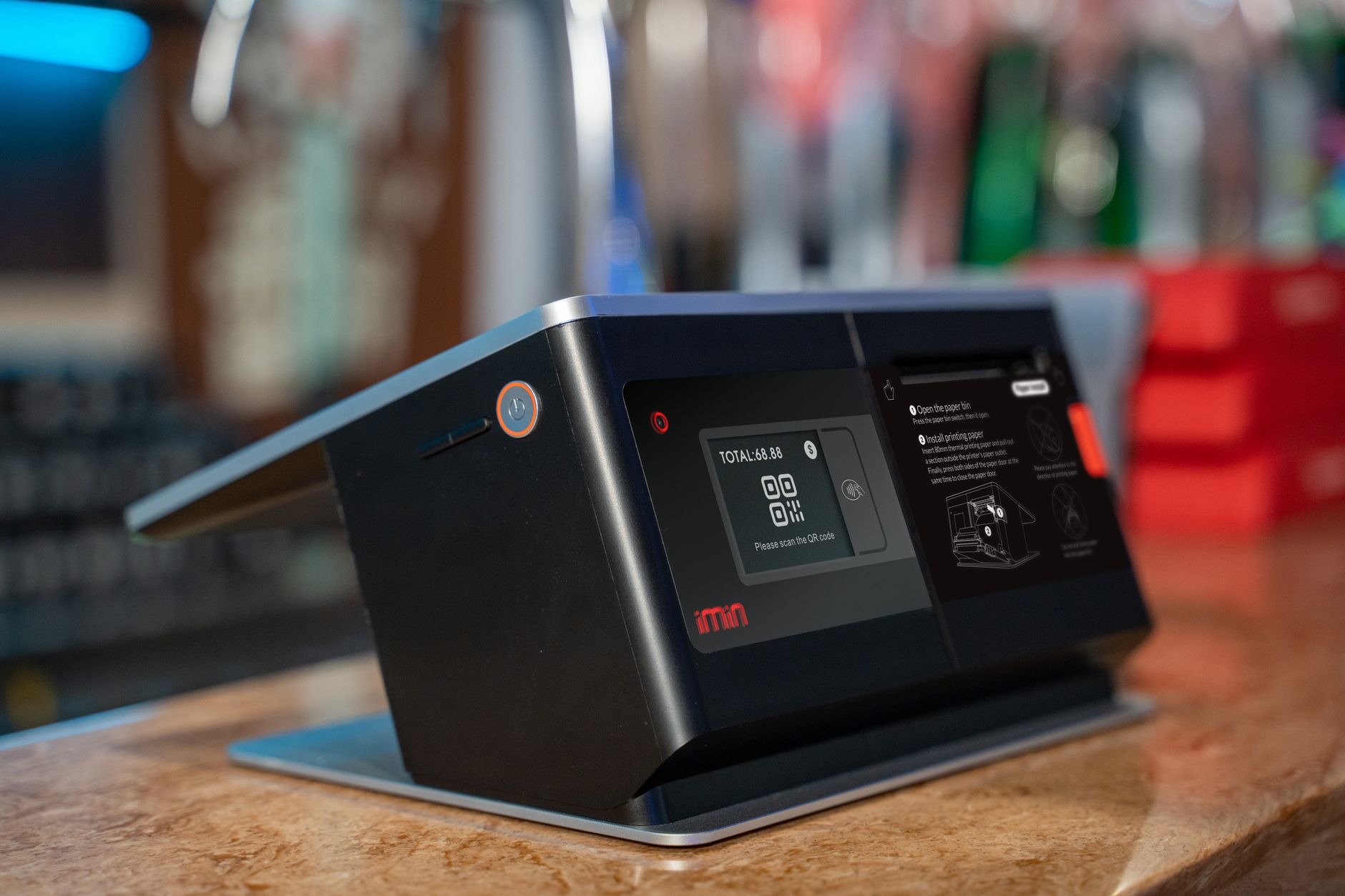
- Using static QR codes: Many businesses print and fix QR codes; employees can easily screenshot and share for remote scanning. Solution: always use dynamic QR codes that change continuously.
- No additional authentication: QR code scanning alone can still be exploited if an employee leaves their phone at their desk. Should combine with PIN or facial authentication after scanning.
- No network verification: System doesn't verify IP address/network; employees can scan via VPN from remote locations. Must configure to allow scanning only within office LAN.
- Skipping employee training: Untrained employees may scan incorrectly, scan late, and corrupt attendance data.
- No data backup: Cloud attendance data requires regular backup policies to prevent loss from system errors.
Case study: Dynamic QR code time attendance implementation at 5-cafe chain
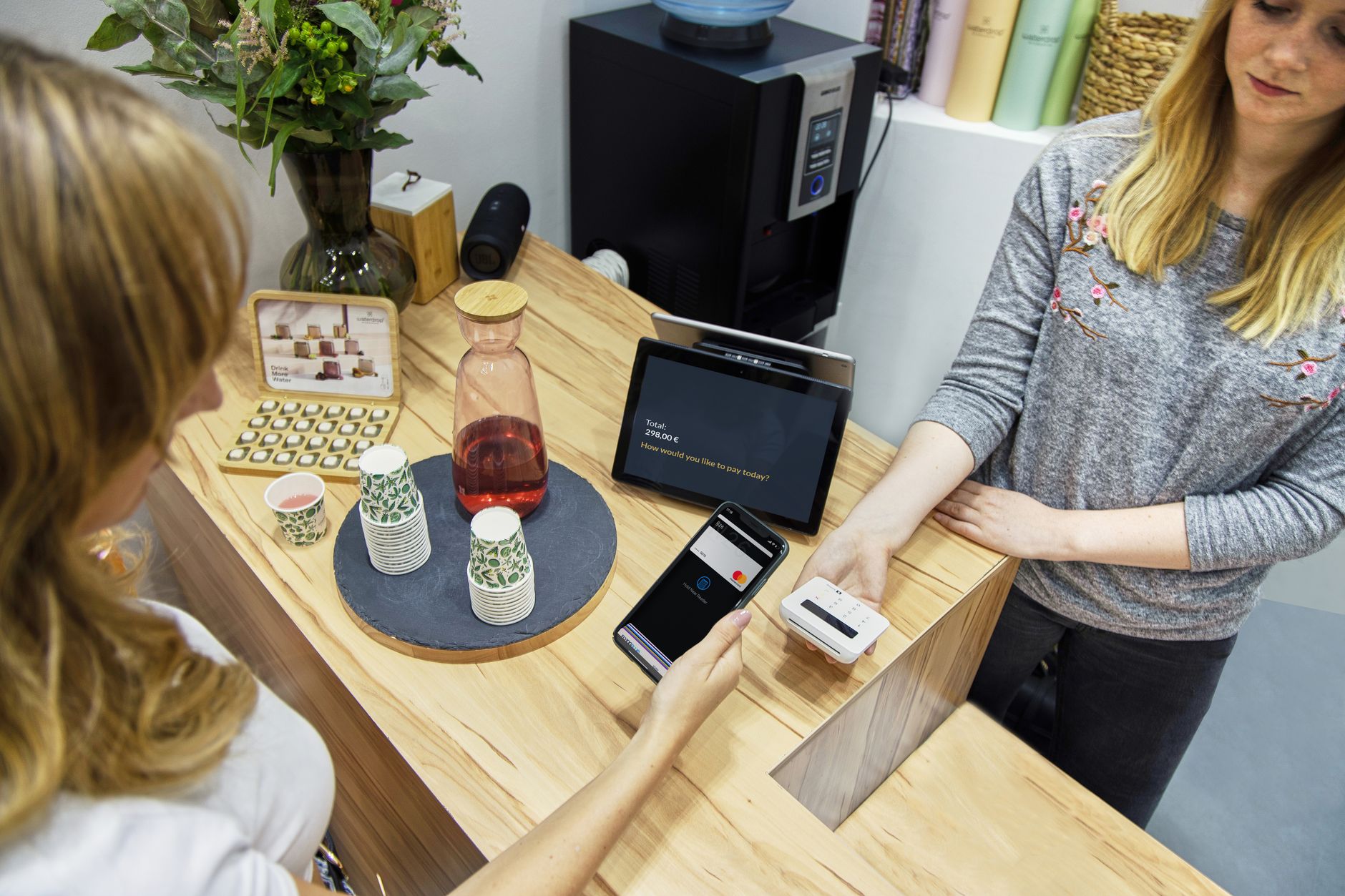
"Morning Café" chain (Ho Chi Minh City) with 5 locations and 45 employees previously faced rampant buddy punching: managers scanned static QR codes for other employees. After switching to Việt POS dynamic QR codes, buddy punching dropped from 22% to 0% in the first month; HR management costs fell 35% thanks to automated payroll calculation.
Deployment details:
- Equipment: Each location installed 1 tablet 8-inch (total 5 devices, cost 12 million VND).
- Software: Việt POS time attendance app on employee phones, web dashboard for management.
- Training: 1 online session of 45 minutes for managers and employees.
- Results: After 3 months, attendance data accuracy reached 99.5%, employees satisfied with no manual punching, management saved 8-10 hours/month on data consolidation.
Frequently asked questions
Does dynamic QR code time attendance require buying expensive equipment?
How to prevent employees from photographing QR codes and sharing with others?
What if an employee doesn't have a smartphone?
Does dynamic QR code time attendance integrate with payroll software?
Can dynamic QR code time attendance be used for traveling employees?
Cần tư vấn thiết bị/giải pháp cụ thể?
Việt POS phản hồi trong 30 phút · Hotline 4 vùng · Khảo sát miễn phí.
Bài viết cùng chủ đề