
Mục lục bài viết (9)
- What cost items are included in RFID investment for gold stores?
- RFID cost pricing for gold stores by scale in 2026
- Manual inventory costs vs. RFID: real numbers
- RFID management software costs for gold stores
- 3-phase RFID deployment roadmap to reduce financial risk
- When should you invest in RFID for gold stores? ROI analysis
- Technical challenges when deploying RFID for gold and silver
- Frequency regulations and RFID compliance in Vietnam
- Frequently asked questions about RFID investment costs for gold stores
The RFID investment cost for gold stores in 2026 is a critical financial consideration for Vietnamese jewelry businesses weighing the transition from manual inventory to automation. The cost structure includes hardware, software, RFID tags, and deployment services — each with a wide price range depending on store size and integration level.
RFID investment costs for gold stores in 2026 range from 30-80 million VND for small stores, 150-400 million VND for chains of 3-5 stores, and 500 million-1.5 billion VND for large showrooms. The 3-phase roadmap: Phase 1 warehouse inventory, Phase 2 expansion to checkout counters, Phase 3 full integration. The compliant UHF frequency in Vietnam is 918.4-923 MHz.
Table of Contents
- What cost items are included in RFID investment for gold stores?
- RFID cost pricing for gold stores by scale in 2026
- Manual inventory costs vs. RFID: real numbers
- RFID management software costs for gold stores
- 3-phase RFID deployment roadmap to reduce financial risk
- When should you invest in RFID for gold stores? ROI analysis
- Technical challenges when deploying RFID for gold and silver
- Frequency regulations and RFID compliance in Vietnam
- Frequently asked questions about RFID investment costs for gold stores
What cost items are included in RFID investment for gold stores?
RFID investment costs for gold stores include 4 main groups: hardware (fixed readers, handheld readers, antennas), RFID tags (labels attached to products), management and integration software, and deployment services. Each group's proportion varies by scale, but hardware typically accounts for 40-50% of the total initial budget.
When budgeting for an RFID system in the gold and silver industry, businesses need to clearly distinguish between initial investment costs (CAPEX) and recurring operational costs (OPEX). Hardware costs such as the VP-RH272 handheld RFID reader or fixed readers at checkout counters are one-time investments, while RFID tags are recurring costs each time new inventory is added.
RFID hardware costs for gold stores
Hardware is the largest expense in the RFID cost structure for gold stores. For a small 30-50m² store, a minimum system including 1 handheld reader, 1 fixed reader at the counter, and 1-2 antennas ranges from 25-45 million VND. For store chains or large showrooms, hardware costs can reach 200-400 million VND, including multiple reading stations, RFID barcode printers, and specialized inventory equipment.
RFID tag costs for gold and silver products
RFID tags for the jewelry industry typically use UHF technology (920-925 MHz) or HF/NFC (13.56 MHz). For high-value gold and silver products, on-metal RFID tags are the suitable choice, priced from 8,000-25,000 VND per tag depending on quality and order quantity. A store with 2,000-5,000 products will need a budget of 20-80 million VND for tags alone.
RFID cost pricing for gold stores by scale in 2026
Related Products
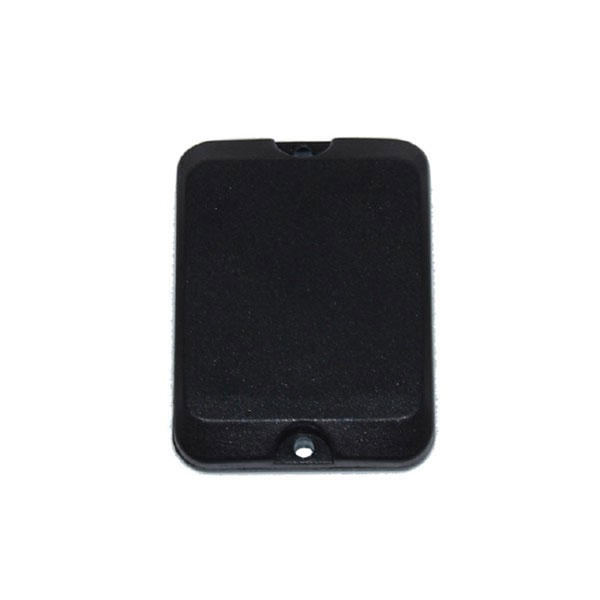
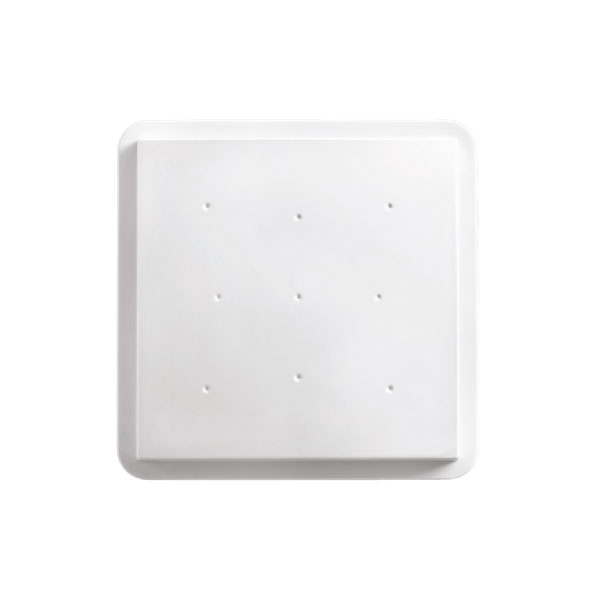



Below is an estimated RFID investment cost table for gold stores in 2026 across 3 typical scales in Vietnam. The figures are reference ranges and may vary depending on supplier, device configuration, and software integration scope.
| Item | Small store (30-50m²) | Chain of 3-5 stores | Large showroom / Center |
|---|---|---|---|
| Hardware (readers, antennas) | 25-45 million VND | 120-250 million VND | 300-700 million VND |
| RFID tags (5,000-50,000 tags) | 20-40 million VND | 80-200 million VND | 250-600 million VND |
| Software & integration | 15-30 million VND | 50-120 million VND | 150-350 million VND |
| Deployment & training services | 5-15 million VND | 20-50 million VND | 50-100 million VND |
| Total estimated | 65-130 million VND | 270-620 million VND | 750 million - 1.75 billion VND |
Manual inventory costs vs. RFID: real numbers

Manual inventory at a gold store typically takes 2-4 days per count with a team of 3-5 staff, costing approximately 6-12 million VND in labor per count. An RFID system reduces this time to 2-4 hours, cutting inventory time by 80-90% and minimizing errors from manual handling.
With an inventory frequency of 4-6 times per year, labor costs for manual inventory at a mid-sized store range from 30-70 million VND annually. RFID investment can pay back within 18-30 months if the store has over 3,000 products and conducts frequent counts. Additionally, RFID reduces product shrinkage — a persistent issue in the gold, silver, and gemstone industry.
RFID management software costs for gold stores
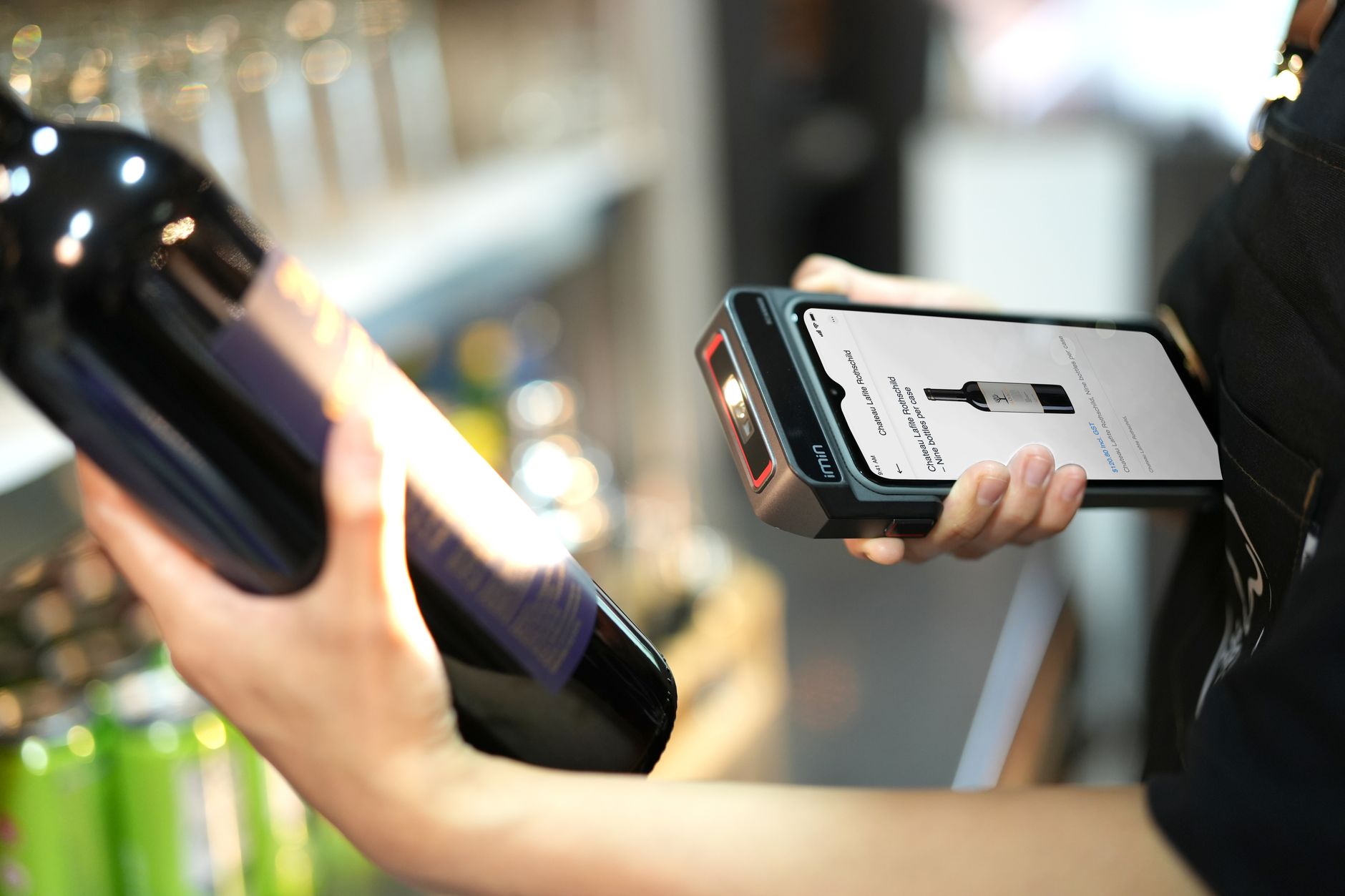
Software is the layer connecting RFID devices to existing sales management systems. RFID software costs for gold stores range from 15-120 million VND depending on features: automated inventory, warehouse management, POS integration, analytics reporting, and data export as required by regulatory authorities.
When selecting software, businesses need to consider integration capability with existing systems. The Zebra FX9600 UHF RFID fixed reader supports multiple connectivity protocols (TCP/IP, RS-232) for more flexible integration. Customizing software to each gold store's specific workflows typically adds 20-30% to the standard software price.
3-phase RFID deployment roadmap to reduce financial risk

RFID deployment for gold stores should not be done all at once with the full budget. A 3-phase roadmap helps businesses control cash flow, evaluate effectiveness step by step, and adjust before expanding. Each phase lasts 2-4 months depending on scale.
Phase 1: Warehouse inventory and stock management (months 1-3)
Start with the narrowest scope: tag all products in the warehouse with RFID and use handheld readers for inventory. This phase's budget accounts for 30-40% of total costs. The goal is to become familiar with the process, train staff, and measure actual inventory time before investing in additional fixed equipment.
Phase 2: Expansion to checkout counters and display areas (months 4-6)
Deploy fixed readers at checkout counters and display areas. This phase adds 30-40% of the budget, including additional antennas, fixed readers, and software upgrades. The goal is to automate sales transactions and real-time inventory tracking at display locations.
Phase 3: Full integration and optimization (months 7-12)
Integrate the RFID system with accounting, CRM, and reporting systems. This phase focuses on data analytics, loss prevention, and optimizing operations. The remaining 20-30% of the budget is allocated here, including system tuning, staff training, and process optimization.
When should you invest in RFID for gold stores? ROI analysis

The right time to invest in RFID for a gold store is when inventory errors exceed 2%, labor costs for counting are high, or regulatory requirements demand frequent audits. ROI analysis should include direct savings (labor, loss reduction) and indirect benefits (faster audits, better customer service).
For a store with 3,000 products, annual labor savings from RFID can reach 30-50 million VND, plus loss reduction of 0.5-1% of inventory value. If the store's inventory value is 5 billion VND, this translates to 25-50 million VND in additional savings. Total annual benefits of 60-100 million VND can justify an initial investment of 100-200 million VND, achieving payback in 18-24 months.
Technical challenges when deploying RFID for gold and silver

Deploying RFID for gold and silver faces unique technical challenges: metal surfaces reflect radio waves, causing read failures; dense product arrangements in display cases create signal interference; and high-value items require tamper-proof tags. Solutions include on-metal tags, antenna placement optimization, and thorough site surveys.
Metal reflects and absorbs UHF signals, so standard tags often fail on gold chains or rings. On-metal tags with specialized antenna designs are required, increasing tag costs by 30-50%. Additionally, glass display cases with metal frames can shield signals; antennas must be placed inside cases or handheld readers used for close-range reads. A professional site survey before installation is essential to map signal coverage and identify dead zones.
Frequency regulations and RFID compliance in Vietnam

Vietnam regulates RFID UHF frequencies under Circular 08/2021 of the Ministry of Information and Communications, allowing 918.4-923 MHz for RFID applications. Devices must comply with technical standards and obtain type approval before import and use. Non-compliant equipment risks fines and operational disruption.
When purchasing RFID equipment, businesses must verify that readers and tags operate within the 918.4-923 MHz band. Some imported devices default to 902-928 MHz (US standard) or 865-868 MHz (European standard), which may not comply. Việt POS supplies equipment certified for Vietnam's frequency band, ensuring legal operation and avoiding interference with other services.
Frequently asked questions about RFID investment costs for gold stores

Below are answers to common questions about RFID investment costs for gold stores, based on real deployment data from Việt POS projects in Vietnam's jewelry industry.
How much does a basic RFID system cost for a small gold store?
A small gold store (30-50m²) with 2,000-3,000 products needs a budget of 65-130 million VND for a basic RFID system. This includes: 1 handheld reader, 1 fixed reader at the counter, 1-2 antennas, 3,000 on-metal RFID tags, management software, and deployment costs. If POS software is already in place, integration costs may decrease by 10-20%.
What is the price of RFID tags for gold and silver products?
On-metal RFID tags for the jewelry industry cost 8,000-25,000 VND per tag depending on chip quality, size, and order quantity. Ordering 5,000-10,000 tags typically gets 20-30% better pricing than small quantities. UHF tags are generally cheaper than HF/NFC tags but require readers compatible with the 918-923 MHz band per Vietnamese regulations.
How long does it take to recoup RFID investment for a gold store?
Typical payback period is 18-30 months for stores with 2,000-5,000 products and 4-6 inventory counts per year. If the business faces shrinkage issues or needs frequent stock reconciliation with regulators, ROI can reach 40-60% annually. Specific figures depend on current labor costs and actual loss rates.
Can RFID read through glass display cases for gold?
UHF RFID signals can penetrate regular glass with low attenuation (10-20%), but tempered glass or metal-coated glass significantly reduces read performance. Glass cases with metal frames also cause signal interference. Solutions include placing antennas inside cases or using handheld readers for close-range counts. A site survey before installation is mandatory.
Can RFID software for gold stores integrate with existing POS systems?
RFID software can integrate with most popular POS systems in Vietnam via API or middleware. Integration costs range from 10-30 million VND depending on complexity. Some POS software already includes RFID modules, reducing development costs. Always request a live demo of inventory and sales workflows before committing.
What are the annual operating costs of RFID for a gold store?
Annual RFID operating costs include: additional tags for new inventory (5-15 million VND/year for small stores), equipment maintenance (2-5% of hardware value per year), and software maintenance fees if applicable (10-20% of initial software cost). Total operating costs typically account for 10-15% of the initial investment each year.
Cần tư vấn thiết bị/giải pháp cụ thể?
Việt POS phản hồi trong 30 phút · Hotline 4 vùng · Khảo sát miễn phí.
