Mục lục bài viết (5)
- Why is RFID management of tools, molds, and jigs necessary?
- What factors affect the investment cost of an RFID system?
- What are the frequency and equipment regulations for RFID in Vietnam?
- Comparison table of RFID system investment levels (Qualitative)
- Recommendations for accurate surveys and quotations
In the context of digital transformation in mechanical, electronic, and automotive manufacturing plants, controlling fixed assets such as molds, jigs, and measuring instruments plays a key role. RFID (Radio Frequency Identification) technology has proven its value over manual paper-based or traditional barcode methods. By using radio waves to identify objects, RFID enables real-time tracking of location, condition, and maintenance schedules for thousands of devices, helping businesses optimize operational processes and minimize production risks.
Why is RFID management of tools, molds, and jigs necessary?
RFID enables automated identification and lifecycle tracking of assets without manual barcode scanning one by one. This helps businesses capture real-time location of molds, usage counts to remind maintenance schedules, and timely calibration of measuring instruments, thereby limiting error risks in production and optimizing equipment performance.
Automating tracking and inventory processes
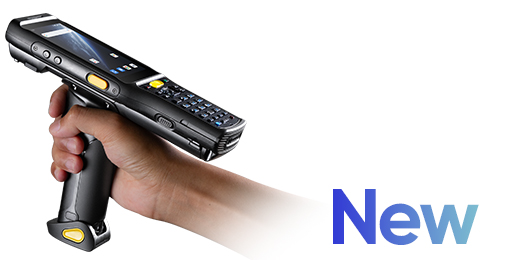
In a large-scale factory, the number of tools, molds, and jigs can reach thousands of units. Periodic inventory using traditional methods often takes days and is prone to errors due to confusion between similar item codes. With RFID, staff only need to use handheld readers to move through storage areas, and the system automatically records the presence of equipment within a range of several meters, significantly reducing inventory time.
Managing calibration schedules and preventive maintenance
Measuring instruments and molds have a usage lifecycle and require periodic calibration to ensure accuracy. An RFID system integrated with management software automatically stores the number of stamping cycles or operating hours of jigs. When reaching the specified threshold, the system sends alerts or reminds about calibration schedules, helping maintenance departments be more proactive and avoiding sudden equipment failures that cause production line stoppages.
What factors affect the investment cost of an RFID system?
The total investment depends on three main components: the type of specialized RFID tags (heat-resistant, on-metal), the number and type of readers (handheld or fixed), and the complexity of management software. Additionally, factory environments with many metal obstacles require technical surveys to determine the optimal number of reading points.
Bạn đang tìm sản phẩm cho chủ đề này?
Việt POS phân phối chính hãng — bảo hành 24-36 tháng, hỗ trợ kỹ thuật 24/7.
Chainway CM710-8 UHF RFID Module (8-Port) — Impinj E710, 93.0 x 79.8 x 8.9mm
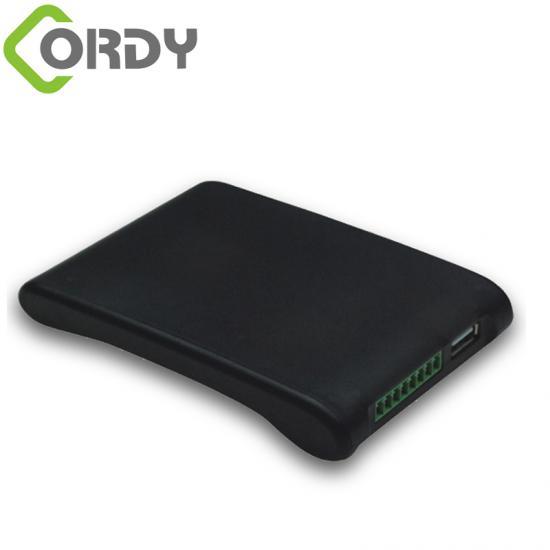
DH9809USB-L - UHF RFID Desktop Reader/Writer 920-925MHz, USB, ISO18000-6C/6B, SDK
UHF Windshield Tag for RFID Vehicle Management Systems
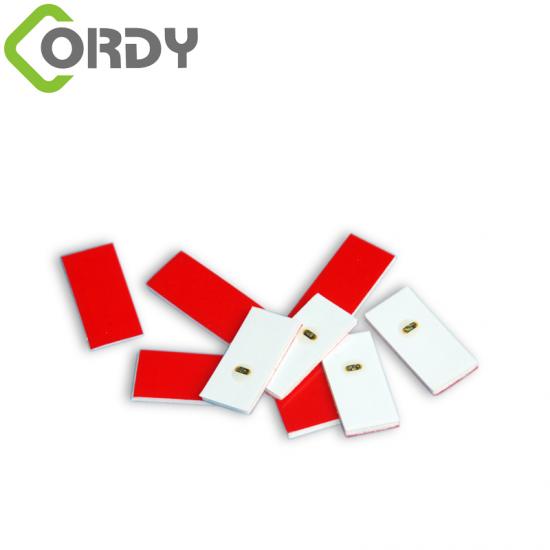
RFID A4 Inlay Sheet / Mifare A3 Inlay Sheet for Card Production
Classification of specialized RFID tags
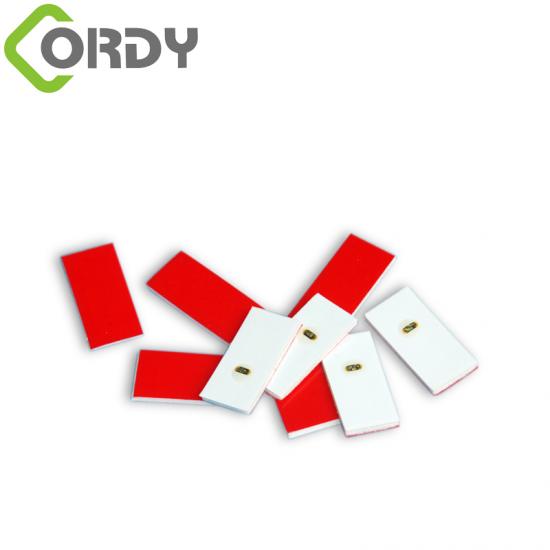
Unlike standard adhesive tags used in the garment industry, RFID tags for molds and jigs are typically on-metal tags. Because metal reflects radio waves, these tags are designed with special padding or ceramic materials to ensure the chip can still respond to signals when attached directly to the steel surface of molds. Tag costs vary depending on durability (resistance to chemicals, oils), heat resistance (if molds are placed in drying ovens), and desired read range.
Reader systems and antennas
Businesses can choose between fixed readers at warehouse gates or workshop entrances, or handheld readers. Fixed readers enable full automation of entry/exit recording, while handheld readers offer high flexibility in locating specific equipment. The more reading points, the broader the coverage, but this also increases infrastructure and installation costs.
Management software and system integration
Software is the brain of the solution, processing data from reading points to turn it into useful information such as inventory reports and calibration alerts. Software costs depend on whether the business chooses a standalone solution or requires deep integration with existing ERP/MES systems. Customizing features according to the factory's specific processes is also an important variable in the total budget.
What are the frequency and equipment regulations for RFID in Vietnam?
UHF RFID devices deployed in Vietnam must comply with the frequency band 918.4–923 MHz with transmission power not exceeding 500 mW ERP. According to Circular 08/2021/TT-BTTTT, devices need conformity records to ensure they do not cause interference to other telecommunications systems and ensure stability in industrial environments.
Compliance with national technical standards
When investing in an RFID system, business owners should pay special attention to RFID frequency and conformity in Vietnam. Using devices outside the regulated frequency band or exceeding power limits not only violates the law but can also cause interference to other radio devices in the vicinity. VietPOS always recommends customers thoroughly check device conformity records before official operation.
Physical limitations of RFID technology
Despite its high efficiency, RFID technology is not universal. In factory environments, radio waves can be blocked by thick metal blocks or absorbed by liquids. RFID cannot guarantee 100% accurate read rates in all situations, especially when devices are stacked too densely or placed deep inside closed metal containers. Therefore, operational processes always require staff confirmation and scientific antenna placement design to achieve the highest efficiency.
Comparison table of RFID system investment levels (Qualitative)
| Item | Basic Investment Level | Medium Investment Level | Advanced Investment Level |
|---|---|---|---|
| Tag type | Standard on-metal tags, small quantity. | Heat-resistant, high-impact-resistant tags, large quantity. | Tags with temperature/humidity sensors or active tags. |
| Reader equipment | Mainly handheld readers. | Combination of handheld readers and fixed gates at warehouses. | Automatic reading gate systems at all workshops and locations. |
| Software | Simple warehouse management software, basic reports. | Asset lifecycle management, automatic maintenance reminders. | Full integration with ERP/MES, big data analytics. |
| Deployment complexity | Low, quick deployment in one area. | Medium, requires wave surveys at multiple points. | High, requires dedicated network infrastructure and servers. |
Recommendations for accurate surveys and quotations
Due to the specific characteristics of each factory in terms of area, mold materials, and management processes, we do not provide a fixed cost figure for the entire solution. A successful RFID system starts with an on-site survey. This process helps identify interference sources, select the most suitable tag type for the metal surface of molds, and calculate the number of readers needed to optimize costs.
Investment costs can range from basic levels for small tool storage areas to advanced levels for comprehensive management systems in smart factories. Businesses should choose experienced infrastructure and equipment providers to receive advice on a suitable deployment roadmap, starting from key areas before expanding to the entire factory. A thorough survey will help avoid wasting budget on equipment that does not match the actual production environment.
Conclusion
Applying RFID in managing tools, molds, and jigs is a strategic step to enhance competitiveness for manufacturing enterprises in Vietnam. Although initial investment costs vary depending on scale and technical requirements, the value in terms of governance and production stability it brings is significant. To receive an accurate quotation and the most optimal solution, close coordination with equipment providers to survey the current state is a prerequisite.
Cần tư vấn thiết bị/giải pháp cụ thể?
Việt POS phản hồi trong 30 phút · Hotline 4 vùng · Khảo sát miễn phí.
