
Mục lục bài viết (7)
- What are EPC and GS1? Their Role in RFID Encoding
- EPC Gen2 Chip Memory Structure and Data Encoding Method
- Specific Benefits of Implementing EPC/GS1 Standard in Supply Chain
- Comparison Table: EPC RFID vs Traditional GS1 Barcode
- Common EPC RFID Encoding Mistakes and How to Avoid Them
- Việt POS Implements Comprehensive RFID Solution to EPC/GS1 Standard
- Frequently Asked Questions about EPC, GS1 and RFID Encoding
EPC (Electronic Product Code) and GS1 are two foundational standards for encoding data on RFID chip, allowing each product in the supply chain to have a unique identifier code, enabling automatic identification and traceability throughout. In Vietnam, adoption of these standards is accelerating as enterprises seek solutions for inventory control, loss prevention, and compliance with product origin traceability requirements from business partners.
What are EPC and GS1? Their Role in RFID Encoding
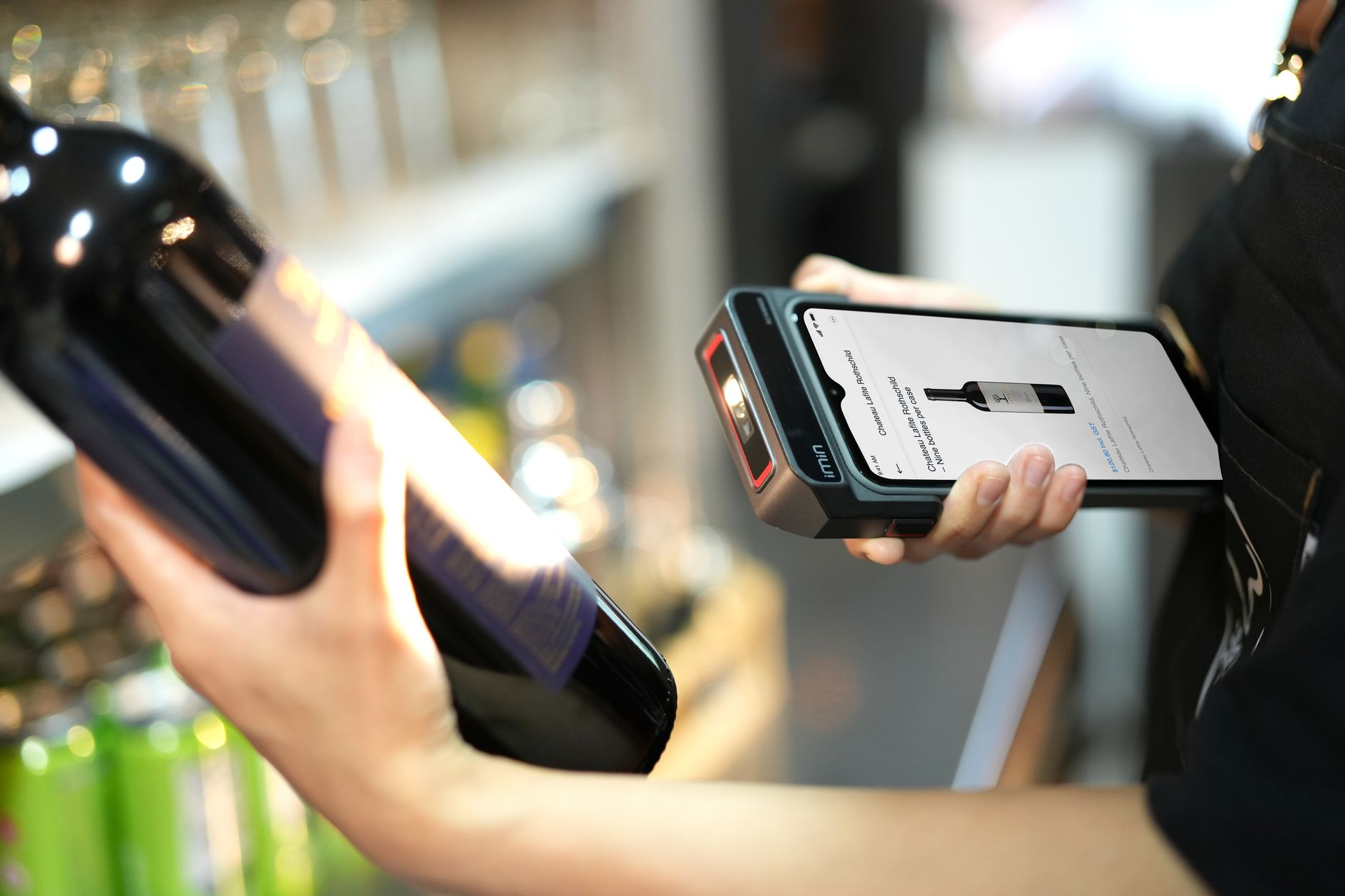
EPC (Electronic Product Code) is a numbering structure developed by GS1, used to identify each individual product unit within the supply chain. GS1 is the global standards organization managing the barcode numbering system (UPC, EAN) and extending to RFID. EPC operates based on the EPC Gen2 protocol (ISO 18000-6C), optimized for high-speed batch reading.
The primary role of EPC/GS1 in RFID is creating a common language across the entire supply chain: from manufacturing, distribution centers, logistics hubs to retail points. Each RFID tag is encoded with EPC containing information such as company code, product code, and unique serial number. When read, the system can instantly look up detailed information from the database.
Compared to traditional barcodes, EPC RFID allows batch reading (up to 200 tags/second), requires no line-of-sight, and enables data rewriting. This reduces inventory time from hours to minutes, particularly useful in warehouse management and pallet inventory verification.
EPC Gen2 Chip Memory Structure and Data Encoding Method


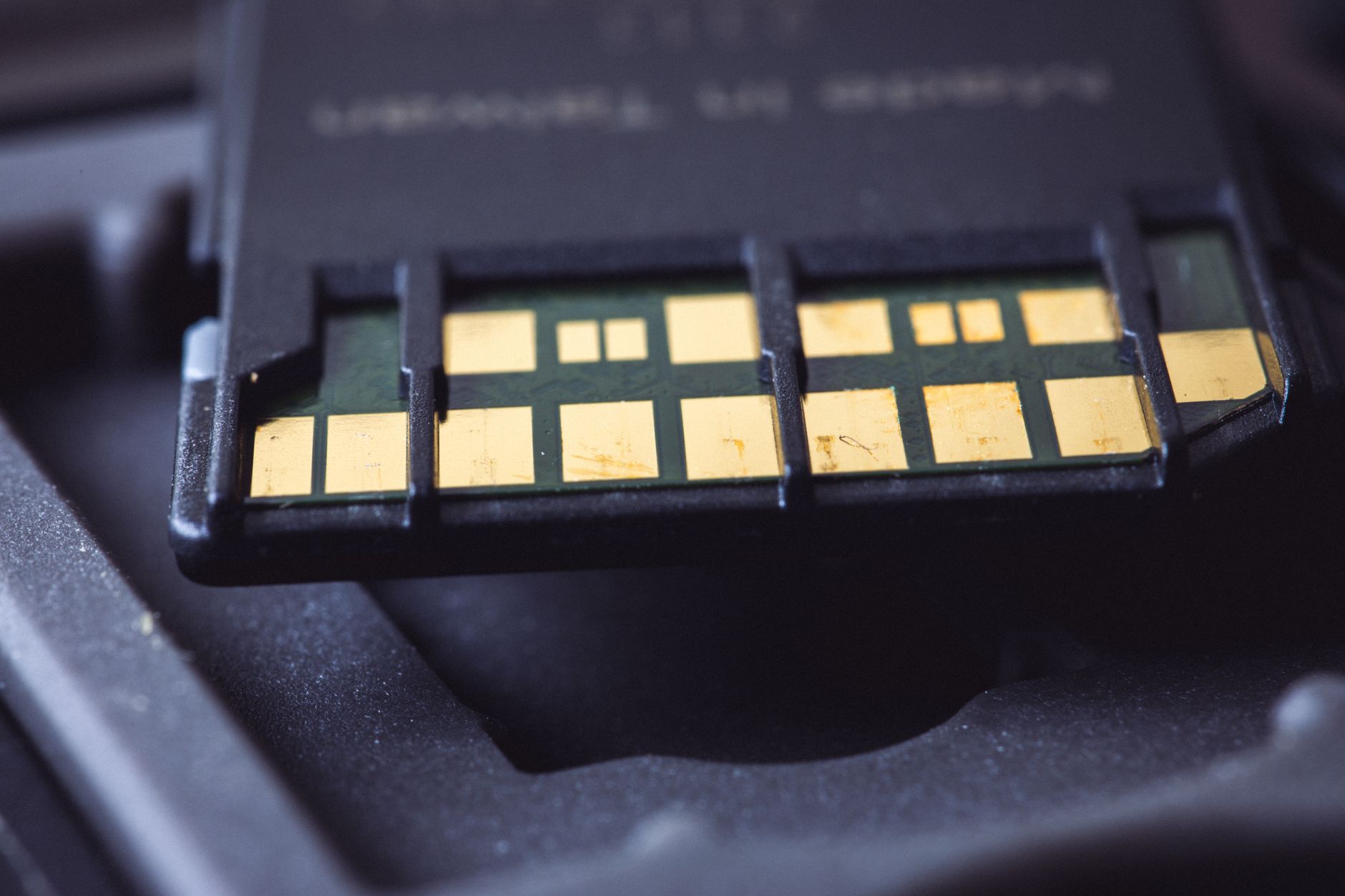
EPC Gen2 compliant RFID chips have four memory banks: Reserved, EPC, TID, and User. The EPC bank is where the main identifier code is stored – typically SGTIN-96 (96 bits) for retail or SGLN-96 for logistics. Each bank can be locked separately for security.
Bạn đang tìm sản phẩm cho chủ đề này?
Việt POS phân phối chính hãng — bảo hành 24-36 tháng, hỗ trợ kỹ thuật 24/7.
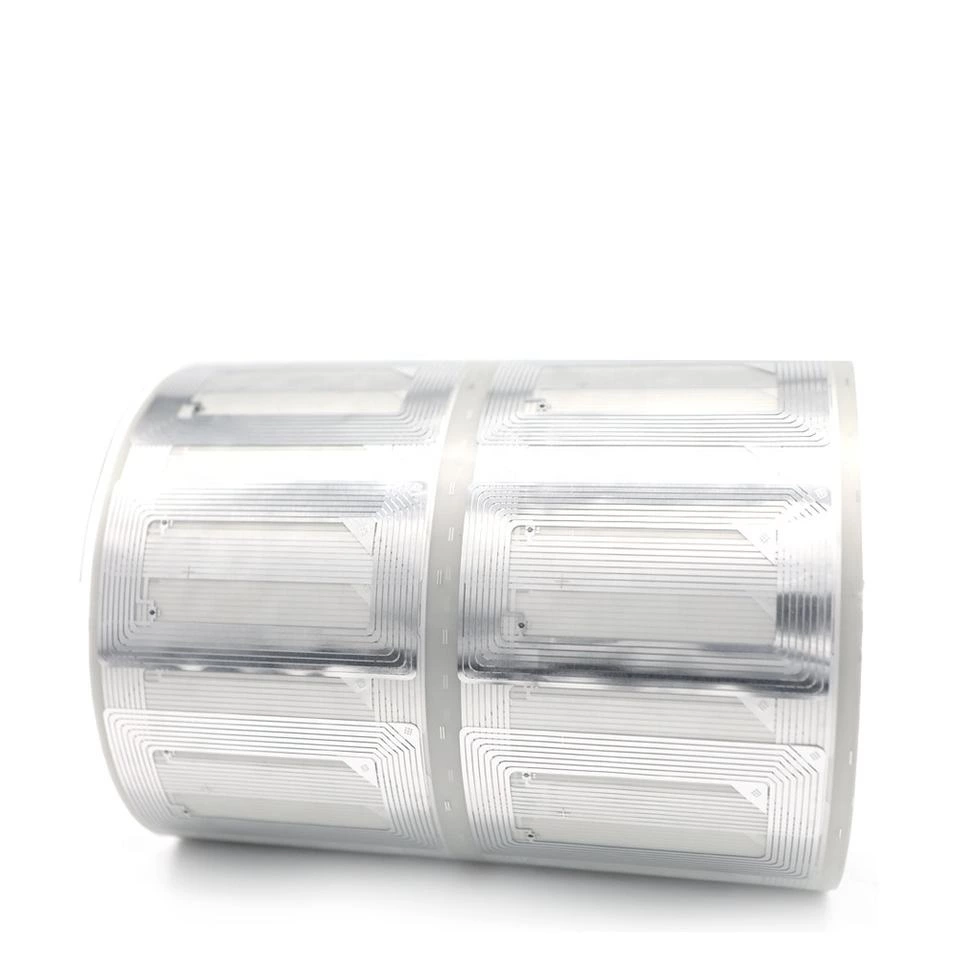
13.56MHz Passive RFID Dry Inlay — HF RFID Tag NFC Inlay

Chainway C5E UHF RFID Reader (Android 16) — Handheld RFID Reader

Chainway MC51S UHF RFID Reader (Android 16) — Handheld RFID Reader

Chainway MC80 5G UHF RFID Reader (Android 16) — Handheld RFID Reader
| Memory Bank | Function | Capacity (bit) | Example |
|---|---|---|---|
| Reserved | Store password (kill, access) | 64 | Write protection password |
| EPC | Product identifier code | 96-496 | SGTIN-96: 3M.12345.67890 |
| TID | Chip manufacturer code (immutable) | 64-96 | E2 00 40 01 (NXP) |
| User | Supplementary data (manufacture date, batch) | 0-512 | Batch: 2025-08, Exp: 2027-08 |
Typical EPC encoding method with SGTIN-96:
- Header (8 bit): Determines format (SGTIN-96 = 0x30).
- Filter (3 bit): Categorizes object (pallet, case, item).
- Partition (3 bit): Divides ratio between company code and product code.
- Company Prefix (20-40 bit): Company code assigned by GS1.
- Item Reference (24-4 bit): Product code within company.
- Serial Number (38 bit): Unique serial number for each unit.
Practical encoding workflow: enterprise inputs data from ERP or POS system, RFID software converts to EPC structure, writes to chip via RFID printer (example Chainway CP30), then verifies and locks EPC bank against rewriting.
Specific Benefits of Implementing EPC/GS1 Standard in Supply Chain

Implementing EPC/GS1 encoding delivers three main benefits: inventory verification 10-20 times faster than barcodes, precise product traceability down to individual units, and reduced receiving errors through automatic reading without manual scanning.
- Warehouse Inventory: One staff member with Chainway C66 handheld RFID reader can inventory 500 pallets in 15-25 minutes, compared to 4-6 hours with barcode.
- Goods Receiving: RFID gate at dock door automatically reads entire pallet when passing through, matches against order in 3-5 seconds. Errors drop from 3-5% to below 0.1%.
- Product Traceability: Combined with EPCIS platform, enterprise can trace entire product journey from factory to retail shelf, meeting requirements from major retail chains.
- Counterfeit Prevention: Each tag has unique TID, combined with EPC, creates effective anti-counterfeiting layer for pharmaceuticals, functional foods, and luxury fashion.
Comparison Table: EPC RFID vs Traditional GS1 Barcode
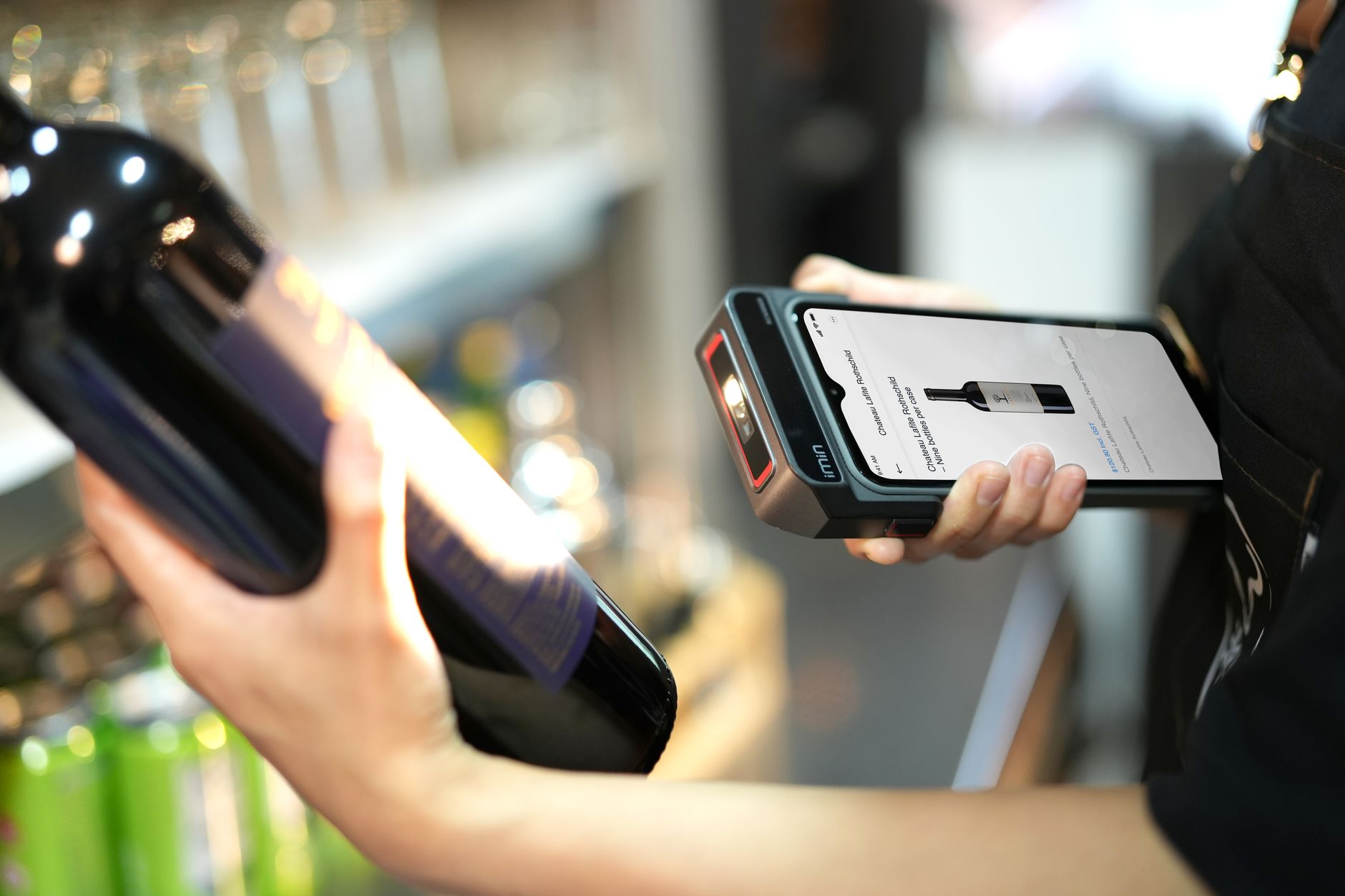
Though both part of GS1 ecosystem, EPC RFID and barcode differ significantly in reading capability, speed, and application. Below table provides detailed comparison.
| Criteria | GS1 Barcode (EAN/UPC) | EPC RFID (Gen2 UHF) |
|---|---|---|
| Reading Method | Laser scan each code, requires line-of-sight | Radio wave, batch read without line-of-sight |
| Reading Speed | 1 code/second | 100-200 tags/second |
| Read Range | 0-30 cm | 3-12 m (UHF) |
| Data Capacity | 13 digits (fixed) | 96-512 bit + User area |
| Rewriting Capability | No | Yes (multiple times, if not locked) |
| Contamination/Damage Resistance | Easily torn, faded | High (water/heat resistant tags) |
| Cost (tag/label) | ~100-300 VND | ~1,500-5,000 VND |
| Primary Application | Retail, manual inventory | Automated warehouse, logistics, traceability |
RFID tag cost is higher but ROI is clear when enterprise operates 500+ SKUs or has high inbound-outbound frequency. For fashion, food packaging, and pharmaceutical sectors, payback period typically 6-12 months through loss reduction and labor savings.
Common EPC RFID Encoding Mistakes and How to Avoid Them
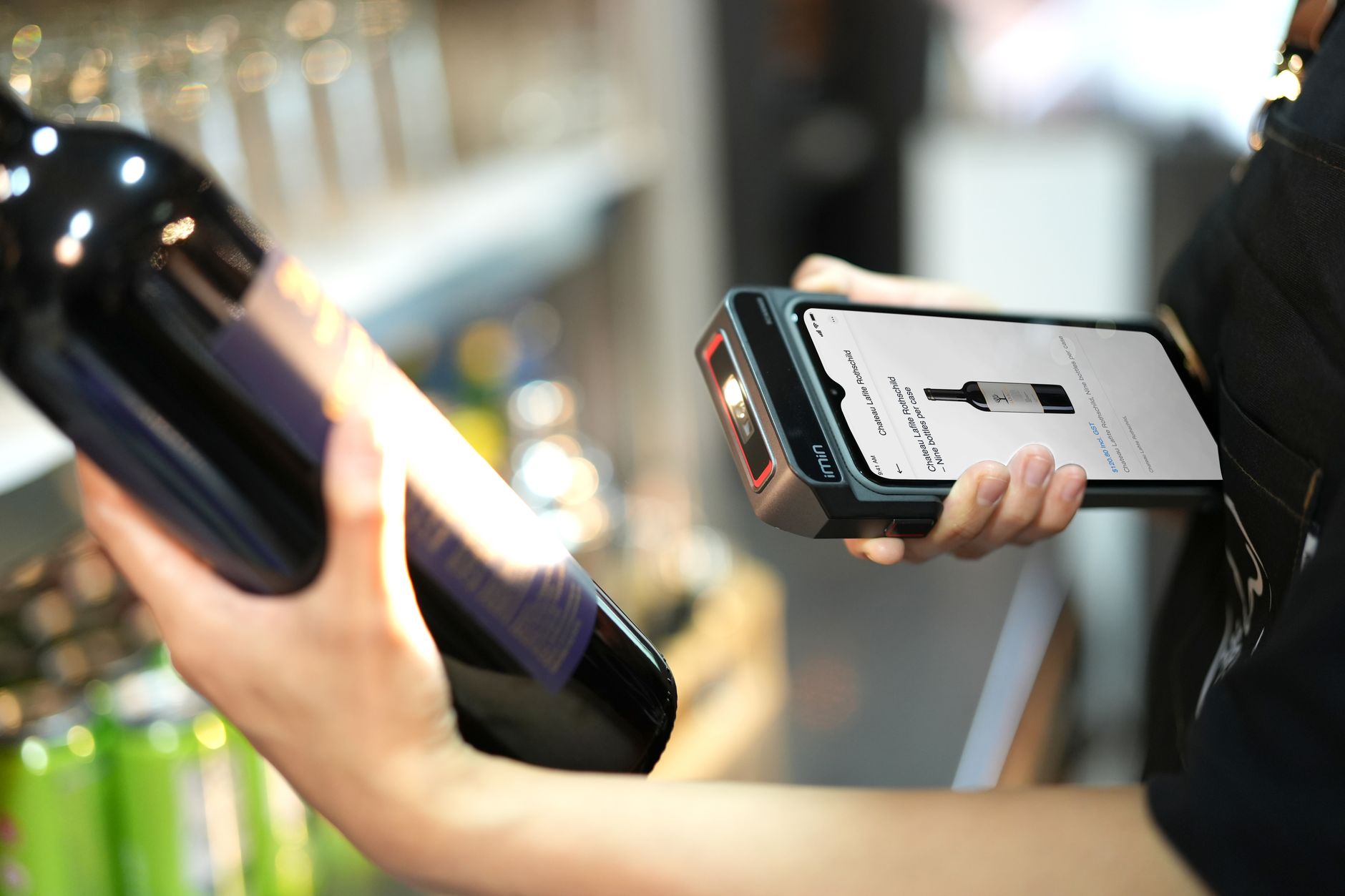
Many enterprises new to RFID make mistakes: duplicate serial number encoding, lack of data synchronization with POS/ERP system, or skipping verification step after writing. These errors reduce effectiveness and cause operational confusion.
- Duplicate Serial Number Encoding: Due to lack of centralized number management. Solution: use RFID management software (like 123RFID Desktop from Việt POS) to automatically generate unique serial numbers from ERP system.
- Ignoring TID Bank: Many focus only on EPC bank, but TID is chip's unique identifier, helping prevent counterfeiting and verify tag origin. Should read and store TID in database.
- Not Locking EPC Bank After Writing: Data can be overwritten. After verification, lock EPC bank (with 32-bit password) for security.
- Software-Chip Incompatibility: Some older chips don't fully support Gen2 commands. Check chip datasheet or select equipment from reputable vendors like Chainway, Zebra, Honeywell.
- Skipping Post-Print Verification: Printed tags must be read back for data verification. Use Chainway UR4 fixed reader integrated to conveyor line for automatic verification.
Việt POS Implements Comprehensive RFID Solution to EPC/GS1 Standard
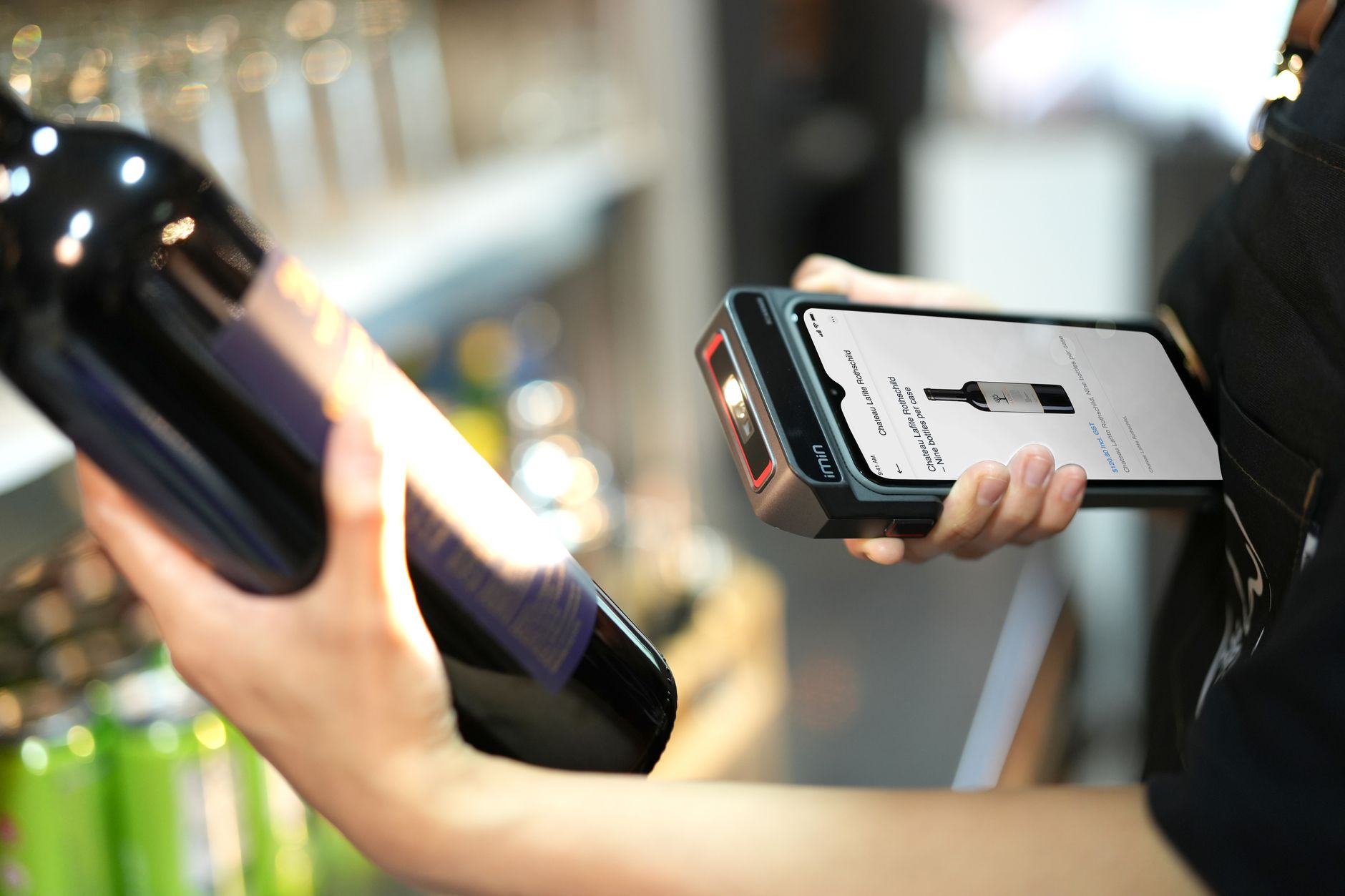
Việt POS provides comprehensive RFID solution from current state assessment, EPC structure consulting suitable for business, equipment installation (RFID printer, fixed/handheld reader from Chainway, Zebra, Honeywell) to integration with existing POS and ERP software, staff training, and 12-24 month warranty.
Việt POS implementation workflow:
- Site Survey: Evaluate inbound-outbound-warehouse process, SKU count, transaction frequency, network infrastructure.
- EPC Structure Consulting: Determine EPC format (SGTIN-96, SGLN-96, GRAI-96), bit allocation for Company Prefix, Item Reference, Serial Number.
- Equipment Selection: Based on requirements: RFID printer (Chainway CP30), fixed reader (Chainway UR4/UR8), handheld reader (Chainway C66), RFID gate.
- Software Integration: Connect RFID data with POS/ERP via API, sync inventory real-time.
- Training and Handover: Guide operation, troubleshoot common issues, perform preventive maintenance.
With experience deploying solutions for many retailers, logistics, and manufacturing enterprises, Việt POS commits to GS1-compliant solutions, optimized cost and ROI timeline.
Frequently Asked Questions about EPC, GS1 and RFID Encoding
Are EPC and GS1 the same?
No. GS1 is the global standards organization managing barcode numbering system and EPC. EPC is a specific standard developed by GS1, used to identify products via RFID chip. In other words, GS1 is the framework, EPC is one tool within that framework.
How to register GS1 code for enterprise?
Enterprise contacts GS1 Vietnam (under Ministry of Science and Technology) to register company code (Company Prefix). After obtaining code, enterprise can self-assign product codes (Item Reference) and serial numbers. Việt POS provides EPC structure consulting based on obtained GS1 code.
Can EPC RFID be used for low-cost products?
Yes, if enterprise has high volume (over 50,000 tags/year) and frequent inventory. RFID tag cost ~1,500-3,000 VND but saves labor and reduces loss. Fashion, packaged food, and pharmaceutical sectors typically achieve ROI within 12 months.
What is EPCIS and is it necessary?
EPCIS (EPC Information Services) is standard for data exchange between supply chain parties, recording events (e.g. product X left warehouse A at 10am). Necessary when enterprise requires end-to-end traceability or works with major partners like Walmart, Unilever.
Can EPC be encoded manually with RFID printer?
Yes. RFID printer like Chainway CP30 or Zebra ZT600 can encode EPC directly when printing tag. Requires management software to generate correct EPC structure data. Việt POS provides 123RFID Desktop software supporting automatic EPC generation and writing.
Cần tư vấn thiết bị/giải pháp cụ thể?
Việt POS phản hồi trong 30 phút · Hotline 4 vùng · Khảo sát miễn phí.
Bài viết cùng chủ đề