Mục lục bài viết (6)
In the context of modern industrial manufacturing, managing fixed assets such as tools, molds, and jigs plays a key role in maintaining the internal supply chain. Radio Frequency Identification (RFID) technology is gradually replacing manual or traditional barcode methods thanks to its contactless reading and batch management capabilities. However, implementing RFID is not just about purchasing equipment; it is a balancing act between investment costs and actual operational efficiency.
Why apply RFID for tools, molds, and jigs?
RFID helps automate the tracking of location, usage history, and maintenance status of high-value assets. Instead of manually counting each item, the system allows batch data recording, reducing human errors and ensuring data is always updated in real-time in complex manufacturing environments.
Managing tools, molds, and jigs with RFID provides transparent visibility. Each mold or jig will be attached with a UHF (Ultra High Frequency) RFID tag with a unique identifier. When assets pass through control gates or are scanned by handheld devices, the system automatically records the code, time, and location. This is especially important for factories with thousands of molds and jigs constantly moving between warehouses and production lines.
Automating calibration schedule reminders for measuring instruments
Measuring instruments and precision molds have strict requirements for periodic calibration. If using manual records or Excel, the risk of missing calibration deadlines is high, leading to mass product defects. With RFID, the system can set time milestones or cycle counts. When the specified threshold is reached, the management software automatically sends reminder notifications, preventing the use of non-compliant instruments in production.
When should businesses invest in an RFID system?
Businesses should invest in RFID when the asset scale is large enough, the frequency of circulation is high, or the cost of risks due to loss and damage exceeds the system's operational costs. If finding tools takes too much worker time or causes machine downtime, that is a signal to switch technology.
Bạn đang tìm sản phẩm cho chủ đề này?
Việt POS phân phối chính hãng — bảo hành 24-36 tháng, hỗ trợ kỹ thuật 24/7.
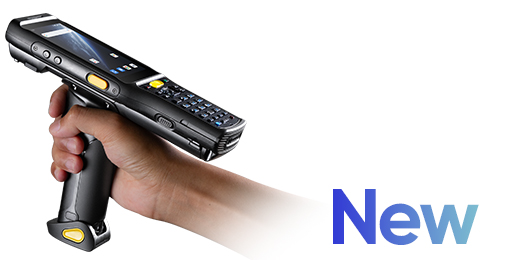
Chainway CM710-8 UHF RFID Module (8-Port) — Impinj E710, 93.0 x 79.8 x 8.9mm
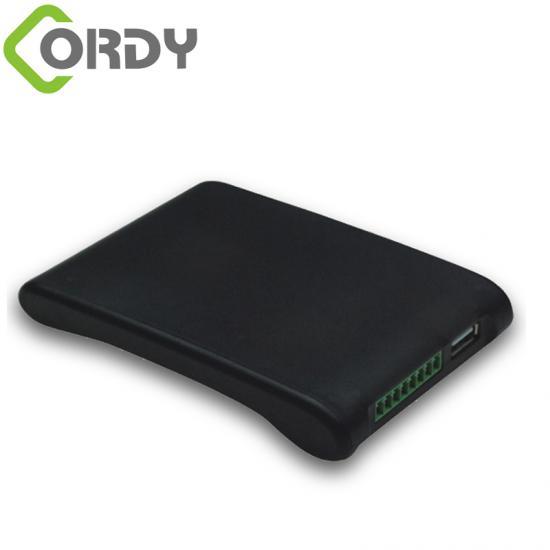
DH9809USB-L - UHF RFID Desktop Reader/Writer 920-925MHz, USB, ISO18000-6C/6B, SDK
UHF Windshield Tag for RFID Vehicle Management Systems
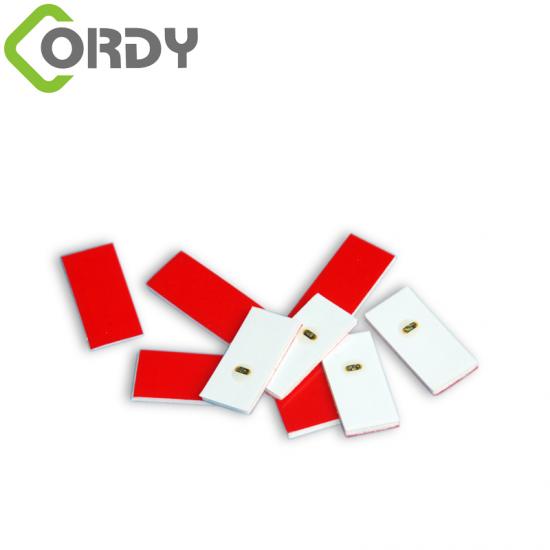
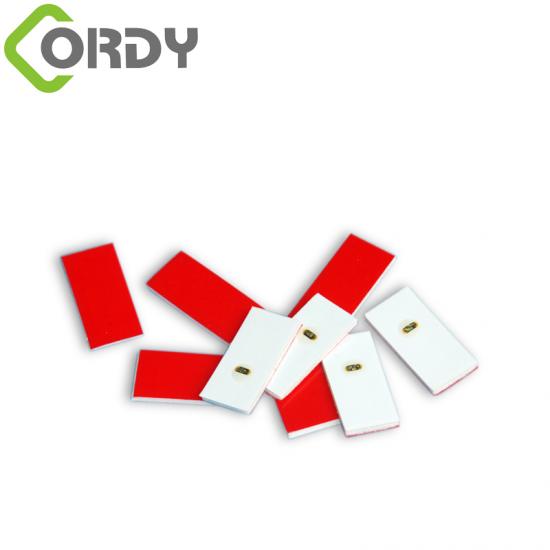
RFID A4 Inlay Sheet / Mifare A3 Inlay Sheet for Card Production
The decision to invest in RFID should be based on analyzing actual factory conditions. Below are criteria to assess the level of necessity:
- Number of assets: When the list of molds and jigs reaches hundreds or thousands of units, manual management is no longer feasible.
- Asset value: Mold sets worth tens to hundreds of millions of VND need close monitoring to prevent loss or damage due to lack of maintenance.
- Circulation frequency: Assets moving continuously between multiple workshops, stages, or outsourced processing need accurate journey monitoring.
- Compliance requirements: ISO standards or international partner requirements for traceability and equipment calibration history.
Cases where immediate investment is not recommended
Conversely, if the factory is small-scale, has few tools, and simple production processes, investing in RFID infrastructure may not yield immediate economic benefits. Additionally, if the production environment has excessive interference from dense metal without specialized tag solutions, businesses need thorough technical surveys before disbursing funds.
ROI analysis
The ROI of an RFID project is not measured by a fixed number but depends on the total cost of ownership (TCO) compared to the value saved from reducing search time, reducing downtime rates, and optimizing asset lifecycle. This formula varies by factory scale.
To calculate ROI, businesses can refer to the following general formula:
ROI = [(Total savings + Avoided risk value) - Total investment cost] / Total investment cost
Where the directly influencing factors include:
| Benefit factors | Cost factors |
|---|---|
| Labor time searching for tools (hours/year) | Cost of RFID tags specialized for metal |
| Reduced defect rate due to overdue calibration instruments | Cost of fixed and handheld readers |
| Reduced replacement costs due to asset loss | Cost of deployment, installation, and system integration |
| Increased mold lifespan through timely maintenance | Cost of staff training and periodic system maintenance |
Note: The actual effectiveness of the system also depends on environmental conditions, installation locations, and compliance with operational procedures by staff.
Technical limitations and important considerations
RFID is not a universal technology. It is greatly affected by metal and liquid environments in factories. Therefore, understanding physical limitations and complying with radio frequency regulations in Vietnam is mandatory for stable system operation.
Challenges from metal and liquid environments
In mold and jig management, metal is the biggest barrier because it reflects radio waves, causing interference or signal cancellation. UHF RFID cannot read through completely when items are stacked too densely or completely covered by metal. To overcome this, businesses must use specialized On-metal Tags and position antennas at optimal angles. However, VietPOS always recommends that staff have a final visual confirmation or manual scan step to ensure absolute accuracy.
Frequency and compliance regulations in Vietnam
The use of UHF RFID devices in Vietnam must strictly comply with the regulations of the Ministry of Information and Communications. Specifically:
- Frequency range: Must be within 918.4 MHz to 923 MHz.
- Transmission power: Must not exceed 500 mW ERP.
- Certification: Devices must have compliance records according to Circular 08/2021/TT-BTTTT.
Using devices with incorrect frequencies or exceeding power limits not only causes interference to other radio communication systems but can also lead to legal risks for businesses. Please refer to details on RFID frequency and compliance in Vietnam to ensure the system operates legally.
Estimated system investment costs
The investment cost of an asset management RFID system has no fixed price. It is composed of the number of tags to be attached, the number of control points, and the complexity of the management software. A field survey is a mandatory step for an accurate quote.
Typically, costs are allocated into the following groups:
- Consumables group: RFID tags specialized for molds are usually more expensive than regular paper labels due to requirements for durability, heat resistance, and impact resistance.
- Infrastructure equipment group: Includes fixed readers at warehouse doors, handheld readers for inventory staff, and antenna systems.
- Technical services group: Coverage survey, installation, software configuration, and operational training.
VietPOS recommends that businesses start with a small-scale pilot project to evaluate actual effectiveness before deploying across the entire factory.
Conclusion
Investing in RFID for managing tools, molds, and jigs is a strategic step in the factory's digital transformation roadmap. Although the initial investment cost may be higher than traditional methods, the value in management, transparency, and operational risk reduction is significant. To achieve the best results, businesses should choose compliant equipment and work closely with the implementation partner to optimize device configurations suitable for the specific manufacturing environment in Vietnam.
Cần tư vấn thiết bị/giải pháp cụ thể?
Việt POS phản hồi trong 30 phút · Hotline 4 vùng · Khảo sát miễn phí.
