Mục lục bài viết (7)
- What is the Digital Product Passport (DPP) and how does it affect exports?
- When should enterprises start investing in RFID systems for DPP?
- Formula for calculating ROI when deploying RFID for DPP
- Frequency and compliance regulations for RFID in Vietnam
- Comparison table of identification methods for DPP
- Practical implementation roadmap for exporting enterprises
- Conclusion
What is the Digital Product Passport (DPP) and how does it affect exports?
The DPP is a digital record containing detailed information about a product's lifecycle, from raw material origin and production processes to recyclability. For textile, footwear, and wood enterprises, the DPP is not only an EU legal compliance requirement but also a tool for supply chain transparency, enhancing brand value in the international market.
The Digital Product Passport (DPP) is a core part of the European Union's Ecodesign for Sustainable Products Regulation (ESPR). The goal of the DPP is to promote a circular economy by providing transparent data to consumers, regulators, and stakeholders in the value chain. For Vietnamese enterprises in the textile, footwear, and wood sectors, adopting the EU Digital Product Passport (DPP) is no longer an option but is gradually becoming a mandatory condition to maintain the flow of goods into this market.
RFID (Radio Frequency Identification) technology is considered the most superior data transmission infrastructure for DPP due to its item-level identification capability and batch reading speed. However, implementation requires a deep understanding of both the technology and the specific technical regulations in domestic and international markets.
When should enterprises start investing in RFID systems for DPP?
Enterprises should consider investing when the proportion of exports to the EU is large or when receiving roadmap requests from foreign partners. Early implementation helps the unit become familiar with the technical infrastructure, standardize databases, and optimize operational processes before mandatory regulations officially take effect in the coming years.
Bạn đang tìm sản phẩm cho chủ đề này?
Việt POS phân phối chính hãng — bảo hành 24-36 tháng, hỗ trợ kỹ thuật 24/7.

Chainway CM710-8 UHF RFID Module (8-Port) — Impinj E710, 93.0 x 79.8 x 8.9mm
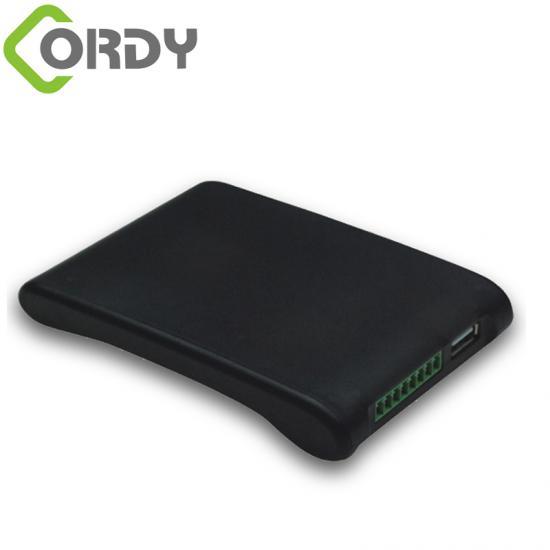
DH9809USB-L - UHF RFID Desktop Reader/Writer 920-925MHz, USB, ISO18000-6C/6B, SDK
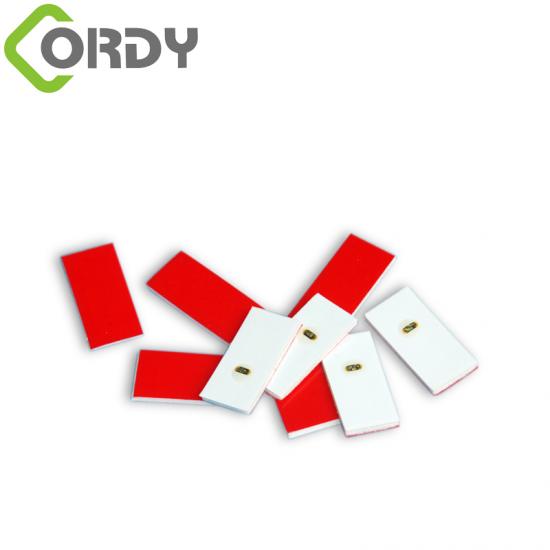
UHF Windshield Tag for RFID Vehicle Management Systems
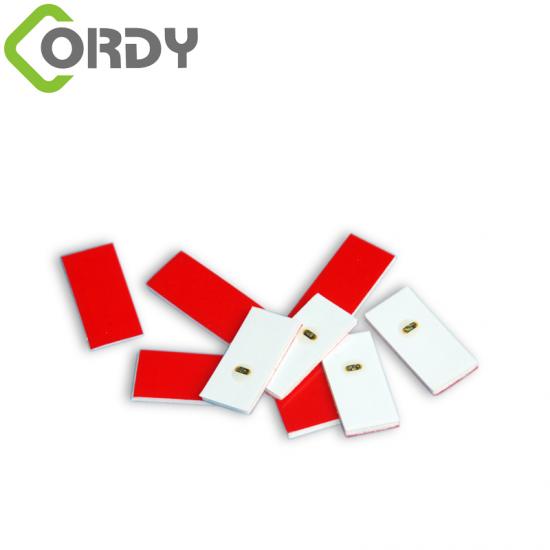
RFID A4 Inlay Sheet / Mifare A3 Inlay Sheet for Card Production
Analysis based on scale and market
Investing in an RFID system for DPP depends on many subjective and objective factors. Below are signs that enterprises need to transition early:
- Partner requirements: Major EU brands are beginning to require suppliers (Tier 1, Tier 2) to have the capability to assign unique identifiers to each product.
- Large volume of goods: When manual management or barcode (Barcode/QR Code) methods cause delays in inventory checks and traceability.
- Sustainable development strategy: Enterprises aiming to position themselves as green, transparent suppliers to access high-end orders.
Barriers and technological limitations
It should be noted that RFID is not a universal solution. In manufacturing and warehousing environments, UHF RFID waves have certain physical limitations. Radio waves are often reflected by metal and absorbed by liquids or dense material layers. For overly thick stacked textiles or wood products with high moisture content, read rates may not reach absolute levels. Therefore, operational processes always require confirmation or probabilistic checks by staff to ensure the accuracy of DPP data.
Formula for calculating ROI when deploying RFID for DPP
The ROI (Return on Investment) of an RFID project lies not only in direct financial figures but also in intangible values such as market penetration capability. A general formula helps enterprises evaluate effectiveness based on variables such as operational costs, error rates, and export contract value.
To determine economic feasibility, enterprises can apply the following qualitative ROI calculation formula:
ROI = [(Total operational benefits + Compliance value - Total investment costs) / Total investment costs] x 100%
Components of total benefits
- Reduced labor costs: Savings from eliminating manual scanning of each product. RFID allows reading hundreds of tags in seconds.
- Reduced data errors: Minimizes confusion regarding sizes, colors, or product types during packing and export.
- Compliance value: Avoids risks of import rejection into the EU, reducing fines or warehousing costs due to missing DPP information.
- Inventory optimization: Increases inventory data accuracy, thereby reducing tied-up working capital.
Components of total costs
The investment cost for RFID for DPP has no fixed price and depends on the scale of the actual survey. Main cost items include:
- RFID tags: Costs vary with the number of products. There are various types, from adhesive tags, hang tags to laundry tags for textiles.
- Readers: Includes fixed readers at warehouse doors, handheld readers, and RFID gates.
- Software infrastructure: Data management systems, integration with existing ERP to push data to the EU DPP system.
- Training and process change costs: Time and resources for staff to adapt to new technology.
Frequency and compliance regulations for RFID in Vietnam
In Vietnam, UHF RFID devices must comply with strict regulations regarding frequency bands and transmission power to avoid interference. Using non-compliant devices not only violates the law but also destabilizes the national telecommunications infrastructure.
According to Circular 08/2021/TT-BTTTT of the Ministry of Information and Communications, UHF RFID devices operating in Vietnam must comply with the following technical parameters:
- Frequency band: 918.4 MHz to 923 MHz.
- Transmission power: Maximum not exceeding 500 mW ERP.
- Compliance requirements: Devices must have a certificate of conformity and undergo declaration of conformity before being circulated or used.
Enterprises should pay special attention when importing devices from markets such as the US (typically using the 902-928 MHz band) or Europe (typically using the 865-868 MHz band) as they may not be compatible or may violate regulations on RFID frequency and compliance in Vietnam. VietPOS recommends that customers always require suppliers to provide technical documentation and compliance licenses to ensure legal safety.
Comparison table of identification methods for DPP
Below is a relative comparison between RFID and traditional methods in the context of meeting EU DPP standards:
| Criteria | Barcode/QR | RFID UHF |
|---|---|---|
| Read capability | One at a time, requires line of sight | Batch, no line of sight required |
| Processing speed | Slow, labor-dependent | Very fast, highly automated |
| Durability | Easily torn, faded, or dirty | More durable, can be embedded in products |
| Storage capacity | Limited | High, can be overwritten/updated |
| Initial investment cost | Low | Medium to High |
| Accuracy in difficult environments | High (if visible) | Affected by metal/liquids |
Practical implementation roadmap for exporting enterprises
A smart implementation roadmap starts with a current state survey and small-scale pilot testing. This helps enterprises realistically assess read rates, tag durability, and software compatibility before deciding on a large-scale investment across the entire export production line.
Step 1: Audit and assessment
Technical experts will conduct wave environment measurements in factories and warehouses. Identifying areas with high metal content or signal interference is extremely important for selecting the appropriate antenna type and reader power.
Step 2: Consumables selection (Tagging)
For the textile industry, RFID tags can be integrated into care labels or hangtags. For the wood industry, tags can be attached to concealed locations or under paint layers depending on aesthetic and technical requirements.
Step 3: Deploying reading systems and software
Install readers at critical checkpoints such as: end of production lines, finished goods warehouse doors, and shipping exits. Data from these points will be aggregated to create a 'digital identity' for products, ready to connect with the EU DPP infrastructure.
Step 4: Control and optimization
In the initial phase, read rates may fluctuate depending on how goods are arranged. Enterprises need to continuously fine-tune antenna positions and packaging specifications to optimize performance. Always remember: RFID supports humans, it does not completely replace the final checks by operational staff.
Conclusion
Adopting the Digital Product Passport (DPP) through RFID technology is a strategic step for Vietnamese exporting enterprises to overcome EU technical barriers. Although initial investment costs and frequency compliance requirements in Vietnam are significant challenges, the long-term benefits of supply chain transparency and market share maintenance are undeniable.
Note: EU regulations on DPP implementation timelines are still being finalized and may change (expected roadmap starting around 2026-2030 for some industry groups). Enterprises should proactively update information from official sources and conduct actual technical surveys before approving large investment budgets. VietPOS acts as a provider of RFID infrastructure and equipment compliant with standards, supporting enterprises in building a solid data foundation for their sustainable export journey.
Cần tư vấn thiết bị/giải pháp cụ thể?
Việt POS phản hồi trong 30 phút · Hotline 4 vùng · Khảo sát miễn phí.
