Mục lục bài viết (7)
- What is an AI People Counting Camera? Who is it suitable for?
- What are dedicated people counting sensors (IR/ToF/mmWave)? Who are they suitable for?
- What is integrated POS data: Sales software with reports? Who is it suitable for?
- Detailed comparison: AI Camera vs Dedicated Sensors vs POS
- Choose by use case: 3 real-world scenarios in Vietnam
- Pros and cons of each solution group
- Frequently Asked Questions
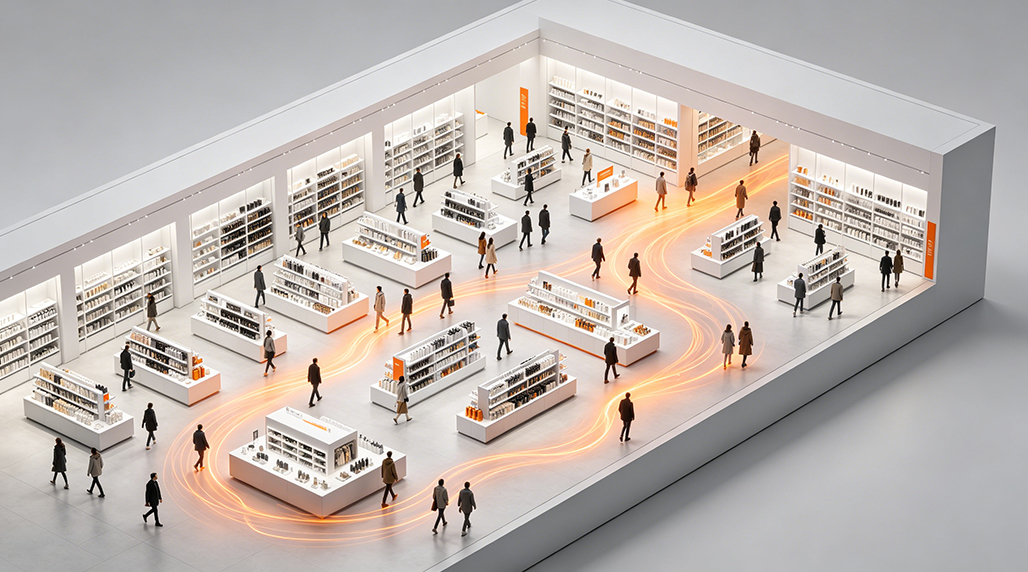
Customer analytics tools are systems that collect and process buyer behavior data in-store — from foot traffic, dwell time, to purchase conversion rate. In 2025, the Vietnamese market sees competition among 3 main solution groups: AI People Counting Cameras, dedicated sensors (infrared/ToF/mmWave), and data from POS software. This article compares A vs B vs C — you will choose after reading.
What is an AI People Counting Camera? Who is it suitable for?
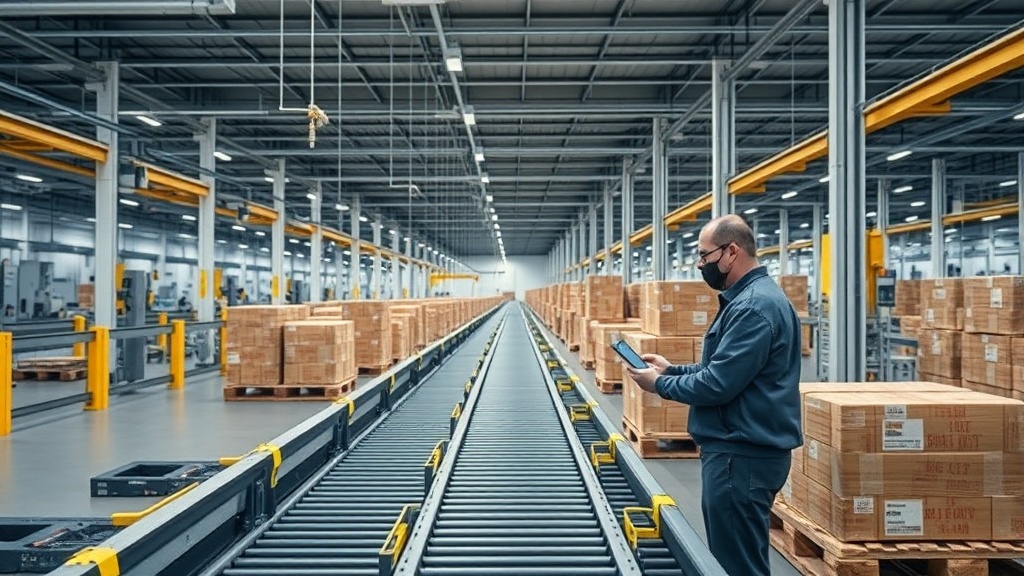
An AI people counting camera is a smart camera device with an integrated Vision AI processing chip on the device, automatically counting the number of people entering and exiting in real-time, distinguishing movement direction, and excluding non-human objects. It is suitable for medium to large retail chains (3-20+ stores) that need accurate data to optimize staffing and measure marketing effectiveness.
AI cameras process images locally (edge computing) without sending video to the cloud, addressing customer data privacy concerns. Popular models in Vietnam include Hikvision DeepinView, Dahua WizSense, or specialized devices like the AI 3D People Counter HX-CCD21, which can achieve 95-98% accuracy after calibration. Hardware prices range from 3-8 million VND per device depending on brand and features.
Disadvantages: requires correct installation position (2.5-3m height, straight view of the door); strong light or tempered glass reflections can cause interference. Suitable for showrooms, supermarkets, and convenience stores with 200-2000 visitors per day.
What are dedicated people counting sensors (IR/ToF/mmWave)? Who are they suitable for?
Related Products
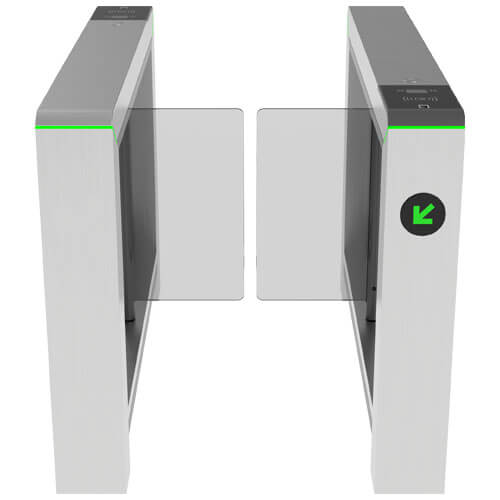
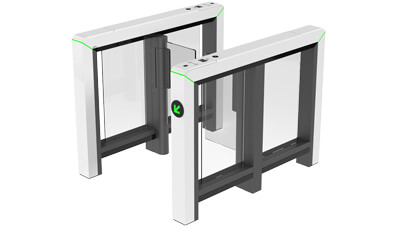
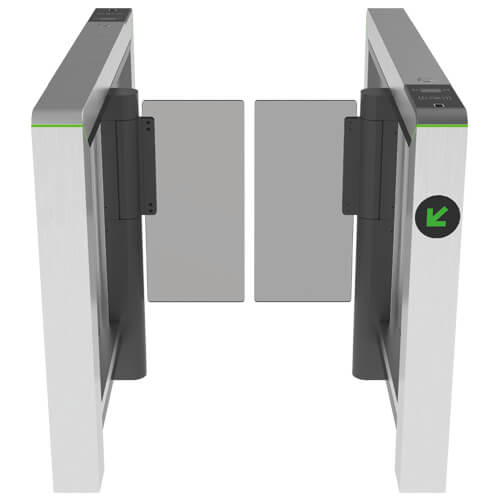
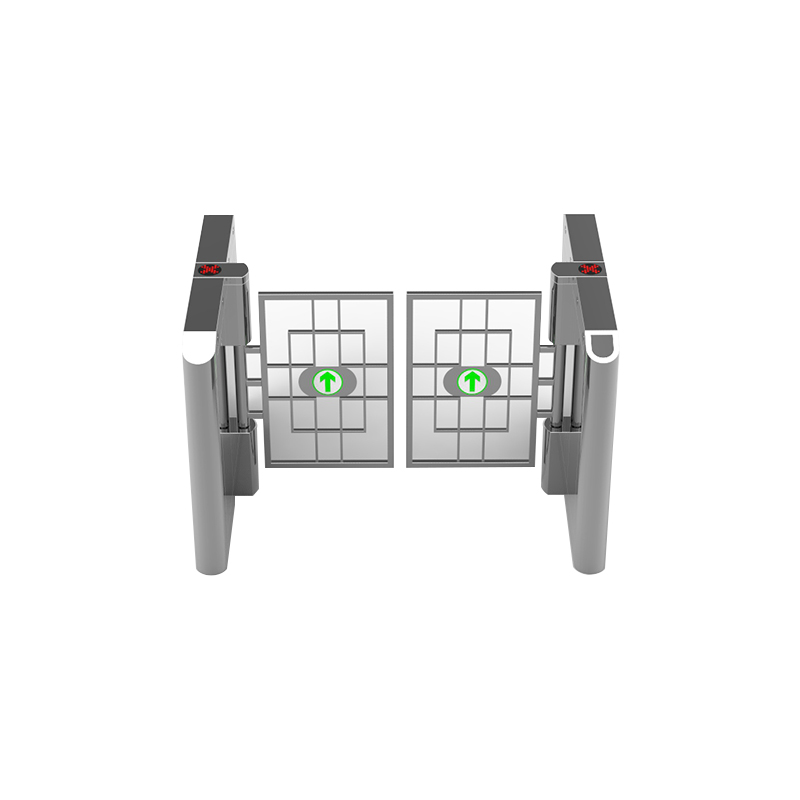
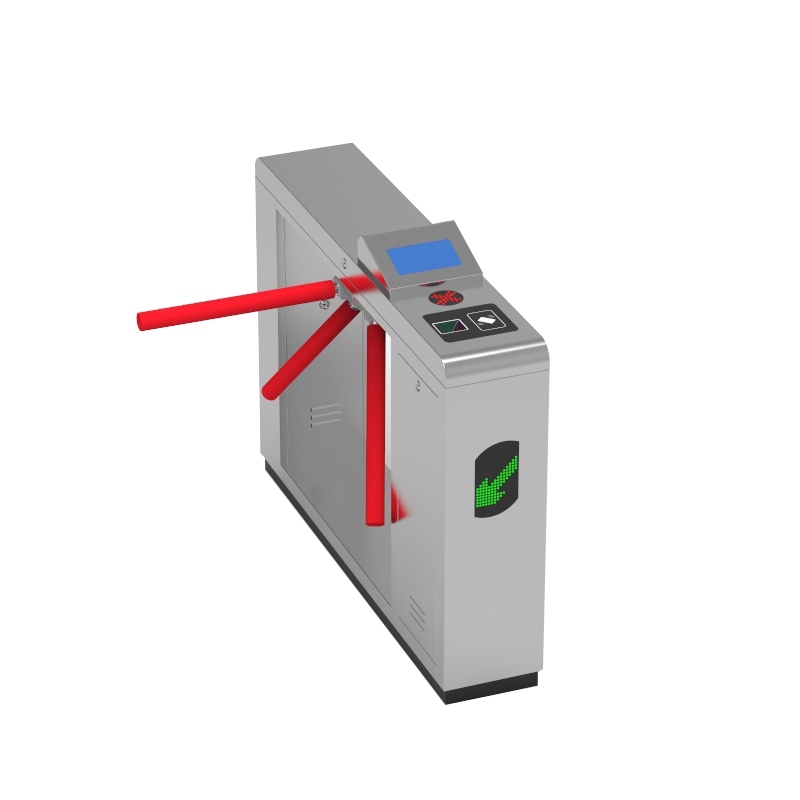


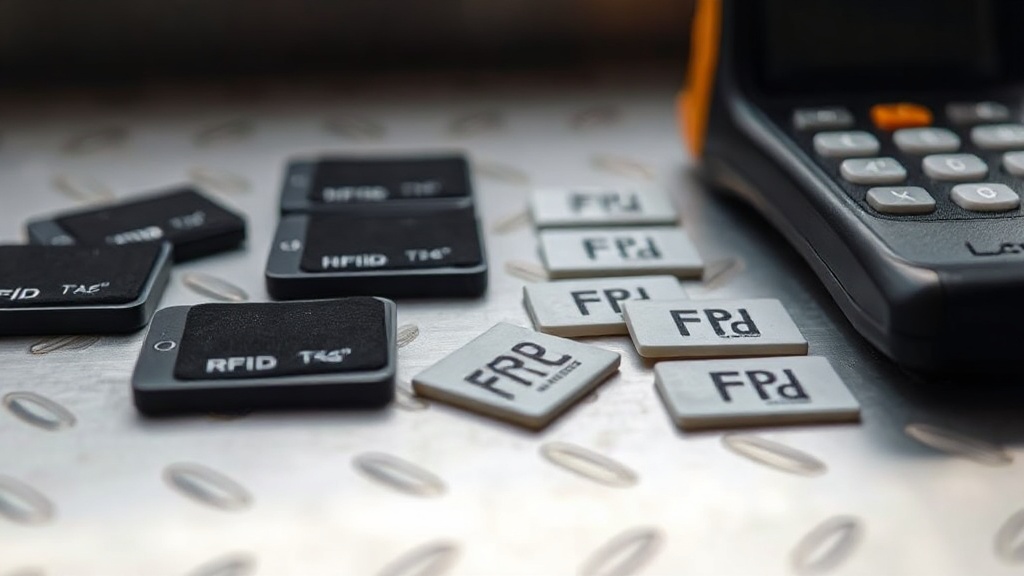
Dedicated people counting sensors use infrared (IR), Time-of-Flight (ToF), or millimeter wave (mmWave) technology to detect and count people passing through doors without recording images. Suitable for small stores, cafes, spas, and pharmacies needing a simple, low-cost solution (1.5-5 million VND per device) without requiring advanced analytics.
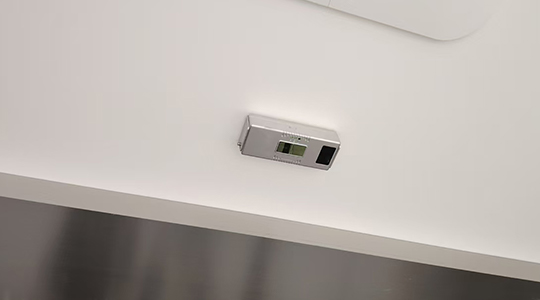
IR beam sensors are the cheapest but easily affected by groups walking together, children, or bags. ToF models like the Time-of-Flight 3D TOF People Counter 2 (FP221 Series) offer higher accuracy (85-92%) and can distinguish entry/exit direction. mmWave technology like the mmWave Radar People Counter FP-RDN is unaffected by light or temperature, performing well in harsh environments.
Major advantages: no privacy violation (no image recording), easy installation (mount on door frame or ceiling), no software maintenance required. Suitable for stores with 50-500 visitors per day that do not need advanced behavior analysis.
What is integrated POS data: Sales software with reports? Who is it suitable for?

Integrated POS data is information from sales software (invoices, transaction times, best-selling products) combined with hardware devices like barcode scanners and receipt printers. Suitable for any store that already has a POS system and wants to leverage existing data without investing in additional people counting devices.
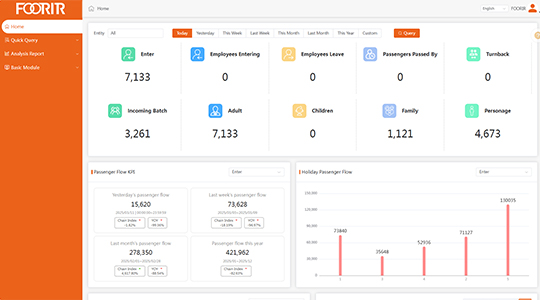
Modern POS software like fashion shop management software 2026 can generate revenue reports by hour, by shift, and compare with the same period. Combined with real-time revenue reports and barcode scanners, store owners can estimate visitor counts based on invoice numbers (assuming a stable conversion rate).
However, POS only shows the "tip of the iceberg" — it does not reveal how many visitors entered without buying, customer wait times, or the effectiveness of individual marketing campaigns. Pure POS data cannot replace people counting devices if you need to measure conversion rate accurately.
Detailed comparison: AI Camera vs Dedicated Sensors vs POS
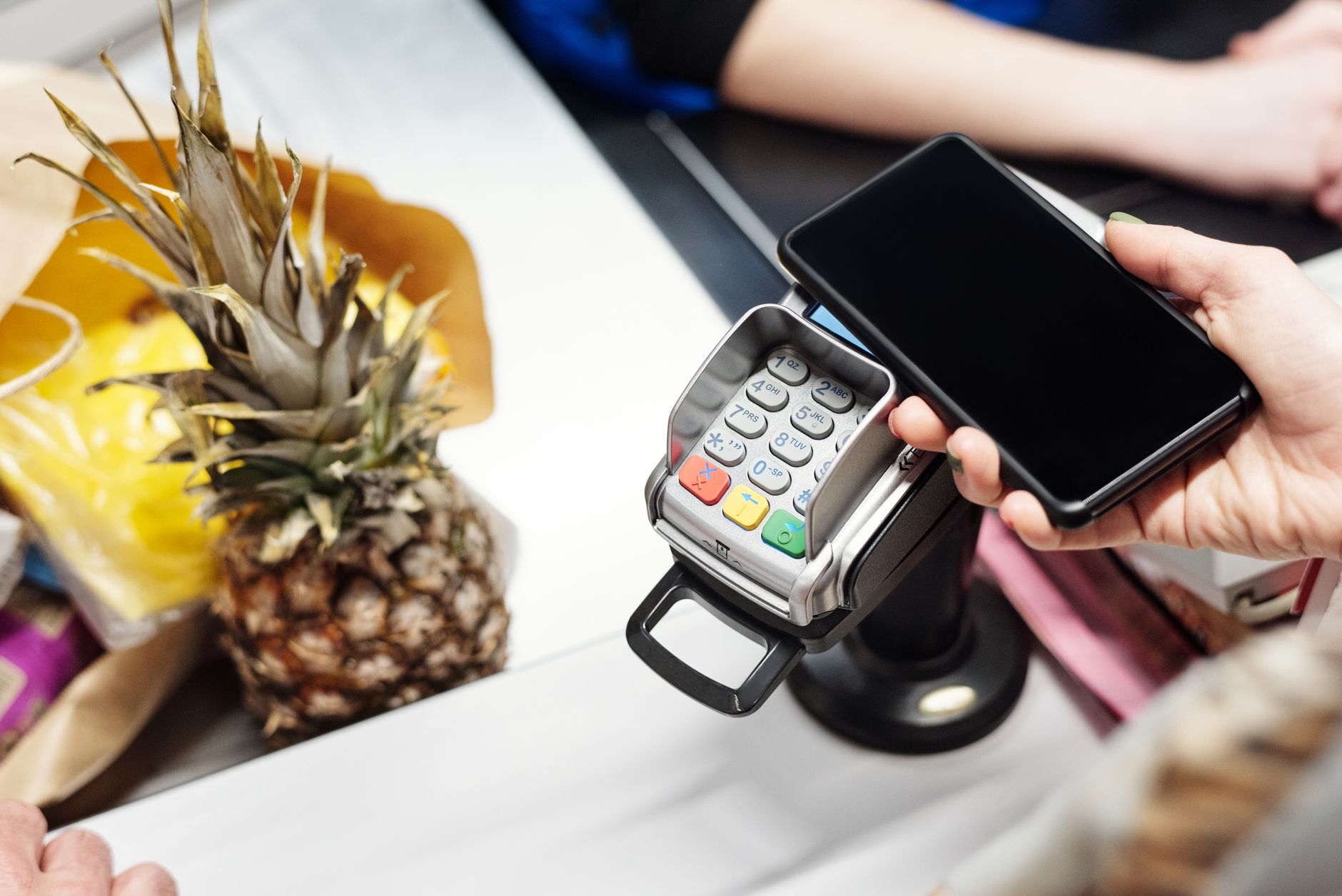
The table below compares the 3 solution groups across 7 criteria important to store owners: accuracy, cost, security, advanced features, ease of installation, maintenance, and scalability.
| Criteria | AI Camera | Dedicated Sensors | Integrated POS |
|---|---|---|---|
| Accuracy | 95-98% (after calibration) | 85-92% (depending on technology) | 50-70% (estimated via invoices) |
| Investment cost | 3-8 million VND/device | 1.5-5 million VND/device | 0-2 million VND (if POS already exists) |
| Data security | Good (local processing) | Best (no image recording) | Average (transaction data) |
| Entry/Exit differentiation | Yes | Yes (ToF/mmWave) | No |
| Behavior analysis (dwell time, heatmap) | Yes | Limited | No |
| Ease of installation | Average (requires technician) | Easy (mount on door/ceiling) | Very easy (if hardware already exists) |
| Maintenance | Requires lens cleaning, firmware updates | Low (battery/power) | Depends on software |
Conclusion: AI cameras offer the highest accuracy and features, suitable for large chains. Dedicated sensors are the optimal choice for cost and security. Integrated POS is a good starting point for small stores without a budget.
Choose by use case: 3 real-world scenarios in Vietnam

Use case 1: Workforce optimization for a minimart chain (5-15 stores)
The "Lá Me" minimart chain (Ho Chi Minh City) has 8 stores and needs to schedule staff shifts based on peak hours. After comparison, they chose AI cameras because they need real-time, hour-accurate data. Result: 12% reduction in labor costs after 2 months thanks to shift adjustments. → Choose AI Camera
Use case 2: Measuring marketing effectiveness for a furniture showroom
"Tân Phát Furniture" showroom (Da Nang) runs Facebook ads and wants to know how many ad-driven visitors enter the store. They chose mmWave sensors because the space is large with multiple doors, requiring devices unaffected by light. → Choose mmWave sensor
Use case 3: Small store (1-2 employees) needs basic tracking
"Đồi Cát" cafe (Da Lat) has only 1 barista who also serves as cashier. They use POS with hourly revenue reports and estimate visitor counts via invoice numbers. Cost is nearly zero. → Choose integrated POS
Pros and cons of each solution group
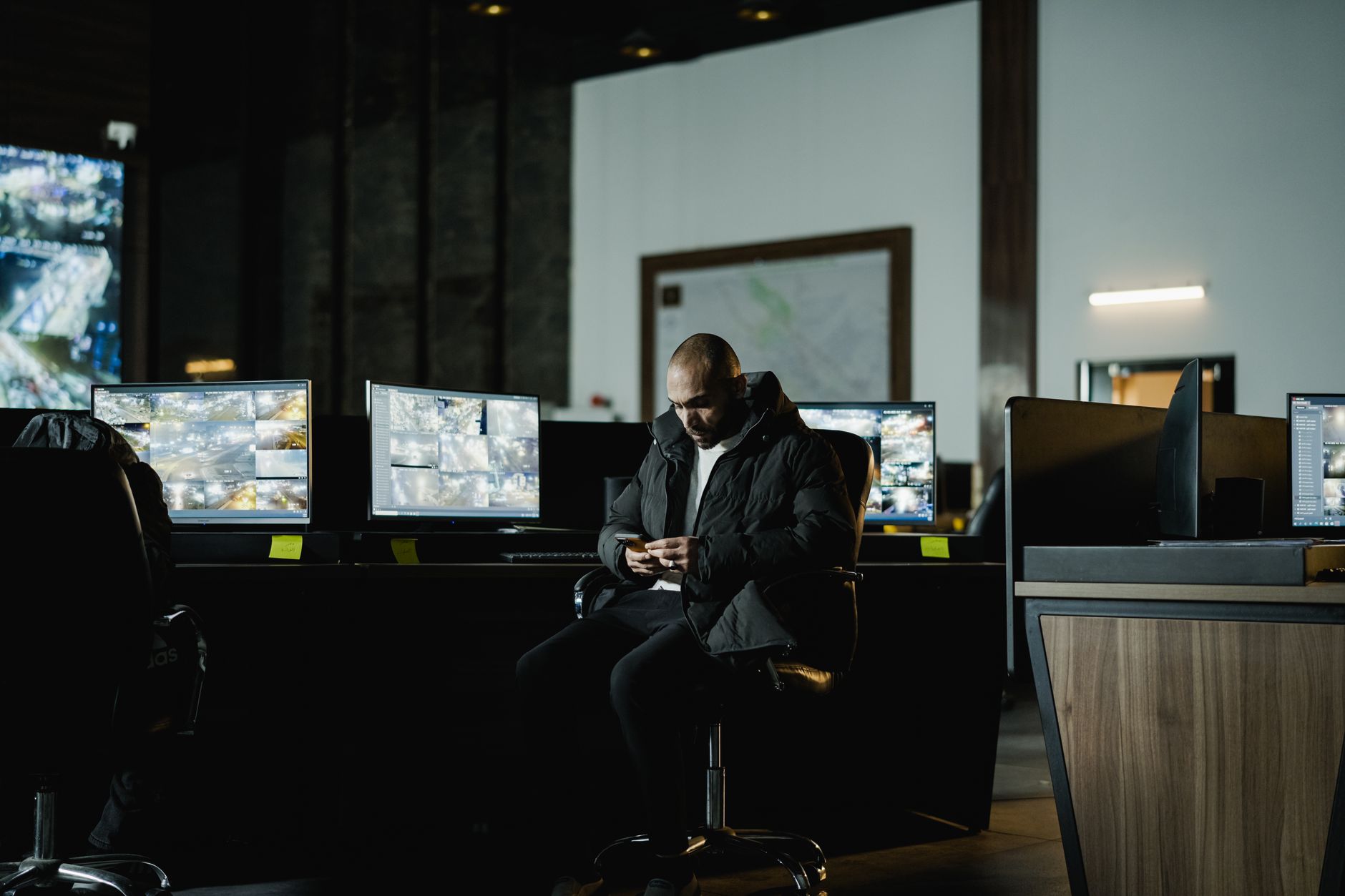
AI Camera
Pros
- 95-98% accuracy
- Distinguishes entry/exit direction, excludes objects
- Integrates heatmap, dwell time
- Edge computing, good security
Cons
- Highest investment cost
- Requires technical installation
- Affected by light, reflective glass
- Periodic firmware maintenance
Dedicated sensors (IR/ToF/mmWave)
Pros
- Low cost (1.5-5 million VND)
- No privacy violation
- Easy installation, low maintenance
- Works well in all lighting conditions
Cons
- Lower accuracy than AI cameras
- Cannot perform advanced behavior analysis
- Easily affected by groups, objects
- Cannot recognize returning customers
Integrated POS
Pros
- Nearly zero cost (if POS already exists)
- Data readily available, easy to access
- Can be combined with inventory management, loyalty programs
Cons
- Low accuracy (50-70%)
- Cannot measure foot traffic or dwell time
- Cannot evaluate marketing campaign effectiveness
- Requires manual data integration
Frequently Asked Questions
Which customer analytics tool is cheapest for a small store?
Infrared (IR beam) sensors are the cheapest, around 1.5-2.5 million VND per device. However, if the store already has a POS cash register, you can leverage existing invoice data at no additional cost — though accuracy is only at an estimation level.
Does an AI people counting camera violate customer privacy?
No, if using an AI camera with local processing (edge computing). Devices like the HX-CCD21 or FP221 Series only send numerical data (counts, time) to the cloud, without recording customer images or video. This complies with Decree 13/2023/ND-CP on personal data protection in Vietnam.
Can I combine POS data with a people counting device?
Yes. Many store owners export data from integrated POS sales software and merge it with visitor counts from a counting device to calculate accurate conversion rate. Formula: Number of invoices / Number of visitors × 100% = Conversion rate. This is a key metric for evaluating sales performance by shift and by employee.
Is installing an AI people counting camera complicated?
It requires a technician to install at a height of 2.5-3m, with a straight downward view of the entrance area. The calibration process takes 1-2 hours, requiring about 50 passes to set the counting zone accurately. However, newer models like the FP221 Series feature auto-calibration, reducing time to 15-30 minutes.
Do people counting devices work well with tempered glass doors?
AI cameras can be affected by light reflection on glass. Solution: install the camera indoors, 1-2m away from the glass door, or use mmWave sensors (like FP-RDN) since radar waves penetrate glass without interference. IR beam sensors also work well with glass doors if installed correctly on the door frame.
How many people counting devices do I need for a store with 2 doors?
Each entrance requires at least 1 device. If the door is wider than 3m, 2 devices placed in parallel may be needed to ensure coverage. For a store with 2 doors, total investment cost for IR sensors is about 3-5 million VND, or 6-16 million VND for AI cameras. Contact 0935 498 384 for a free site survey consultation.
Cần tư vấn thiết bị/giải pháp cụ thể?
Việt POS phản hồi trong 30 phút · Hotline 4 vùng · Khảo sát miễn phí.
Bài viết cùng chủ đề