Mục lục bài viết (11)
- What is RFID? Definition and Operating Principle
- What Components Make Up an RFID System?
- RFID Tag Types: Passive, Active, and Semi-Passive
- Comparison Table: RFID vs Barcode vs QR Code
- RFID in Retail: Inventory 10-15 Times Faster
- RFID in Logistics and Warehousing: Optimizing Inbound/Outbound Processes
- RFID in Manufacturing: Tracking Components and WIP
- Summary Table: RFID Frequencies and Corresponding Applications
- Common Mistakes When Deploying RFID
- RFID Deployment Costs for Vietnamese Enterprises: Reference Investment Range
- Frequently Asked Questions About RFID Technology
RFID (Radio Frequency Identification) technology is an automatic identification method using radio waves, enabling data read/write from tags attached to products, pallets, and assets without direct contact. In Vietnam, the RFID market in logistics and retail is growing 25-30% per year, with many supermarket chains and factories already deploying it to optimize operations.
What is RFID? Definition and Operating Principle
RFID is a technology that uses radio waves to identify and track objects via tags (with embedded chips) and readers. The system consists of three main components: RFID tags, readers, and data processing software. When the reader emits a signal, tags within range respond with a unique identifier, enabling fast identification without requiring line-of-sight scanning.
What Components Make Up an RFID System?

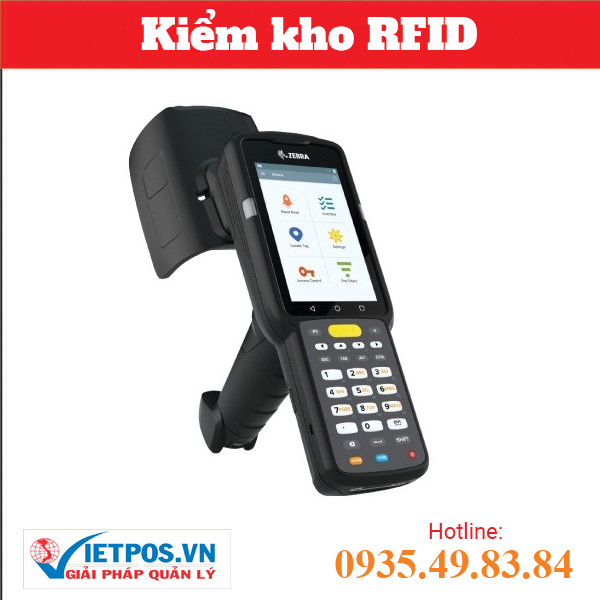
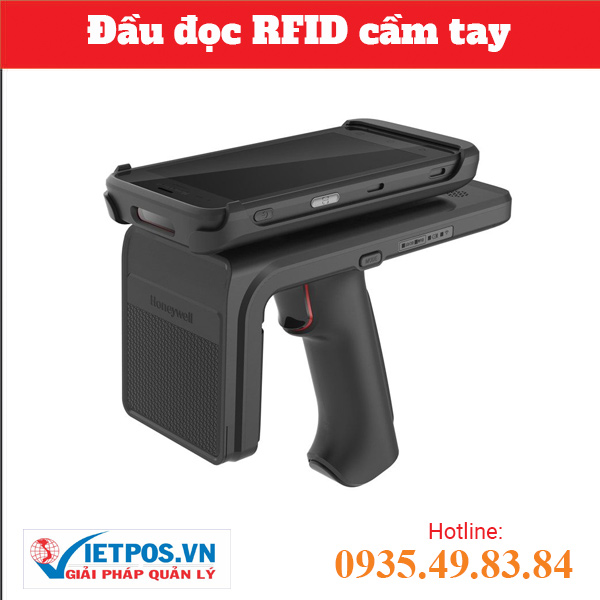

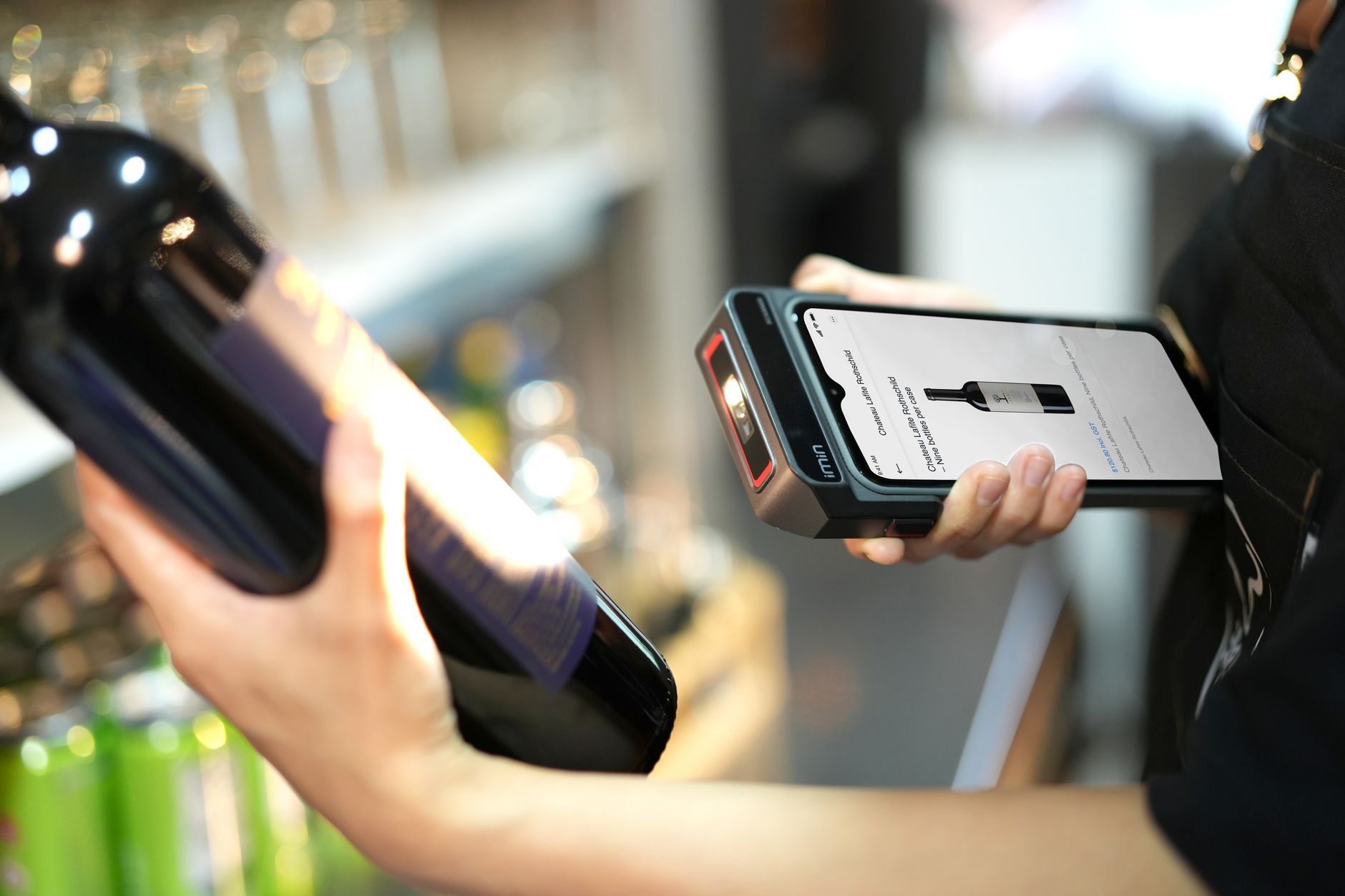
A complete RFID system includes: (1) RFID tags – with memory chip and antenna, can be passive (no battery) or active (with battery); (2) RFID reader – transmits signals and receives responses from tags; (3) Antenna – extends coverage area; (4) Middleware/Software – processes data and integrates with ERP, WMS. Common devices in Vietnam include fixed RFID readers like Chainway UR4, handheld readers like Chainway C66, and RFID printers like Chainway CP30.
Bạn đang tìm sản phẩm cho chủ đề này?
Việt POS phân phối chính hãng — bảo hành 24-36 tháng, hỗ trợ kỹ thuật 24/7.
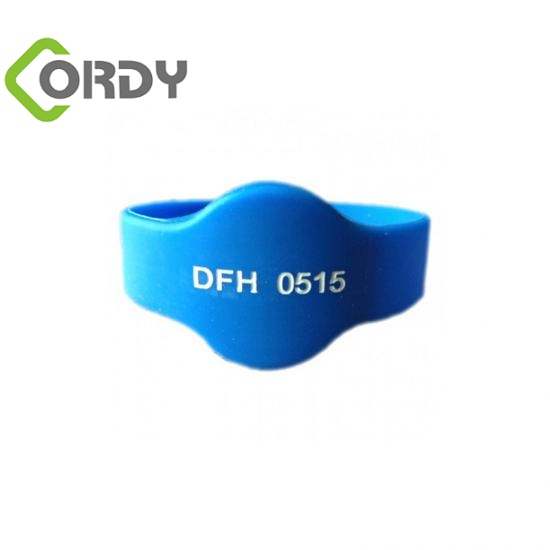
UHF ISO18000-6C RFID Long Range Bracelet / Wristband RFID
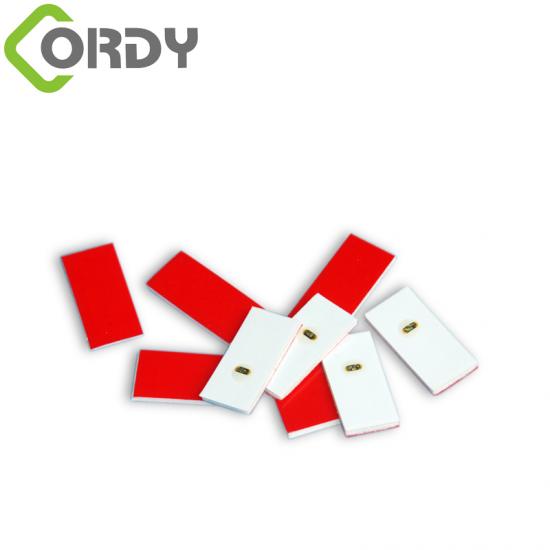
RFID NFC Dry Wet Inlay 13.56MHz — RFID Tags in Roll/Sheet Form
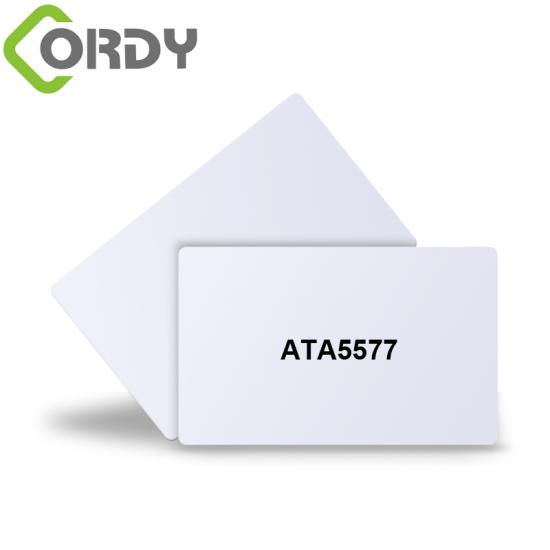
125KHz EM4305 Disposable RFID Syringe With RFID Animal Glass Tag
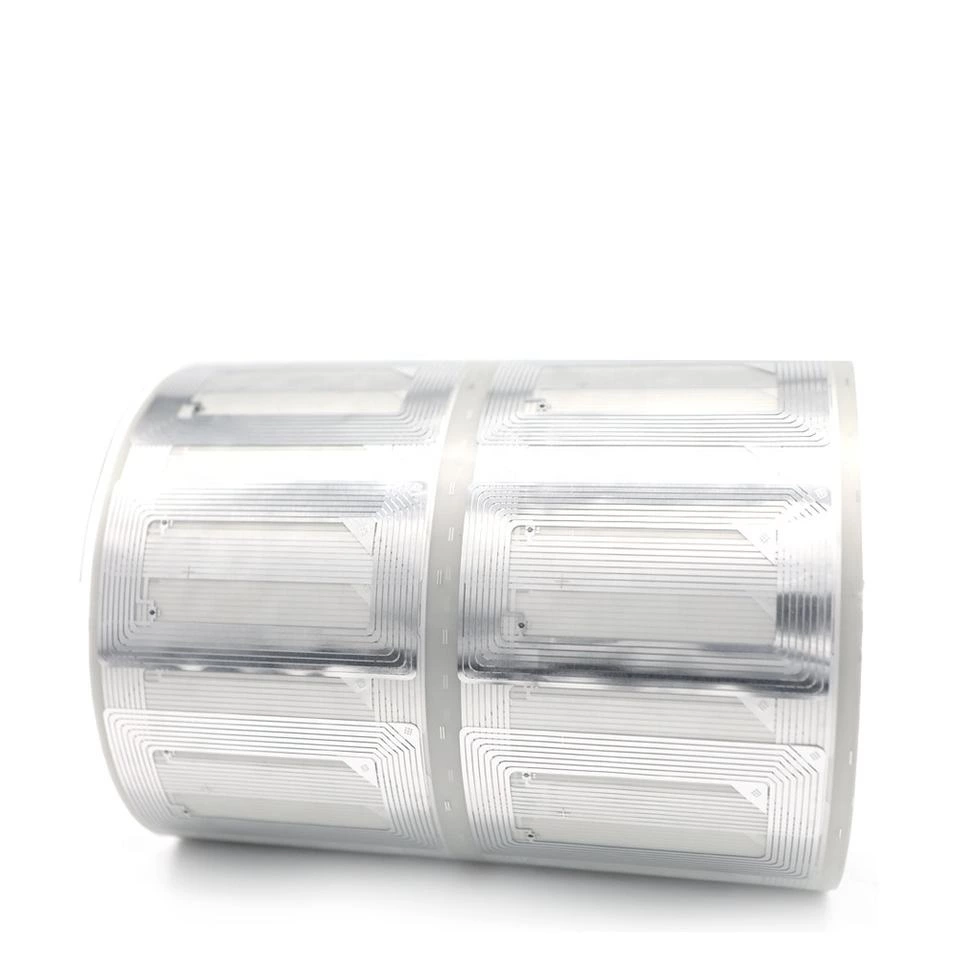
13.56MHz Passive RFID Dry Inlay — HF RFID Tag NFC Inlay
RFID Tag Types: Passive, Active, and Semi-Passive
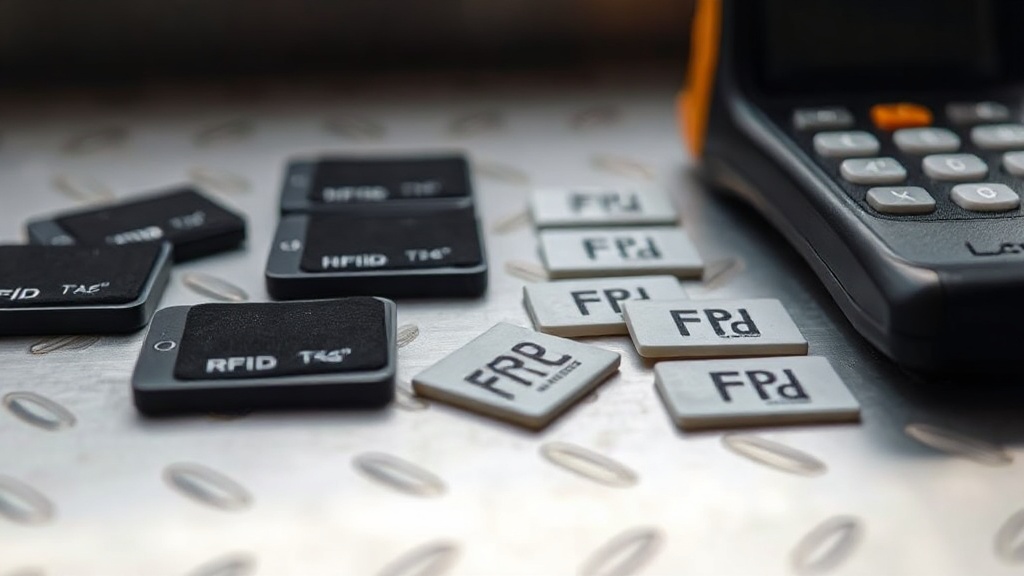
RFID tags are divided into three main types: (1) Passive – no battery, powered by the reader's signal, read range 0.1-10 meters, low cost (500-5,000 VND per tag depending on type); (2) Active – with battery, read range 30-100+ meters, higher cost; (3) Semi-Passive – with battery but only activates upon signal. In Vietnamese retail, passive UHF tags (860-960 MHz band) account for 85% due to low cost and a 3-8 meter read range suitable for warehouse inventory.
Comparison Table: RFID vs Barcode vs QR Code
| Attribute | RFID | Barcode | QR Code |
|---|---|---|---|
| Read Method | Radio waves (no line-of-sight required) | Optical (line-of-sight required) | Optical (line-of-sight required) |
| Read Range | 0.1 - 100 meters (depending on type) | 0 - 0.5 meters | 0 - 1 meter |
| Simultaneous Read Capability | 200-1,000 tags/second | 1 code at a time | 1 code at a time |
| Data Writing | Yes (read/write multiple times) | No | No |
| Cost (tag/label) | 500-50,000 VND (passive) | 50-200 VND | 50-200 VND |
| Lifespan | 10+ years (passive, no battery) | Depends on print material | Depends on print material |
RFID in Retail: Inventory 10-15 Times Faster
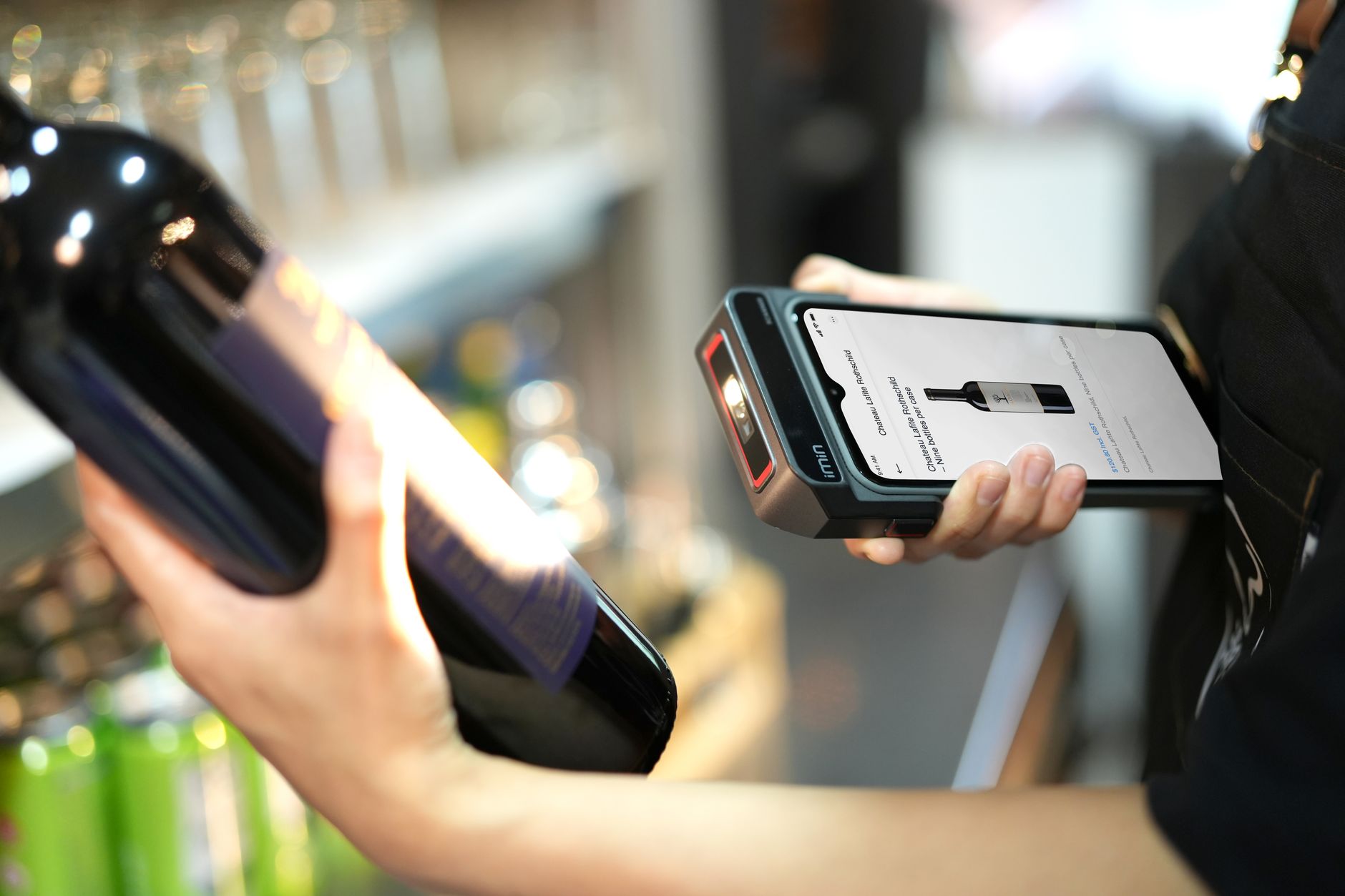
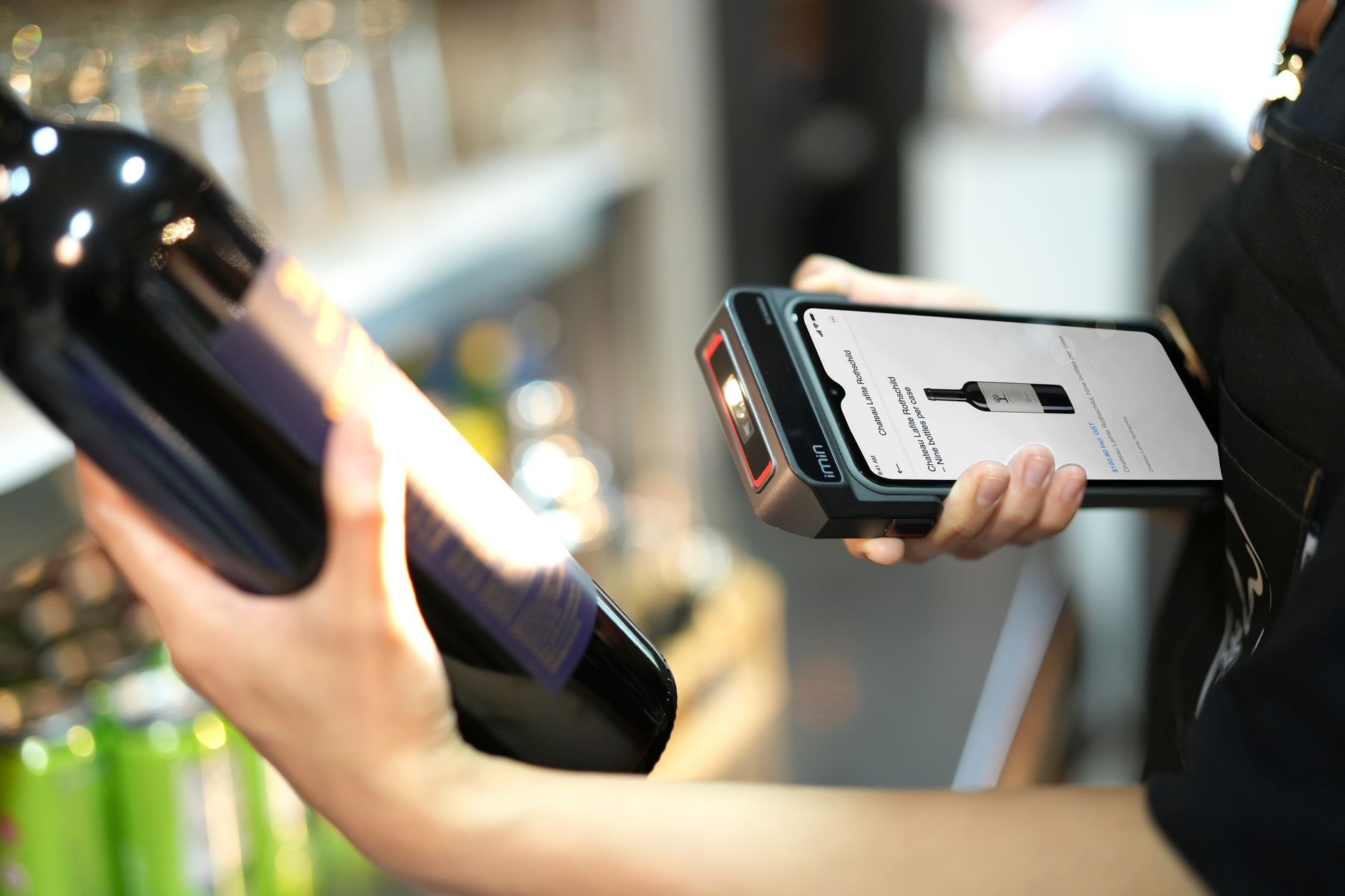
In retail, RFID enables inventory counts 10-15 times faster than manual methods or barcode scanning. Staff simply walk through aisles with a handheld reader (like Chainway C66) or install fixed readers at warehouse doors, and all tags on products are read simultaneously. A 500m² fashion chain can inventory 5,000 SKUs in 20-30 minutes instead of 4-6 hours. See more in the article RFID for fashion retail: increase inventory accuracy from 70% to 99%.
RFID in Logistics and Warehousing: Optimizing Inbound/Outbound Processes
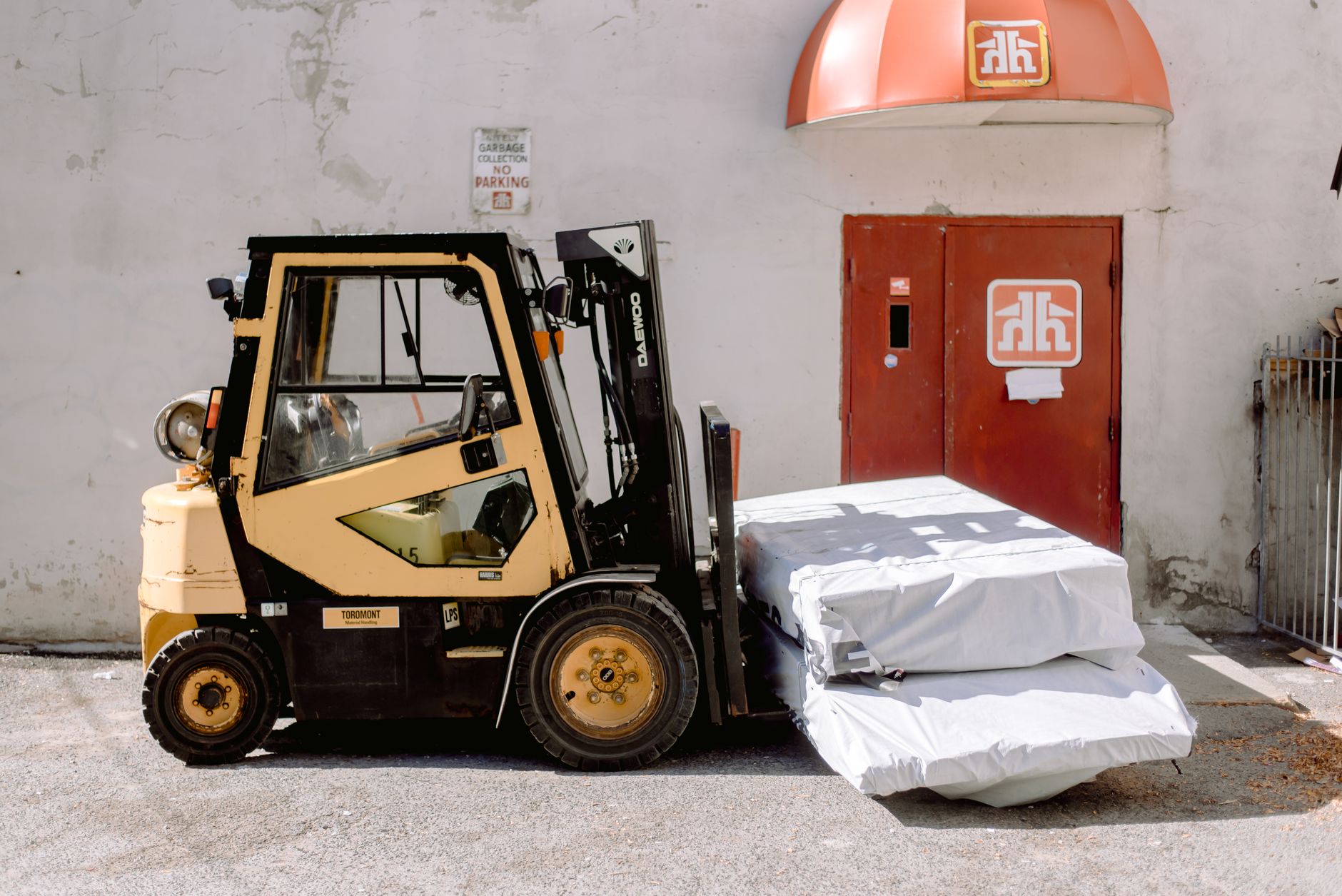
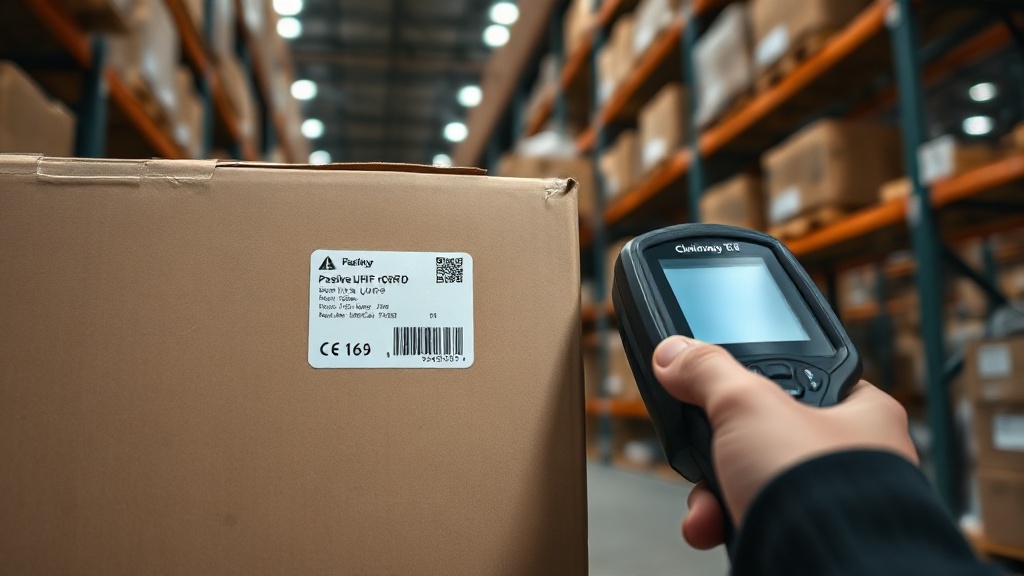
In logistics, RFID tags are attached to pallets, cartons, or containers to automatically record movement through dock doors. Fixed readers like Chainway UR8 (8 ports) can read 300-500 tags simultaneously per second, reducing inbound/outbound counting time from 30-45 minutes per truck to 2-5 minutes. Order errors drop from 3-5% to below 0.5%. Refer to UHF RFID warehouse inventory: 10x speed boost.
RFID in Manufacturing: Tracking Components and WIP

In factories, RFID tags on components or WIP (Work In Progress) pallets enable real-time production flow tracking. As components pass through stations, readers automatically record time, location, and status. This reduces component search time by 30-50% and increases line productivity by 15-20%. Fixed readers like Chainway URA4 (4 channels) or UR1A (integrated antenna) are commonly deployed at control stations.
Summary Table: RFID Frequencies and Corresponding Applications
| Band | Frequency | Read Range | Primary Applications |
|---|---|---|---|
| LF (Low Frequency) | 125-134 kHz | 0.1-0.5 meters | Access cards, animal identification |
| HF (High Frequency) | 13.56 MHz | 0.1-1 meter | Library tags, NFC payments, smart tickets |
| UHF (Ultra High Frequency) | 860-960 MHz | 3-12 meters | Retail, logistics, warehouse inventory, manufacturing |
| SHF (Microwave) | 2.45 GHz | 10-100+ meters | Toll collection, container tracking, active tags |
Common Mistakes When Deploying RFID
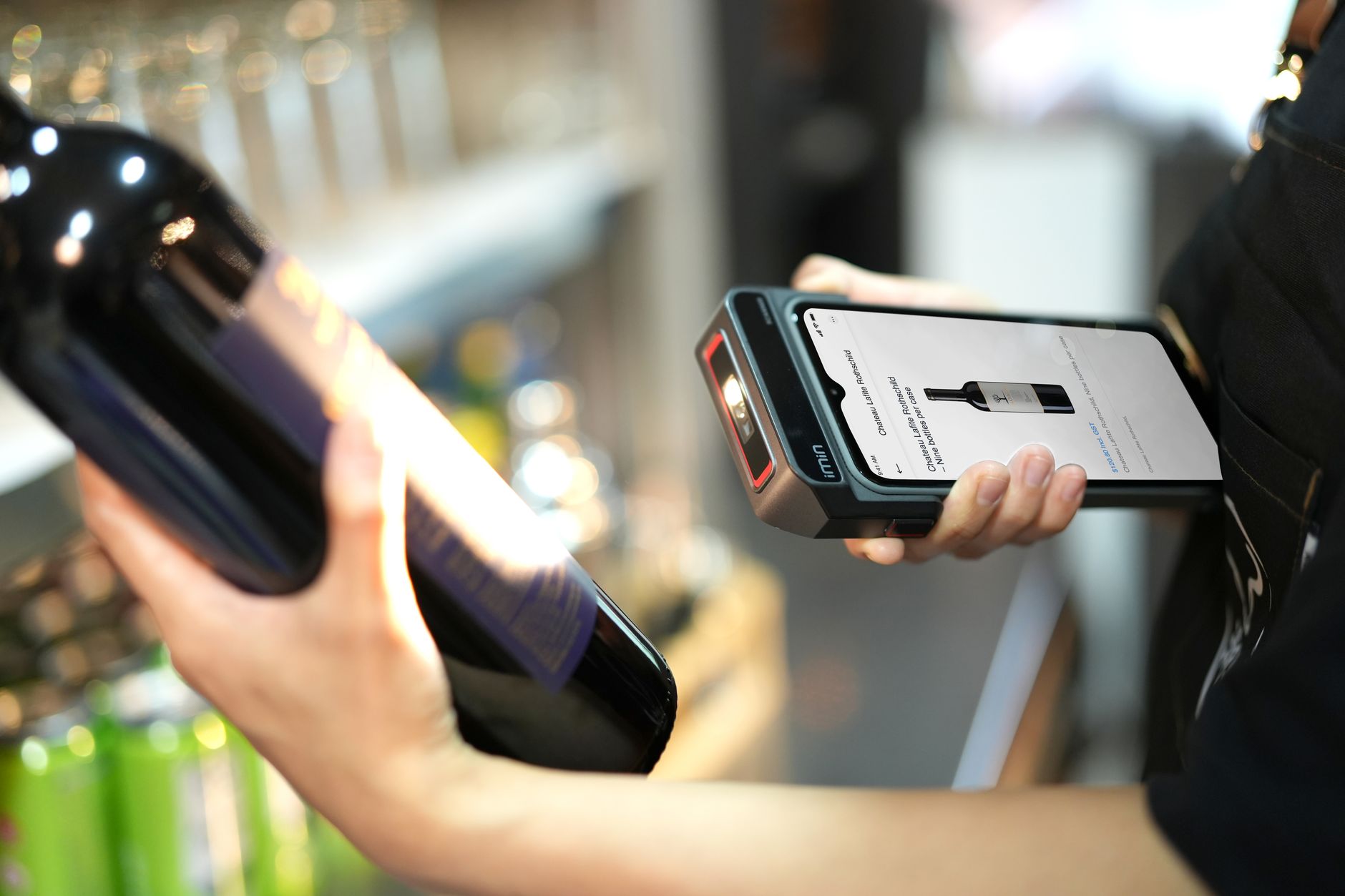
Many Vietnamese enterprises make mistakes by choosing RFID tags unsuitable for the environment (e.g., using paper tags outdoors, which are easily damaged), or failing to account for signal interference from metal and liquids. Below are 4 common mistakes:
- Wrong band selection: Using HF for large warehouses instead of UHF, leading to short read range and low performance.
- Not checking materials: UHF tags experience interference when attached to metal surfaces or near liquids – on-metal tags are required.
- Ignoring software integration: Buying readers without middleware to connect to ERP/WMS, so data is not processed automatically.
- Lack of staff training: Employees do not know how to hold the reader at the correct angle, reducing read success rates.
RFID Deployment Costs for Vietnamese Enterprises: Reference Investment Range
RFID deployment costs depend on scale: passive UHF tags cost 1,000-5,000 VND/tag (bulk quantities), handheld readers like Chainway C66 are around 15-25 million VND, fixed readers like Chainway UR4 start at 30-50 million VND. An inventory solution for a 200m² mini-supermarket may require an investment of 80-150 million VND (including 5,000 tags, 1 handheld reader, software). ROI is typically achieved within 8-14 months due to reduced labor for inventory and lower shrinkage.
Frequently Asked Questions About RFID Technology
Can RFID read through walls?
Yes, UHF waves can penetrate drywall, wood, and plastic with 20-50% signal attenuation depending on the material. However, reinforced concrete or metal walls will block the signal completely. In warehouses, readers should be placed in aisles or doorways, avoiding metal obstacles.
How much does a passive RFID tag cost?
Passive UHF RFID tags cost 1,000-5,000 VND/tag when purchasing quantities of 1,000-10,000 tags. On-metal tags are more expensive, around 5,000-15,000 VND/tag. HF tags (13.56 MHz) cost 2,000-8,000 VND/tag.
Will RFID completely replace barcodes?
Not entirely. RFID offers advantages like batch reading and no line-of-sight requirement, but tag costs are 10-50 times higher than barcodes. Many enterprises combine both: using barcodes for low-cost products (under 50,000 VND) and RFID for high-value items or warehouse inventory.
How to choose the right RFID reader?
Determine the purpose: warehouse inventory uses handheld readers (Chainway C66, C61); dock doors use fixed readers (Chainway UR4, UR8); conveyor belt reading uses integrated antenna readers (Chainway UR1A). Check read range, number of antenna ports, and dust/water resistance (IP65+).
Is RFID safe for health?
Yes, UHF RFID operates at 860-960 MHz with transmit power under 2W (similar to WiFi). The World Health Organization (WHO) classifies radio waves at this frequency as Group 2B (possibly carcinogenic, but no conclusive evidence). However, prolonged close exposure to readers (over 8 hours/day) should be limited.
What should be prepared before deploying RFID?
Conduct a warehouse site survey (area, rack materials, product types), select the appropriate band (UHF for large warehouses), check for signal interference, prepare product data (SKU, identifiers), and train operational staff. It is recommended to pilot in one area before scaling up.
For consultation on RFID solutions suitable for your enterprise, contact Việt POS at 0935 498 384 or 0796 700 777 for detailed advice on equipment and deployment.
Cần tư vấn thiết bị/giải pháp cụ thể?
Việt POS phản hồi trong 30 phút · Hotline 4 vùng · Khảo sát miễn phí.
Bài viết cùng chủ đề