Mục lục bài viết (6)
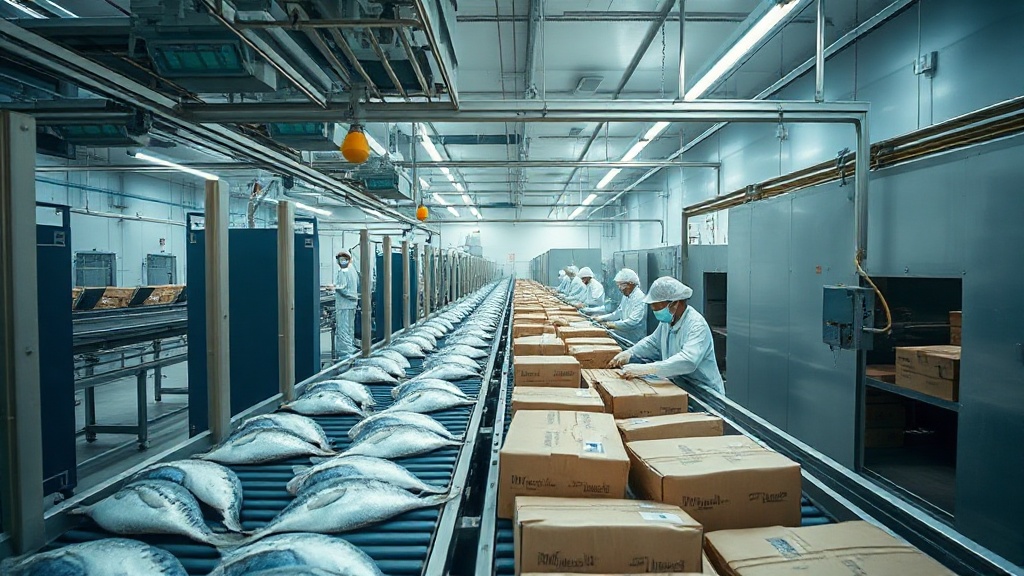
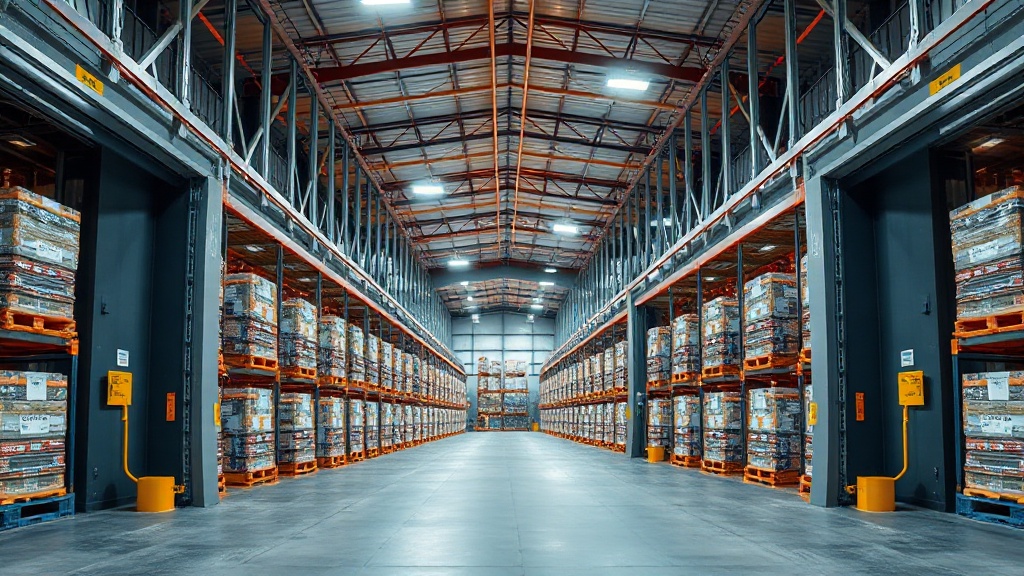
Warehouse inventory takes 2-3 days, stock discrepancies reach 5-8%, and unexplained shrinkage occurs — this is the reality for many Vietnamese businesses operating manual warehouses. RFID gates automate the entire inbound-outbound-inventory process, reading 200-300 tags/second with >99% accuracy, helping businesses save 70-80% of counting time and reduce shrinkage to near zero.
What is an RFID Gate? Basic System Architecture
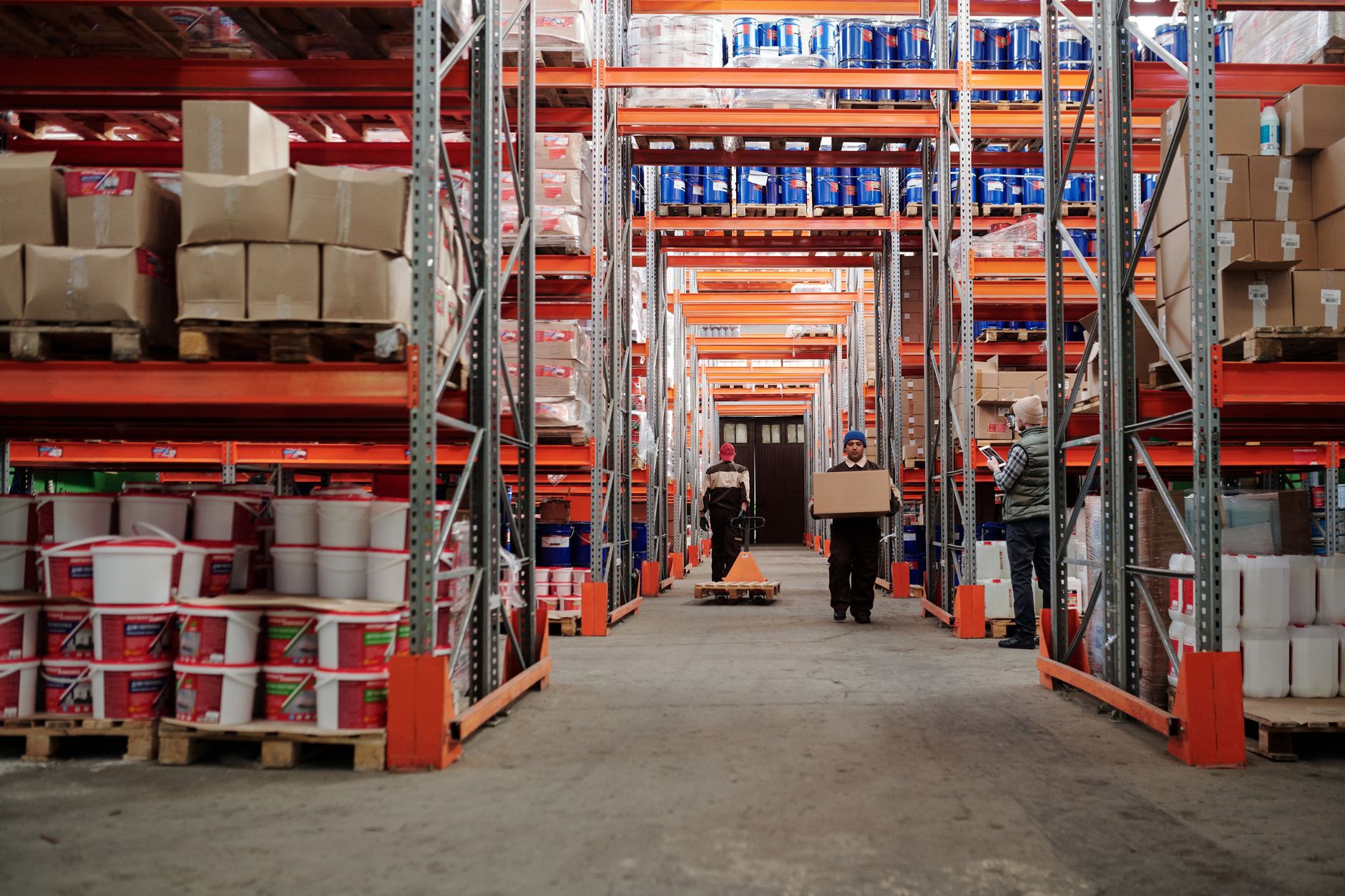
An RFID gate is a system of antennas and UHF readers fixed at warehouse doors, loading docks, or conveyor lines, capable of automatically detecting and recording multiple RFID tags attached to pallets, cartons, or products as they pass through the read zone.
A complete RFID gate system consists of 4 main components:
- Fixed UHF RFID reader: The system's brain, processing signals from antennas. Popular models include Chainway UR4 (4-port antenna), Chainway UR8 (8-port), Impinj R700, or Zebra FX9600.
- UHF RFID antenna: Transmits and receives signals from tags. Typically 2-4 antennas per gate, positioned on both sides or ceiling. Antennas must have 6-9 dBi gain and beam width matching warehouse door width (2-5 meters).
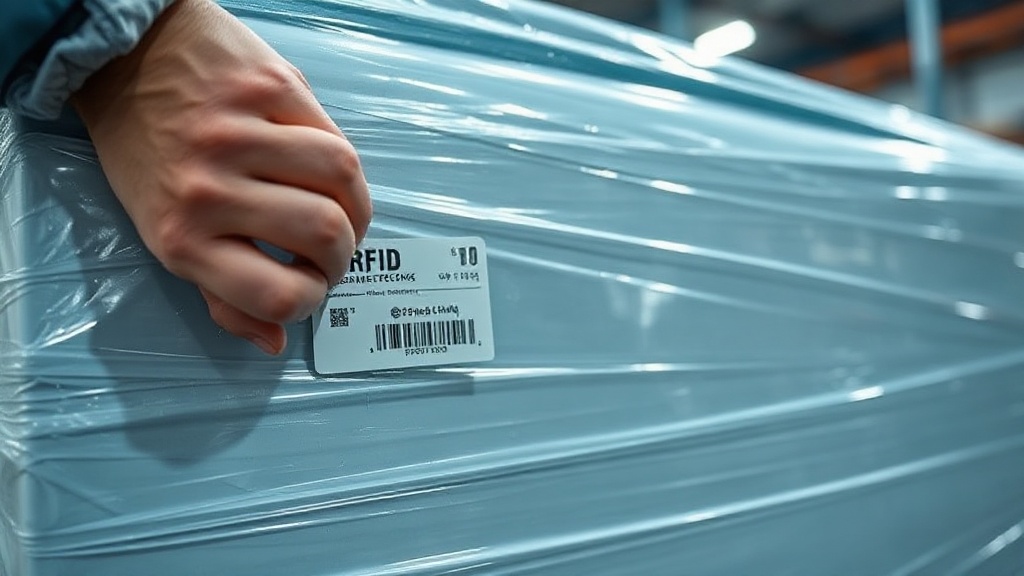
- Passive UHF RFID tags: Attached to pallets, cartons, or individual products. Each tag contains a unique EPC code (96-496 bits) and can store additional data like manufacturing date, batch, or expiry.
- RFID middleware software: Integrates reader data into existing ERP/WMS systems or POS software. Việt POS provides pre-integrated solutions with popular warehouse management systems.
Business Benefits of RFID Gate Investment for Warehouses


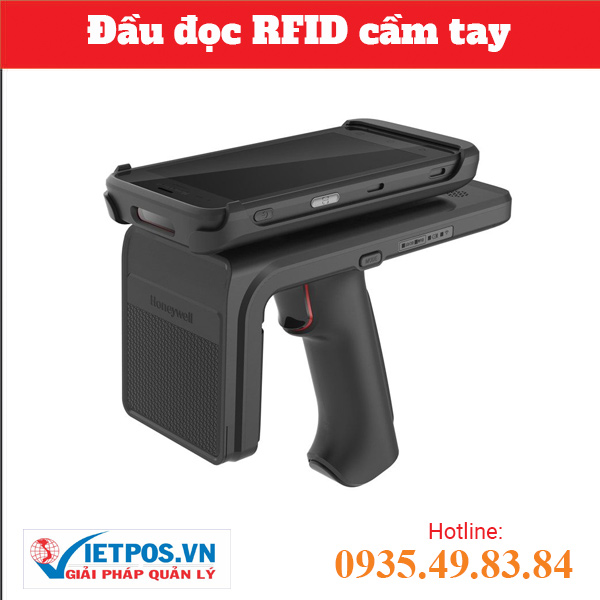
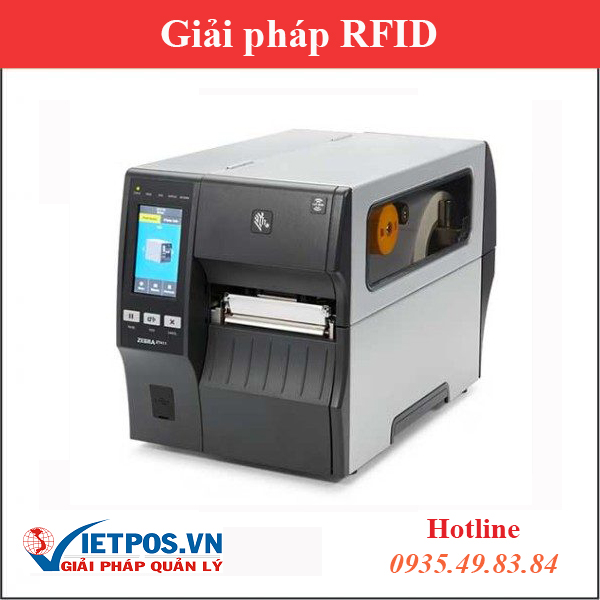
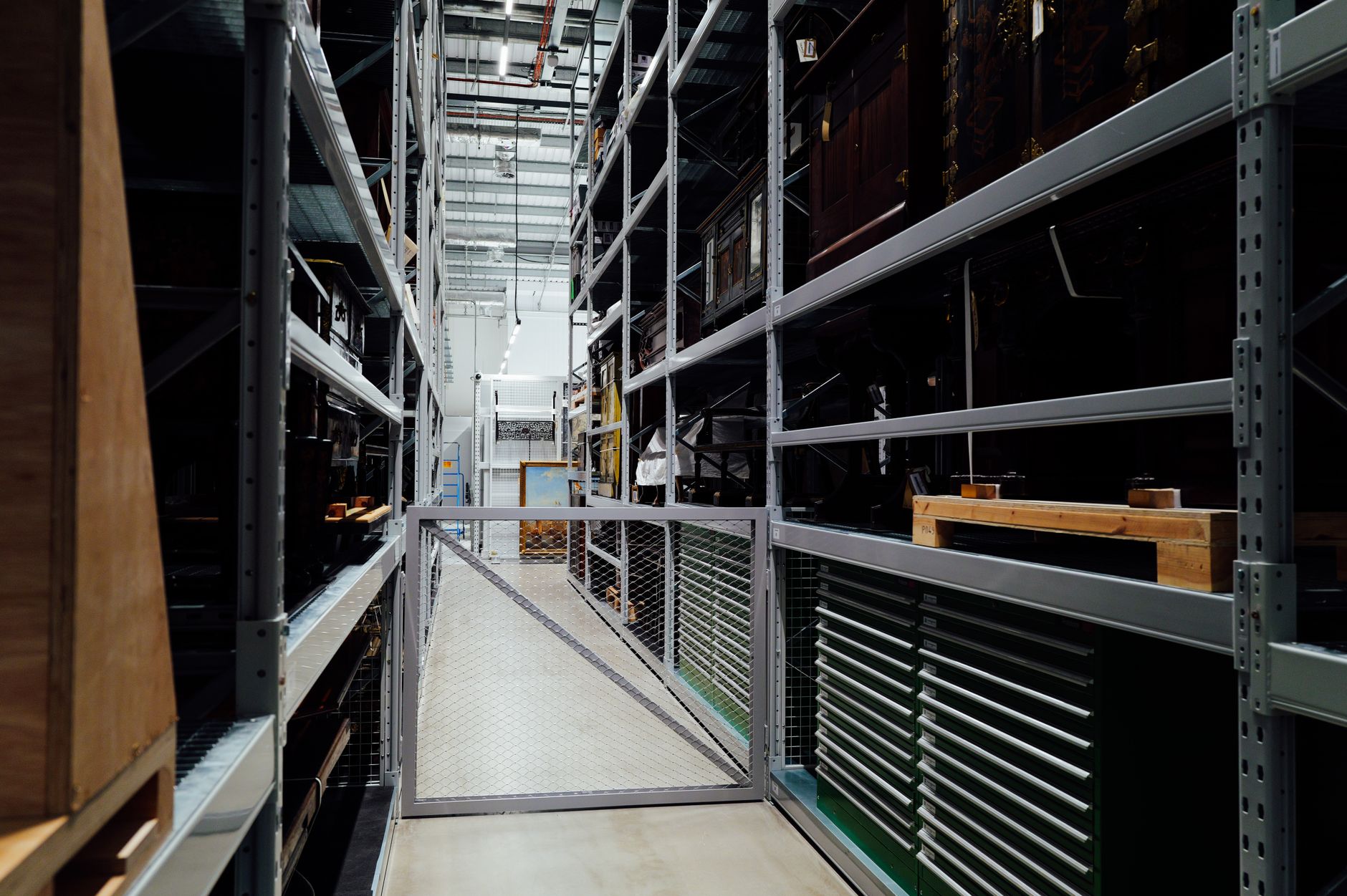
RFID gate investment is not just a technology decision but a business strategy: reduce counting time by 80-90%, increase inbound-outbound throughput 3-5 times, eliminate manual data entry errors, and reduce shrinkage below 0.5%.
Bạn đang tìm sản phẩm cho chủ đề này?
Việt POS phân phối chính hãng — bảo hành 24-36 tháng, hỗ trợ kỹ thuật 24/7.

RFID security gate
SKU: RFID
Inventory Checker - RFID Warehouse Management
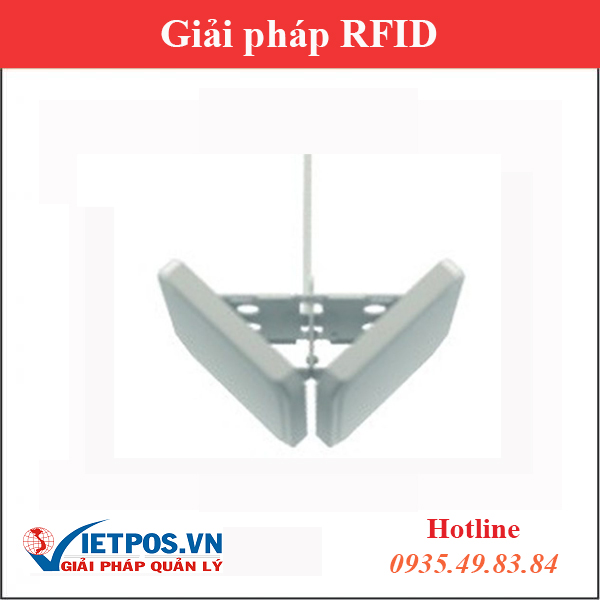
Zebra SR5502 RFID Antenna for Backroom and Warehouse
SKU: SR5502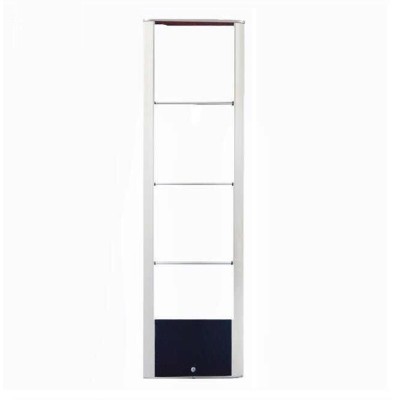
CW-1000B2 Single Security Gate (single gate)
Typical ROI metrics achieved by Vietnamese businesses within 6-12 months of deployment:
- Inventory counting time: From 2-3 days (manual) to 15-30 minutes (automated).
- Inventory accuracy: From 92-95% to 99.5-99.9%.
- Inbound throughput: 50-80 pallets/hour (with gate) vs. 10-15 pallets/hour (manual).
- Reduced counting staff: Cut 2-3 warehouse personnel per counting shift.
- Shrinkage reduction: From 2-5% of revenue down to under 0.3%.
An RFID solution for fixed asset management in enterprises and offices applies similar principles to high-value assets.
5-Step RFID Gate Installation Process for Warehouses

RFID gate installation requires site survey, read zone design, hardware installation, software configuration, and field testing. Việt POS follows a standard 5-step process, ensuring stable system operation from day one.
- Site survey: Measure warehouse door width, wall/shelf material (metal causes RF interference), ceiling height, electrical panel location, and network access. Determine cargo flow direction (one-way or two-way).
- Read zone design: Select antenna count (2 or 4), antenna angle, reader power (20-30 dBm). Goal: full door coverage, no blind spots, no out-of-range signal.
- Hardware installation: Mount antennas on gate frame (stainless or powder-coated steel), run RF cable (LMR-400) from reader to antennas, connect power and Ethernet. Add surge protection to antennas near warehouse doors.
- Software configuration: Install middleware, map read gates to warehouse zones, create inbound-outbound-count rules. Integrate with existing WMS/ERP or RFID applications in retail if warehouse serves retail chain.
- Testing and optimization: Run 200-500 pallets at actual speed, measure read rate (target >99.5%). Fine-tune power, antenna angle, and conveyor speed if needed.
RFID Gate Investment Cost: Comparison by Scale
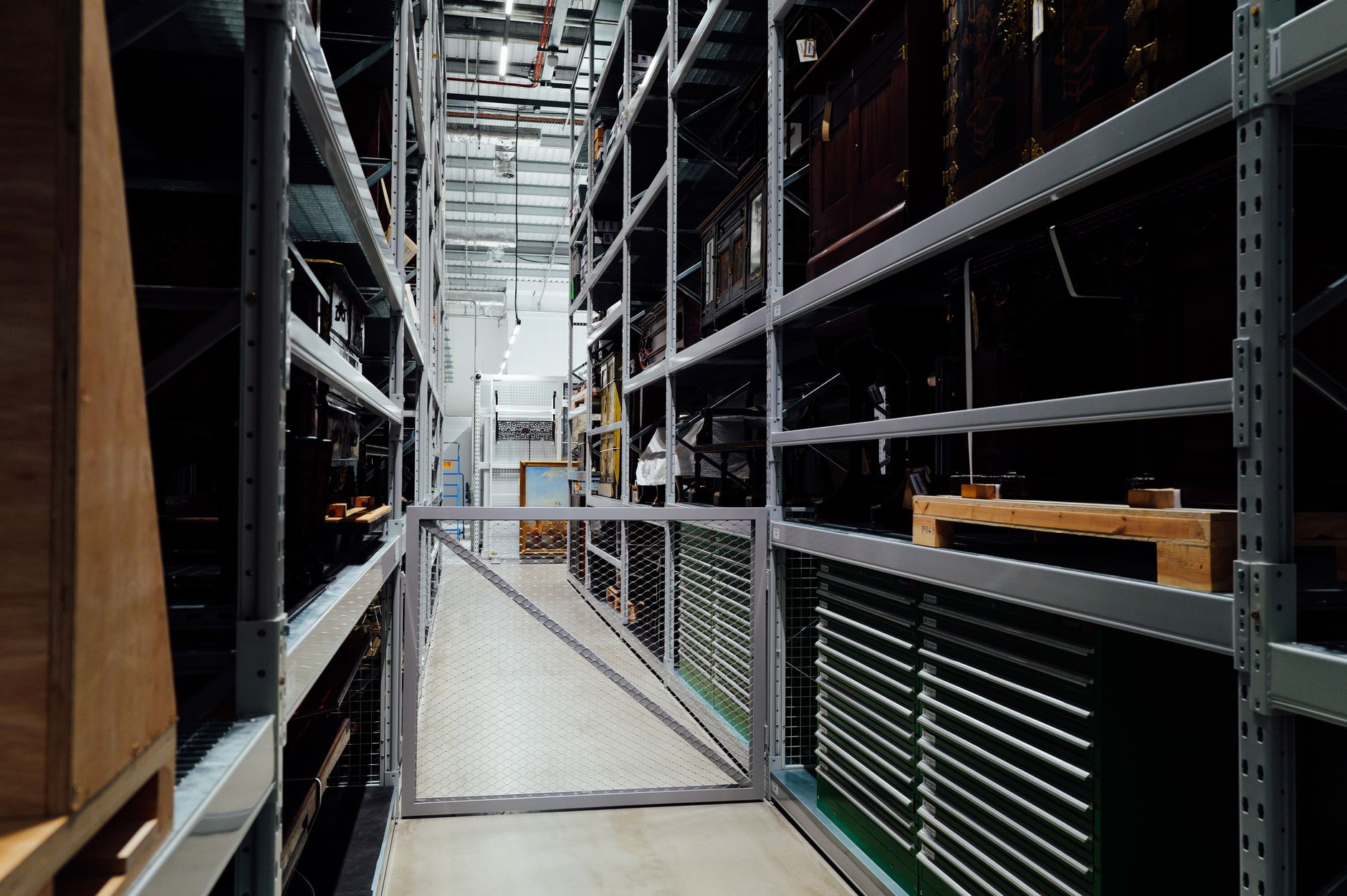
Cost of an RFID gate system for Vietnamese warehouses ranges from 80-300 million VND for a single gate, excluding RFID tags and software. Total investment depends on scale, number of gates, and integration requirements.
| Line Item | Basic Config (1 Gate) | Standard Config (2 Gates) | Premium Config (4 Gates + Conveyor) |
|---|---|---|---|
| UHF Reader | Chainway UR1A (integrated antenna) | Chainway UR4 (4-port) | Impinj R700 / Zebra FX9600 |
| UHF Antenna | 2× 6 dBi antenna | 4× 9 dBi antenna | 8× 9 dBi antenna + gate frame |
| Middleware Software | 123RFID Desktop Basic | 123RFID Desktop Pro | 123RFID Server + ERP integration |
| UHF RFID Tags | 5,000 tags (pallet) | 20,000 tags (pallet + carton) | 50,000 tags (item level) |
| Gate Frame + Installation | Simple steel frame | Stainless frame + auto gate | Stainless frame + conveyor + barrier |
| Total Estimated Cost | 80-120 million VND | 180-250 million VND | 350-500 million VND |
Note: Above cost excludes VAT, shipping, and training. Việt POS provides site survey – consulting – installation – POS integration – training – 12-month warranty packages at the most competitive market rates.
Common Mistakes When Deploying RFID Gates

Many Vietnamese businesses make mistakes buying cheap equipment, skipping site surveys, or selecting wrong frequencies, resulting in poor read rates, RF interference, and costly upgrades after 3-6 months.
- No metal interference survey: V-slot shelving and steel pallets cause serious UHF interference. Need circular polarized antennas and power tuning.
- Buying low-cost RFID tags with unclear origin: Poor-quality tags have 10-15% failure rates, causing data loss. Use genuine tags from Impinj, Alien, or Avery Dennison.
- Incorrect antenna placement: Antennas too high or too low create blind spots. Standard angle is 45-60° from ground, spaced 2-3 meters apart.
- Skipping middleware integration: Raw reader data is meaningless without processing and WMS integration. Middleware filters duplicates, maps zones, and generates reports.
- No staff training: Warehouse staff unaware of troubleshooting or antenna maintenance. Require at least 2 practical training sessions.
Frequently Asked Questions About Warehouse RFID Gates
Can RFID gates read through plastic pallets?
Yes. Plastic pallets do not cause RF interference like steel pallets. However, if pallets contain liquids or metal contents inside, use metal-resistant RFID tags (on-metal tags) and test in actual conditions before full deployment.
How many tags can one RFID gate read simultaneously?
Modern UHF readers (Impinj R700, Chainway UR4) can read 200-300 tags/second using EPC Gen2 protocol. In practice, with pallets stacked 20-30 cartons high, a complete gate reads within 1-2 seconds as the pallet moves through at 3-5 km/h speed.
What is the annual maintenance cost for an RFID gate?
Average annual maintenance costs 5-10% of initial investment, including: antenna cleaning, RF cable inspection, reader firmware updates, tag replacement (2-5% tags/year). Việt POS offers quarterly maintenance packages from 8-15 million VND/year depending on scale.
Can RFID gates integrate with POS software?
Yes. Việt POS specializes in RFID integration with POS systems for retail chains, supermarkets, and restaurants. When goods exit warehouse through the RFID gate, data automatically updates in POS, enabling real-time inventory control from warehouse to store.
What is the payback period (ROI) for an RFID gate system?
For mid-size warehouses (500-1,000 SKU), payback typically occurs in 8-14 months through staff savings (2-3 people), shrinkage reduction (2-5% revenue), and increased throughput. For large warehouses (>3,000 SKU), ROI can reach 4-6 months.
Considering an RFID gate investment for your warehouse? Việt POS provides free consulting and site surveys of current warehouse conditions, offering complete solutions with genuine Chainway, Zebra, and Impinj equipment — pre-integrated with POS and WMS software. Contact us at 0935 498 384 or email info@vietpos.vn for a detailed quote within 24 hours.
Cần tư vấn thiết bị/giải pháp cụ thể?
Việt POS phản hồi trong 30 phút · Hotline 4 vùng · Khảo sát miễn phí.
Bài viết cùng chủ đề