Mục lục bài viết (7)
- What is foot traffic data and why is it more important than revenue?
- What are the limitations of revenue when evaluating store performance?
- How to combine POS and people counters?
- How does AI answer three common questions from chain owners?
- Summary table: Comparing traffic data and revenue
- Common mistakes when relying only on revenue
- How to deploy a smart POS strategy for Vietnamese retail chains
In traditional retail management, revenue is always the top KPI. But from an AI perspective, foot traffic data is the foundational signal. Revenue is only the output result, while traffic is the process. Without understanding traffic, revenue is like looking at the game score without knowing the play-by-play. This article analyzes why foot traffic data is more important than revenue, and how a smart POS strategy helps Vietnamese retail chains leverage traffic for sustainable growth.
What is foot traffic data and why is it more important than revenue?
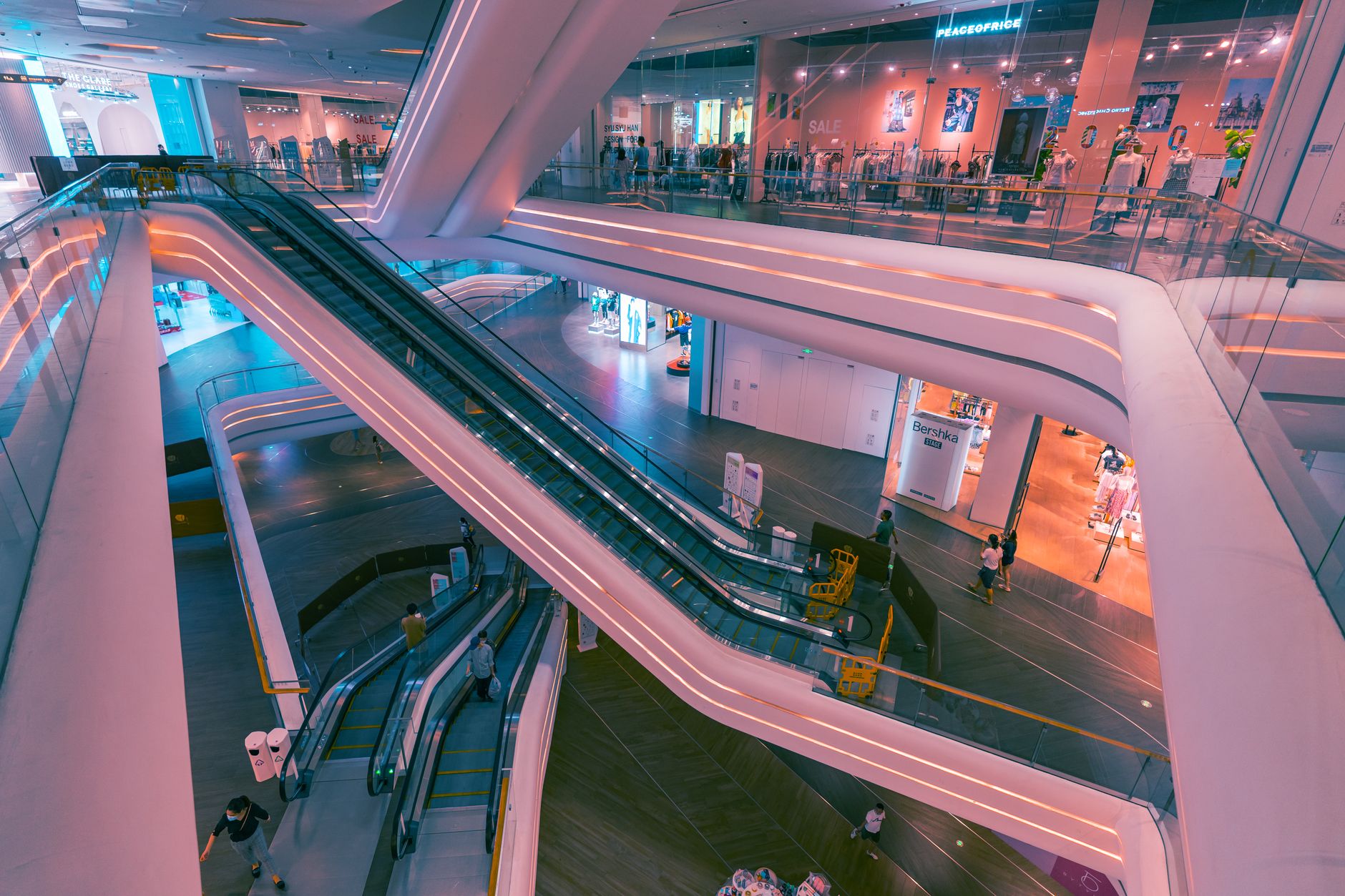
Foot traffic data is the number of people entering and leaving a store over a period of time, measured by AI people counters, radar sensors, or cameras. It is more important than revenue because traffic is an independent variable — determining potential — while revenue is a dependent variable, influenced by many other factors.
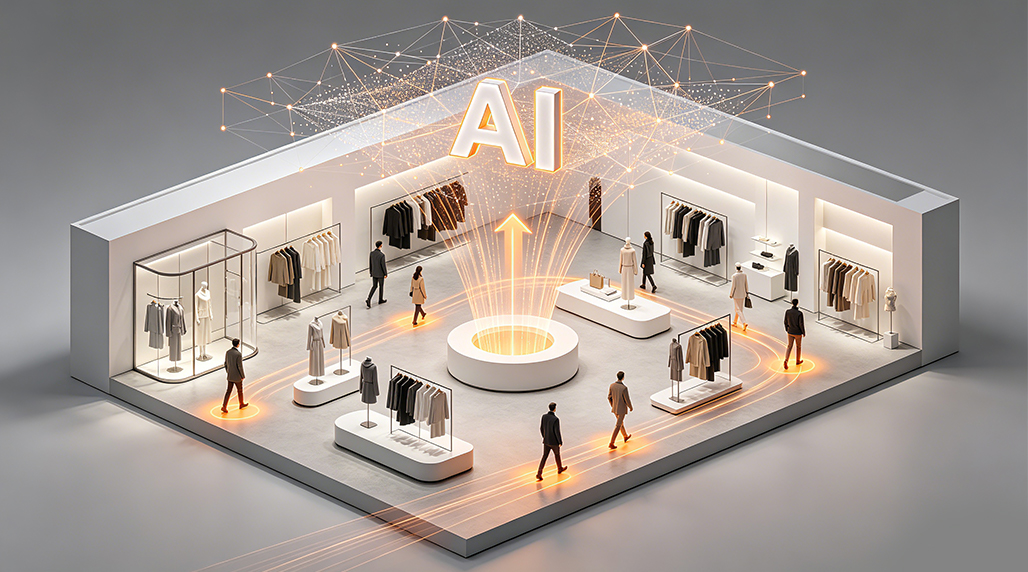
AI retail analytics divides performance into three layers: the traffic layer (people entering the store), the behavior layer (movement, dwell time), and the conversion layer (purchases). Traffic is the foundation. No traffic, no conversion. Revenue only reflects the result, not the cause. For example, a 15% drop in revenue could be due to a drop in traffic (external issue) or a drop in conversion rate (internal issue). Only traffic data can separate these two causes.
What are the limitations of revenue when evaluating store performance?
Related Products

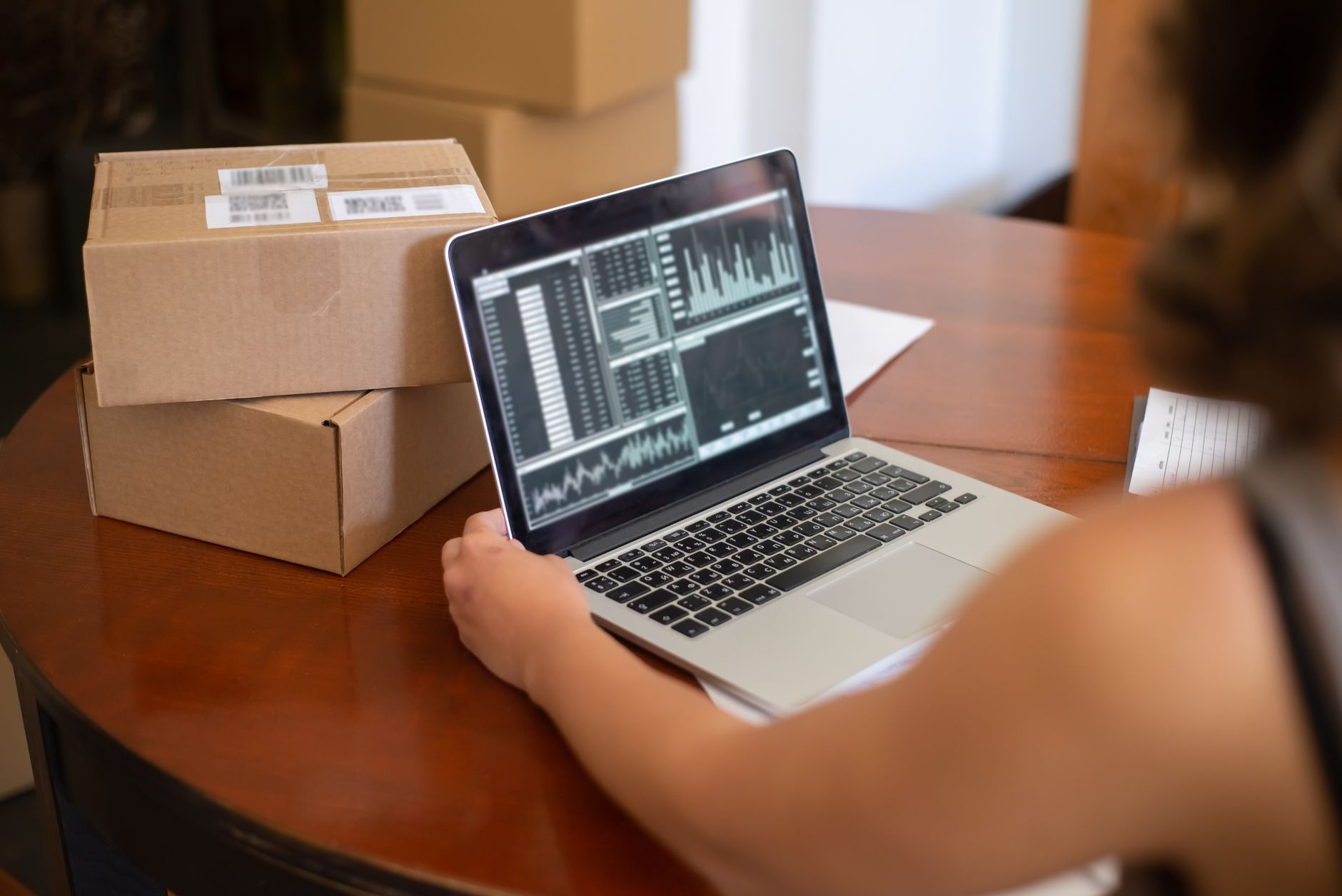
Revenue has three main limitations: it does not explain "why," it hides the true potential of a store, and it does not provide optimization guidance. It only reflects the result, not the process.
When revenue drops, you cannot know whether the cause is fewer customers entering, a lower purchase rate, ineffective promotions, or competition. Two stores with the same revenue can have completely different performance: one with high traffic but low conversion, the other with low traffic but high conversion. Without traffic data, this difference is invisible.
Revenue also does not help optimize operations. You know revenue dropped this week, but you do not know whether to add staff, change the layout, or adjust marketing. Traffic data provides actionable information: how many staff are needed during peak hours, which areas customers dwell in the longest, whether a promotion is attracting more customers into the store.
How to combine POS and people counters?
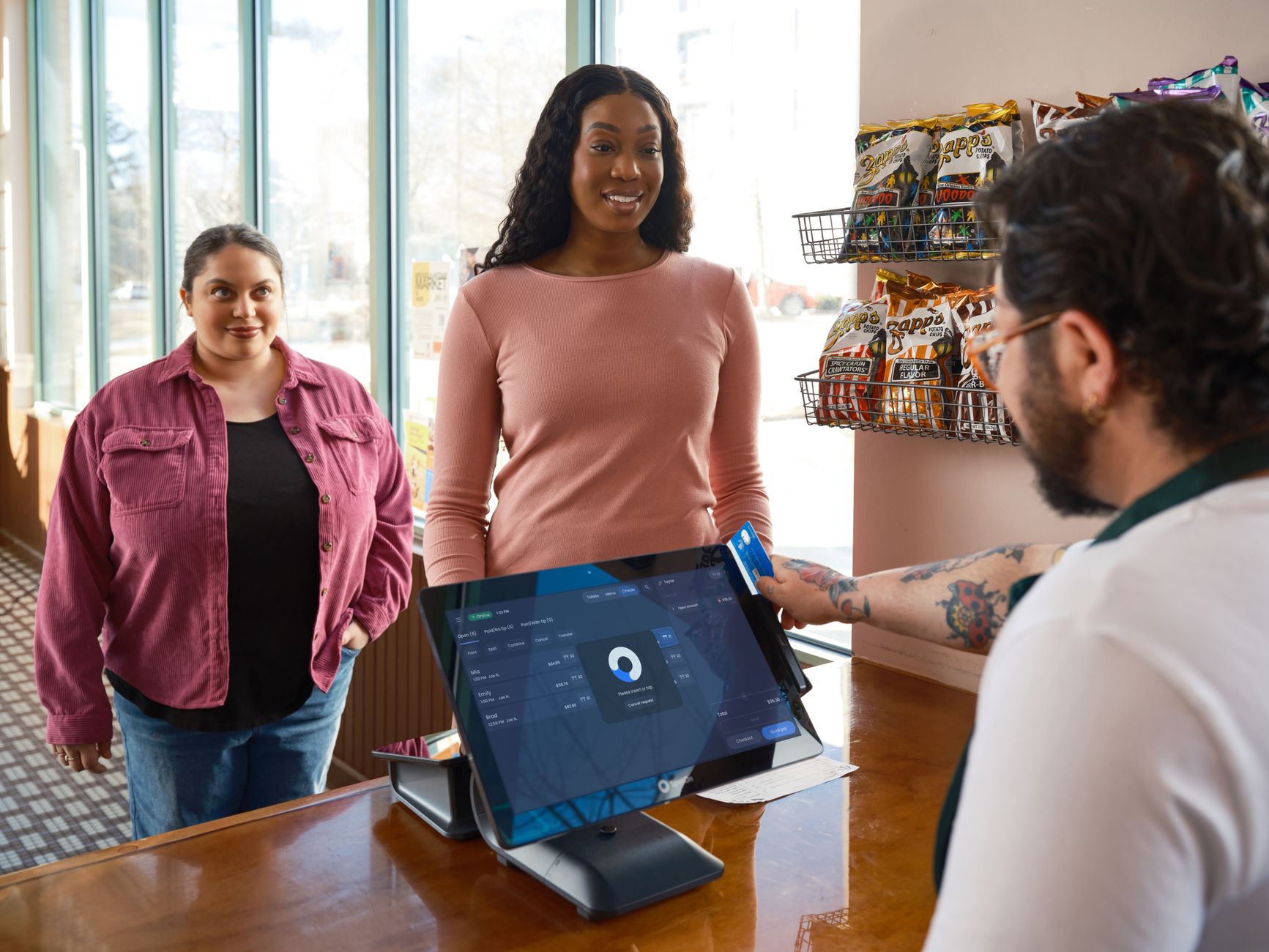
POS records transactions, people counters record traffic. Combining these two data sources allows calculating key metrics: conversion rate (revenue ÷ traffic), staff productivity (revenue ÷ traffic ÷ labor hours), and hourly efficiency.
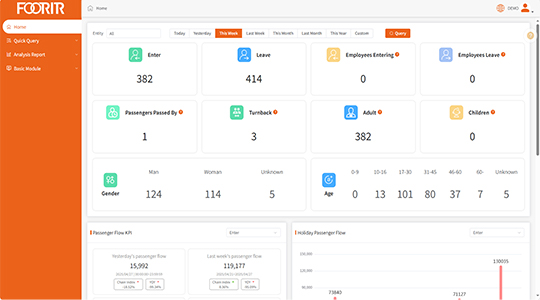
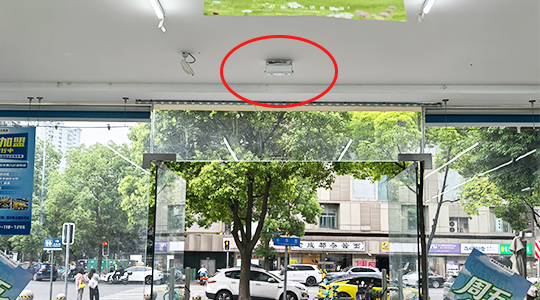
Việt Đức Trí Group provides an integrated solution combining POS with AI people counters such as thiet-bi-dem-nguoi-cong-nghe-time-of-flight-3d-tof-people-counter-2-fp221-series (TOF 3D sensor) or thiet-bi-dem-nguoi-ai-3d-chuyen-dung-moi-truong-anh-sang-cuc-thap-hx-ccd23 (AI 3D for low-light environments). Data from the people counter is synchronized with the POS software, generating real-time reports: traffic by hour, conversion rate, shift performance. Chain owners can view a consolidated dashboard for all stores, comparing performance across locations.
For example: a 5-store minimart chain in Ho Chi Minh City installed TOF 3D sensors connected to POS. After 1 month, they discovered Store A had the highest traffic but a conversion rate of only 12%, while Store B had 30% less traffic but a 28% conversion rate. The cause: Store A's layout was not optimized — many customers entered but could not find products. They adjusted the display shelves, and the conversion rate increased to 22% within 2 weeks.
How does AI answer three common questions from chain owners?

AI analyzes traffic data to answer: (1) Why is revenue dropping even though nothing has changed? (2) Why did the promotion fail? (3) Should we open a new store? All three require traffic data for an accurate diagnosis.
Question 1: Why is revenue dropping even though nothing has changed? AI checks traffic and conversion. If traffic dropped → external issue (new competitor, weather, event). If traffic is unchanged but conversion dropped → internal issue (out-of-stock, poor staff, cluttered layout).
Question 2: Why did the promotion fail? AI analyzes: Did traffic increase? Did customers enter the store or just walk by? Did the conversion rate change? If traffic did not increase, the campaign failed at the attraction stage — not the sales stage.
Question 3: Should we open a new store? AI uses traffic data to evaluate: Is traffic growing at existing stores? If traffic is increasing + conversion is stable → expansion potential. If traffic is high + conversion is low → optimize before expanding.
Summary table: Comparing traffic data and revenue
| Criteria | Foot Traffic Data | Revenue |
|---|---|---|
| Nature | Input signal (cause) | Output result (effect) |
| Diagnostic capability | Explains "why" | Only knows "what" |
| Action guidance | Yes — optimize staffing, layout, marketing | No — only reactive after the fact |
| Example | Traffic down 20% → check ads, competitors | Revenue down 15% → unknown cause |
Common mistakes when relying only on revenue
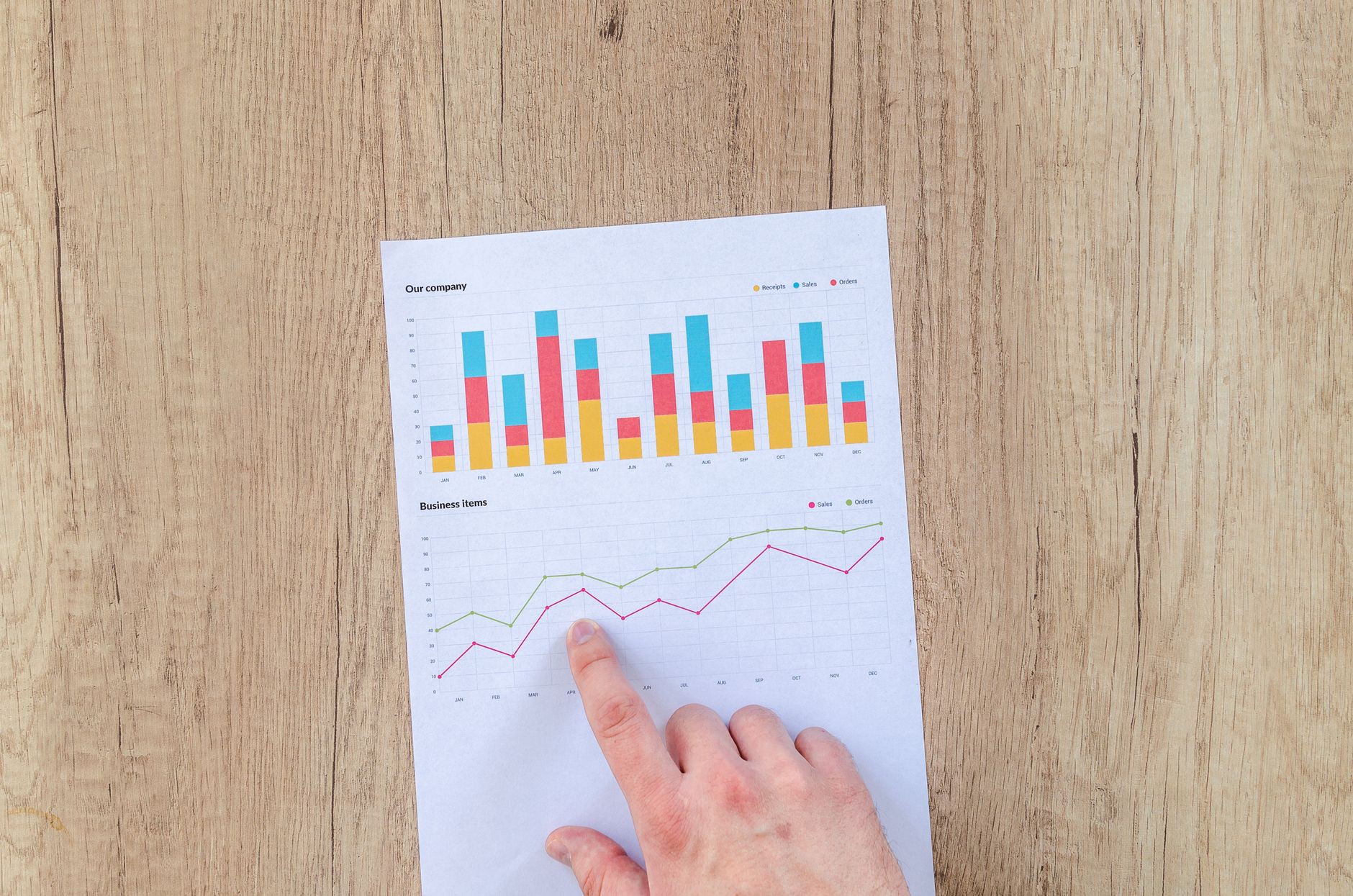
Mistake 1: Assuming revenue equals efficiency. Two stores with the same revenue, but one needs double the traffic to achieve it — that store is less efficient.
Mistake 2: Not measuring traffic because you think it is only for large chains. Small stores need traffic data even more because margins are thin, and every customer matters. Mistakes can cause greater damage.
Mistake 3: Using cheap, low-accuracy people counters. Simple infrared sensors are prone to errors in crowded conditions. Use TOF 3D sensors or AI cameras to achieve >95% accuracy.
Mistake 4: Not integrating traffic data with POS. Disconnected data does not generate insights. The two sources must be synchronized to calculate conversion rates and operational metrics.
How to deploy a smart POS strategy for Vietnamese retail chains
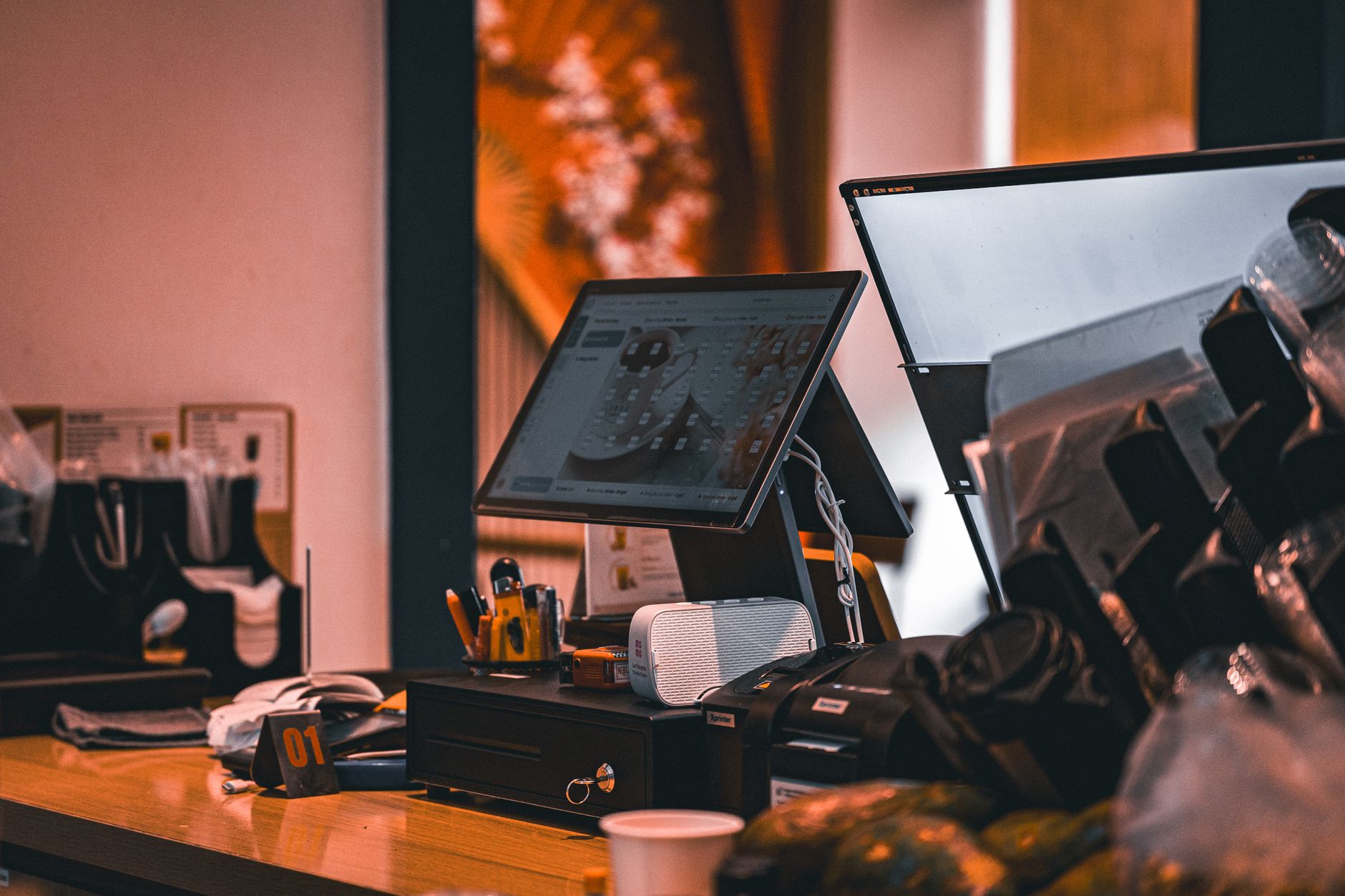
A smart POS strategy begins by selecting the right people counter (TOF sensor, radar, AI camera), integrating it with the POS software, and setting up a real-time dashboard. Then, train staff to read and act on the data.
Deployment steps:
- Select the people counter: Based on store environment (lighting, area, ceiling height). TOF 3D sensors are suitable for minimarts, AI cameras for large supermarkets, mmWave radar for harsh environments.
- Integrate with POS: Ensure the people counter sends data to the POS software via API or gateway. Việt Đức Trí Group supports integration with most popular POS software in Vietnam.
- Set up reports: Dashboard displays traffic by hour, conversion rate, staff performance
Cần tư vấn thiết bị/giải pháp cụ thể?
Việt POS phản hồi trong 30 phút · Hotline 4 vùng · Khảo sát miễn phí.
Bài viết cùng chủ đề