
Mục lục bài viết (9)
- How does RFID for gold stores work in metal and display glass environments?
- What signs indicate that your gold store needs RFID investment?
- How to calculate ROI for a gold store RFID system?
- What sales and inventory thresholds warrant RFID investment?
- Cost comparison: manual inventory vs. RFID for gold stores
- RFID deployment roadmap for gold stores in 4 steps
- Frequency and certification regulations for RFID in Vietnam to note
- Real case study: Kim Lien Gold Store reduces inventory time by 85%
- Frequently Asked Questions
RFID for gold stores is a solution that integrates UHF radio waves into jewelry management, allowing dozens of products to be read simultaneously in 2-3 seconds without scanning each barcode. In Vietnam, this technology is being deployed by gold and silver chains to control inventory in real time, reduce discrepancies, and optimize inventory count time.
Investing in RFID for a gold store is worth considering when: (1) manual inventory counts take over 1 day each time, (2) stock discrepancies recur monthly, (3) SKU count exceeds 500 and inventory value exceeds 3 billion VND. ROI formula: (Annual inventory labor cost + discrepancy losses) ÷ initial investment cost. If the result is >1.5 within 24 months, deployment is recommended.
Table of Contents
- How does RFID for gold stores work in metal and display glass environments?
- What signs indicate that your gold store needs RFID investment?
- How to calculate ROI for a gold store RFID system?
- What sales and inventory thresholds warrant RFID investment?
- Cost comparison: manual inventory vs. RFID for gold stores
- RFID deployment roadmap for gold stores in 4 steps
- Frequency and certification regulations for RFID in Vietnam to note
- Real case study: Kim Lien Gold Store reduces inventory time by 85%
- Frequently Asked Questions
How does RFID for gold stores work in metal and display glass environments?
How does RFID for gold stores work in metal and display glass environments?

UHF RFID for gold stores uses passive tags attached to product labels; the reader emits radio waves to identify items in bulk. However, gold metal and display case glass cause signal interference, so on-metal tags and appropriate reader power adjustment are needed, typically at 500 mW ERP per Vietnamese standards.
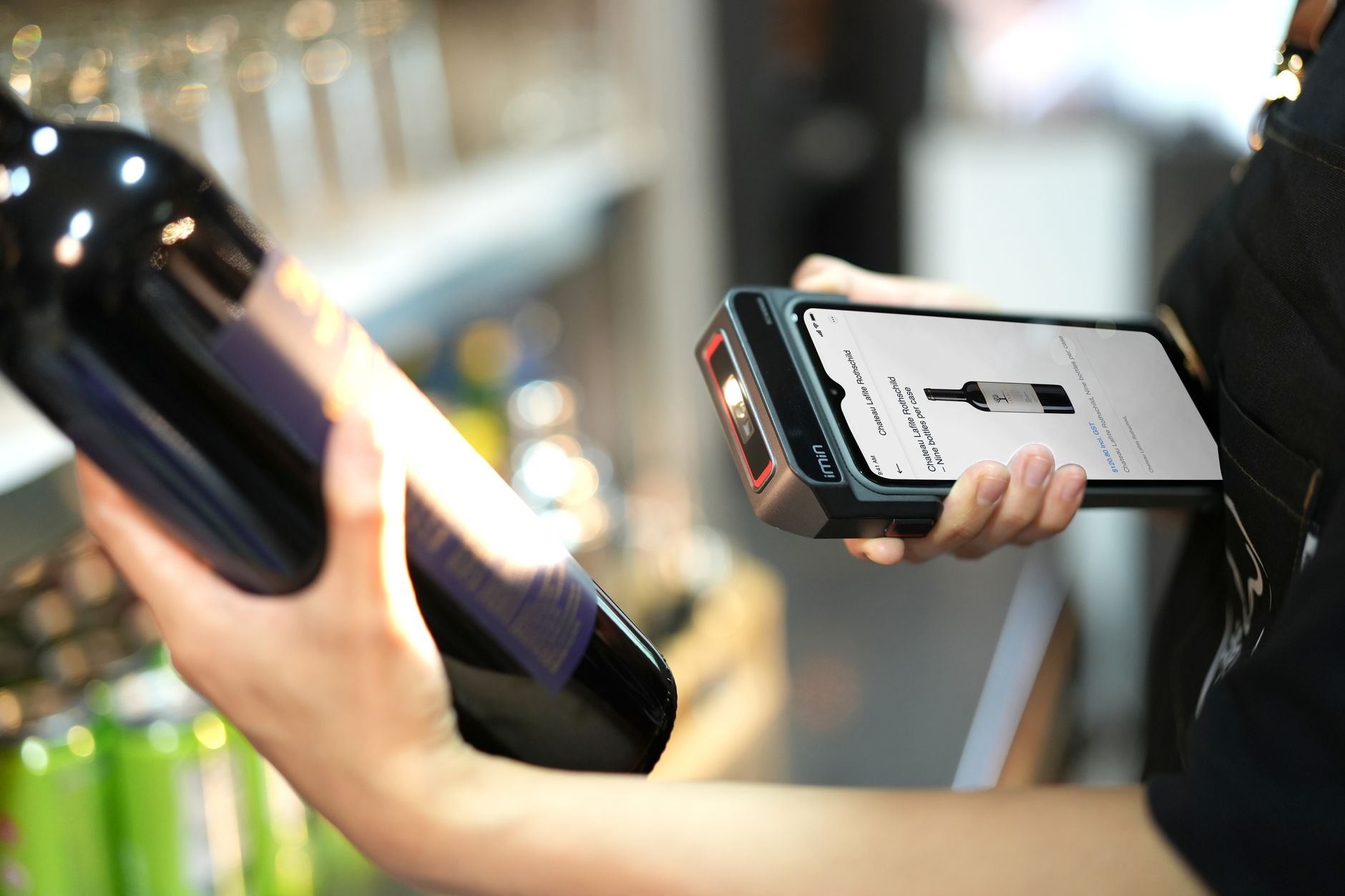
In actual deployments at gold stores, RFID tags are often attached to hangers, straps, or product labels rather than directly on the gold surface. Handheld readers allow staff to scan across jewelry trays, reading 30-50 products simultaneously in seconds. The software system automatically reconciles with the inventory list, flagging missing or extra items on the spot.
Key limitation: UHF waves are blocked by thick metal and liquids. With glass display cases, fixed readers need optimal placement, or handheld readers must be used to scan each tray manually. Staff still need to confirm before recording products in the ledger—RFID supports control, not full replacement of reconciliation processes.
What signs indicate that your gold store needs RFID investment?
Related Products
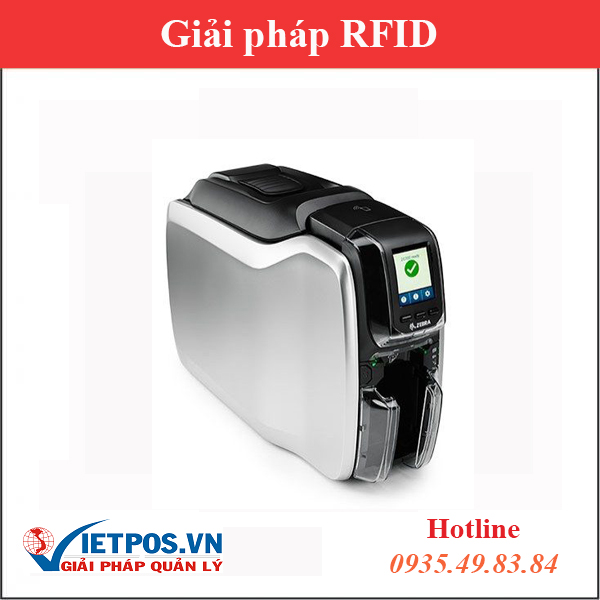
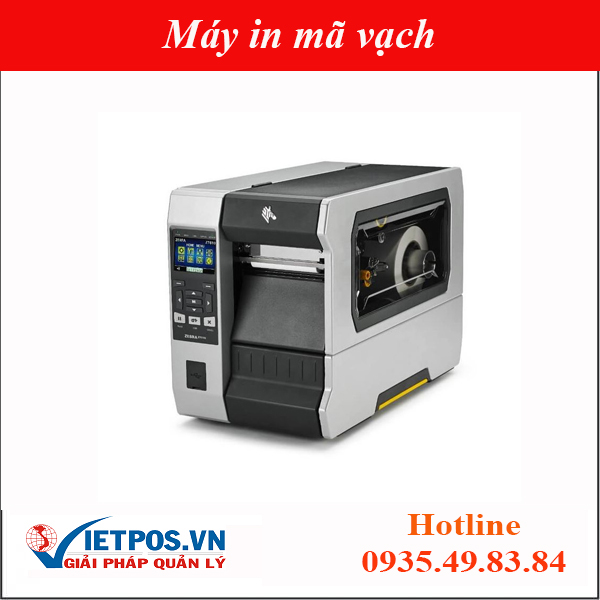
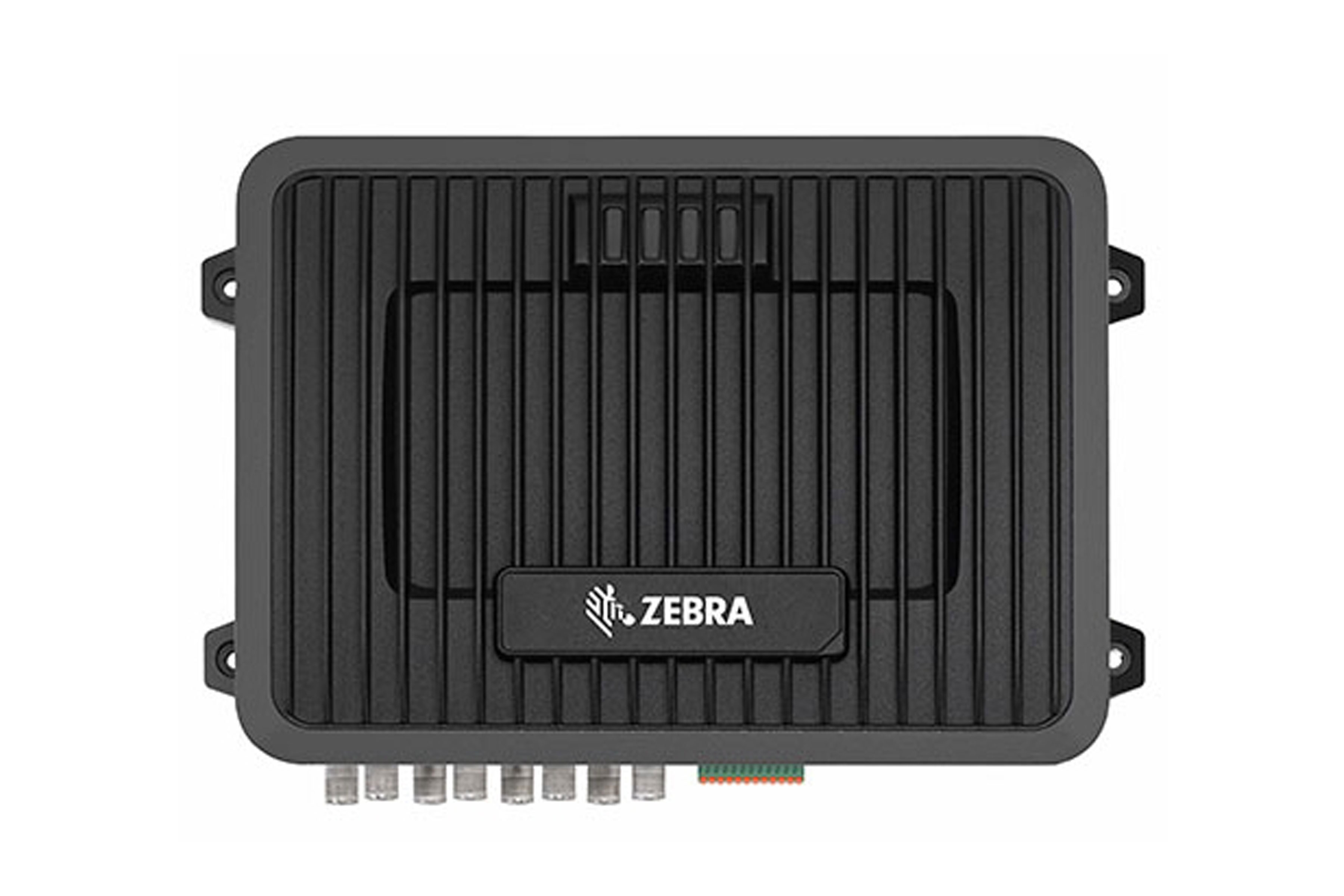
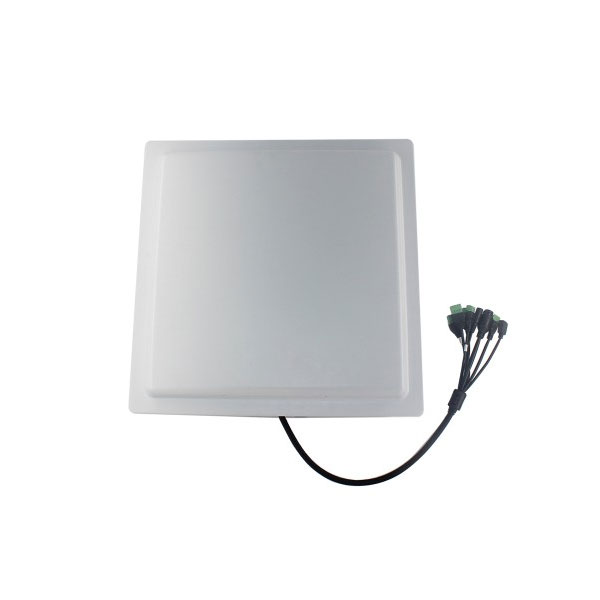


Three main signs: (1) manual inventory counts take over 8 working hours each time, (2) stock discrepancies recur monthly despite careful counting, (3) staff spend 20-30 minutes per shift just searching for products in display cases. When these indicators appear simultaneously, manual operations have reached their limit.
A 150m² gold store with 2,000 jewelry SKUs typically takes 1.5-2 days to count all inventory manually. If counts are done twice a month, that totals 3-4 working days per month just for counting. This is a hidden cost many store owners do not fully calculate.
Additionally, if your gold store has multiple branches, inter-store transfers make reconciliation even more complex. RFID allows quick verification of each shipment during receiving and dispatch, reducing handover time from 30-45 minutes to 5-10 minutes per transaction.
How to calculate ROI for a gold store RFID system?

Practical formula: ROI = (Annual inventory labor savings + Annual discrepancy loss reduction) ÷ Initial investment cost. If the result reaches 1.5 or higher within 24 months, the investment is considered effective. Below is a detailed breakdown table.
Initial investment for a mid-sized gold store (500-1,000 SKUs) includes: 1 UHF handheld reader (15-25 million VND), 1,000 on-metal tags (8-15 million VND), integrated inventory management software (20-40 million VND), and deployment costs (5-10 million VND). Total ranges from 50-90 million VND.
| Item | Cost (million VND) | Notes |
|---|---|---|
| UHF handheld reader | 15-25 | 1-2 devices depending on scale |
| On-metal tags | 8-15 | 1,000 tags, 8,000-15,000 VND/tag |
| Inventory management software | 20-40 | Includes integration with existing POS |
| Deployment & training | 5-10 | 1-2 days onsite |
| Total initial investment | 50-90 |
On the benefit side: if the gold store currently spends 2 staff x 2 days/month on inventory counts (salary 8-10 million VND/month), annual inventory labor cost is about 24-40 million VND. RFID reduces this time by 80-90%, saving 20-35 million VND/year. If average stock discrepancy is 0.3-0.5% of a 5 billion VND inventory value, annual losses are 15-25 million VND—RFID helps reduce this by 50-70%.
What sales and inventory thresholds warrant RFID investment?
Deployment experience shows: gold stores with monthly sales above 500 million VND, inventory value above 3 billion VND, or SKU count above 500 are suitable thresholds for RFID investment. Below these thresholds, optimizing manual processes may be sufficient.
For small gold stores (under 200 SKUs, inventory under 1 billion VND), manual counts of 2-3 hours each time are acceptable. Investing 50-90 million VND in RFID may not pay back within 24 months. Instead, improve processes: categorize products by area, assign location numbers, and conduct rotating weekly counts.
For mid-sized and large gold stores (over 500 SKUs, multiple branches), RFID is almost a mandatory requirement. Inventory time drops from 2 days to 2-3 hours, staff do not need overtime, and inventory data is always updated in real time. This is a clear competitive advantage in the gold and silver industry.
Cost comparison: manual inventory vs. RFID for gold stores
Manual inventory takes 8-16 hours per count for a gold store with 500-1,000 SKUs, while RFID completes it in 1-2 hours. Annual labor costs for manual counts are 24-40 million VND, plus 15-25 million VND in discrepancy losses. RFID reduces these to 5-8 million VND in tag costs and 5-10 million VND in maintenance, saving 30-50 million VND/year.
Below is a detailed cost comparison table for a gold store with 500-1,000 SKUs, 2 inventory counts per month:
| Cost item | Manual method | RFID method |
|---|---|---|
| Time per inventory count | 8-16 hours | 1-2 hours |
| Labor cost per count (2 staff) | 1-2 million VND | 0.2-0.4 million VND |
| Annual labor cost (24 counts) | 24-48 million VND | 5-10 million VND |
| Annual discrepancy losses | 15-25 million VND | 5-10 million VND |
| Tag costs (annual) | 0 | 5-8 million VND |
| Maintenance & software | 0 | 5-10 million VND |
| Total annual cost | 39-73 million VND | 20-38 million VND |
With an initial investment of 50-90 million VND, the payback period is 18-24 months. After that, the store saves 20-35 million VND annually. For stores with multiple branches, savings increase by 25-30% due to reduced coordination and inter-branch reconciliation labor.
RFID deployment roadmap for gold stores in 4 steps

Step 1: Assess current operations—measure inventory time, discrepancy rates, and labor costs. Step 2: Pilot with 100-200 SKUs in one area to test tag placement and reader configuration. Step 3: Full deployment—tag all products, install readers, and train staff. Step 4: Optimize—review data, adjust processes, and expand to other branches.
- Assess current operations: Measure current inventory time, discrepancy rates, and labor costs. Set baseline metrics to compare after deployment.
- Pilot program: Start with 100-200 SKUs in one display area. Test tag placement (on hangers, labels, or boxes) and reader power settings to achieve 95%+ read rates.
- Full deployment: Tag all products, install fixed readers at key points (entrance, storage, display cases), and provide handheld readers to staff. Conduct 2-3 days of training.
- Optimize and expand: Review data after 1-2 months, adjust tag placement and reader positions, then replicate the model across other branches.
Total deployment time is typically 2-4 weeks, depending on store size and staff familiarity with technology.
Frequency and certification regulations for RFID in Vietnam to note

In Vietnam, UHF RFID devices must operate in the 918.4–923 MHz band with maximum power of 500 mW ERP, per Circular 08/2021 of the Ministry of Information and Communications. Devices must be type-approved and have a Declaration of Conformity. VietPOS provides infrastructure and equipment, not legal advice.
When purchasing RFID equipment, ensure the supplier provides: - Type approval certificate (Giấy chứng nhận hợp quy) - Declaration of Conformity (Bản công bố hợp quy) - User manual in Vietnamese - Warranty and support in Vietnam
Note that using devices outside the allowed frequency band or power limits may result in fines and equipment confiscation. Always verify compliance before deployment.
Real case study: Kim Lien Gold Store reduces inventory time by 85%

Kim Lien Gold Store (Hanoi) with 1,200 SKUs and 3 branches deployed RFID in 2025. Inventory time dropped from 2 days to 3 hours per branch, a 85% reduction. Stock discrepancy rate fell from 0.4% to 0.1%. The system paid back in 14 months.
Before RFID: 2 staff x 2 days/month per branch = 12 working days/month across 3 branches. After RFID: 2 staff x 3 hours = 1.5 working days/month. Annual labor savings: 126 working days, equivalent to 42 million VND.
Additional benefits: real-time inventory visibility across branches, faster product search (from 5 minutes to 30 seconds), and reduced shrinkage. The store plans to expand RFID to all new branches.
Frequently Asked Questions
Does RFID work well on gold and metal jewelry?
Standard RFID tags experience interference when attached directly to metal surfaces. However, on-metal tags are specially designed to work on gold, silver, and steel surfaces. In practice, tags are often attached to labels, straps, or product boxes rather than directly on the gold. Read rates reach 95-99% if tags are placed correctly and the reader is configured appropriately.
What is the cost of RFID investment for a small gold store?
For a gold store with under 300 SKUs, the minimum cost is about 30-50 million VND, including: 1 UHF handheld reader (15-25 million), 300 on-metal tags (3-5 million), and basic software (10-15 million). However, at this scale, the payback period may extend to 30-36 months. If manual counts take only 3-4 hours each time, consider optimizing processes instead of investing in RFID immediately.
Does RFID completely replace manual inventory counts?
Not entirely. RFID enables fast reading and automatic quantity reconciliation, but staff still need to visually confirm products with anomalies (dents, scratches, counterfeits). Additionally, for products in sealed display cases, handheld readers still need to scan each tray. RFID reduces 80-90% of counting time, but the final reconciliation process still requires human confirmation.
Do RFID tags affect the aesthetic value of jewelry?
On-metal RFID tags are small (10-25mm in diameter) and are usually placed in hidden positions such as the inside of rings, clasps, or on product labels. For high-end jewelry, tags can be placed in the box or accompanying pouch instead of directly on the item. This preserves aesthetic value and does not affect the customer experience.
Can RFID software integrate with existing sales management software?
Most RFID systems today have open APIs that allow integration with popular POS and inventory management software. Integration time is typically 3-7 days depending on complexity. When choosing a supplier, request a live integration demo with your current software before signing the contract.
What is the average payback period for a gold store RFID system?
For a mid-sized gold store (500-1,000 SKUs), the average payback period is 18-24 months. Influencing factors: initial investment cost, current inventory frequency, level of stock discrepancy, and number of branches. Gold stores with multiple branches typically pay back 25-30% faster due to savings in coordination and inter-branch reconciliation labor.
Cần tư vấn thiết bị/giải pháp cụ thể?
Việt POS phản hồi trong 30 phút · Hotline 4 vùng · Khảo sát miễn phí.
