Mục lục bài viết (5)
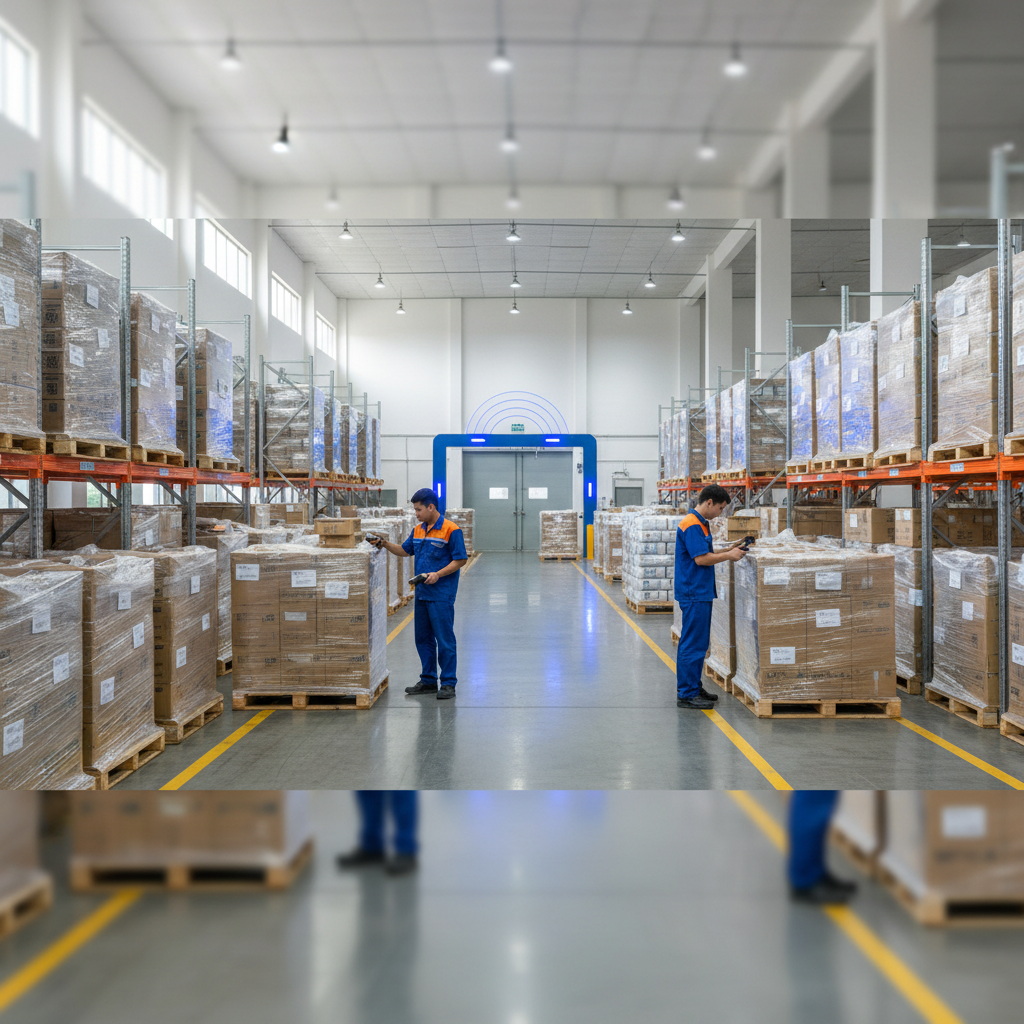
RFID for finished goods warehouses is a system that uses UHF radio waves to automatically identify and record goods during inbound/outbound processes without scanning each barcode. In Vietnam, this technology is being implemented in manufacturing plants with high outbound volumes to solve inventory discrepancy, slow outbound shipping, and manual counting labor cost issues.
Investing in RFID for finished goods warehouses is worth considering when inventory discrepancies exceed 5%, outbound shipping time exceeds 60 minutes/batch, or manual counting labor accounts for over 30% of working hours. ROI 2026 formula: (Labor benefits + reduced discrepancy benefits + accelerated outbound benefits) divided by total investment cost. Payback period is typically 18-30 months for factories with revenue from 50 billion VND/year.
Table of Contents
- Finished Goods Warehouse & Outbound Shipping Problems
- How Does the RFID Finished Goods Warehouse Solution Work?
- 3 Warning Indicators That It's Time to Invest in RFID
- ROI 2026 Calculation Formula for RFID Finished Goods Warehouses
- Revenue and Volume Thresholds for Investment Decisions
- Cost Comparison: Manual Method vs. RFID
- 3-Stage Implementation Roadmap for Vietnamese Factories
- Technology Limitations to Know Before Investing
- RFID Frequency and Compliance in Vietnam
- Case Study: Component Manufacturing Plant in Binh Duong
- Related RFID Equipment Products
- Related Articles
- Frequently Asked Questions
Finished Goods Warehouse & Outbound Shipping Problems

Finished goods warehouses in many Vietnamese factories operate using manual methods with barcodes and ledgers, leading to three main problems: inventory discrepancies, slow outbound shipping, and high manual counting labor costs. These issues increase operating costs by 15-25% annually if not thoroughly addressed.
⚠ Inventory discrepancies in ledgers: Manual inventory counts every 2-3 months result in 3-7% discrepancies compared to actual stock, causing shortages when fulfilling orders on time for customers.
⚠ Extended outbound shipping time: Each outbound batch of 500-1000 pallets takes 45-90 minutes for manual counting and reconciliation, delaying delivery and increasing truck waiting costs.
⚠ Costly counting labor: 2-4 warehouse staff spend 30-40% of their time counting and recording, with labor costs for counting accounting for 1-2% of revenue.
⚠ Difficulty tracing batch origins: When customers complain about product defects, finding the production batch takes 1-2 days due to scattered manual records.
How Does the RFID Finished Goods Warehouse Solution Work?
Related Products
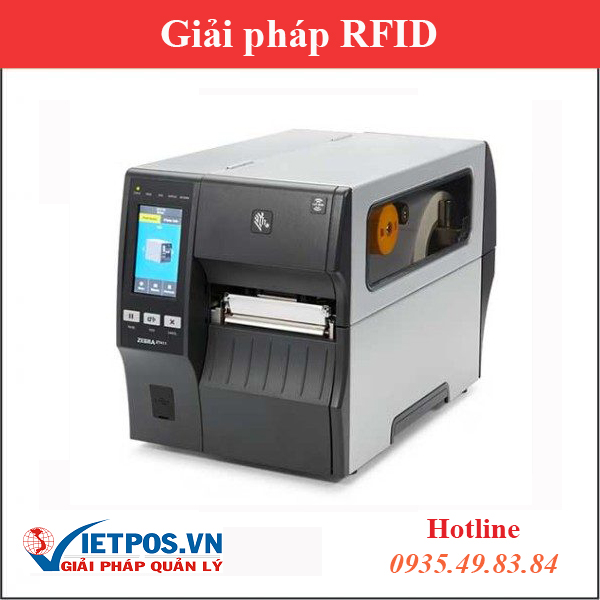
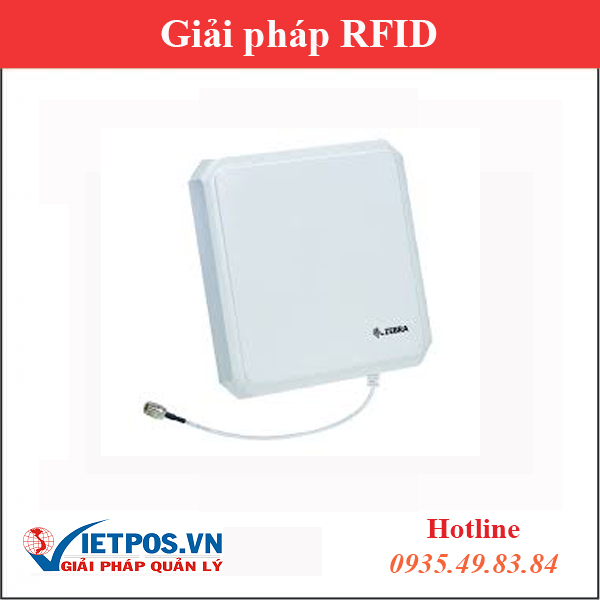
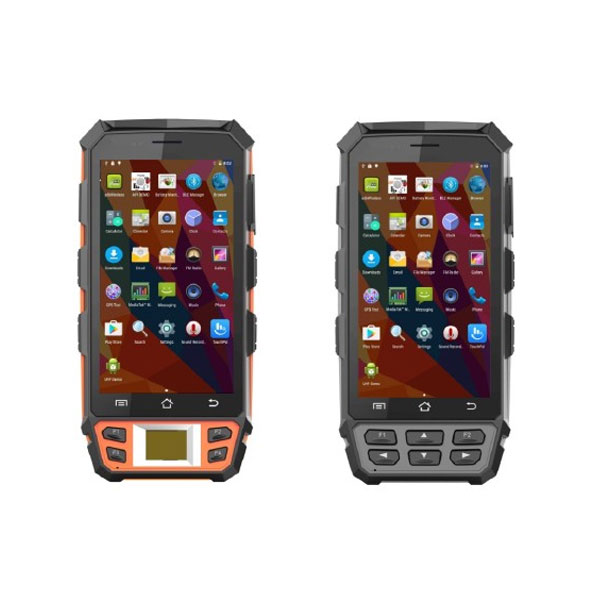
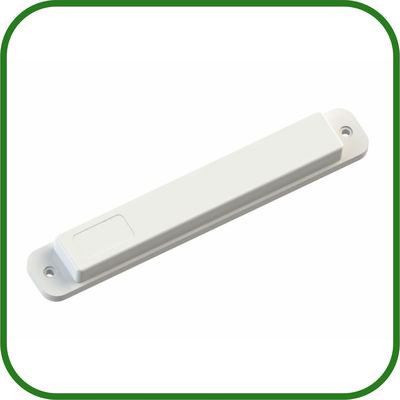



The RFID finished goods warehouse system consists of 4 components: RFID tags attached to pallets, fixed readers at inbound/outbound gates, antennas, and management software. When a pallet passes through the gate, the reader automatically collects data from the tag without stopping or manual scanning.
- Attach RFID tags: Each finished goods pallet is affixed with 1-2 UHF RFID tags containing batch number, production date, quantity, and product information.
- Install automatic reading gates: Fixed readers and antennas are installed at outbound gates, inbound areas, and conveyor belts.
- Automatic reading during movement: As pallets pass through the gate, readers scan all tags within a 3-6 meter range, recording time and direction of movement.
- Real-time data synchronization: Software automatically updates inventory, generates outbound slips, and reconciles with orders.
- Discrepancy alerts: The system compares actual quantities with ledger records, immediately alerting to any discrepancies.
3 Warning Indicators That It's Time to Invest in RFID
Not every factory needs RFID immediately. The three indicators below help you determine when your manual system has reached its limits and RFID investment becomes urgent.
Indicator 1: Inventory Discrepancies Exceed 5%
When periodic inventory counts show discrepancies between ledger and actual stock exceeding 5%, the cost of shortages and replenishment begins to outweigh the cost of RFID investment. For example, a factory with 20 billion VND in finished goods inventory and a 5% discrepancy means 1 billion VND in losses per inventory cycle.
Indicator 2: Outbound Shipping Time Exceeds 60 Minutes/Batch
If each outbound batch of over 500 pallets takes more than 60 minutes for manual counting and reconciliation, RFID will reduce this time to 10-15 minutes. Truck waiting costs range from 200,000-500,000 VND per hour, accumulating into a significant expense.
Indicator 3: Counting Labor Accounts for Over 30% of Time
When 2-4 warehouse staff spend over 30% of their time on manual counting and recording, this labor cost often exceeds the monthly RFID system subscription cost.
ROI 2026 Calculation Formula for RFID Finished Goods Warehouses
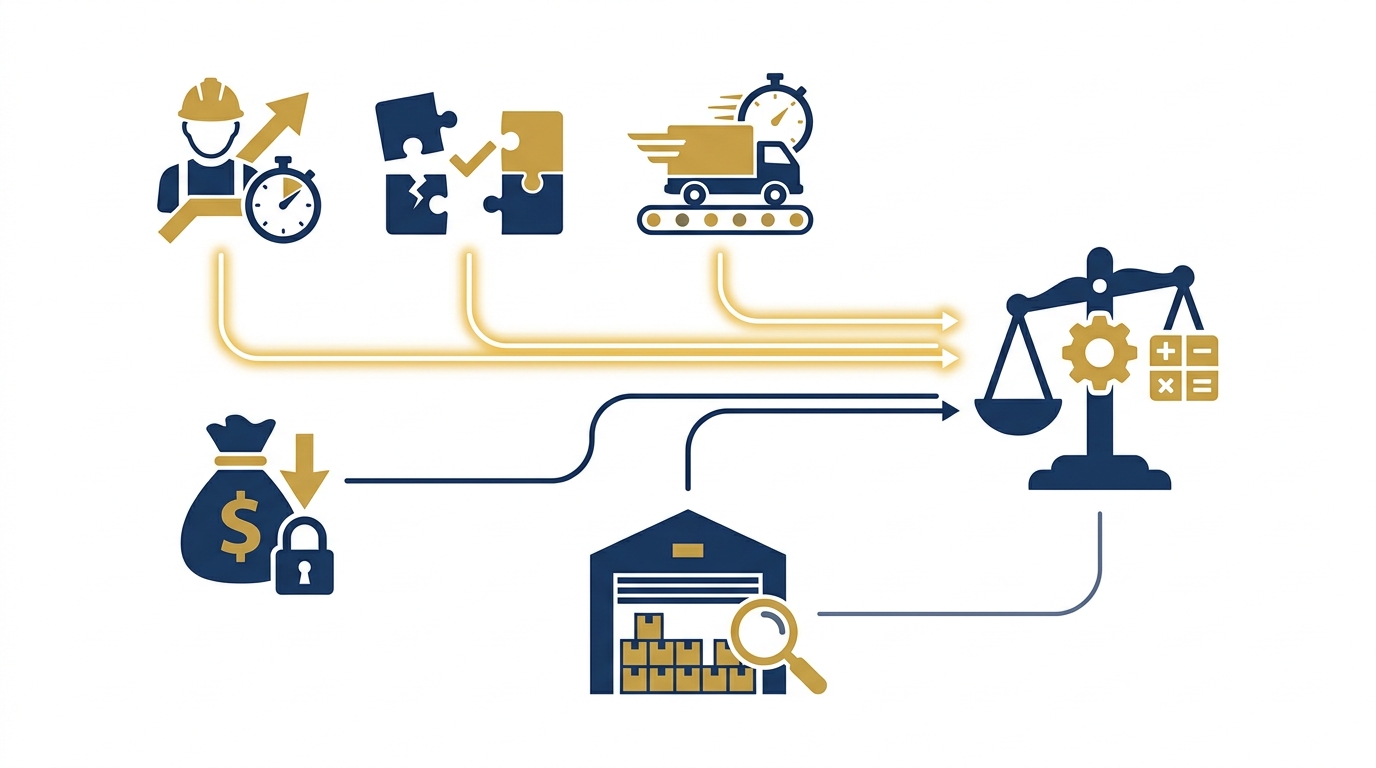
The ROI 2026 formula for RFID finished goods warehouses is: ROI = (Labor benefits + Reduced discrepancy benefits + Accelerated outbound benefits) / Total investment cost. The payback period is typically 18-30 months for factories with revenue from 50 billion VND/year.
| Benefit Component | Calculation Formula | Example for a 100 billion VND/year factory |
|---|---|---|
| Labor Benefits | Hours saved × labor cost/hour | 3 employees × 2 hours/day × 250 days = 1,500 hours/year × 80,000 VND = 120 million VND/year |
| Reduced Discrepancy Benefits | Inventory value × percentage reduction in discrepancy | 20 billion VND × 4% discrepancy reduction = 800 million VND/year |
| Accelerated Outbound Benefits | Number of outbound batches × time saved × truck waiting cost | 250 batches × 45 minutes saved × 300,000 VND = 56 million VND/year |
| Total Annual Benefits | 976 million VND/year |
With an initial investment cost of 300-500 million VND (equipment, tags, software, implementation), the payback period for the example above is 5-6 months. However, this figure varies depending on the factory's scale and current situation.
Revenue and Volume Thresholds for Investment Decisions
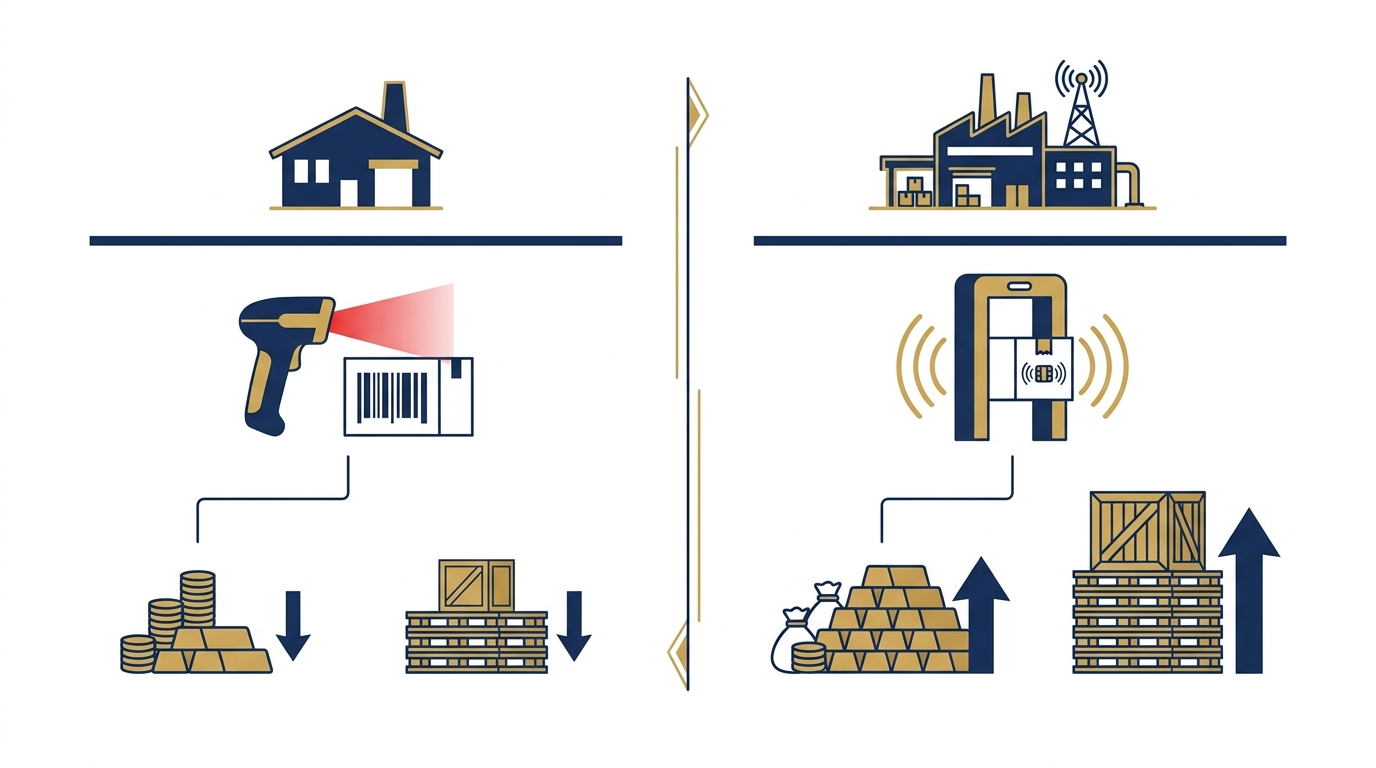
Based on actual implementation data, RFID for finished goods warehouses yields clear ROI when a factory has revenue from 50 billion VND/year or outbound shipments exceeding 500 pallets/day. Below these thresholds,
Cần tư vấn thiết bị/giải pháp cụ thể?
Việt POS phản hồi trong 30 phút · Hotline 4 vùng · Khảo sát miễn phí.
