
Mục lục bài viết (4)
Investing in RFID for fixed asset inventory is a strategic decision that helps businesses automate inventory processes, reduce stock discrepancies, and control losses. In Vietnam, this technology is being widely deployed in manufacturing plants, distribution warehouses, and retail chains to optimize operations and measure investment effectiveness.
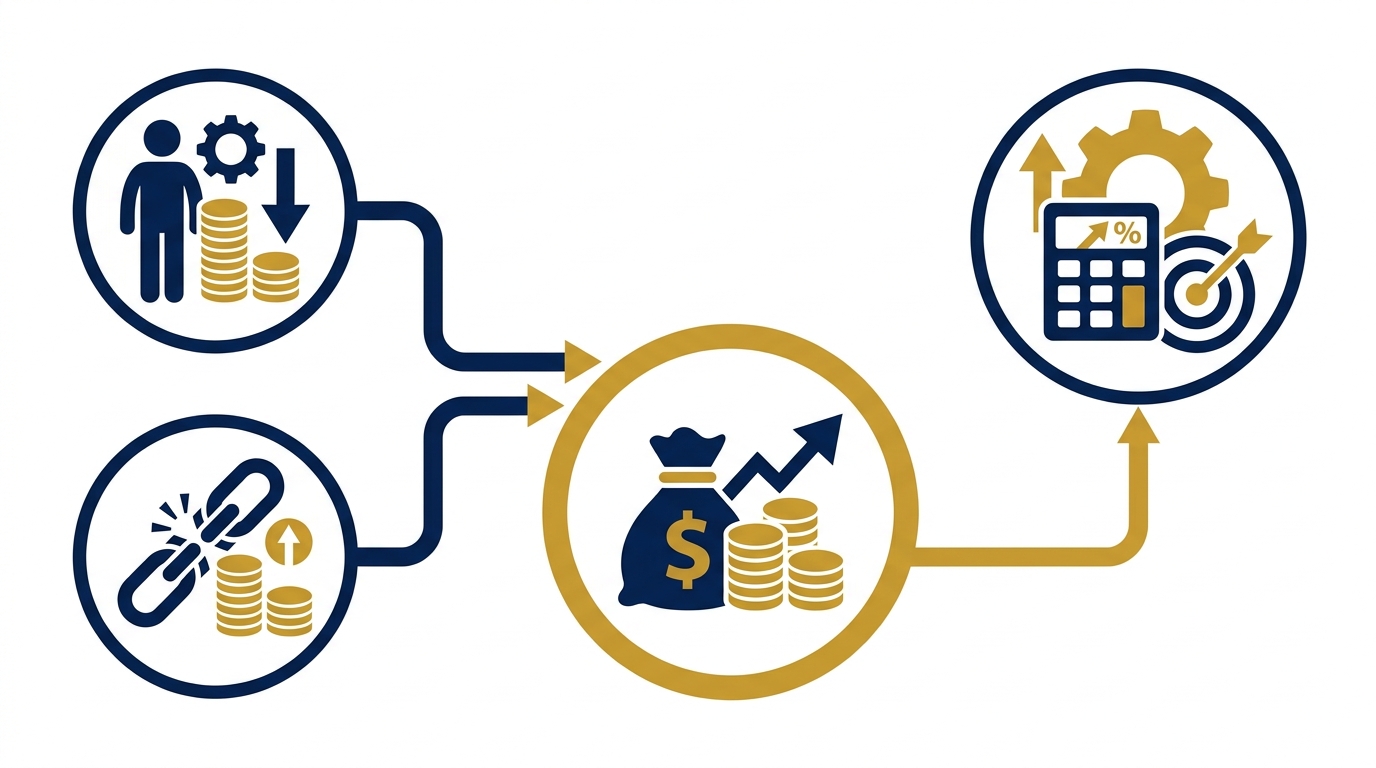
You should invest in RFID asset inventory when manual inventory time exceeds 3 days, discrepancy is over 5%, or asset loss is unexplained. 12-month ROI = (Labor cost savings + Reduced loss value) / Total investment cost. If the result is greater than 1, the project is worth implementing.
Table of Contents
- What signs indicate a business needs to invest in RFID asset inventory?
- What is the 12-month ROI formula for RFID asset inventory?
- Summary table of ROI variables
- What are common mistakes when investing in RFID asset inventory?
- Manual vs. RFID inventory: cost and effectiveness comparison?
- RFID asset inventory deployment process in 4 steps
- RFID asset inventory investment cost by scale
- RFID asset inventory investment roadmap by phase
- Frequently Asked Questions
What signs indicate a business needs to invest in RFID asset inventory?
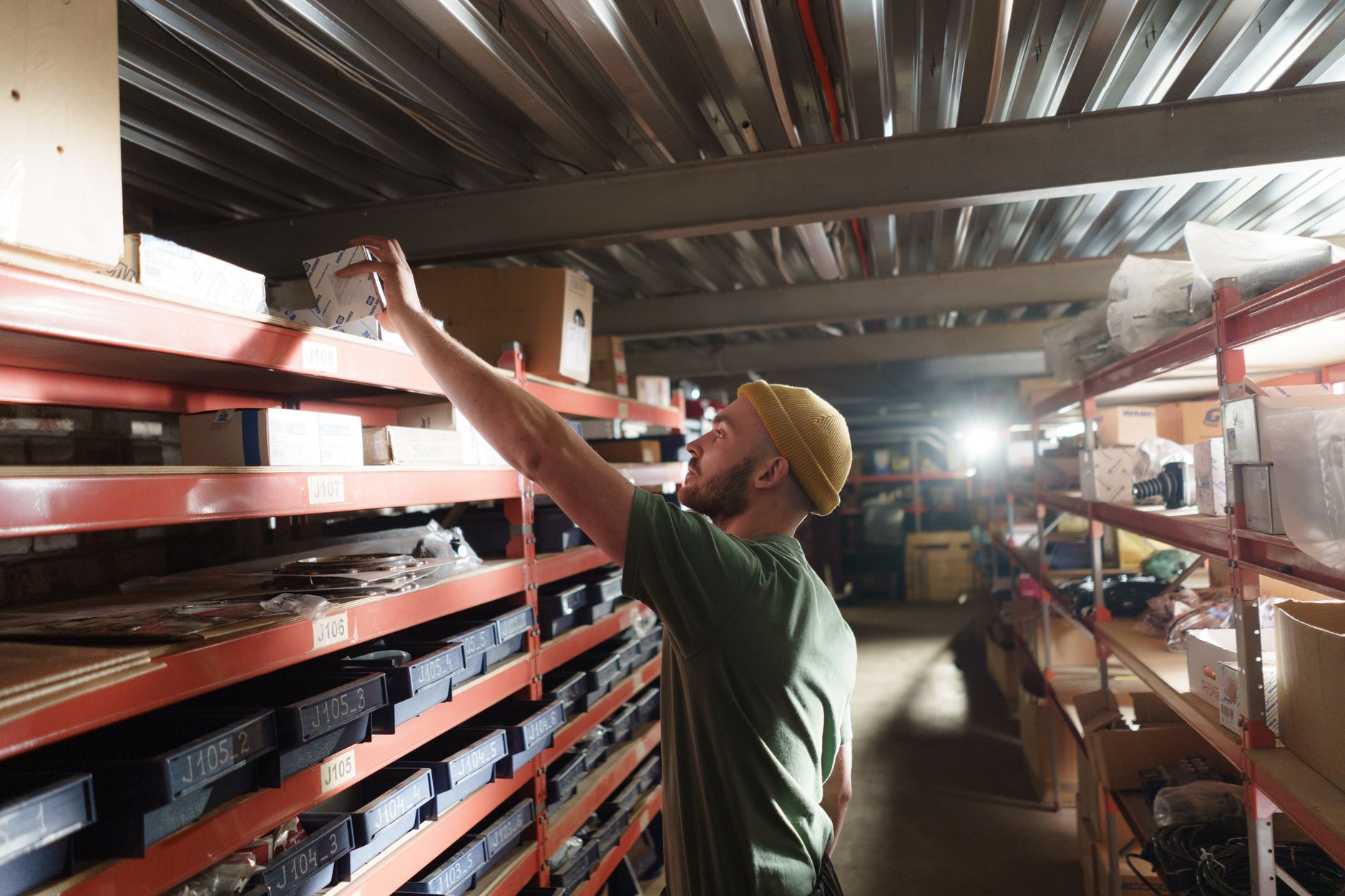
A business should consider investing in RFID when it encounters at least 2 of the following 5 signs: inventory time exceeding 3 days, inventory discrepancy over 5%, unexplained asset loss, labor costs for inventory accounting for over 10% of the operations budget, or lack of asset lifecycle data for maintenance and depreciation.
Sign 1: Inventory time lasting 3-5 days
For businesses with 500-2000 assets, manual inventory using Excel or barcodes typically takes 3-5 days for one periodic inventory cycle. Staff must travel to each location, scan each code, record, and manually enter data. An RFID system allows batch scanning of 30-50 assets in a single scan, reducing inventory time to 0.5-1 day.
Sign 2: Inventory discrepancy over 5%
A discrepancy of over 5% between records and actuals indicates gaps in the manual management process. Causes often include incorrect location recording, assets moved between departments without updates, or duplicate data entry. RFID with automatic reading and real-time data synchronization helps reduce discrepancy to below 1%.
Sign 3: Unexplained asset loss
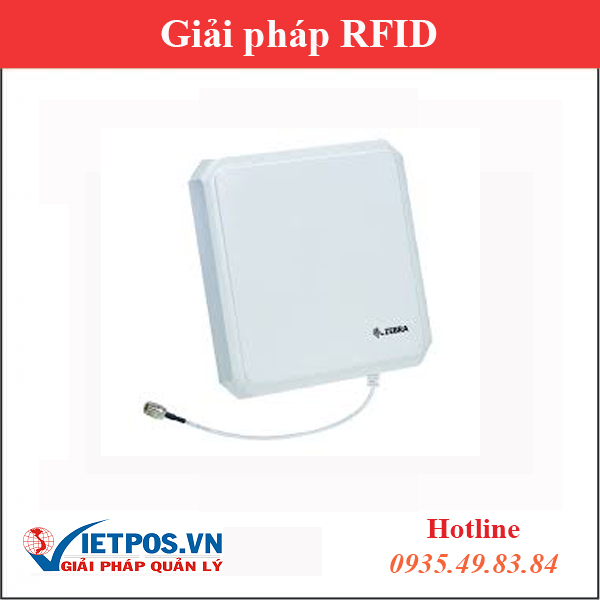
When assets disappear without identifying the time and responsible person, the business lacks access control mechanisms. RFID allows setting up gate antennas at entry/exit points, automatically recording when assets are taken out of the managed area without a dispatch order.
Sign 4: High labor costs for inventory
Calculating labor costs: if 5 employees spend 4 days per inventory cycle, with a monthly salary of 8-10 million VND, the cost per cycle is about 7-10 million VND. With 4 cycles per year, total costs reach 28-40 million VND—enough to invest in a basic RFID system for 200-500 assets.
Sign 5: Lack of asset lifecycle data
Manual management does not provide sufficient data on maintenance history, depreciation timing, and usage performance of each asset. RFID tags attached to assets store a unique identifier, combined with management software, allowing full lifecycle tracking: entry date, maintenance schedule, movement history, and remaining value.
What is the 12-month ROI formula for RFID asset inventory?
Related Products
![SpeedFace V5L [TD] Time Attendance Access Control](https://vietpos.sgp1.digitaloceanspaces.com/cms/vietpos-vn/2026/05/2bc87f95-speedface-v5l-td-cham-cong-kiem-soat-truy-cap-1.png)



The 12-month ROI formula: ROI = (Labor cost savings + Reduced loss value) / Total system investment cost. If the result is greater than 1, the project is financially effective. This formula is based on three measurable variables: labor time, loss rate, and hardware costs.
Variable 1: Labor cost savings
Labor cost savings = Reduced inventory hours × Hourly labor rate. For example: reducing from 32 hours (4 days × 8 hours) to 8 hours per inventory cycle, with an hourly rate of 50,000 VND, saves 1.2 million VND per cycle. With 4 cycles per year, total savings are 4.8 million VND. This figure multiplies significantly when a business has multiple branches or warehouses.
Variable 2: Reduced loss value
Assuming an annual loss rate of 2-3% of total asset value. For a business with 5 billion VND in assets, annual loss value is 100-150 million VND. RFID helps reduce loss by 50-70% through access control and early detection, equivalent to saving 50-100 million VND per year.
Variable 3: Total investment cost
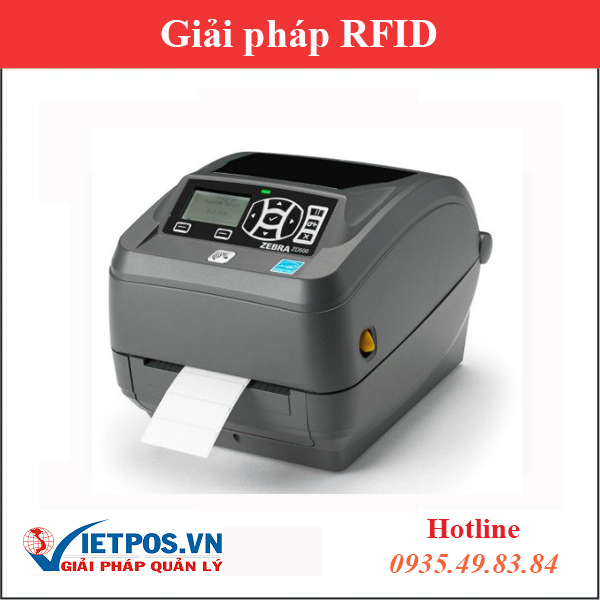
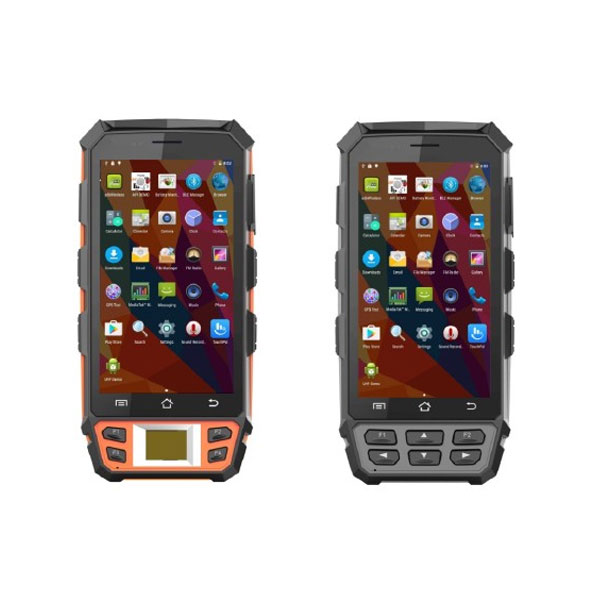
Investment costs include: RFID tags (5,000-15,000 VND/tag depending on type), UHF handheld readers (15-40 million VND), asset management software (20-50 million VND for first-year license) and deployment and staff training costs (5-10 million VND). For 500 assets, total initial investment is approximately 60-120 million VND.
Summary table of ROI variables
Summary table of ROI variables Variable Calculation method Illustrative example Labor cost savings Reduced hours × Hourly rate 24 hours × 50,000 VND = 1.2 million/cycle Reduced loss value Asset value × Loss rate × % reduction 5 billion × 2.5% × 60% = 75 million/year
| Variable | Calculation method | Illustrative example |
|---|---|---|
| Labor cost savings | Reduced hours × Hourly rate | 24 hours × 50,000 VND = 1.2 million/cycle |
| Reduced loss value | Asset value × Loss rate × % reduction | 5 billion × 2.5% × 60% = 75 million/year |
| Total investment cost | Tags + Reader + Software + Deployment | 500 tags + 1 reader + software = 80 million |
| 12-month ROI | (Labor savings + Loss reduction) / Cost | (4.8 + 75) / 80 = 0.99 (break-even) |
What are common mistakes when investing in RFID asset inventory?

The most common mistake is expecting RFID to work perfectly on all surfaces. Metal and liquids cause signal interference, reducing read rates to 60-80% if specialized tags are not used. Additionally, many businesses skip the staff confirmation process before recording, leading to inaccurate data from the start.
- Not testing the deployment environment: Warehouses with many metal racks or humid areas require anti-metal RFID tags, costing 30-50% more than standard tags.
- Skipping the confirmation process: Staff must confirm assets before recording
Cần tư vấn thiết bị/giải pháp cụ thể?
Việt POS phản hồi trong 30 phút · Hotline 4 vùng · Khảo sát miễn phí.
