Mục lục bài viết (8)
- What is a store access control system?
- Why do retail chains need an access control system?
- What are the common types of access control devices for stores?
- What are the specific benefits of investing in an access control system?
- How to choose the right access control system?
- Common mistakes when installing an access control system?
- What is the investment cost for an access control system?
- Frequently Asked Questions
Store access control is a system integrating identification devices (fingerprint, card, face) and management software, helping retail chains control who enters and exits, and when. In Vietnam, supermarket chains, minimarts, and convenience stores are heavily investing in this solution to reduce inventory shrinkage, optimize security personnel, and improve overall security.
What is a store access control system?
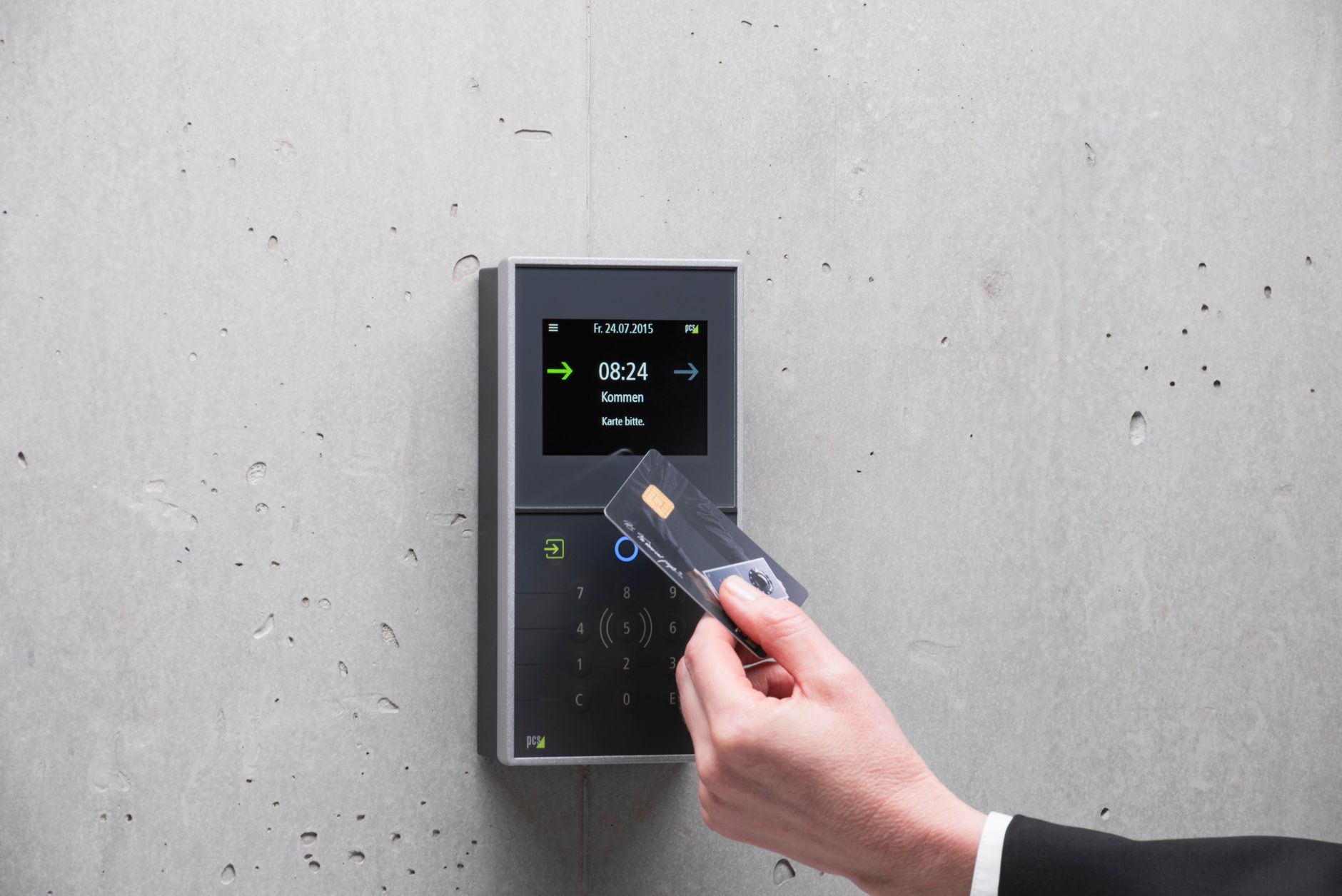
An access control system is a combination of electronic devices and software that allows managing access rights to a specific area within a store. Instead of traditional mechanical locks and keys, the system uses cards, fingerprints, faces, or PIN codes to authenticate identity, record entry and exit times, and automatically lock/unlock doors.
The system consists of three main components: identification readers (fingerprint scanners, card readers, facial recognition cameras), door controllers (electronic locks, automatic door openers), and management software (logging, authorization, reporting). Popular devices on the market such as Suprema BioStation or Ronald Jack iClock 660 integrate both time attendance and access control in one device.
Why do retail chains need an access control system?
Related Products
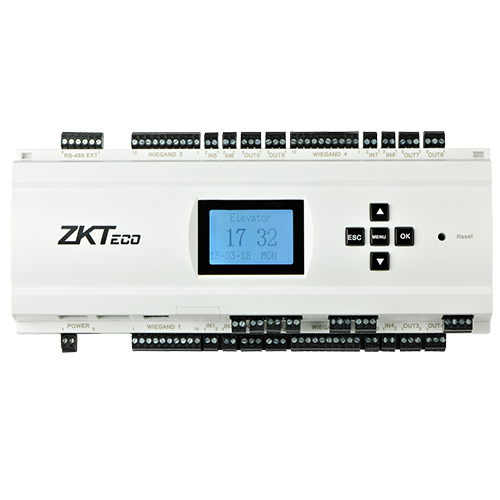


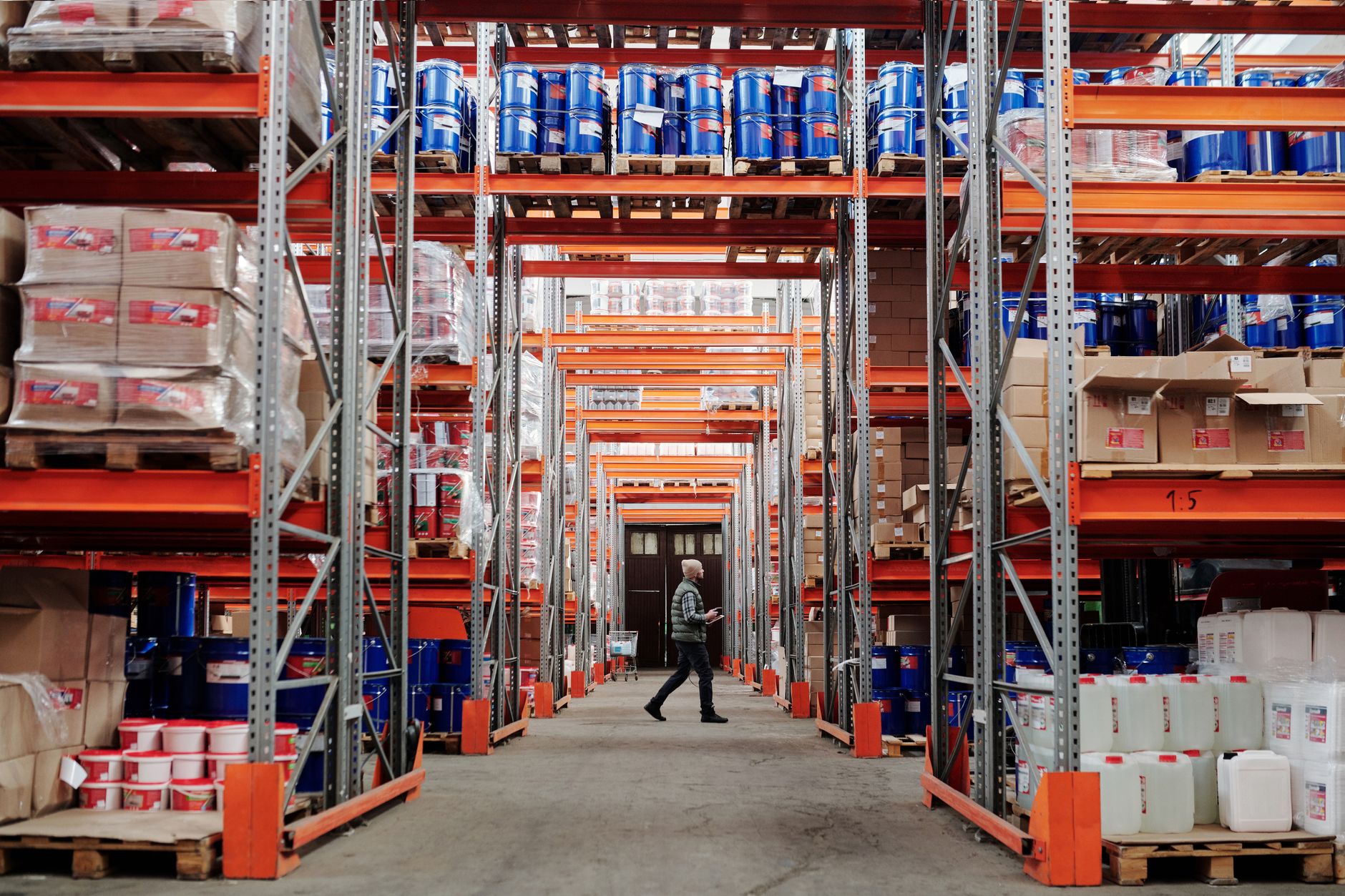
Retail chains need an access control system for three main reasons: reduce inventory shrinkage due to unauthorized entry by employees or strangers, optimize security personnel costs (reduce by 20-35%), and provide real-time data on entry/exit history for security management and incident investigation.
Statistics from supermarket chains in Ho Chi Minh City show that after installing an access control system, theft incidents decreased by 30-45% in the first 6 months. The reason is that the system accurately records who enters the warehouse and who leaves outside office hours, enabling quick traceability. Additionally, entry/exit data is synchronized with HR management software, automatically calculating attendance, eliminating the common practice of "buddy punching" in stores with multiple shifts. Deploying synchronized POS for retail chains combined with access control enables comprehensive management from sales to security.
What are the common types of access control devices for stores?
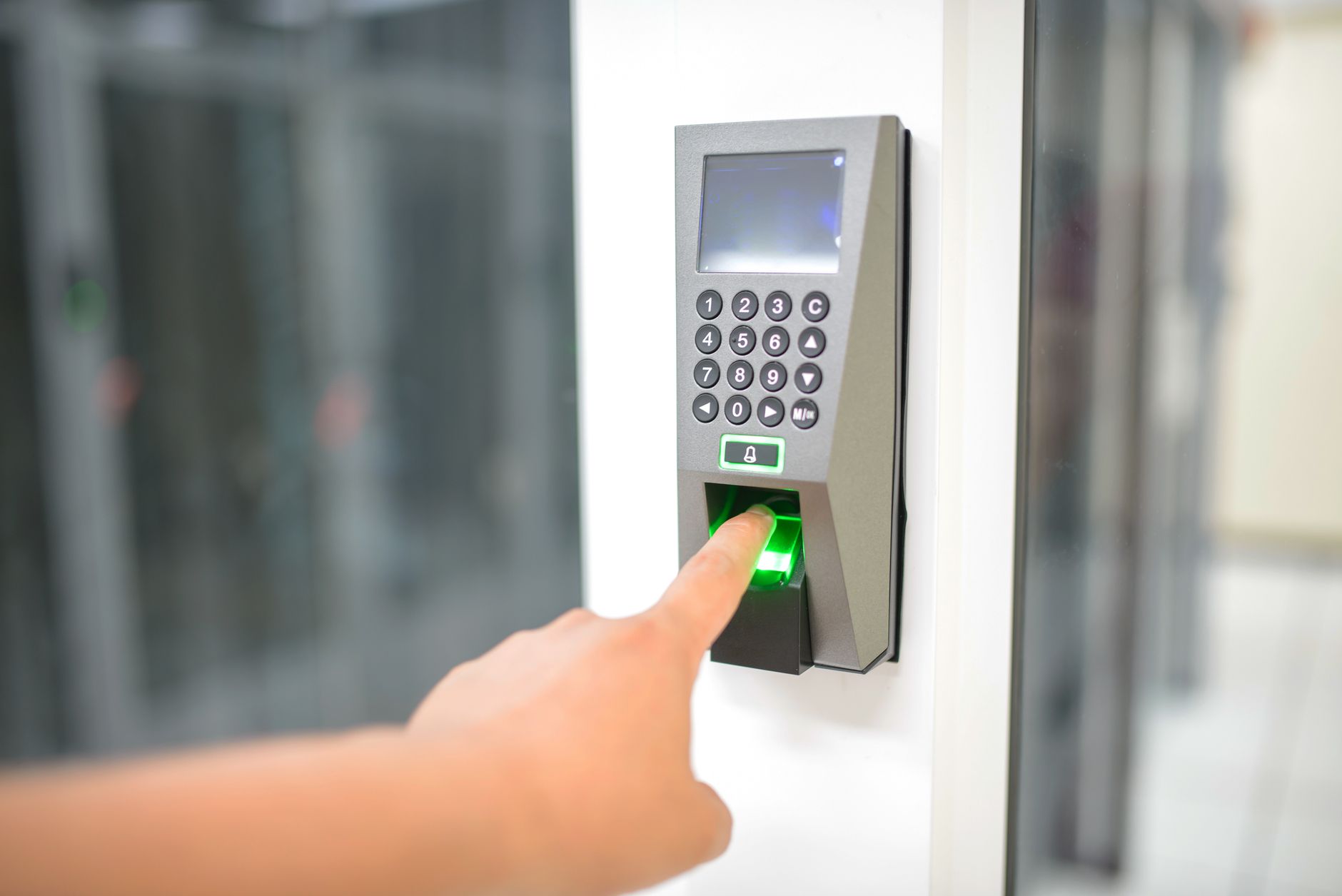
There are four main types of devices: fingerprint readers (most common, price from 2-5 million VND), card readers (cost-effective, used for warehouse doors), facial recognition cameras (high-end, AI-integrated), and electronic locks (combined with smart door strikes). Each type is suitable for different security levels and budgets.
| Device Type | Advantages | Disadvantages | Reference Price |
|---|---|---|---|
| Fingerprint Reader | High security, no card needed | Sensitive to sweat, scratches | 2-5 million VND |
| Card Reader | Low cost, easy to replace | Cards can be lost, cloned | 1-3 million VND |
| Facial Recognition Camera | Contactless, high accuracy | High price, requires good lighting | 8-15 million VND |
| Electronic Lock + Smart Strike | Combines multiple methods | Requires continuous power | 3-7 million VND |
For stores with multiple areas (warehouse, checkout counter, management office), it is advisable to combine different reader types. For example: main door uses facial recognition camera, warehouse door uses card reader, management office door uses fingerprint. Suprema BioLite Solo is a versatile device integrating both fingerprint and card reading, suitable for small and medium-sized stores.
What are the specific benefits of investing in an access control system?
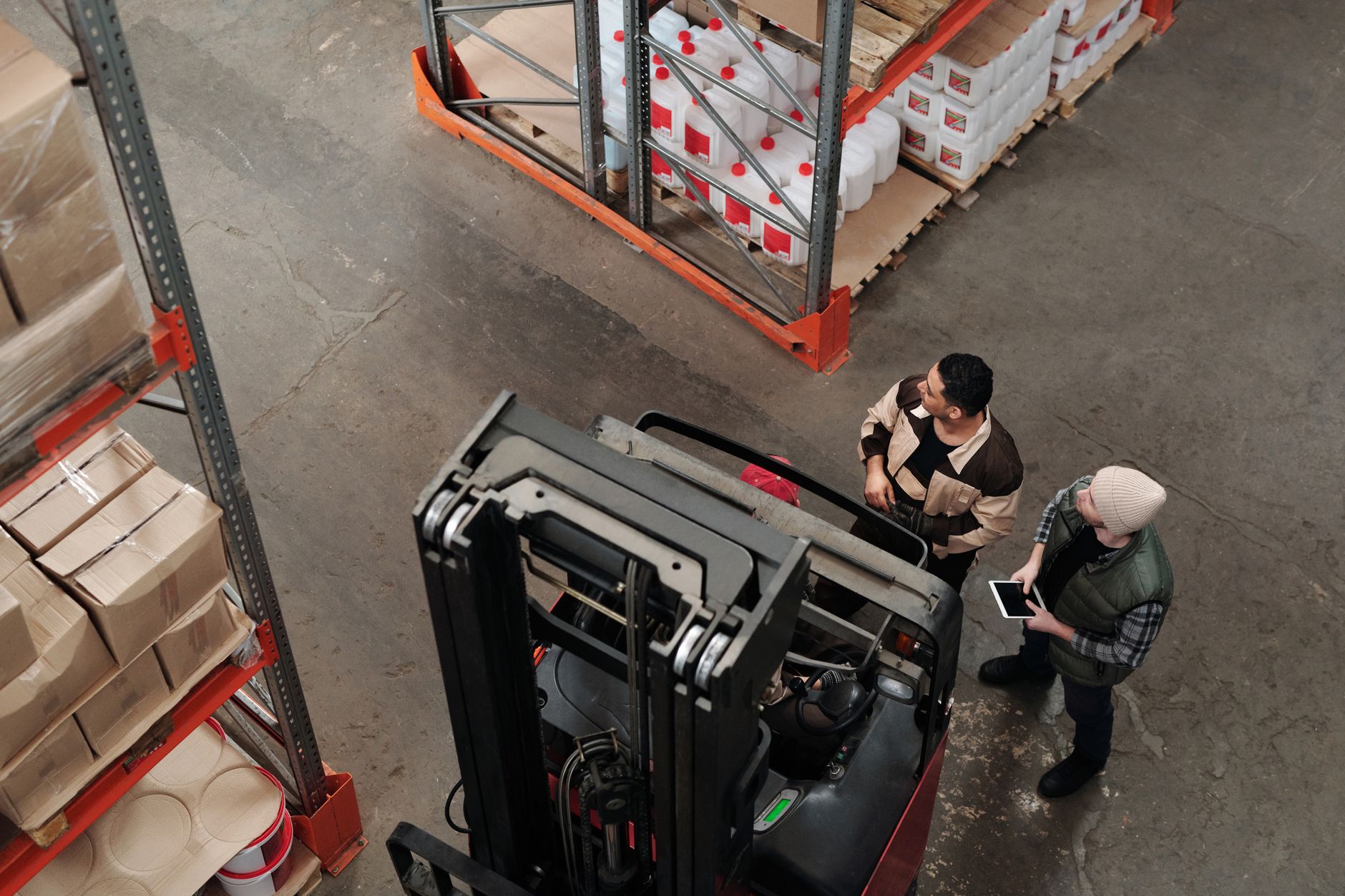
Investing in an access control system brings 5 main benefits: reduce inventory shrinkage by 30-45%, save 20-35% on security costs, enhance security for sensitive areas (warehouse, server room), provide accurate time attendance data, and support quick incident investigation.
A chain of 10 minimarts in Da Nang reported a 40% reduction in inventory shrinkage after 3 months of installing an access control system combined with AI cameras. Security costs decreased from 3 personnel per shift to 1 personnel per shift, equivalent to saving 15-20 million VND per month. Entry/exit data is also used to cross-reference with revenue, detecting anomalies such as employees entering the warehouse outside working hours. Chain management software for Gym Yoga Fitness can also integrate access control to manage entry/exit for customers and staff.
How to choose the right access control system?
To choose the right system, store owners need to determine: the number of doors to control, the required security level (warehouse, checkout counter, or entire store), budget (3-50 million VND), integration capability with existing management software, and future expansion needs.
The system selection process consists of 5 steps:
- Site survey: Measure door dimensions, identify reader installation locations, check power and network availability.
- Needs assessment: Is access control needed for employees or also customers? Is time attendance required?
- Device comparison: Evaluate 2-3 models from reputable brands like Suprema, ZKTeco, Hikvision for accuracy, durability, and warranty.
- Integration check: Can the system connect with HR management software, POS, surveillance cameras?
- Choose a supplier: Prioritize providers with on-site installation, maintenance services, and a minimum 12-month warranty.
Việt Đức Trí Group provides turnkey solutions from consultation, installation to warranty, with devices such as F18 Access Control and Suprema BioStation.
Common mistakes when installing an access control system?
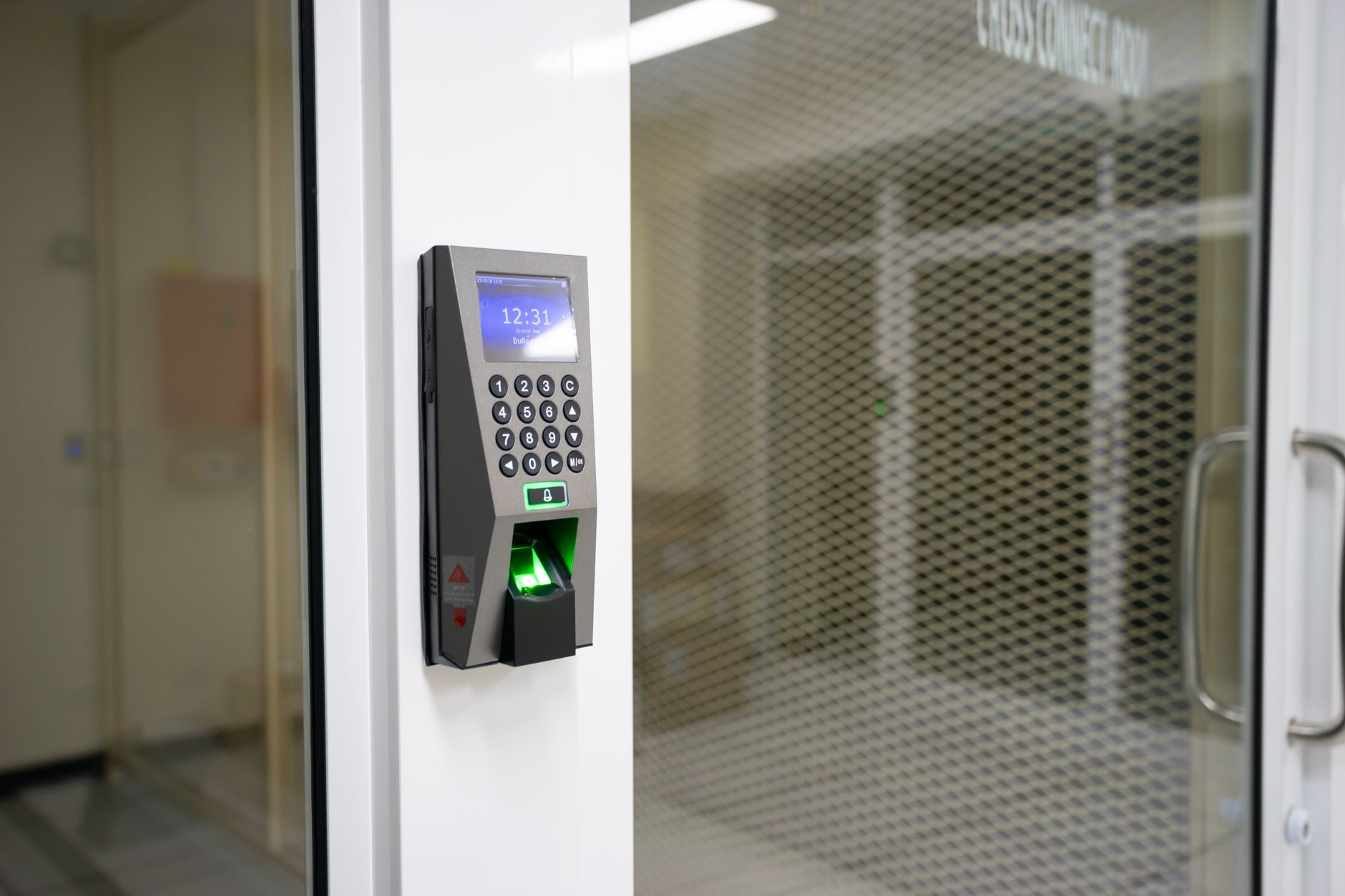
The most common mistake is choosing devices incompatible with existing systems (e.g., a fingerprint reader that cannot connect to HR management software). The second mistake is installing in a suboptimal location (near glass doors, areas with direct sunlight) which reduces reader accuracy.
Below are 5 mistakes to avoid:
- Not checking the power supply: The access control system needs a stable power source; without a UPS, data can be lost during a power outage.
- Ignoring scalability: Choosing a system that only meets current needs; later adding doors or integrations may require a complete replacement.
- Not training employees: Employees unfamiliar with the system may resist it, causing delays during entry/exit.
- Choosing cheap, unbranded devices: Unbranded Chinese fingerprint readers often have low accuracy and are prone to failure after 6-12 months.
- Not planning data backup: Entry/exit data is crucial for incident investigation; without backup, data loss means loss of evidence.
Việt Đức Trí Group recommends thoroughly checking compatibility before purchase and requesting a live demo at the store from the supplier.
What is the investment cost for an access control system?
The investment cost for an access control system for a retail store ranges from 3-50 million VND per door, depending on the device type, number of doors, and integration requirements. Card readers are the cheapest (1-3 million VND), while facial recognition cameras are the most expensive (8-15 million VND).
Reference cost table for a store with 3 doors (main door, warehouse door, management office door):
| Item | Device | Estimated Cost |
|---|---|---|
| Main Door | Facial recognition camera + electronic lock | 12-18 million VND |
| Warehouse Door | Card reader + electric strike | 3-5 million VND |
| Management Office Door | Fingerprint reader + electronic lock | 5-8 million VND |
| Management software + installation | - | 5-10 million VND |
| Total | - | 25-41 million VND |
Compared to the cost of hiring 24/7 security guards (approximately 15-20 million VND per month for 3 personnel), investing in an access control system can pay for itself within 2-4 months.
Frequently Asked Questions
Yes. Most modern access control systems support integration with IP cameras via ONVIF protocol or API. When an entry/exit event occurs (e.g., unauthorized door opening), the system will trigger the camera to record video at that moment, making traceability easy.
You need to equip the access control system with a UPS (uninterruptible power supply). A UPS ensures the device operates for at least 2-4 hours during a power outage. Additionally, electronic locks usually have a manual unlock mechanism (physical key) for emergency exit when needed.
It depends on the software platform. Cloud-based systems allow adding new devices with just a few clicks, managing all stores centrally from one dashboard. Conversely, on-premise systems require network reconfiguration and additional software licenses.
Fingerprint readers typically use direct power (via adapter or PoE) and do not need batteries. However, some portable devices (used for temporary access control) have rechargeable batteries that need replacement after 2-3 years.
Choose a system with data encryption (AES-256) during transmission and storage. The management software should have access control (admin, manager, staff) and log all operations. Use a dedicated server or reputable cloud (AWS, Google Cloud) instead of unprotected local storage.
Yes. Most access control devices have integrated time attendance functionality. When an employee swipes a card or scans a fingerprint to enter the store, the system automatically records the check-in and check-out times. This data can be exported to payroll software (like Excel, HRM) to automate the process.
Cần tư vấn thiết bị/giải pháp cụ thể?
Việt POS phản hồi trong 30 phút · Hotline 4 vùng · Khảo sát miễn phí.
Bài viết cùng chủ đề