Mục lục bài viết (9)
- What is a hospital wayfinding kiosk?
- Why should hospitals invest in an electronic department map?
- How does a wayfinding kiosk reduce waiting time?
- Comparison: Traditional paper maps vs. electronic wayfinding kiosks
- 5-step implementation process for hospital wayfinding kiosks
- How much does a hospital wayfinding kiosk cost?
- Common mistakes when deploying wayfinding kiosks
- FAQs about hospital wayfinding kiosks
- Conclusion: Wayfinding kiosks are a strategic investment for modern hospitals
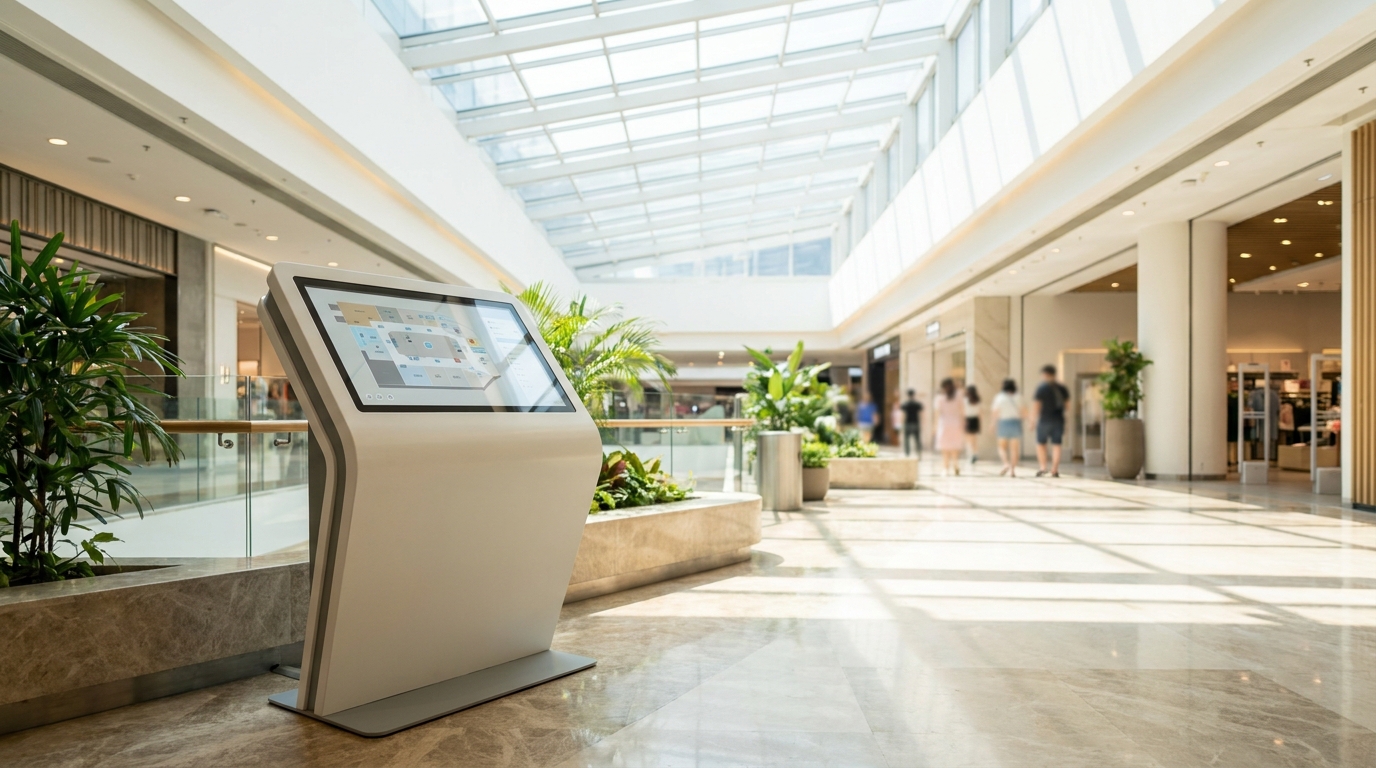
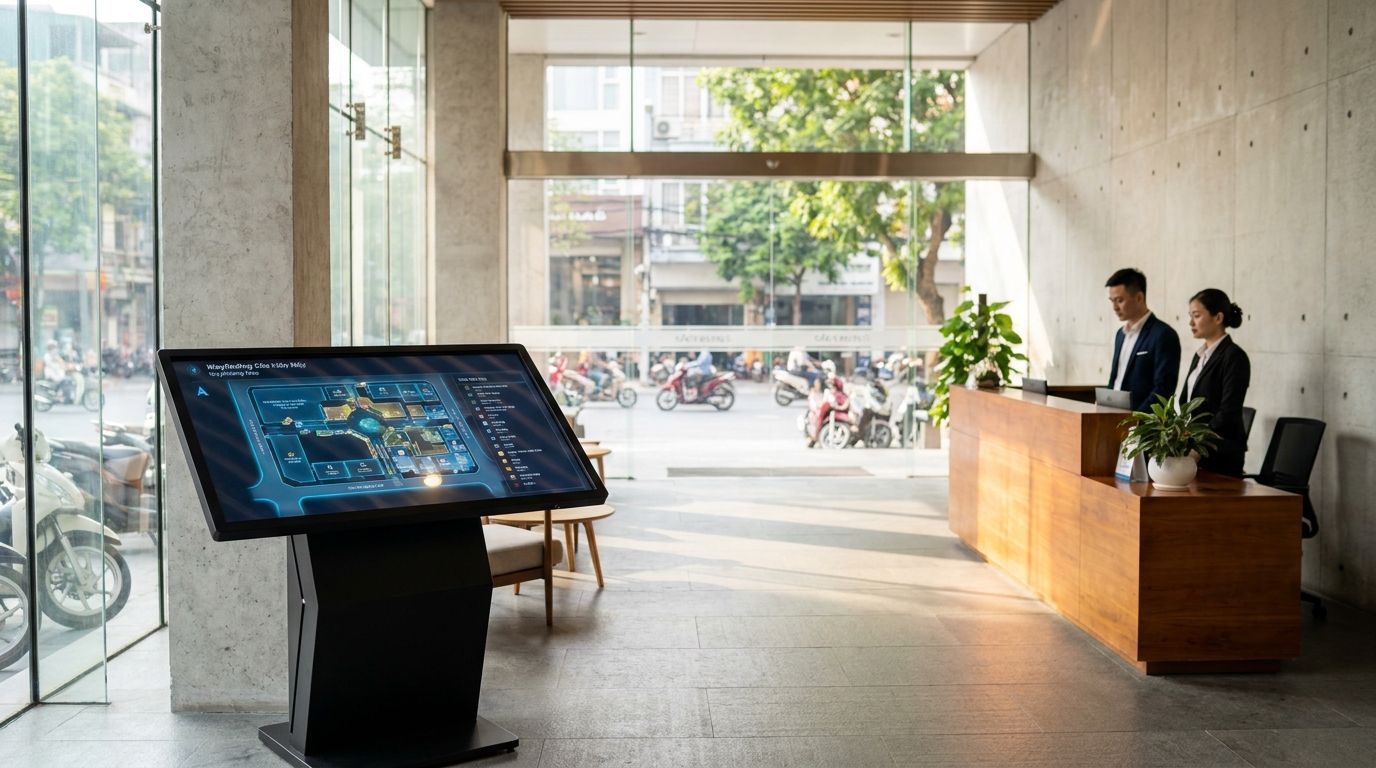
A hospital wayfinding kiosk is a touchscreen system integrating an electronic department map and wayfinding software, allowing patients to self-search for department locations, examination rooms, and receive step-by-step directions. According to a 2024 survey by the Ministry of Health, patients at central-level hospitals spend an average of 15-25 minutes just finding their way to the correct department, causing congestion in hallways and increasing pressure on reception staff.
A hospital wayfinding kiosk is a touchscreen integrating an electronic department map and wayfinding software, helping patients self-search locations and find optimal routes. The system reduces waiting time by 30-40%, eases the burden on reception staff, and operates 24/7 even without internet thanks to offline data. Implementation takes 2-4 weeks.
Table of Contents
- What is a hospital wayfinding kiosk?
- Why should hospitals invest in an electronic department map?
- How does a wayfinding kiosk reduce waiting time?
- Comparison: Traditional paper maps vs. electronic wayfinding kiosks
- 5-step implementation process for hospital wayfinding kiosks
- How much does a hospital wayfinding kiosk cost?
- Common mistakes when deploying wayfinding kiosks
- FAQs about hospital wayfinding kiosks
- Conclusion: Wayfinding kiosks are a strategic investment for modern hospitals
What is a hospital wayfinding kiosk?
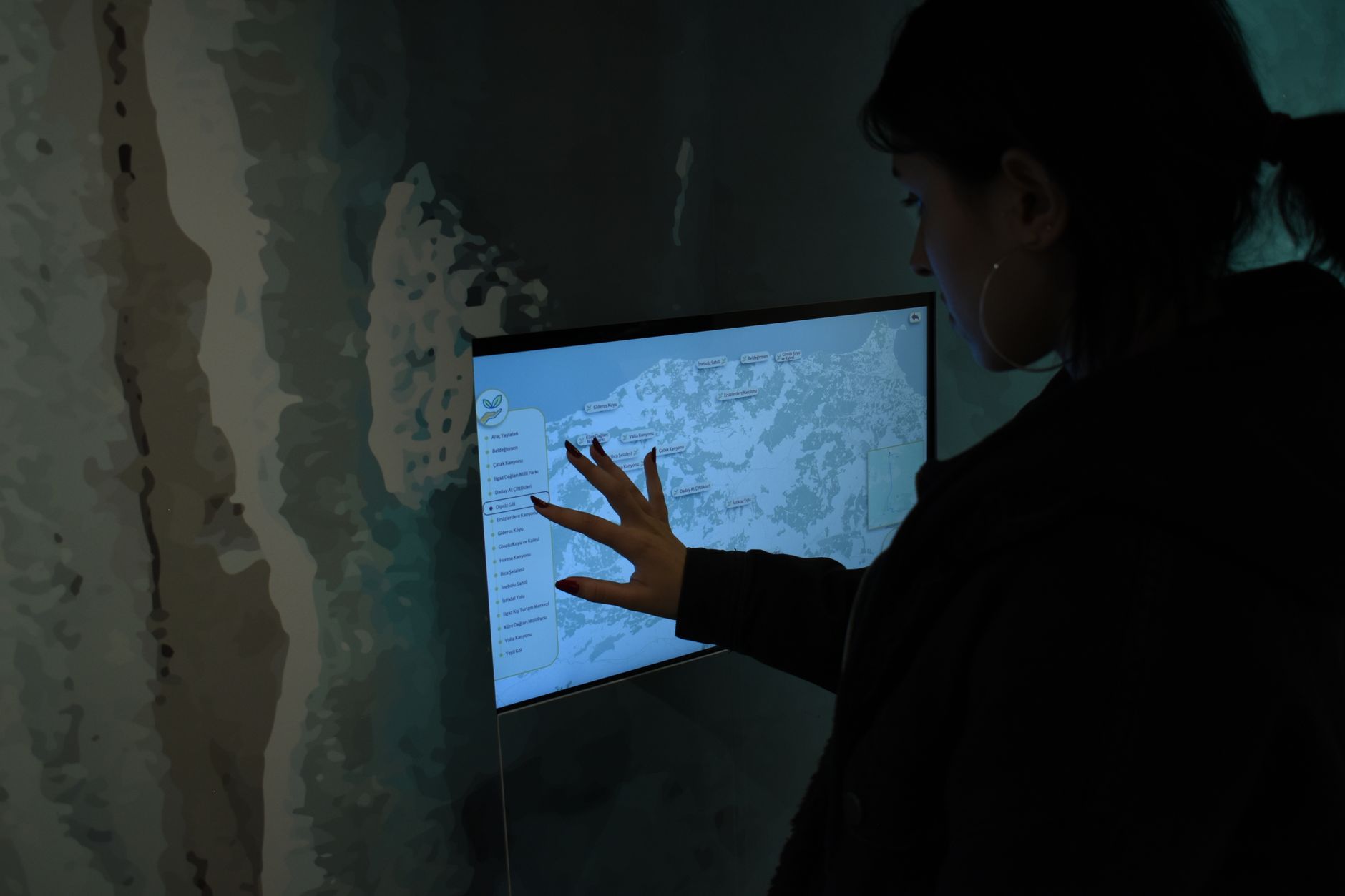
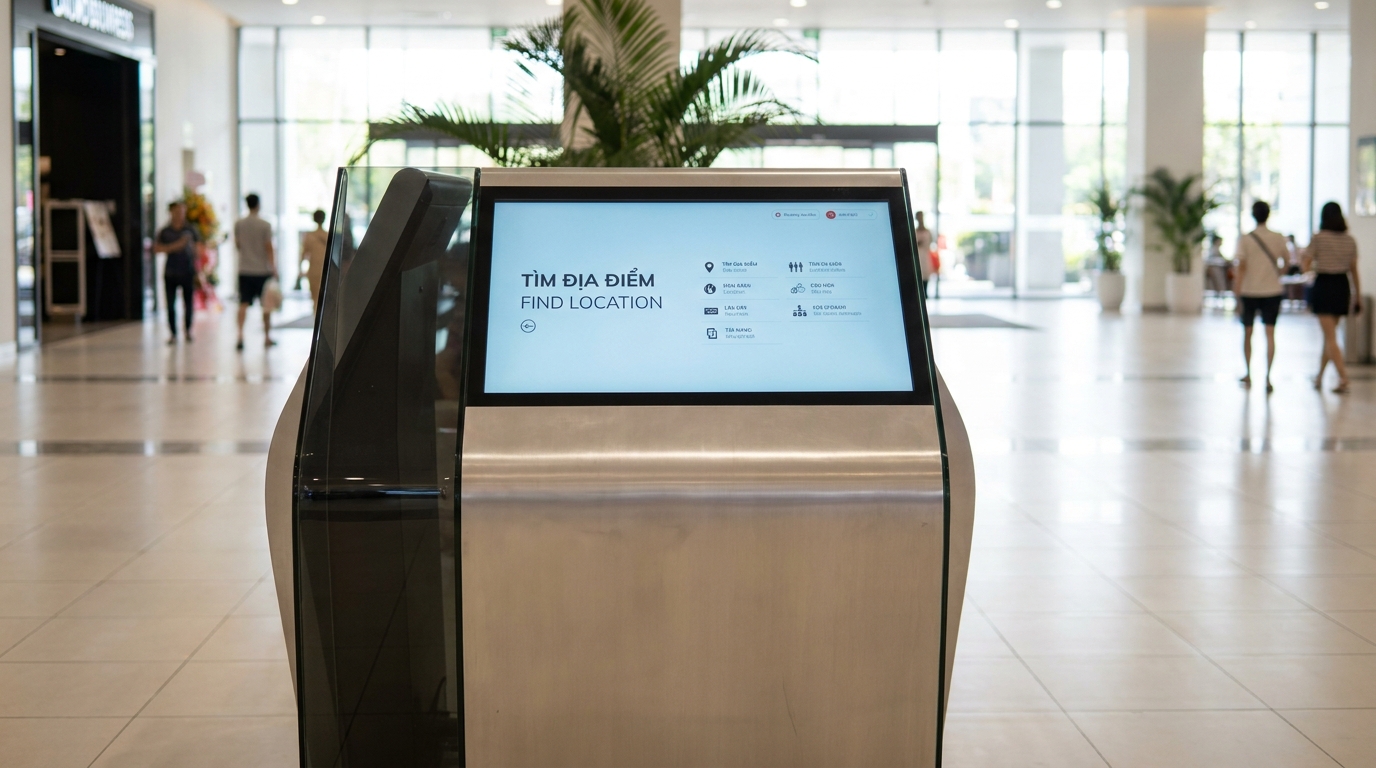
A hospital wayfinding kiosk is a hardware device combined with medical information lookup software and a digital map of all departments. Users touch the screen, select the department they need, and the system displays the optimal route with estimated travel time.
Why should hospitals invest in an electronic department map?
Related Products

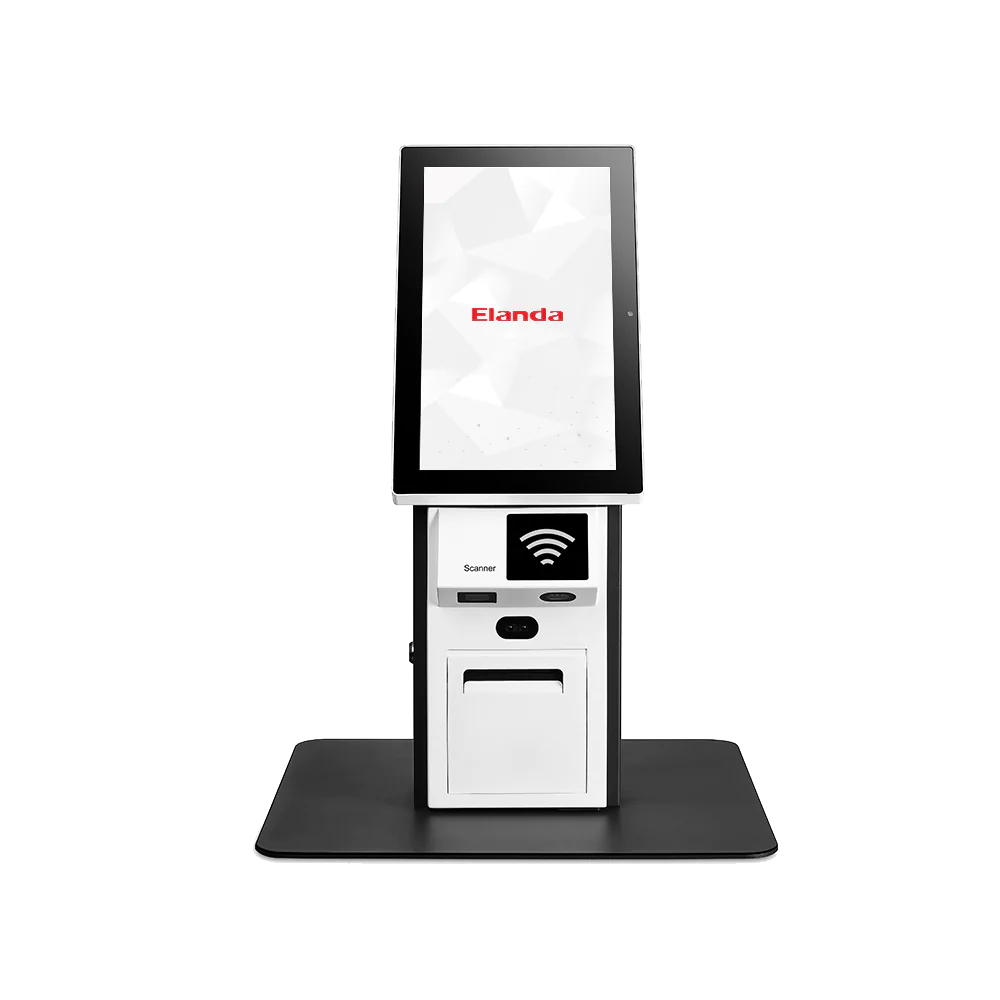
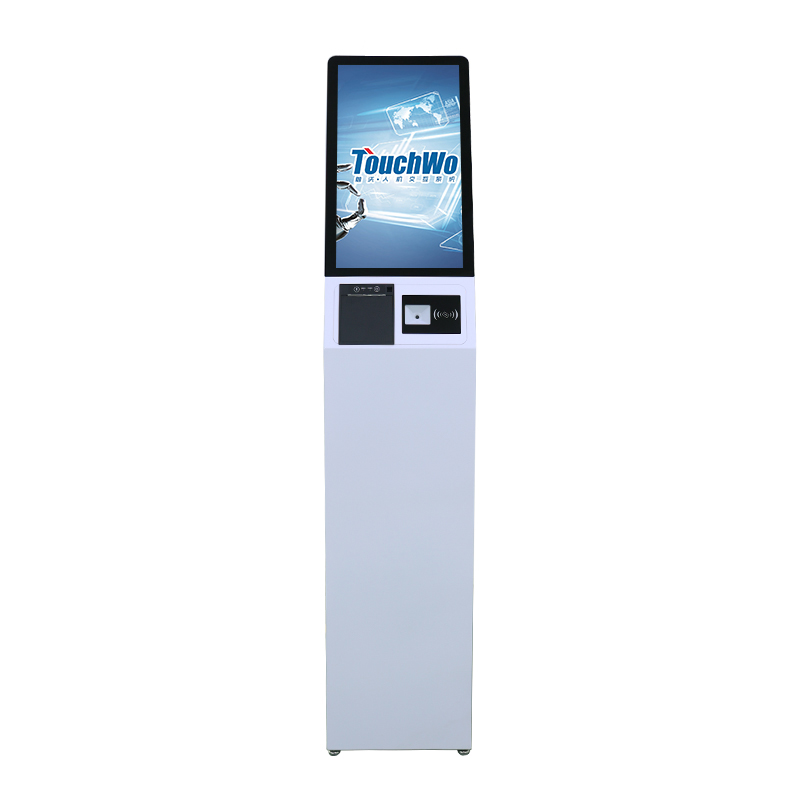
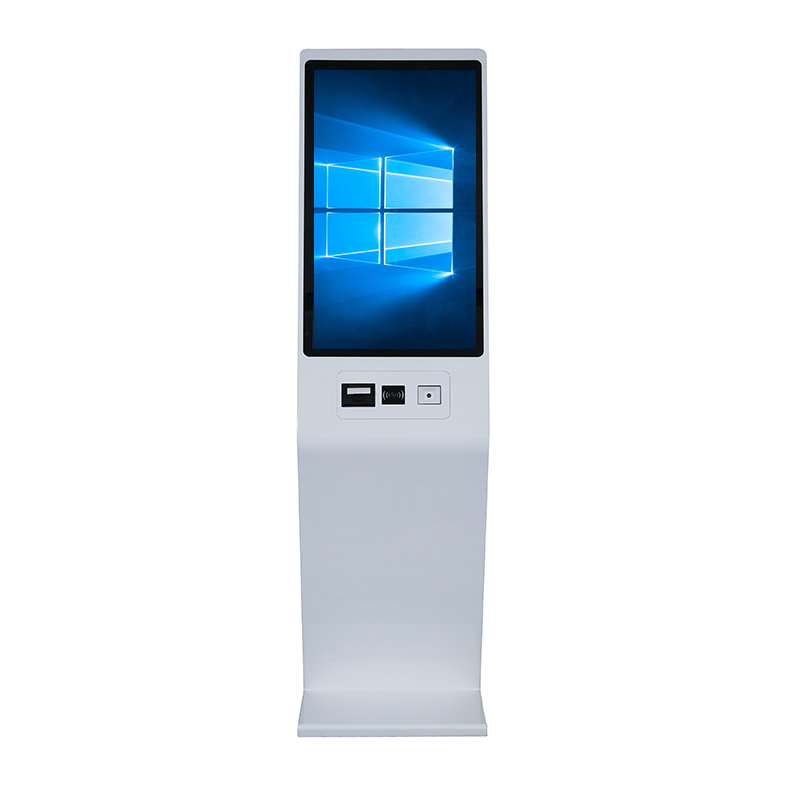
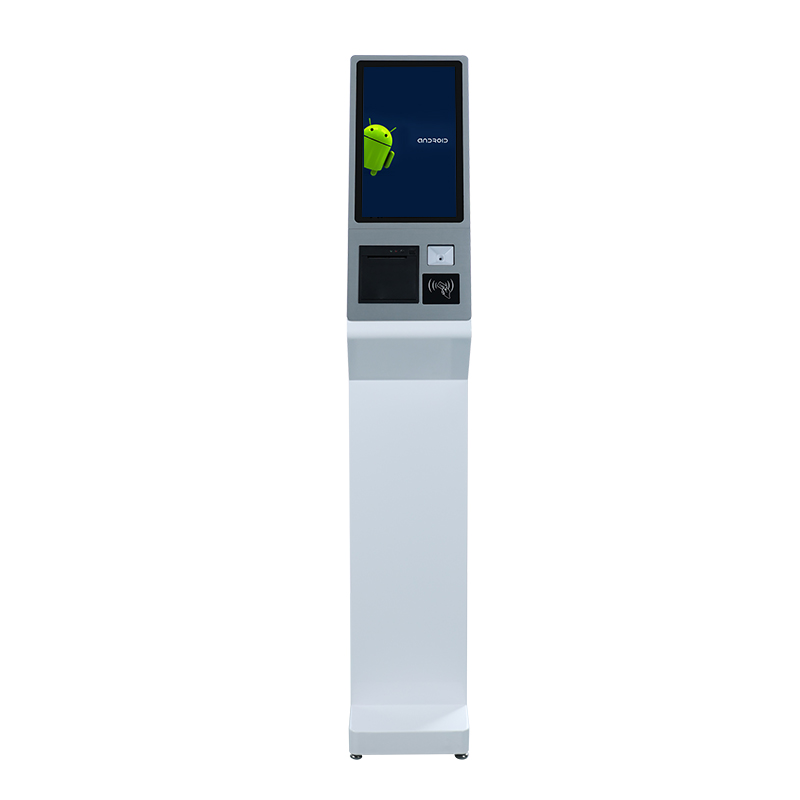
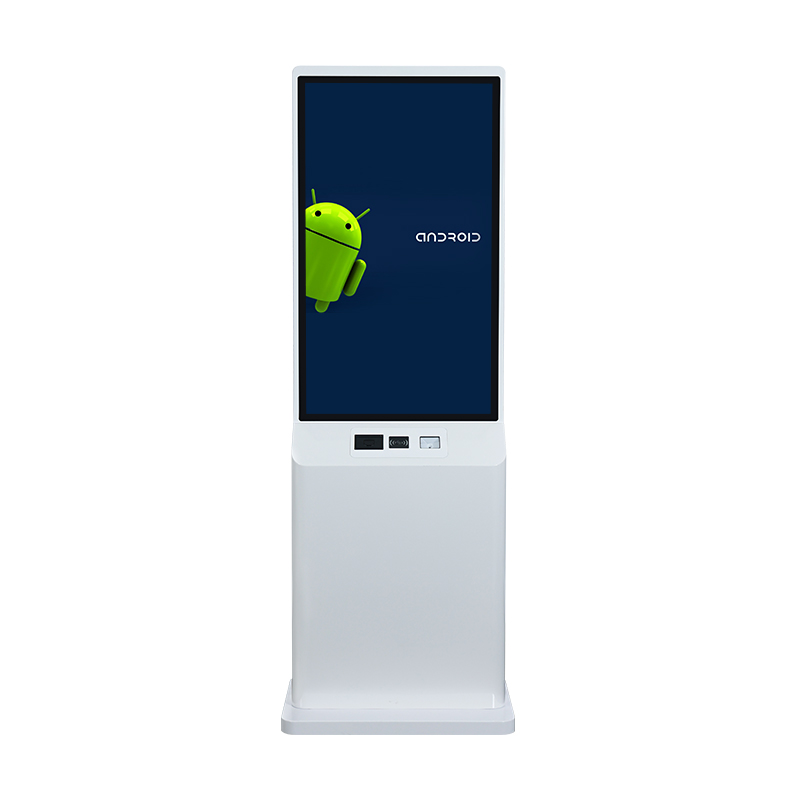
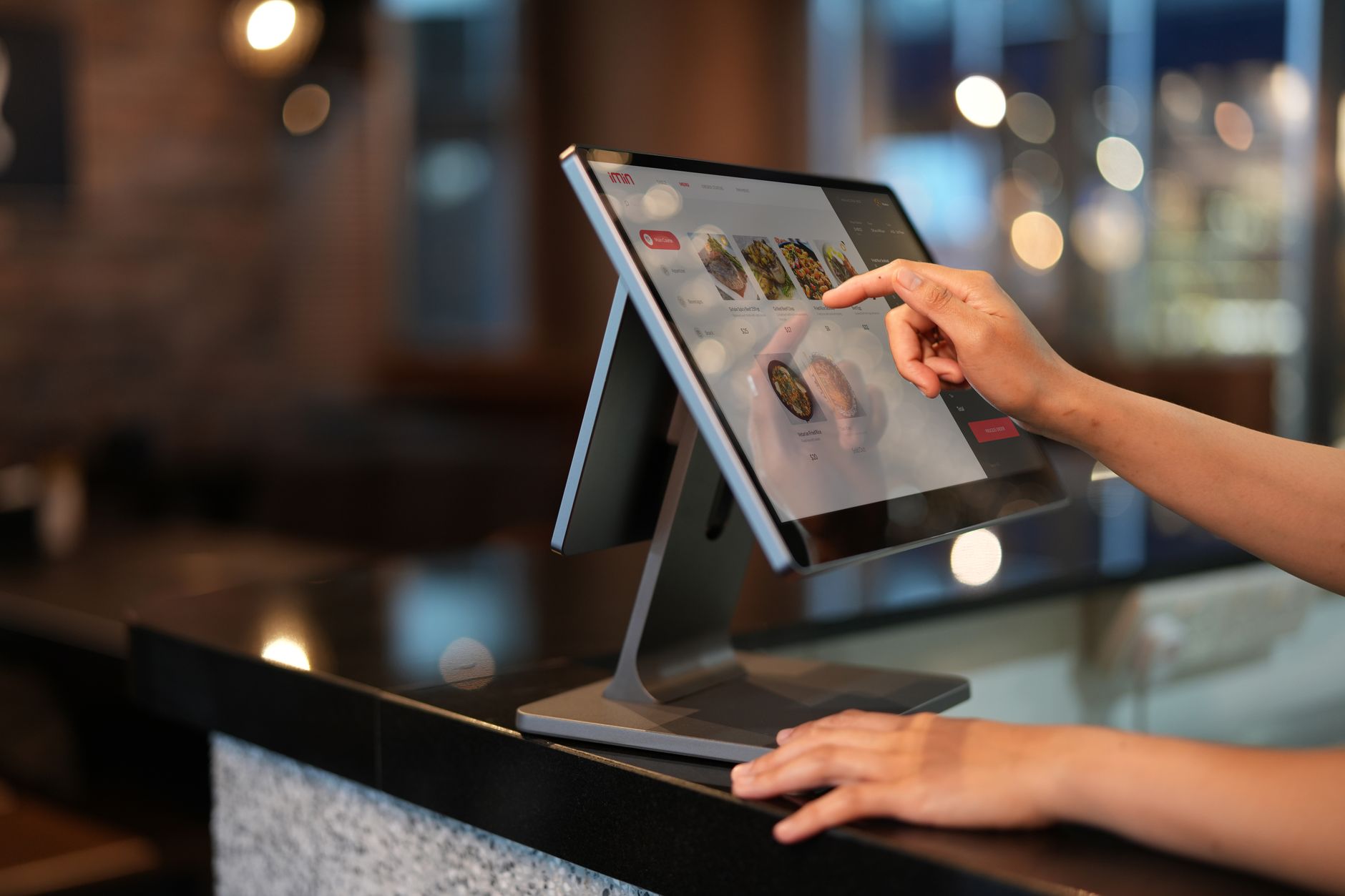
Public and private hospitals are under significant pressure from a 10-15% annual increase in patient numbers while floor space remains unchanged. Printed paper maps hung on walls cannot meet the need for quick lookup, especially in general hospitals with 15-25 floors and hundreds of functional rooms.
- Reduce waiting time by 30-40%: Patients find the department they need in 30-60 seconds instead of spending 15-25 minutes asking for directions
- Reduce front-desk staff workload: Free up 3-5 staff members per shift from repetitive direction-giving
- 24/7 operation: Kiosks continue to work during network outages, power failures, or after office hours
- Updates without reprinting: Changing department locations takes only 10-15 minutes of software updates, saving 3-5 million VND on printing new maps
- Multi-language support: Supports Vietnamese, English, Chinese, Korean — suitable for hospitals with international patients
How does a wayfinding kiosk reduce waiting time?

In the main lobby, patients interact with the kiosk for an average of 45-60 seconds to complete a department lookup and receive directions. Compared to queuing to ask reception staff, which takes 5-10 minutes, the kiosk reduces wayfinding time by up to 90%.
Actual operational workflow at a hospital after installing wayfinding kiosks:
- Patient arrives at the main lobby, sees the kiosk placed in a central location (3-5 meters from the entrance)
- Touches the touchscreen, selects the preferred language
- Enters or selects the department they need (Department list is organized by group: Internal Medicine, Surgery, Obstetrics, Pediatrics, Paraclinical)
- The screen displays the current floor map, marking the user's location (blue dot) and the optimal route
- Patient takes a photo of the screen or remembers the directions, moves to the correct department in 2-5 minutes
Measured results at a 500-bed general hospital: the rate of patients arriving at the correct department on the first attempt increased from 62% to 91% after 3 months of implementation. The number of "Where is department X?" questions at the front desk decreased by 70%.
Comparison: Traditional paper maps vs. electronic wayfinding kiosks
The comparison table below helps hospital leadership clearly visualize the differences in operational costs and effectiveness between the two options.
| Criteria | Wall-mounted paper map | Electronic wayfinding kiosk |
|---|---|---|
| Update cost per change | 2-5 million VND (printing + installation) | 0 VND (remote software update) |
| Update time | 3-7 days | 10-15 minutes |
| Interactivity | None | Touch, multi-language, quick lookup |
| Operation during power outage | Yes (static board) | Yes (offline data, backup UPS) |
| Effectiveness measurement | Not measurable | Statistics on lookups, most-searched departments |
5-step implementation process for hospital wayfinding kiosks
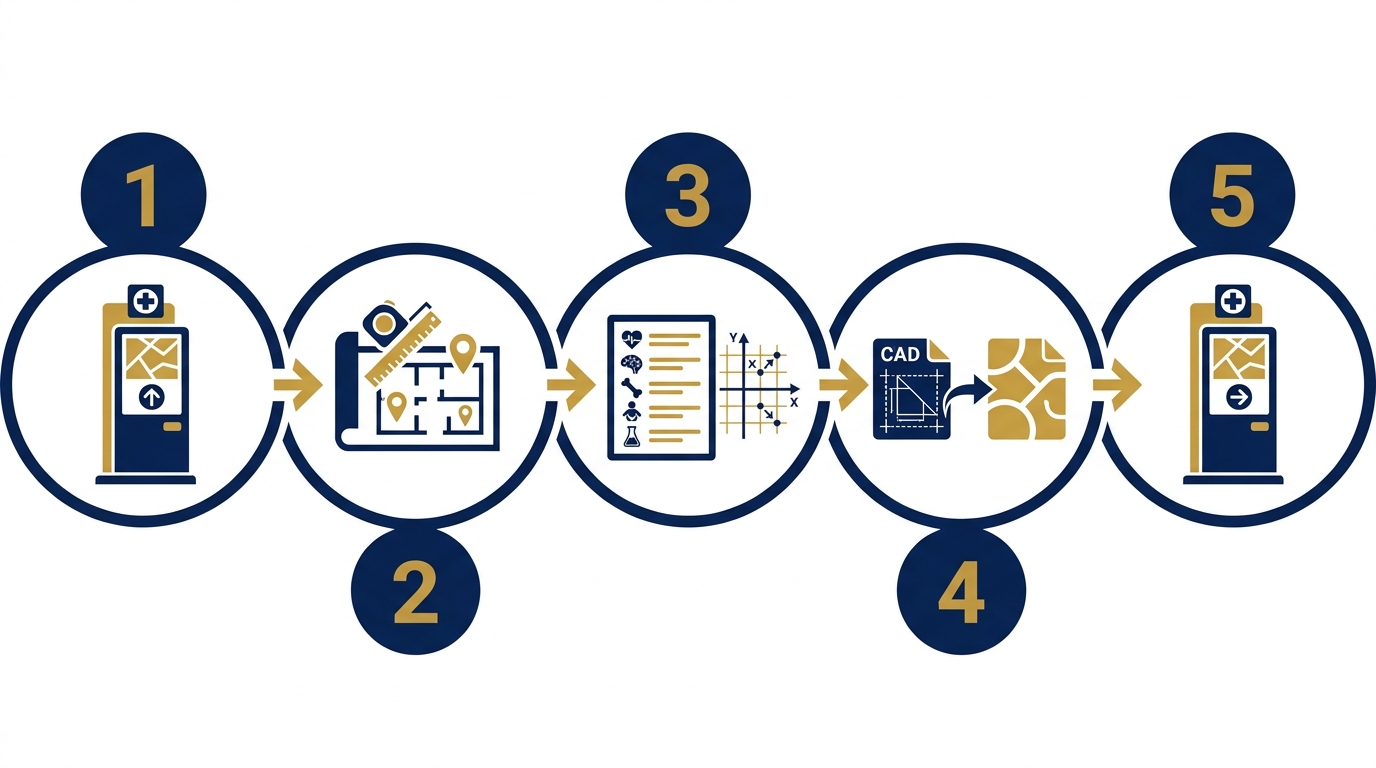
Deploying a wayfinding kiosk system for a hospital typically completes in 2-4 weeks with 5 basic steps. The duration depends on the building size and the number of departments to be digitized.
- Site survey (3-5 days): Measure the area of each floor, determine kiosk placement at main corridor intersections, collect the list of departments and elevators
- Digitize floor plans (5-7 days): Convert CAD drawings to interactive vector format, assign coordinates to each functional room
- Software configuration (3-5 days): Set up the department list, configure optimal routes, set up multi-language interface
- Hardware installation (1-2 days): Install kiosks at designated locations, run network and power cables
- Trial operation (3-5 days): Test all functions, train staff, collect feedback, and fine-tune before official launch
How much does a hospital wayfinding kiosk cost?
The investment cost for a hospital wayfinding kiosk ranges from 45-120 million VND per unit, depending on screen size, hardware configuration, and software features. For a hospital deploying 5-10 kiosks, the total investment ranges from 300 million to 1.2 billion VND.
Cost breakdown for a standard 43-inch kiosk:
- Hardware (kiosk body + 43-inch touchscreen): 25-40 million VND
- Wayfinding software license (per kiosk): 10-20 million VND
- Digitizing floor plans (per floor): 5-10 million VND
- Installation and commissioning: 3-5 million VND per kiosk
- Annual maintenance (8-15% of total investment): 4-10 million VND per kiosk/year
Note: Prices may vary depending on the supplier, kiosk size, and the complexity of the hospital's floor plan. For an accurate quote, contact Việt POS for a free survey.
Common mistakes when deploying wayfinding kiosks
Many hospitals fail to achieve the expected efficiency because of common mistakes in planning and deployment. Below are the most frequent errors and how to avoid them.
- Placing kiosks in low-traffic areas: Kiosks placed in corners or behind pillars are rarely seen. Solution: Place them at main entrances, elevator lobbies, and corridor intersections.
- Outdated or inaccurate floor plans: If the digitized map does not match the actual layout, patients lose trust. Solution: Verify with the facilities department before going live.
- Ignoring accessibility for elderly and disabled patients: Touchscreens placed too high or with small fonts are difficult for elderly users. Solution: Adjust height to 90-110 cm, use large fonts, and add voice guidance.
- Lack of staff training: Staff who do not understand the system cannot guide patients. Solution: Train at least 2 staff per shift on basic troubleshooting and patient assistance.
- Not planning for content updates: Without a clear update process, maps become outdated quickly. Solution: Assign a responsible person and schedule monthly content reviews.
FAQs about hospital wayfinding kiosks
Below are answers to the most common questions from hospital management and IT departments when considering wayfinding kiosks.
Does the hospital wayfinding kiosk work when the network is down?
Yes. Việt POS wayfinding kiosks are designed with an offline-first architecture — all department map data, functional room lists, and routing algorithms are stored locally on the embedded computer inside the kiosk. When the Internet or internal LAN connection is lost, the kiosk continues to operate normally with full lookup functionality. Only remote content updates and data statistics are temporarily suspended until the network is restored.
How long does it take to deploy a wayfinding kiosk for a hospital?
The average deployment time is 2-4 weeks for a hospital with 8-15 floors. The process includes 5 steps: site survey (3-5 days), digitizing floor plans (5-7 days), software configuration (3-5 days), hardware installation (1-2 days), and trial operation (3-5 days). Hospitals with existing CAD drawings and a clear department list can shorten the digitization time to 3-4 days.
Does the wayfinding kiosk support English and other languages?
Yes. Việt POS wayfinding software supports up to 5 languages simultaneously, including Vietnamese, English, Chinese, Korean, and Japanese. The interface allows users to select a language with one touch on the main screen. Department map content, functional room names, and directions are all translated consistently. Adding or editing new languages is done remotely via the management software, without direct interaction with each kiosk.
What is the annual maintenance cost for a wayfinding kiosk?
Annual maintenance costs range from 8-15% of the total initial investment, depending on the service package. The basic package includes: periodic screen cleaning once a month, hardware checks, software updates, and remote technical support. The premium package adds on-site technical staff for 2-4 hours per day and a commitment to resolve issues within 4-8 working hours.
Can the wayfinding kiosk integrate with the existing appointment scheduling system?
Yes. Việt POS supports API integration with hospital management systems (HIS), appointment scheduling software, and patient portals. When integrated, patients can look up departments, view the current queue number, and receive directions to the correct examination room in a single action. However, API integration typically incurs additional custom development costs ranging from 20-50 million VND, depending on the complexity of the existing system.
Which kiosk screen size is suitable for hospitals?
43-inch and 55-inch screens are the two most popular choices for hospital wayfinding kiosks. The 43-inch screen is suitable for hallways and near elevators with a viewing distance of 2-3 meters. The 55-inch screen is suitable for large main lobbies with a viewing distance of 3-5 meters. Both sizes require Full HD resolution or higher, and a brightness of 350-500 nits for clear visibility under fluorescent lighting.
Conclusion: Wayfinding kiosks are a strategic investment for modern hospitals
Hospital wayfinding kiosks are not just a technology upgrade but a strategic investment that directly improves patient experience, optimizes operational efficiency, and reduces staff workload. With a payback period of 12-18 months, measurable results in reducing waiting time, and the ability to operate 24/7, this is a solution that every hospital should consider in its digital transformation roadmap.
If your hospital is facing overcrowding, frequent direction questions, or outdated paper maps, contact Việt POS today for a free consultation and site survey. Our team has deployed wayfinding systems for hospitals of all sizes and is ready to provide the optimal solution for your facility.
Ready to deploy a wayfinding kiosk system?
Contact Việt POS for a free consultation and site survey.
Call 0935 498 384Cần tư vấn thiết bị/giải pháp cụ thể?
Việt POS phản hồi trong 30 phút · Hotline 4 vùng · Khảo sát miễn phí.
Bài viết cùng chủ đề