Mục lục bài viết (4)
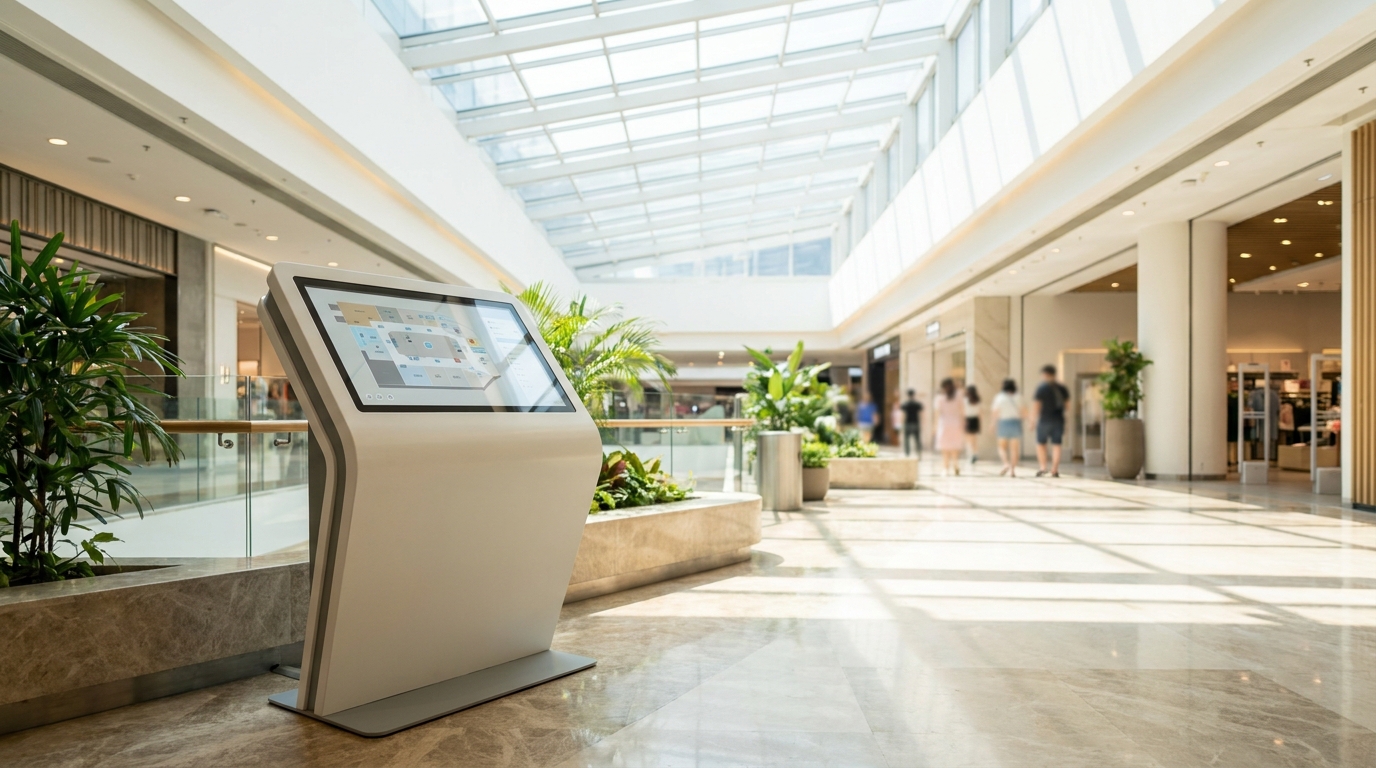
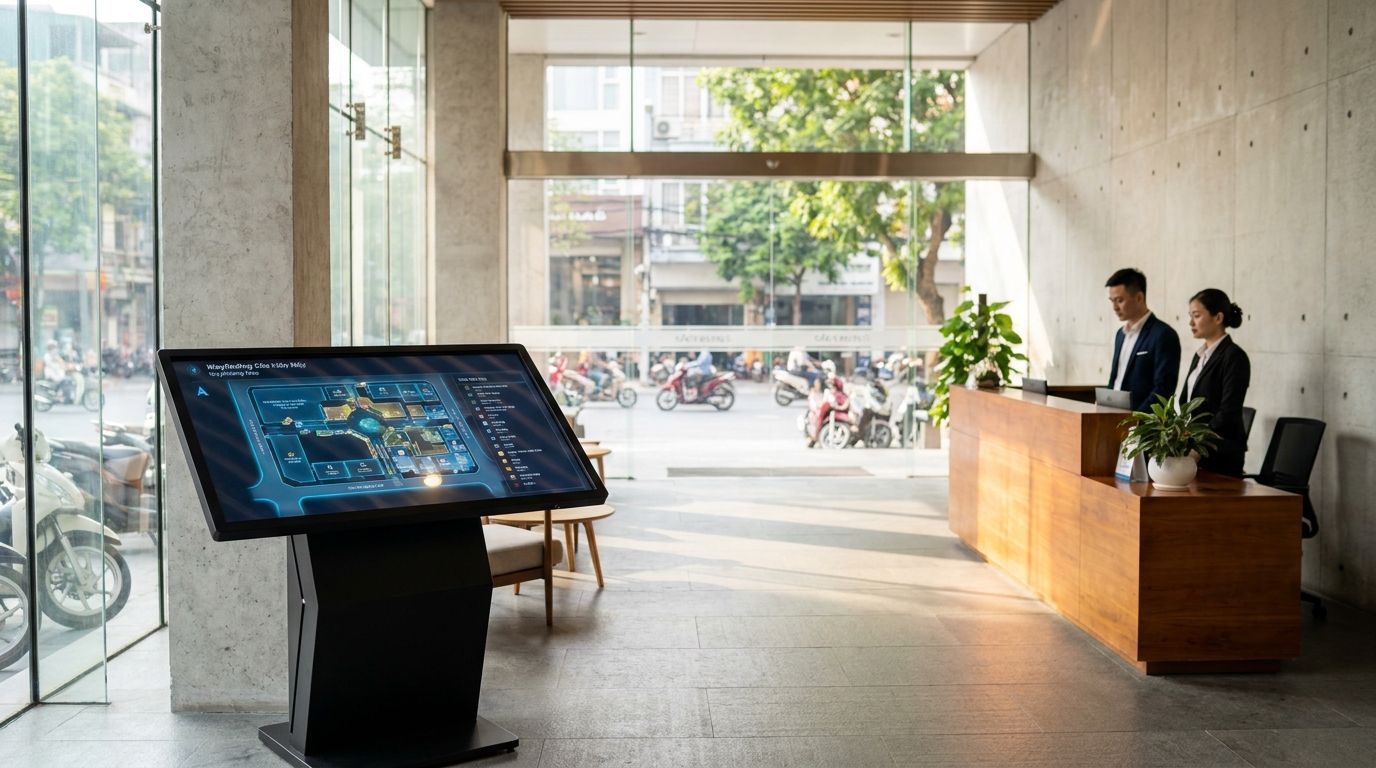
A tourist information kiosk is a touchscreen device integrated with multilingual digital maps, allowing visitors to self-search destinations, tour routes, and amenities without staff assistance. In Vietnam, eco-tourism areas, upscale resorts, and museums are deploying this solution to enhance experiences and increase international guests' dwell time.
A tourist information kiosk is a touchscreen display integrated with multilingual digital maps, helping visitors self-search destinations, tour routes, and services. This solution increases dwell time by 15–25%, reduces front desk staff workload, and promotes secondary attractions. Việt POS provides a complete package from hardware, software to on-site deployment, operating stably even during network outages.
Table of Contents
- What is a tourist information kiosk and its role in the digital tourism ecosystem?
- Problems Vietnamese tourist destinations face without a digital wayfinding system
- How does the tourist information kiosk solution work?
- Specific benefits of deploying information kiosks at tourist destinations
- Applications of information kiosks in the resort and upscale retreat segment
- Applications of information kiosks in eco-tourism areas and museums
- Applications of information kiosks in entertainment complexes and shopping centers
- Choosing the right kiosk configuration for each type of tourist destination
- Kiosk hardware products suitable for tourist destinations
- Frequently asked questions about tourist information kiosks
- Related articles
What is a tourist information kiosk and its role in the digital tourism ecosystem?
What is a tourist information kiosk and its role in the digital tourism ecosystem?
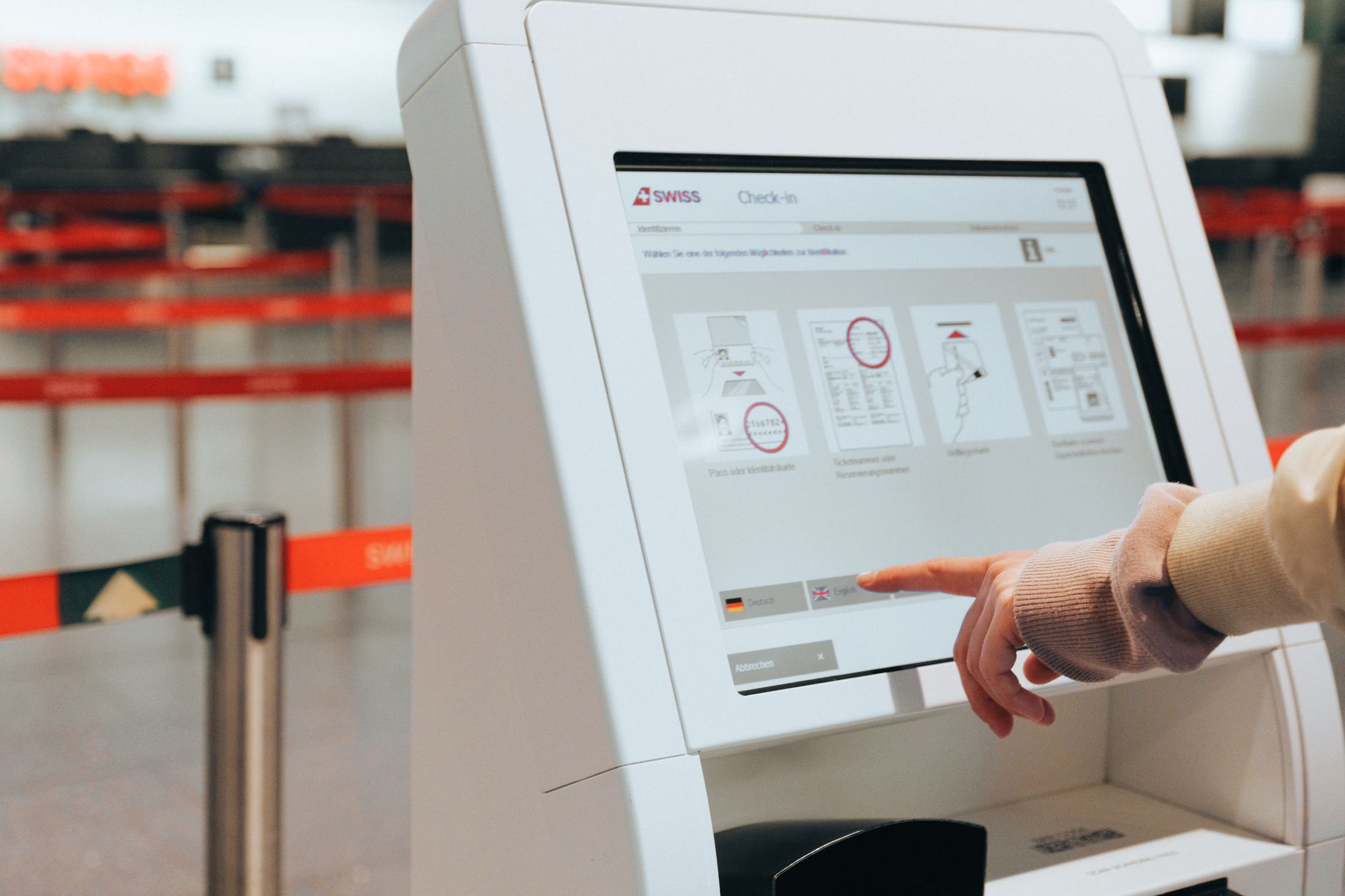
A tourist information kiosk is a digital touchpoint placed in lobbies, central areas, or main intersections within the premises, displaying interactive maps, service directories, events, and destination promotions. The device operates as a 24/7 digital guide, solving the problem of insufficient support staff and enhancing visitors' self-exploration experience.
Unlike static printed signage, information kiosks allow instant content updates without reprinting. When there are new events, changes in opening hours, or additional destinations, administrators only need to update remotely via CMS, and the entire kiosk system across the tourist destination reflects the changes simultaneously. This is the core difference that makes kiosks superior to traditional methods.
Problems Vietnamese tourist destinations face without a digital wayfinding system
Related Products
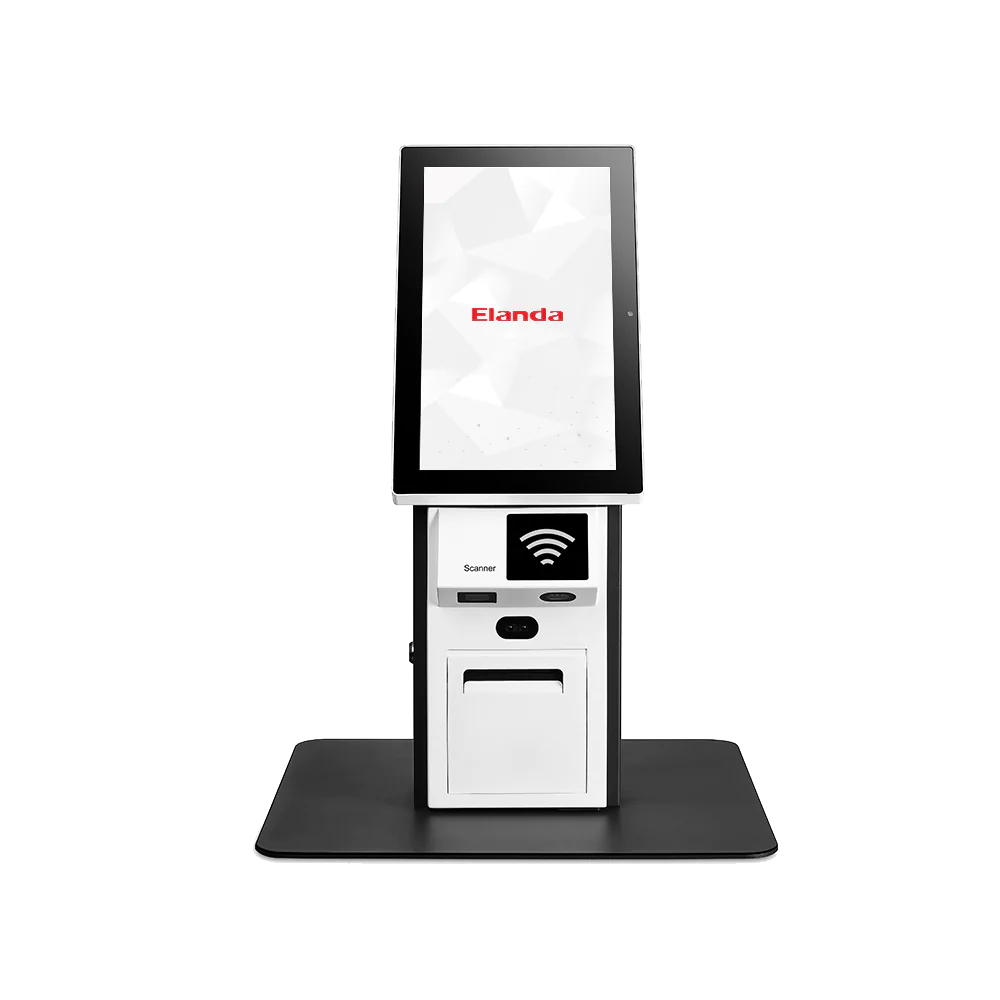
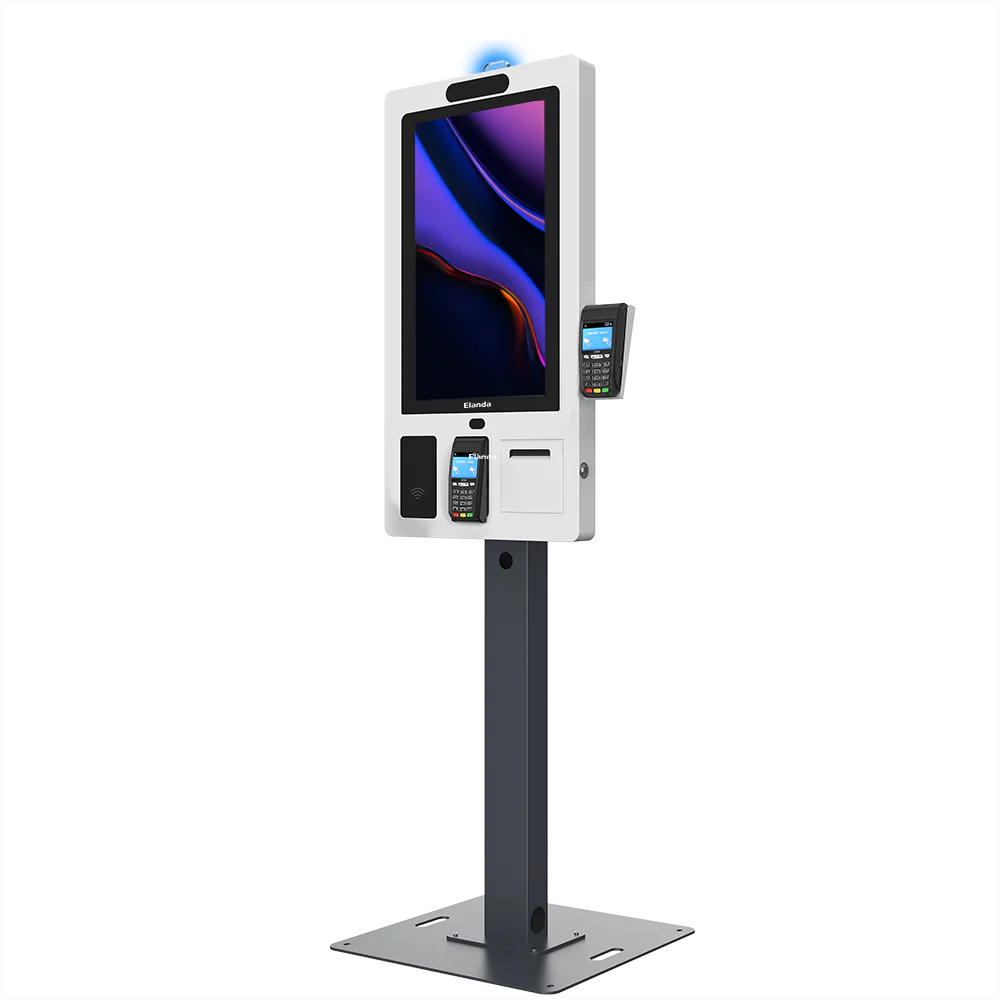
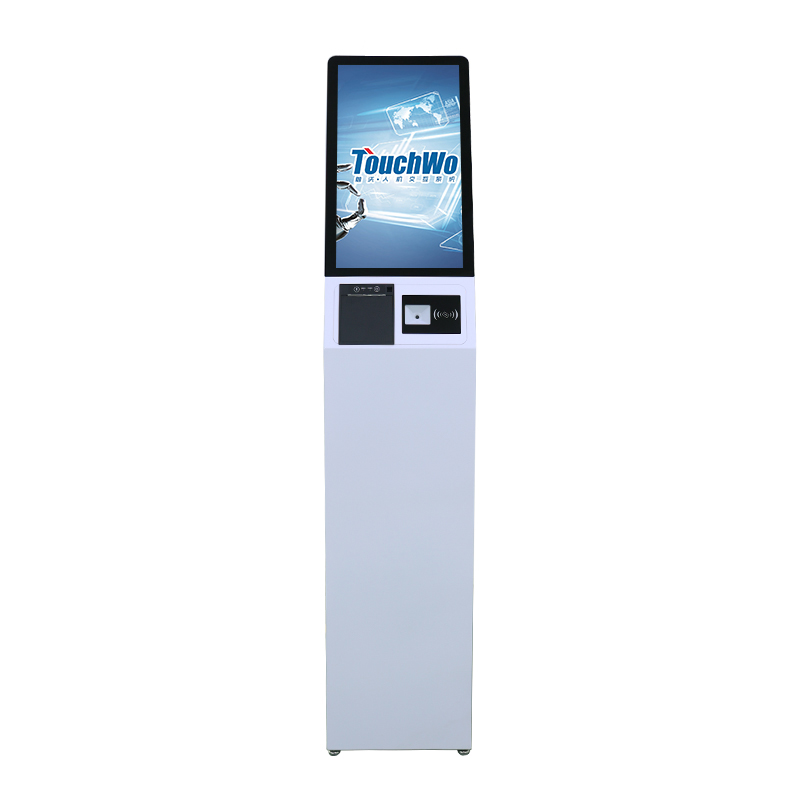
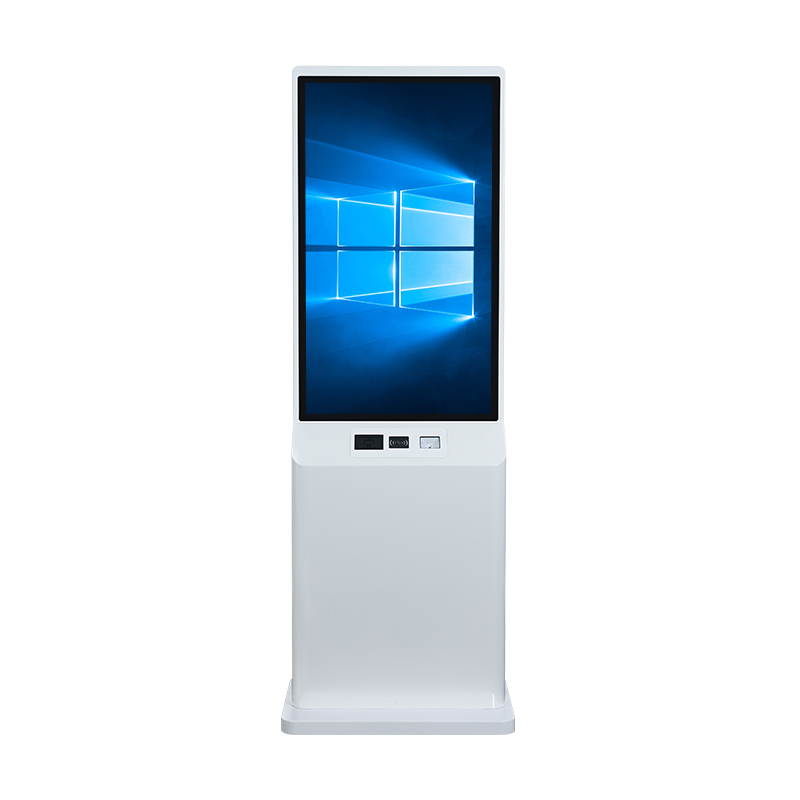
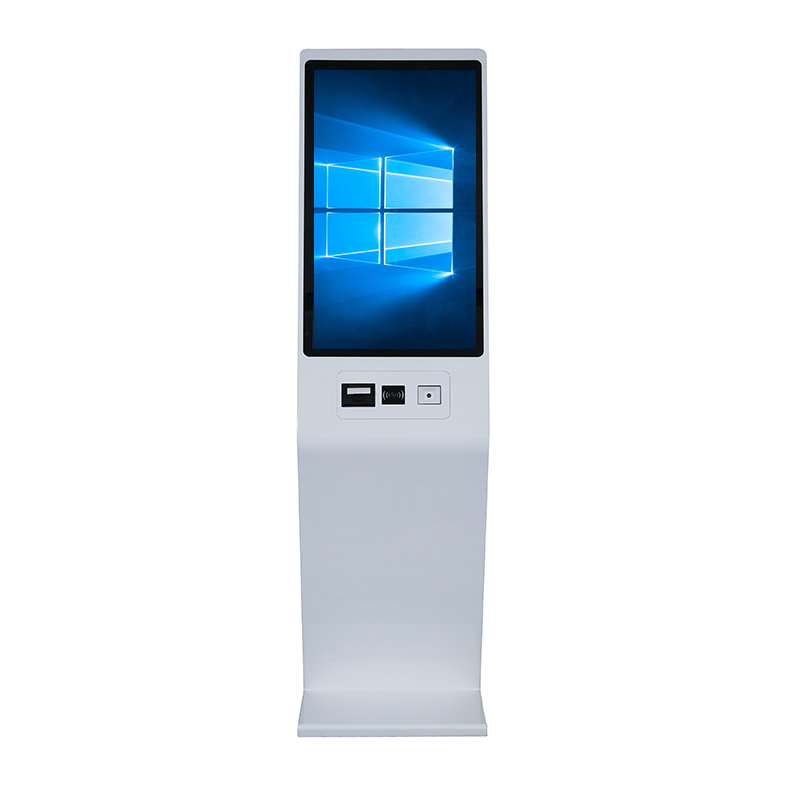
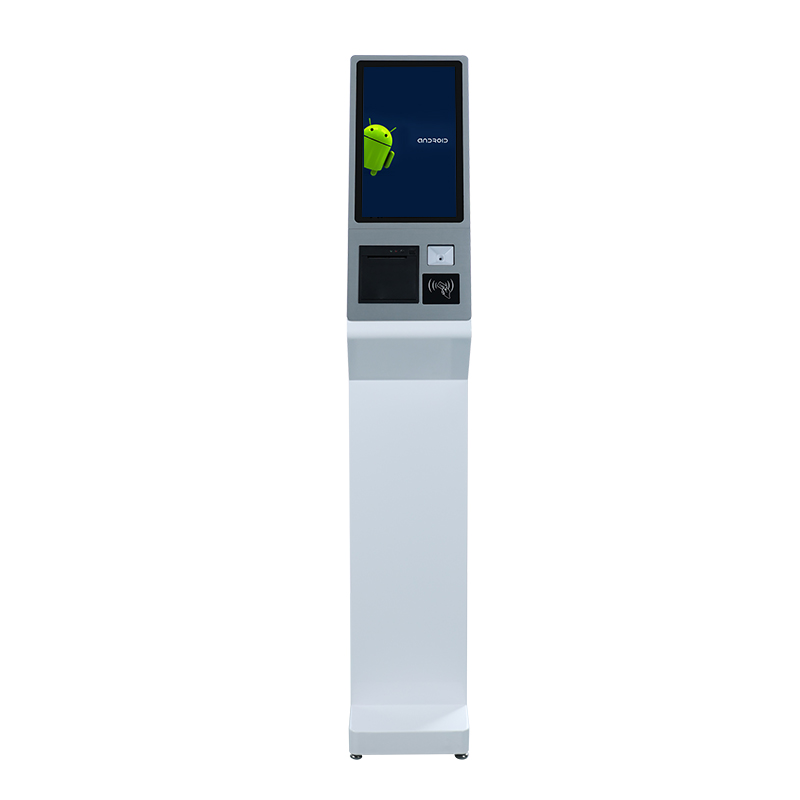
Problems Vietnamese tourist destinations face without a digital wayfinding system Many Vietnamese tourist destinations still rely on paper maps, static signage, and front desk staff to guide guests.

Many Vietnamese tourist destinations still rely on paper maps, static signage, and front desk staff to guide guests. This creates 3 main groups of problems: international guests find it difficult to access information due to language barriers, staff are overloaded during peak season, and secondary attractions are not effectively promoted, leading to revenue dependence on a few main services.
⚠ Language barriers: Korean, Chinese, and Japanese guests account for a large proportion, but paper maps are only in Vietnamese and English, leading to misunderstood information or missed attractions.
⚠ Staff overload: During peak season, front desk staff must repeatedly answer the same questions about directions and opening hours — spending 15–25 minutes per support interaction, reducing service quality for guests who truly need assistance.
⚠ Waste from reprinting: Every time the map changes, the destination must reprint all paper maps, costing money and taking 3–7 days, while the information is outdated immediately after printing.
⚠ No behavior measurement: No data on areas guests are interested in, popular routes, thus unable to optimize promotional campaigns.
⚠ Lack of interactive experience: Young travelers, especially international guests, expect digital experiences — paper maps feel outdated, reducing affinity for the destination.
How does the tourist information kiosk solution work?

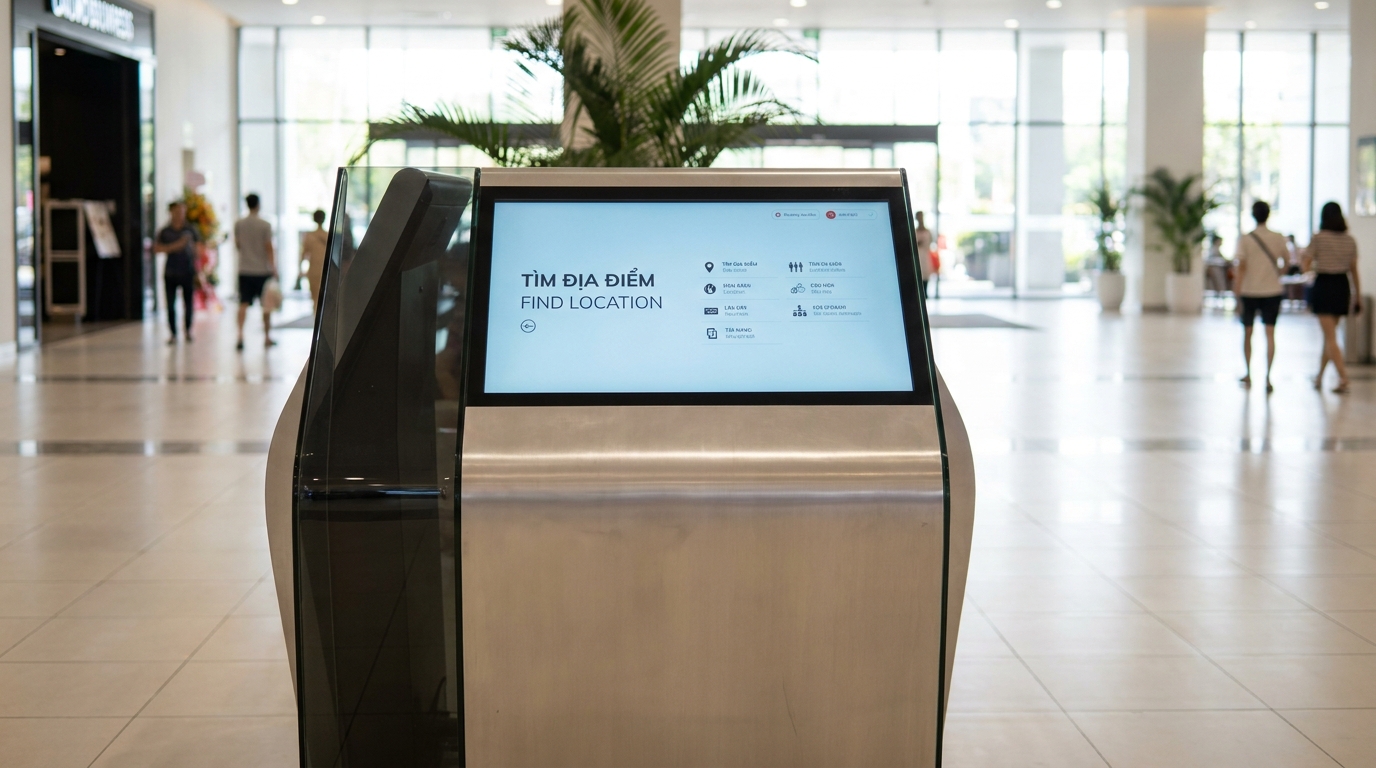
Việt POS's tourist information kiosk system operates in a 4-step process: guests touch the screen to select a language, browse the interactive map, search for destinations or services, and receive route guidance and detailed information. All data operates offline, independent of internet, ensuring stable operation in weak signal areas.
- Step 1 — Select language: The standby screen displays 4–6 popular languages (Vietnamese, English, Korean, Chinese, Japanese, Thai). Guests touch to switch the entire interface to the desired language.
- Step 2 — Browse interactive map: The digital map displays a full view of the tourist destination, marking attractions, restaurants, restrooms, and emergency exits. Guests can zoom in/out and view details of each area.
- Step 3 — Search for information: Guests type the destination name or select from categories (dining, entertainment, accommodation). The kiosk displays descriptions, images, opening hours, and reference prices.
- Step 4 — Receive directions: The system draws a route from the current location to the destination, with estimated travel time. Guests can take a screenshot or scan a QR code to save the map to their phone.
Specific benefits of deploying information kiosks at tourist destinations
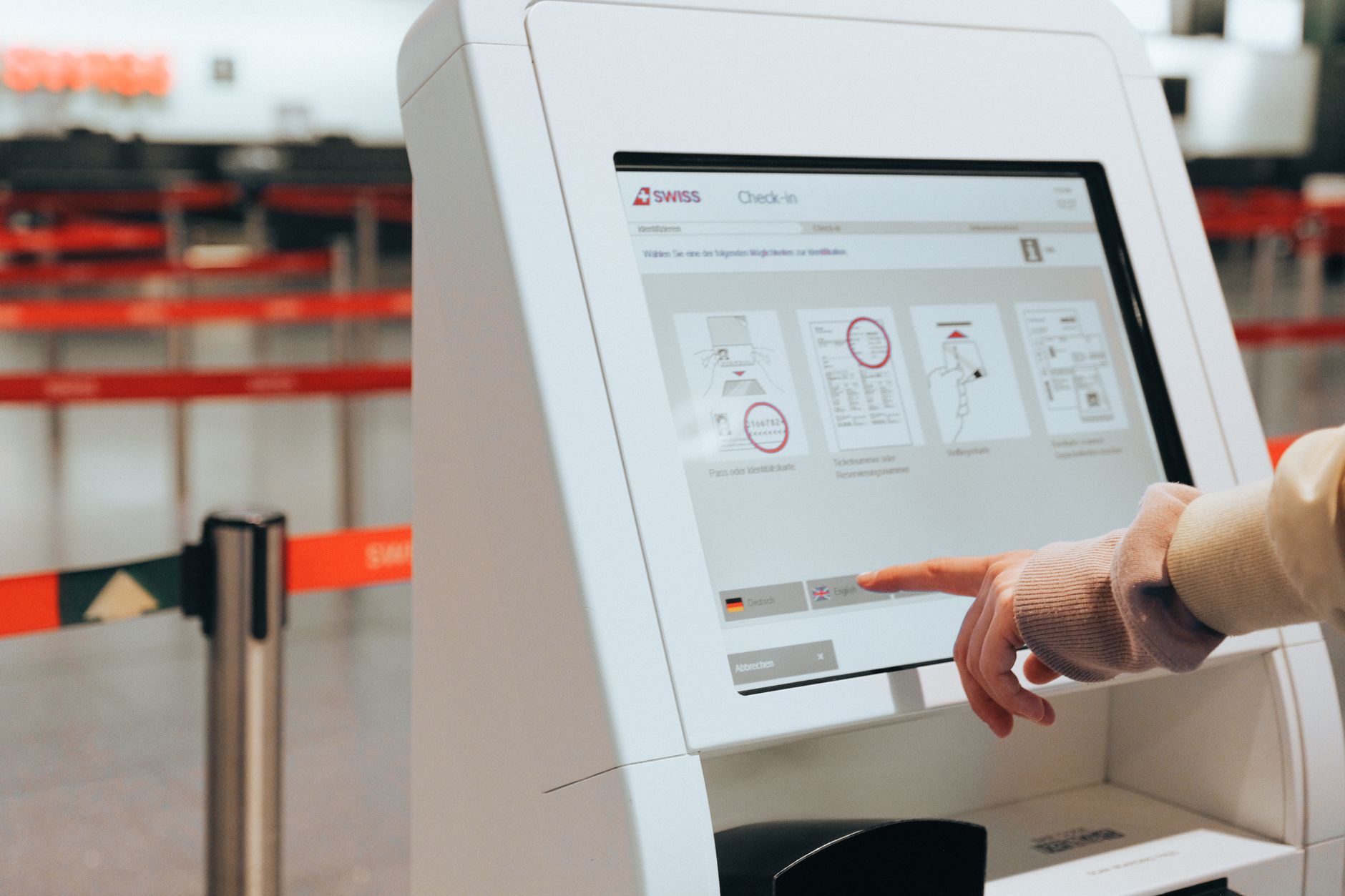
Information kiosks bring measurable benefits to tourist destinations: increasing dwell time by 15–25% as guests self-explore more attractions, reducing 30–40% of repetitive front desk questions, and effectively promoting ancillary services such as spas, restaurants, and evening tours. Below are 5 main benefit groups.
Guests easily discover secondary attractions, extending their stay l
Cần tư vấn thiết bị/giải pháp cụ thể?
Việt POS phản hồi trong 30 phút · Hotline 4 vùng · Khảo sát miễn phí.
Bài viết cùng chủ đề