Mục lục bài viết (7)
- How does the queue number system work at public administrative agencies?
- Benefits of queue number systems for government: Absolute transparency
- Reduced complaints thanks to objective data
- Measuring service time for each administrative procedure
- Efficiency comparison before and after deploying the queue number system
- Advanced features of modern queue number systems
- Frequently asked questions
Queue number systems are a technology solution deployed at public administrative centers, hospitals, and banks to manage service order automatically and transparently. In Vietnam, administrative agencies from district to provincial levels are gradually transitioning to this model to improve service efficiency for citizens.
How does the queue number system work at public administrative agencies?
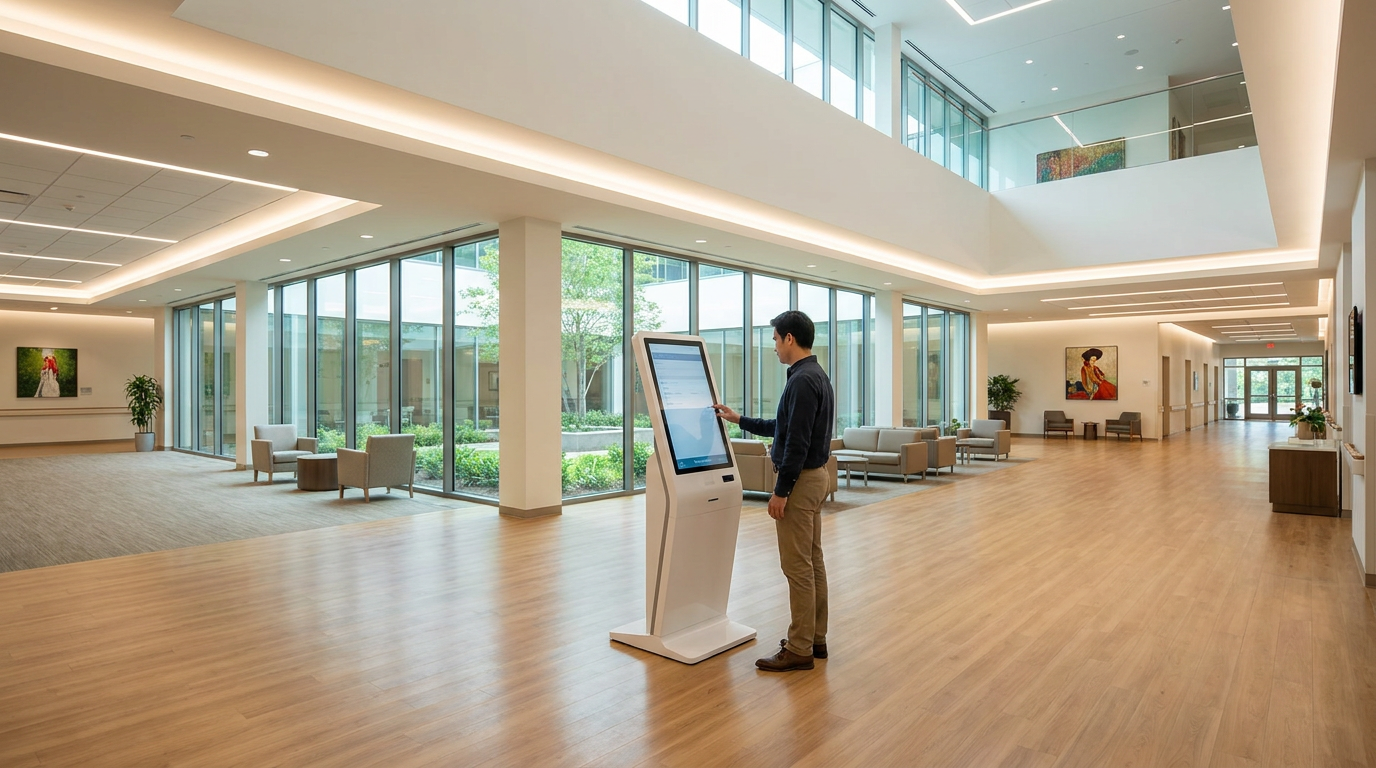
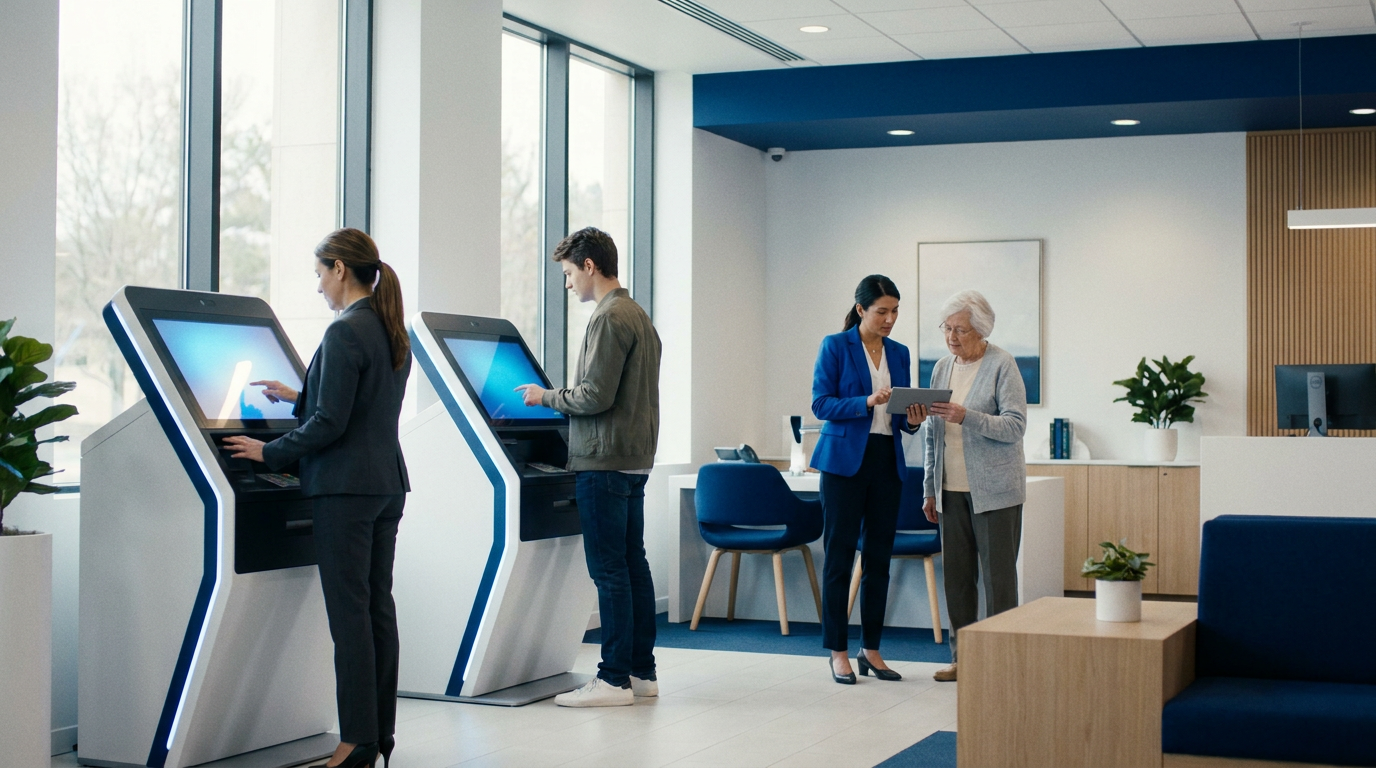
The automated queue number system allows citizens to take a queue number via a touchscreen, selecting the type of procedure they need. The queue number is displayed on an LCD screen and announced via a speaker when it is their turn. This process completely eliminates manual queuing, ensuring first-come, first-served service.
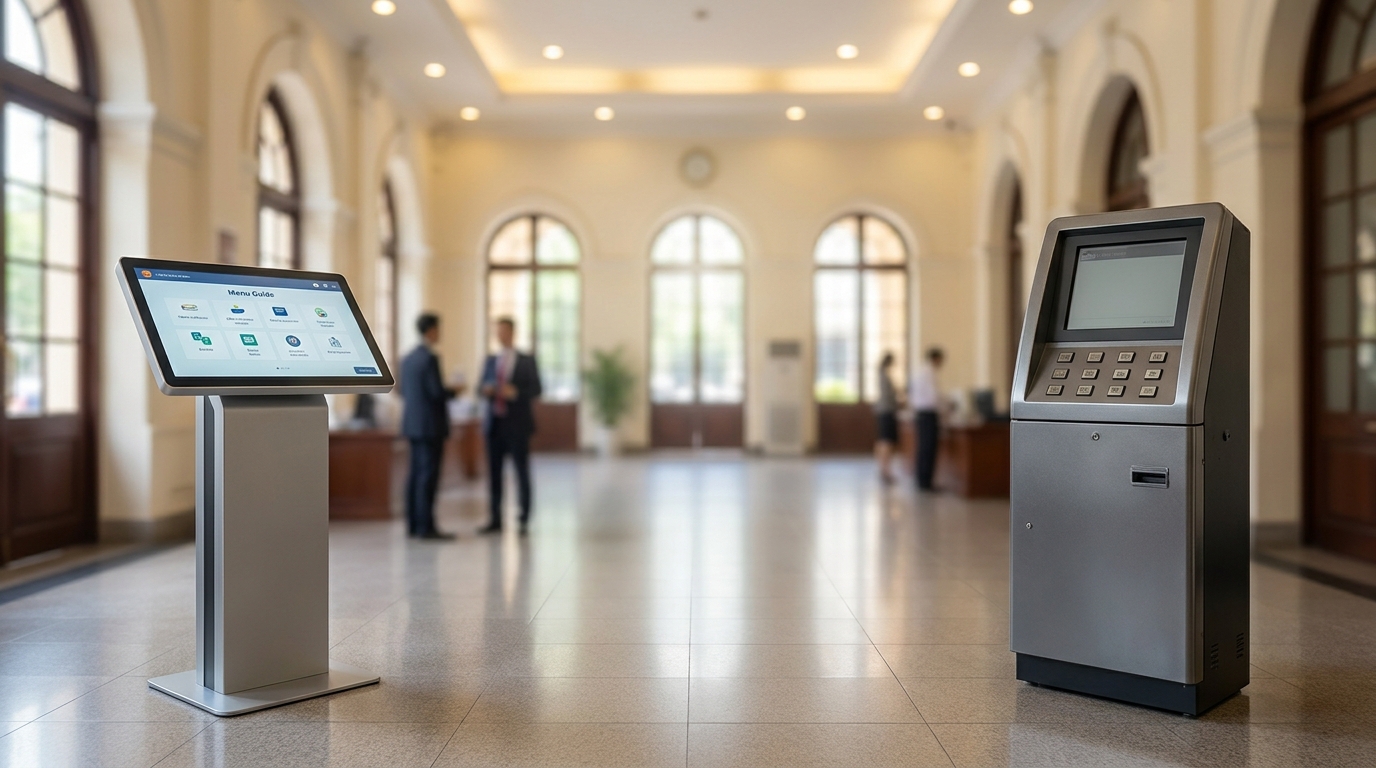
When a citizen arrives at the public administrative center, they touch the touchscreen to select the type of service: issuing citizen ID cards, vehicle registration, document certification. A thermal printer automatically issues a ticket with a queue number, time of issue, and a list of available service counters. A large LCD screen displays the current queue number being called, the next queue numbers, and the corresponding counter number. The audio system announces clearly so citizens do not miss their turn.
Benefits of queue number systems for government: Absolute transparency
The benefits of queue number systems for government are most evident in transparency. Every service order is recorded automatically, with no manual intervention possible. Citizens can observe directly on the screen, knowing exactly their position and how many people are ahead.
Bạn đang tìm sản phẩm cho chủ đề này?
Việt POS phân phối chính hãng — bảo hành 24-36 tháng, hỗ trợ kỹ thuật 24/7.
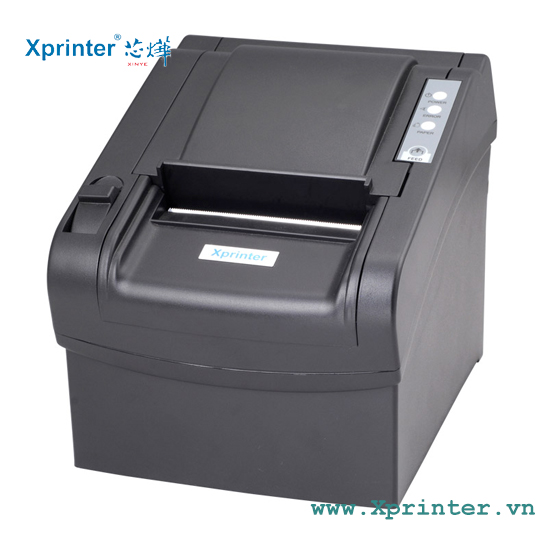
Xprinter XP-N230I Queue Ticket Printer for Clinics and Hospitals

All-in-one POS System HP RP7 Retail System Model 7800
All-in-one POS System HP RP7 Retail System Model 7100
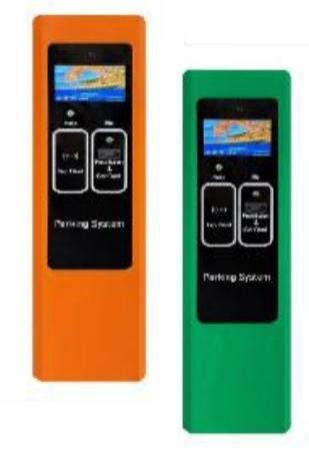
Plate / Card / Paper Parking System - Flexible Parking Access System
Previously, at many administrative centers, "backdoor" practices or preferential treatment for acquaintances were common. The queue number system has ended this. Each queue number ticket is a unique record in the system. Data is stored and can be checked at any time. If there is a complaint about service order, management officials only need to look up the history to verify. This creates a civilized service environment where all citizens are equal.
Reduced complaints thanks to objective data
Complaints at administrative agencies often stem from a feeling of unfair treatment or excessively long wait times. The queue number system provides objective evidence, helping to reduce 40-60% of complaints related to service order and processing time.
A public administrative center in Ho Chi Minh City recorded a 55% reduction in complaints after 6 months of deploying the automated queue number system. The main reason is that citizens can see the estimated wait time and their queue number. When they understand the process, they feel less frustrated. Additionally, data on average service time for each type of procedure is recorded, helping administrative agencies proactively adjust staffing during peak hours. Some solutions for scanning and storing citizen ID card information for access management and service registration can also be integrated to speed up the verification process.
Measuring service time for each administrative procedure
A less frequently mentioned but extremely important benefit of queue number systems for government is the ability to measure service time. The system records the time from when a citizen takes a number to when the transaction is completed, allowing performance analysis of each counter and each official.
This data helps agency leaders accurately identify which procedures are taking the most time and which counters are underperforming. For example, if the citizen ID card issuance procedure has an average processing time of 15-25 minutes while the target is 10-15 minutes, the process needs to be reviewed or more staff added. Weekly reports from the queue number system provide detailed data: total number of service transactions, average wait time, average processing time, and rate of exceeding the prescribed time. This is the basis for continuous improvement of public administrative service quality.
Efficiency comparison before and after deploying the queue number system
The table below summarizes typical operational indicators at a district-level public administrative center before and after 12 months of deploying the automated queue number system:
| Indicator | Before deployment | After deployment | Change |
|---|---|---|---|
| Average wait time | 25-40 minutes | 15-25 minutes | Reduced 35% |
| Number of complaints/month | 15-25 | 5-10 | Reduced 55% |
| Citizen satisfaction level | 65% | 85% | Increased 30% |
| Number of procedures processed/day | 200-250 | 280-350 | Increased 35% |
Advanced features of modern queue number systems
Today's queue number systems go beyond just printing tickets and calling numbers. Advanced features such as online appointment scheduling, SMS/Zalo notification integration, and real-time data analysis are becoming the new standard.
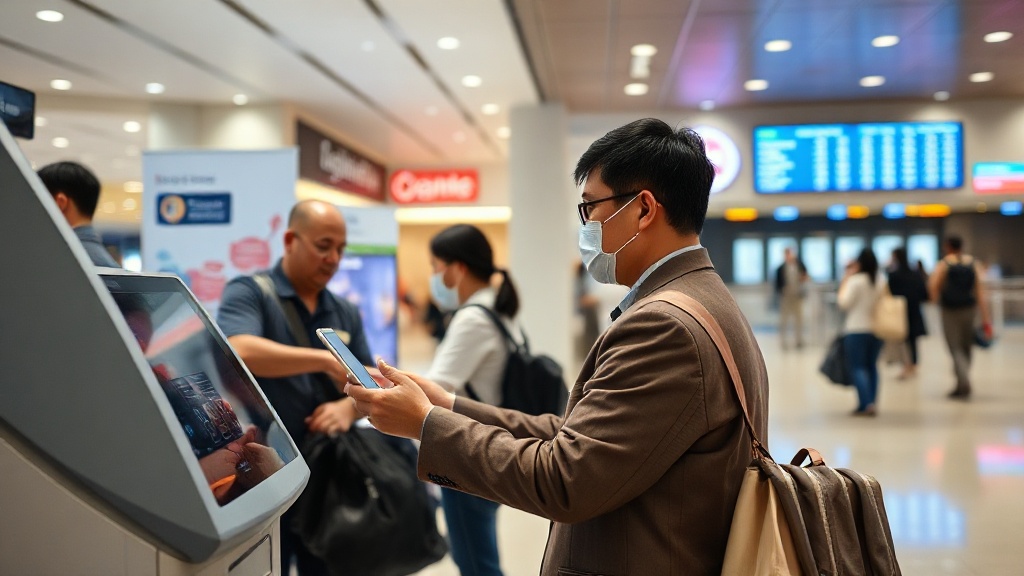
Citizens can book appointments via the online public service portal before arriving. When they arrive, they scan a QR code from their phone to quickly get a number without re-entering information. The system automatically sends SMS or Zalo notifications when there are 3-5 people left before their turn, helping citizens manage their time proactively. For management officials, a dashboard displays real-time data on the number of people waiting, estimated wait time, and alerts when a counter is overloaded. Chainway Healthcare PDA solutions can also be integrated for staff to move flexibly between counters.
Frequently asked questions
Is the queue number system suitable for small administrative agencies?
Yes, it is suitable. The system can be customized according to scale, from 2-3 counters to 20-30 counters. The initial investment cost for a basic system (1 ticket dispenser, 1 LCD screen, 1 ticket printer) ranges from 15-30 million VND, with quick payback due to reduced staffing pressure.
How to integrate the queue number system with existing public administrative software?
Modern queue number systems support open APIs and can connect with most public administrative management software. Integration typically takes 1-2 weeks, including synchronizing the procedure list, transmitting service time data, and generating reports.
How many transactions can the system handle simultaneously?
It depends on the hardware configuration. A standard system handles 500-1,000 transactions/day. With a higher configuration, it can handle 3,000-5,000 transactions/day, suitable for provincial-level administrative centers.
Can citizens check their queue number remotely?
Yes. Many systems allow checking the queue number and wait time via a website or mobile application. Citizens can track progress remotely and arrive on time, reducing on-site wait time.
Is the data from the queue number system secure?
Data is encrypted and stored on an internal server or secure cloud. Only management officials have access. The system complies with personal data protection regulations under Decree 13/2023/ND-CP.
What is the annual maintenance cost for the queue number system?
Maintenance costs typically account for 8-12% of the initial investment value per year, including hardware maintenance, software updates, and remote technical support.
For consultation on a queue number system solution suitable for your agency's scale and budget, please contact the hotline 0935 498 384 or email info@vietpos.vn. Việt POS provides 1D 2D barcode scanners and synchronized peripheral devices, ensuring stable 24/7 system operation.
Cần tư vấn thiết bị/giải pháp cụ thể?
Việt POS phản hồi trong 30 phút · Hotline 4 vùng · Khảo sát miễn phí.
Bài viết cùng chủ đề