Mục lục bài viết (9)
- What is RFID signal interference in metal and liquid environments?
- What specific causes create RFID signal interference in metal environments?
- How do liquids affect RFID signal?
- Comparison table of RFID tag types for metal and liquid environments
- How to mitigate RFID interference in metal environments
- How to mitigate RFID interference in liquid environments
- Setting up Read Zones to reduce multipath interference
- Common mistakes in deploying RFID in challenging environments
- Frequently Asked Questions
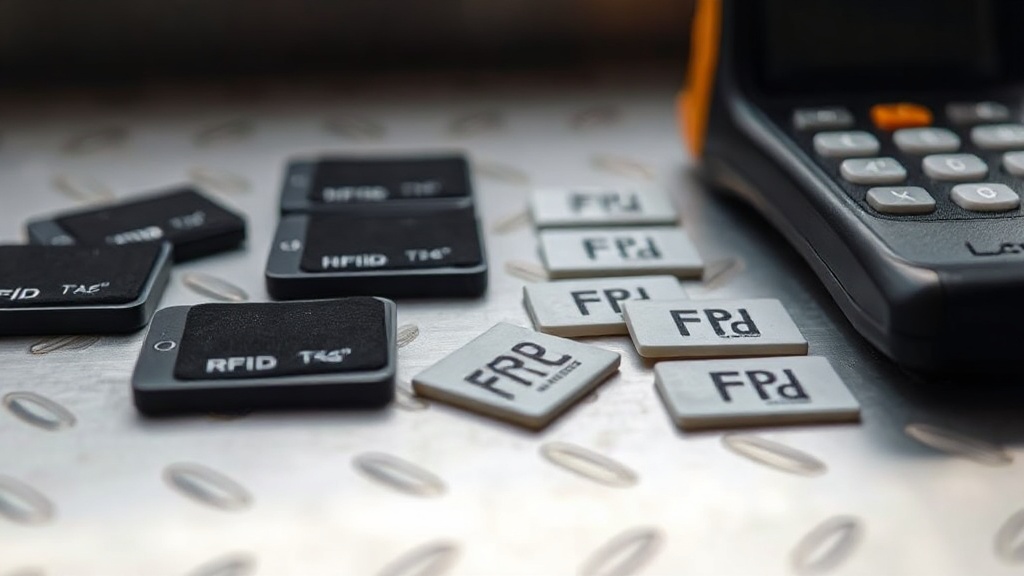
RFID signal interference in metal and liquid environments is a phenomenon of signal degradation caused by materials that absorb or reflect radio waves, reducing tag read rates from 95-99% to 40-60%. According to an AIM Global 2024 survey, 67% of failed RFID projects during the POC phase were due to improper handling of interference from metal and liquids—two factors commonly found in warehouses, supermarkets, and manufacturing facilities in Vietnam.
What is RFID signal interference in metal and liquid environments?
RFID signal interference in metal and liquid environments occurs when UHF radio waves (860-960 MHz) are reflected by metal surfaces (creating standing waves and dead zones) or absorbed by liquids (causing RF energy loss of 20-30 dB). As a result, RFID tags do not receive sufficient energy to respond, or the response signal is too weak, causing data loss.
What specific causes create RFID signal interference in metal environments?

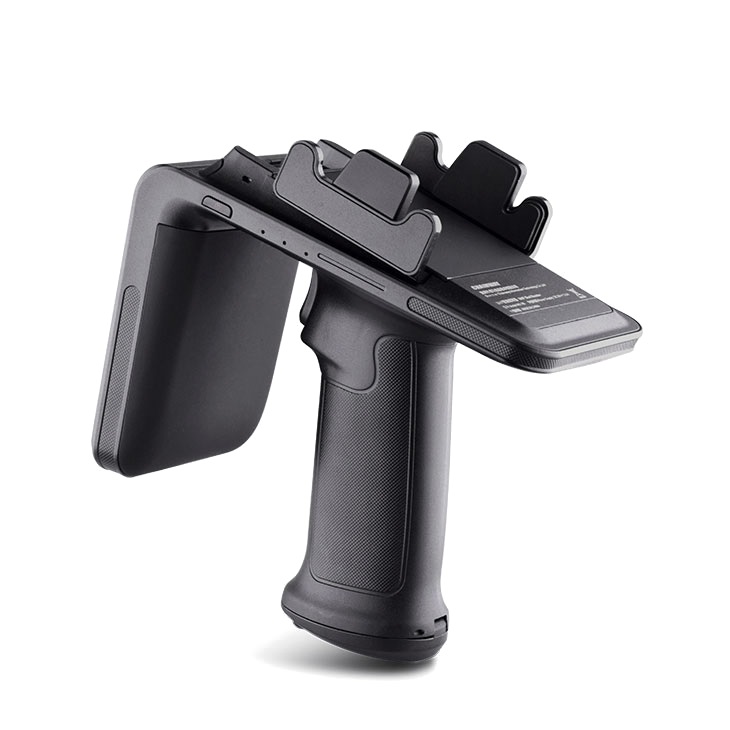


Metal causes interference through three main mechanisms: (1) Wave reflection—metal surfaces reflect 80-95% of RF waves, creating standing waves and dead zones. (2) Resonant frequency shift—when RFID tags are placed directly on metal, the tag's resonant frequency changes, shifting out of the standard UHF band. (3) Eddy current induction—eddy currents on metal surfaces consume RF energy.
Bạn đang tìm sản phẩm cho chủ đề này?
Việt POS phân phối chính hãng — bảo hành 24-36 tháng, hỗ trợ kỹ thuật 24/7.
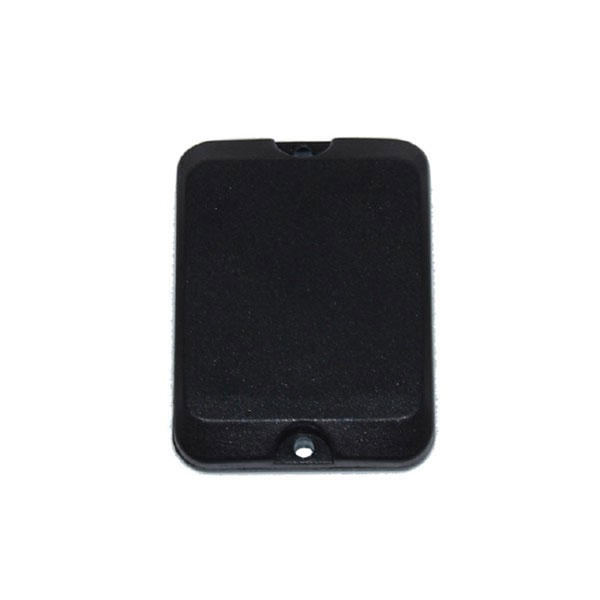
VP-T902 Metal Mount Passive RFID Tag
SKU: VP-T902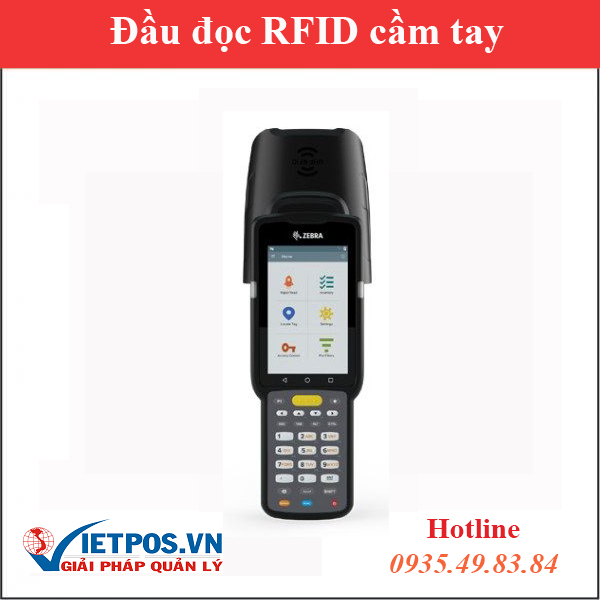
MC3300 Handheld RFID Reader
SKU: MC3300
Handheld RFID Reader RFD2000
SKU: RFD2000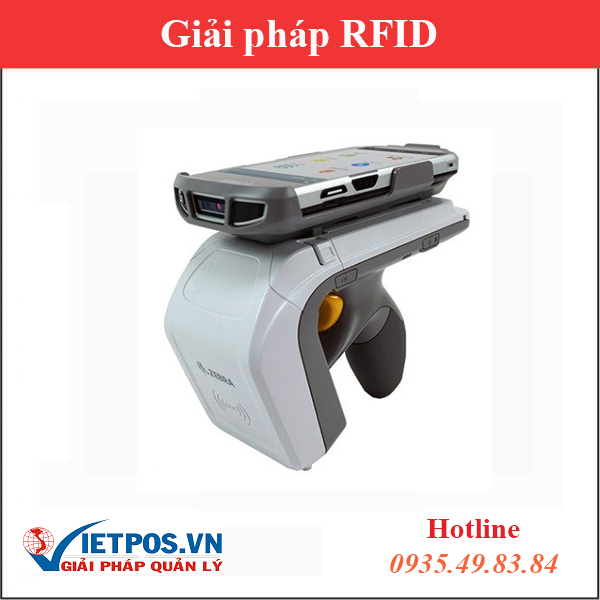
RFD8500 Handheld RFID/1D/2D SLED Reader
SKU: RFD8500In practical warehouse deployments in Vietnam, V-slot metal shelving, steel pallets, and containers are the most common sources. When standard UHF RFID tags are attached to boxes on steel pallets, read distance drops from 8-10m to just 1-2m. With tags placed directly on metal surfaces (e.g., electronics containers), read rates can reach near 0% without specialized tags.
How do liquids affect RFID signal?

Liquids, especially water, absorb RF energy in the UHF band due to the high polarity of water molecules. Average attenuation is 15-25 dB when waves pass through 10 cm of water—sufficient to prevent RFID tags from receiving signals from readers beyond 1-2 meters.
Common liquids in manufacturing and retail environments include bottled water, cleaning solutions, mineral oil, milk, and carbonated soft drinks. In a real-world test with a passive UHF RFID tag attached to a 500ml water bottle, the successful read rate at 3 meters was only 12-18%, compared to 85-95% on a dry cardboard box at the same distance. When reader power was increased to 30 dBm (maximum allowed), read rates improved to 55-65% but remained unstable.
Comparison table of RFID tag types for metal and liquid environments

| Tag Type | Suitable Environment | Maximum Read Distance | Reference Price (VND) | Typical Manufacturers |
|---|---|---|---|---|
| On-metal tag (foam spacer) | Flat metal surfaces | 5-8m | 8,000-15,000 | Zebra, Confidex |
| Liquid-resistant tag (encapsulated) | Liquids, wet environments | 3-5m | 12,000-25,000 | Honeywell, Omni-ID |
| UHF hard tag | Metal + liquids | 6-10m | 25,000-50,000 | Confidex, Xerafy |
| HF/NFC tag (13.56 MHz) | Small metal, bottles | 1-3 cm | 3,000-8,000 | NXP, Texas Instruments |
| Dual-frequency tag | Mixed environments | 2-5m | 35,000-70,000 | Tagsys, Smartrac |
How to mitigate RFID interference in metal environments

Solutions to reduce RFID interference from metal include four approaches: (1) use on-metal tags with foam spacer for 3-6mm isolation, (2) adjust tag mounting angle 30-45 degrees from metal surface, (3) optimize reader antenna position to avoid dead zones, (4) use UHF hard tags with Impinj Monza R6 chips for noise resistance.
In a real warehouse deployment for a major electronics retailer, Việt POS applied Confidex Surfix on-metal tags to metal-housed equipment. Results: read rates increased from 35% to 92% at 4m distance. For V-slot warehouse shelving, mounting tags at shelf edges (minimum 10mm from metal surface) and using circular polarization antennas reduced dead zones by 70%. UHF RFID for warehouse inventory: 10x speed increase is a detailed case study of this solution's effectiveness.
How to mitigate RFID interference in liquid environments
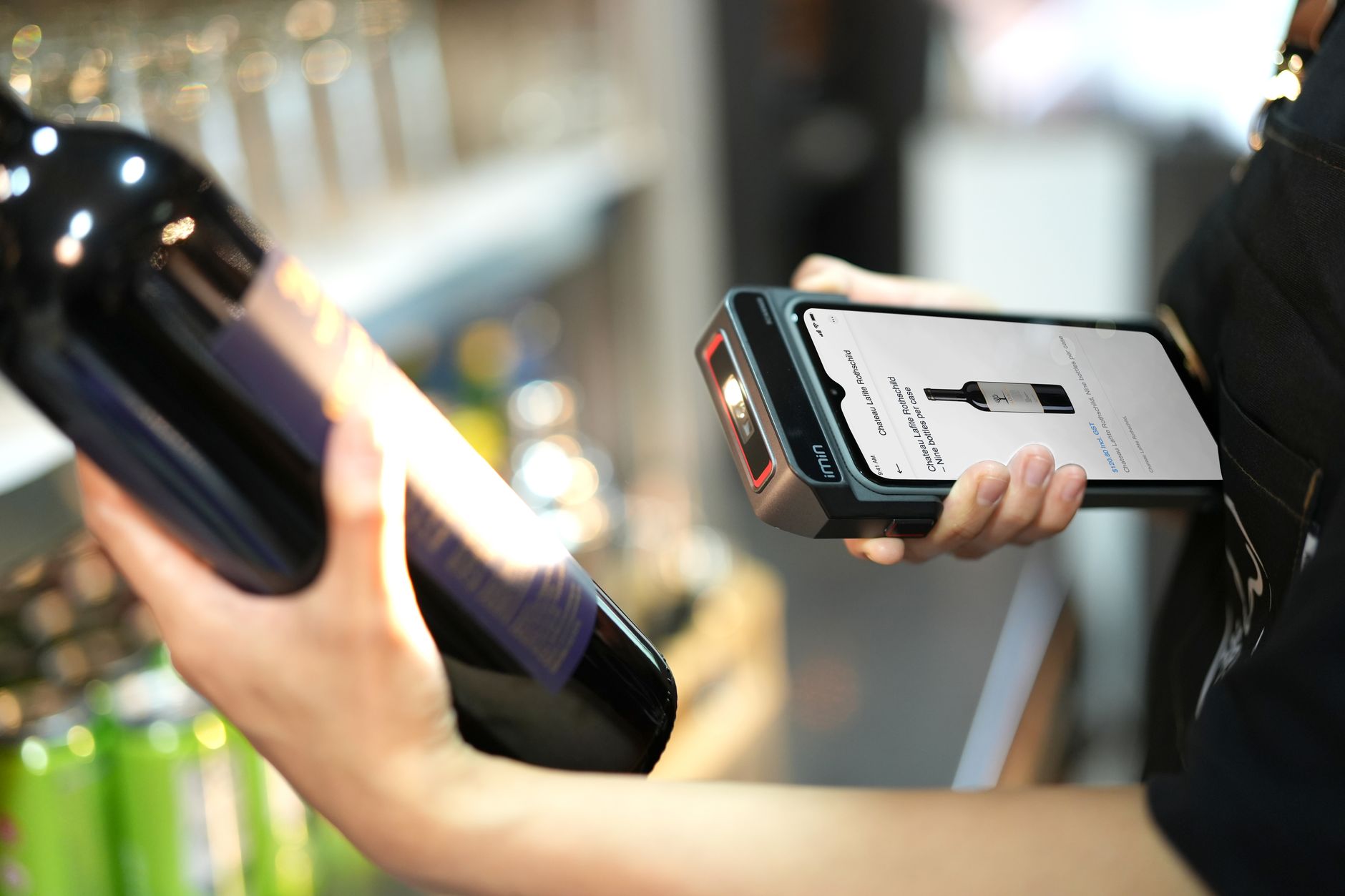
To overcome liquid interference, deploy: (1) waterproof RFID tags (IP67/IP68) with high-sensitivity chips (−22 dBm), (2) attach tags to dry locations on packaging (e.g., bottle caps, mid-carton labels), (3) reduce read distance to 1-2m and increase reader power to 28-30 dBm, (4) use lower UHF frequencies (860-870 MHz) to reduce absorption.
For the beverage industry, the standard approach is mounting UHF hard tags (e.g., Xerafy XS) on bottle caps or box bottoms. A trial with 500 beer cases (24 cans each) using a Chainway UR4 4-port reader achieved 97% read rate on a 1.2 m/s conveyor—equivalent to 200 cases per minute. Total investment for this 4-port system is approximately 180-250 million VND, with ROI in 8-12 months through 80% reduction in manual inventory time.
Setting up Read Zones to reduce multipath interference
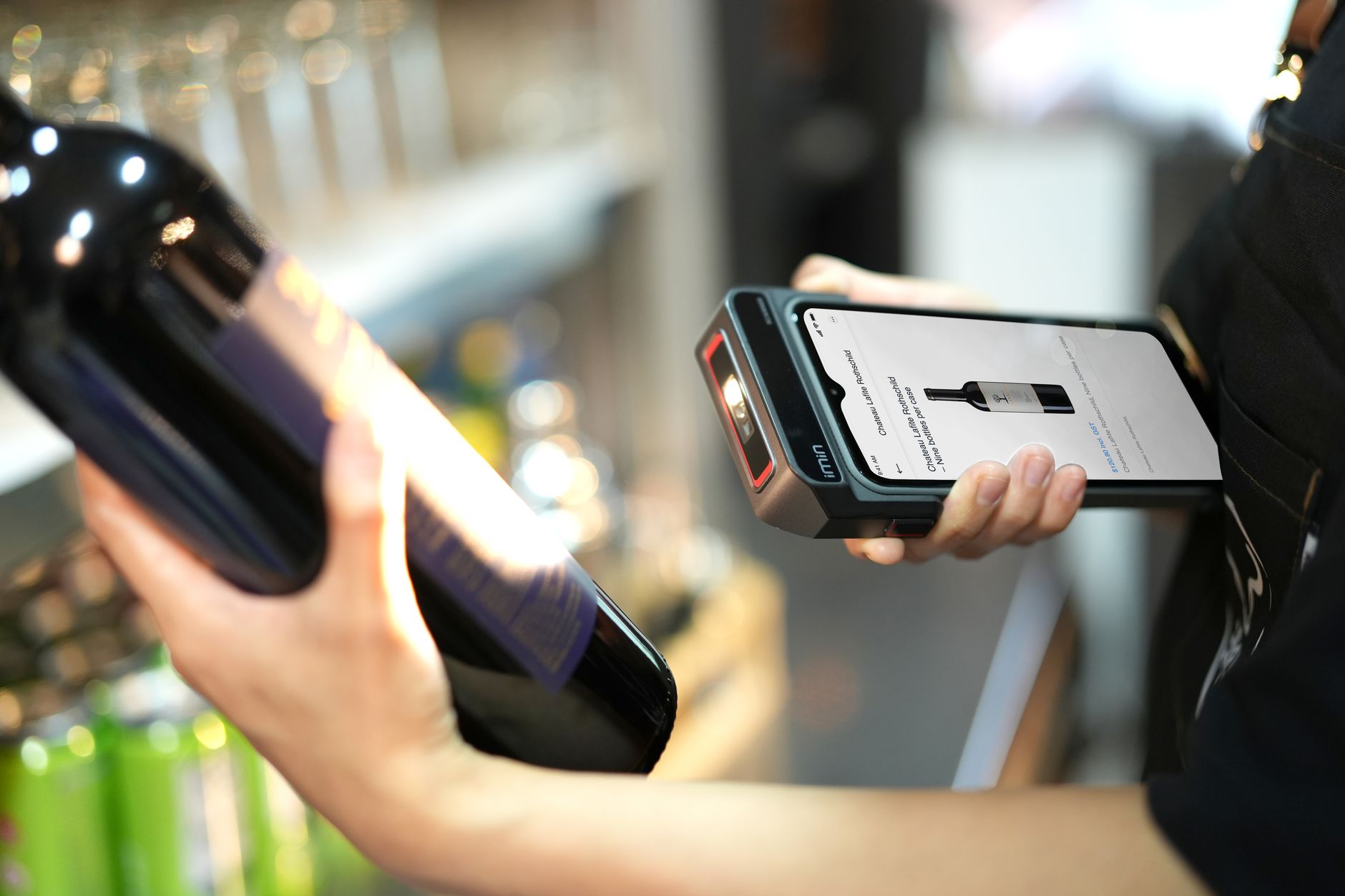
Multipath—where RF waves reflect multiple times from metal and obstacles—causes duplicate or incorrect reads. The solution is establishing a Read Zone by adjusting reader power, antenna angle, and dwell time.
Setup steps: (1) Position antenna 1.5-2m above ground, tilted 15-30 degrees. (2) Configure reader power starting at 20 dBm, gradually increasing until 95% read rate is achieved without duplicates. (3) Use RFID management software (e.g., 123RFID Desktop) to define rectangular or elliptical read zones, limiting coverage to 2-4m. (4) Enable Dense Reader Mode (DRM) if multiple readers operate simultaneously. 123RFID Fixed Reader Deployment Software supports automatic zone configuration.
Common mistakes in deploying RFID in challenging environments
- Using standard UHF tags on metal: Read rates near 0%—the most common error in failed POCs.
- Stacking tags on pallets: When two tags are less than 5cm apart, coupling interference reduces read rates by 30-50%.
- Skipping RF environment assessment: Omitting site survey leads to wrong antenna placement and power settings.
- Choosing tags by price instead of environment: 2,000-3,000 VND tags lack metal-resistant coatings, wasting budget on replacements.
- Not updating reader firmware: Older firmware versions lack new interference mitigation algorithms (DRM, multipath filters).
Frequently Asked Questions
Which RFID tags perform best in metal environments?
Which liquids cause the most RFID interference?
Can HF tags replace UHF in metal environments?
How do I test for RFID interference before deployment?
Is RFID deployment more expensive in metal environments?
Does Việt POS offer interference-resistant RFID solutions?
Cần tư vấn thiết bị/giải pháp cụ thể?
Việt POS phản hồi trong 30 phút · Hotline 4 vùng · Khảo sát miễn phí.
Bài viết cùng chủ đề