Mục lục bài viết (8)
- What is RFID read range?
- How does operating frequency affect read distance?
- How do reader power and tag type determine the range?
- How do tag antenna size and material affect range?
- How do surrounding materials and environment change the range?
- How do electromagnetic interference and nearby readers affect performance?
- Tag placement angle and antenna orientation — easily overlooked factors
- How to optimize RFID read range for warehouses and retail
RFID read range (RFID read range) is the maximum distance at which a reader can communicate and exchange data with a tag. There is no fixed number — this range fluctuates from a few centimeters (with LF tags) to over 30 meters (with active UHF tags), depending on at least 9 technical and environmental factors. Understanding each factor helps businesses design high-performance RFID systems and avoid wasted investment.
What is RFID read range?
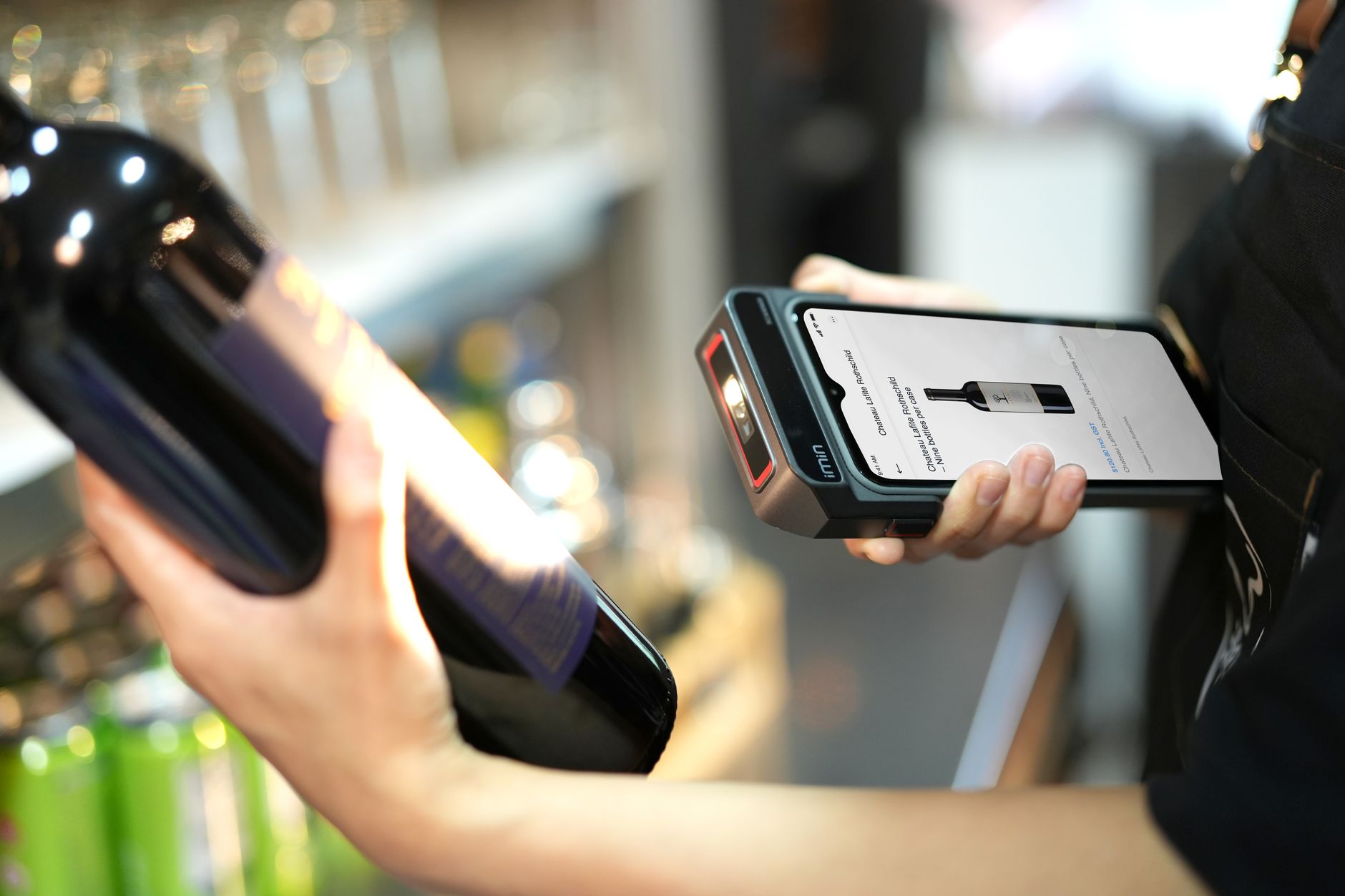
RFID read range is the maximum distance between a reader antenna and an RFID tag for the two devices to successfully exchange signals. With passive tags, this distance is directly affected by the RF wave energy emitted by the reader — the tag needs sufficient energy to "wake up" the chip and respond.
In real-world deployments at warehouses, mini-marts, and manufacturing facilities in Vietnam, the read range typically falls 40-60% below the theoretical specification listed on the datasheet. Example: a Chainway UR4 UHF RFID reader specifies "20-meter read range" in laboratory conditions, but when installed in a warehouse with cardboard boxes and wooden pallets, the actual distance achieves only 6-10 meters. This is a critical difference that many business owners overlook when budgeting.
How does operating frequency affect read distance?
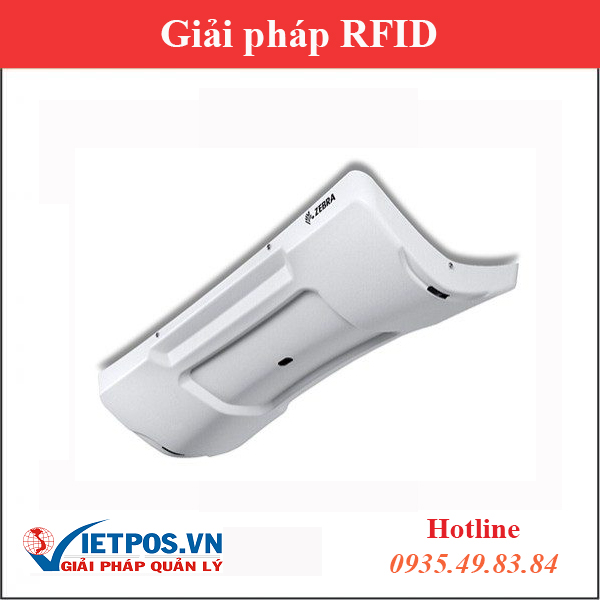
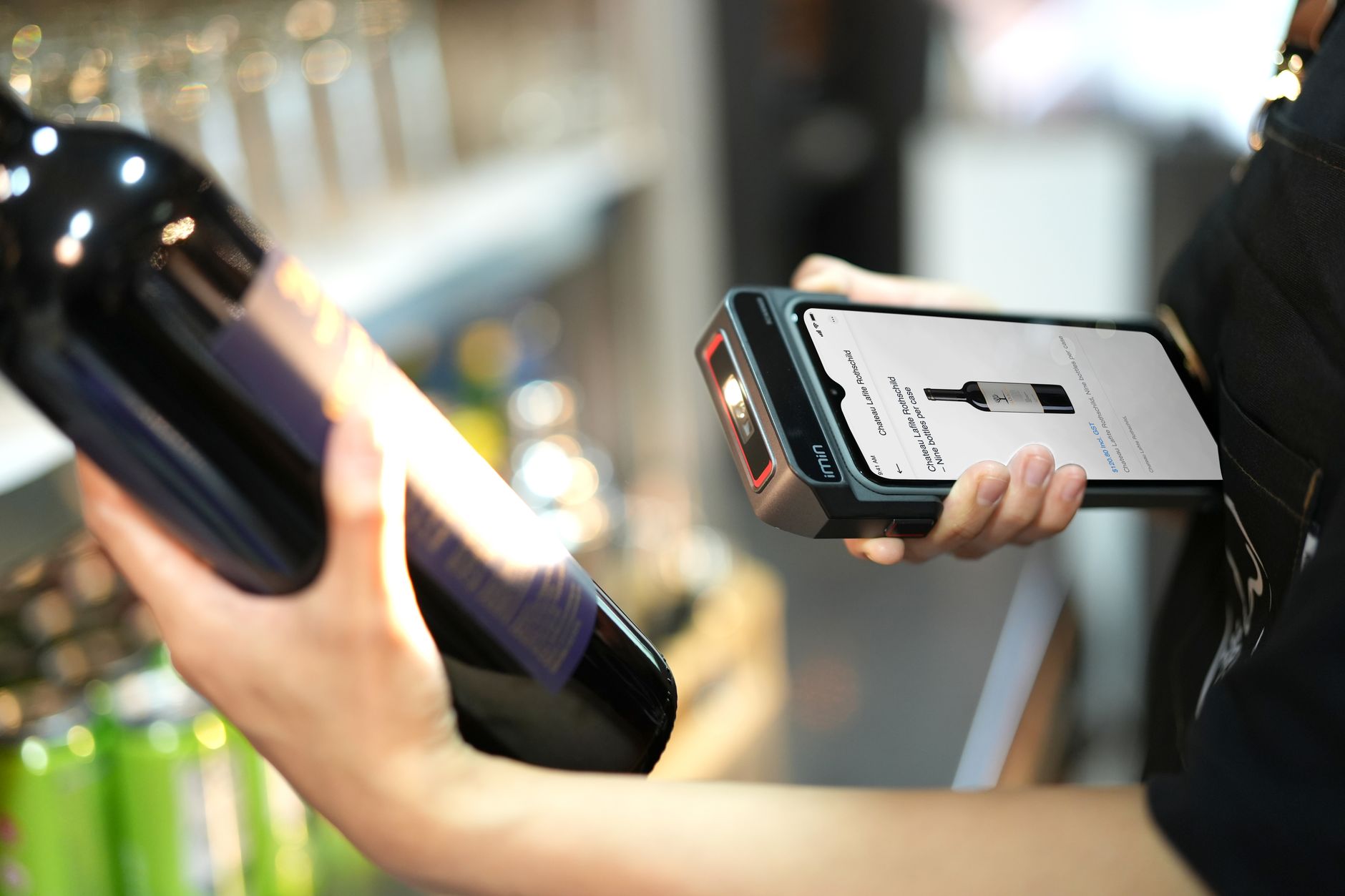
Frequency is the most decisive factor affecting read range. Each frequency band has different physical characteristics: LF (125-134 kHz) reads short distances but penetrates water well; HF (13.56 MHz) reads an average of 0.3-1 meter, suitable for NFC tags; UHF (860-960 MHz) reads farthest, from 3-12 meters with passive tags.
Bạn đang tìm sản phẩm cho chủ đề này?
Việt POS phân phối chính hãng — bảo hành 24-36 tháng, hỗ trợ kỹ thuật 24/7.
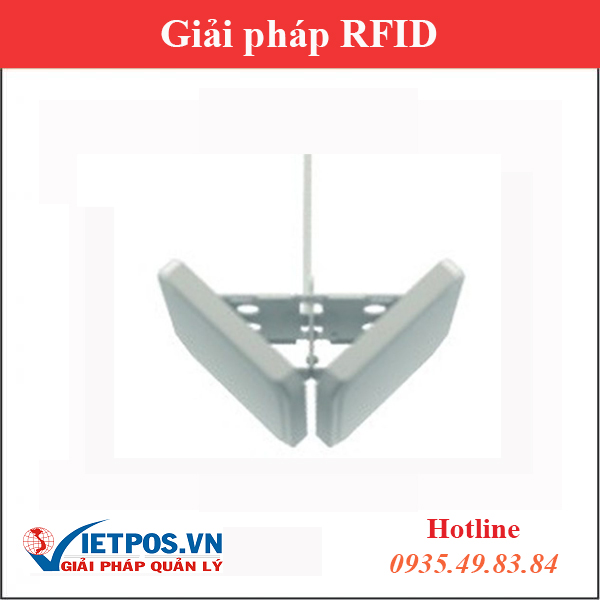
Zebra SR5502 RFID Antenna for Backroom and Warehouse
SKU: SR5502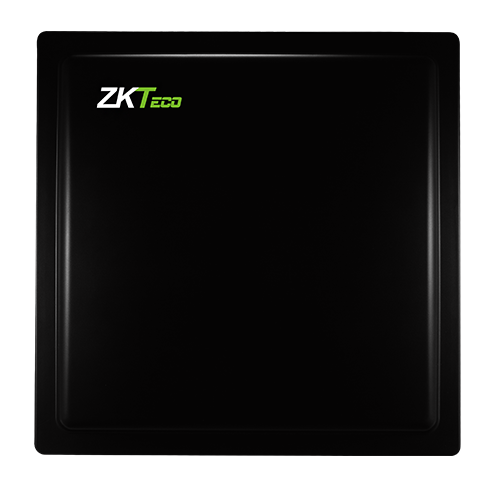
U1000 & U2000 Long Range RFID Access Control Device
SKU: U1000 & U2000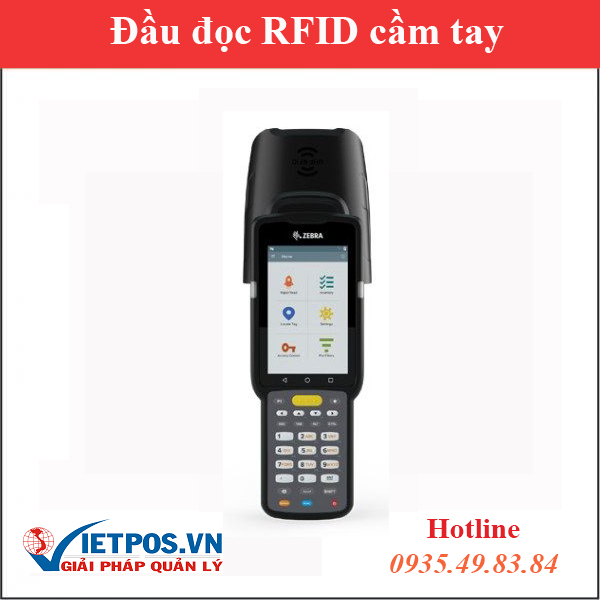
MC3300 Handheld RFID Reader
SKU: MC3300
Handheld RFID Reader RFD2000
SKU: RFD2000The table below compares typical read ranges for three main frequency bands in real-world Vietnam environments (warehouses, retail):
| Frequency Band | Theoretical Range | Actual Range (Warehouse) | Primary Applications |
|---|---|---|---|
| LF (125-134 kHz) | 10-50 cm | 5-20 cm | Access control, animal identification |
| HF (13.56 MHz) | 0.3-1.5 m | 0.2-0.8 m | NFC tags, libraries, asset management |
| UHF (860-960 MHz) | 3-20 m | 3-12 m (passive), 30-100 m (active) | Warehouses, logistics, retail, manufacturing |
For most B2B enterprises in Vietnam (warehouse management, inventory, asset tracking), UHF is the optimal choice thanks to long read range and ability to read multiple tags simultaneously (up to 200 tags/second). However, UHF is sensitive to environment — especially water and metal — so antenna placement requires careful planning.
How do reader power and tag type determine the range?
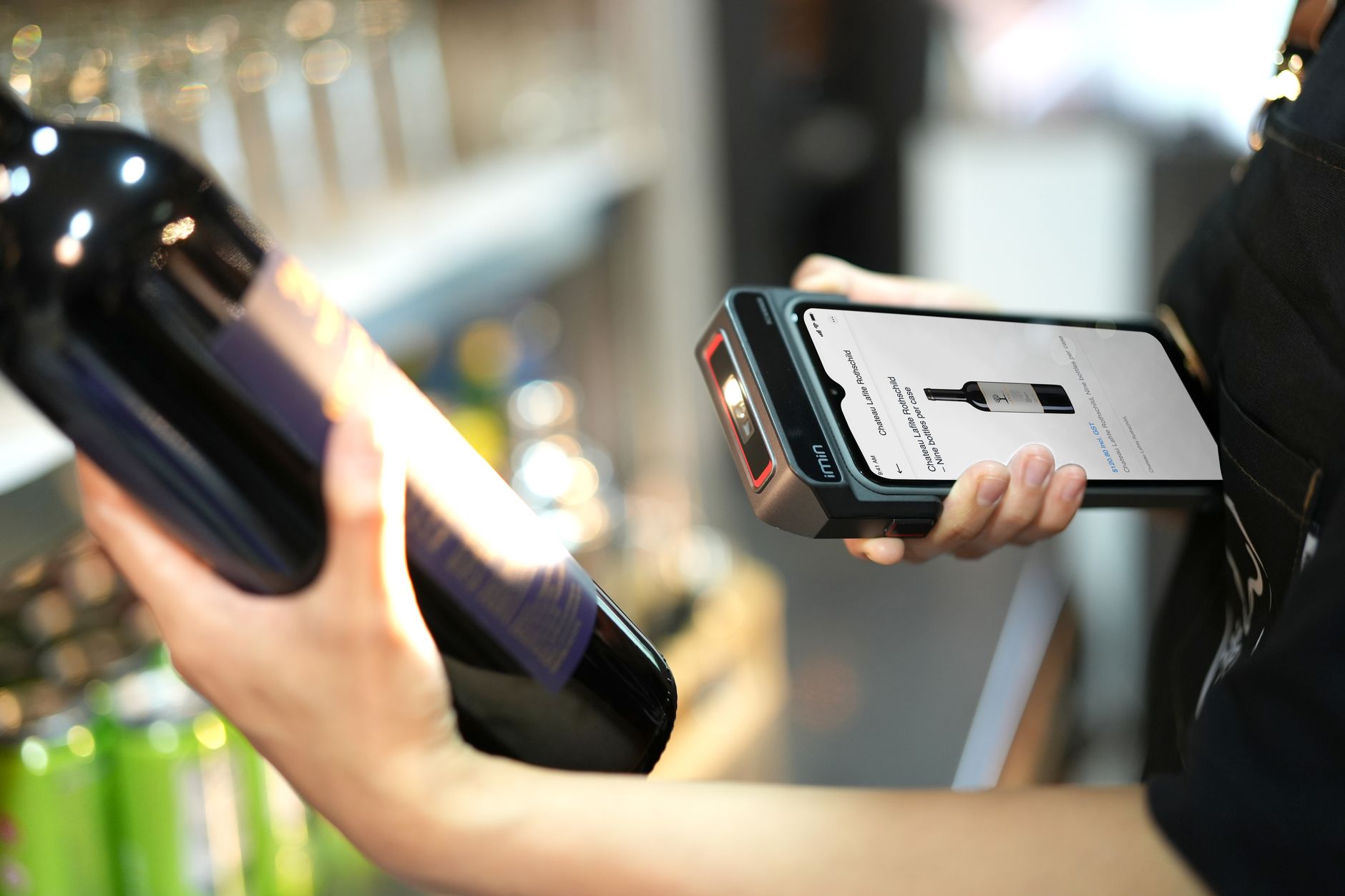
Reader power (measured in dBm) determines the RF wave energy emitted — each 3 dBm increase roughly doubles the power output and improves read distance by 20-40%. Tag type (passive, active, battery-assisted passive - BAP) determines the power source for chip operation.
Reader power: In Vietnam, regulations limit UHF transmit power to 2W ERP (approximately 33 dBm). Chainway UR4 (4-port) can configure power from 20-33 dBm. In practice:
- 30 dBm power: UHF passive tag read range in warehouse achieves 6-8 meters (with standard inlay tags).
- 33 dBm power: range increases to 10-12 meters, but power consumption rises 40% and may cause interference with nearby readers.
Tag type:
- Passive tags: No battery, powered by RF wave energy. Read range 3-12 meters (UHF). Lowest cost (500-2,000 VNĐ/tag). Suitable for warehouse inventory and goods management.
- Active tags: Battery-powered, self-transmitting signal. Read range 30-100 meters. Higher cost (50,000-200,000 VNĐ/tag). Used for containers, high-value assets, real-time tracking.
- BAP tags: Hybrid — battery assists chip but still requires reader signal to activate. Read range 15-30 meters. Mid-range cost.
For small and medium enterprises, passive UHF tags offer the most cost-effective choice. If longer than 15-meter range is needed (such as container gates), switch to active tags.
How do tag antenna size and material affect range?

Larger tag antennas improve RF energy capture — extending read range. Antenna size must match UHF wavelength (approximately 33 cm). Small tags (20x10 mm) read only 1-3 meters; larger tags (100x50 mm) achieve 8-12 meters.
Four antenna factors to consider:
- Antenna area: Standard UHF inlay tags (70x40 mm) have read range 6-10 meters. Smaller tags (50x30 mm) reduce to 3-5 meters. Mini tags (25x10 mm) read only 1-2 meters.
- Substrate material: PET/paper tags deliver highest performance. PVC plastic tags reduce range 20-30% due to dielectric loss.
- Metal-resistant tags (on-metal): Special design with isolation layer allows reading when mounted on metal surfaces — read range 3-6 meters (versus near zero with standard tags).
- Antenna shape: Spiral antenna offers better omnidirectional read range; dipole antenna provides higher directional gain.
When selecting tags for specific applications (such as mounting on cardboard boxes in warehouses), prioritize 70x40 mm or 100x50 mm tags — balancing read range and cost.
How do surrounding materials and environment change the range?
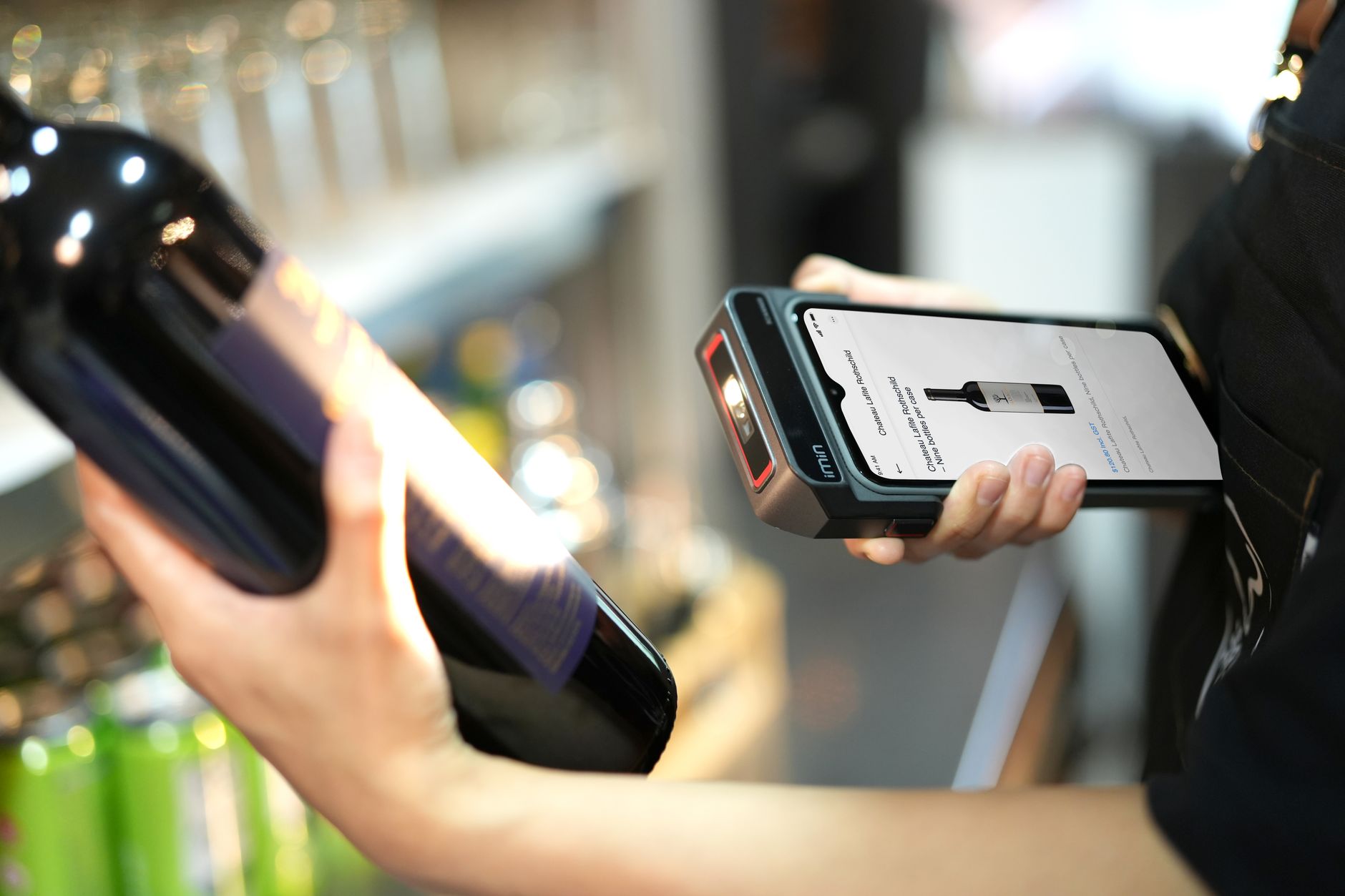
Environment is often the largest surprise factor. Metal reflects and absorbs RF waves; water absorbs strongly at UHF frequencies; wood and plastic have minimal impact. Each material type has a different attenuation coefficient that can reduce read range by 50-90%.
The table below shows UHF read range attenuation when tags are mounted on common warehouse surfaces in Vietnam:
| Material | Attenuation vs. Air | Actual Read Range (70x40 mm tag) | Solution |
|---|---|---|---|
| Air (line-of-sight) | 0% | 8-12 m | — |
| Cardboard (1-2 layers) | 5-10% | 7-10 m | No special handling needed |
| Wood (10 mm plywood) | 15-25% | 6-8 m | Select higher-gain tags |
| Plastic (PP/HDPE 3 mm) | 10-20% | 6-9 m | No special handling needed |
| Metal (steel, aluminum) | 70-90% | 0.5-2 m (without isolation layer) | Use on-metal tags |
| Water (0.5L bottle) | 80-95% | 0.3-1 m | Use waterproof tags / LF frequency |
| Glass (5 mm) | 20-30% | 5-7 m | Can read through glass |
Vietnam-specific note: Many warehouses have corrugated metal walls, reinforced concrete floors, metal-truss ceilings — all metal structures create multipath effects and dead zones. RF site survey is recommended before final installation.
How do electromagnetic interference and nearby readers affect performance?
Electromagnetic interference (EMI) from industrial equipment (motors, frequency converters, fluorescent lights) and other RFID readers on the same frequency reduce signal-to-noise ratio (SNR), effectively narrowing read range.
Three common interference sources:
- Same-frequency RFID readers: Deploying multiple readers in one area (such as warehouse gate with 4-6 readers) requires anti-collision configuration and frequency hopping. Chainway UR4 supports 4 independent channels, reducing cross-talk 60%.
- Industrial equipment: Three-phase motors, frequency converters, welding machines emit broadband noise. Position antennas 2-3 meters away or use shielded enclosures.
- Wi-Fi and wireless devices: Wi-Fi 2.4 GHz does not directly affect UHF (860-960 MHz), but Zigbee and Bluetooth devices may cause harmonic interference. Check frequency spectrum before installation.
Practical solution: use a spectrum analyzer to measure ambient noise level. If noise floor exceeds -80 dBm, increase reader power or change frequency channel.
Tag placement angle and antenna orientation — easily overlooked factors
UHF RFID tags are directional: peak read performance occurs when tag surface is parallel to reader antenna plane. A 45-degree angle can reduce read range 30-50%. A 90-degree angle (perpendicular tag) typically produces no read.
Four placement rules:
- Parallel to antenna: Always position tags so tag plane is parallel to antenna plane. On pallets, apply tags on box outer surface facing the read gate.
- Avoid overlap: When multiple tags are nearby (less than 5 cm apart), coupling effects alter antenna impedance, reducing range. Maintain minimum 10 cm spacing between tags.
- Distance from metal: If mounting on metal is unavoidable, use on-metal tags or elevate tags on foam spacer at least 5 mm thick.
- Direction of movement: When goods pass through a gate, apply tags directly opposite the antenna (for example, at horizontal center height of the gate opening).
How to optimize RFID read range for warehouses and retail
Five practical steps for Vietnam-based operations:
- Site survey: Measure RF environment with spectrum analyzer. Identify dead zones, metal structures, interference sources. Plan antenna placement to avoid them.
- Select appropriate frequency: For general warehouse/retail, UHF is standard. LF for near-field applications (access control). HF for item-level tracking in confined spaces.
- Choose tag type: Passive UHF for cost efficiency on 95% of items. Active/BAP only for high-value or long-range tracking needs.
- Antenna placement: Mount reader antennas at consistent height, typically 1.5-2.0 meters above ground. Aim for 30-45 degree angle toward expected tag approach paths.
- Power tuning: Start at 30 dBm; increase gradually to 33 dBm only if needed. Monitor for interference with adjacent systems.
Need RFID system design for your warehouse?
Việt POS provides consultation on RFID frequency selection, tag types, reader placement, and integration with your inventory system.
Cần tư vấn thiết bị/giải pháp cụ thể?
Việt POS phản hồi trong 30 phút · Hotline 4 vùng · Khảo sát miễn phí.
Bài viết cùng chủ đề