Mục lục bài viết (9)
- 1. What is online POS (cloud)? Who is it suitable for?
- 2. What is offline POS (local)? Who is it suitable for?
- 3. What is hybrid POS (combining cloud + local)? Who is it suitable for?
- Detailed comparison of online vs offline vs hybrid POS
- Choosing POS software by use case
- Pros and cons of each POS software category
- Benefits of integrating barcode and omnichannel payments into POS
- Case study: Lá Me mini-supermarket chose hybrid POS, increased revenue by 30%
- Frequently Asked Questions
Integrated POS software for 2026 is not merely a billing tool — it is a system that connects online sales (website, e-commerce platforms), offline sales (at the counter), barcode management, and omnichannel payments (QR, card, cash) on a single platform. This article compares the three most popular POS solution categories in Vietnam: online POS (cloud), offline POS (local), and hybrid POS — helping you choose the right software for your mini-supermarket, F&B chain, or distribution warehouse.
1. What is online POS (cloud)? Who is it suitable for?
Online POS (cloud) is software that runs on a remote server, synchronizing data in real-time via the Internet. It is suitable for store chains, mini-supermarkets, or businesses with multiple branches requiring centralized management. Data is stored in the cloud, accessible anytime, and automatically backed up.
Key features of cloud POS include: instant inventory synchronization across branches, integration with online sales channels (Shopify, Facebook, Tiki), and support for omnichannel payments via VNPay, Momo, PayOS gateways. Subscription costs typically range from 200,000-500,000 VND/month. However, if the internet connection is lost, the system ceases to function unless an offline backup mechanism is in place.
Suitable for: owners of 3-20 store chains, mini-supermarkets, convenience stores, restaurants with online delivery.
2. What is offline POS (local)? Who is it suitable for?
Offline POS (local) is software installed directly on a computer at the store, with data stored locally. It operates stably even without an internet connection. This solution is suitable for single stores, distribution warehouses, or locations with weak network connectivity.
Bạn đang tìm sản phẩm cho chủ đề này?
Việt POS phân phối chính hãng — bảo hành 24-36 tháng, hỗ trợ kỹ thuật 24/7.
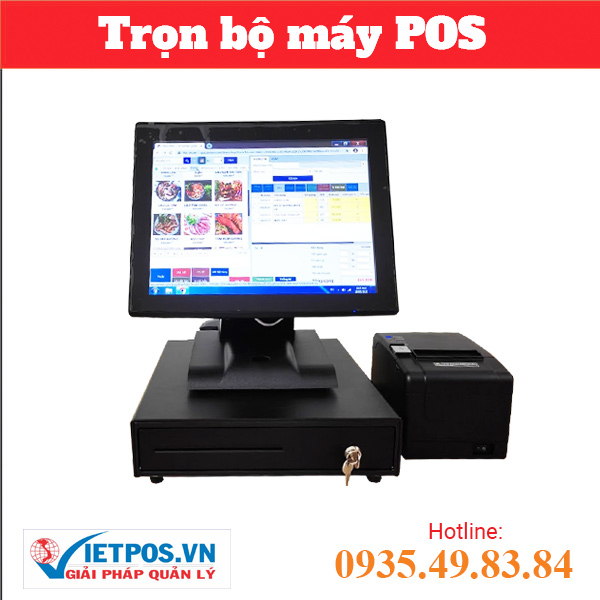

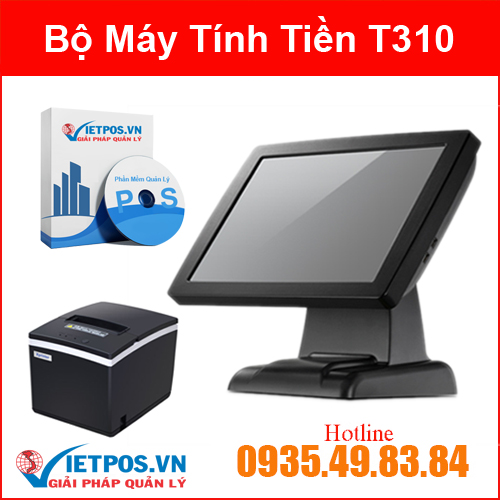
Local POS typically involves a one-time purchase cost (license) ranging from 3-10 million VND, with no monthly subscription fees. Data security is absolute as it does not rely on the cloud. However, it is challenging to synchronize data across multiple branches, lacks remote automatic backup, and requires manual updates for new versions.
Suitable for: grocery stores, small coffee shops, independent fashion boutiques, warehouses that do not require multi-branch management.
3. What is hybrid POS (combining cloud + local)? Who is it suitable for?
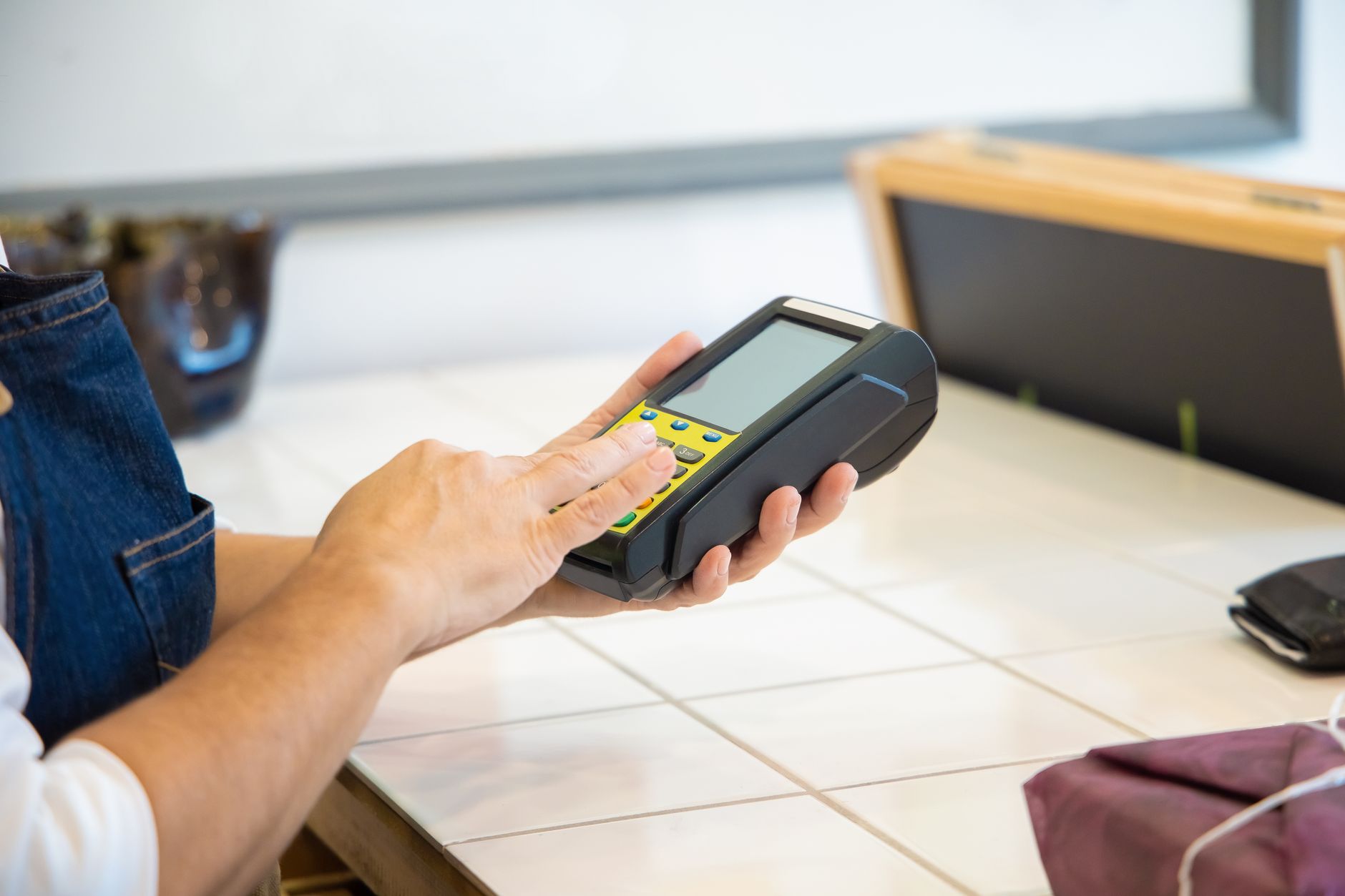
Hybrid POS is a combined solution: data synchronizes to the cloud when an internet connection is available, but it continues to operate locally when the network is lost. This is an optimal choice for businesses requiring both stability and flexibility.
A hybrid system allows for offline sales, temporarily storing transactions, and automatically synchronizing them to the cloud once network connectivity is restored. It integrates barcode scanners, thermal receipt printers, and omnichannel payments (QR, card, cash). The initial investment cost is higher (subscription + local license) but offers superior reliability and scalability in return.
Suitable for: small and medium-sized store chains (5-15 branches), mini-supermarkets, restaurants with both dine-in and delivery services, distribution warehouses requiring real-time inventory management while still needing to operate during network outages.
Detailed comparison of online vs offline vs hybrid POS
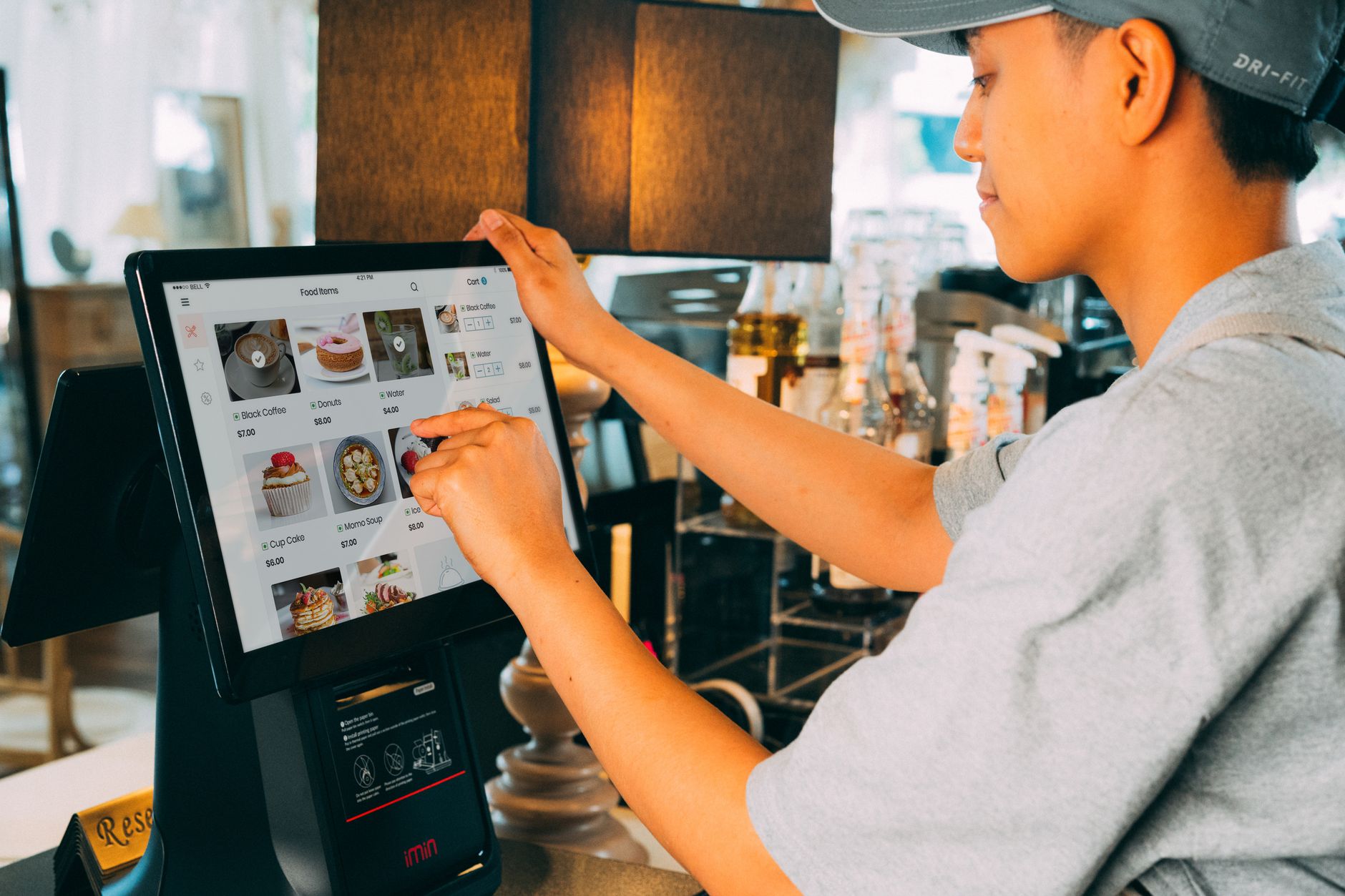
The comparison table below evaluates three POS software categories based on eight criteria: data synchronization, offline capability, barcode integration, omnichannel payments, cost, security, scalability, and technical support.
| Criteria | Online POS (Cloud) | Offline POS (Local) | Hybrid POS |
|---|---|---|---|
| Data Synchronization | Real-time, multi-branch | Manual, single branch only | Automatic when online |
| Offline Capability | No (unless with backup) | Best | Good (switches to local when offline) |
| Barcode Integration | Yes (via API) | Yes (direct) | Yes (both online and local) |
| Omnichannel Payments | Built-in (VNPay, Momo, PayOS) | Requires separate plugin | Built-in + offline fallback |
| Cost | 200-500k/month | 3-10 million (one-time) | 500k-1 million/month + local fee |
| Data Security | Depends on cloud provider | Absolute (local) | High (encryption + local backup) |
| Scalability | Easy to add branches | Difficult, requires reinstallation | Flexible, easy to scale |
| Technical Support | Online 24/7 | Per contract | Online + onsite |
Conclusion: Hybrid POS is the Best choice for businesses needing both stability (offline) and flexibility (cloud). Online POS is suitable for store chains with strong internet connectivity. Offline POS is ideal for single stores with a low budget.
Choosing POS software by use case
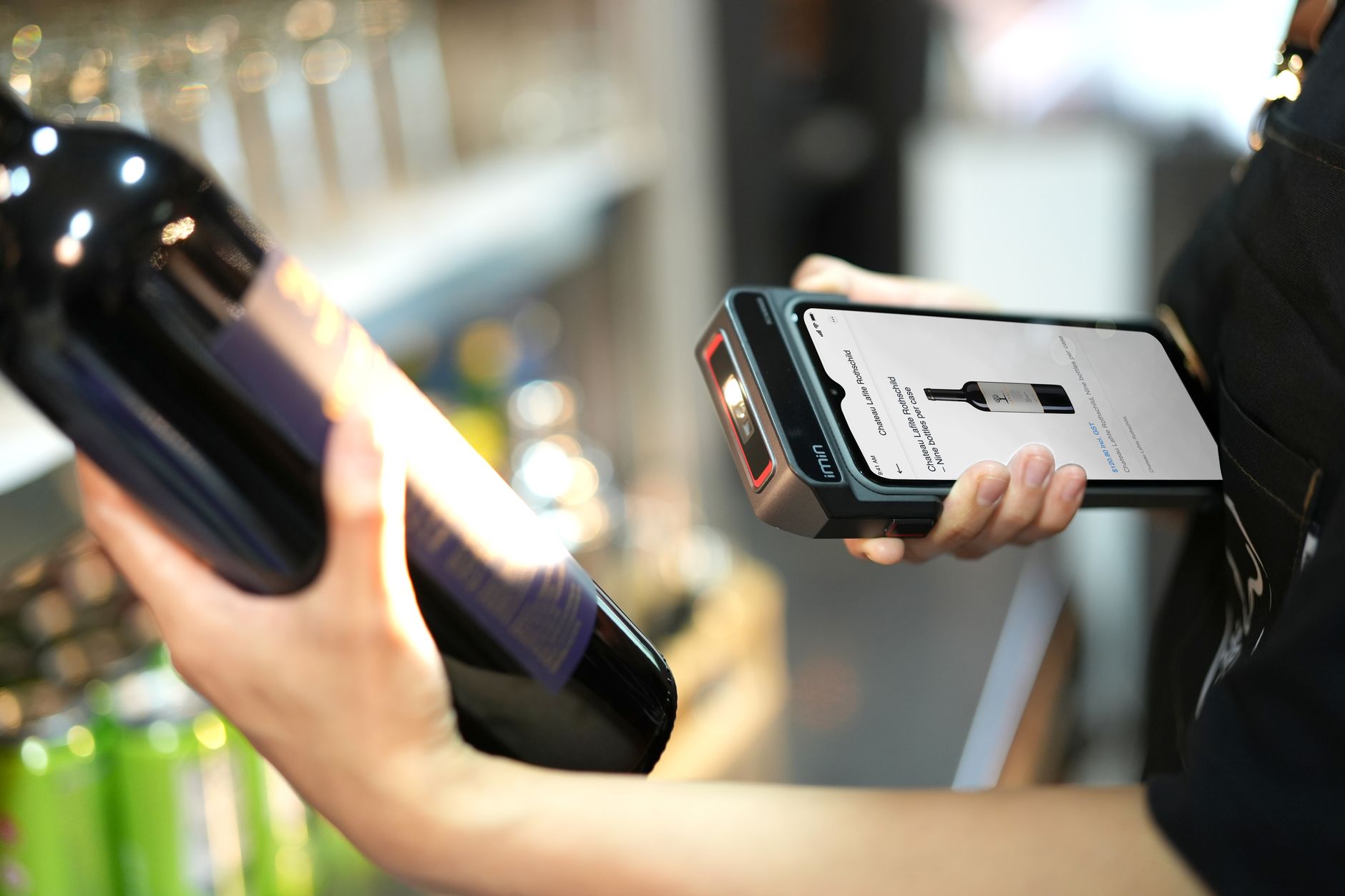
Based on specific scale and needs, here are recommendations for choosing the optimal POS software category for four common use cases in Vietnam.
Use case 1: Mini-supermarket / convenience store (1-3 branches)
Choose Hybrid POS. Reason: requires inventory synchronization between branches but still needs to operate during power/network outages. Integration of barcode scanners and thermal receipt printers is mandatory. Cost is approximately 500k-1 million VND/month.
Use case 2: F&B chain (5-20 branches, with delivery)
Choose Online POS (Cloud). Reason: requires centralized management of online orders (Grab, ShopeeFood, proprietary website), real-time menu and inventory synchronization. QR and card payment integration is a priority. Cost is 200-500k VND/month/branch.
Use case 3: Distribution warehouse / wholesale (1-2 warehouses, few branches)
Choose Offline POS (Local). Reason: prioritizes data security, independence from the Internet, low one-time cost. Barcode scanner and barcode label printing integration are sufficient. Cost is 3-10 million VND.
Use case 4: Fashion / cosmetics store (online + offline)
Choose Hybrid POS. Reason: requires simultaneous in-store (offline) and online (Facebook, website) sales, precise size/color inventory management. Hybrid allows real-time inventory synchronization, even during network outages.
Pros and cons of each POS software category
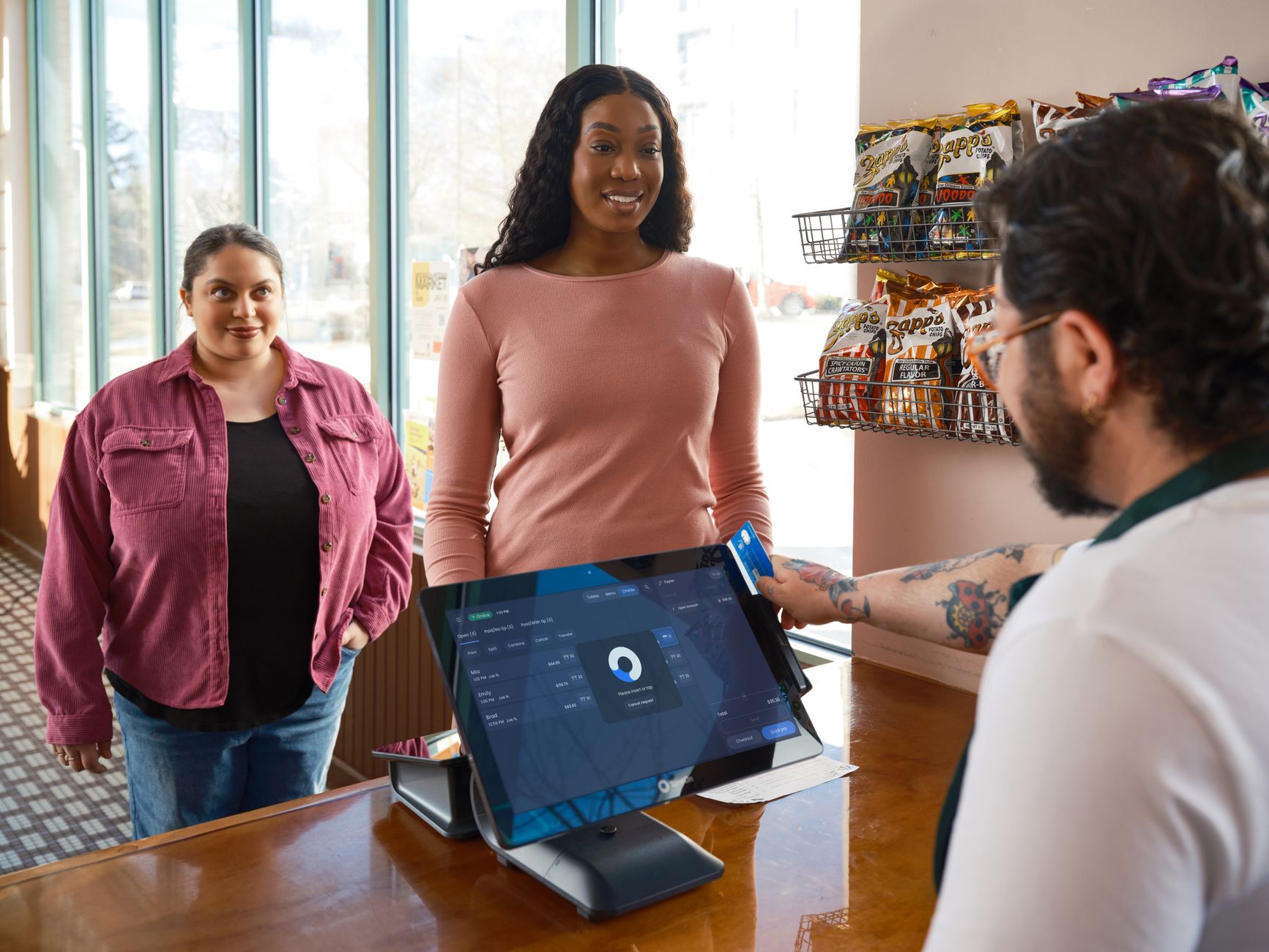
Each POS category has its own advantages and disadvantages. Below is a detailed analysis to help you consider before making a decision.
POS Online (Cloud)
POS Offline (Local)
POS Hybrid
Benefits of integrating barcode and omnichannel payments into POS
Integrating barcode scanners and omnichannel payments (QR, card, cash) helps reduce checkout time by 70-90%, minimizes data entry errors, and enhances customer experience. According to a Việt POS survey, stores fully integrating these three elements saw a 15-25% increase in revenue after 6 months.
Specifically, barcode scanners (such as Zebra LS2208, Honeywell 8680i) help with inventory input 5-10 times faster than manual typing. Omnichannel payments (QR via VNPay, card via POS terminals) reduce shopping cart abandonment rates due to customers not having cash. Modern POS systems allow for all-in-one integration within a single interface.
See more: Zebra vs Honeywell vs Datalogic Barcode Scanners: Which Brand to Choose? and Omnichannel Supermarket Payments: QR, Card, Cash Comparison.
Case study: Lá Me mini-supermarket chose hybrid POS, increased revenue by 30%
Lá Me mini-supermarket (District 7, HCMC) with 3 branches previously used separate offline POS systems, lacking inventory synchronization. After switching to Việt POS's hybrid POS, they integrated Honeywell barcode scanners and QR payments via VNPay. Results after 3 months: checkout time reduced from 3-5 minutes to 30-45 seconds, real-time inventory synchronization, and a 30% revenue increase due to simultaneous online and offline sales.
Frequently Asked Questions
Does integrated POS software require an internet connection?
What is the cost of POS software with integrated barcode and payment features?
Which POS software can integrate QR and card payments?
How do I choose the right POS software for my store's scale?
Is barcode-integrated POS software difficult to use?
Can I try the POS software before purchasing?
Do you need advice on choosing integrated POS software that fits your scale and budget? Call hotline 0935 498 384 or email info@vietpos.vn for free support. Việt POS — Comprehensive POS solutions for Vietnamese businesses.
Cần tư vấn thiết bị/giải pháp cụ thể?
Việt POS phản hồi trong 30 phút · Hotline 4 vùng · Khảo sát miễn phí.
Sản phẩm liên quan

Bài viết cùng chủ đề