Mục lục bài viết (10)
- Industry Problems
- How RFID Time Attendance and Access Control Works
- Specific Benefits
- Applications in Offices and Commercial Buildings
- Applications in Factories and Industrial Zones
- Applications in Warehouses and Logistics
- Comparison of RFID with Other Time Attendance Technologies
- Deployment Cost of RFID Time Attendance and Access Control System
- Related Equipment
- Frequently Asked Questions
RFID time attendance and access control is a system using RFID tags (passive or active) combined with fixed readers and management software to automatically record work time and control area access. According to MarketsandMarkets 2025 report, the global RFID access control market reached $12.4 billion, growing at 11.2% CAGR, with Asia-Pacific accounting for 34% of revenue due to demand from industrial zones and smart buildings.
Industry Problems

- ⚠️ Manual time tracking causes errors: Employees forget to swipe cards, swipe for others, or use paper records leading to work hour discrepancies, losing 15-30 minutes daily to reconciliation.
- ⚠️ Loose access control: Strangers easily enter restricted areas (warehouses, server rooms) without trace, risking asset loss.
- ⚠️ Difficult data integration: Time attendance and access data remain scattered, not synchronized with payroll or CRM, losing 2-4 hours monthly for reconciliation.
- ⚠️ High operational costs: Security staff at gates, printed timesheet printing, complaint handling account for 5-8% of monthly payroll.
- ⚠️ No real-time data: Unknown who is in the building, who leaves during business hours, difficult to manage flexible shifts.
How RFID Time Attendance and Access Control Works

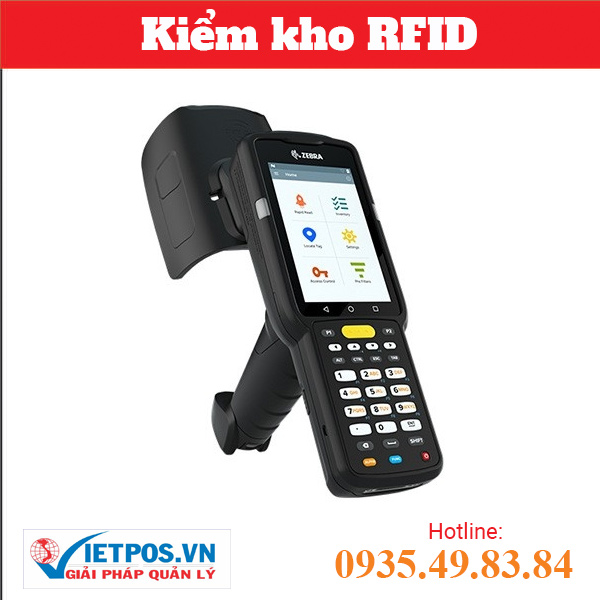

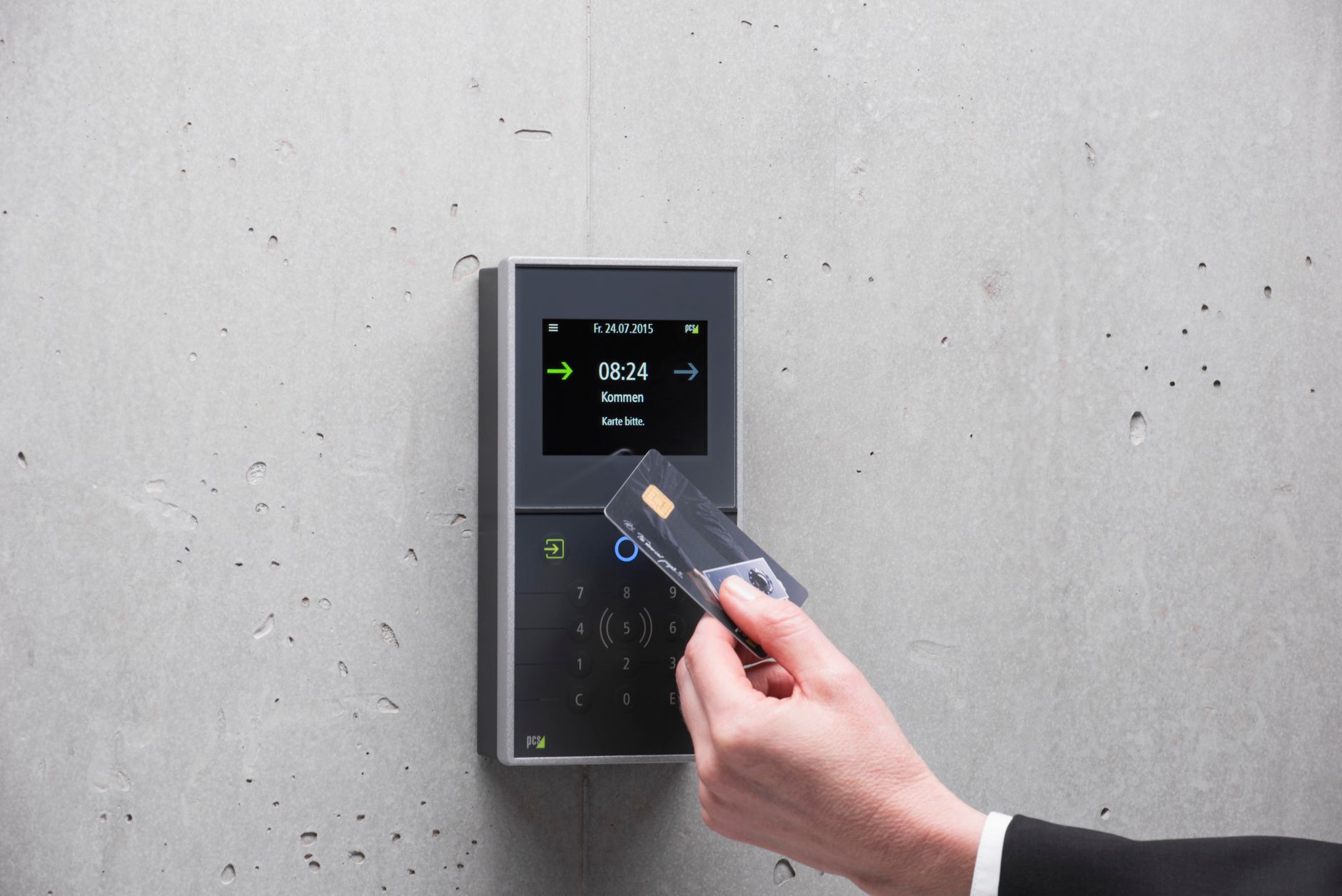
- Step 1 – Issue RFID tags to employees/vehicles: Each employee receives a UHF RFID tag (read range 3-10m) or HF tag (read range 5-10cm) depending on requirements. Tags can be embedded in employee IDs, wristbands, or affixed to vehicles.
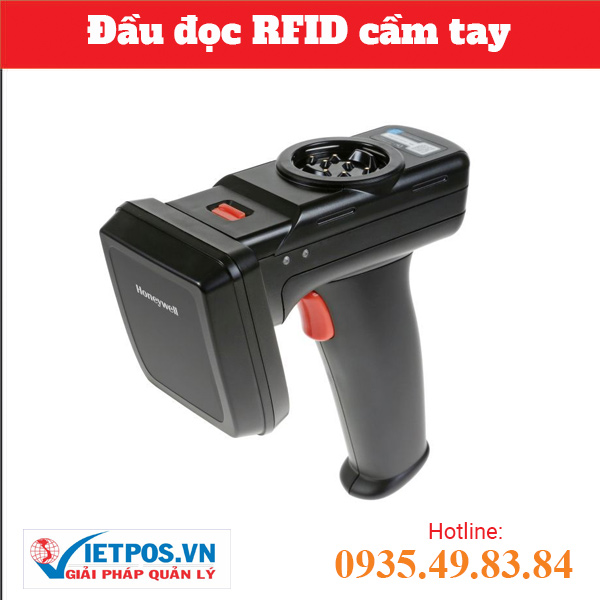
- Step 2 – Install readers at entry/exit points: Fixed RFID readers (such as Chainway UR4 4-port or UR8 8-port) are installed at main entrances, warehouse doors, and parking gates. When tags pass through the read zone, the reader captures the tag ID and timestamp.
- Step 3 – Authentication and authorization: Central software compares tag IDs with the database. If valid, the system unlocks the door or barrier. If invalid, the system denies access and logs the violation.
- Step 4 – Record data and reporting: Each tag read is logged to the database with timestamp, area, and direction (entry/exit). Data automatically syncs with time attendance and payroll modules, reducing manual work by 90%.
- Step 5 – Alerts and analytics: System sends real-time alerts for unauthorized access, card swipes outside business hours, or employees leaving work areas. Dashboard reports display entry/exit counts, actual work hours, and recommended shift optimization.
Specific Benefits
Applications in Offices and Commercial Buildings
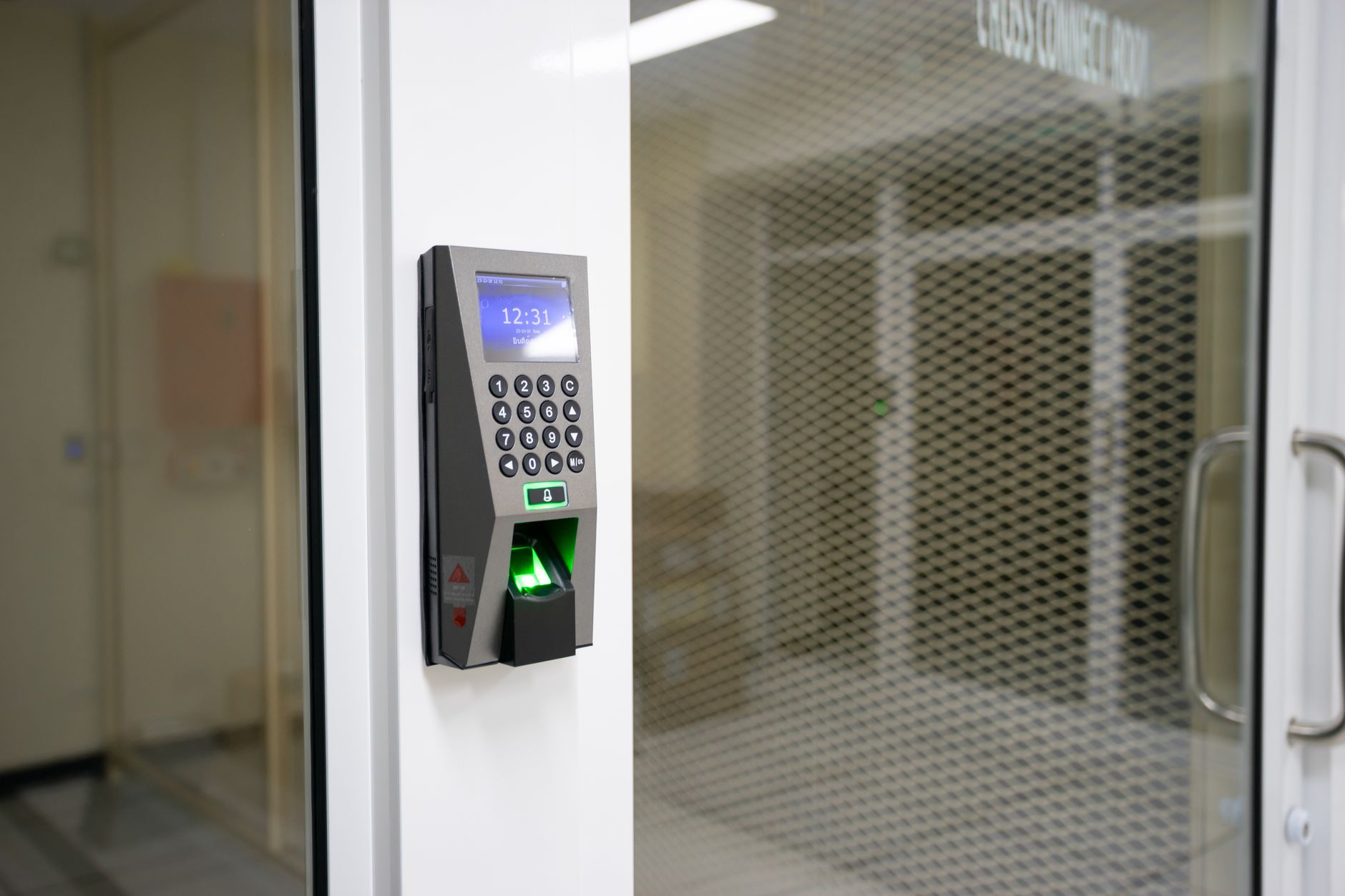
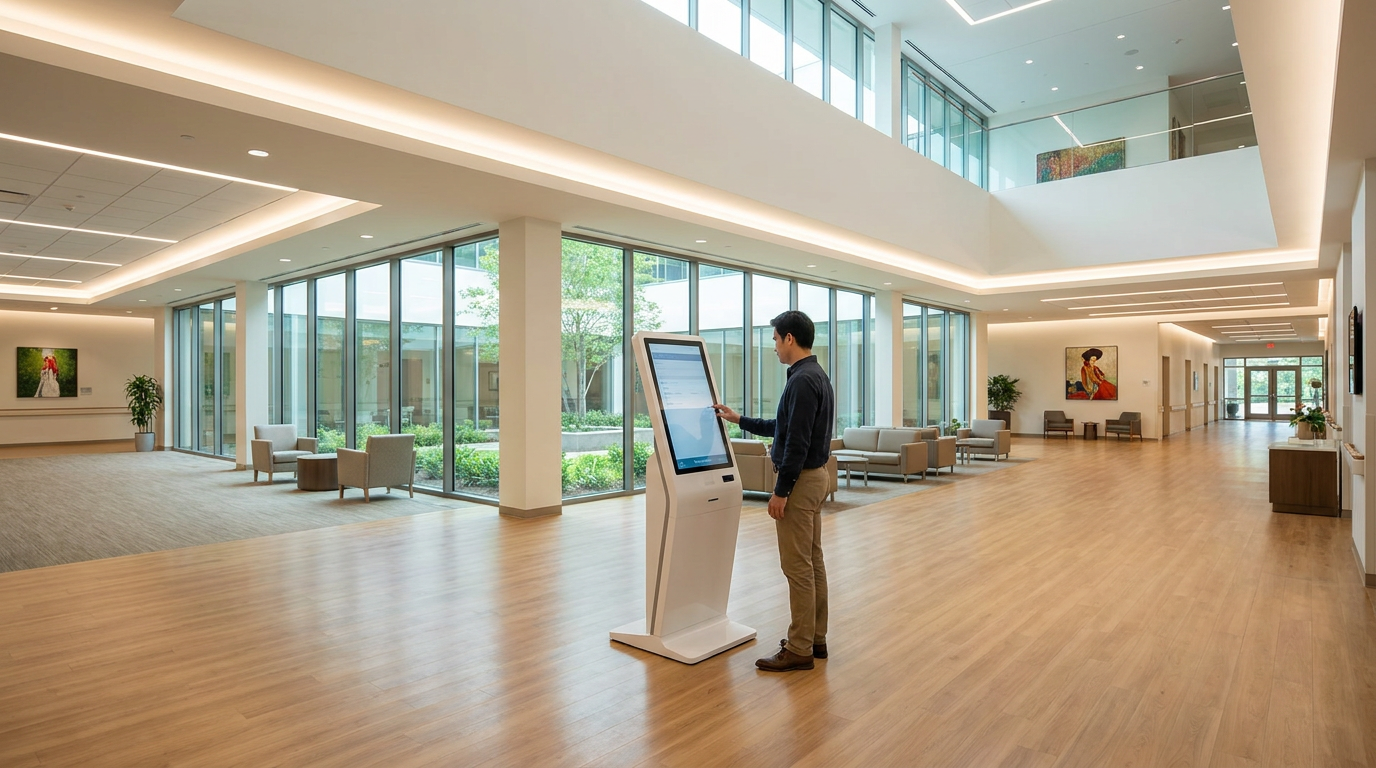
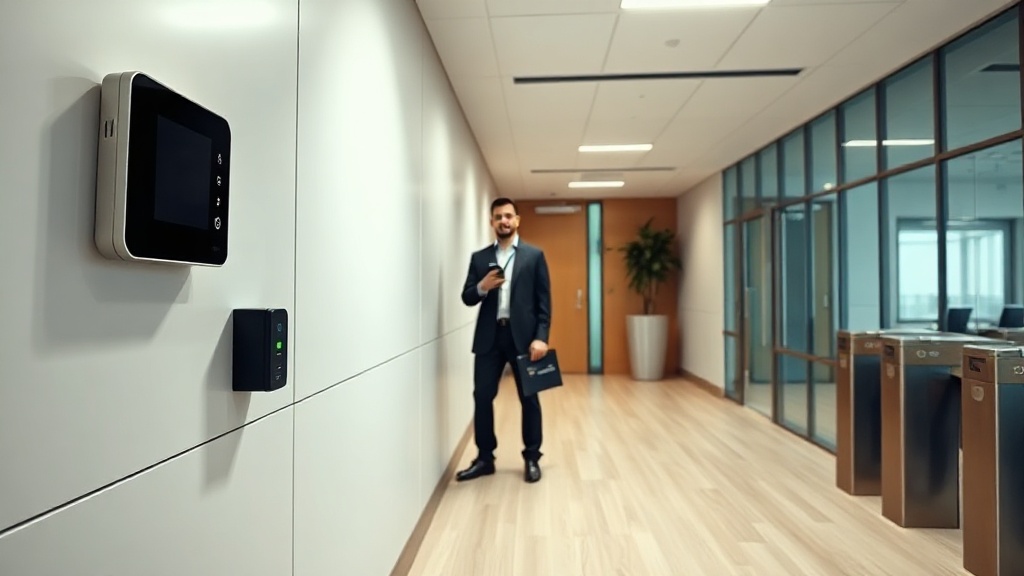
In A-B grade office buildings, RFID time attendance and access control are deployed at main lobbies, elevator doors, and basement parking. Each employee receives an HF tag (13.56 MHz) embedded in a photo ID card. When swiped at wall-mounted readers, the system unlocks the door and records entry time. Data automatically syncs with time attendance and payroll software. The system can integrate with IP cameras to photograph the person swiping the card, reducing fraud. Average cost for a 500-employee building: approximately 80-150 million VND (including 4-8 fixed readers, 500 tags, software, installation). Payback period is 12-18 months due to savings in security and administrative staff.
Bạn đang tìm sản phẩm cho chủ đề này?
Việt POS phân phối chính hãng — bảo hành 24-36 tháng, hỗ trợ kỹ thuật 24/7.
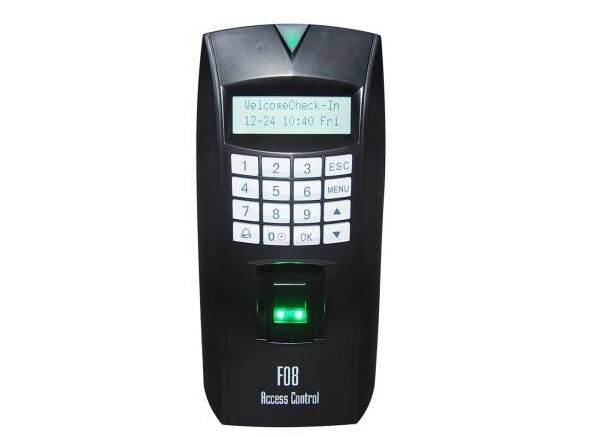
MITA F08 Fingerprint and RFID Access Control Time Attendance Machine
SKU: F08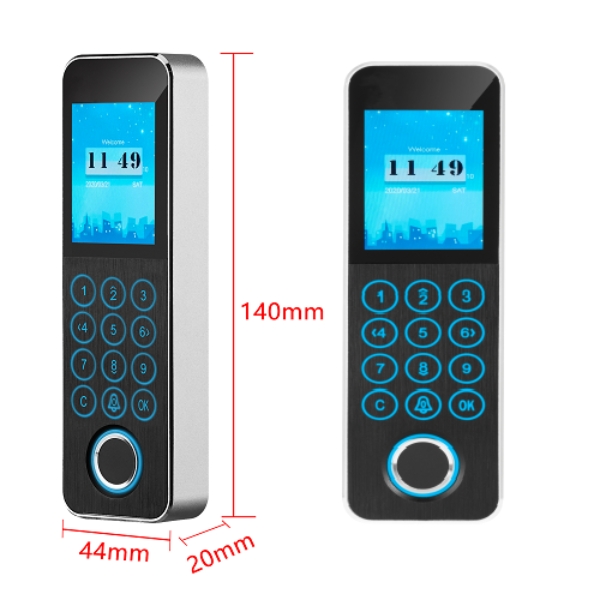
RONALD JACK F18-T Time Attendance and Access Control Machine
SKU: F18-T
ZKTeco SpeedFace M4 Access Control Time Attendance Machine
SKU: SpeedFace-M4
SUPREMA BIOLITE NET Access Control and Time Attendance System
Applications in Factories and Industrial Zones

Manufacturing plants and industrial zones typically have multiple entry points (main gate, truck gate, employee gate) and require strict hazard area control. UHF RFID (860-960 MHz) with 5-10m read range allows workers to wear tags in shirt pockets without manual swiping. Fixed readers at barrier gates automatically record when vehicles or personnel pass through. Combined with ANPR cameras (license plate recognition) for trucks, the system provides comprehensive access control. A case study at VSIP Bắc Ninh industrial zone showed that after 6 months of deployment, theft incidents dropped 80%, and time attendance processing time decreased from 45 minutes daily to 5 minutes daily. Recommended equipment: Chainway UR8 8-port for main gate, Chainway C61 for mobile inspection.
Applications in Warehouses and Logistics
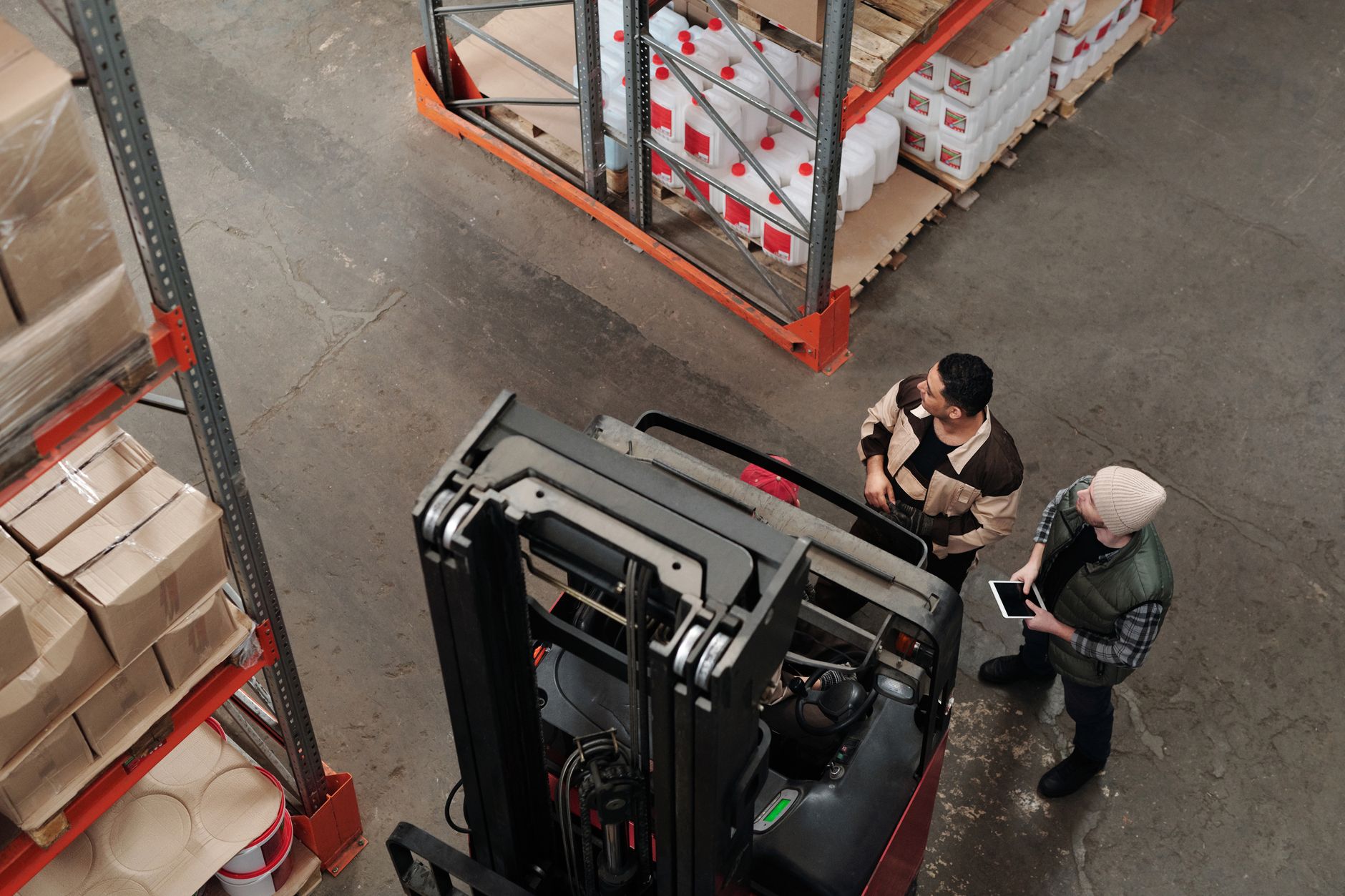
Warehouses typically have restricted areas (high-value storage, hazardous goods zones) and need to monitor who enters, when, and for how long. RFID time attendance combined with warehouse access control prevents inventory loss. Warehouse staff wear UHF RFID tags; when entering restricted areas, readers verify and cross-check with assigned shifts. If the employee is not authorized for that area, the system alerts in real-time. Entry/exit data syncs with RFID warehouse management systems to audit who accessed which shipment. A 3PL distribution center in Bình Dương reported 95% reduction in inventory loss and saved 200 labor hours monthly by integrating RFID time attendance, access control, and stock counting.
Comparison of RFID with Other Time Attendance Technologies
| Criteria | RFID (HF/UHF) | Fingerprint | Face ID | Magnetic Card |
|---|---|---|---|---|
| Read speed | 0.1-0.5 seconds | 0.5-1.5 seconds | 0.3-1 second | 0.5-1 second |
| Accuracy in dust/oil environment | High | Low (error-prone) | Medium | Medium |
| Fraud prevention capability | High (unique tag) | Medium (copyable) | High | Low (easily copied) |
| Initial investment cost (100 employees) | 40-80 million VND | 60-120 million VND | 150-300 million VND | 30-50 million VND |
| Annual maintenance cost | 5-10 million VND | 10-20 million VND | 20-40 million VND | 5-10 million VND |
| Access control integration | Built-in | Requires separate module | Requires separate module | Built-in |
| Long-range reading (contactless) | Yes (UHF: 5-10m) | No | No (must stand close) | No |
Deployment Cost of RFID Time Attendance and Access Control System
Cost depends on scale and technology. Below are estimates for three common segments:
| Segment | Scale | Main Equipment | Estimated Cost | Payback Period |
|---|---|---|---|---|
| Small office | 20-50 employees | 2 HF readers, 50 tags, software | 15-30 million VND | 6-12 months |
| Medium factory | 100-300 employees | 4-6 UHF readers, 300 tags, barrier, camera | 80-150 million VND | 12-18 months |
| Large industrial zone | 500-2000 employees | 10-20 UHF readers, 2000 tags, ERP integration | 300-800 million VND | 18-24 months |
Note: Above costs exclude installation and training (typically 10-15% of total). Việt POS provides genuine RFID equipment from Chainway, Zebra, Honeywell with 12-24 month warranty.
Related Equipment
Frequently Asked Questions
Answer: Yes, UHF RFID readers can operate outdoors with IP65-IP67 rating, read range 5-10m. However, avoid metal obstacles and RF interference. Việt POS recommends using Chainway UR4 or UR8 readers for outdoor gates, combined with waterproof enclosures and surge-protected power supply.
Answer: Approximately 5-10% of initial investment value. Includes: tag battery replacement (UHF tags last 3-5 years), reader cleaning, software updates. For a 100 million VND system, maintenance costs 5-10 million annually. Việt POS offers comprehensive maintenance packages at 8 million VND annually for systems under 200 million VND.
Answer: Yes. Việt POS RFID systems support RESTful API and CSV/XML data export. Time attendance data can sync with multi-branch POS software via an integration module. Integration takes 1-2 weeks depending on complexity.
Answer: Can minimize but not eliminate entirely. Solutions: combine RFID tag + PIN or fingerprint (two-layer authentication), or use long-range UHF readers with cameras that photograph the person swiping. Việt POS recommends HF tags (short read range) for offices to ensure tighter control.
Answer: Approximately 2-4 weeks including: site survey (3-5 days), reader and barrier installation (5-7 days), software configuration and tag issuance (3-5 days), training and pilot (3-5 days). Việt POS has implementation teams in Hanoi, Ho Chi Minh City, and surrounding provinces.
Answer: No physical tag replacement needed. Simply deactivate the tag ID in the management software. Tags can be reused for new employees after clearing old data. Việt POS recommends ordering 10-15% extra tags to account for staff turnover.
Answer: Depends on server configuration. Default is 12 months on local storage. Can be extended to 36-60 months using cloud or NAS. Data includes: tag ID, employee name, timestamp, area, direction (entry/exit). Reports export easily for audit purposes.
Answer: HF RFID (13.56 MHz) has short read range 5-10cm, low cost, high security, suitable for offices and doors. UHF RFID (860-960 MHz) has long read range 5-10m, reads multiple tags simultaneously, suitable for factories, warehouses, vehicle gates. UHF initial investment is 30-50% higher than HF. Việt POS advises choosing based on specific requirements.
Cần tư vấn thiết bị/giải pháp cụ thể?
Việt POS phản hồi trong 30 phút · Hotline 4 vùng · Khảo sát miễn phí.
Bài viết cùng chủ đề