Mục lục bài viết (7)
Each vehicle at a manual toll booth takes 15-25 minutes, along with staffing costs and revenue loss risks. RFID Electronic Toll Collection (ETC) automates the toll process, reducing transaction time to under 3 seconds, eliminating leakage, and optimizing operations. This article explains the principles, implementation steps, and specific business benefits.
What is RFID Electronic Toll Collection (ETC)?
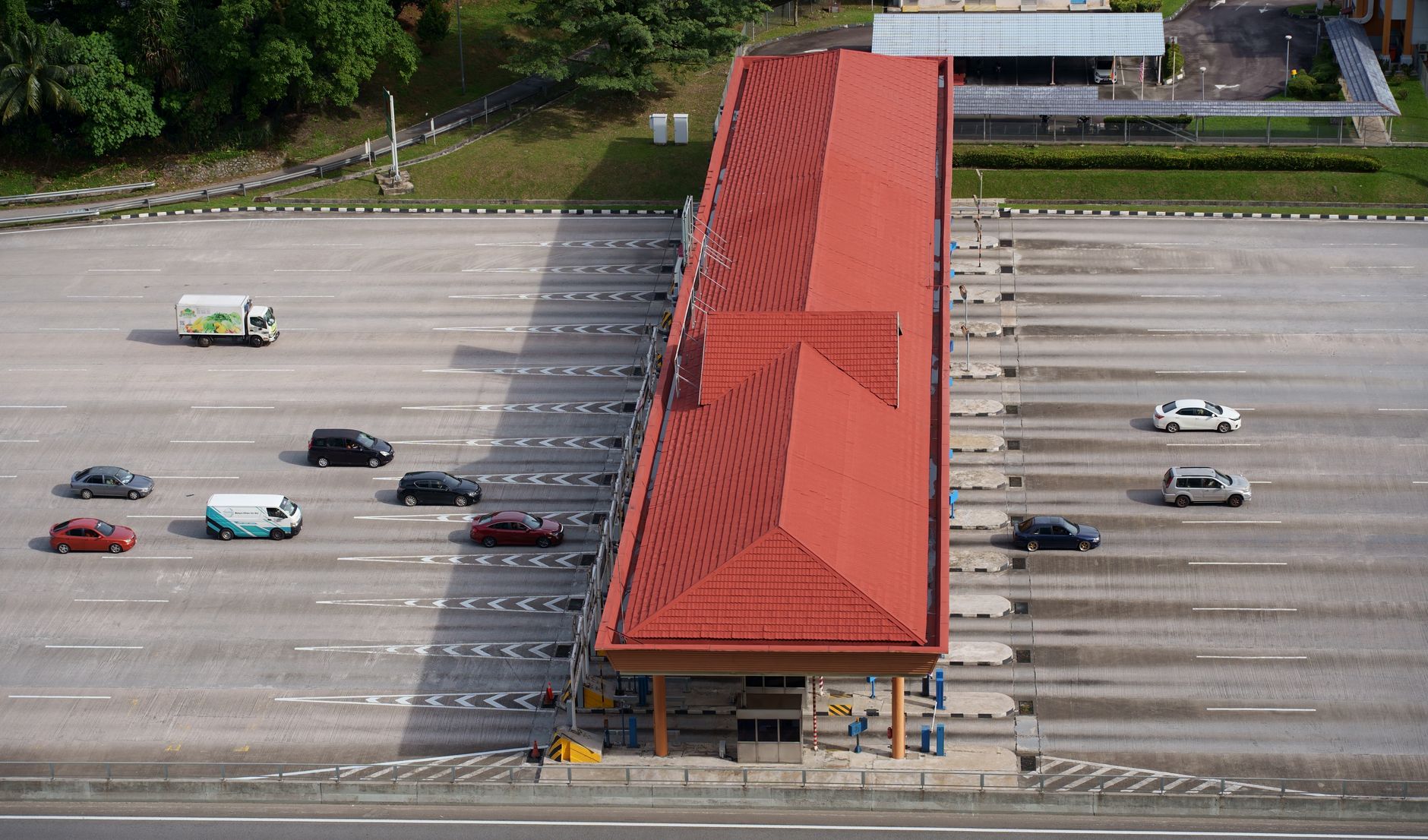
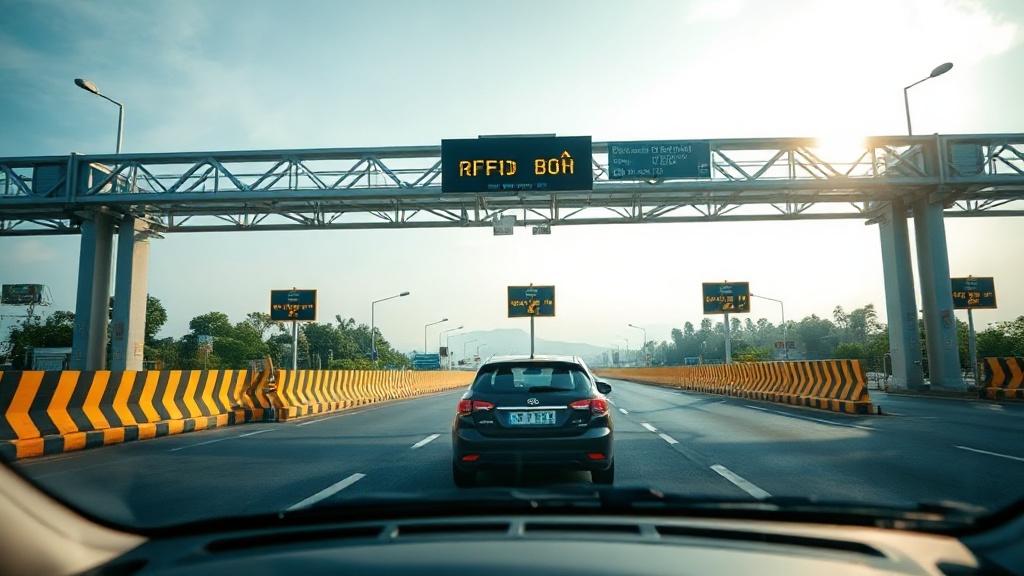
RFID Electronic Toll Collection (ETC) is a system using radio waves to automatically identify and charge vehicles passing through toll stations without stopping. The technology relies on RFID tags mounted on vehicle windows and fixed RFID readers installed at toll stations.
The system comprises three main components: RFID tag (mounted on vehicle), fixed RFID reader (installed at toll station), and toll management software. When a vehicle passes, the reader scans the tag, deducts funds from the account, and automatically opens the barrier. The entire process takes 1-3 seconds.
How RFID Works in ETC Systems

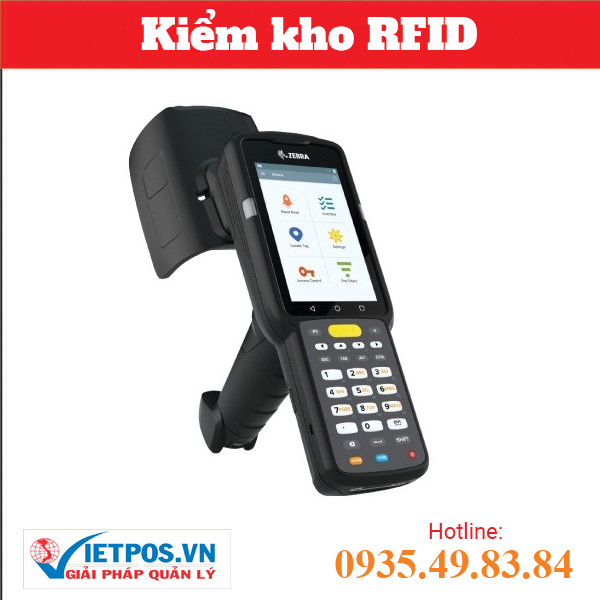
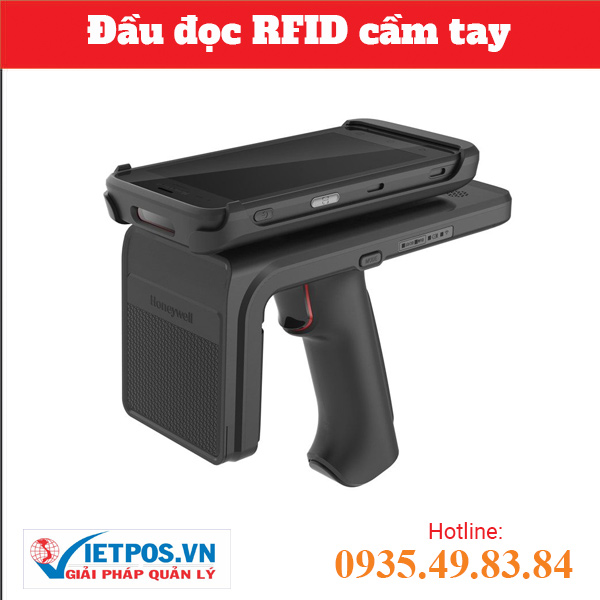
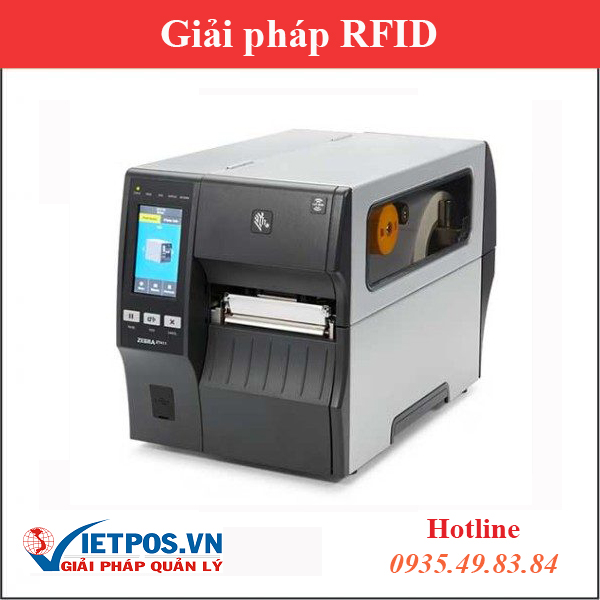
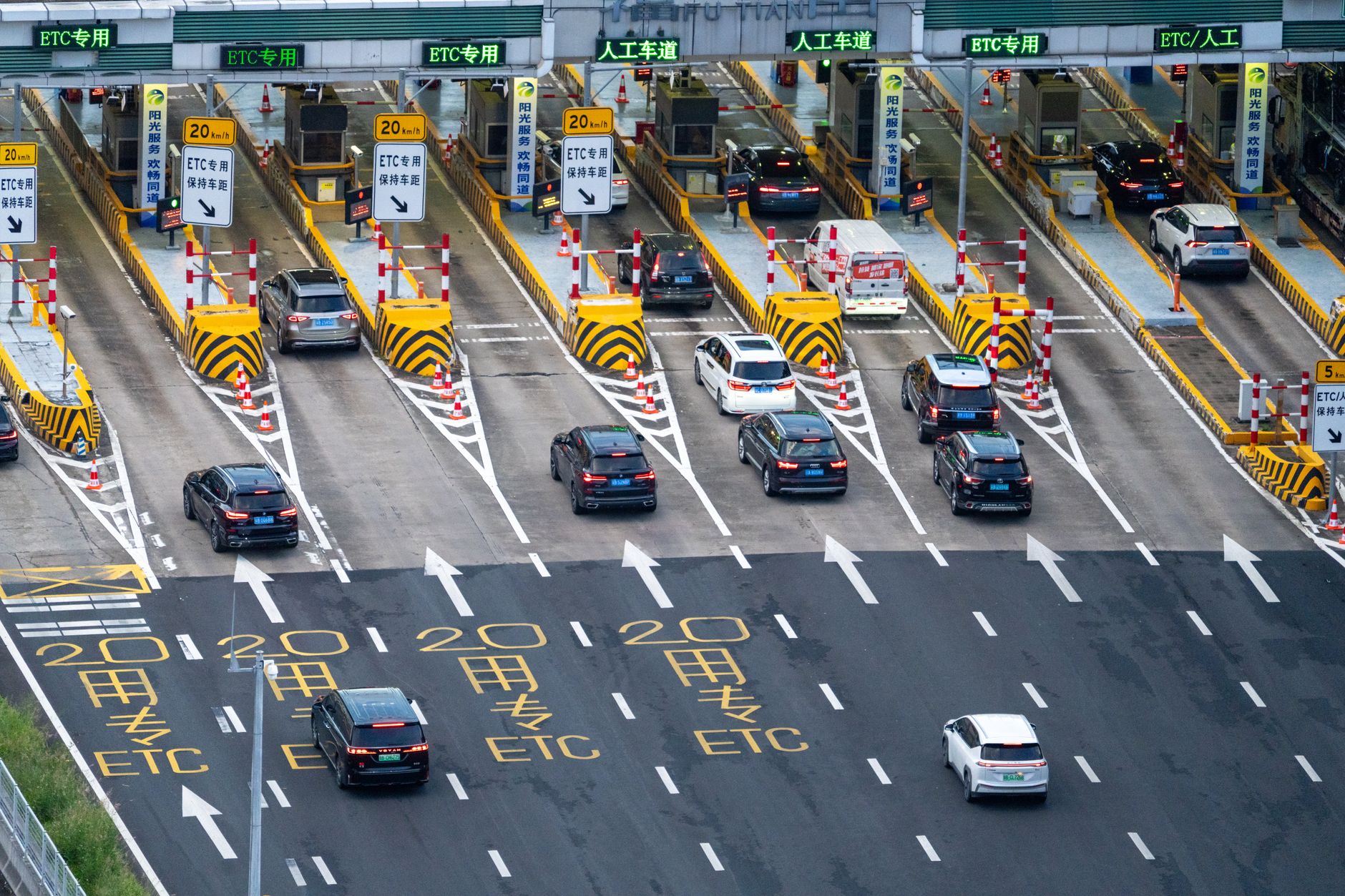
Operation is based on communication between passive RFID tags (battery-free) and UHF readers (860-960 MHz). The reader transmits radio waves, the tag harvests energy and replies with a unique ID. The system cross-references the ID with a database and executes the transaction.
Bạn đang tìm sản phẩm cho chủ đề này?
Việt POS phân phối chính hãng — bảo hành 24-36 tháng, hỗ trợ kỹ thuật 24/7.
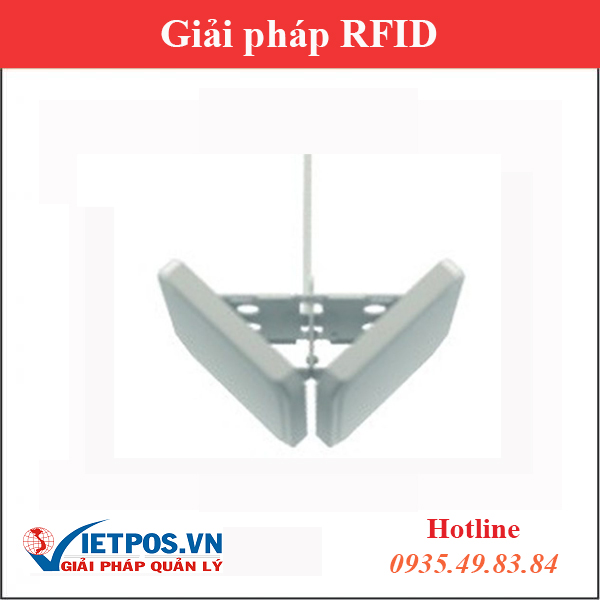
Zebra SR5502 RFID Antenna for Backroom and Warehouse
SKU: SR5502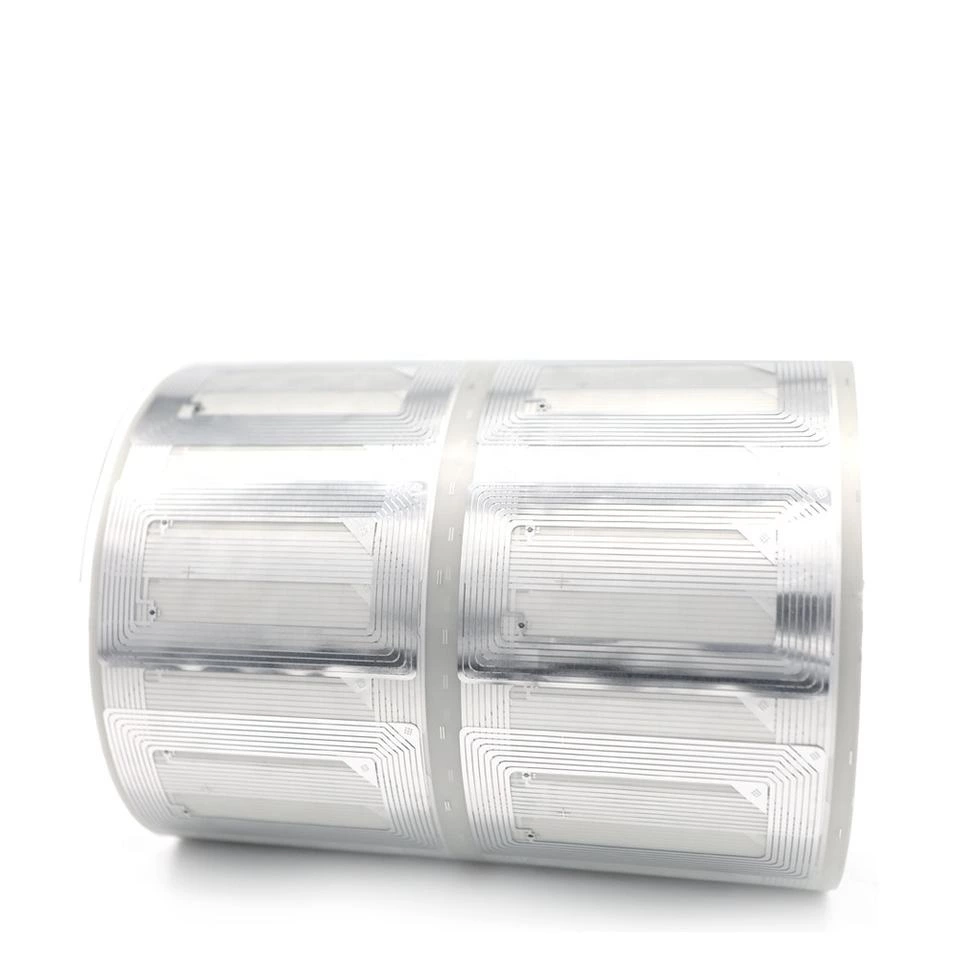
13.56MHz Passive RFID Dry Inlay — HF RFID Tag NFC Inlay

Chainway C5E UHF RFID Reader (Android 16) — Handheld RFID Reader

Chainway MC51S UHF RFID Reader (Android 16) — Handheld RFID Reader
- Radio transmission: Fixed RFID reader transmits radio waves at UHF frequency (typically 920-925 MHz in Vietnam).
- Tag activation: Passive RFID tag (battery-free) harvests energy from the signal, activates its circuit, and sends back a unique ID.
- Read and verification: Reader receives ID, sends it to management software to verify account and balance.
- Transaction processing: If account is valid, system deducts funds, opens barrier, and records transaction history.
- Real-time execution: The entire process occurs in under 3 seconds, even with vehicles traveling at 30-60 km/h.
Business Benefits of RFID ETC Implementation

RFID ETC implementation delivers clear business benefits: 70-80% reduction in staffing costs, 40-60% increase in operational throughput, elimination of manual toll collection loss, and improved customer experience.
- Reduced staffing costs: Cut 3-5 toll collectors per station, saving 200-400 million VND annually.
- Increased revenue: Eliminate loss from fraud or manual errors, boost net revenue by 5-10%.
- Optimized operations: Process 500-800 vehicles per hour versus 50-100 with manual collection.
- Management data: Real-time reports on revenue, vehicle count, peak hours.
- Customer experience: No long queues, no waiting time.
RFID ETC Complete Implementation Steps
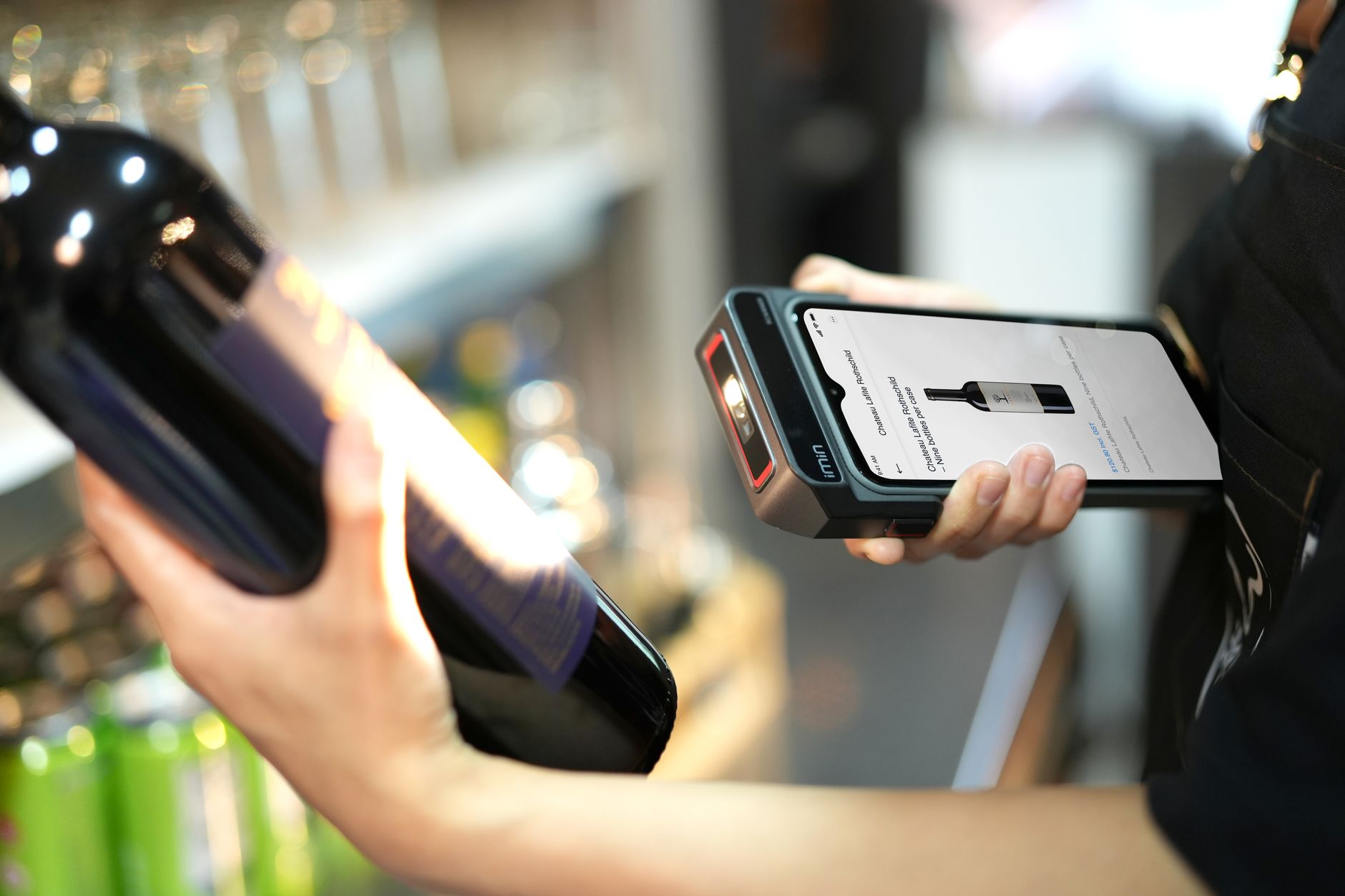
Việt POS implements RFID ETC in 6 steps: site assessment, solution consulting, equipment installation, POS software integration, staff training, and periodic warranty support.
- Site assessment: Survey toll station layout, vehicle volume, electrical and network infrastructure.
- Solution consulting: Select appropriate equipment from vendors like Chainway, Zebra, Honeywell.
- Equipment installation: Mount fixed RFID readers, barriers, cameras, and distribute RFID tags to vehicles.
- POS integration: Connect toll collection system with existing point-of-sale management software.
- Staff training: Guide operations, troubleshooting, and report management.
- Periodic warranty: Equipment inspection, software updates, and 24/7 technical support.
Comparison: Manual Toll Collection vs RFID ETC
| Criteria | Manual Toll Collection | RFID ETC |
|---|---|---|
| Time per transaction | 15-25 minutes | 1-3 seconds |
| Throughput (transactions/hour) | 50-100 | 500-800 |
| Staffing cost/year | 300-500 million VND | 50-100 million VND |
| Revenue loss | 5-10% | <1% |
| Management data | Manual, slow | Real-time, automated |
| Customer experience | Long queues, long wait | Fast, convenient |
Common Implementation Mistakes with RFID ETC
- Incorrect frequency selection: Using UHF readers outside the correct 920-925 MHz band (Vietnam) causes interference and reduces read range.
- No POS integration: Toll collection system operating independently without connection to point-of-sale software results in fragmented data.
- Neglecting periodic maintenance: Readers and barriers require monthly inspections; failure to maintain leads to unexpected failures.
- Insufficient staff training: Staff unfamiliar with tag error handling or network issues causes toll station congestion.
- Low-quality RFID tags: Cheap tags have short lifespan and fail easily in harsh environments.
Frequently Asked Questions
Does RFID electronic toll collection work with trucks?
What is the cost to implement RFID ETC for a 100-space parking lot?
Can RFID tags be reused when switching vehicles?
Does RFID ETC integrate with my existing POS system?
What is the warranty coverage for RFID ETC equipment?
Complete RFID electronic toll collection solution from Việt POS: free site survey, solution consulting, equipment installation (Chainway/Zebra/Honeywell), POS integration, training, and warranty. Contact 0935 498 384 for detailed quotes.
Cần tư vấn thiết bị/giải pháp cụ thể?
Việt POS phản hồi trong 30 phút · Hotline 4 vùng · Khảo sát miễn phí.
Bài viết cùng chủ đề