Mục lục bài viết (7)
- What is self-checkout? Distinguishing from traditional payment
- Self-checkout benefits: reduce staff, speed up service, no more lines
- Common self-checkout equipment types for Vietnam retail
- Self-checkout deployment costs: how much to invest?
- Case study: Mini supermarket successful self-checkout conversion
- Common mistakes when deploying self-checkout
- Frequently asked questions about self-checkout
According to Allied Market Research, the global self-checkout market is projected to reach 10.5 billion USD by 2030, growing at 14.2% CAGR. In Vietnam, supermarket chains and convenience stores are rapidly transitioning to customer self-payment models to solve labor shortages, reduce wait times, and minimize shrinkage. So what is self-checkout and what should businesses prepare when deploying it?
What is self-checkout? Distinguishing from traditional payment
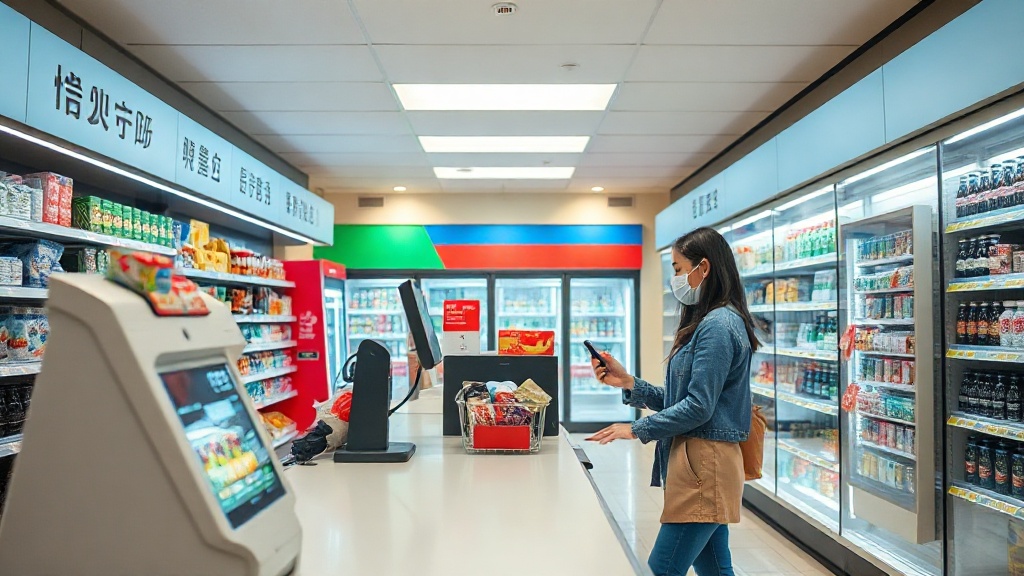
Self-checkout (customer self-payment) is a system that allows customers to scan product barcodes, complete payment via kiosk or mobile app without cashier assistance. Unlike traditional payment, self-checkout eliminates waiting in line entirely and reduces checkout staff costs by 30-50%.
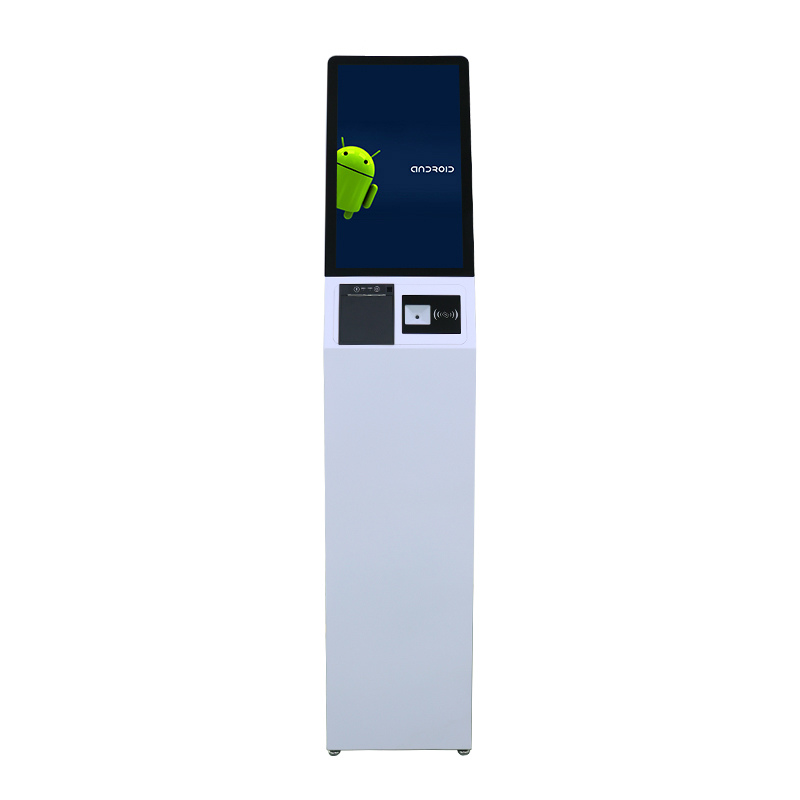
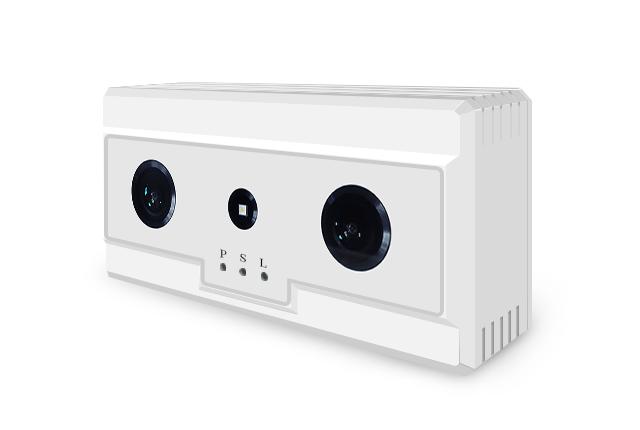
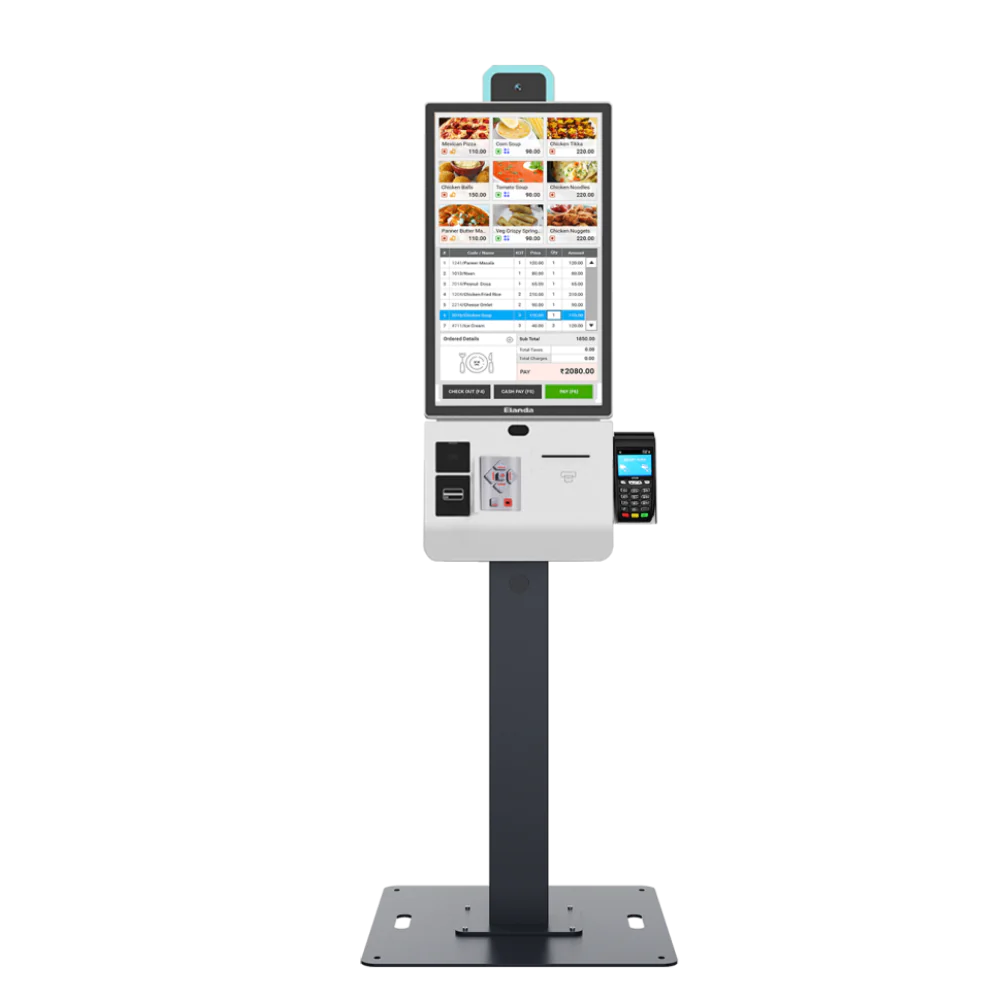
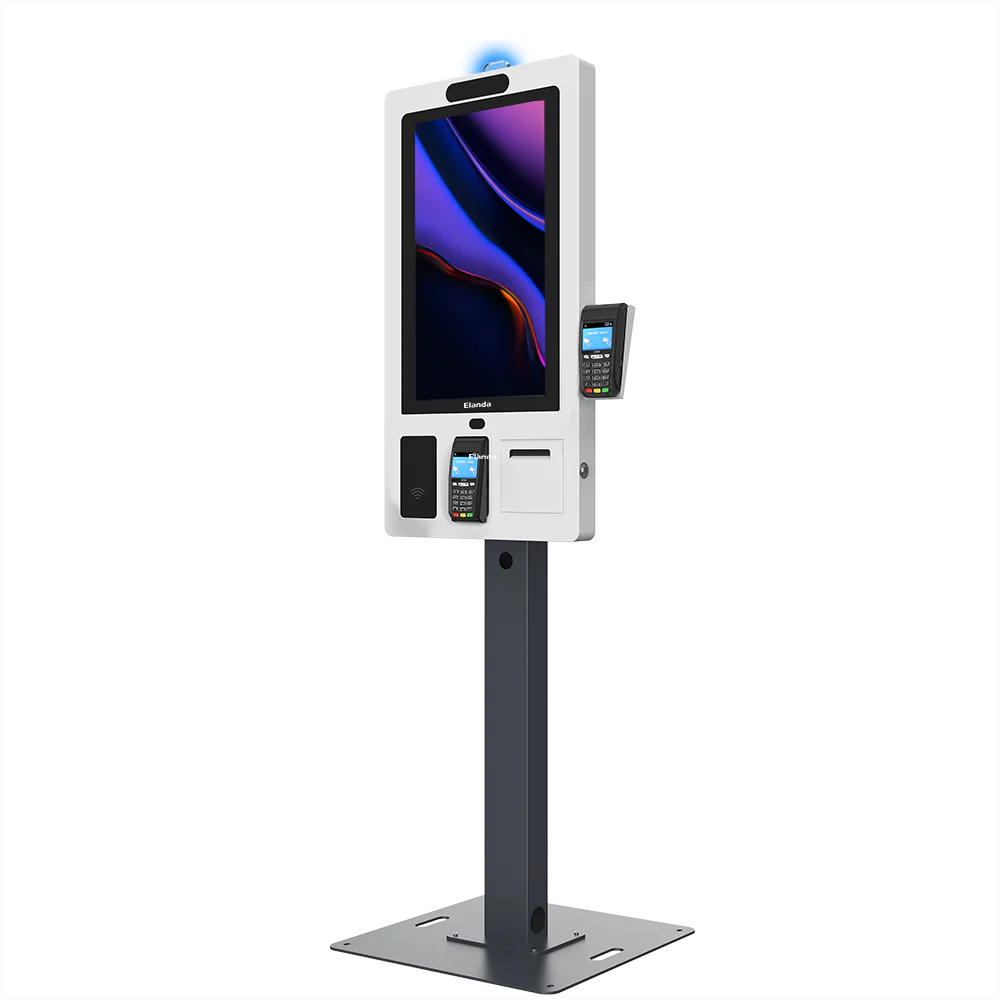
The self-checkout system operates on three main components: self-checkout kiosk (touchscreen, barcode scanner, receipt printer), integrated POS software (order management, inventory sync), and AI vision camera (product recognition, fraud detection). Traditional payment, by contrast, relies entirely on cashiers—prone to price errors, shrinkage, and limited capacity (one cashier serves maximum 15-20 customers/hour).
Common self-checkout models today include: fixed kiosk (stationed at checkout), mobile devices (staff carry scanners to customers), and AI camera without scanning (auto-recognizes items in cart). Fixed kiosks dominate mini supermarkets and convenience stores in Vietnam due to low deployment cost and ease of operation.
Self-checkout benefits: reduce staff, speed up service, no more lines

Self-checkout delivers three core benefits: reduces checkout staff by 30-50%, increases service speed 2-3 times (each transaction 30-60 seconds), and eliminates long lines during peak hours. Meanwhile, integrated AI camera helps detect fraud and reduce shrinkage below 1% of revenue.
Bạn đang tìm sản phẩm cho chủ đề này?
Việt POS phân phối chính hãng — bảo hành 24-36 tháng, hỗ trợ kỹ thuật 24/7.
Here is a detailed comparison between traditional checkout and self-checkout:
| Criterion | Traditional checkout | Self-checkout (kiosk + AI) |
|---|---|---|
| Transaction time | 45-90 seconds | 20-40 seconds |
| Customers/hour/checkout | 15-20 | 40-60 |
| Staff required/checkout | 1-2 people | 0 people (automatic) |
| Price errors | 2-5% of transactions | <0.5% |
| Shrinkage | 1.5-3% of revenue | 0.5-1% (AI monitored) |
| Monthly operating cost/checkout | 15-25 million VND | 3-8 million VND (depreciation + maintenance) |
For a chain with 3-5 checkouts, switching to self-checkout saves 200-500 million VND annually in staff costs, plus additional revenue from faster peak-hour service.
Common self-checkout equipment types for Vietnam retail
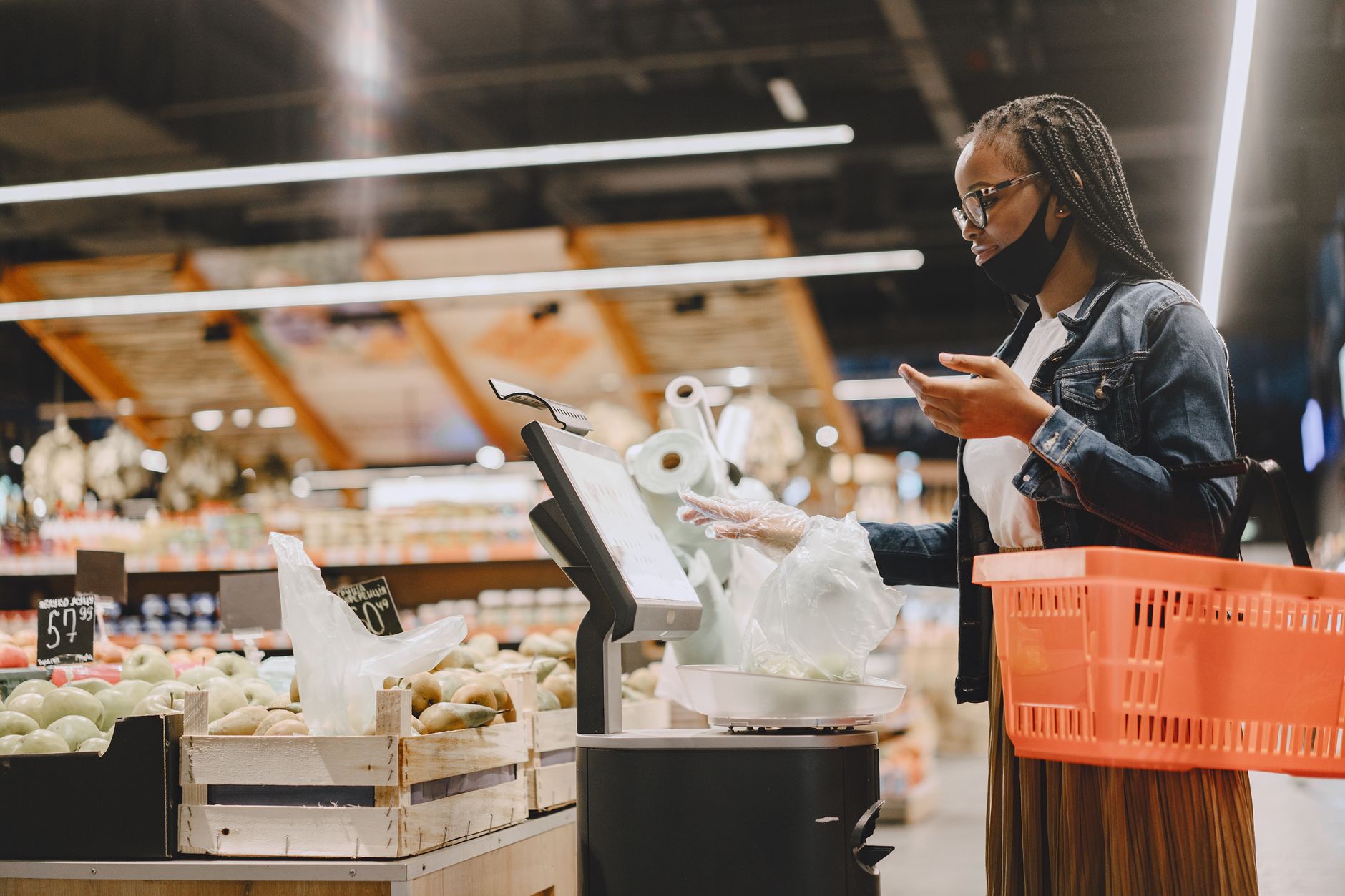
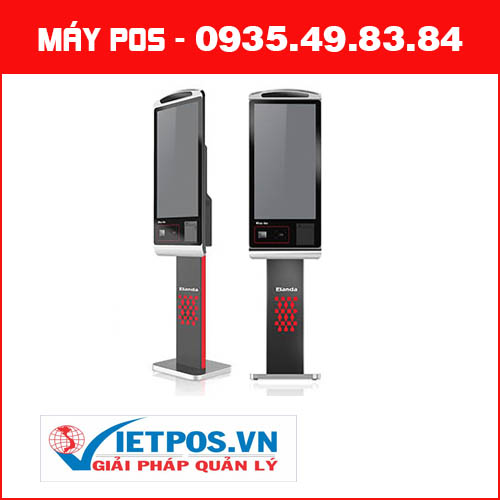
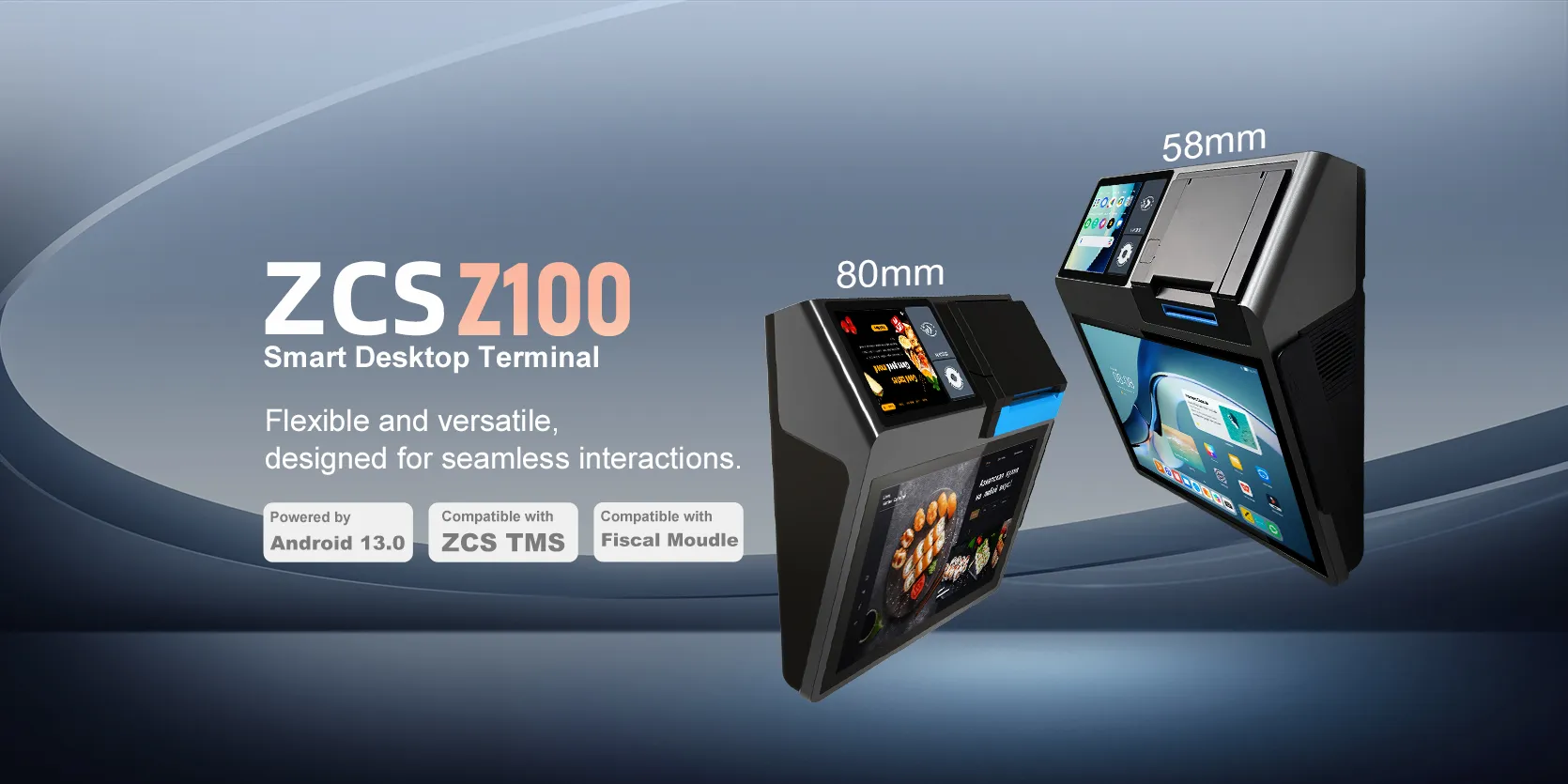
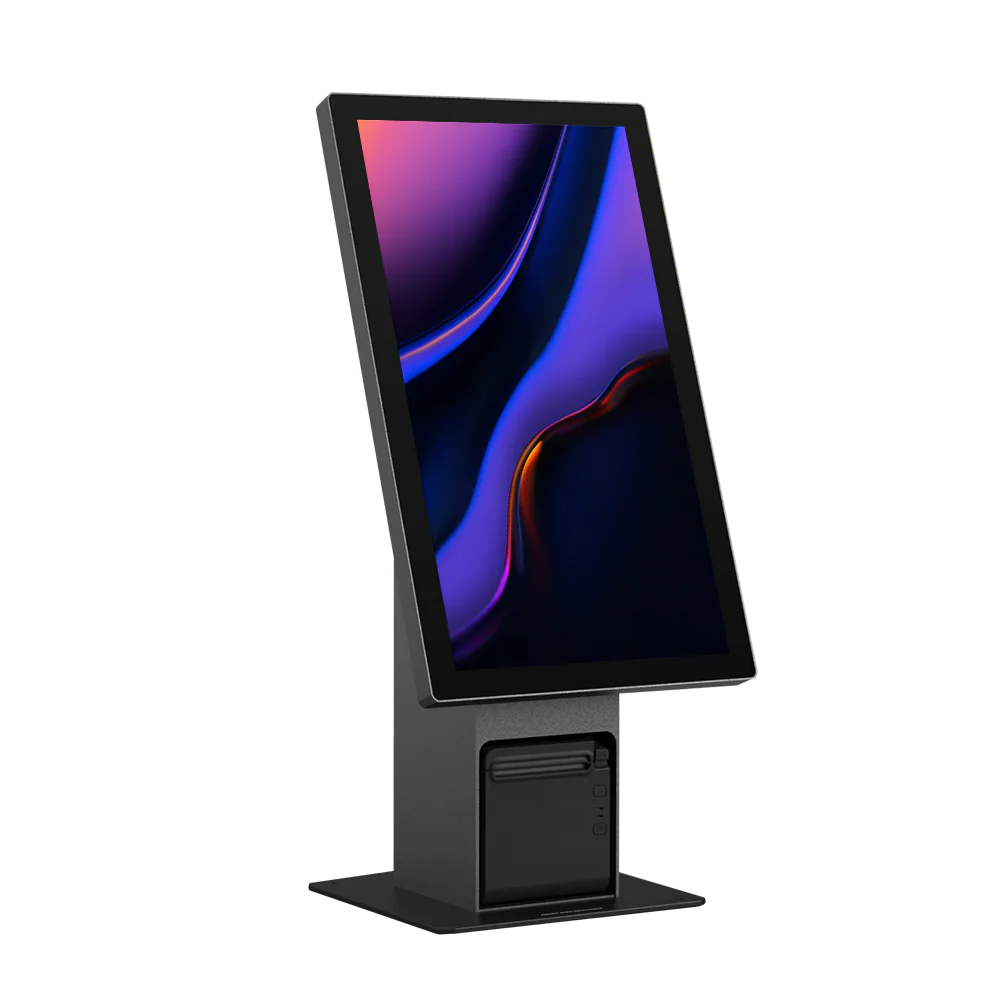
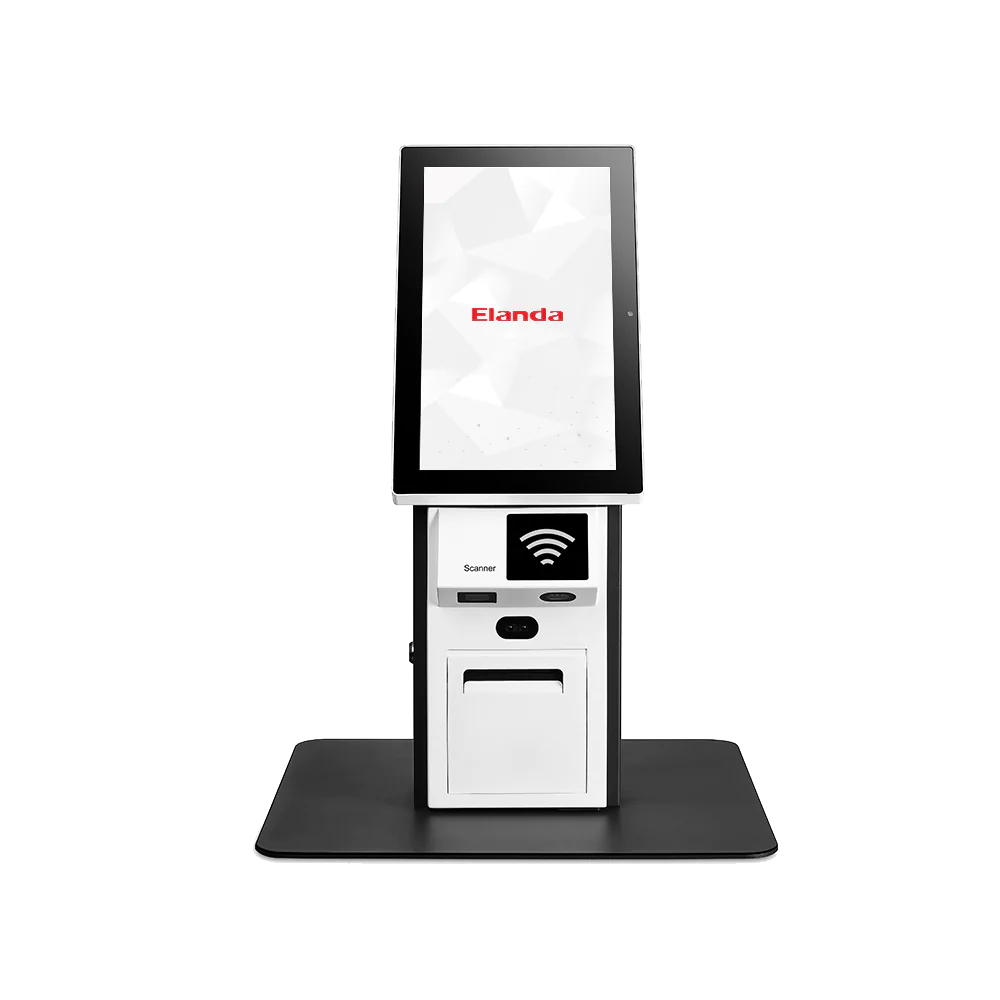
There are three main self-checkout equipment types: self-checkout kiosk (15-21 inch touchscreen, integrated receipt printer and barcode scanner), mobile POS device (tablet or smartphone with scanner), and AI vision camera system (no manual scanning). Each suits different scales and budgets.
- Self-checkout kiosk (10-40 million VND/kiosk): Ideal for mini supermarkets and convenience stores with 50-200m² floor space. Integrated thermal receipt printer, Honeywell or Zebra barcode scanner, water-resistant touchscreen. Lifespan 5-7 years.
- Mobile POS device (5-15 million VND/device): For fashion, cosmetics stores where staff need mobility. Wireless connection to wearable belt printer (like Epson TM-P20).
- AI vision camera (20-80 million VND/system): Uses computer vision to auto-recognize items in cart, no manual barcode scanning needed. Suits large supermarket chains (500m²+) wanting complete "grab-and-go" experience.
Việt POS supplies complete packages from partners like Sunmi, Epson, Honeywell, Zebra—ensuring software compatibility and 12-24 month warranty.
Self-checkout deployment costs: how much to invest?
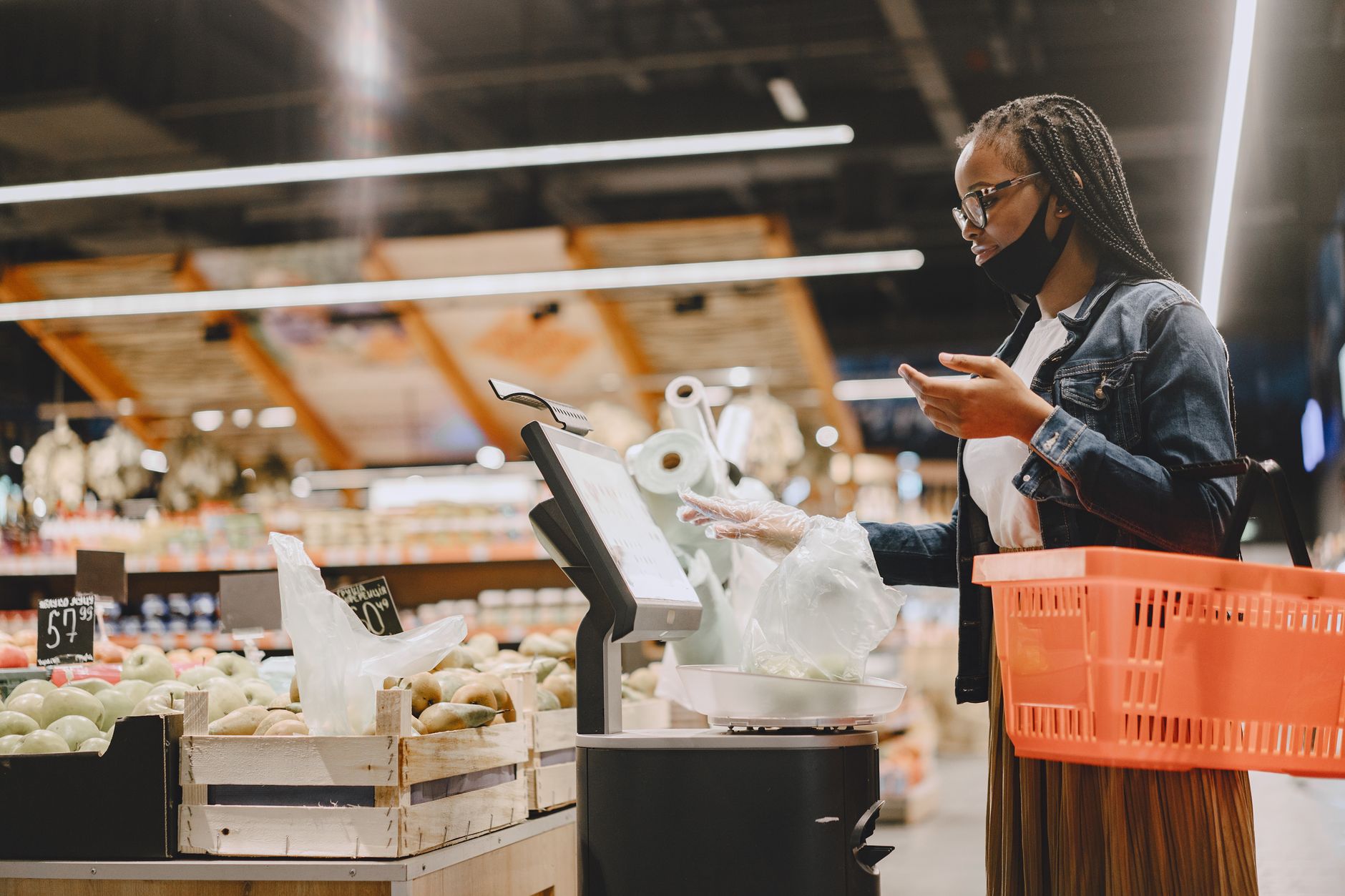
Self-checkout deployment costs range 15-150 million VND per checkout, depending on equipment type and scale. For a 3-5 store chain, total investment is around 100-500 million VND, with 12-18 month payback period thanks to staff savings and revenue growth.
Reference cost table for each model:
| Model | Equipment cost/checkout | Software cost/year | Maintenance cost/year | Payback period |
|---|---|---|---|---|
| Basic kiosk (1 checkout) | 15-25 million | 5-10 million | 2-3 million | 10-14 months |
| Premium kiosk + AI | 40-80 million | 15-25 million | 5-8 million | 14-20 months |
| AI vision camera (3-5 checkouts) | 80-150 million | 30-50 million | 10-15 million | 18-24 months |
Note: Costs exclude network infrastructure, power, and initial staff training (1-2 months transition). Việt POS provides free consultation and detailed quotes tailored to your specific needs.
Case study: Mini supermarket successful self-checkout conversion

A 5-store mini supermarket chain in Ho Chi Minh City (80-120m² per store) deployed 2 self-checkout kiosks per store combined with AI camera monitoring. Results after 6 months: 40% staff reduction at checkout, 25% revenue increase due to reduced wait times, and shrinkage dropped from 2.3% to 0.8%.
Specifically, an average store had 3 cashiers (7-8 million VND salary each/month). After conversion, only 1 kiosk support staff and 1 security monitor needed. Staff cost dropped from 21-24 million to 14-16 million/month. Meanwhile, checkout throughput increased from 18 customers/hour to 45 customers/hour, serving 150-200 additional customers daily during peak hours. Total investment for 2 kiosks + camera was 120 million, payback in 11 months.
Key takeaway: train support staff to help customers familiarize with kiosk over 2-4 weeks initially, and integrate RFID product traceability solution for accurate inventory control.
Common mistakes when deploying self-checkout
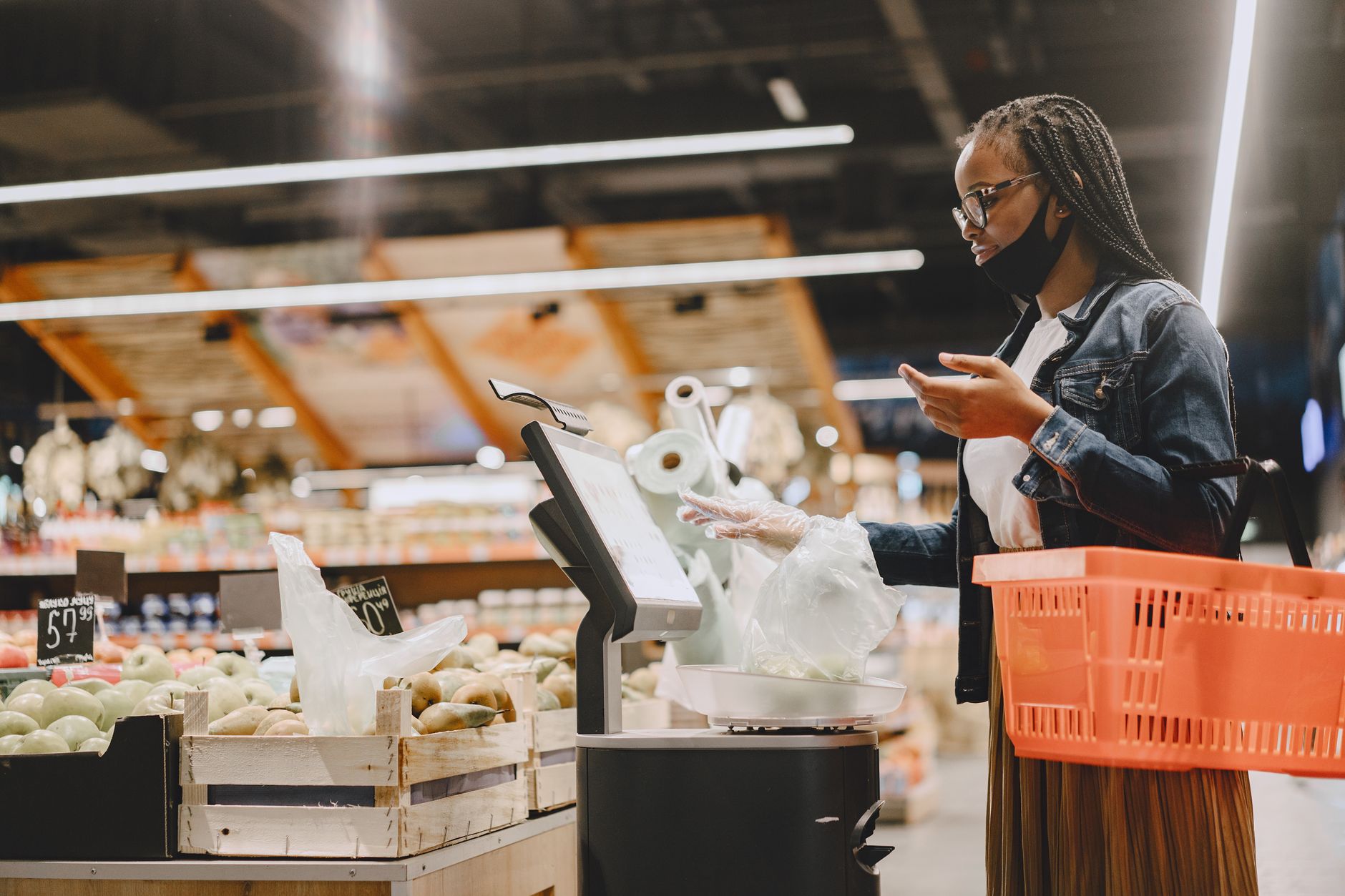
Many businesses make mistakes deploying self-checkout: choosing cheap equipment incompatible with software, skipping AI camera integration leading to high shrinkage, or inadequate staff support training. Below are 4 common mistakes to avoid.
- Selecting kiosk not synced with current POS software: Many store owners buy cheap Chinese kiosks (under 10 million) that won't connect to sales management software, causing inventory and revenue discrepancies. Solution: choose equipment from trusted partners like Epson, Sunmi, Honeywell, and require API integration before purchase.
- Not installing AI camera monitoring: Self-checkout without AI camera can cause 3-5% shrinkage due to customers forgetting to scan or intentional fraud. AI vision camera detects anomalies and reduces shrinkage below 1%.
- Lacking customer support staff in initial phase: Elderly or tech-unfamiliar customers need 2-4 weeks guidance. Without support staff, cart abandonment rates may spike 15-20%.
- Neglecting regular maintenance: Self-checkout kiosks need monthly barcode scanner cleaning, network checks, software updates, and consumable replacement (receipt paper, backup batteries). Lack of maintenance causes early failure and higher repair costs.
To avoid these mistakes, businesses should consult RFID batch and expiry management solution combined with self-checkout for comprehensive product control.
Frequently asked questions about self-checkout
Is self-checkout suitable for stores under 50m²?
Yes. Small stores can deploy 1 self-checkout kiosk or mobile POS device. Investment starts at just 15-25 million, suitable for convenience stores, groceries, or cafés. Key is choosing compact, portable equipment with integrated management software.
How to prevent fraud when customers self-pay?
Combine AI vision camera and weight sensors at kiosk. Camera recognizes items in cart and cross-checks scanned list. System alerts staff if anomalies detected (unscanned items, wrong codes). Additionally, install RFID security gate at exit to detect unscanned items.
Does self-checkout support cashless payment?
Yes. Most modern self-checkout kiosks integrate bank card payment (contactless), QR code (VietQR, Momo, ZaloPay), and e-wallets. Premium models include QR code scanner and NFC card reader. Việt POS supplies kiosks with all popular Vietnam payment methods pre-integrated.
What is annual kiosk maintenance cost?
Maintenance ranges 2-8 million VND/year/kiosk depending on equipment type and provider. Maintenance items: barcode scanner cleaning, receipt printer checks, software updates, wear-part replacement (thermal rolls, backup batteries). Việt POS offers 12-month complete maintenance packages at preferential rates with equipment purchase.
How many staff to operate one self-checkout kiosk?
Typically 1 staff member can support 3-5 self-checkout kiosks simultaneously. Main duties: guide first-time customers, handle simple tech issues, verify and reconcile end-of-day. Versus traditional checkout needing 1-2 staff/checkout, self-checkout saves 50-70% labor.
Cần tư vấn thiết bị/giải pháp cụ thể?
Việt POS phản hồi trong 30 phút · Hotline 4 vùng · Khảo sát miễn phí.
Sản phẩm liên quan
Bài viết cùng chủ đề