Mục lục bài viết (7)
- Why is footfall data insufficient for evaluating store performance?
- How to distinguish real customers from non-value visits?
- POS and People Counters: Which measurement duo needs integration?
- 5 metrics to track when combining POS and people counters
- Case study: A 15-store minimart chain in Ho Chi Minh City increased revenue by 22% by combining POS + AI people counters
- Common mistakes when using only footfall data for evaluation
- How to choose the right people counter for your store size?
According to the 2025 Vietnam retail industry report, over 70% of chain owners still use footfall as their primary KPI. However, this data only measures volume, not value. A packed store can have a conversion rate below 15% if most people enter just to escape the sun or browse without buying. This article explains the reasons and solutions for combining POS with AI people counters to get a comprehensive picture.
Why is footfall data insufficient for evaluating store performance?
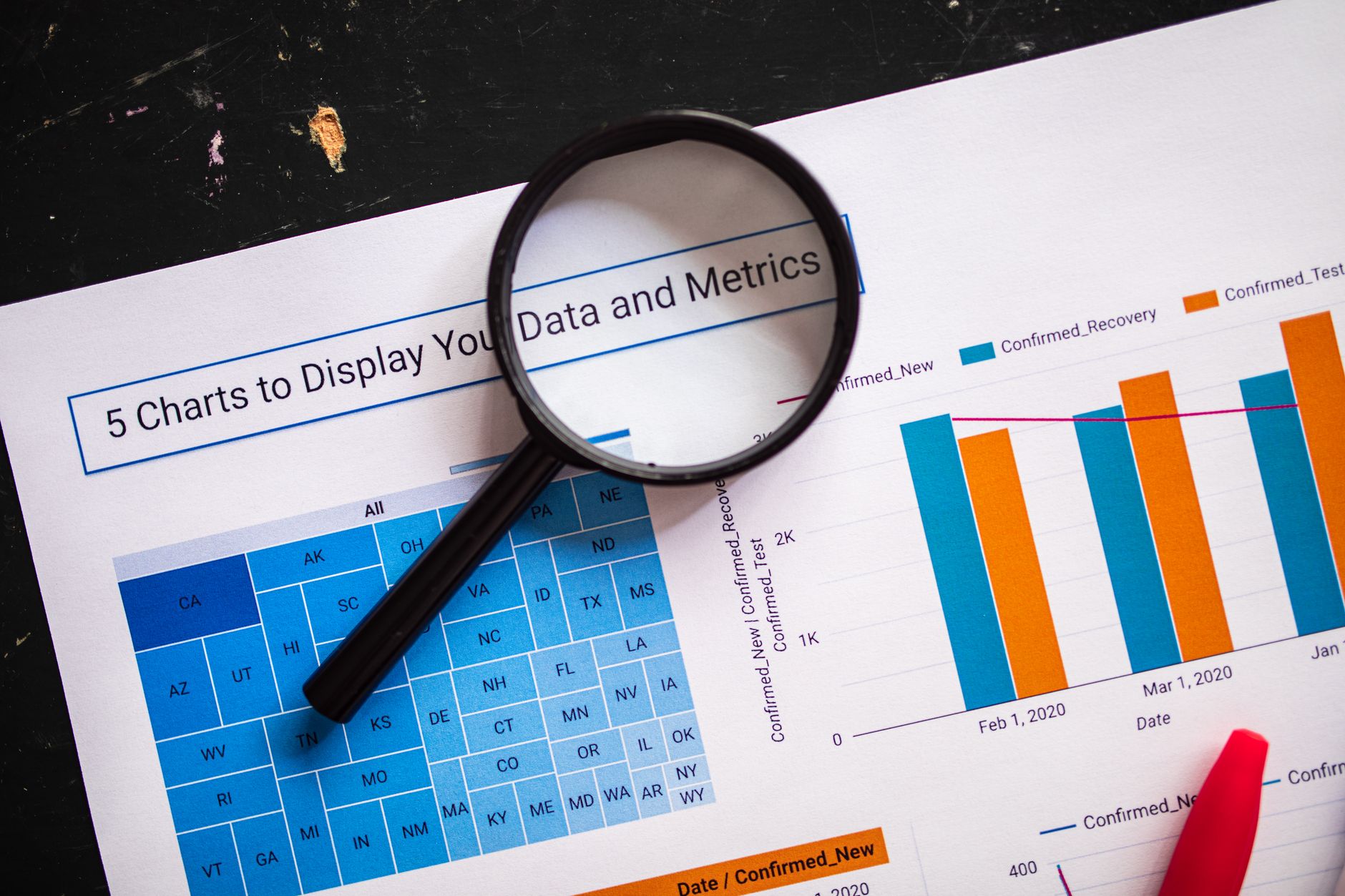
Footfall data only measures "volume" — how many people walk in — but cannot distinguish between actual customers, staff, delivery personnel, or passersby. This data does not indicate whether visitors made a purchase, how long they stayed, or how they interacted with products.
In real-world operations in Vietnam, a mini-supermarket in a central district of Ho Chi Minh City might record 1,200-1,500 footfall per day, yet actual revenue is only 25-30 million VND — equivalent to an average basket size of 20,000-25,000 VND. Meanwhile, a convenience store in a residential area with only 400-500 footfall per day achieves 40-50 million VND in revenue thanks to an average basket size of 80,000-100,000 VND. Clearly, raw traffic data does not accurately reflect performance.
How to distinguish real customers from non-value visits?
Related Products
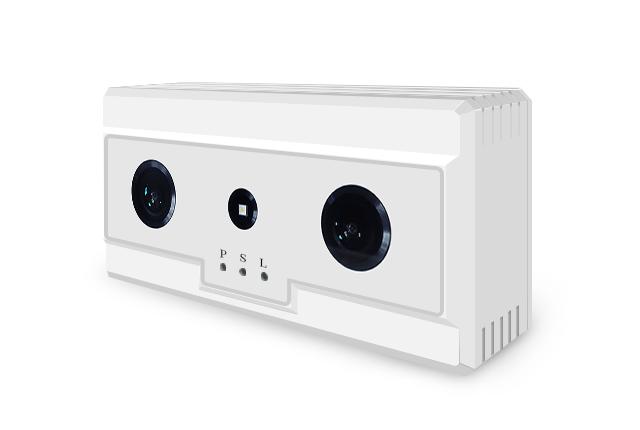
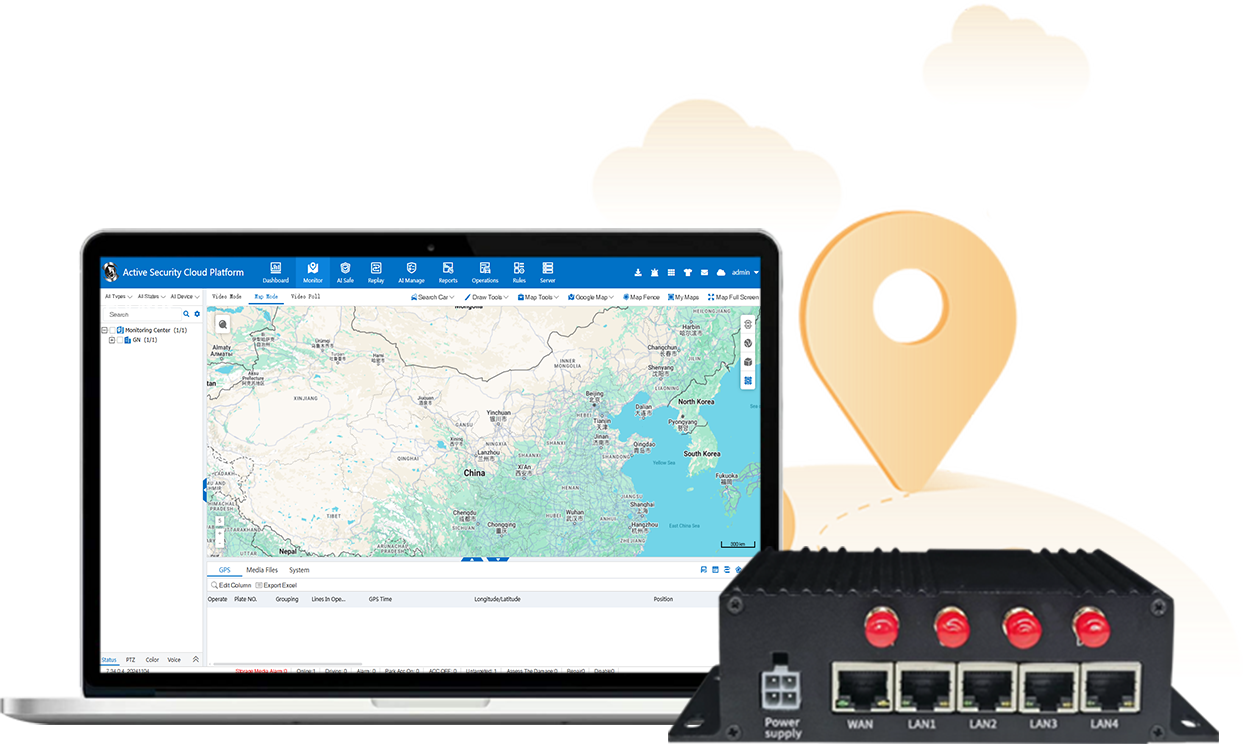
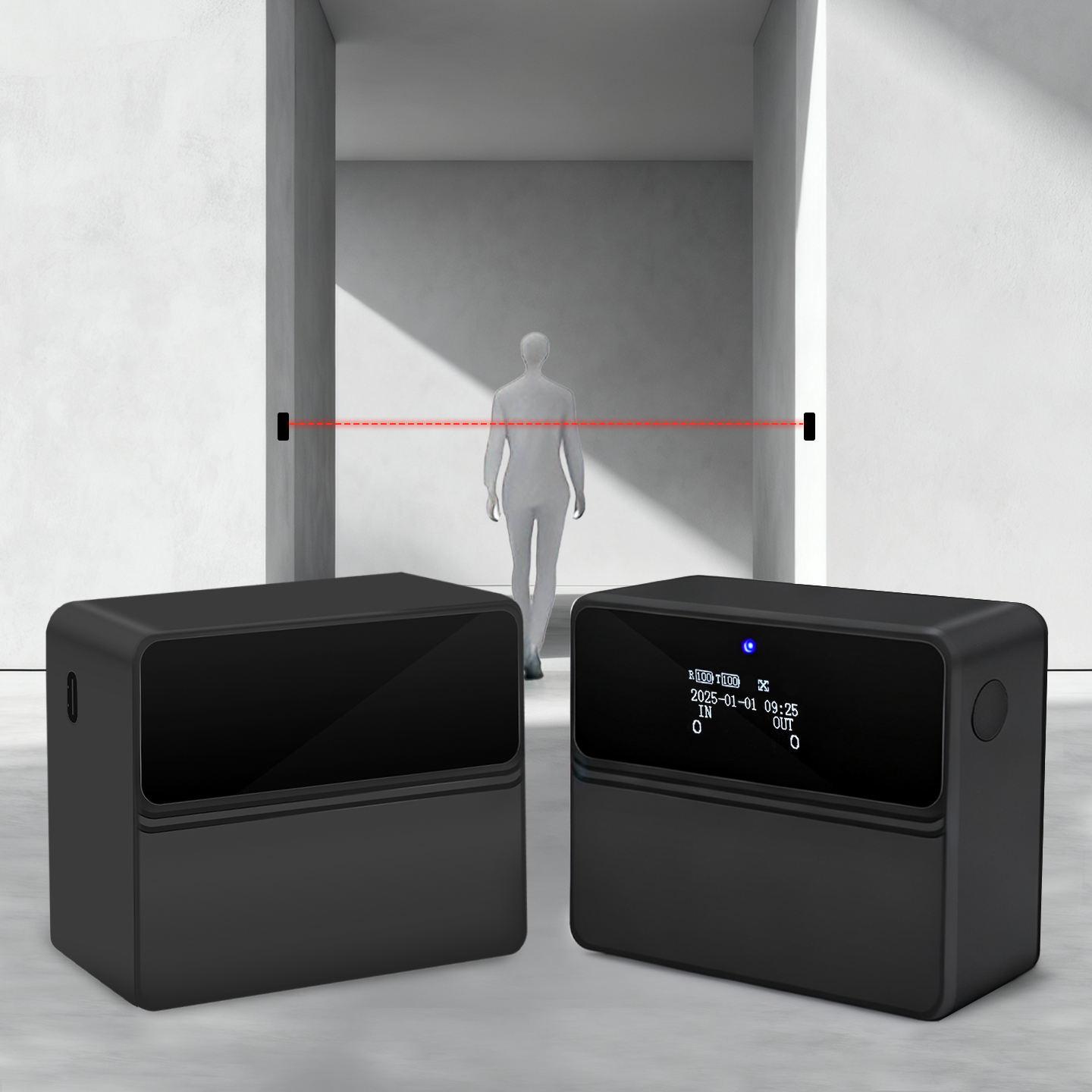

The solution lies in combining AI people counters (3D TOF cameras or mmWave radar) with POS data. The people counter records accurate entry-exit counts, while the POS records transaction counts. From this, the conversion rate can be calculated — a metric that truly reflects performance.
Modern people counters such as the Time-of-Flight 3D TOF People Counter FP221 Series or the mmWave Radar People Counter FP-RDN can filter out noise from staff and shopping carts, counting only real people. When combined with POS software, store owners can compare:
- Number of entries (from the people counter) vs Number of transactions (from POS) → Conversion Rate
- Peak hours (from the people counter) vs Revenue by hour (from POS) → Peak Hour Efficiency
- Footfall by zone (from AI cameras) vs Best-selling products (from POS) → Zone Performance
POS and People Counters: Which measurement duo needs integration?
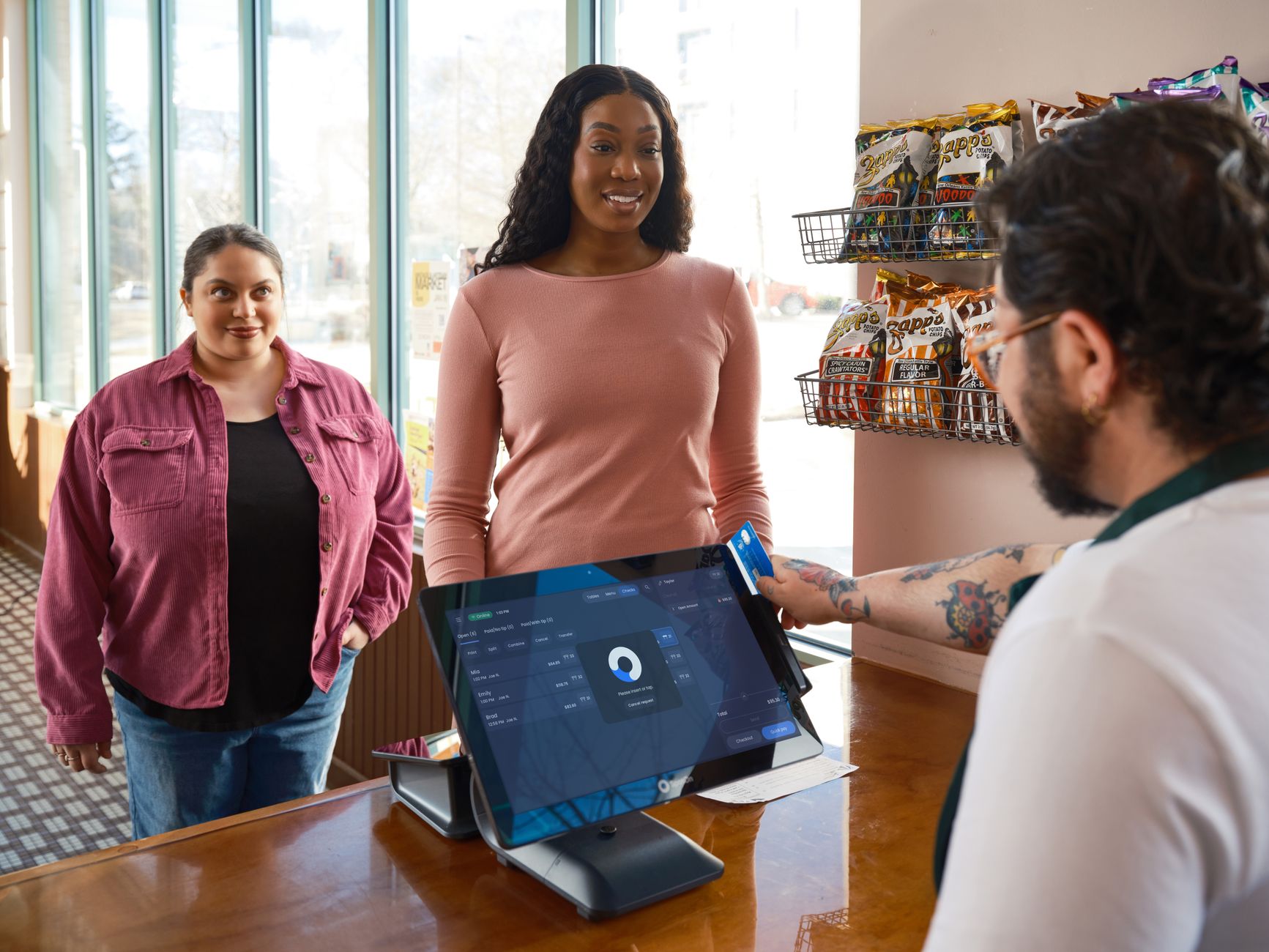
To accurately evaluate store performance, three layers of data need to be integrated: (1) AI people counters (3D cameras/radar), (2) the POS system recording transactions, and (3) a central analytics platform aggregating reports.
The table below compares popular people counters and their integration capabilities with POS:
| Device | Technology | Accuracy | POS Integration | Suitable For |
|---|---|---|---|---|
| FP221 Series | 3D TOF | 98-99% | API/GPIO | Stores with ceilings 3-6m high |
| FP-RDN | mmWave Radar | 95-97% | API/GPIO | Smoky, dusty, or low-light environments |
| HX-CCD21 | AI 3D Vision | 97-99% | API/RS485 | Large supermarkets requiring zone analysis |
| FP-110 | IR (Infrared) | 85-90% | GPIO | Small stores with low budgets |
Viet Duc Tri Group recommends using 3D TOF or AI Vision devices for retail chains with 3 or more stores, due to their high accuracy and flexible API integration with popular POS software.
5 metrics to track when combining POS and people counters
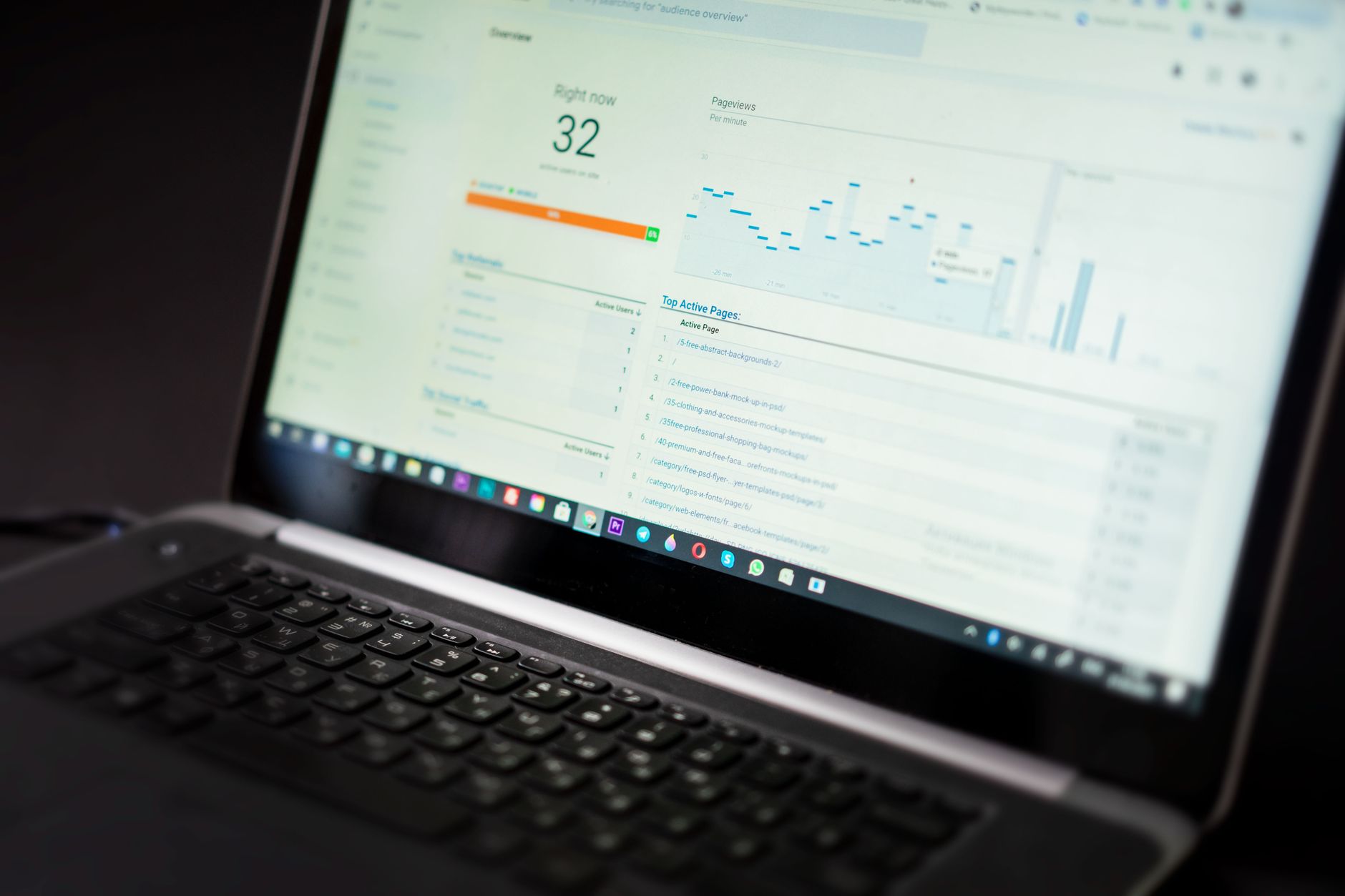
Once data from both sources is available, store owners should focus on 5 core metrics: Conversion Rate, Average Transaction Value (ATV), Revenue Per Visitor (RPV), Repeat Customer Rate, and Hourly Performance.
- Conversion Rate = Number of transactions / Number of visitors × 100%. This metric indicates what percentage of people entering the store actually make a purchase. Target: 25-40% depending on the industry.
- Average Transaction Value (ATV) = Revenue / Number of transactions. Reflects upselling capability and value per purchase.
- Revenue Per Visitor (RPV) = Revenue / Number of visitors. A composite metric measuring the effectiveness of each visit.
- Repeat Customer Rate = Number of customers with ≥2 transactions in a month / Total customers. Measures loyalty.
- Hourly Performance = Revenue by time slot / Number of visitors by time slot. Helps optimize staffing schedules.
Case study: A 15-store minimart chain in Ho Chi Minh City increased revenue by 22% by combining POS + AI people counters
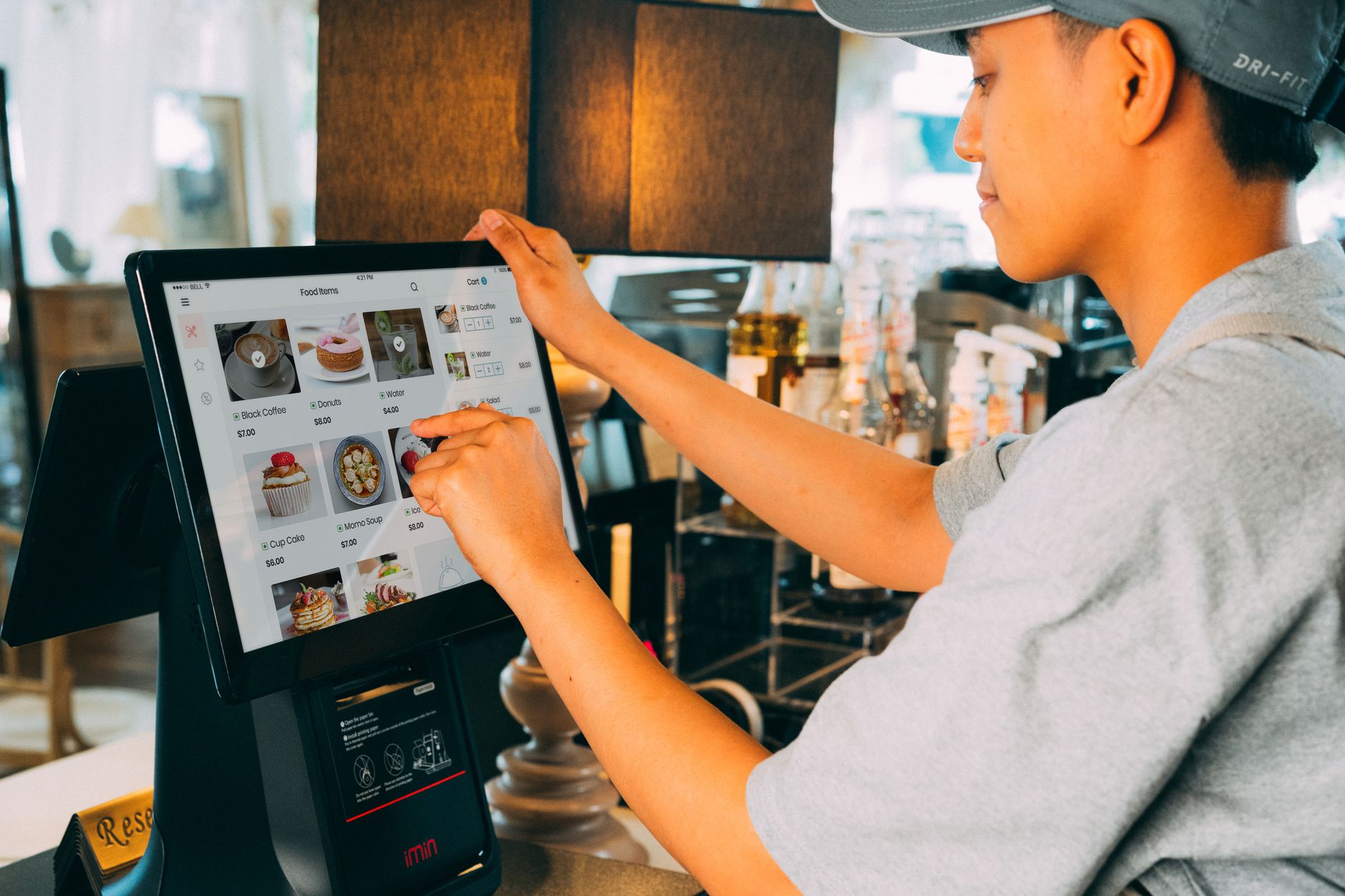
A 15-store minimart chain in Ho Chi Minh City deployed a solution combining POS and AI 3D TOF people counters from Viet Duc Tri Group. After 6 months, they recorded a 22% increase in revenue and a 15% reduction in staffing costs.
Specifically, the chain used HX-CCD21 people counters at each store, connected via API to the POS software. Data was aggregated on a central dashboard. Results:
- Identified 3 stores with a conversion rate below 12% (lower than the chain average of 28%). Cause: inappropriate staff scheduling during peak hours.
- Adjusted staffing schedules based on hourly traffic data, increasing the conversion rate to 24% after 2 months.
- Reduced staffing costs by 15% by not overstaffing during off-peak hours.
- Average revenue per store increased from 180 million to 220 million VND/month.
Common mistakes when using only footfall data for evaluation
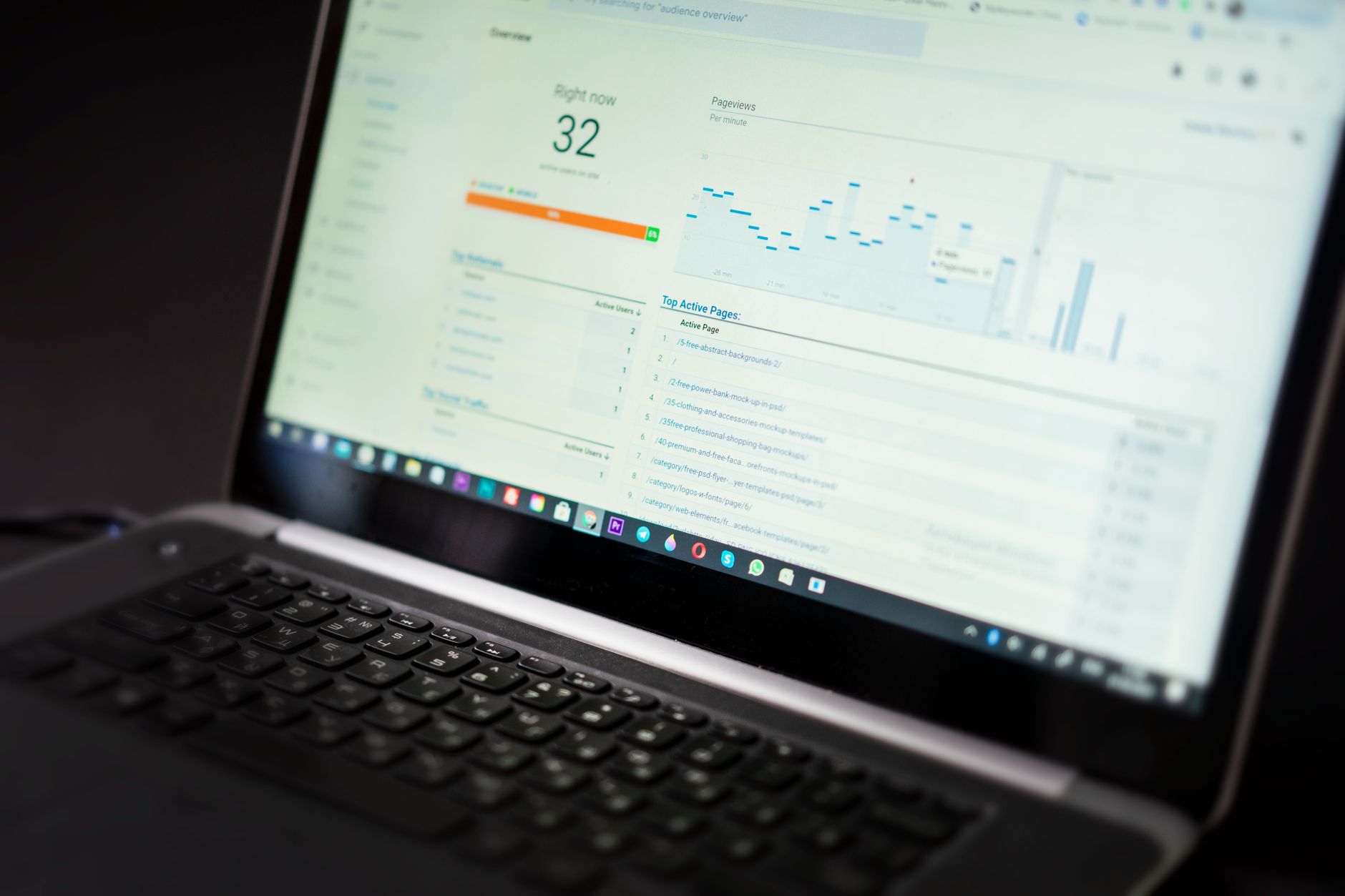
There are 5 common mistakes that Vietnamese retail chain owners often make when relying solely on traffic data: confusing high footfall with effectiveness, ignoring seasonality, not distinguishing new from returning customers, misjudging marketing effectiveness, and lacking data to optimize store layout.
- Mistake 1: Assuming a busy store is an effective store. In reality, a store with 1,000 footfall/day but a 10% conversion rate has only 100 transactions, while a store with 500 footfall/day and a 30% conversion rate has 150 transactions.
- Mistake 2: Not adjusting for seasonality. During Tet, traffic can increase by 200-300%, but the average basket size may decrease as customers buy small gifts.
- Mistake 3: Not distinguishing new from returning customers. A store may have high traffic but consist entirely of transient customers with no loyal base.
- Mistake 4: Evaluating marketing campaign effectiveness based solely on traffic. A campaign may attract 5,000 visitors, but if the conversion rate is only 5%, its effectiveness is low.
- Mistake 5: Not using data to optimize store layout. High traffic in zone A but low revenue may indicate ineffective product display.
How to choose the right people counter for your store size?
Choosing a people counter depends on 3 factors: store size (area, number of entrances/exits), installation environment (ceiling height, lighting, temperature), and investment budget.
Quick selection guide:
- Small stores (under 50m², 1-2 entrances): Use the IR People Counter FP-110 (low cost, easy installation) or a simple AI camera.
- Medium stores (50-200m², 2-3 entrances): Use the 3D TOF People Counter FP221 Series (high accuracy, tolerates changing light).
- Large supermarkets (over 200m², multiple entrances): Use the AI 3D People Counter HX-CCD21 or mmWave Radar FP-RDN (multi-zone analysis, high accuracy).
Cần tư vấn thiết bị/giải pháp cụ thể?
Việt POS phản hồi trong 30 phút · Hotline 4 vùng · Khảo sát miễn phí.
Bài viết cùng chủ đề